As an Amazon Associate, I earn from qualifying purchases.
cucumber leaves most often turn white because of powdery mildew, sunscald, or physical damage. Powdery mildew creates white, powder-like patches that spread across leaves. Sunscald causes pale, dry areas after sudden exposure to strong sunlight. Check the pattern before choosing a treatment.
Across the United States, cucumber plants are a favorite in backyard gardens, raised beds, and community plots. From warm Southern summers to cooler growing seasons in the Northeast and Midwest, gardeners may notice white spots or pale patches on cucumber leaves. The change can be worrying, especially when young plants are growing well and fruit is beginning to form.
The good news is that white leaves do not always mean a plant is dying. Powdery mildew is a common cause, but harsh sunlight, spray residue, pests, and other leaf problems can look similar. The fastest way to help a cucumber plant is to inspect the leaves closely, check recent weather and care practices, and match the treatment to the likely cause.
This guide explains how to identify the main causes, what to do first, which treatments are worth considering, and how to reduce the chance of another outbreak. It also covers when white patches are harmless and when damaged leaves may signal a more serious problem.
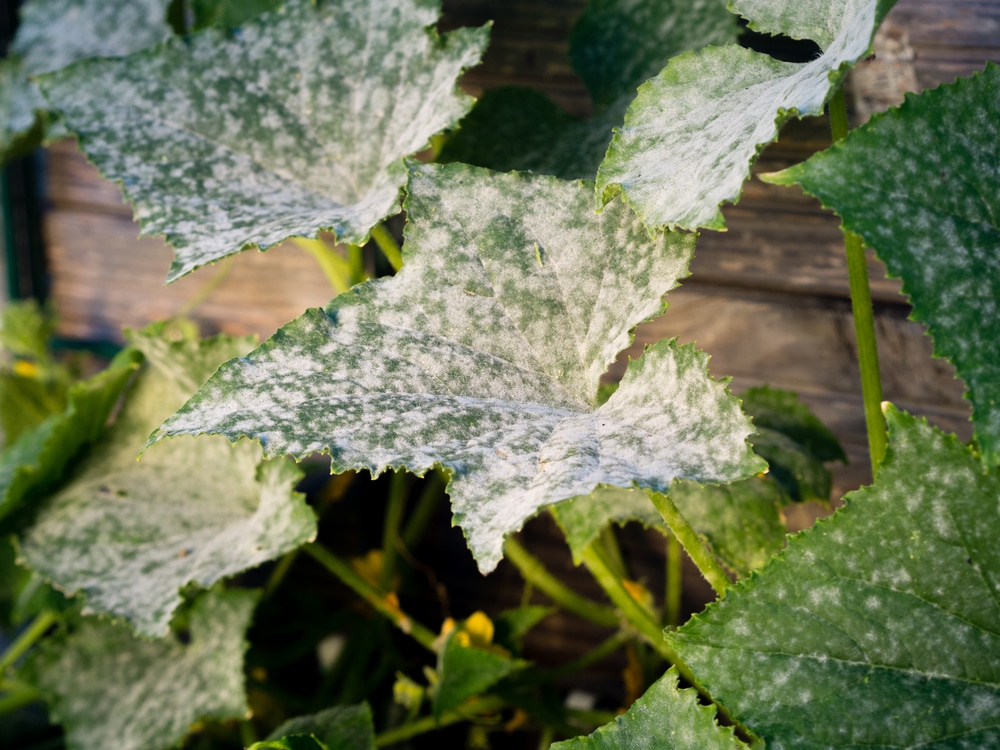
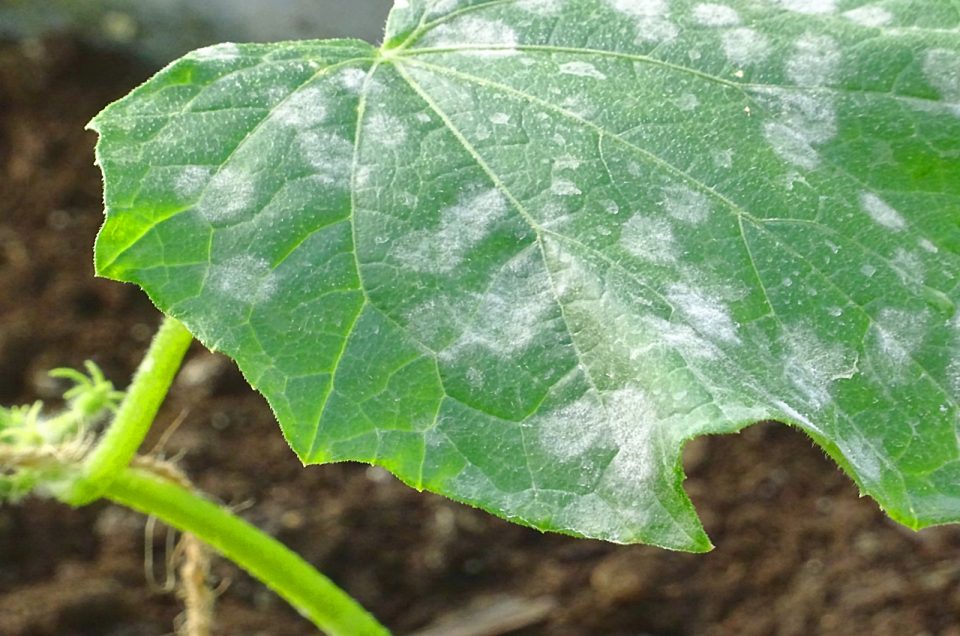
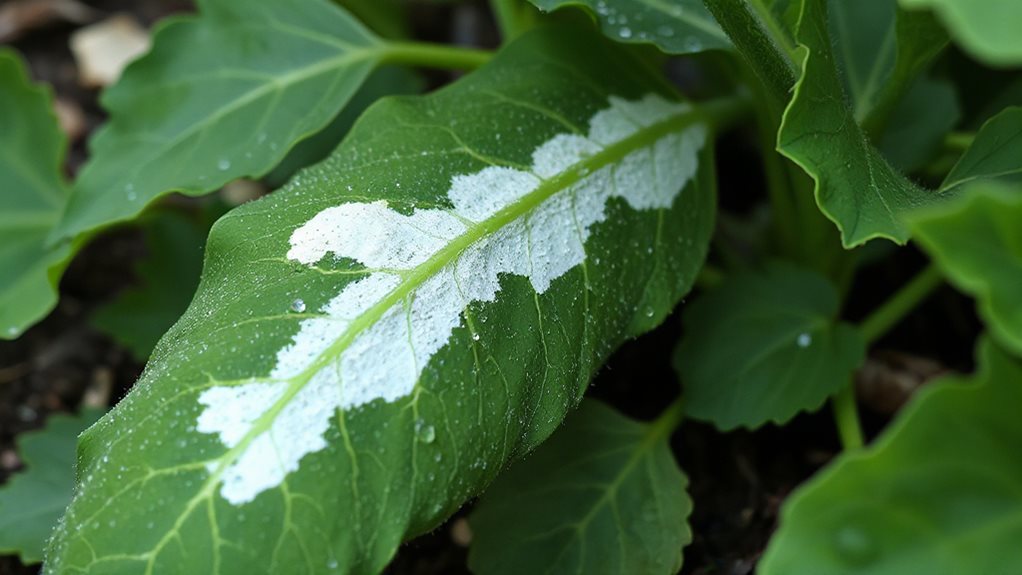
Powdery mildew is one of the first problems to check when cucumber leaves develop white patches. It is caused by fungi that grow on the leaf surface. Unlike many leaf diseases, the infection often looks like a thin layer of white flour or dust rather than a dark or water-soaked spot.
The patches may begin as small circles and then spread across the upper leaf surface. As the disease advances, several patches can merge into a larger white coating. Infected leaves may turn yellow, curl, dry out, or die early.
Powdery mildew can develop in a wide range of conditions. Warm days, humid air, crowded vines, and poor airflow can favor an outbreak, although free water on the leaf is not required for infection. A plant may develop the disease even when the gardener has watered it correctly.
The fungus reduces the leaf’s ability to function well. When enough foliage is affected, the plant may lose vigor, produce less fruit, or struggle to support cucumbers that are already growing. Early action can help preserve healthy leaves, but badly damaged tissue may not return to normal.
Source: qaqooking.wiki
White powder on the surface
Look for soft, flour-like patches that appear to sit on the leaf rather than pale tissue that is fully part of the leaf.
Patches that keep spreading
New spots may appear on nearby leaves, and separate patches may join as the infection progresses.
Older leaves affected first
Powdery mildew often becomes noticeable on mature leaves before spreading to younger growth.
How to Confirm Powdery Mildew
Inspect both sides of several leaves in good light. Powdery mildew usually creates a visible surface coating, although early infections can be subtle. A gentle touch may disturb some of the powder, but wiping a patch is not a reliable diagnostic test because dust, residue, and other conditions can look similar.
Check whether the white areas are expanding and whether similar marks appear on more than one leaf. If the pattern is unclear, compare it with reliable plant disease images from a university extension service or ask a local extension office for help.
Inspect before spraying
Check several leaves, the stems, and nearby plants. Do not assume every white mark is a fungal infection.
Watch for progression
Take a photo and inspect again over the next few days. Expanding powdery patches support the suspicion of mildew.
2. Sunscald Can Bleach Cucumber Leaves
Strong sunlight can cause cucumber leaves to turn pale, white, or tan, especially after plants are moved from indoors to full sun or after protective foliage is suddenly lost. This injury is called sunscald. It damages exposed leaf tissue rather than creating a powdery growth on the surface.
Sunscald often appears on the side of the plant that receives the strongest direct sunlight. The affected areas may look bleached, papery, dry, or brittle. Unlike powdery mildew, these patches do not usually spread as a powder coating from one leaf to another.
Young cucumber seedlings are especially vulnerable when they have been raised indoors or in a greenhouse. A sudden move outdoors can expose them to stronger sunlight, wind, and heat than they are prepared to handle. Gradual acclimation helps reduce this risk.
Heat stress can occur at the same time. Leaves may droop during hot afternoons and recover in the evening, while severe stress can cause lasting damage. A plant with sunscald may still grow well if its growing tips and roots remain healthy.
Source: thrivingyard.com
Check recent exposure
Think about whether the plant was recently transplanted, uncovered, or moved into a sunnier spot.
Look for dry, bleached tissue
Sunscald tends to leave damaged patches that feel dry rather than a removable powder on the surface.
Protect future growth
Use gradual hardening off and temporary shade during extreme heat when needed, while keeping the plant in suitable light.
How to Prevent Sunscald After Transplanting
Before planting indoor-grown seedlings in an outdoor garden, expose them to outdoor conditions gradually over about seven to ten days, adjusting for local weather and plant response. Start in a sheltered, partly shaded location and increase sun exposure over time.
Keep the root zone evenly moist without leaving the soil waterlogged. During unusually hot weather, temporary shade cloth may help protect tender plants. Avoid placing a permanent heavy cover over cucumber vines because too little light can weaken growth and reduce flowering.
Harden off seedlings
Increase outdoor exposure in stages rather than moving tender plants directly into intense afternoon sun.
Keep healthy foliage
Avoid removing large amounts of green leaf cover unless disease or other damage makes removal necessary.
3. Spray Residue and Water Deposits May Leave White Marks
White marks do not always indicate disease. Mineral-rich water can leave pale deposits after droplets dry, while some fertilizers, soaps, and garden sprays can leave a film on leaf surfaces. These residues may look like powdery mildew at first glance.
Residue often appears in a pattern that follows dried droplets or spray coverage. The marks may be more uniform than a spreading fungal infection, and the plant may otherwise look healthy. Recent watering, foliar feeding, or pest treatment can provide a useful clue.
Do not automatically wash every white patch away. Some deposits can be rinsed gently with clean water, but vigorous rubbing may injure delicate foliage. If the residue does not rinse off easily or the leaf tissue itself has turned white, investigate further rather than repeating the rinse.
Spray injury is another possibility. Applying a product at the wrong concentration, combining incompatible products, or spraying during intense heat can damage leaf tissue. Certain products may also injure cucumber leaves even when used correctly under unsuitable weather conditions.
Source: storage.googleapis.com
Review recent applications
Record any fertilizer, insecticidal soap, oil, or other product applied to the plant, including its concentration and application time.
Look for a surface film
Deposits may follow water droplets or leave a fairly even coating on exposed surfaces.
Stop suspected harmful sprays
Do not repeat a product that appears to have caused injury until its label and the cause of damage have been reviewed.
When a Gentle Rinse Helps
If the marks appear to be harmless surface residue, test a small area with clean water and let it dry. If the deposit comes away without damaging the leaf, a gentle rinse may help. Avoid forceful spraying that tears leaves or spreads a suspected disease through the garden.
If white patches remain embedded in the tissue, the problem may be sun injury, chemical damage, or disease. Treating those causes requires a different response, so do not use a fungicide simply because a leaf looks pale.
Test a small area first
Use gentle water pressure and avoid scrubbing or applying household cleaning agents.
Prevent repeat exposure
Follow the product label and avoid untested spray mixtures, especially during hot, sunny weather.
4. Pests and Other Leaf Problems Can Cause Pale Areas
Some pests cause cucumber leaves to lose their normal green color. Spider mites, thrips, and other sap-feeding insects can create pale stippling, silvery scars, or patches that later turn brown. These marks can be mistaken for the early stages of a fungal disease.
Spider mites are tiny and may be difficult to see without close inspection. Their feeding often produces many small pale dots, and fine webbing may appear when populations are high. Thrips can leave silvery scars and small dark specks of waste on damaged tissue.
Nutrient problems can also cause abnormal leaf color, but they more often produce yellowing or pale patterns than a flour-like coating. The exact pattern depends on the nutrient, soil conditions, root health, and the age of the affected leaves. A soil test is more useful than adding fertilizer at random.
Viruses and other diseases may cause mottled, distorted, or unevenly colored leaves. These problems cannot be reliably diagnosed from whiteness alone. If new leaves emerge misshapen, growth becomes stunted, or several symptoms appear together, seek a diagnosis before applying a treatment.
Source: Stack Exchange
Spider mites
Look for fine pale speckles, tiny moving dots, and possible webbing on the undersides of leaves.
Thrips
Check for silvery scratches, distorted young growth, and tiny dark specks.
Nutrient or root stress
Look for broader yellowing, weak growth, poor drainage, or irregular watering rather than a surface powder.
Check the Undersides of the Leaves
Turn over several affected leaves and examine the veins, folds, and leaf stems. A hand lens can help reveal small pests and their eggs. Check nearby plants as well, because insects may spread between crops.
If pests are present, identify them before choosing a control method. A strong blast of water may dislodge some mites and insects, but it will not solve every infestation. Use a labeled control product only when needed and follow its directions for cucumbers.
Inspect several leaves
Check both older and younger foliage to learn whether the damage follows a consistent pattern.
Avoid blind treatment
Fungicides do not control insect pests, and insecticides will not cure powdery mildew.
5. How to Identify the Cause of White Cucumber Leaves
The best first step is to compare the appearance of the marks, how they feel, and how quickly they change. A white coating that expands over several leaves suggests a different problem from a single dry patch after a heat wave. Recent care and weather can help narrow the cause.
Use the table below as a practical starting point. It is a guide rather than a definitive diagnosis, because different problems can occur at the same time and severe damage can make the original pattern harder to recognize.
Source: positivebloom.com
Step 1: Observe the surface
Decide whether the white area looks powdery, crusty, silvery, or like bleached leaf tissue.
Step 2: Check the pattern
Look for spreading patches, isolated sun-facing damage, dried droplets, or many tiny feeding marks.
Step 3: Review recent conditions
Consider heat, transplanting, humidity, crowding, watering, and any recent spray or fertilizer.
Step 4: Choose a matching response
Use sanitation and airflow for suspected mildew, shade and acclimation for sunscald, and careful pest identification for feeding damage.
Quick Diagnosis Table
Compare the most visible symptom with the likely cause before deciding what to do. When signs overlap, monitor the plant and seek a reliable diagnosis instead of applying several products at once.
White powdery patches
Likely cause: powdery mildew. First action: inspect other leaves, remove severely affected foliage when practical, and improve airflow.
Dry, bleached areas after strong sun
Likely cause: sunscald or heat injury. First action: reduce sudden exposure and protect the plant from extreme heat.
Crusty marks after watering or spraying
Likely cause: mineral or product residue. First action: test a gentle rinse and review recent applications.
Fine pale dots and webbing
Likely cause: spider mites. First action: inspect leaf undersides and confirm pests before selecting a control.
Silvery scratches and distorted leaves
Possible cause: thrips or another pest. First action: inspect young growth and seek help if the damage continues.
Broad yellowing or unusual mottling
Possible cause: nutrient stress, root problems, or disease. First action: check drainage and watering, then consider soil testing or expert diagnosis.
6. How to Treat Powdery Mildew on Cucumber Plants
If the symptoms strongly suggest powdery mildew, start with sanitation and growing conditions. You cannot restore leaf tissue that has already been badly damaged, but you may be able to protect healthy foliage and keep the plant productive. Begin with the least disruptive steps and assess whether the disease continues to spread.
Avoid removing every leaf with a small white mark. Cucumber plants need healthy foliage to produce energy for flowers and fruit. Remove leaves that are heavily infected, dying, or badly damaged, while retaining as much healthy leaf area as possible.
Place infected plant material in household or yard waste according to local rules rather than leaving it around the crop. Clean pruning tools after use, especially before moving between plants. Avoid handling wet foliage when possible, and wash your hands after working with diseased plants.
Next, improve air movement. Space plants according to the variety’s growth habit, guide vines so they do not form a dense tangle, and remove weeds that crowd the crop. Better airflow can make the growing environment less favorable for disease, though it will not eliminate an established infection on its own.
Source: gardenlyhome.com
Remove severely affected leaves
Use clean tools and avoid excessive pruning. Do not remove so much foliage that fruit becomes exposed to sunscald.
Improve spacing and airflow
Follow seed-packet or extension guidance for the cultivar, and train vines when the growing system allows.
Water at the root zone
Direct water to the soil to reduce unnecessary leaf wetness from irrigation and avoid repeated overhead watering late in the day.
Check plants often
Inspect new growth every few days during disease-favorable weather and respond if fresh patches appear.
Should You Use a Fungicide?
A fungicide may help protect healthy tissue or slow further disease, depending on the active ingredient, disease stage, and label directions. Some products work best as protectants, while others have limited activity against early infections. No spray can reliably restore leaves that have already died.
Choose a product specifically labeled for cucumbers and powdery mildew. Depending on the label and local availability, options may include certain sulfur products, horticultural oils, potassium bicarbonate products, or other registered fungicides. These products are not interchangeable, and their effectiveness and crop-safety limits differ.
Read the full label before use. Check the permitted crop, disease, application rate, repeat interval, maximum applications, preharvest interval, and reentry instructions. Do not apply oils or sulfur in combinations or under conditions prohibited by the label, because some combinations and hot weather can cause leaf injury.
Test a small area when the label permits and assess plant response before treating the whole crop. Avoid spraying open flowers or exposing bees and other pollinators unless the product label specifically permits the planned use. If you are unsure which product fits the symptoms, ask a local university extension service or qualified garden professional.
Match the product to the disease
A general garden spray is not necessarily effective against powdery mildew, and products labeled for other crops may not be permitted on cucumbers.
Follow the harvest interval
The label states how long to wait between application and harvest. Wash produce as directed for normal food preparation, but do not use washing as a substitute for observing the interval.
Avoid homemade chemical mixtures
Unmeasured soap, bleach, concentrated vinegar, and other household mixtures may injure leaves and can create unnecessary exposure risks.
7. Watering, Soil, and Feeding: What Helps and What Does Not
Consistent care supports cucumber health, but extra water or fertilizer will not cure powdery mildew. The goal is to keep the roots healthy, avoid unnecessary stress, and provide conditions that support steady growth. Water according to soil moisture and weather rather than a rigid schedule.
Cucumbers need regular moisture during active growth and fruit production. Check the soil below the surface and water deeply when the root zone begins to dry. Sandy soil may need more frequent watering than moisture-retentive soil, while poorly drained ground can leave roots short of oxygen.
Use mulch to reduce rapid moisture loss and limit soil splash. Keep mulch slightly away from the plant stem to reduce excess moisture around the crown. Drip irrigation or a soaker hose can make it easier to direct water to the root zone.
Avoid adding large amounts of nitrogen fertilizer in an attempt to make white leaves green again. Too much nitrogen can encourage excessive leafy growth and may delay fruit production. If yellowing or weak growth suggests a nutrient problem, a soil test can help guide a suitable amendment.
Source: gardenerbasics.com
Check soil moisture
Water when the root zone needs it, taking account of heat, rainfall, container size, and soil type.
Use suitable mulch
A layer of organic mulch can help the soil hold moisture and reduce splashing, but do not pile it against the stem.
Test before adding nutrients
Use soil-test results and crop guidance to decide whether fertilizer is needed instead of guessing from leaf color alone.
Do Cucumber Leaves Need to Stay Dry?
Keeping leaves dry can reduce some plant disease risks, but powdery mildew is not dependent on free water on the leaf surface. A cucumber plant may develop mildew even when drip irrigation is used and watering practices are sound.
Watering at the base is still useful because it directs water toward the roots and avoids unnecessary wetting of the foliage. The bigger priorities for powdery mildew are suitable plant spacing, good airflow, early detection, and appropriate disease management.
Water early when practical
Morning watering gives accidental leaf wetness time to dry and helps plants meet their daily water needs.
Do not rely on watering changes alone
Correct irrigation supports plant health but may not stop an established powdery mildew outbreak.
8. How to Prevent White Leaves in Future Growing Seasons
Prevention begins before the first white spot appears. Choose cucumber varieties with documented resistance to powdery mildew when available, follow recommended spacing, and select a growing site with suitable sunlight and good air movement. Resistance can reduce disease risk, but it does not guarantee that a plant will never become infected.
Inspect plants regularly, especially during warm weather and periods of dense growth. Early detection makes it easier to remove severely affected leaves, assess the spread, and decide whether a labeled treatment is justified. Check nearby cucurbits, including squash and melons, because some related crops can host similar diseases.
At the end of the season, remove diseased vines and other crop debris according to local waste guidance. Rotate crops when practical, but remember that powdery mildew spores can arrive on air currents, so rotation alone will not prevent infection. A new planting site can still be affected if conditions favor the disease.
For container gardens, avoid crowding multiple vigorous cucumber plants into a small pot or tight corner. Use a container with drainage holes and enough root space for the chosen cultivar. A trellis can improve light and airflow around leaves, but the plant still needs adequate water and support as fruit develops.
Source: shuncy.com
Choose resistant varieties
Check the variety description for powdery mildew resistance and understand that resistance levels vary.
Inspect the crop weekly
Look at upper and lower leaf surfaces and record changes when you first see suspicious marks.
Manage plant density
Give vines enough room and train them when appropriate to reduce dense, shaded growth.
Clean up at season’s end
Remove diseased debris and clean tools and supports before using them with the next crop.
When Is It Time to Replace the Plant?
A cucumber plant may still produce a useful harvest when only a few leaves are affected. If most foliage is dead, new growth is severely distorted, the plant is declining despite appropriate care, or a serious disease is suspected, replacement may be more practical than continued treatment.
Before removing a plant, consider how close it is to the end of its productive life and whether the symptoms are spreading to neighboring crops. In a small garden, removing one severely diseased plant can sometimes reduce the amount of infected material present, although it cannot guarantee that nearby plants will remain disease-free.
Keep productive plants when feasible
If healthy leaves and new growth remain, focus on managing the cause and protecting the remaining foliage.
Remove plants in severe decline
Dispose of badly affected plants appropriately, particularly when disease diagnosis suggests they are unlikely to recover.
9. Common Mistakes When Treating White Cucumber Leaves
The most common mistake is treating the color instead of the cause. White leaves can result from disease, heat, residues, pests, or chemical injury, and each problem calls for a different response. Applying several products without a clear diagnosis can waste money and make the damage worse.
Another mistake is removing too much foliage. Cucumber leaves make the sugars the plant uses to grow and fill fruit. Excessive pruning can reduce the plant’s ability to produce a harvest and can expose cucumbers to direct sunlight.
Do not assume that frequent watering will wash mildew away or that extra fertilizer will reverse white patches. Neither method reliably cures the disease, and excess water or nutrients may create other growing problems. Focus on the observed symptoms and adjust only the factors that need attention.
Finally, avoid relying on a single home remedy without checking crop safety. Household products can burn leaves, harm helpful insects, or leave residues that are unsuitable for food crops. Use tested cultural practices first and labeled products when needed.
Source: garden.eco
Mistake: spraying before identifying the cause
Better approach: inspect the surface, check recent care, and distinguish powder from damaged tissue.
Mistake: stripping the plant of leaves
Better approach: remove severely affected leaves while retaining healthy foliage.
Mistake: using excess fertilizer
Better approach: test soil and feed according to plant needs.
Mistake: mixing garden chemicals
Better approach: follow each product label and avoid unapproved mixtures.
10. A Simple Action Plan for White Cucumber Leaves
Once you notice white leaves, use a short action plan rather than trying every possible treatment. The first goal is to protect healthy foliage while finding the most likely cause. A few careful checks can prevent unnecessary spraying and help you respond sooner if the problem is spreading.
Start by examining several leaves in daylight. If you see flour-like patches that are spreading, treat powdery mildew as a leading possibility. If the damage is dry and limited to exposed surfaces after a sudden change in sunlight, investigate sunscald instead.
Review the last few days of watering, weather, transplanting, fertilizing, and spraying. Then take one or two targeted actions, such as removing badly infected leaves, improving spacing, correcting a recent exposure problem, or checking for pests. Avoid changing every aspect of plant care at once, because that makes it harder to learn what helped.
Recheck the plant over the next several days. Existing white or brown tissue may remain damaged even after the cause is addressed, so judge progress by whether new leaves stay healthy and whether fresh patches continue to appear. If symptoms worsen or the diagnosis remains uncertain, seek advice from a local university extension service or plant diagnostic clinic.
Source: plantix.net
Today
Inspect both leaf surfaces, photograph the symptoms, and note recent weather and product applications.
Over the next few days
Apply the appropriate cultural measures and monitor new growth for fresh white patches.
If symptoms continue
Confirm the diagnosis and consider a properly labeled treatment or qualified local advice.
Frequently Asked Questions
Q
Can cucumber plants recover from white leaves?
Yes, cucumber plants can often continue growing when the cause is identified early and enough healthy foliage remains. Leaves that have been badly damaged by mildew, sunscald, or chemical injury may not turn green again. Focus on protecting new growth and preventing further damage rather than trying to restore dead tissue.
Q
Should I cut off cucumber leaves with white spots?
Remove leaves that are heavily infected, dying, or badly damaged when doing so will not strip the plant of too much healthy foliage. A few small spots do not always justify removing an entire leaf, especially when the cause is uncertain. Use clean tools and dispose of diseased material appropriately.
Q
Can I eat cucumbers from a plant with powdery mildew?
Powdery mildew mainly affects the foliage, and its presence alone does not automatically make cucumber fruit unsafe to eat. Harvest sound fruit and wash it under clean running water before preparation. Do not eat fruit that is rotten, moldy, contaminated by an improperly used pesticide, or otherwise unsuitable for consumption, and always observe the pesticide label’s preharvest interval.
Q
Does baking soda cure powdery mildew on cucumber leaves?
Baking soda mixtures are sometimes suggested as home remedies, but their effectiveness and crop safety are not reliable enough to treat them as a guaranteed cure. Excessive concentrations can injure leaves, and household mixtures may not provide consistent coverage. A product specifically labeled for powdery mildew on cucumbers, used according to its directions, is a more controlled option when treatment is needed.
Q
Can overwatering make cucumber leaves turn white?
Overwatering is not a typical direct cause of a white powdery coating. It can harm roots, reduce oxygen in the soil, and contribute to poor growth or yellowing that may be mistaken for another problem. Check soil moisture, drainage, and root health while looking for separate signs of mildew, sunscald, or pest damage.
Q
Why are my cucumber seedlings turning white?
White or bleached seedling leaves may result from sudden exposure to strong sunlight, chemical injury, or disease. Powdery mildew is possible, but tender seedlings are particularly vulnerable to transplant shock and abrupt environmental changes. Review recent light exposure and spray use, then inspect the leaves closely before treating.
Q
Will powdery mildew spread to other vegetable plants?
Powdery mildew fungi often infect particular groups of plants, and some types affect several cucurbit crops, including cucumbers, squash, and melons. Not every powdery mildew fungus infects every vegetable. Inspect nearby susceptible crops, remove severely affected debris, and manage airflow without assuming that all plants in the garden share the same disease.
✦ Wrapping Up
Conclusion
Cucumber leaves turning white are a sign to investigate, not a reason to give up on the plant. Powdery mildew is a common cause, but sunscald, mineral deposits, spray injury, pests, and other plant problems can produce similar symptoms. The pattern of the marks, the condition of the leaf surface, and recent growing conditions help distinguish them.
Once you identify the likely cause, use targeted care. Improve airflow, remove severely infected leaves when practical, maintain steady soil moisture, protect tender plants from sudden intense sunlight, and choose labeled treatments carefully. Regular inspections and suitable varieties can lower the risk of future problems and help preserve healthy growth.
💡 Key Takeaway
Inspect both sides of three to five affected cucumber leaves today. Look for powdery growth, dry sun-bleached tissue, surface residue, or tiny pest marks. Photograph the symptoms, address the most likely cause, and check new growth again over the next several days before deciding whether further treatment is needed.
I enjoy sharing simple gardening ideas, lawn care tips, and honest product reviews that help make outdoor work easier. From home gardening guides to helpful tools and lawn care advice, I write easy-to-follow content to help readers create a healthier and better-looking outdoor space without wasting time or money.