As an Amazon Associate, I earn from qualifying purchases.
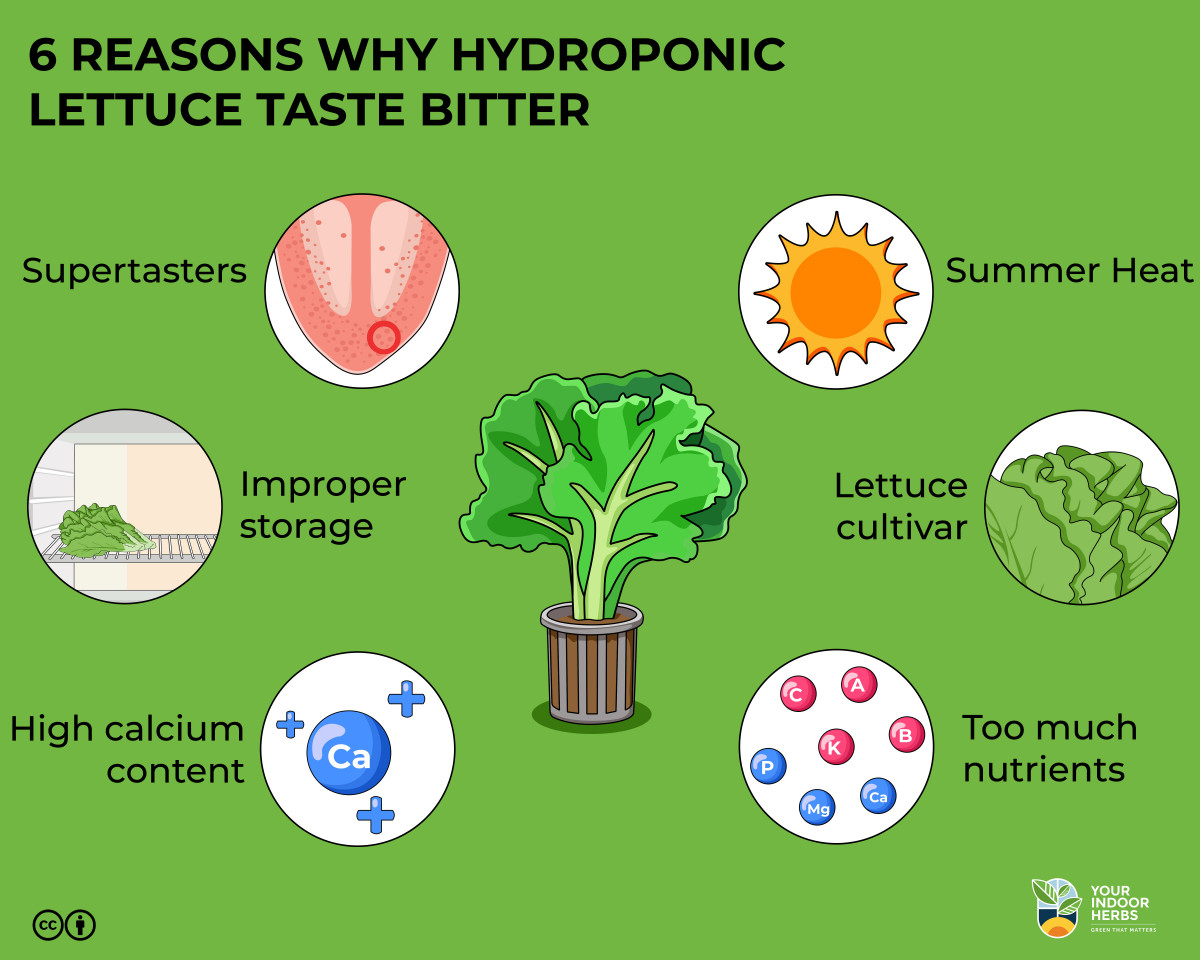
Hydroponic lettuce develops bitter leaves most often because of heat stress, bolting, plant maturity, or growing conditions that disrupt normal leaf growth. Poor nutrient balance, root stress, and irregular water conditions can also contribute to poor flavor.
Across the United States, home growers use hydroponic systems to grow fresh lettuce in spare rooms, garages, greenhouses, and indoor gardens. These systems can produce crisp leaves without garden soil, but they do not guarantee mild-tasting crops. A batch that looks healthy may still have a sharp, unpleasant taste.
Bitter lettuce can be frustrating because the problem is not always easy to spot. A plant may have green leaves, firm roots, and steady growth while its flavor slowly changes. The key is to look at the whole growing environment rather than blame the nutrient solution alone.
Lettuce naturally contains bitter-tasting compounds. Their levels and effects on flavor can change with plant age, genetics, temperature, and growing stress. Understanding these factors helps growers find the cause and make useful changes before the next harvest.
Why Does Hydroponic Lettuce Develop Bitter Leaves?
Hydroponic lettuce becomes bitter when its natural flavor balance changes. Heat, plant maturity, bolting, and growing stress are common reasons. The plant may produce more noticeable bitter-tasting compounds as it responds to its surroundings or moves toward reproduction.
Lettuce contains several natural compounds that affect taste. Sesquiterpene lactones, including lactucin and lactucopicrin, are associated with the characteristic bitterness of lettuce. These compounds are part of the plant’s natural chemistry, not proof that the crop has been contaminated or grown incorrectly.
A nutrient problem can affect growth and leaf quality, but it is not always the direct cause of bitterness. A plant that receives the correct nutrients can still taste bitter if the room is too warm or the crop stays in the system too long.
Source: frontiersin.org
Natural plant chemistry
Lettuce contains bitter compounds even when it grows under good conditions. Their concentration and the way people perceive the flavor can vary.
Environmental stress
Heat, poor root conditions, and inconsistent water supply can interfere with steady leaf development.
Plant maturity
Older plants may develop a stronger taste, especially as they approach their reproductive stage.
Is Bitter Lettuce Always a Sign of a Growing Problem?
No. A mild bitter note can be normal for some lettuce types. Red leaf, certain romaine varieties, and other cultivars may have a stronger flavor than mild butterhead or loose-leaf types.
However, a sudden change from mild to strongly bitter leaves deserves attention. Compare the affected crop with an earlier harvest, check the plant’s growth stage, and review recent changes in temperature and nutrient management.
Normal flavor variation
A slightly sharp taste may come from the variety itself.
Possible stress response
A sudden, strong bitter taste combined with slow growth or leaf damage may point to an environmental problem.
1. High Temperatures Can Make Lettuce Taste Bitter
Heat is one of the first things to check when hydroponic lettuce develops a harsh taste. Lettuce is a cool-season crop. Warm air and warm nutrient water can make it harder for the plant to maintain steady, tender leaf growth.
In many US homes and greenhouses, summer heat can create a challenge even when lettuce grows indoors. A sunny window, a warm grow room, or poor ventilation can raise temperatures around the leaves. The water in a small reservoir may also warm up during the day.
Heat can speed up development and push some lettuce plants toward bolting. It can also increase stress and reduce the quality of the harvest. The exact response depends on the cultivar, plant age, light exposure, and how long the warm conditions last.
Source: urbanharvestlab.com
Warm air
High temperatures can speed up plant development and increase the risk of premature flowering.
Warm nutrient water
Warm water holds less dissolved oxygen than cooler water, which can make root-zone management more difficult.
Poor airflow
Stagnant air can allow heat to build up around the leaves and growing channels.
How to Keep Hydroponic Lettuce Cooler
Aim for a cool, stable growing space rather than frequent temperature swings. Many lettuce growers use an air temperature range around 60 to 70 degrees Fahrenheit as a practical starting point, while checking the needs of their chosen variety.
Keep the reservoir away from direct sunlight and other heat sources. Insulate an exposed tank if it warms too quickly, and use gentle airflow to reduce hot spots around the plants.
Measure the actual temperature instead of guessing. A simple thermometer near the leaves and a separate water thermometer can help show whether the problem comes from the room or the reservoir.
Move the system
Place it away from hot windows, radiators, ovens, and direct afternoon sun.
Improve airflow
Use gentle air movement without pointing a strong fan directly at young leaves.
Monitor water temperature
Check the reservoir at different times of day to find hidden heat buildup.
2. Bolting Changes the Flavor of Lettuce
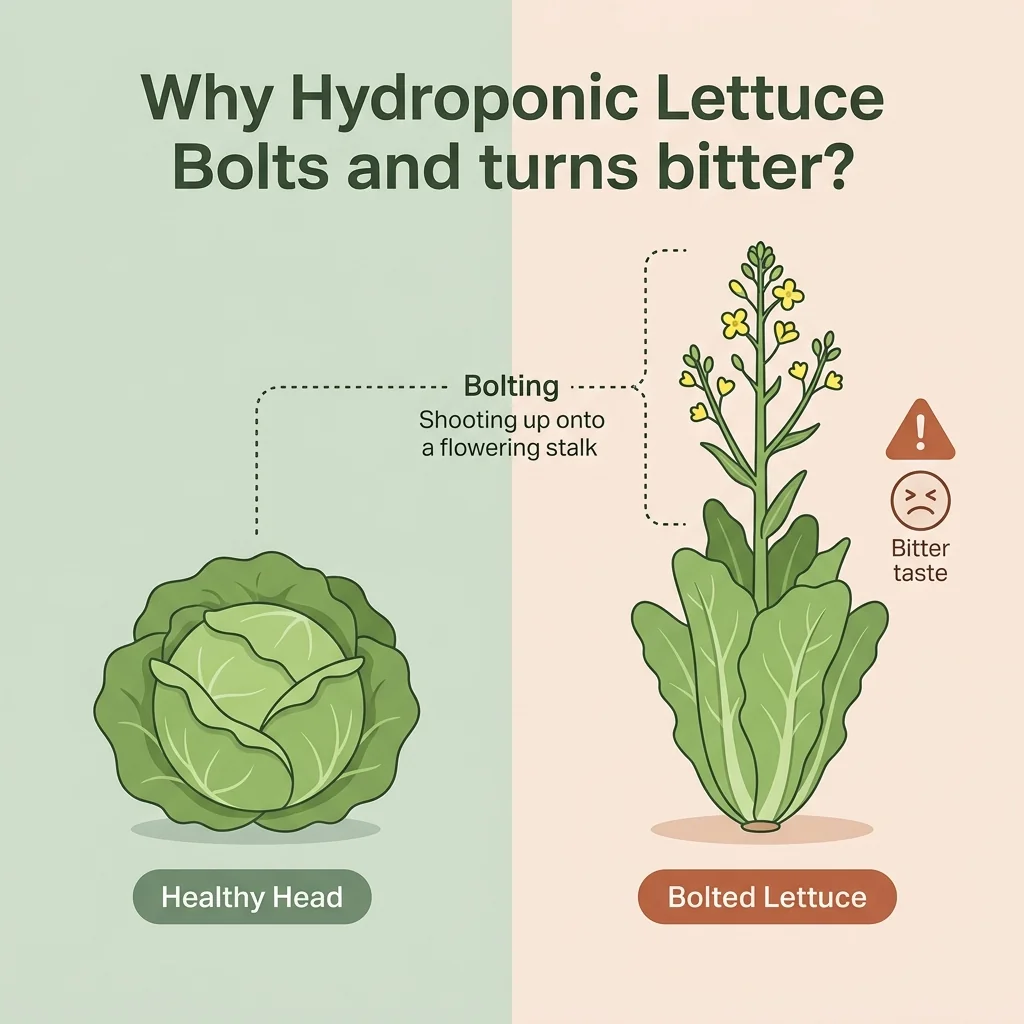
Bolting is the process in which lettuce sends up a flower stalk and shifts from leaf production toward reproduction. Once this process begins, leaves often become tougher and more bitter. This is a common reason a crop that tasted good one week can become unpleasant the next.
Heat and long days can encourage bolting in many lettuce varieties. The response differs among cultivars, so some plants may tolerate warm conditions longer than others. A sudden change in day length or temperature can also affect development.
Look at the center of the plant for signs of a rising stem. The crown may become taller, the center leaves may look crowded, and the plant may lose its usual compact shape. A visible flower stalk is a strong sign that the crop is bolting.
Source: togethertimefamily.com
Tall central stem
The growing point starts stretching upward instead of producing a compact head.
Changed leaf shape
New leaves may become narrower, smaller, or more upright.
Stronger flavor
Leaves may taste noticeably sharper as the plant moves toward flowering.
Can You Stop Lettuce From Bolting?
Once a plant has started to bolt, it is difficult to reverse the process. Cooling the growing area may slow further stress, but it will not reliably return the plant to its earlier growth stage.
Harvest usable leaves as soon as possible if they still taste acceptable. Remove plants that have become too bitter, tough, or woody, then replace them with younger seedlings.
For future crops, choose slow-bolting lettuce varieties suited to your growing season. Keep the root zone cool and avoid unnecessary heat buildup.
Harvest early
Pick usable leaves before the flower stalk becomes prominent.
Replace mature plants
Start a fresh crop instead of expecting heavily bolted lettuce to return to normal.
Choose suitable seeds
Look for cultivars described as heat-tolerant or slow to bolt.
3. Leaving Lettuce in the System Too Long Can Affect Taste
Overmature lettuce can taste stronger and feel less tender than a young crop. This can happen even when the plants receive balanced nutrients and suitable light. Harvest timing is therefore just as useful to review as the growing environment.
Lettuce does not need to reach a large, fully mature size before you harvest it. Many loose-leaf types allow repeated picking of outer leaves, while butterhead and romaine types can be harvested when they reach a useful size and before they begin to bolt.
A staggered planting schedule can help maintain a steady supply of mild leaves. Instead of growing every plant at once, start a small group of seeds at regular intervals. This reduces the chance of having an entire crop become overmature at the same time.
Source: storage.googleapis.com
Harvest by plant type
Use the maturity guidance for the cultivar rather than waiting for every lettuce plant to reach the same size.
Pick outer leaves
For suitable loose-leaf varieties, remove mature outer leaves while allowing the center to keep growing.
Use succession planting
Start new plants in small batches so younger lettuce is ready when older plants are harvested.
When Is Hydroponic Lettuce Ready to Harvest?
The right harvest stage depends on the variety and whether you want baby leaves or full-size plants. Baby lettuce can be harvested while the leaves are still small and tender. Full-size lettuce should be harvested when it has reached its expected size but before it shows signs of bolting.
Taste a small sample from the outer leaves before harvesting the entire crop. If the flavor is mild, harvest the rest while the quality remains good. If the leaves are strongly bitter, inspect the plant for heat stress and maturity before deciding whether to keep it.
Baby leaf
Harvest young leaves when they have reached a usable size.
Loose-leaf lettuce
Pick outer leaves as needed, depending on the variety and growth condition.
Head lettuce
Harvest when the head is developed and before the plant begins to stretch.
4. Incorrect Nutrient Strength Can Weaken Plant Growth
An unsuitable nutrient concentration can stress hydroponic lettuce and affect its leaf quality. Too much fertilizer raises the electrical conductivity of the solution, which means the roots face a higher concentration of dissolved salts. This can make water uptake harder.
Too little nutrient supply can also limit growth. Lettuce may develop pale leaves, slow growth, or uneven development when essential elements are lacking. These symptoms do not prove that nutrient strength is the direct cause of bitterness, but they show that the plant needs closer attention.
Electrical conductivity, or EC, is a measure of the total concentration of dissolved ions in the nutrient solution. It does not identify each nutrient separately. Use EC together with the plant’s appearance, growth stage, water quality, and nutrient product instructions.
Source: scienceinhydroponics.com
Excessive EC
A strong nutrient solution can create salt stress and make water uptake more difficult.
Low EC
A weak solution may not provide enough nutrients for steady leaf growth.
Unbalanced formula
The total EC can look suitable even when one or more individual nutrients are not in the right proportion.
How to Check and Correct Nutrient Strength
Start by measuring the reservoir with a calibrated EC meter. Compare the result with the nutrient manufacturer’s guidance for lettuce and the current growth stage. Do not add fertilizer simply because the leaves taste bitter.
If EC is too high, check the source water and reservoir concentration. Replace or dilute the solution according to the system’s instructions, then measure again. If EC is too low, add nutrients in measured amounts and retest rather than pouring in a large dose.
Record the EC each time you adjust the solution. A simple log can show whether the reading rises as water evaporates or falls as the plants take up nutrients.
Calibrate the meter
Use the correct calibration solution and follow the meter’s instructions.
Measure before adjusting
Avoid guessing nutrient strength from leaf color or taste alone.
Make small changes
Adjust gradually, mix well, and measure again before making another change.
5. Incorrect pH Can Interfere With Nutrient Uptake
The pH of the nutrient solution affects how available different nutrients are to plant roots. When pH moves too far outside the suitable range, lettuce may struggle to take up some elements even if those nutrients are present in the reservoir.
For many hydroponic lettuce systems, a pH around 5.5 to 6.5 is a practical working range. The ideal target depends on the nutrient formula, water source, and system. Follow the crop and nutrient guidance rather than treating one number as suitable for every setup.
A pH problem may show up as uneven growth, pale new leaves, poor root development, or signs that resemble a nutrient deficiency. Bitter flavor by itself is not enough to diagnose a pH issue.
Source: mistculture.com
Measure the solution
Use a suitable pH meter or test kit instead of judging acidity by appearance.
Check source water
Water alkalinity can affect how quickly pH changes after adjustments.
Avoid sudden corrections
Make careful adjustments according to the product directions and retest after mixing.
Why Does Hydroponic pH Keep Changing?
Plants absorb nutrients at different rates, and this can shift the balance of ions in the reservoir. Source water alkalinity, evaporation, microbial activity, and the nutrient formula can also affect pH.
A reading that changes slightly is not always a problem. The important point is to track the trend and investigate repeated or large changes. If pH keeps drifting, review the water source, reservoir cleanliness, and nutrient management routine.
Test regularly
Check pH at consistent times so readings are easier to compare.
Review water quality
High alkalinity can make pH management more difficult.
6. Poor Root Health Can Affect Lettuce Flavor and Quality
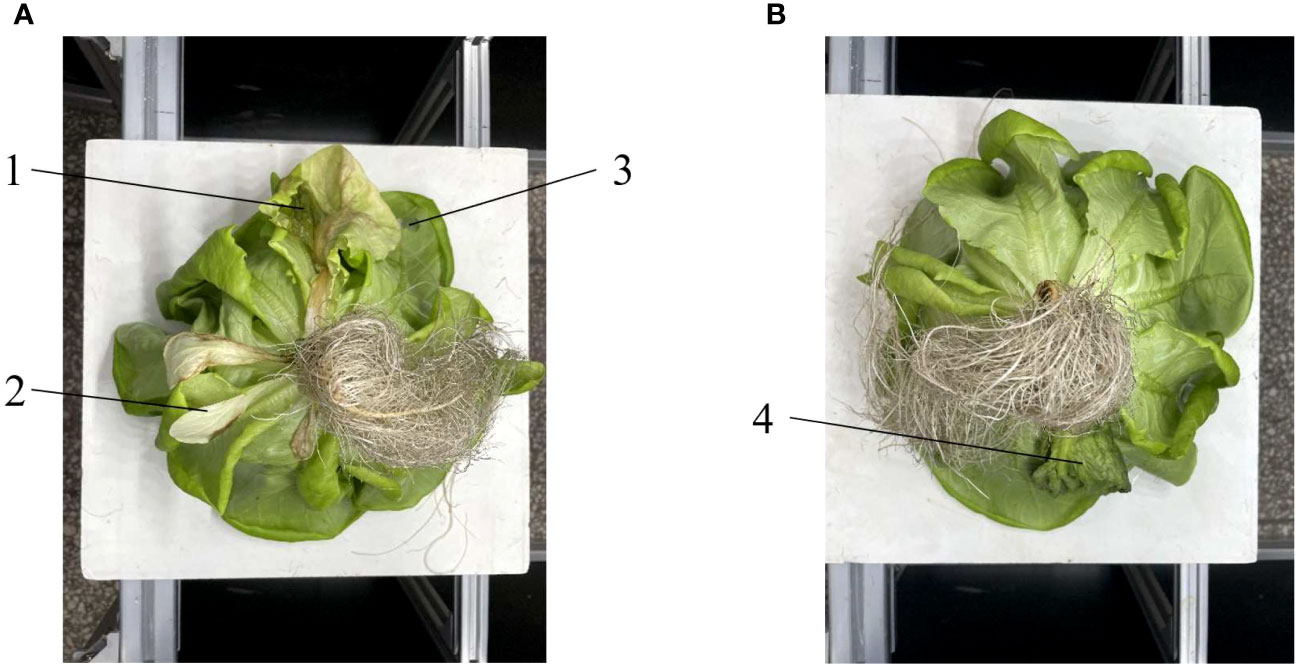
Healthy roots help hydroponic lettuce absorb water and nutrients. When roots become damaged or oxygen levels fall, plants may struggle even when the nutrient recipe appears correct. This can lead to weak growth and poor leaf quality.
Roots should generally look firm and healthy for the system and growing stage. A slimy texture, unpleasant smell, or widespread browning can indicate a root-zone problem. Root color alone is not a perfect diagnosis because nutrients and system conditions can naturally stain roots.
Deep water culture systems need reliable aeration. Nutrient film technique systems need steady solution flow and channels that do not become blocked. In either system, stagnant water and poor sanitation can create conditions that damage roots.
Source: frontiersin.org
Low dissolved oxygen
Warm water and poor aeration can reduce oxygen available to roots.
Dirty reservoirs
Organic debris and poor cleaning practices can contribute to unwanted microbial growth.
Blocked water flow
A blocked channel or weak pump can leave roots without reliable access to water and nutrients.
How to Protect Hydroponic Lettuce Roots
Inspect the roots and reservoir when flavor problems appear alongside slow growth or leaf damage. Check the pump, tubing, air stone, and water level. Make sure the system provides the type of circulation and aeration required by its design.
Remove dead plant material and clean equipment between crop cycles. Use only cleaning and sanitation products suitable for the system, and follow label directions. Never mix cleaning chemicals, especially chlorine-based products with acids or ammonia.
Maintain aeration
Check that air pumps and diffusers work properly in systems that require them.
Keep water moving
Inspect pumps and channels for blockages or interruptions.
Clean between crops
Remove old roots and plant debris before starting another growing cycle.
7. Too Much Light or Poor Light Management Can Add Stress
Light supports photosynthesis, but more light is not always better for lettuce. Excessive intensity can create heat and stress, especially when plants sit close to powerful grow lights. Long light periods may also affect the plant’s development, depending on the variety and growing conditions.
Insufficient light creates a different problem. Plants may become stretched, thin, and slow to develop. Weak growth can reduce the quality of the harvest, even though low light is not a proven direct cause of bitter flavor in every crop.
Check the distance between the light and the leaves, the daily light schedule, and the temperature at canopy level. Follow the light manufacturer’s guidance and adjust based on plant response.
Source: reddit.com
Excess light intensity
Strong light close to the canopy can add heat and cause leaf stress.
Insufficient light
Low light can produce weak, stretched growth and delay crop development.
Long light exposure
An unsuitable lighting schedule can affect plant development and should be checked against the cultivar’s needs.
How to Set a Suitable Grow Light Schedule
Use a consistent light schedule that matches the lettuce variety and the system’s growing goals. Check the daily light integral when suitable measuring tools are available, rather than relying only on the wattage printed on a grow light.
Watch for signs of excess heat near the leaves. If the canopy becomes too warm, raise the light if the manufacturer’s instructions allow it or improve room cooling. Make one change at a time so you can see how the crop responds.
Keep a stable schedule
Avoid frequent changes to the daily lighting period.
Measure at leaf level
Check the actual conditions where the lettuce grows.
8. Lettuce Variety Can Determine How Bitter the Leaves Taste
Not all lettuce varieties have the same flavor. Some are naturally mild, while others have a more noticeable sharp or bitter note. This difference can remain even when plants receive similar nutrients, light, and water.
Butterhead varieties are often chosen for their soft texture and mild flavor. Loose-leaf types offer a range of tastes, while romaine varieties can have a more pronounced flavor in some growing conditions. These are broad tendencies, not guarantees for every cultivar.
For growers who want mild lettuce throughout the year, seed selection matters. Look for varieties suited to the local growing season and the temperature range of the indoor or greenhouse setup. Heat-tolerant and slow-bolting descriptions can be useful when summer temperatures are difficult to control.
Source: frontiersin.org
Butterhead
A useful option when soft leaves and mild flavor are priorities.
Loose-leaf
Offers flexible harvest options and a wide range of leaf shapes and flavors.
Romaine
Produces crisp leaves, but flavor can become stronger as plants mature or face heat stress.
How to Choose Lettuce Seeds for Hydroponics
Read the seed packet for maturity time, temperature tolerance, and bolting resistance. If the growing space gets warm during summer, favor varieties described as suitable for warmer conditions.
Grow a small trial of two or three varieties before committing an entire system to one type. Keep the conditions as similar as possible and compare flavor at the same harvest stage. This gives a more useful result than comparing young leaves from one variety with mature leaves from another.
Check maturity time
Choose a variety that fits the available growing period.
Check heat tolerance
Look for reliable cultivar information about summer performance and bolting.
Compare small batches
Test flavor under the conditions you actually use.
How to Diagnose Bitter Hydroponic Lettuce Step by Step
The fastest way to find the cause is to check the most likely factors in a clear order. Do not change temperature, pH, nutrient strength, and lighting all at once. Multiple changes make it hard to tell which one helped.
Start with the plant itself, then check the growing environment and reservoir. Record your findings and compare them with the previous crop if possible.
Step 1: Check for bolting
Look for a tall center stem, upright new growth, and changes in leaf shape. If the plant is bolting, harvest usable leaves and plan to replace it.
Step 2: Review plant age
Check how long the lettuce has been growing and whether it has passed its usual harvest stage.
Step 3: Measure temperature
Record air and nutrient-water temperatures at different times of day.
Step 4: Test pH and EC
Use calibrated meters and compare results with the crop and nutrient instructions.
Step 5: Inspect the roots
Check for slime, unpleasant odors, damaged roots, poor circulation, and inadequate aeration.
Step 6: Review light conditions
Check light distance, schedule, and canopy temperature.
Step 7: Compare varieties
If conditions look suitable, grow a different lettuce cultivar and compare the flavor at the same maturity.
Quick Troubleshooting Guide
Use this table to connect common signs with the first checks to make. These are diagnostic clues, not proof of a single cause. Several problems can occur together.
Bitter leaves with a tall center stem
Check for bolting and excessive heat. Harvest the usable leaves and replace the plant if the flower stalk has developed.
Bitter leaves with slow growth
Check EC, pH, root health, and nutrient-water temperature.
Bitter leaves with brown or damaged tips
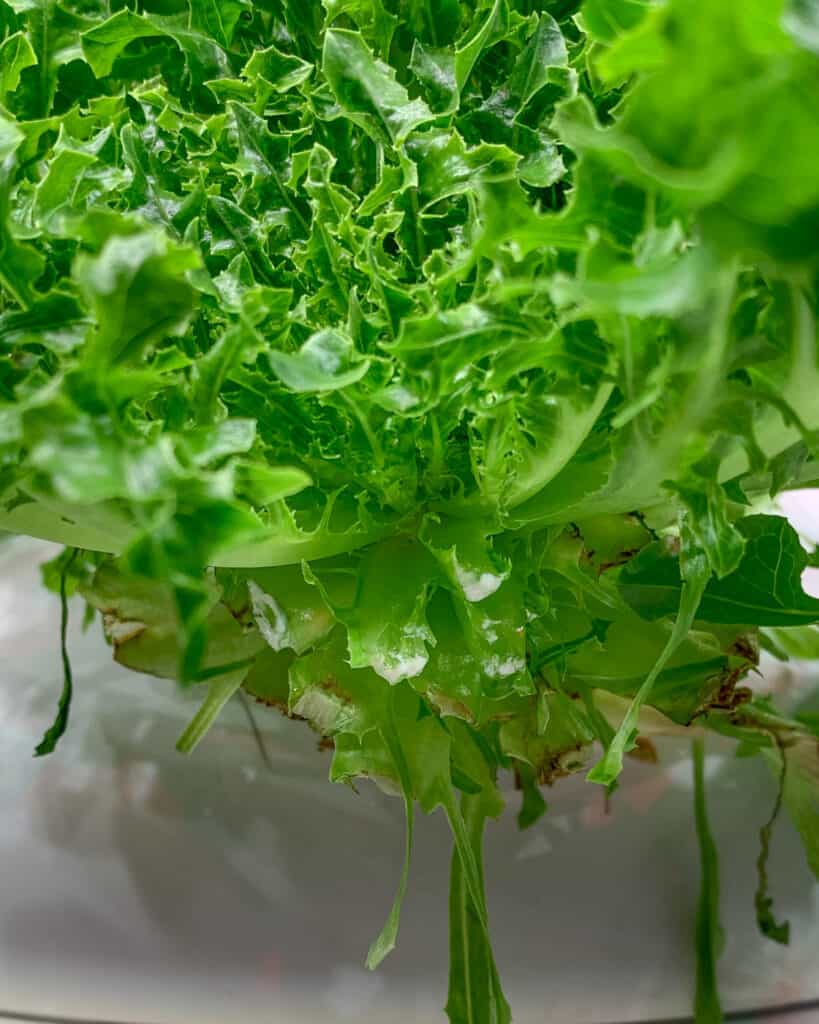
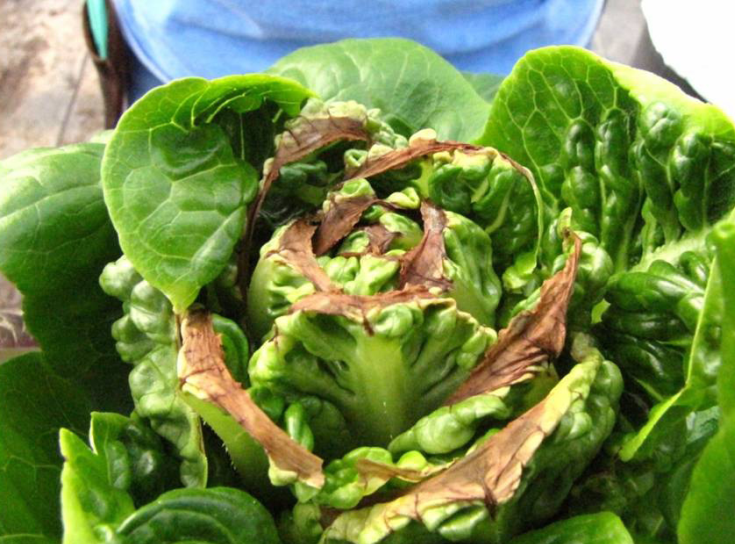
Review airflow, root-zone conditions, calcium delivery, and rapid growth. Tipburn is a separate disorder and does not by itself prove the cause of bitterness.
Bitter leaves in older plants only
Review harvest timing and plant maturity before changing the nutrient formula.
Bitter leaves across several varieties
Investigate shared environmental conditions such as temperature, light, water quality, and nutrient management.
How to Prevent Bitter Leaves in Future Hydroponic Crops
Prevention starts with a stable growing environment and a harvest plan. A simple daily check can catch problems before they affect the whole crop. Consistent records also help reveal patterns that are easy to miss when you rely on memory.
A good routine does not require constant adjustments. It requires measuring the main conditions, keeping the equipment clean, and responding to clear signs of stress.
Maintain a cool growing space
Reduce heat buildup around the leaves and keep the reservoir away from direct sun.
Keep pH and EC in range
Measure with calibrated tools and follow the nutrient formula’s crop-specific directions.
Protect root health
Maintain circulation and aeration where required, and clean the system between crops.
Harvest at the right stage
Do not leave lettuce in the system long after it reaches a useful harvest size.
Use succession planting
Start new seedlings at regular intervals to keep a supply of young leaves.
Choose suitable varieties
Select cultivars with flavor and heat-tolerance traits that fit the growing space.
A Simple Daily and Weekly Maintenance Routine
Each day, look at the leaves, check the water level, and make sure pumps and air equipment are running. Note any plants that begin to stretch, wilt, or show unusual leaf damage.
Several times a week, or at a frequency suited to the system, check pH and EC. Record the readings and reservoir temperature. Refill and replace the solution according to the nutrient and system instructions rather than relying on a fixed schedule for every setup.
Between crop cycles, remove roots and plant debris, clean the channels and reservoir, and inspect tubing. Start the next batch only after the system is ready for use.
Daily
Inspect leaves, water level, pumps, and visible roots.
Regularly
Measure pH, EC, and water temperature, then record the results.
Between crops
Clean the system and prepare fresh seedlings.
Can You Make Already Bitter Lettuce Taste Better?
You may be able to reduce the sharp taste of mildly bitter lettuce, but you cannot reliably reverse bitterness caused by advanced bolting or overmaturity. First, remove damaged outer leaves and taste a fresh inner leaf. If the plant is still mild enough to eat, harvest it promptly.
Cooling freshly harvested lettuce can improve its crispness and make it more pleasant to eat. Wash the leaves under clean running water, dry them, and store them in the refrigerator in a clean container that allows excess moisture to be managed.
A mild bitter note can also work in a meal. Pair the leaves with a balanced dressing, fresh fruit, or other ingredients that soften the sharp taste. However, do not use seasoning to hide signs of spoilage or contamination.
Remove damaged leaves
Discard leaves that are slimy, decayed, or badly damaged.
Chill the harvest
Refrigerate clean, dry leaves to help preserve crispness.
Use mild bitterness in meals
Combine acceptable leaves with balanced dressings or other fresh ingredients.
Is Bitter Hydroponic Lettuce Safe to Eat?
Bitterness alone does not mean lettuce is unsafe. Natural plant compounds and growing conditions can affect flavor without making the crop harmful.
Do not eat lettuce that has a rotten smell, slimy texture, visible decay, or signs of contamination. Wash harvested leaves under clean running water and follow safe food-handling practices. If contamination is suspected, discard the affected crop rather than trying to make it taste better.
Taste alone is not a safety test
A mild bitter flavor does not establish that the leaves are contaminated or safe.
Discard spoiled leaves
Avoid leaves with decay, slime, or an unusual rotten odor.
Frequently Asked Questions
Q
Why is my hydroponic lettuce bitter even though it looks healthy?
Healthy-looking lettuce can still taste bitter because appearance does not show every change in plant chemistry. Heat, plant age, cultivar, and early bolting may affect flavor before obvious damage appears. Check the growing temperature and harvest stage first.
Q
Does high EC make hydroponic lettuce bitter?
High EC can cause salt stress and make water uptake more difficult. This may reduce plant quality, but high EC is not a universal or proven direct explanation for every bitter crop. Measure EC, check the nutrient instructions, and look for other signs of stress before adjusting the solution.
Q
Does changing hydroponic nutrients remove bitterness?
Changing nutrients will not solve bitterness caused by bolting, heat, or overmaturity. It may help when a measured nutrient imbalance is contributing to poor growth. Test pH and EC before making changes, and avoid adding extra fertilizer without a clear reason.
Q
Can I eat lettuce that has started to bolt?
You can often eat usable leaves from a bolting plant if they are fresh and show no signs of spoilage or contamination. Their flavor may be stronger and their texture tougher. Taste a small sample and harvest only leaves that remain acceptable.
Q
What is the best temperature for growing mild hydroponic lettuce?
A cool environment is generally better for lettuce than prolonged heat. An air temperature around 60 to 70 degrees Fahrenheit is a useful starting range for many growing setups, but cultivar needs vary. Monitor the leaf-level environment and nutrient-water temperature as well.
Q
Why does my hydroponic lettuce taste bitter only in summer?
Summer heat can raise room and reservoir temperatures, increase plant stress, and encourage early bolting. Longer days may also affect the development of some varieties. Improve cooling, protect the reservoir from sunlight, and select slow-bolting cultivars for warm periods.
✦ Wrapping Up
Conclusion
Hydroponic lettuce develops bitter leaves for several reasons, but heat, bolting, and late harvesting are useful first places to look. Nutrient strength, pH, light, and root health also deserve attention when the crop shows signs of poor growth. A bitter taste alone cannot identify one exact problem.
The best approach is to inspect the plant, measure the growing conditions, and make one careful change at a time. Keep the reservoir clean, protect the roots, choose suitable varieties, and harvest before the crop becomes overmature. These simple habits can help you grow tender lettuce with a more pleasant flavor.
If the same problem keeps returning, compare different cultivars under the same conditions and keep a record of temperature, pH, EC, and harvest dates. This will help separate a variety-related flavor difference from a problem in the growing system.
💡 Key Takeaway
For your next crop, start with a heat-tolerant lettuce variety, keep the growing space cool, measure pH and EC regularly, inspect the roots, and harvest before bolting begins.
I enjoy sharing simple gardening ideas, lawn care tips, and honest product reviews that help make outdoor work easier. From home gardening guides to helpful tools and lawn care advice, I write easy-to-follow content to help readers create a healthier and better-looking outdoor space without wasting time or money.