As an Amazon Associate, I earn from qualifying purchases.
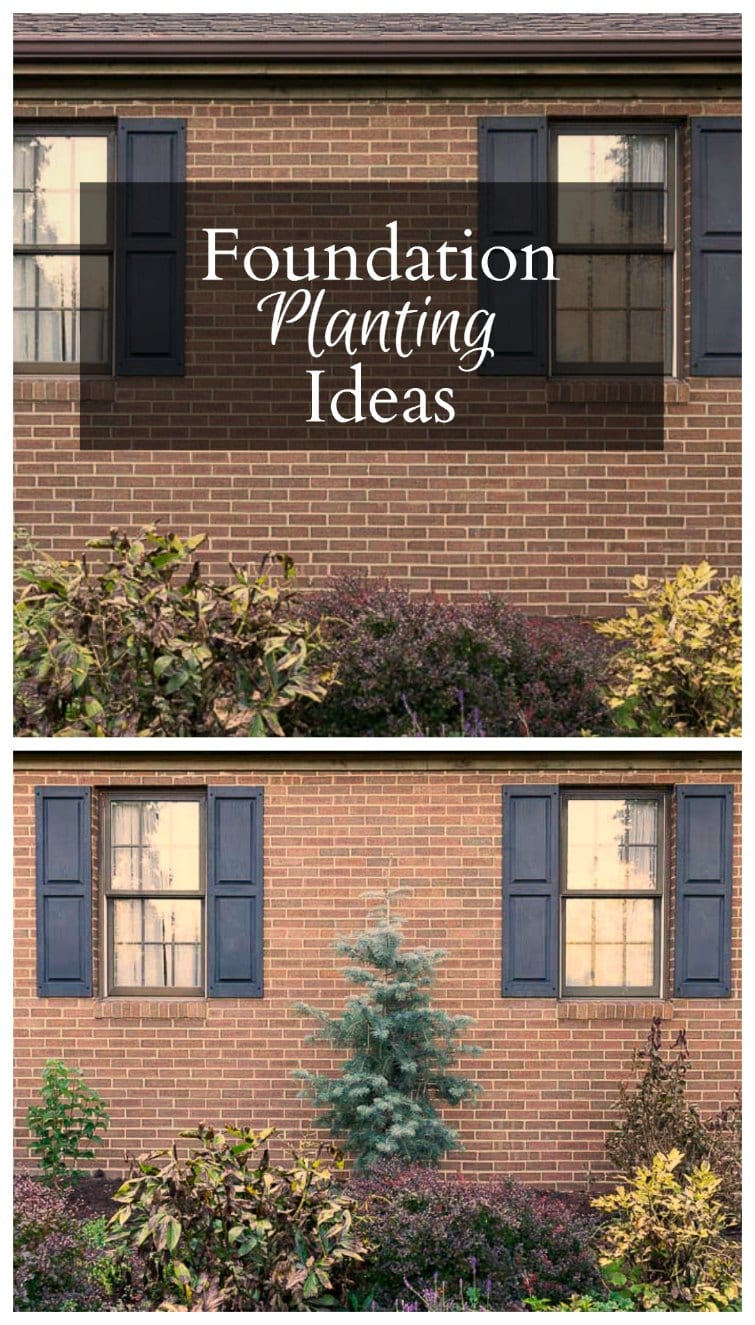
The best foundation planting ideas for brick houses combine evergreen shrubs, colorful flowers, ornamental grasses, and layered garden beds. Choose plants that complement your brick color, fit the available space, and leave enough room for airflow and home maintenance.
Brick homes are common across the United States, from traditional Colonial houses in New England to ranch homes in Texas and charming cottages in the Midwest. Their warm red, brown, tan, or cream walls provide a strong backdrop for a front garden. The right plants can soften hard brick lines, frame windows, and make the whole house feel more welcoming.
The trick is to choose plants that work with the brick instead of hiding it. A row of green shrubs can give the home a neat look, while flowers and ornamental grasses add color and movement. You can also mix different heights and leaf shapes to create a garden that looks good in every season.
Before choosing plants, look at the amount of sun, the soil, the width of the planting area, and the way rain moves around the house. Brick walls can also change the growing conditions near them. A sunny brick wall may hold more heat than an open part of the yard, while deep roof overhangs can leave nearby soil dry.
Whether you have a large front lawn or a small space beneath your windows, a thoughtful planting plan can make your brick house stand out. These ideas will help you build a balanced landscape without crowding the walls or creating extra work.
1. Create a Classic Foundation Border With Evergreen Shrubs
Evergreen shrubs are a simple way to give a brick house a neat and finished look. Their leaves stay on the plant through much of the year, so the front of your home does not look empty when seasonal flowers fade. Their steady green color also brings out the natural shades in red, brown, and tan brick.
For a traditional look, arrange compact shrubs in small groups beneath windows and along the front wall. Boxwood, dwarf yaupon holly, and suitable compact junipers can work in different parts of the country. The best choice depends on your local climate, soil, and the amount of sun the bed receives.
Avoid planting shrubs in a straight, crowded row just because the space looks empty. Leave room for each plant to reach its expected width. A little open space between young shrubs may look plain at first, but it helps prevent a crowded bed as they grow.
You can also use different shrub shapes to add interest. Rounded plants look soft and welcoming, while upright varieties bring a more formal feel. Keep the tallest plants near selected corners or blank wall areas rather than blocking windows.
Source: Pinterest
Boxwood
Compact boxwood varieties provide small, dense leaves and a classic shape. Choose cultivars suited to your region and watch for local boxwood diseases and pests.
Dwarf Yaupon Holly
This evergreen shrub can work well in many Southern landscapes. It handles heat and can be used in formal or relaxed planting designs.
Compact Juniper
Low-growing junipers add fine texture and can suit sunny, well-drained beds. Check the mature spread before planting.
How to Arrange Evergreen Shrubs
Start by marking the main planting areas beneath windows, beside the entrance, and near the corners of the house. Place the shrubs on your plan according to their mature size rather than their size at the nursery. Keep the final layout open enough for cleaning windows and checking the brickwork.
For a softer effect, mix rounded shrubs with low ground covers. For a formal look, repeat the same shrub at even intervals. Both styles can work well with brick, as long as the plants do not hide architectural details.
Best design tip
Repeat a few shrub varieties instead of using many unrelated plants. Repetition gives the planting bed a calm and organized appearance.
2. Add Color With Flowering Plants Along the Brick Wall
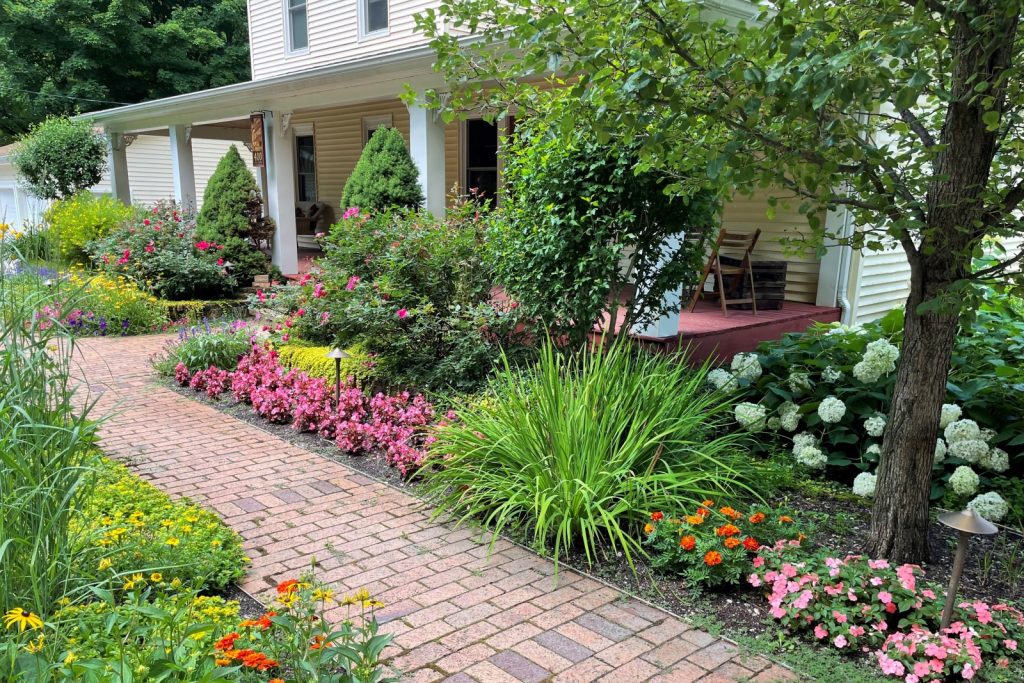
Flowering plants bring life to a brick exterior and make a foundation bed feel less formal. Their blooms stand out against the strong lines and warm colors of masonry. You can use them to frame a front porch, brighten the space beneath windows, or draw attention to your main entrance.
For a classic American cottage look, consider suitable varieties of hydrangea, salvia, coneflower, daylily, or garden phlox. These plants offer different bloom times, colors, and growth habits. Select varieties that match your growing zone and the sunlight in your yard.
Red brick often looks attractive with purple, white, pink, and soft blue flowers. Tan and cream brick can work well with purple, yellow, coral, and deep green foliage. These are design suggestions rather than fixed rules, so use sample colors and plant combinations that suit your home’s exact shade.
Think about bloom time before filling the entire bed with one type of flower. Some plants bloom in spring, others in summer, and some add color in fall. Combining plants with different bloom periods can keep the landscape interesting for longer.
Source: pinterest.com
Hydrangeas
Hydrangeas can add large flower clusters and a soft shape. Many varieties prefer morning sun and afternoon shade, although light needs vary by type.
Purple Coneflowers
These summer flowers bring a relaxed look and can attract pollinators. They generally prefer sunny sites and well-drained soil.
Salvia
Salvia varieties provide upright flower spikes and work well as accents among low shrubs and other perennials.
Daylilies
Daylilies offer bold flowers and long, arching leaves. Select varieties that fit the bed and remove spent blooms when desired.
Match Flower Colors to Your Brick
If your home has dark red brick, pale flowers can create a clear contrast. White hydrangeas, light pink flowers, and silver-green foliage can make the front garden feel bright. For a deeper color scheme, use purple flowers and dark green shrubs.
For orange or brown brick, try cream, yellow, lavender, and soft pink flowers. White flowers are useful in almost any color scheme because they stand out without competing with the brick. Keep the number of main flower colors small so the bed does not look too busy.
Simple color rule
Use one main flower color, one supporting color, and green foliage as the base. Add seasonal color in small groups rather than scattering many different colors across the bed.
3. Use Layered Foundation Planting for a Full Garden Look
Layered planting is one of the most useful foundation planting ideas for brick houses because it gives a flat wall more depth. Instead of placing every plant in one line, arrange plants by their mature height and shape. The result is a garden that looks full without needing a large number of different varieties.
A simple three-layer design works well for many front yards. Place taller shrubs toward the back of the bed, medium-sized flowering plants in the middle, and low ground covers near the front edge. This arrangement creates a natural flow from the house toward the lawn or walkway.
The brick wall acts as a backdrop, so choose plants with leaf shapes and colors that stand out against it. Fine ornamental grasses can soften large shrubs, while rounded flowers add a different texture. A few repeated plants can tie the whole design together.
Layered beds are especially useful for homes with long, plain brick walls. They break up large empty spaces and help the house look connected to the surrounding lawn. Just make sure taller plants do not block windows, vents, meters, or other important features.
Source: mygardenlife.com
Back layer
Use appropriately sized evergreen shrubs or taller flowering shrubs. Leave room for mature growth and access to the wall.
Middle layer
Add medium-height perennials such as salvia, coneflowers, or compact hydrangeas where local conditions allow.
Front layer
Use low-growing sedum, creeping phlox, or suitable ground covers to soften the edge of the planting bed.
Plan Plant Heights Before Digging
Draw a simple side view of the planting bed on paper. Mark the wall, windows, and the expected height of each plant. This small step can help you avoid putting a tall shrub in front of a low window or choosing a plant that will outgrow a narrow space.
Do not force every bed into the same height pattern. A window may need a low planting area, while a blank wall section may support a taller accent shrub farther from the building. Let the shape of the house guide the layout.
Avoid crowded layers
Leave enough room for mature plant width, airflow, pruning, and access. A full-looking bed should not become a wall of tangled branches.
4. Design a Curved Foundation Bed With Natural Stone Edging
A curved foundation bed can soften the straight lines of a brick house and make the front yard feel more relaxed. Brick walls, square windows, and straight walkways often create strong geometric shapes. A gentle curve adds a natural contrast without taking attention away from the home.
Start the bed near a front corner and let it sweep toward the entrance or along the front windows. Avoid making tight bends that are hard to mow around. A wide, smooth curve usually looks more natural and gives plants enough room to spread.
Natural stone edging can define the bed and create a clean boundary between flowers and grass. Choose stone that works with the brick color. Gray stone can balance warm red brick, while tan or brown stone can create a softer, earthy look.
You can also use brick edging if you want a coordinated appearance. However, the edging should not block drainage or create a raised area that sends water toward the house. Keep the ground around the foundation properly graded.
Source: iscapeit.com
Natural stone
Stone edging gives the bed a relaxed, textured border and can complement traditional brick homes.
Brick edging
Matching or contrasting brick can create a connected look between the house and garden. Install it without changing the intended drainage pattern.
Metal edging
Simple metal edging creates a narrow, clean line and works well in modern or minimal foundation gardens.
How Wide Should a Foundation Bed Be?
The right width depends on the mature size of the plants and the amount of open yard space. A narrow bed may work for compact shrubs and small flowers, while larger layered designs need more room. Do not make a bed wider than the space can support just to fit more plants.
A useful planning method is to measure each plant’s expected mature spread and arrange the bed around those dimensions. Also leave a clear area beside the house for inspection and maintenance. The final layout should support both plant growth and proper water flow.
Design tip
Mark the proposed curve with a garden hose before digging. View it from the street and front entrance, then adjust the shape until it looks balanced.
5. Plant Ornamental Grasses to Soften Brick Walls
Ornamental grasses are a good way to add movement and texture to a brick home’s foundation. Their narrow leaves and loose shapes contrast with the solid look of masonry. Many varieties also provide attractive seed heads that remain interesting after the main growing season.
For sunny beds, consider compact fountain grass varieties where they are suitable and noninvasive. Little bluestem and blue fescue can also work in suitable regions and soil conditions. For shadier spaces, look at shade-tolerant sedges instead of forcing sun-loving grasses to grow in poor light.
Use ornamental grasses between shrubs or in small groups near the corners of the house. They can soften the edges of a formal planting plan and create a more natural appearance. Their leaves also provide a useful contrast to broad hydrangea leaves and rounded evergreen shrubs.
Check the mature height and spread before planting. Some ornamental grasses grow much larger than expected and may cover windows or block paths. Also check whether a selected variety is invasive or restricted in your area.
Source: lawnholic.com
Little Bluestem
A North American native grass with attractive seasonal color. It generally suits sunny sites and well-drained soil.
Blue Fescue
A compact grass with blue-gray foliage that can add a cool color beside warm brick. It needs suitable drainage and light.
Ornamental Sedge
Many sedges provide a grass-like look in partial shade. Select a species suited to your region and soil moisture.
Combine Grasses With Flowering Perennials
A mix of grasses and flowers can make a brick foundation bed look less rigid. Place a small grass group beside purple salvia or coneflowers, then use a low evergreen plant to connect the groups. The different leaf shapes create interest even when flowers are not in bloom.
Keep the arrangement simple. Two or three plant types repeated along the wall often look more balanced than a large collection of unrelated varieties.
Maintenance
Follow the pruning needs of the selected grass. Many warm-season grasses are cut back in late winter or early spring, but timing varies by species and climate.
6. Create a Low-Maintenance Foundation Garden With Ground Covers
Ground covers can fill open areas between larger foundation plants and reduce the amount of bare soil in a garden bed. They are useful when you want a softer, more natural look without adding many shrubs. Some also help limit weed growth once they form a healthy cover.
Sedum, creeping phlox, and suitable native ground covers can work in sunny spaces. For shade, consider options such as wild ginger or native woodland ground covers where local conditions support them. Ajuga can grow well in some shaded gardens, but it may spread beyond its intended area, so check its local status and growth habit.
A low-maintenance garden still needs some care. Young ground covers need water while they establish, and spreading varieties may need trimming. Choose plants that suit the actual moisture and light conditions rather than selecting them only because they look attractive in a photograph.
Use ground covers along the front edge of the bed, between stepping stones, or around selected shrubs. Keep them away from openings in the brickwork and avoid allowing soil or plant material to cover weep holes. These openings help manage moisture in many brick veneer walls.
Source: mygardenlife.com
Creeping Phlox
A colorful spring ground cover for sunny, well-drained locations. Its flowers can create a soft carpet along the front of a planting bed.
Sedum
Many low-growing sedums tolerate dry conditions once established. They are useful for sunny beds with good drainage.
Wild Ginger
Native wild ginger species can provide leafy coverage in suitable shaded woodland-style beds.
Creeping Thyme
A low-growing aromatic plant that can work in sunny, well-drained areas with limited foot traffic.
Use Mulch to Finish the Planting Bed
A layer of suitable mulch can help reduce weeds and slow moisture loss from the soil. Shredded bark and other organic mulches work in many garden beds, while gravel can suit dry, well-drained planting areas. Match the material to the plants and the overall appearance of the house.
Do not pile mulch against the brick wall or over drainage openings. Follow local termite guidance and keep the required inspection gap clear. In areas where termite risk is a concern, gravel or another approved surface may be more suitable near the foundation than organic mulch.
Keep the wall visible
Maintain a clear inspection area and never cover weep holes, flashing, vents, or other drainage features.
7. Highlight the Front Entrance With a Balanced Planting Design
The front entrance is a natural place to create a focal point in your brick house landscaping. A well-planned planting arrangement can guide the eye toward the door and make the home feel more welcoming. It also gives the garden a clear center instead of making every part of the foundation compete for attention.
Start by looking at the shape of the entrance. A traditional brick home with a centered door may suit matching plant groups on each side. A house with an off-center door or a curved porch may look better with an informal arrangement that balances the space without copying it exactly.
Compact evergreen shrubs, flowering perennials, and small ornamental grasses can create a useful combination. Use plants that stay below the windows and do not block the steps or walkway. If you use containers, choose sizes that suit the entrance and leave enough space for people to pass.
Color can help make the doorway stand out. White flowers against red brick create a fresh contrast, while purple and pink flowers add a softer look. You can also use foliage plants with golden or silver tones to brighten the entrance without relying on flowers.
Source: storage.googleapis.com
Matching planters
Place two similar containers near the entrance for a simple and balanced look. Select plants that suit the available light.
Low evergreen shrubs
Use compact shrubs to frame the doorway without blocking the view or narrowing the walkway.
Seasonal flowers
Add a small number of seasonal flowers for color. Replace them as needed without changing the main foundation design.
Choose Plants That Do Not Hide Architectural Details
Brick houses often have attractive arches, columns, steps, and window trim. Keep large shrubs away from these features so their shapes remain visible. Plants should frame the architecture, not cover the parts that make the house distinctive.
If the entrance has a narrow path, avoid wide plants that spread into the walking area. Upright but compact plants may work better. Always consider mature size rather than relying on frequent pruning to keep a plant small.
Best approach
Keep the entrance planting simple, use repeated colors, and leave a clear route to the front door.
How to Choose the Right Plants for a Brick House
The right plants depend on more than the color of your brick. Sunlight, soil drainage, rainfall, temperature, and the size of the planting bed all affect plant health. A plant that thrives beside a sunny brick wall in one state may struggle in a shaded or humid yard elsewhere.
Start by checking your USDA Plant Hardiness Zone. This map helps you understand average annual extreme minimum winter temperatures, but it does not tell you everything about a plant’s needs. You must also consider summer heat, humidity, soil type, and local rainfall.
Pay close attention to the wall’s direction. A south- or west-facing brick wall in much of the United States can receive strong afternoon sun and may create a warmer, drier growing area. A north-facing wall may receive less direct sunlight and remain cooler for longer.
The soil near a newly built home may also differ from the soil farther out in the yard. Construction can leave compacted subsoil, mortar fragments, and other materials that affect plant growth. A soil test can help you understand what amendments, if any, are needed.
Source: This Old House
Sunlight
Observe the bed during different parts of the day. Choose full-sun, partial-shade, or shade plants based on the light the site actually receives.
Soil
Check soil texture and drainage. Use a soil test when plant growth is poor or when you need to know the soil’s pH and nutrient levels.
Mature plant size
Check the expected height and width on the plant label or a reliable nursery reference. Allow enough room for natural growth.
Water needs
Group plants with similar moisture needs. Avoid designs that require frequent heavy watering beside the house.
Plant Ideas for Different Brick Colors
Red brick works well with many shades of green, white, purple, and soft pink. A combination of evergreen shrubs and pale flowers can make a traditional home feel fresh without changing its classic character.
Brown and tan brick can look attractive with golden foliage, purple blooms, white flowers, and ornamental grasses. For gray or pale brick, darker green shrubs and stronger flower colors can add contrast. Always consider the color of your roof, trim, and front door as well.
Red brick
Try white flowers, purple salvia, dark green shrubs, and silver-green foliage.
Brown brick
Consider cream flowers, golden foliage, purple blooms, and fine-textured grasses.
Tan brick
Use deep green shrubs, lavender flowers, white blooms, and warm yellow accents.
Gray brick
Add contrast with dark green foliage, pink flowers, purple blooms, and selected golden plants.
Important Foundation Planting Rules for Brick Homes
A good-looking foundation garden must also protect the home. Plants, soil, mulch, and irrigation should not interfere with drainage or make it hard to inspect the brickwork. Before digging, identify utility lines, downspouts, vents, and any other features near the proposed bed.
Many brick houses use brick veneer rather than solid structural brick walls. Brick veneer is often separated from the underlying wall by a drainage space, and openings called weep holes help moisture escape. Covering these openings with soil, mulch, edging, or plants can interfere with that drainage system.
Keep the ground sloped away from the house so rainwater moves toward a safe drainage area. Do not build a raised planting bed against the wall or allow irrigation to create standing water near the foundation. The correct grading and clearance depend on the building design and local conditions.
Plant spacing also matters. Clemson Cooperative Extension recommends allowing shrubs room to grow and maintaining clearance for airflow near buildings. Other extension guidance uses mature plant width to calculate spacing. These recommendations are useful starting points, not universal measurements for every brick home.
If you see water entering a basement, damp brickwork, cracked mortar, or repeated pooling near the house, solve the drainage or building issue before adding plants. A landscape bed should never hide a moisture problem.
Source: yardcast.ai
Protect weep holes
Keep all brick drainage openings visible and clear. Do not cover them with plants, soil, mulch, edging, or decorative stone.
Maintain airflow
Leave enough room between shrubs and the wall for air circulation, inspections, cleaning, and repairs.
Direct water away
Keep the intended drainage slope clear and direct downspout water away from the foundation using an appropriate drainage plan.
Check utility lines
Contact the appropriate utility-marking service before digging. In the United States, call 811 before starting a digging project.
Avoid aggressive vines
Do not let self-clinging vines grow directly over brickwork without understanding the risks. They can enter weak mortar joints and make future inspection or removal difficult.
How Far Should Shrubs Be From a Brick House?
There is no single planting distance that works for every shrub and every house. The mature width of the plant, its root ball, wall construction, foundation type, and local drainage conditions all matter. A large shrub needs more room than a small perennial.
A practical starting point is to check the mature spread and place the plant so its branches will not press against the wall. Some extension recommendations suggest leaving an air gap of 12 to 18 inches for certain foundation shrubs, while other guidance calls for more space. Follow the plant’s growth needs and the clearance requirements of your building.
Trees need a separate plan because their mature canopy and root system can extend well beyond the planting spot. Place them far enough from the house, underground utilities, and paved areas to suit their eventual size.
Small perennials
Many compact perennials can grow near buildings, but keep the drainage area and required inspection clearance open.
Medium shrubs
Allow for their mature width and leave space between foliage and the wall.
Large shrubs and trees
Use a larger planting area and check mature canopy spread, root behavior, and local foundation conditions before planting.
Common Foundation Planting Mistakes to Avoid
One common mistake is buying plants because they look small and attractive at the nursery. Some shrubs grow several feet wider than expected. If they are planted too close together, the bed may need constant trimming or complete replacement.
Another mistake is using too much water near the house. A thirsty flower bed may need regular irrigation, but frequent watering can create moisture concerns beside some foundations. Choose plants with suitable water needs and adjust irrigation so it does not spray the brick wall.
Do not add deep soil or mulch to cover an uneven foundation area. This can hide brick details and interfere with drainage. Fix the grade properly instead of using the planting bed to conceal the problem.
Crowding plants
Choose plants according to mature size and leave room for airflow.
Blocking windows
Use low plants below windows and place taller accents where they will not block light or views.
Ignoring drainage
Keep the ground graded correctly and make sure downspouts discharge away from the foundation.
Choosing unsuitable plants
Check climate, soil, sunlight, water needs, and invasive plant concerns before buying.
How to Plan and Install a Foundation Garden
A successful foundation garden starts with a simple plan. You do not need to buy every plant at once or dig the entire front yard in one day. Measure the space, check the growing conditions, and decide what the garden should look like when the plants reach their full size.
Step 1: Measure the planting area
Measure the length and width of the proposed bed. Mark windows, doors, vents, downspouts, utility lines, and brick drainage openings.
Step 2: Observe sunlight
Check how much direct sunlight the area receives. Note whether the bed is exposed to strong afternoon heat or stays in shade.
Step 3: Check the soil
Look at soil texture, drainage, and compaction. Consider a soil test before adding compost, fertilizer, or other amendments.
Step 4: Choose a simple design
Pick a main style, such as formal evergreen borders, colorful cottage planting, or layered natural landscaping.
Step 5: Select plants by mature size
Use plant labels and reliable regional references to check mature height, spread, sun needs, and water needs.
Step 6: Prepare the bed
Remove unwanted grass and weeds without damaging buried utilities. Improve the soil only when needed and preserve the correct drainage slope.
Step 7: Arrange plants before planting
Place nursery pots in their proposed positions. View the arrangement from the street, windows, and front entrance.
Step 8: Plant and water
Follow the plant’s recommended planting depth and water it in. Keep the root flare and crown at the proper level.
Step 9: Finish with suitable mulch
Apply an appropriate mulch around the plants without covering stems, brick drainage openings, or the required foundation clearance.
Step 10: Maintain the garden
Monitor soil moisture, remove weeds, prune only when needed, and check that the plants do not block the wall or drainage features.
How to Know Your Foundation Planting Is Working
Healthy foundation planting should look balanced from the street and allow easy access to the house. Plants should show normal new growth for their species, and water should drain away from the foundation instead of collecting beside it.
Watch the garden during its first growing season. If plants wilt often, develop yellow leaves, or show poor growth, check soil moisture, drainage, sunlight, and planting depth before adding fertilizer. Too much water can cause symptoms that look similar to drought stress.
Good signs
Healthy foliage, suitable new growth, open space around the plants, clear brick drainage openings, and no standing water near the house.
Warning signs
Repeated pooling, damp foundation areas, plants touching the wall, blocked weep holes, or shrubs that quickly outgrow their spaces.
Simple Foundation Planting Combinations for Different Brick Homes
You can create a useful planting plan by starting with a small group of plants that share similar growing needs. The following combinations are design examples, not universal planting recipes. Adjust each selection for your USDA zone, local climate, soil, and available light.
For a traditional red brick house, try compact evergreen shrubs with white flowers and purple perennials. For a brown brick home, combine golden foliage with ornamental grasses and cream-colored blooms. For a smaller brick cottage, use a few low shrubs and a soft border of flowering ground covers.
Traditional red brick house
Combine suitable compact boxwood, white-flowering perennials, purple salvia, and low ground covers for a classic appearance.
Brown brick ranch house
Use compact junipers, little bluestem, golden foliage plants, and selected cream or purple flowers.
Small brick cottage
Choose dwarf evergreen shrubs, creeping phlox, compact flowering perennials, and a gently curved bed.
Modern brick house
Repeat a small number of architectural plants, such as compact grasses and evergreen shrubs, with clean stone edging.
Shaded brick house
Consider shade-tolerant shrubs, suitable sedges, ferns, and woodland ground covers instead of sun-loving flowers.
A Practical Plant Selection Table
This table compares common foundation plant options by their main landscape role. The plants listed can have different needs among species and cultivars, so confirm the exact variety before purchasing.
Evergreen structure
Boxwood, dwarf yaupon holly, and compact junipers provide year-round foliage in suitable regions.
Flower color
Hydrangeas, coneflowers, salvia, and daylilies add seasonal flowers when their light and soil needs are met.
Soft texture
Little bluestem, blue fescue, and selected sedges add narrow leaves and movement.
Low ground coverage
Sedum, creeping phlox, and regionally suitable native ground covers fill open areas.
Frequently Asked Questions
Q
What are the best plants for a brick house foundation?
The best plants depend on your climate, soil, sunlight, and available space. Compact boxwood, dwarf yaupon holly, suitable junipers, hydrangeas, salvia, coneflowers, ornamental grasses, and low ground covers are options to consider.
Choose plants based on their mature size and growing needs. A mix of evergreen shrubs and flowering perennials can provide structure and seasonal color without making the bed look crowded.
Q
What color flowers look best against red brick?
White, purple, pink, and soft blue flowers can create attractive contrasts against red brick. White blooms provide a clean, bright look, while purple flowers add depth and a more colorful effect.
You can also use silver-green foliage and dark green shrubs to balance the warm color of the wall. Consider your roof and trim colors when choosing the final combination.
Q
How far should foundation shrubs be planted from a brick wall?
The distance depends on the mature width of the shrub, the type of foundation, and the wall’s drainage and ventilation features. Small perennials generally need less room than large shrubs, while trees require much more space.
Check the expected mature spread and leave room for airflow and maintenance. Keep brick weep holes, foundation vents, and inspection areas clear. Follow local building and termite guidance when deciding on the final clearance.
Q
Can I put mulch against a brick house?
Do not pile mulch directly against the brick or cover the drainage openings. Mulch can hold moisture, hide pests, and interfere with the inspection of the lower wall if it is placed too close.
Keep the required clearance around the foundation and follow local termite recommendations. Where organic mulch is unsuitable, a properly installed gravel strip may be an option.
Q
Are hydrangeas good for foundation planting?
Hydrangeas can work well in foundation beds when their mature size, sunlight, and moisture needs match the site. Their large flowers and broad leaves look attractive against brick, especially in cottage-style landscapes.
Many hydrangeas prefer morning sun and afternoon shade, but requirements vary by type. Give them enough room to grow and avoid placing moisture-loving varieties in a bed that stays too dry.
Q
Should foundation plants touch the brick wall?
No. Shrubs and climbing plants should not be allowed to press tightly against the wall. Space helps maintain airflow and allows you to inspect the brickwork, mortar joints, vents, and drainage openings.
Keep branches trimmed when they approach the wall, but do not depend on constant pruning to control a plant that is too large for the space.
Q
Can I plant flowers around a brick house with little sunlight?
Yes. A shaded foundation bed can use shade-tolerant flowers, ferns, sedges, and suitable ground covers. Some options include woodland phlox, native wild ginger, and certain varieties of coral bells, depending on your region.
Check the actual light conditions before buying plants. A site with bright indirect light needs different plants from one that receives several hours of direct morning sun.
Q
How do I keep foundation planting low maintenance?
Choose plants that naturally fit the available space instead of varieties that need frequent trimming. Use a small number of repeat plants, group varieties with similar water needs, and select species suited to your local climate.
Prepare the soil correctly, use suitable mulch, and check irrigation regularly. Native and regionally adapted plants can reduce maintenance when they are matched to the site.
✦ Wrapping Up
Conclusion
The best foundation planting ideas for brick houses bring together the beauty of plants and the character of the home. Evergreen shrubs provide a steady green backdrop, flowering plants add seasonal color, and ornamental grasses create movement. Layered beds, curved borders, and simple entrance designs can make the whole front yard feel more complete.
Start with the brick color, then look at the sunlight, soil, drainage, and available space. Choose plants that fit your region and have enough room to reach their mature size. A few well-chosen varieties will often look better and require less work than a crowded mix of plants.
Most importantly, protect the house while improving its appearance. Keep drainage openings clear, maintain the proper grade, and leave enough room for airflow and repairs. With a careful plan, your brick home can have a welcoming foundation garden that looks attractive through the changing seasons.
💡 Key Takeaway
Measure your foundation bed, check your USDA growing zone and sunlight, and choose three or four plants with compatible needs. Arrange them by mature height, keep the brick drainage openings clear, and create a planting design that complements your home’s brick color.
I enjoy sharing simple gardening ideas, lawn care tips, and honest product reviews that help make outdoor work easier. From home gardening guides to helpful tools and lawn care advice, I write easy-to-follow content to help readers create a healthier and better-looking outdoor space without wasting time or money.