As an Amazon Associate, I earn from qualifying purchases.
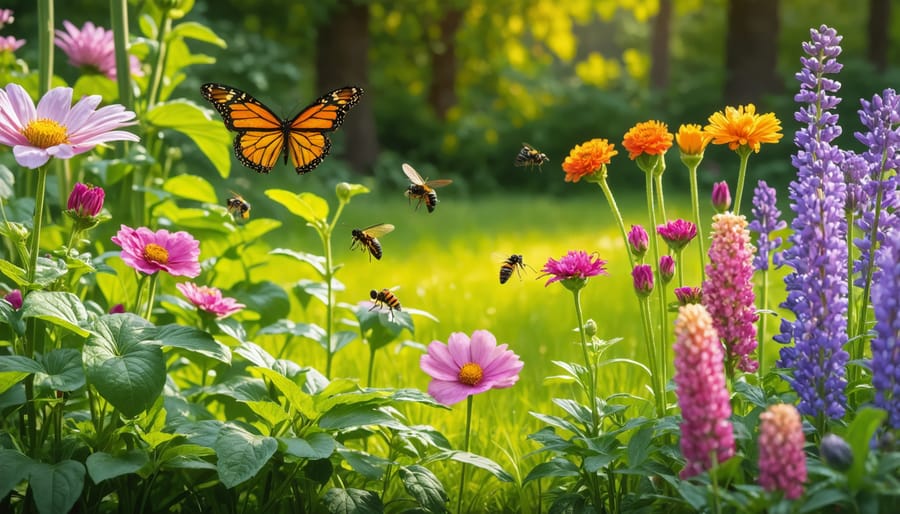
The best way to attract beneficial insects to a backyard garden is to grow a mix of nectar-rich flowers, flowering herbs, native plants, and shrubs while providing water, shelter, and a safe place to live.
A backyard in the United States can be more than a place to grow tomatoes, mow grass, or enjoy summer flowers. It can also provide food and shelter for helpful insects that pollinate plants and feed on common garden pests. A few thoughtful changes can turn an ordinary yard into a lively garden habitat.
Lady beetles, lacewings, hoverflies, ground beetles, native bees, and tiny parasitic wasps all have useful roles. Some pollinate flowers, while others hunt aphids, caterpillars, mites, and other small pests. They need more than a few colorful blooms, though. They also need food at different times of the year, clean water, places to hide, and protection from harmful sprays.
You do not need a large yard or a special insect garden to help these visitors. A sunny flower border, a patch of flowering herbs, a shallow water dish, and a small area of undisturbed leaves can make a useful start. The best plant choices depend on your local climate, soil, sunlight, and native wildlife.
Why Attract Beneficial Insects to Your Backyard Garden?
Beneficial insects support two important garden jobs: pollination and natural pest control. Pollinators move pollen between flowers, helping many plants produce fruits and seeds. Predators and parasitoids help limit pest populations by eating pests or using them as hosts for their young.
These jobs often overlap. Adult hoverflies visit flowers for nectar and pollen, while their larvae eat aphids. Adult green lacewings feed on nectar, pollen, and other food sources, while their young hunt aphids, mites, and small insect eggs. A garden with both flowers and prey insects can support several life stages.
A healthy insect community does not mean that every pest will disappear. Natural predators often reduce pest numbers over time rather than removing every insect. A few aphids or caterpillars may remain, but their presence can also provide food for predators.
Source: hydroponicsdiyprojects.com
Better pollination
Bees, flower flies, beetles, and other visitors help pollinate many flowering plants, including some fruit and vegetable crops.
Natural pest management
Lady beetles, lacewing larvae, ground beetles, and parasitoid wasps attack different garden pests.
More wildlife activity
A varied insect population provides food for birds and other animals that visit a backyard.
A more varied garden
Native flowers, herbs, shrubs, and ground covers create a richer mix of plant life and seasonal interest.
Which Beneficial Insects Should You Welcome?
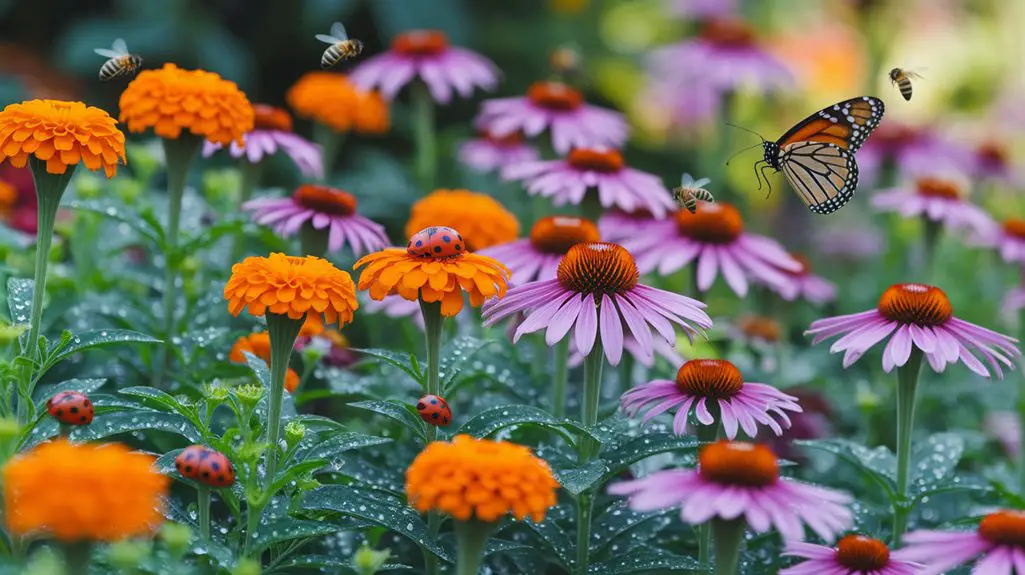
Lady beetles are well-known garden predators. Both adults and larvae of many species feed on aphids and other soft-bodied pests. Their larvae have long, dark, segmented bodies, so do not mistake them for harmful insects.
Green lacewing larvae are often called aphid lions because they hunt aphids and other small insects. Hoverfly larvae also eat aphids, although adult hoverflies look like small bees or wasps. Tiny parasitoid wasps may be hard to see, but they help control caterpillars, aphids, and other host insects.
Ground beetles and many spiders hunt insects near the soil surface. Native bees are especially useful pollinators, while flower-visiting beetles and flies add to the garden’s pollination activity.
Lady beetles
Adults and larvae eat aphids, mealybugs, and other small pests.
Green lacewings
Their larvae feed on aphids, mites, insect eggs, and small soft-bodied insects.
Hoverflies
Adults visit flowers, while larvae of many species feed on aphids.
Parasitic wasps
Many small species develop inside or on specific pest insects, helping limit their numbers.
Ground beetles
Many species hunt cutworms, insect larvae, and other small animals near the ground.
Native bees
They pollinate flowers and may nest in bare soil, hollow stems, or other suitable natural spaces.
1. Plant a Mix of Nectar-Rich Flowers
A flower border is one of the easiest backyard garden ideas for attracting beneficial insects. Flowers provide nectar for energy and pollen for food. Many adult predators and parasitoids need these resources even when their young feed on pests.
Choose flowers with simple, open blooms rather than relying only on highly double flowers. Dense double petals can hide or replace the pollen-producing parts of a flower. Small insects such as hoverflies and tiny wasps often benefit from shallow flowers where nectar is easy to reach.
Plant several kinds of flowers instead of filling the whole bed with one variety. Different insects have different mouthparts and feeding habits. A mix of flower sizes, shapes, and heights can serve a wider range of visitors.
Source: gardenchick.com
Sweet alyssum
Its clusters of small flowers provide accessible nectar for tiny beneficial insects and flower flies.
Yarrow
Its flat flower clusters attract a range of small flower-visiting insects and suit many sunny garden borders.
Coreopsis
Its open blooms provide pollen and nectar and add bright color to sunny beds.
Coneflower
Its broad flower centers attract bees and other flower visitors during the warm season.
Cosmos
Its open flowers are easy for many small insects to access and work well in annual beds.
Goldenrod
Native goldenrod species can provide valuable late-season flowers for many insects.
Create Groups of Flowers Near Vegetable Beds
Place flowering plants near vegetables that may benefit from natural pest control. For example, a short row of sweet alyssum near cabbage or leafy greens can provide flowers for small beneficial insects. Flowering borders around a vegetable patch can also give predators and parasitoids places to feed.
Keep enough space between plants for air to move through the garden. Crowded growth can hold moisture and increase disease problems. A few small flower groups spread through the yard may be more practical than one large bed.
Near leafy vegetables
Try sweet alyssum, dill, or cilantro where these plants suit the local climate.
Along sunny paths
Use yarrow, coreopsis, or native flowering perennials to create a useful border.
At the garden edge
Grow a mixed flower strip where it will not block access or shade vegetables.
2. Grow Flowering Herbs in Your Backyard
Flowering herbs are useful because they can support beneficial insects while also providing leaves for cooking. Dill, cilantro, parsley, basil, oregano, thyme, and mint-family plants can all contribute to a more varied insect habitat when allowed to flower.
The key is to let at least some herb plants reach the flowering stage. Gardeners often harvest herbs before they bloom, which removes a valuable source of nectar and pollen. Keep a few plants or sections for flowers while harvesting the rest for the kitchen.
Herbs with small clustered flowers are especially useful for many small insects. Dill and cilantro produce umbrella-shaped flower clusters that attract flower flies and tiny parasitoid wasps. Oregano and thyme can also draw bees and other visitors when in bloom.
Source: pinterest.com
Dill
Allow some plants to flower so small beneficial insects can visit their open flower clusters.
Cilantro
Let a few plants bolt and bloom instead of removing every flowering stem.
Basil
Keep selected plants for their flowers while harvesting leaves from other plants.
Oregano
Its small flowers can attract bees and other nectar-feeding insects.
Thyme
Use flowering thyme as a low-growing border plant in a sunny, well-drained spot.
Parsley
Allow a few plants to flower in their second year, since parsley is biennial.
Make a Small Beneficial Insect Herb Bed
A bed about 3 feet by 6 feet can hold several herb plants, depending on their mature size. Place taller dill toward the back and keep low-growing thyme near the front. Add oregano or flowering basil between them, leaving room for each plant to grow.
Use well-drained soil and match watering to each herb. Mint can spread quickly, so grow it in a container or a controlled area. Choose plants that suit your local climate rather than assuming every herb will thrive in every US region.
Keep some flowers
Reserve a few stems or whole plants for flowering throughout the growing season.
Avoid crowding
Leave enough space for air circulation and easy access for harvesting.
Use containers when needed
Containers help control spreading herbs and make it easier to adjust sun exposure.
3. Choose Native Plants for Your US Region
Native plants are a strong starting point for a backyard insect garden because local insects have developed relationships with plants that occur naturally in their region. Native flowers can support native bees, butterflies, beetles, and other insects. Some native plant species also provide leaves that native caterpillars need as food.
The right choices differ across the United States. A plant that thrives in a cool Northeast garden may struggle in a hot, dry Southwest yard. Soil type, winter temperatures, rainfall, and summer heat all affect which plants will grow well.
You do not need to make every plant in the yard native. Start by replacing a few low-value ornamental plants with locally suitable native flowers or shrubs. Avoid invasive plants, even when they attract large numbers of insects.
Source: bestplaygroundsets.com
Eastern and Midwestern gardens
Consider locally native coneflowers, asters, goldenrods, mountain mint, and native milkweeds where suitable.
Southern gardens
Look for regional native salvias, coreopsis, native asters, and flowering shrubs adapted to local heat and rainfall.
Western gardens
Explore native buckwheats, penstemons, native sages, and regional wildflowers suited to local conditions.
Pacific Northwest gardens
Consider native flowering currants, yarrow, asters, and other plants matched to local moisture and soil.
How to Find Plants That Belong in Your Area
Check plant lists from your state university extension service, native plant society, or local botanical garden. These sources can help you identify species suited to your county or ecoregion. A regional native plant nursery can also explain mature size, water needs, and bloom time.
Check whether a plant is truly native to your area rather than simply native somewhere in North America. A species native to one state may not be the best choice for a different climate or ecosystem. Also check whether a named cultivar retains useful flowers and pollen for insect visitors.
Check the botanical name
Common names can refer to several different species, so use the scientific name when checking plant origin.
Check mature size
Choose plants that fit the available space without frequent cutting or heavy pruning.
Check water needs
Group plants with similar moisture needs to avoid overwatering drought-adapted species.
4. Plan for Flowers From Spring Through Fall
A garden that blooms for only a few weeks may provide food at the wrong time for insects that need resources throughout the season. Instead, combine early, middle, and late bloomers. This gives adult bees, flower flies, lady beetles, and parasitoid wasps more chances to find food.
Early flowers can help insects that become active after winter. Summer flowers support the busy growing season, while fall blooms provide food before cold weather arrives. The exact timing depends on your local climate and the species you plant.
Use a simple bloom calendar when planning the garden. It does not need to be exact to the day. The goal is to avoid long gaps when almost nothing in the yard is flowering.
Source: bestplaygroundsets.com
Early season
Consider locally suitable spring bulbs, flowering currants, native violets, and early-blooming perennials.
Midseason
Use coneflowers, mountain mint, coreopsis, herbs, cosmos, and other summer flowers.
Late season
Plant suitable asters and goldenrods to extend flower availability into fall.
Use a Simple Bloom Planning Table
The table below gives examples of plants to consider when building a seasonal flower plan. Bloom time can shift with region, weather, and planting conditions, so check local plant information before buying.
Spring planning
Select early native flowers or suitable herbs that bloom before the main summer border begins.
Summer planning
Choose several flowering species with different shapes and heights to serve different insects.
Fall planning
Keep asters, goldenrods, and other late flowers until their natural bloom period ends.
5. Add Water That Small Insects Can Use Safely
Beneficial insects need water, especially during hot and dry weather. A shallow dish or saucer can provide a simple drinking spot. The water must be shallow enough for small insects to reach without becoming trapped.
Place clean pebbles, small stones, or short sticks in the dish. These give insects a dry surface where they can land and drink. Fill the dish so some of the stones remain above the water line.
Set the water source in a stable, partly sheltered location near flowering plants. Refresh it often and clean out algae, leaves, and debris. Standing water should not be allowed to become a mosquito breeding site.
Source: hydroponicsdiyprojects.com
Choose a shallow dish
A plant saucer or shallow bowl is usually easier for small insects to use than a deep container.
Add landing stones
Use clean pebbles or sticks to create safe resting spots above the water.
Refresh the water
Change it regularly, especially during warm weather, and scrub away buildup.
Keep it accessible
Place the dish near flowers but away from heavy foot traffic and areas where it may be knocked over.
A Simple DIY Insect Water Station
Choose a shallow ceramic saucer, add a layer of clean pebbles, and pour in enough water to reach partway up the stones. Leave several dry surfaces above the water. Check the dish each day during hot weather and refill it when needed.
Do not use deep buckets or open water containers as insect drinking stations. Small insects can drown in water that has no safe landing points. A simple, clean saucer is easier to maintain and safer for tiny visitors.
Best location
Choose a level spot close to flowers and away from frequent movement.
Routine care
Replace old water and remove debris before it becomes dirty or stagnant.
6. Create Shelter With Leaves, Mulch, and Natural Materials
Flowers feed beneficial insects, but shelter helps them remain in the garden. Many species need protected places to rest, hide from predators, survive cold weather, or lay eggs. A tidy yard with every leaf removed and every stem cut down may offer fewer useful hiding places.
Leave some leaf litter beneath shrubs and trees when it does not create a plant disease or pest problem. Keep a few small areas of mulch, stones, or fallen branches where ground-dwelling insects can shelter. Native grasses and perennial stems can also provide useful cover.
You do not need to let the entire backyard become untidy. Keep paths, play areas, and high-use spaces neat while setting aside a small habitat corner. This gives insects shelter without making the whole yard hard to manage.
Source: plantparadiso.com
Leaf litter
A thin layer beneath suitable trees and shrubs can shelter ground insects and other small wildlife.
Organic mulch
Wood chips or other suitable mulch can provide cover for beetles and spiders.
Native grasses
Leave selected clumps standing through winter where they do not create a safety or disease concern.
Stones and logs
Small natural features can create cool, sheltered spaces for ground-dwelling insects.
Leave Some Plant Stems Standing
Some native bees use hollow or pithy plant stems as nesting sites. Other insects may shelter inside dead stems during colder months. Instead of cutting every perennial down in fall, leave selected healthy stems in place until spring.
When you do cut stems, leave a suitable length above the ground rather than cutting everything at soil level. Keep diseased plant material separate and remove it when needed to reduce the spread of plant problems.
Keep healthy stems
Leave suitable dry stems standing through winter when they are not affected by disease.
Cut back in stages
Wait until warmer weather and insect activity return before tidying all remaining stems.
Are Insect Hotels Necessary?
An insect hotel is not essential for attracting beneficial insects. Some designs may offer nesting spaces for certain solitary bees or shelter for other species, but a poorly built or poorly maintained structure can collect moisture, mold, and parasites.
Start with native plants, bare patches of suitable soil, natural stems, and undisturbed ground before buying a decorative insect hotel. If you use one, choose a design suited to local species and maintain it according to reliable regional guidance.
Use suitable materials
Choose clean, dry, untreated natural materials with openings suited to the intended insects.
Keep it dry
Provide a sheltered position that protects nesting spaces from heavy rain.
Maintain the structure
Inspect it for mold, damaged materials, and signs of pests instead of leaving it neglected.
7. Reduce Pesticide Use and Protect Helpful Insects
Reducing unnecessary pesticide use is one of the most useful ways to protect beneficial insects. Many insecticides affect more than the pest named on the label. They can kill pollinators, predators, and parasitoids that help keep the garden balanced.
Start by identifying the insect before taking action. A cluster of aphids may look alarming, but lady beetle larvae or hoverfly larvae may already be feeding nearby. Give natural predators time to work when plant damage is limited and the plant is still healthy.
If treatment is truly needed, identify the pest and choose a method that targets it. Follow the product label, protect flowering plants and visiting pollinators, and avoid spraying when bees and other insects are active. Organic or natural products are not automatically harmless to beneficial insects.
Source: bluestem.ca
Inspect before treating
Check leaves, stems, and flower buds for both pests and natural enemies before deciding what to do.
Try physical controls
Hand-pick larger pests, remove badly infested plant parts, or use a directed stream of water where appropriate.
Avoid broad spraying
Do not treat the entire garden when only one small area has a pest problem.
Read product labels
Check target pests, application limits, pollinator warnings, and required precautions before using any pesticide.
Why Natural Pest Control Needs Patience
Natural predators do not usually remove a pest population overnight. Their numbers may increase as food becomes available, and the effect can take time. A garden with a few visible pests may still have a healthy population of predators working below the surface.
Check plants regularly and look at the amount of damage, not just the number of insects. If the plant is growing well and damage is limited, observation may be enough. If damage becomes severe, use an integrated pest management approach that combines prevention, physical control, and selective treatment when necessary.
Check new growth
Look for curled leaves, distorted shoots, and expanding pest colonies.
Look for predator activity
Check for lady beetle larvae, lacewing larvae, hoverfly larvae, and parasitized pests.
Treat only when justified
Use the least disruptive effective option when pest damage is becoming unacceptable.
8. Design a Small Beneficial Insect Garden in Any Backyard
You can create a useful insect habitat even if your backyard is small. The main goal is to combine food, water, and shelter in a space that fits your needs. A few containers, a narrow border, or one sunny corner can provide a good starting point.
For a small yard, use vertical space carefully with compact flowering plants and containers. For a larger yard, combine a flower border, a native shrub area, and a small undisturbed patch. Keep the garden close enough to inspect and water without disturbing nesting areas.
Before planting, check sunlight, soil drainage, and mature plant size. A sunny site often supports a wider range of flowering plants, but some insects and plants also use partial shade. Match the design to the actual conditions rather than forcing plants into the wrong location.
Source: walmart.com
Small backyard
Use a few pots of flowering herbs, a shallow water dish, and one container of suitable native flowers.
Medium backyard
Create a mixed flower border beside vegetables and retain a small leaf-litter area beneath shrubs.
Large backyard
Combine native shrubs, perennial flowers, flowering herbs, ground covers, and a sheltered habitat corner.
Example Layout for a Small Backyard
Imagine a sunny backyard corner measuring about 6 feet by 8 feet. Place taller flowering plants along the back, compact herbs near the front, and a shallow water dish on a stable stone or patio surface. Keep one small patch of leaf litter or natural mulch nearby.
A possible planting mix includes two compact native perennials, one or two sweet alyssum plants, a pot of flowering oregano, and a dill plant. These are examples rather than a universal planting plan. Adjust the species and number of plants to your region and their mature size.
Back row
Use taller native flowers suited to the available sunlight and soil.
Front row
Add low-growing herbs or small open-flowered plants.
Side area
Place the shallow water dish and a small natural shelter feature nearby.
Maintenance
Water new plants as needed, remove invasive weeds, and leave healthy stems where practical.
Example Layout for a Vegetable Garden
For a vegetable garden, plant small flower groups along the edges or between rows where they will not block sunlight or access. Dill, cilantro, and sweet alyssum can support small beneficial insects when allowed to flower. Add native flowering perennials nearby for a longer-lasting source of food.
Do not expect every flower to protect every vegetable from every pest. Different predators target different insects, and the results depend on the garden’s local insect community. Think of the flowers as support for a wider pest management plan.
Keep paths clear
Leave enough room to harvest, weed, and inspect vegetable plants.
Avoid excess shade
Position taller flowers where they will not block light from sun-loving crops.
Maintain plant diversity
Combine flowers and herbs with healthy vegetables instead of relying on one species.
9. Common Mistakes That Can Reduce Beneficial Insect Activity
A garden may have plenty of flowers and still attract few helpful insects if it lacks suitable habitat or uses harmful maintenance practices. The best results come from balancing food, shelter, water, and safe garden care.
Avoid making the garden too tidy throughout the year. Removing every fallen leaf, cutting all stems in fall, and clearing every small patch of natural cover can remove places where insects rest or survive winter. Keep the areas that need to stay neat separate from the habitat areas.
Also avoid assuming that any colorful flower will be equally useful. Some highly double flowers offer limited access to pollen and nectar. A mix of open flowers, native species, and different bloom periods is usually a better plan.
Planting only one flower type
A single species may bloom for a short period and serve only a limited range of insects.
Cutting everything down in fall
This can remove overwintering and nesting spaces for insects.
Spraying at the first sign of pests
Early treatment may kill natural enemies before they have time to reduce pest numbers.
Using unsuitable plants
Plants that need too much water or cannot tolerate local weather may fail and provide little habitat.
Ignoring water maintenance
Dirty or stagnant water dishes can create hygiene and mosquito problems.
Buying insects without a plan
Released insects may leave the area or fail to establish, so protecting naturally occurring species is often the better first step.
What If You Do Not See Beneficial Insects?
Do not assume the garden has failed because you cannot see many insects right away. Some beneficial insects are tiny, active at night, or present only during certain seasons. Others may visit flowers briefly and move on.
Check flowers during warm, calm parts of the day and inspect leaves for larvae or signs of natural pest control. Give new plants time to establish and bloom. If insect activity remains low, review the amount of flowering cover, pesticide exposure, water, and suitable nesting space.
Check flowering periods
Make sure at least a few suitable plants are blooming during each part of the growing season.
Review pesticide exposure
Consider nearby lawn treatments, drift, and routine sprays that may affect insects.
Improve habitat variety
Add native flowers, ground cover, natural shelter, and safe water where needed.
10. How to Maintain Your Beneficial Insect Garden Through the Year
A beneficial insect garden needs simple, regular care rather than constant cleanup. Inspect plants, remove invasive weeds, water new growth, and keep the habitat features in good condition. Let healthy flowers finish their bloom cycle when practical.
In spring, check which plants survived winter and add early flowers if the garden has a gap. In summer, refresh the water dish, watch for pest damage, and avoid unnecessary spraying. In fall, leave selected stems and leaves in place to provide shelter.
During winter, protect the soil and avoid disturbing sheltered areas without a good reason. Use the quieter season to plan next year’s flowers and replace plants that did not suit the site.
Spring
Check emerging plants, add early flowers, and avoid disturbing overwintering insects too soon.
Allow late flowers to finish and leave healthy stems or leaf litter in selected areas.
Winter
Keep suitable habitat undisturbed and plan regional native plant additions for spring.
Signs Your Garden Is Supporting Helpful Insects
You may notice bees visiting flowers, hoverflies hovering above herbs, or lady beetle larvae feeding on aphids. Small holes in some leaves do not automatically mean the habitat is failing. A few plant-eating insects can be part of the food supply that keeps predators present.
Look for a mix of activity rather than expecting one insect species to dominate. Flowers should attract visitors at different times, and plants should continue to grow without severe pest damage. These are useful signs that the garden is providing several resources.
Regular flower visits
Bees, flies, beetles, and other insects visit blooms across the season.
Natural predator activity
Lady beetles, lacewing larvae, and other predators appear where suitable prey is available.
Healthy plant growth
Most plants continue to grow well even when a small number of pests are present.
Seasonal habitat
The yard retains flowers, shelter, and safe water during the periods when local insects need them.
Frequently Asked Questions
Q
What is the best plant for attracting beneficial insects?
There is no single best plant for every garden. Sweet alyssum, dill, cilantro, yarrow, coreopsis, native asters, and goldenrod are useful options in suitable regions. Choose several species with different flower shapes and bloom times rather than relying on one plant.
Q
Do beneficial insects help control aphids?
Yes. Lady beetle adults and larvae, lacewing larvae, and hoverfly larvae feed on aphids. Small parasitoid wasps also attack certain aphid species. Their activity can reduce aphid populations, although it may not remove every aphid from a plant.
Q
Should I release ladybugs into my backyard garden?
Protecting the lady beetles already living in your yard is usually a better first step. Purchased lady beetles may leave soon after release, and releasing insects does not guarantee lasting pest control. Provide flowering plants, shelter, and a pesticide-safe habitat to encourage natural populations.
Q
Can I attract beneficial insects without a large backyard?
Yes. A few containers of flowering herbs, a small native flower bed, and a shallow water dish can provide useful resources. Even a narrow border can support insects when it contains several suitable plants and avoids unnecessary pesticide exposure.
Q
Do herbs need to flower to attract beneficial insects?
Many flowering herbs become more useful to nectar- and pollen-feeding insects when their blooms open. Dill, cilantro, oregano, thyme, basil, and parsley can all provide flowers at suitable stages. Keep some plants for harvesting and allow others to flower.
Q
Are insect hotels necessary for a beneficial insect garden?
No. Native flowers, bare soil in suitable places, natural stems, leaf litter, and other habitat features can support many insects without a purchased insect hotel. If you install one, use a suitable design, keep it dry, and maintain it to reduce mold and pest problems.
Q
How long does it take to attract beneficial insects?
Some insects may visit as soon as flowers bloom, while others may take longer to find and use new habitat. Native perennials and shrubs also need time to establish. Results depend on local insect populations, weather, plant selection, and pesticide exposure.
✦ Wrapping Up
Conclusion
A backyard garden that welcomes beneficial insects does not need to be large, costly, or difficult to maintain. A mix of flowering plants, native species, useful herbs, clean water, and natural shelter can provide the resources that many helpful insects need. These small changes also make the yard more varied and interesting throughout the growing season.
Focus on plants suited to your part of the United States and choose flowers that bloom at different times. Leave a few healthy stems and sheltered patches undisturbed, and avoid spraying unless a pest problem truly needs treatment. Over time, these habits can help create a garden where pollinators and natural pest predators have room to thrive.
💡 Key Takeaway
Start with one sunny garden corner. Plant three different insect-friendly flowers, allow one or two herbs to bloom, add a shallow pebble-filled water dish, and keep a small sheltered area free from routine cleanup and pesticide sprays. Observe which insects visit, then add plants that fill any gaps in your garden’s bloom calendar.
I enjoy sharing simple gardening ideas, lawn care tips, and honest product reviews that help make outdoor work easier. From home gardening guides to helpful tools and lawn care advice, I write easy-to-follow content to help readers create a healthier and better-looking outdoor space without wasting time or money.