As an Amazon Associate, I earn from qualifying purchases.
The best evergreen plants for backyard garden structure include boxwood, arborvitae, juniper, yew, holly, inkberry, and dwarf pine. These plants provide lasting shape, green foliage, privacy, and clear garden borders throughout the year.
A backyard in the United States can look full and colorful in spring, yet feel bare once fall leaves drop. This is common in gardens across many regions, from New England to the Midwest and the Pacific Northwest. Evergreen plants help solve that problem by keeping much of their foliage through every season.
The right evergreen plants do more than add green color. They give a backyard a clear shape, mark paths, frame patios, soften fences, and create natural screens around outdoor spaces. Some grow into tall living walls, while others stay low and form neat edges around flower beds.
Choosing the best plants depends on your USDA hardiness zone, sunlight, soil, drainage, and available space. A narrow arborvitae may suit a small yard, while a spreading juniper can cover a sunny slope. Boxwood and compact holly can add a tidy look near a patio or along a walkway.
The goal is to build a garden that still looks planned when flowers fade and deciduous trees lose their leaves. A mix of upright, rounded, spreading, and low-growing evergreens can create that lasting framework without making the whole backyard look crowded.
Why Evergreen Plants Are Important for Backyard Garden Structure
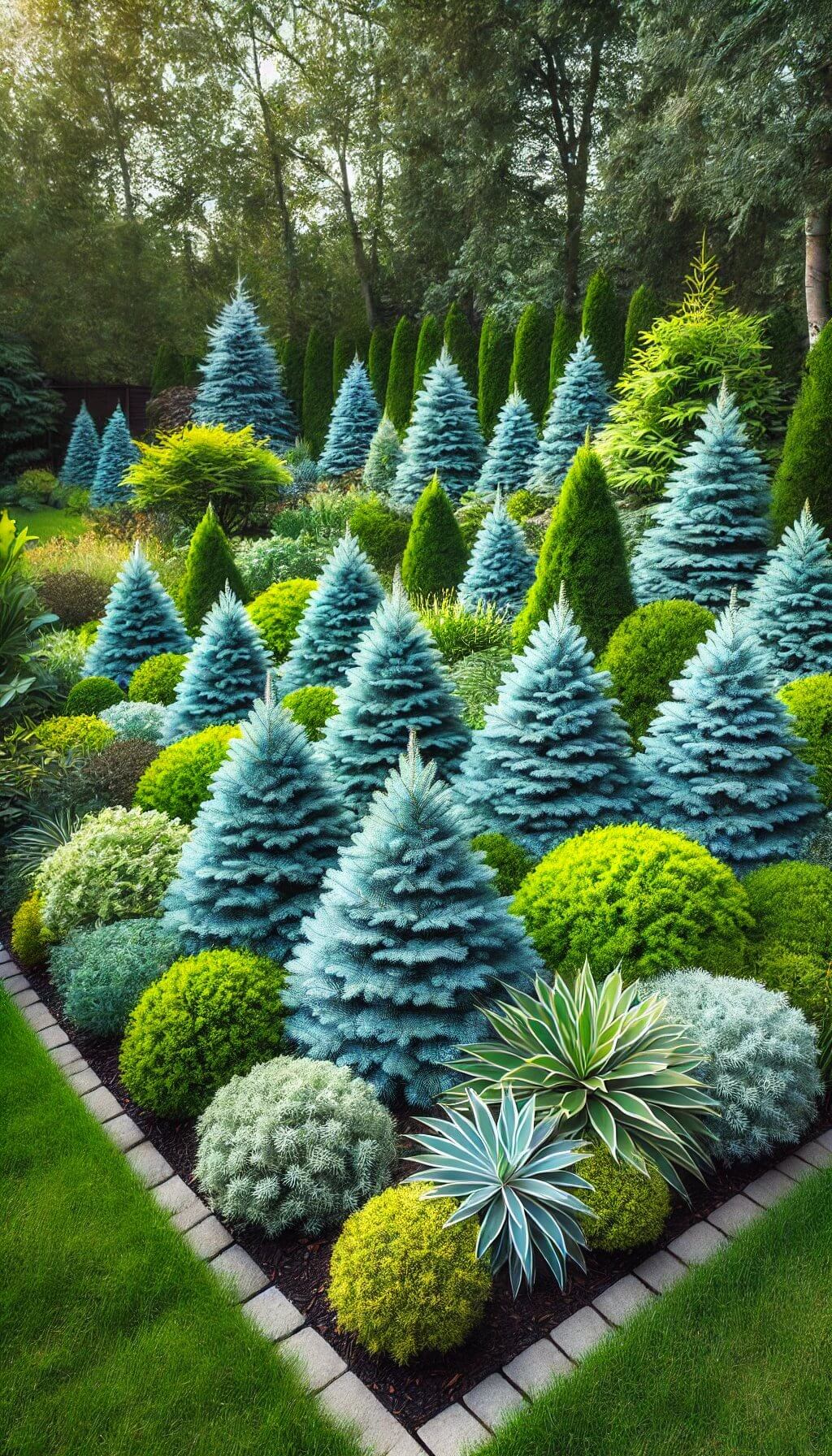
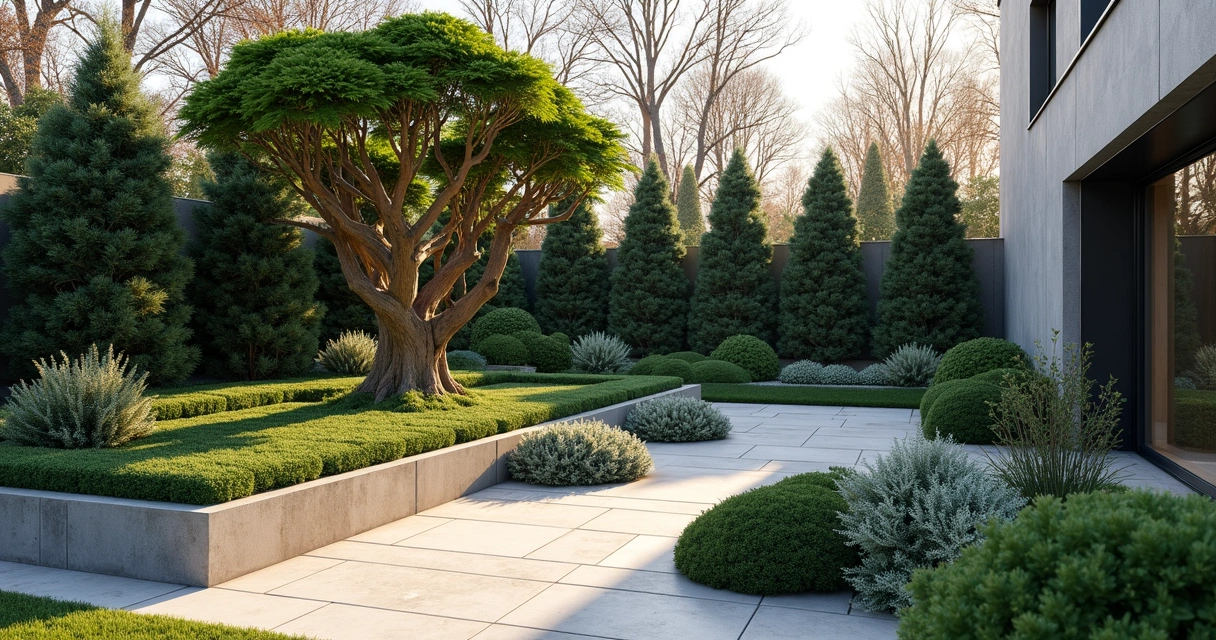
Evergreen plants give a backyard a permanent framework. They keep much of their foliage when many other garden plants become bare, so the main shapes of the landscape remain visible throughout the year. This makes them useful as anchors around patios, fences, paths, and garden beds.
Think of evergreen plants as the walls and outlines of an outdoor room. Tall shrubs can create privacy, rounded plants can mark the corners of a patio, and low spreading varieties can form a soft edge along a walkway. Flowers and seasonal plants then add color inside that framework.
Evergreens also bring variety through their natural forms. Some have narrow upright growth, while others spread close to the ground or grow into rounded mounds. Combining these forms can make even a simple backyard feel more organized.
Source: gardeningetc.com
Year-round shape
Evergreen foliage helps preserve the outline of garden beds, borders, and outdoor living areas during winter and other quiet seasons.
Natural privacy
Dense shrubs and narrow trees can block unwanted views and make seating areas feel more sheltered.
Visual balance
Consistent green foliage gives seasonal flowers, ornamental grasses, and colorful perennials a stable background.
Clear garden boundaries
Low evergreen shrubs can mark paths, separate planting beds, and guide movement through the yard.
Best Evergreen Plants for Backyard Garden Structure
The best evergreen plant depends on the shape and job you need it to perform. Some are better for formal borders, while others work well as privacy screens, focal points, or ground covers. The following plants offer a useful range of forms for different backyard layouts.
Plant names alone are not enough to make a good choice. Cultivars within the same species can have very different mature sizes, growth habits, and cold tolerance. Check the nursery label and local extension guidance before choosing a specific variety.
Source: picstank.com
1. Boxwood for Neat Borders and Formal Shapes
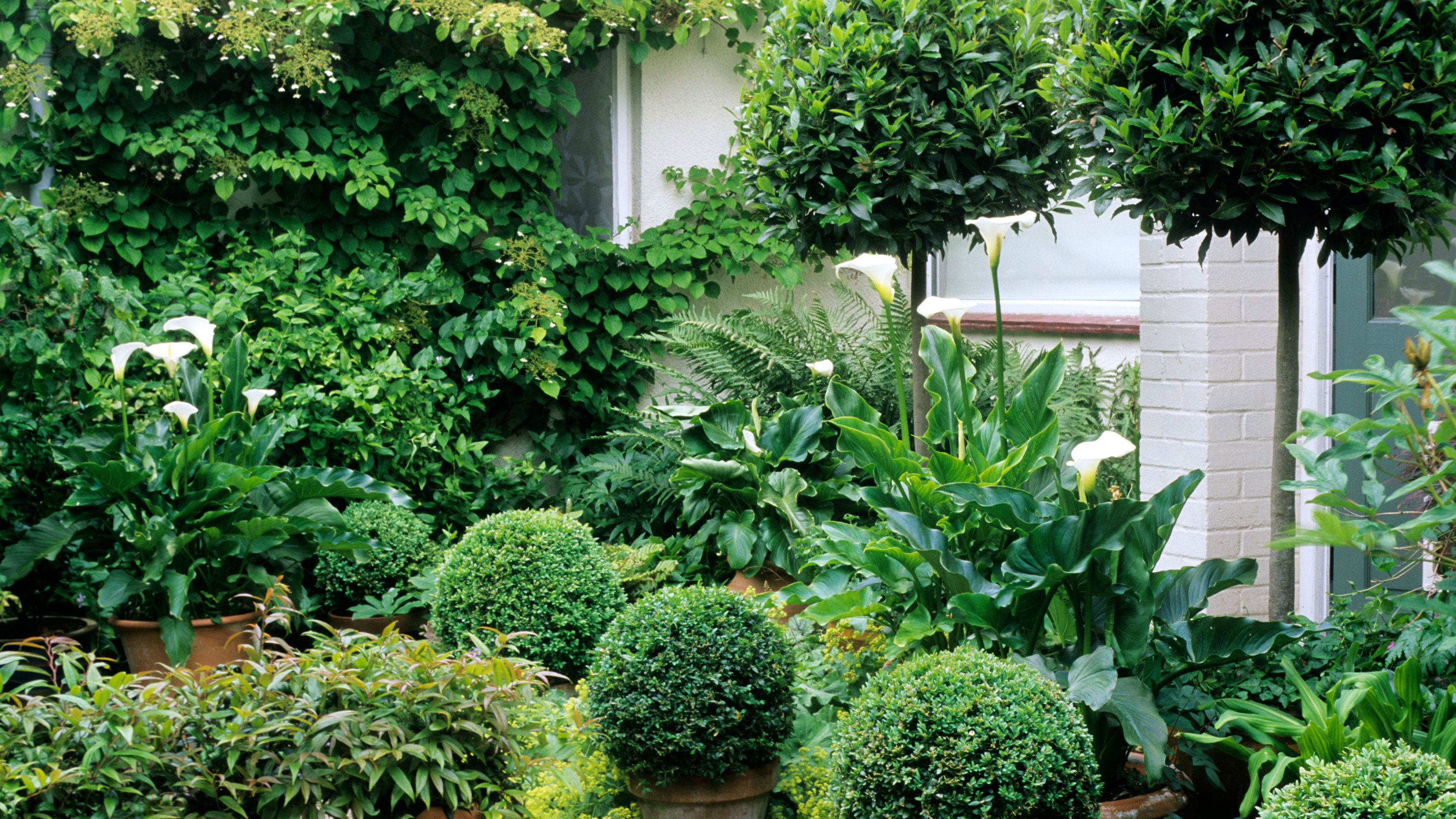
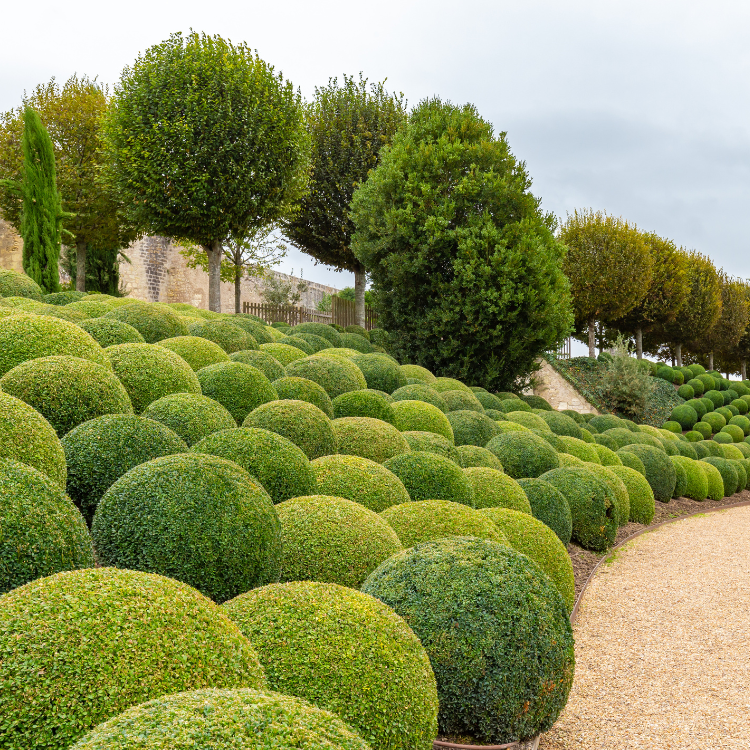
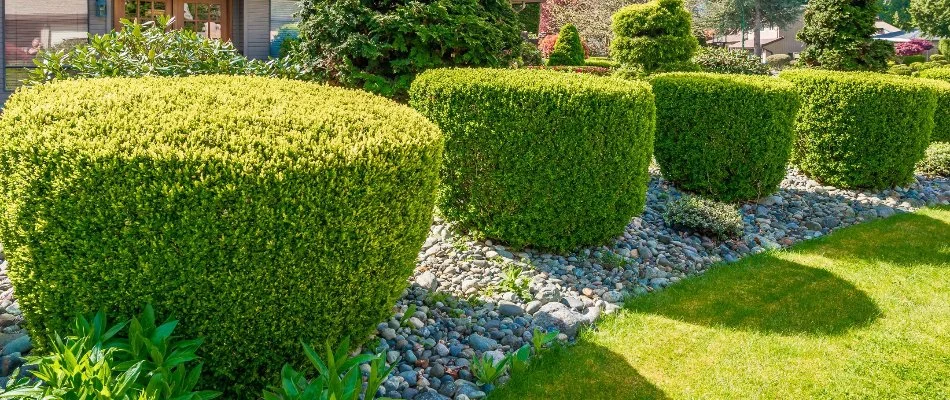
Boxwood is one of the most useful evergreen shrubs for creating a tidy backyard layout. Its small leaves and dense branching make it suitable for low hedges, path edges, patio borders, and simple geometric shapes. It can give a garden a clean outline without taking attention away from flowers or other plants.
Many boxwood varieties grow slowly enough to keep their shape with regular, light pruning. Compact types work well in smaller spaces, while larger selections can form taller screens. Their mature size varies, so choose a variety that fits the intended border instead of relying on frequent cutting to control it.
Boxwood generally grows best in well-drained soil and can handle full sun or partial shade, depending on the variety and local climate. In hot regions, afternoon shade may help reduce leaf stress. Good air movement and suitable spacing can also help limit common foliage problems.
Best use
Formal borders, low hedges, foundation beds, and clipped garden shapes.
Light
Full sun to partial shade, with protection from harsh afternoon sun where needed.
Main consideration
Choose disease-aware varieties and avoid poorly drained planting areas.
2. Arborvitae for Height and Privacy
Arborvitae is a strong choice when a backyard needs vertical structure. Its upright growth creates a natural screen along fences, property lines, and outdoor seating areas. Narrow varieties are especially useful where there is limited room between a boundary and a walkway.
Emerald Green arborvitae, also sold as Smaragd, is a familiar narrow selection. It can work in rows or as individual upright accents. Other cultivars have different widths and heights, so check the final dimensions before planting several together.
Arborvitae generally prefers reasonably moist, well-drained soil and a suitable amount of sunlight. Long periods of drought can cause stress, especially in young plants. Water newly planted trees carefully and avoid placing them too close to structures or utility lines.
Best use
Living screens, tall garden boundaries, and narrow vertical accents.
Light
Full sun to partial sun, depending on the cultivar.
Main consideration
Allow enough room for mature width and provide water during dry periods.
3. Juniper for Sunny Beds and Natural Shapes
Juniper offers one of the widest ranges of evergreen growth forms. Some varieties grow upright like narrow columns, while others form rounded shrubs or spread close to the ground. This makes juniper useful for adding structure to both formal and natural backyard designs.
Upright junipers can frame gates, corners, and garden entrances. Spreading types can cover sunny slopes and help soften the edge of a rock garden. Blue-green foliage also creates a useful contrast with dark green shrubs and bright flowering plants.
Most landscape junipers prefer full sun and well-drained soil. They often tolerate dry conditions once established, but that does not mean every variety can grow in every dry or rocky location. Poor drainage and excessive shade can lead to weak growth.
Best use
Rock gardens, sunny slopes, borders, and upright focal points.
Light
Usually full sun.
Main consideration
Select a spreading or upright cultivar based on the space available.
4. Yew for Shade and Dense Garden Structure
Yew is a valuable evergreen shrub for areas where other dense screening plants may struggle. Many landscape yews tolerate partial shade and can grow into thick, dark green hedges. Their flexible growth also makes them useful for foundation planting and structured garden borders.
Upright varieties can form narrow screens, while spreading types work as low shrubs beneath taller trees. Yews can often be pruned to maintain a planned outline, although choosing the right mature size is still the better long-term approach.
Yew needs suitable drainage and should not sit in waterlogged soil. One major safety issue is that many yew species contain highly toxic compounds. Leaves, seeds, and other plant parts can be dangerous if eaten by people or pets. Keep this in mind when planning a backyard used by children and animals.
Best use
Shaded borders, formal hedges, and narrow vertical screens.
Light
Partial shade to full sun, depending on the variety and local conditions.
Main consideration
Avoid planting where children or pets may chew the plant.
5. Holly for Texture, Berries, and Strong Borders
Holly brings dense foliage and, in some varieties, colorful berries to the backyard. Its leaves can be smooth or spiny, and its natural shape ranges from low mounds to tall upright shrubs. This gives gardeners several ways to use holly as a structural plant.
Japanese holly is often used as a boxwood alternative for compact hedges and clipped shapes. Inkberry holly offers a different look, with rounded leaves and a more natural form. American holly can become a much larger tree, so it is better suited to yards with enough space.
Many hollies need suitable pollination to produce berries. Some varieties have separate male and female plants, so check the cultivar’s pollination requirements before expecting fruit. Soil moisture, drainage, and local winter conditions also affect performance.
Best use
Hedges, foundation beds, natural screens, and seasonal berry interest.
Light
Varies by species, with many types growing in full sun or partial shade.
Main consideration
Check mature size, berry requirements, and leaf characteristics.
6. Inkberry Holly for Natural-Looking Garden Borders
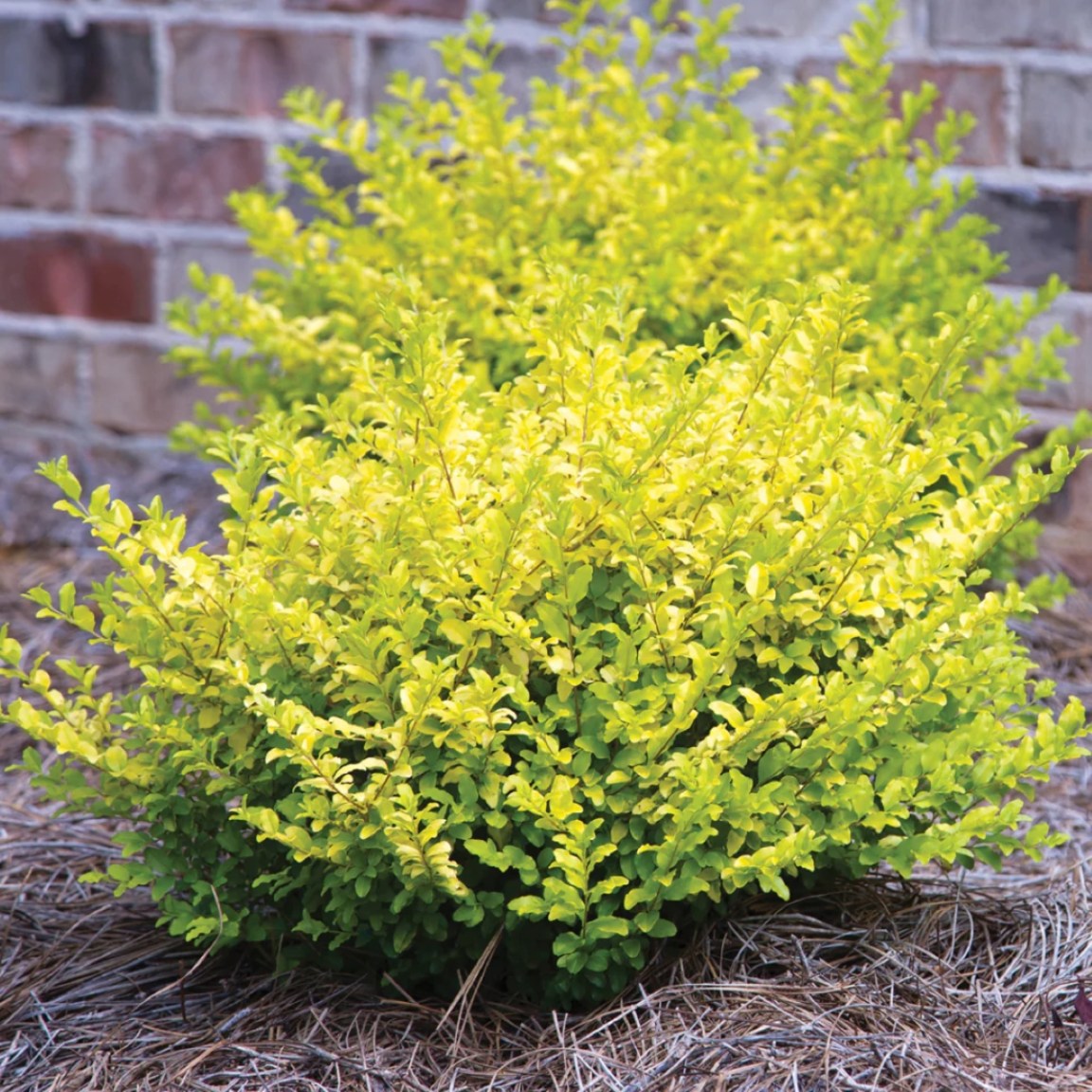
Inkberry holly is a broadleaf evergreen shrub that can create a softer and more natural border than tightly clipped boxwood. It is native to parts of the eastern United States and can be a useful choice in suitable regional landscapes. Its small dark leaves provide a steady green backdrop.
This shrub is often used in foundation beds, mixed borders, and informal hedges. Female plants can produce dark berries when pollination conditions are suitable. Its rounded growth habit also works well beside ornamental grasses and flowering perennials.
Inkberry prefers moist, acidic soil and can tolerate wetter conditions than many other evergreen shrubs, although site drainage still matters. It is not the right choice for every region or soil type. Check local plant recommendations before using it outside its suitable range.
Best use
Natural borders, rain-friendly planting areas, and mixed evergreen beds.
Light
Full sun to partial shade.
Main consideration
Choose it where soil conditions and regional climate suit the plant.
7. Dwarf Pine for Compact Focal Points
Dwarf pine adds a strong evergreen shape without always requiring the height of a full-sized pine tree. Many dwarf selections form rounded mounds with dense needles. They can create a focal point in a small planting bed or add visual weight beside a garden path.
Mugo pine is a common landscape choice, although different cultivars can vary considerably in size and shape. Some remain low and compact, while others become wider shrubs. Their needle texture contrasts well with broadleaf plants such as holly and boxwood.
Most dwarf pines prefer sunny locations and well-drained soil. They are not ideal for deeply shaded beds or areas where water remains around their roots. Give them enough room to develop their natural form rather than shearing them into shapes they do not naturally maintain.
Best use
Rock gardens, small focal beds, foundation accents, and sunny borders.
Light
Generally full sun.
Main consideration
Check the exact cultivar because mature size can vary widely.
Best Evergreen Plants by Backyard Garden Function
The easiest way to select evergreen plants is to start with the job they need to perform. A privacy screen needs height and density, while a path border needs a compact shape that will not block foot traffic. Matching plant form to function helps prevent overcrowding and reduces future maintenance.
The table below compares useful evergreen choices by their common landscape role. These are general plant groups rather than guaranteed dimensions. Exact height, spread, and growing needs depend on the species and cultivar.
Source: gardenia.net
A Simple Plant Selection Table
Use this comparison as a starting point when planning a backyard. Check local extension plant lists and nursery labels before making the final choice.
Low garden borders
Compact boxwood and Japanese holly are useful for neat edges and low evergreen shapes.
Tall privacy screens
Suitable arborvitae and upright juniper cultivars can form vertical screens.
Partly shaded areas
Yew and some holly varieties can work where sunlight is limited.
Sunny slopes
Spreading junipers can cover open ground and soften rocky planting areas.
Small focal points
Dwarf pine and compact evergreen shrubs can add a clear shape without taking over a bed.
Natural mixed borders
Inkberry holly and suitable broadleaf evergreens can add a softer, less formal look.
How to Choose the Right Evergreen Plants for Your Backyard
The right plant is one that fits the site as well as the design. A beautiful evergreen can struggle if it receives too little sunlight, grows in wet soil, or faces winters that are colder than it can tolerate. Start with the growing conditions before choosing the appearance.
For US gardeners, the USDA Plant Hardiness Zone Map is a useful starting point for checking average annual extreme minimum winter temperatures. However, a hardiness zone does not tell you everything about a plant’s needs. Summer heat, humidity, rainfall, wind, soil type, and drainage can also affect growth.
Source: southernlivingplants.com
1. Check Your Hardiness Zone
Find your location on the current USDA Plant Hardiness Zone Map before purchasing evergreen trees or shrubs. Compare the plant’s listed hardiness with your local zone. A plant that survives winter in one part of the country may struggle in another.
Remember that the map measures cold tolerance, not total climate suitability. A plant may survive the winter but still struggle with intense summer heat or high humidity. Local university extension recommendations can help narrow the choices.
Cold winters
Look for plants and cultivars rated for your area’s winter lows and exposed conditions.
Hot summers
Check heat tolerance and consider afternoon shade for plants that are sensitive to intense sun.
2. Measure Sunlight in the Planting Area
Watch the planting area during the day before choosing your plants. A spot beside a tall fence may receive full sun in the morning but heavy shade later. Nearby buildings and mature trees can change the amount of light that reaches the soil.
Juniper and most dwarf pines prefer sunny locations. Yew and some hollies offer more flexibility in partly shaded spaces. Choosing plants based on the actual light level helps maintain dense foliage and balanced growth.
Full sun
Consider suitable junipers, dwarf pines, and sun-tolerant arborvitae.
Partial shade
Consider yew, selected hollies, and suitable boxwood cultivars.
Deep shade
Check shade tolerance carefully because many evergreen shrubs become thin or weak without enough light.
3. Understand Soil and Drainage
Soil drainage can determine whether an evergreen thrives or slowly declines. Many conifers prefer soil that drains well, while some broadleaf evergreens need more consistent moisture. Roots that remain in waterlogged soil may suffer serious damage.
Dig a small test hole and observe how water moves through the soil after rain or watering. If water remains for a long time, investigate the drainage problem before planting. A soil test from a local extension service can also help identify pH and nutrient issues.
Sandy soil
Check moisture needs and add suitable organic matter where recommended.
Clay soil
Pay close attention to drainage and avoid placing sensitive evergreens in low, wet spots.
Acidic soil
Consider suitable plants such as inkberry holly where other growing conditions also match.
4. Check Mature Height and Spread
One of the most common backyard planting problems is choosing a shrub based on its current nursery size. A small arborvitae can eventually become a tall tree, and a compact-looking juniper may spread much farther than expected. Always plan around mature dimensions.
Leave enough space between plants for air movement and natural growth. Also consider windows, paths, fences, gates, overhead wires, and underground utilities. If a plant needs constant severe pruning to stay in its space, a smaller cultivar is usually a better choice.
Measure the available area
Record the width and height that the planting location can safely accommodate.
Check the final dimensions
Use the mature height and spread listed for the exact cultivar.
Plan for access
Keep enough room for walking, mowing, cleaning, and routine plant care.
How to Arrange Evergreen Plants for a Balanced Backyard
A balanced evergreen garden uses different heights, shapes, and textures instead of repeating one shrub everywhere. Tall plants create the background, medium shrubs form the main structure, and low plants connect the planting beds to paths and lawns. This layered approach creates depth and makes the garden easier to read.
Before planting, draw a simple plan of the backyard. Mark the house, patio, fence, existing trees, paths, and areas that need privacy. Then place the largest evergreen plants first and fill the remaining spaces with smaller shrubs and seasonal plants.
Source: farmfoodfamily.com
Create a Tall Background Layer
Use upright arborvitae or suitable junipers along a fence or property boundary when a taller evergreen screen is needed. Keep the planting line away from gates, utility access points, and areas where branches could block movement. A few well-placed plants may be more effective than a tightly packed row.
If your backyard already has large trees, avoid placing new tall evergreens where they will compete for light and space. Work with the existing canopy and use smaller shrubs where possible.
Suggested plants
Narrow arborvitae, upright juniper, and suitable larger hollies.
Add Medium Shrubs for the Main Structure
Place medium-sized boxwood, holly, or yew in front of the taller plants. These shrubs can create a continuous visual link between the background screen and the open garden. Their rounded or upright forms help break up long, straight planting lines.
Avoid making every shrub the same height. Small differences in form can create a more natural appearance while still keeping the overall layout organized.
Suggested plants
Boxwood, Japanese holly, inkberry holly, and suitable yew cultivars.
Use Low Evergreens to Finish the Edges
Low-growing junipers and compact shrubs can soften the front of a planting bed. They help connect taller plants to the lawn or path and make the bed look complete. Their spreading shapes are also useful in open sunny areas where taller shrubs would block the view.
Keep low plants away from narrow walkways if they may spread over the edges. A little space between the plant and the path makes trimming and cleaning easier.
Suggested plants
Creeping juniper, compact boxwood, and small spreading evergreen cultivars.
Evergreen Planting Ideas for Different Backyard Areas
Evergreen plants can improve several parts of a backyard, but each area needs a different approach. A narrow side yard may need upright growth, while a sunny open bed can support spreading shrubs. Think about how people use the space before choosing the planting arrangement.
Source: urbanoasiscontracting.com
Evergreen Plants Along Backyard Fences
A row of suitable arborvitae can soften a plain fence and provide year-round screening. If you want a less uniform appearance, mix upright evergreens with rounded hollies or other suitable shrubs. Leave enough room for mature growth and maintenance access.
Do not assume that a narrow cultivar will remain narrow without any care. Check its mature dimensions and account for the amount of sunlight and water available along the fence.
Evergreen Plants Around Patios
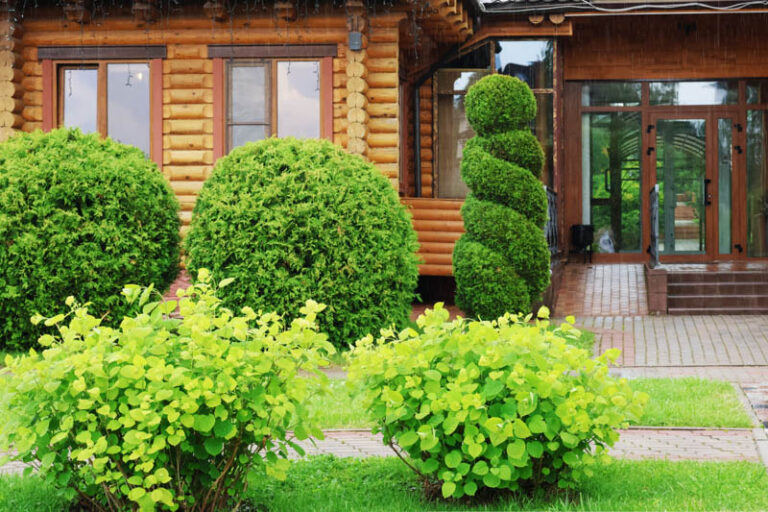
Use compact boxwood, Japanese holly, or dwarf pine to define the edges of a patio. These plants can make a paved seating area feel connected to the garden. Keep larger shrubs away from doors and windows so they do not interfere with access or block useful light.
Containers can also hold suitable compact evergreens. Choose pots with drainage holes and enough room for healthy roots. Remember that container plants may need more frequent watering than plants growing in the ground.
Evergreen Plants for Small Backyards
Small yards benefit from plants with a controlled mature size. A narrow upright evergreen can add height without using much ground space, while a compact rounded shrub can mark a corner. Avoid planting too many large specimens because they can make a small garden feel crowded.
Use fewer plants with clear roles instead of filling every open area. One focal evergreen, a short border, and a few seasonal plants may create a more balanced design than a dense row of unrelated shrubs.
Evergreen Plants for Rock Gardens
Rock gardens often suit spreading junipers and selected dwarf conifers. Their low shapes can follow the natural lines of stones and help connect separate planting areas. Choose plants that tolerate the sunlight and drainage conditions of the site.
Leave visible spaces between rocks and plants. A rock garden looks more natural when the stone shapes remain part of the design rather than disappearing beneath dense foliage.
How to Plant and Establish Evergreen Shrubs
Planting evergreen shrubs correctly gives their roots a better chance to establish before stressful weather arrives. Spring and fall are common planting periods in many parts of the United States, but the best time depends on local climate and the plant species. Avoid planting during extreme heat, frozen soil, or severe drought.
Prepare the site before removing the plant from its container. Check the root ball, drainage, and planting depth. A well-prepared planting hole is more useful than adding large amounts of fertilizer or soil amendments without understanding the existing soil.
Source: gardenplant.net
Step 1: Prepare the Planting Area
Remove weeds, grass, and unwanted debris from the planting area. Measure the distance between plants based on their expected mature spread. If the soil is compacted, loosen the planting area carefully without damaging nearby tree roots or underground services.
Step 2: Check the Root Ball
Remove the shrub from its container and inspect the roots. If roots circle tightly around the outside, gently loosen or correct them where appropriate. Handle the root ball carefully because excessive damage can slow establishment.
Step 3: Set the Correct Planting Depth
Dig a hole that is wider than the root ball but not deeper than necessary. Position the top of the root ball at or slightly above the surrounding soil level when appropriate for the species and soil conditions. Avoid burying the trunk base or root flare.
Step 4: Backfill and Water
Return the excavated soil around the root ball and firm it gently to remove large air pockets. Water thoroughly to settle the soil around the roots. Apply a layer of organic mulch over the surrounding soil, keeping it away from direct contact with the trunk or stems.
Step 5: Monitor the New Plants
Check soil moisture regularly during the establishment period. Water deeply when needed rather than relying on frequent shallow watering. The exact schedule depends on rainfall, soil type, temperature, and plant size.
Maintaining Evergreen Plants for Long-Lasting Garden Structure
Evergreen plants usually need less seasonal replanting than annual flowers, but they are not maintenance-free. Watering, occasional pruning, mulch care, and regular inspections help preserve their shape and health. The amount of work depends on the species and how closely its natural growth matches the space.
A plant that fits its location well may need little pruning. A plant placed in a space that is too small can require repeated cutting and may eventually lose its natural form. Good plant selection is the first step toward an easier maintenance routine.
Source: creeksidelandscapesil.com
Water According to Soil Conditions
New evergreen plants need consistent moisture while their roots establish. Check the soil before watering because the surface may look dry while the root zone remains moist. Established plants also need extra water during prolonged dry weather, depending on their species and site.
Avoid keeping roots constantly wet. Yellowing foliage, poor growth, and root decline can occur when soil drainage is inadequate.
Prune at the Right Time
Pruning needs vary among evergreen groups. Many pines grow mainly during a limited seasonal period, while some arborvitae, junipers, and yews can produce growth over a longer period. Broadleaf evergreens such as holly and rhododendron also have their own pruning needs.
Remove dead, broken, or diseased branches when appropriate. Avoid cutting deeply into bare interior wood unless the species can reliably produce new growth from that area. Light, informed pruning usually preserves a better natural shape than repeated severe shearing.
Refresh Mulch When Needed
A suitable mulch layer can help conserve soil moisture and reduce weed growth around evergreen shrubs. Organic mulch may also improve soil as it breaks down. Keep mulch away from stems and trunks to reduce moisture-related problems.
Check the mulch depth during the growing season. Add more only when needed instead of piling fresh material over thick old layers.
Watch for Pests and Plant Stress
Inspect foliage and branches for unusual discoloration, thinning, insects, or dead sections. Some older inner leaves or needles naturally turn brown and drop as new growth replaces them. This normal process should be distinguished from widespread browning or sudden decline.
If symptoms continue, check watering, drainage, sunlight, and recent weather changes. Take a clear sample or photograph to a local cooperative extension office if you cannot identify the problem. Avoid applying pesticides without confirming the cause.
Common Mistakes to Avoid When Choosing Evergreen Plants
Even healthy evergreen plants can create problems when they are poorly placed. Most backyard planting mistakes begin with a mismatch between the plant’s mature size and the available space. A little planning can prevent years of unnecessary pruning and replacement.
Source: gardenplant.net
Planting too close together
Crowded shrubs compete for light, water, and root space. They may also develop poor air movement. Use mature width to calculate spacing.
Ignoring local growing conditions
A plant recommended for one US region may struggle in another. Check hardiness, heat tolerance, soil, rainfall, and local extension advice.
Choosing plants only for appearance
A beautiful nursery specimen may become too large or need more water than the location can provide. Consider maintenance and mature size before purchasing.
Over-pruning evergreens
Cutting too deeply into old wood can leave some evergreen plants with permanent bare patches. Learn the growth habit of the species before pruning.
Using only one kind of evergreen
A single plant type can make a backyard look flat and may leave the whole design vulnerable to the same pest or disease problem. Mix suitable species and forms.
Ignoring plant toxicity
Some evergreens, including yew, can be highly toxic if eaten. Check plant safety when children, dogs, livestock, or other animals use the backyard.
Expecting evergreens to remain unchanged
Evergreens still shed older leaves or needles. Seasonal browning inside a healthy plant can be normal, but widespread or sudden damage needs investigation.
Next-Question Gap Map: What to Consider Before Planting
Choosing an evergreen is only one part of creating a lasting backyard design. Gardeners also need to know how much room plants require, how they behave in winter, and what maintenance they will need as they grow.
The following questions are inferred next needs based on the planting decision. They are practical planning questions, not verified search-volume findings. The reviewed university extension guidance supports the emphasis on mature size, site conditions, pruning, and regional suitability.
How Much Space Should I Leave Between Evergreen Shrubs?
Use the mature width of the exact cultivar as your starting point. For a natural planting, allow enough room for plants to reach their expected spread without touching. For a continuous hedge, follow spacing recommendations for the selected species and desired density.
Do not use a universal spacing rule for all evergreens. A narrow upright arborvitae and a broad spreading juniper need very different amounts of ground space.
Which Evergreen Plants Keep Their Shape in Winter?
Many arborvitae, junipers, hollies, and suitable boxwood cultivars retain useful foliage through winter. However, cold, drying winds, heavy snow, and winter sun can affect foliage appearance. Select plants suited to your local conditions rather than assuming every evergreen stays equally green in every climate.
Can I Mix Evergreen Plants With Flowering Shrubs?
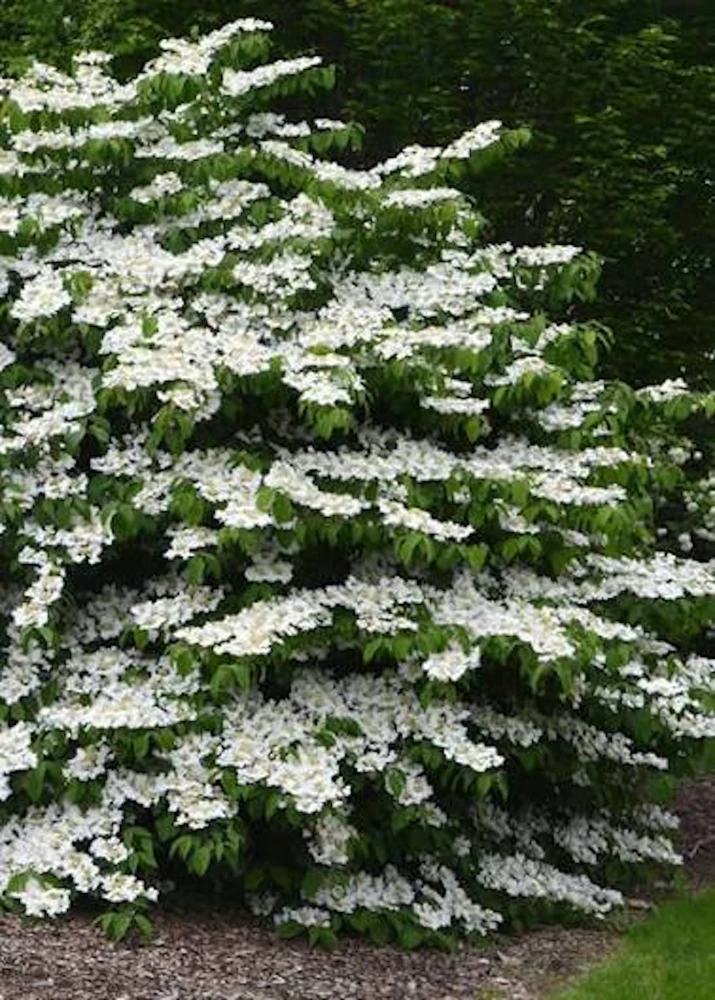
Yes. Evergreen shrubs provide the permanent structure, while flowering shrubs and perennials add seasonal changes. Place flowering plants where they receive the light they need, and use the evergreen foliage as a steady background.
A useful approach is to repeat one or two evergreen forms across the garden, then add seasonal color in selected areas. This helps the whole backyard feel connected.
Are Evergreen Plants Suitable for Small Backyards?
Yes, provided you choose compact cultivars and plan around their mature dimensions. Narrow upright plants can add height in limited spaces, while small rounded shrubs can define corners and paths. Avoid selecting a large tree or shrub simply because it looks small in its nursery pot.
Frequently Asked Questions
Q
What are the best evergreen plants for backyard garden structure?
Boxwood, arborvitae, juniper, yew, holly, inkberry, and dwarf pine are useful choices. Boxwood works well for neat borders, arborvitae adds height, and juniper offers both upright and spreading forms. The best option depends on your local climate, soil, sunlight, and available space.
Q
Which evergreen plants are best for a low-maintenance backyard?
The best low-maintenance choice is usually an evergreen cultivar that naturally fits its planting space. Suitable junipers can work well in sunny, well-drained areas, while correctly sized hollies and boxwood can provide lasting structure in suitable locations. All plants still need care during establishment and periods of environmental stress.
Q
What evergreen plants grow well in shade?
Yew and some holly and boxwood varieties can grow in partial shade. However, deep shade may reduce growth and foliage density in many evergreen shrubs. Check the light requirements of the exact variety before planting.
Q
Which evergreen shrubs are best for privacy?
Suitable arborvitae cultivars, upright junipers, and some hollies can create privacy screens. Choose plants based on the required height and mature width. If your backyard has limited space, a narrow cultivar may be more practical than a broad shrub.
Q
Do evergreen plants need pruning every year?
No. Pruning needs vary by species and growth habit. Some evergreens need occasional shaping or the removal of damaged branches, while others benefit from more regular trimming. Choosing a plant that fits its space can reduce the need for frequent pruning.
Q
Why are my evergreen shrubs turning brown inside?
Older inner foliage can naturally turn brown and fall as new growth develops. However, widespread browning can also result from drought, poor drainage, winter injury, pests, or disease. Check soil moisture, branch condition, and the pattern of discoloration before deciding on treatment.
Q
Can evergreen plants grow in containers?
Yes. Compact boxwood, selected dwarf pines, and suitable small junipers can grow in containers. Choose a pot with drainage holes and enough room for the root system. Container evergreens may need more frequent watering and winter root protection than plants growing in the ground.
Q
Are evergreen plants safe for dogs and children?
Not all evergreen plants are safe to eat. Yew is highly toxic, and some other ornamental evergreens can also cause problems if swallowed. Check the toxicity of each plant before adding it to a backyard used by children or pets, and contact a veterinarian or poison control service promptly after a suspected ingestion.
✦ Wrapping Up
Conclusion
The best evergreen plants for backyard garden structure are the ones that provide the right shape, size, and year-round foliage for your space. Boxwood and holly can define borders, arborvitae and upright junipers can add height, and yew can provide dense structure in suitable partly shaded areas. Dwarf pine and spreading juniper offer useful forms for smaller beds and sunny slopes.
A successful evergreen garden starts with a simple plan. Check your USDA hardiness zone, measure the planting space, study sunlight and drainage, and compare mature plant dimensions before buying. These steps help prevent overcrowding and reduce the need for heavy pruning later.
You do not need dozens of different plants to create a well-structured backyard. A few carefully selected evergreens, arranged in layers and combined with seasonal flowers and grasses, can provide a garden that looks balanced throughout the year.
💡 Key Takeaway
Start by measuring one backyard planting area and identifying its sunlight and drainage conditions. Choose one suitable upright evergreen, one medium shrub, and one low-growing variety that fit your local climate. Check their mature sizes before planting, then arrange them to create a lasting garden framework.
I enjoy sharing simple gardening ideas, lawn care tips, and honest product reviews that help make outdoor work easier. From home gardening guides to helpful tools and lawn care advice, I write easy-to-follow content to help readers create a healthier and better-looking outdoor space without wasting time or money.