

As an Amazon Associate, I earn from qualifying purchases.
Water deeply at dawn, mow higher, feed smart, and choose heat-strong grass.
If you want to master How To Keep Grass Green In Hot Weather, you are in the right place. I manage lawns in harsh summers, from dry heat to humid zones, and I’ve learned what holds up when the sun bites. Below, I break down real steps that work, backed by field tests and sound turf science. Stick with me and you’ll see how To Keep Grass Green In Hot Weather with smart water use, right mowing, and better soil care that lasts.
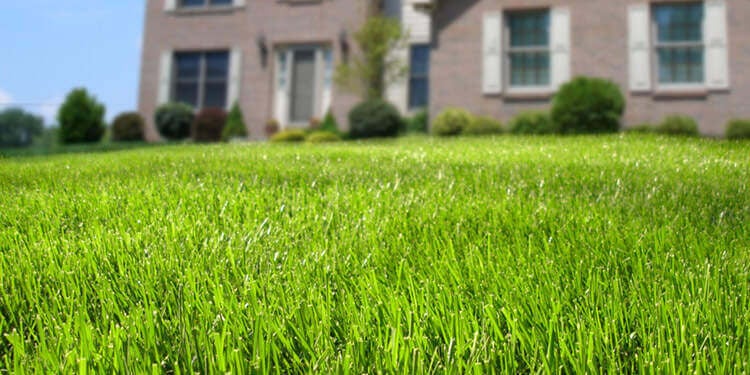
Know Your Grass, Climate, and Heat Stress
Before any fix, learn what you are growing. Warm-season grass loves heat. Cool-season grass does not. Match care to type and weather.
- Warm-season grasses include bermudagrass, zoysiagrass, St. Augustine, and centipede. They thrive in hot weather.
- Cool-season grasses include Kentucky bluegrass, tall fescue, and perennial ryegrass. They stress in hot weather but can survive with care.
- Soil type matters. Sand drains fast. Clay holds water but can crust. Loam sits in the sweet spot.
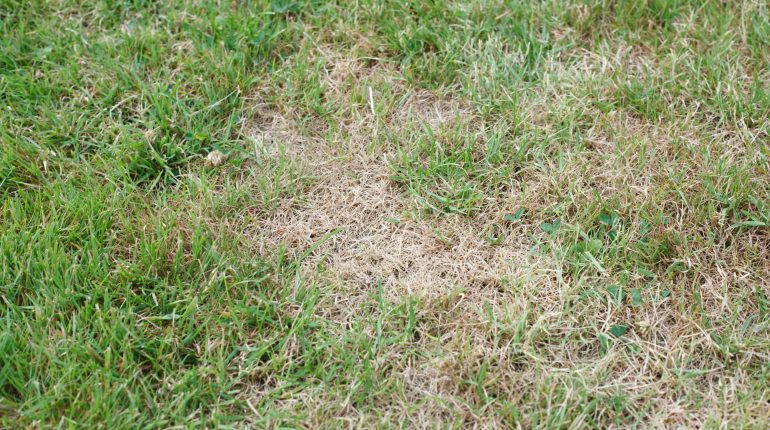
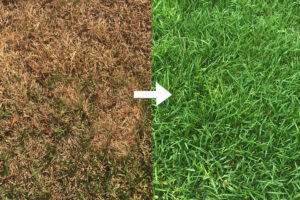
Heat stress looks like gray-blue blades, slow growth, and footprints that stay. This means the plant lost turgor. It needs water or shade. If you want How To Keep Grass Green In Hot Weather, read the signs fast and act the same day.
Microclimates rule your yard. South-facing slopes bake. Near stone or concrete gets hotter. Shade near trees needs less water but fights roots for it. Treat each zone by need, not by habit.
Watering That Works When It’s Scorching
Water is the big lever. The trick is to water less often but deeper. That builds deep roots and cools soil.
- Water early morning. Aim for 4–8 a.m. Less loss to wind and sun. Fewer disease risks than night watering.
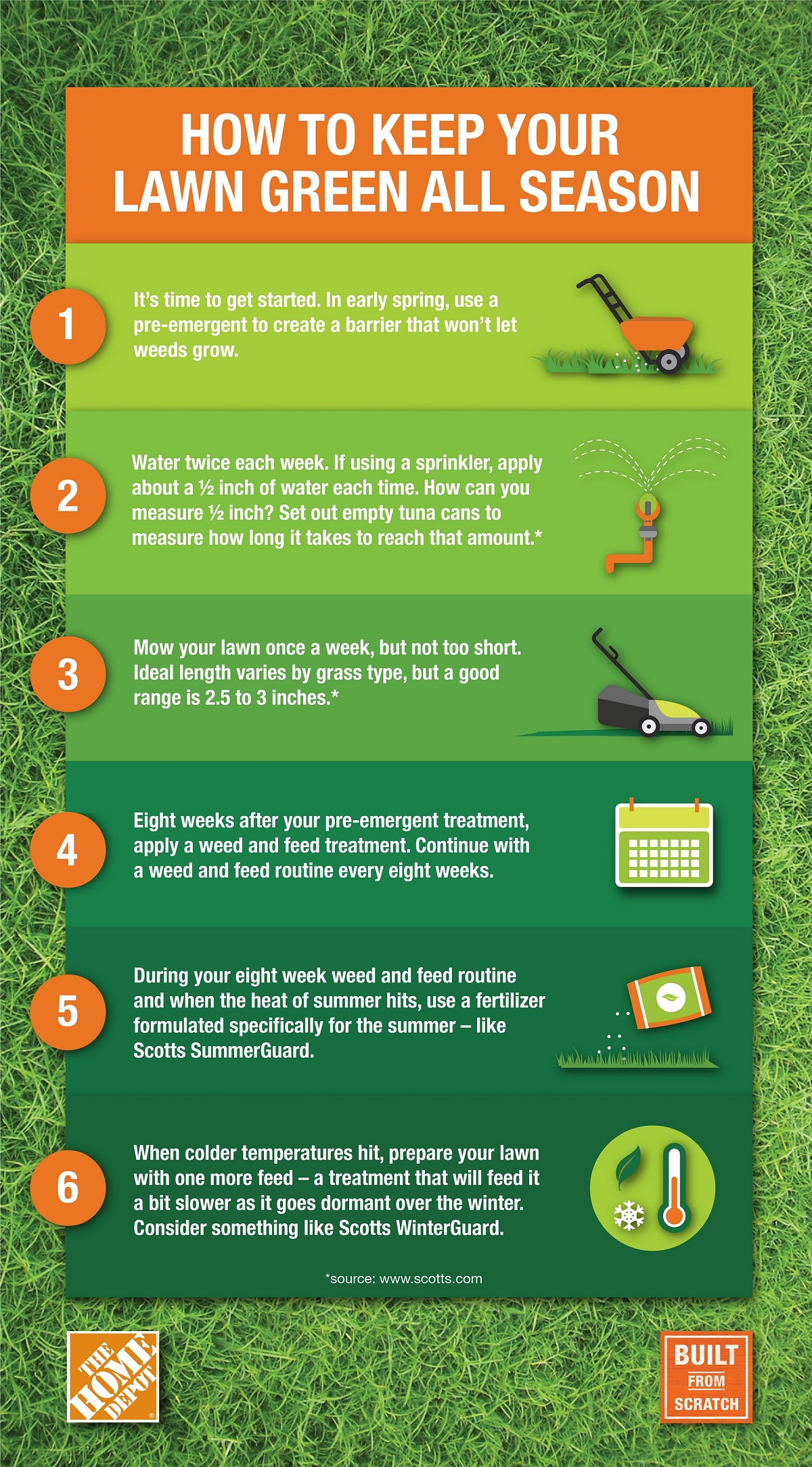
- Go for deep soaks. Most lawns need about 1 inch per week in normal heat. In extreme heat, 1.5 inches may be needed. Use the tuna can test to measure output.
- Use cycle and soak. Break one big run into two or three short cycles. This stops runoff and boosts soak-in on clay or slopes.
- Check the root zone. Use a screwdriver. If it slides 6 inches down, you are close. If not, add time or split cycles.
- Water by footprints. If prints linger after you walk, the plant is thirsty.
- Know dormancy vs death. Some grasses go tan to save water. A light weekly drink can keep crowns alive until temps drop.
Field note from a Texas summer: My bermuda stayed green with two deep soaks a week. I ran 12 minutes per zone, three cycles of four minutes each. The screwdriver test hit 6–7 inches. Neighbors who misted daily had shallow roots and brown tips. This is the core of How To Keep Grass Green In Hot Weather.
Respect local water rules. If days are limited, boost depth on allowed days and use mulch clippings to hold moisture.

Mow, Mulch, and Manage Foot Traffic
Mowing right is a shade trick. Taller grass shades the soil and slows water loss. Short cuts bake roots.
- Raise the deck. Warm-season grass: 1.5–2.5 inches for bermuda, 2–3 inches for zoysia, 3–4 inches for St. Augustine. Cool-season grass: 3–4 inches for tall fescue and bluegrass in heat.
- Follow the one-third rule. Never cut more than one-third of blade height at a time.
- Keep blades sharp. Dull blades shred tips and turn them brown.
- Mulch clippings. They return water and nutrients. They also shield soil from harsh sun.
- Limit traffic. Foot traffic crushes dry turf. Rotate play zones and use pavers for high-wear paths.
If you ask How To Keep Grass Green In Hot Weather, mowing higher is the free win. It’s fast. It works. It stacks with smart watering.
Feed the Lawn Without Burning It
Fertilizer can help or hurt in heat. Play it safe and smart.
- Test soil first. Check pH, phosphorus, and potassium. Most lawns like pH 6–7.5. Fix soil before you push growth.
- Use slow-release nitrogen in warm months. It feeds steady and avoids surge growth that dries fast.
- Lean on potassium in heat. It helps stress tolerance and water use.
- Use iron for color pop without surge growth. Chelated iron can green without burn risk.
- Skip heavy nitrogen on cool-season grass in peak heat. Save the push for fall.
- Spoon-feed in small doses. Think monthly light apps if needed, not one big blast.
Topdress with screened compost at 0.25 inch in spring or fall. It boosts soil life, holds water, and improves structure over time. That single move lifts How To Keep Grass Green In Hot Weather more than any quick fix can.

Soil Health, Aeration, and Water Infiltration
Hot weather exposes weak soil. Air and water must move down to roots.
- Core aerate once a year for compacted lawns. Best in active growth seasons. Avoid peak heat for cool-season grass.
- Dethatch if thatch is over 0.5 inch. Thick thatch blocks water and heat release.
- Fix hydrophobic spots. Use a lawn wetting agent on water-repellent soil. It helps water spread and soak in.
- Add organic matter. Compost and fine mulch improve water-holding and structure.
- Level minor low spots. Standing water cooks roots when it steams off baked soil.
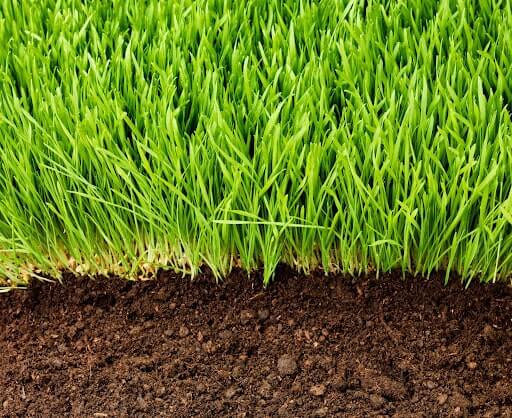
When you look at How To Keep Grass Green In Hot Weather, root depth beats any hack. Roots chase air and water. Give them both.
Smart Irrigation Upgrades You’ll Actually Use
Great hardware makes good habits easy.
- Install a smart controller. It adjusts run times by weather and evapotranspiration. It saves water and keeps timing tight.
- Add a rain sensor or soil moisture sensor. These stop needless cycles.
- Match nozzles by precipitation rate. Mixed heads waste water and cause dry spots.
- Regulate pressure. Proper pressure makes streams even and drops loss to mist.
- Audit your system twice a year. Fix clogged heads, leaks, and tilt. Run a quick catch-can test.
For trees and beds near lawn, switch to drip. It cuts competition and keeps water where roots can use it. These upgrades make How To Keep Grass Green In Hot Weather less guesswork and more science.
Heat-Stress Recovery and Overseeding Plan
Even perfect care meets brutal weeks. Have a plan to bounce back.
- Ease stress first. Raise the mow height. Water deep at dawn. Pause herbicides until temps drop.
- Treat hot spots. Hand-water edges, slopes, and zones near pavement.
- Feed light. A small dose of slow-release nitrogen with potassium can help recovery.
- Overseed at the right time. For cool-season lawns, late summer to early fall is prime. For warm-season lawns, fix bare areas in late spring to early summer.
- Prep the seedbed. Rake, topdress with compost, and keep seed moist until sprout.
Last August, a heat dome crisped my fescue edges. I spot-watered at noon for five minutes to cool soil, then returned to dawn deep cycles. I held off heavy feed. The lawn perked up in ten days. Planning this way is a core part of How To Keep Grass Green In Hot Weather.
Common Mistakes That Turn Green Lawns Brown
Avoid these traps. They waste water and bleach color.
- Daily light watering that never reaches roots.
- Cutting too short in summer.
- Big nitrogen pushes during peak heat.
- Watering at night for long hours.
- Ignoring compacted soil and thatch.
- Letting shrubs and trees steal all the water from shared zones.
- Skipping system checks for leaks and clogged heads.
Staying clear of these errors supports How To Keep Grass Green In Hot Weather with less effort and cost.
Frequently Asked Questions of How To Keep Grass Green In Hot Weather
How often should I water in extreme heat?
Water two to three deep sessions per week, not daily. Aim for 1 to 1.5 inches total and adjust to your soil.
Is it okay to water during the day?
Avoid mid-day. Early morning is best because wind is low and loss to sun is small.
What mowing height helps in summer?
Mow higher to shade soil and protect roots. Cool-season lawns do best near 3–4 inches in heat.
Can fertilizer burn my lawn in hot weather?
Yes, fast-release nitrogen can burn. Use slow-release and small doses, and water in as the label says.
How do I fix dry spots that repel water?
Use a wetting agent and cycle-soak. Aerate compacted zones and add compost to help soak-in.
Will brown grass come back after a heatwave?
If crowns are alive, yes. Give light weekly water during dormancy, then resume normal care when temps drop.
What’s the best grass for hot regions?
Warm-season grasses like bermudagrass and zoysiagrass thrive in heat and sun. Pick a variety that matches your zone and soil.
Conclusion
Keeping color in a heatwave is a system, not a guess. Water deep at dawn, mow higher, feed with care, and build better soil. Fix the weak links, then let smart tools help you stay on track. This is the proven way for How To Keep Grass Green In Hot Weather, year after year.
Start with one change this week. Raise your mower, run a catch-can test, or fix a dry spot. Then build from there. If this guide helped, share it, subscribe for more turf tips, or drop your toughest summer lawn question in the comments.

I enjoy sharing simple gardening ideas, lawn care tips, and honest product reviews that help make outdoor work easier. From home gardening guides to helpful tools and lawn care advice, I write easy-to-follow content to help readers create a healthier and better-looking outdoor space without wasting time or money.