
As an Amazon Associate, I earn from qualifying purchases.
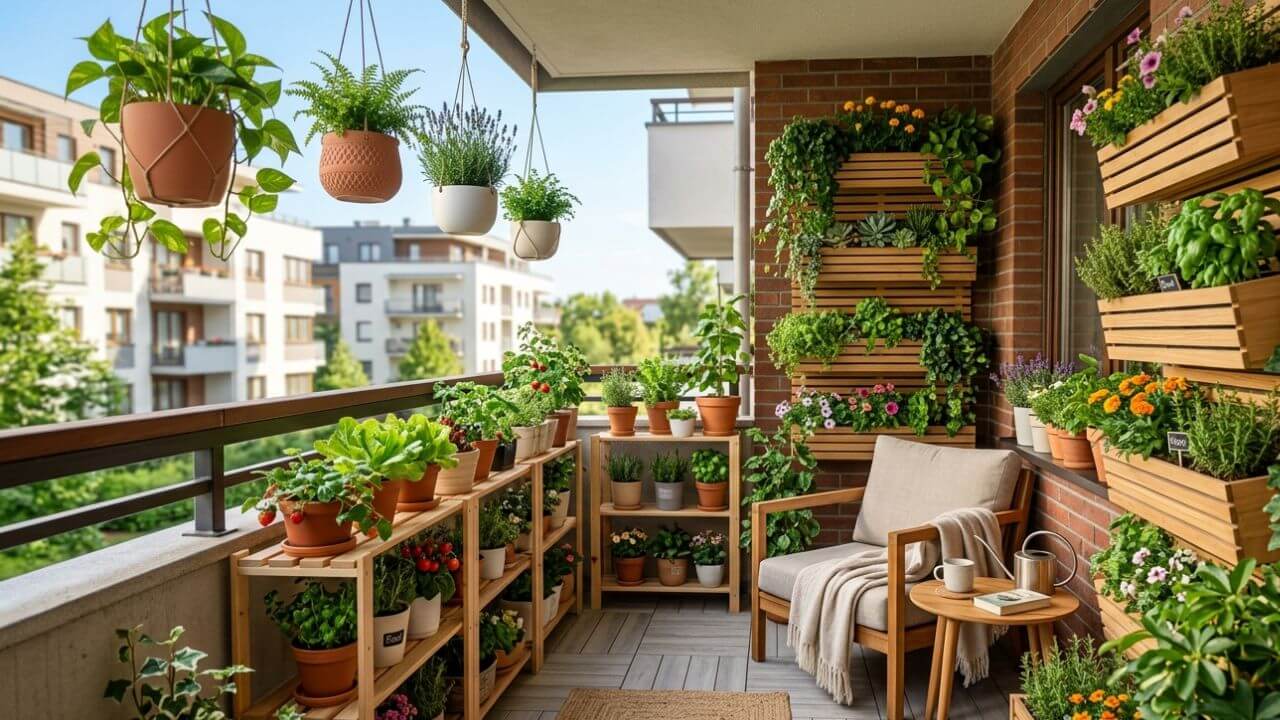
Use vertical planters, compact containers, and multipurpose layouts to grow more.
Small spaces can hold a lush, productive garden when you plan with care. I’ve spent years testing layouts, plant mixes, and tools in tight spots, and I know what works. This guide shares Home garden ideas for small spaces that are simple, proven, and fun to try today. You will learn how to grow up, not out, and how to keep plants healthy with less time and less waste.

Plan your space with purpose
Start by mapping light, wind, and water access. Note hours of direct sun by spot. Track wind on balconies and near corners. Find a water source that is easy to reach.
Pick goals you can measure. Aim for herbs all year, salad leaves each week, or flowers for pollinators. Set a spend limit and stick to it.
Choose a layout that stacks space. Use walls, railings, shelves, and corners. Leave one small path so you can reach every pot. This section anchors core Home garden ideas for small spaces.

Grow up: vertical gardening that works
Walls and fences are prime real estate. Use pocket planters, trellises, and ladder shelves. Hang light pots from rails. Fix anchors into studs or brick for safety.
Pick plants that climb or trail. Try peas, pole beans, cucumbers, and cherry tomatoes. Grow strawberries, thyme, oregano, and mint in pockets. Add nasturtiums for color and pollinators.
Keep vines tidy. Prune often and tie stems as they grow. Water from the top and let excess drain. A drip line with emitters saves time and water. These are classic Home garden ideas for small spaces that scale fast.
Container gardening that thrives in tight spots
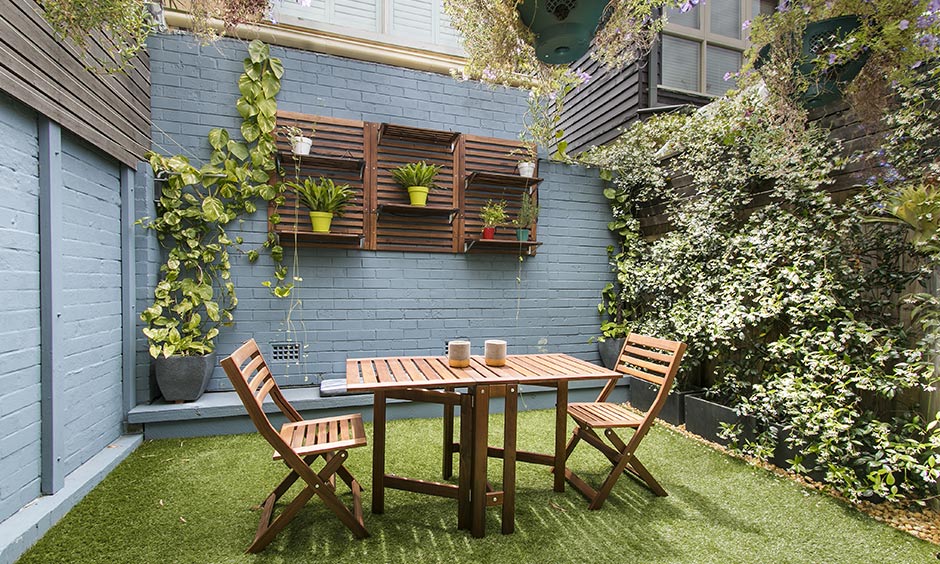
Containers give control over soil and roots. Use fabric grow bags, self-watering pots, and railing planters. They are light, drain well, and fit odd corners.
Use a simple potting mix. Try 40% coco coir or peat, 40% compost, and 20% perlite. Mix in a slow-release fertilizer at planting. Top with a thin layer of mulch to hold water.
Match pot depth to plant needs:
- Leafy herbs like basil and cilantro: 6–8 inches
- Lettuce and radish: 6–8 inches
- Peppers and bush tomatoes: 10–12 inches
- Dwarf citrus and figs: 14–18 inches
Water when the top inch is dry. Feed every two to four weeks with a gentle liquid feed. This keeps growth steady. Container hacks are core to Home garden ideas for small spaces.

Balcony, patio, and windowsill solutions
Balconies and patios can grow a lot with smart gear. Use a corner shelf to stack pots. Add railing boxes for lettuce and flowers. Place a foldable cart for tools and soil.
Wind can be harsh up high. Use mesh screens or tall plants as a soft windbreak. Check weight limits and follow building rules. Put saucers under pots to catch drips.
Windowsills love herbs and microgreens. Use narrow trays and clip-on grow lights in winter. Rotate trays each week for even growth. This is one of the easiest Home garden ideas for small spaces.

Indoor micro-gardens, sprouts, and simple hydroponics
Microgreens are fast and tasty. Sow thick in shallow trays. Harvest in 10–14 days. Try sunflower, pea shoots, and radish.
Grow herbs in mason jars with a passive hydro setup. Use the Kratky method with a net cup and nutrient mix. It needs no pump. Mint, basil, and chives do well.
Use LED lights to keep growth strong. Aim for bright, cool light at 200–400 PPFD for herbs. Keep lights 6–12 inches above leaves. Simple indoor systems are strong Home garden ideas for small spaces.

Soil, water, and light made simple
Great soil holds air and water. Add compost each season. Use perlite or pumice for drainage. Avoid garden soil in pots since it compacts fast.
Water deep, not often. Stick a finger in the mix. If dry to the first knuckle, water. Bottom watering trays keep roots happy and reduce gnats. Capillary mats help if you travel.
Light drives growth. South windows give the most light. East and west work for greens and herbs. If light is low, add LEDs on a simple outlet timer. Proper care powers all Home garden ideas for small spaces.

Year-round harvest in small spaces
Use succession planting to keep food coming. Sow a new tray of lettuce or microgreens each week. Swap cool-season and warm-season crops by season.
Cool months: lettuce, spinach, arugula, peas, and kale. Warm months: basil, peppers, cherry tomatoes, cucumbers, and beans. Dwarf and patio types fit best.
Extend seasons with row covers or cloches on a patio. Move tender pots indoors before first frost. Many herbs overwinter on a bright sill. Year-round planning boosts Home garden ideas for small spaces.
Design and style that save space
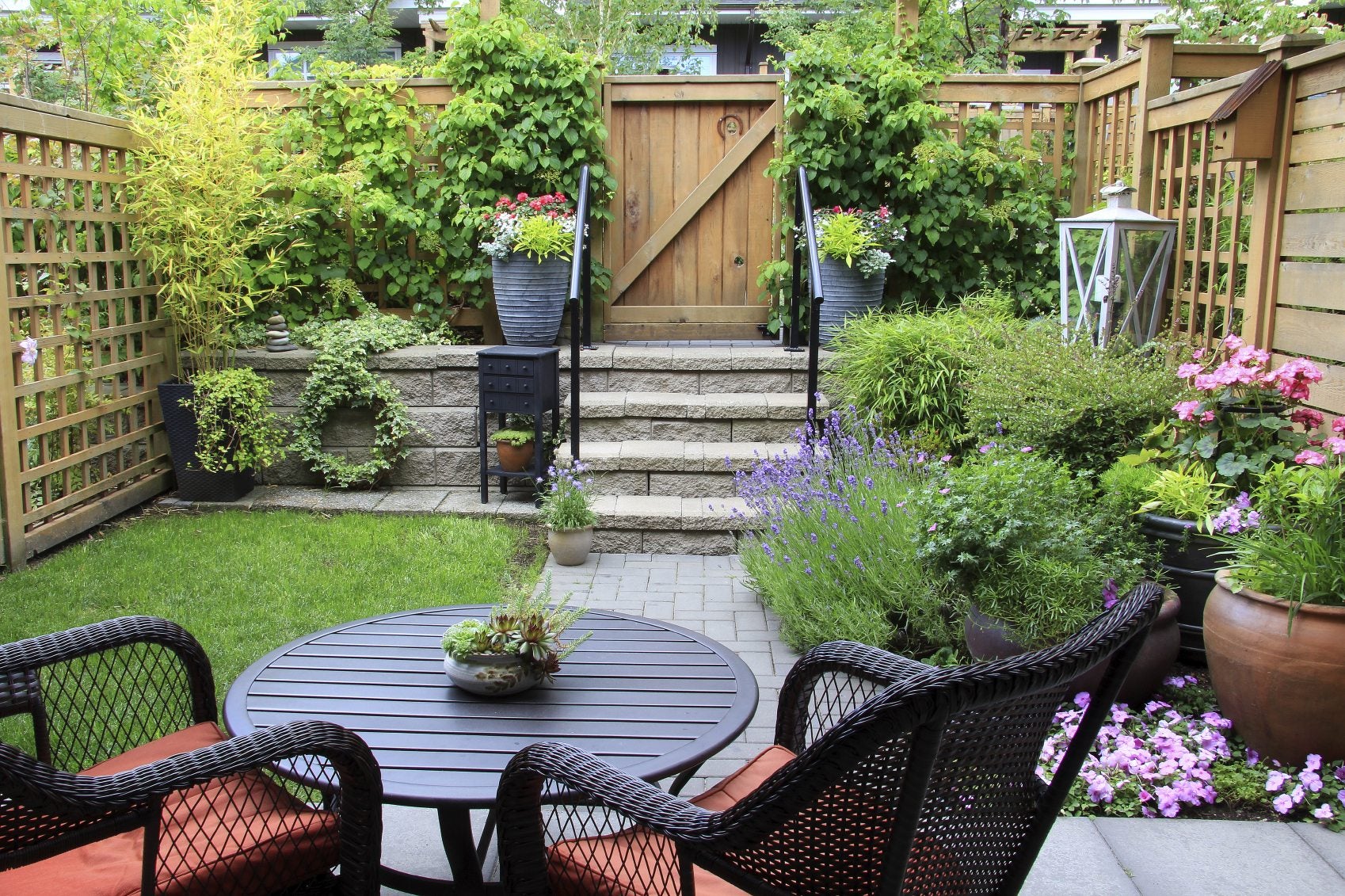
Good design makes a small garden feel bigger. Group pots in odd numbers. Use a tall plant (the thriller), mid plants (the fillers), and a trailer (the spiller) in each planter.
Choose light-colored pots to reflect heat. Add mirrors or white walls to bounce light. Use scent layers near seats. Think basil, jasmine, and lavender.
Keep paths clear and tidy. Hide soil bags in a storage bench. Add a small stool for potting work. Style and function can blend in Home garden ideas for small spaces.
Budget and eco-friendly hacks
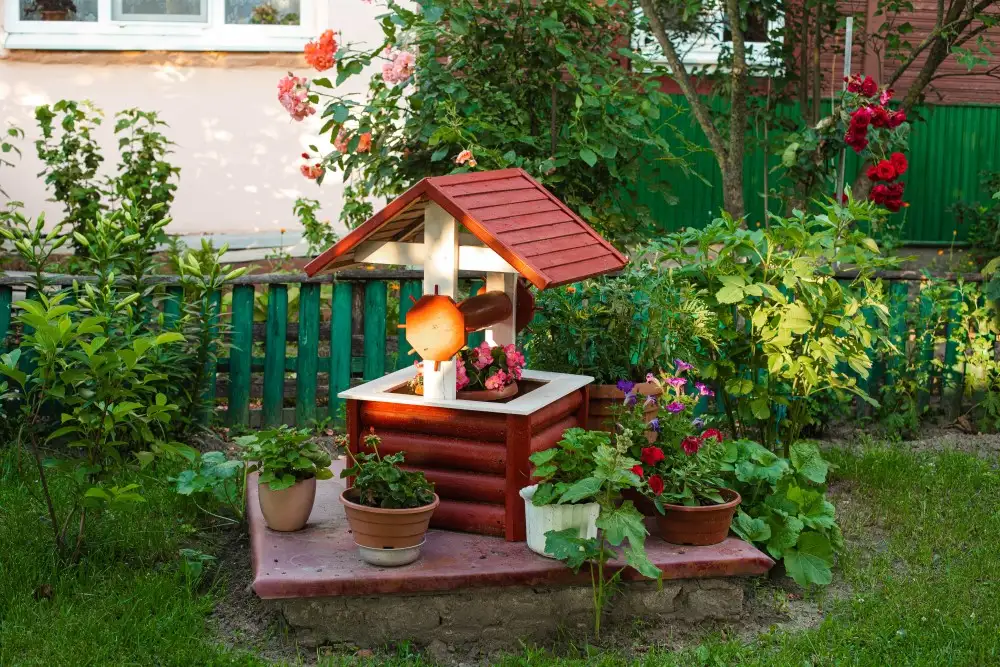
Start plants from seed to save money. Share seed packets with friends. Join local swaps for cuttings and tools.
Make a tiny worm bin for kitchen scraps. It fits under a sink and makes rich castings. Use a small bokashi bucket if you lack outdoor space. Water with saved rain when safe to do so. These green steps are smart Home garden ideas for small spaces.
Easy care routine and mistakes to avoid
A short daily check works best. Look for droop, spots, or bugs. Pinch herbs to keep them bushy. Remove yellow leaves fast.
Avoid crowding. Plants need air. Use pots with holes and avoid saucers that hold standing water. Do not overfeed. More fertilizer is not always better.
Handle pests early. Wipe leaves, use insecticidal soap, or neem on soft pests. Sticky traps help with gnats. Healthy roots and steady light stop most problems. Clean habits support Home garden ideas for small spaces.
Small-space garden toolkit
You do not need many tools. Choose compact gear that stores well.
- Hand trowel and hand fork for pot work
- Pruners and snips for soft stems
- Watering can with a fine rose
- Moisture meter or your finger test
- Lightweight hose or coiled hose if you have a spigot
- Trays, saucers, and a small bin for potting mix
- A simple LED grow light and timer for winter
This kit covers most Home garden ideas for small spaces with ease.
Frequently Asked Questions of Home garden ideas for small spaces
What vegetables grow best in small containers?
Leafy greens, radishes, bush beans, and cherry tomatoes do well in pots. Choose patio or dwarf types for best results.
How much sun do balcony herbs need?
Most herbs need 4–6 hours of direct sun. With less light, use a low-watt LED to boost growth.
How can I stop overwatering in small pots?
Use pots with drainage holes and a light mix. Water when the top inch is dry, not on a set schedule.
What is the cheapest way to start a small garden?
Grow from seed and reuse containers. Share soil, seeds, and tools with neighbors or friends.
Can I grow food indoors without special gadgets?
Yes. Use sunny windows, shallow trays for microgreens, and simple passive hydro. A basic clip-on light helps in winter.
How do I deal with wind on a high-rise balcony?
Add mesh screens and group pots low to the ground. Choose sturdy, squat containers and tie tall plants to supports.
What are the best flowers for tiny spaces?
Marigolds, nasturtiums, dwarf zinnias, and mini dahlias add color and attract pollinators. They also mix well with herbs and veggies.
Conclusion
Small spaces can feed you and calm you. Start with one shelf, a few smart containers, and plants you love. Build up with vertical supports, good soil, and steady light.
Pick one or two ideas from this guide and try them this week. Track what works, adjust fast, and enjoy the process. Want more tips on Home garden ideas for small spaces? Subscribe for new guides, or leave a comment with your space details and goals.
Last Updated on July 11, 2026 by Saad Abdullah

I enjoy sharing simple gardening ideas, lawn care tips, and honest product reviews that help make outdoor work easier. From home gardening guides to helpful tools and lawn care advice, I write easy-to-follow content to help readers create a healthier and better-looking outdoor space without wasting time or money.