
As an Amazon Associate, I earn from qualifying purchases.
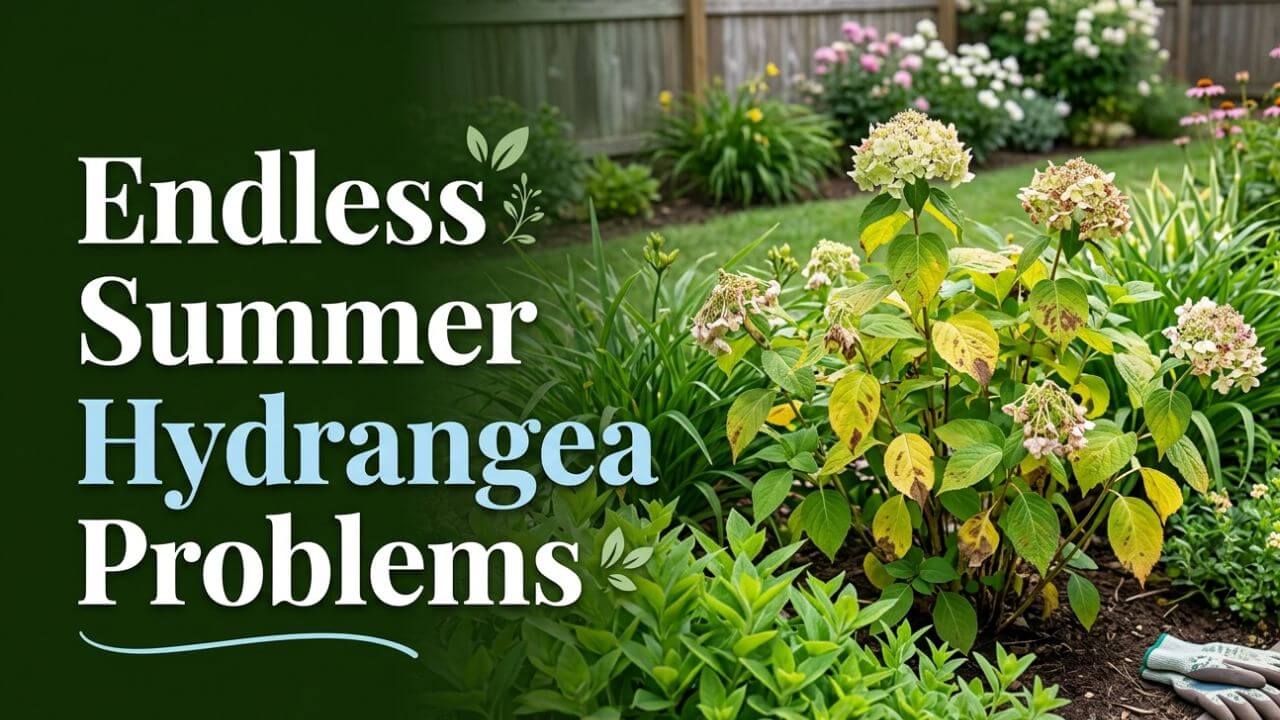
Most Endless Summer hydrangea problems come from sun, water, pruning, soil, or pests.
If your shrub looks tired or refuses to bloom, you are not alone. I’ve grown and rehabbed hundreds of hydrangeas, and I know the exact pain points that trigger Endless Summer hydrangea problems. This guide breaks down every common issue, why it happens, and the steps I use to fix it fast. Stick with me and you’ll turn stress into steady blooms.
Understand the Endless Summer series before you troubleshoot
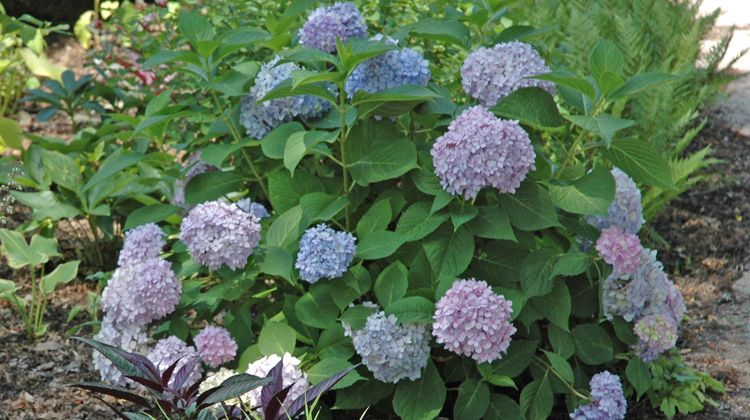
Endless Summer is a reblooming Hydrangea macrophylla. It sets flower buds on both old wood and new wood. That is a gift for gardeners in cold zones. It also means mistakes with sun, water, pruning, or winter care can cut flowering in half.
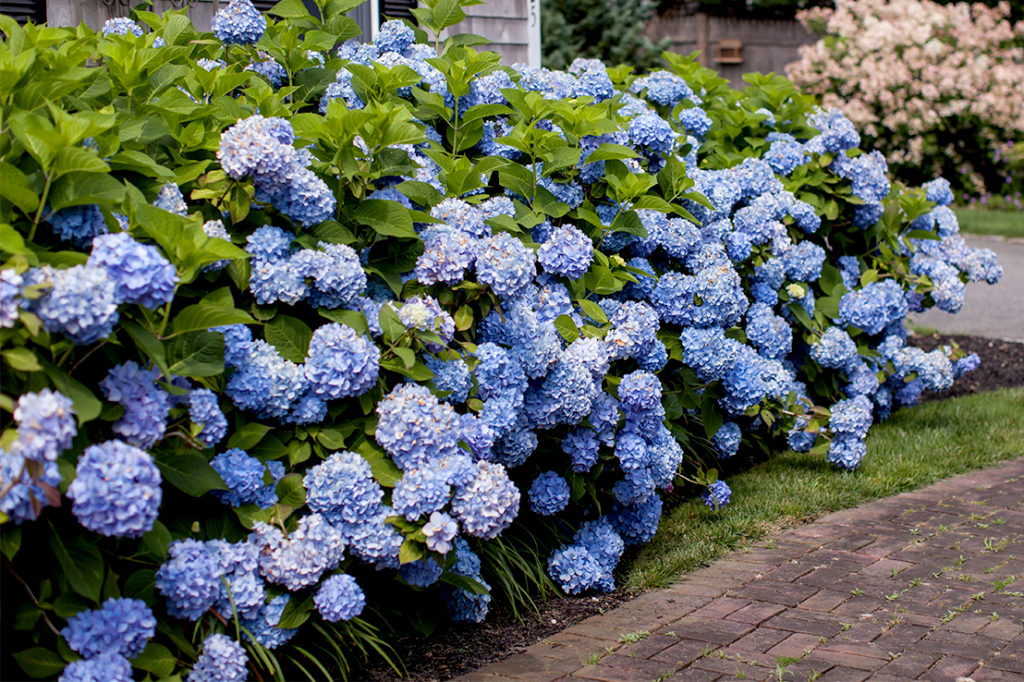
The plant wants morning sun and light afternoon shade. It prefers even moisture in rich, well-drained soil. Blooms shift blue in acidic soils with available aluminum and pink in neutral to alkaline soils. Knowing these basics makes solving Endless Summer hydrangea problems much easier.

Diagnose common Endless Summer hydrangea problems and quick fixes
When I walk a site, I look for simple causes first. Most issues fall into five buckets: light stress, water stress, pruning errors, nutrient imbalance, or pests and disease. Here is a fast map to pinpoint trouble.
Common symptoms and fixes:
- No blooms: Late frost killed old-wood buds, or pruning removed them. Protect buds in spring cold snaps and avoid hard pruning after mid-summer.
- Wilting at noon but perking up later: Normal heat wilt. Add mulch, increase morning water, and give light afternoon shade.
- Leaves yellow with green veins: Iron chlorosis from high pH. Acidify soil and apply chelated iron.
- Brown leaf edges or crisp tips: Leaf scorch from hot, dry wind. Mulch, deep water, and provide wind protection.
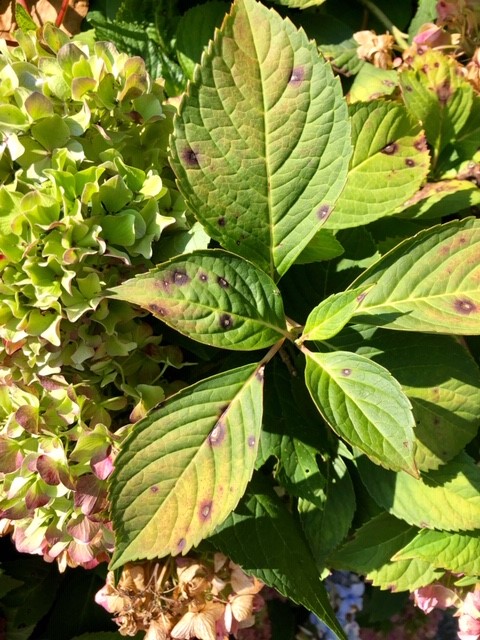
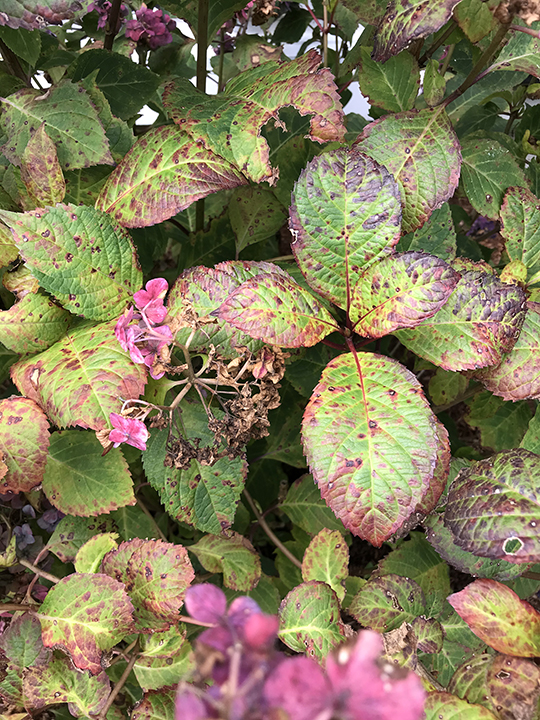
- Purple spotting on leaves: Cercospora leaf spot. Improve airflow and water at soil line. Remove infected leaves.
Treat one variable at a time. Change water first, then light, then feeding. This keeps the fix clean and clear and avoids new Endless Summer hydrangea problems.
Sun, shade, and heat: prevent wilt and leaf scorch
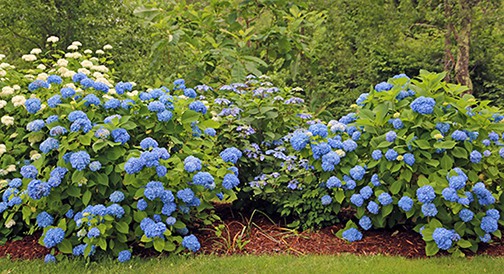
Endless Summer likes a gentle sun arc. Aim for 3–5 hours of morning sun, then dappled shade. In hot zones, shade after 1 p.m. helps prevent scorch and bud drop.
Heat wilt at midday can look scary. If leaves recover by evening, the roots likely need more moisture and cooler soil. Add 2–3 inches of mulch and water early. I learned this lesson the hard way in a west-facing courtyard where afternoon brick heat baked the plants. A shade cloth and extra mulch ended the stress.
Sun rules that prevent Endless Summer hydrangea problems:
- Choose east or northeast exposures.
- Plant at least 18 inches from reflective walls.
- Add light shade cloth during heat waves.
 drainage, and pH for color and health”
style=”max-width: 100%; height: auto; border: 2px solid black; border-radius: 10px; display: block; margin: 0 auto;”
loading=”lazy”
/>
Water and soil: moisture, drainage, and pH for color and health
Hydrangeas love even moisture, not soggy feet. Water deeply 2–3 times a week in summer, then adjust for your rain and soil. Sandy soil needs more frequent drinks. Clay needs fewer but deeper soaks.
Roots need oxygen. Poor drainage invites root rot and dull growth. If your plant wilts more after you water, check for standing water and compacted soil. Lift and replant on a mound, or add a French drain. Consistent moisture fixes half of the Endless Summer hydrangea problems I see.
For bloom color and leaf health:
- For blue blooms: Target soil pH around 5.2–5.8 and ensure available aluminum. Use aluminum sulfate with care and follow label rates.
- For pink blooms: Keep pH near neutral. Avoid aluminum amendments.
- Test soil yearly. It is the fastest path to accurate fixes and avoids guesswork that causes new Endless Summer hydrangea problems.
Pruning, winter protection, and reblooming strategy
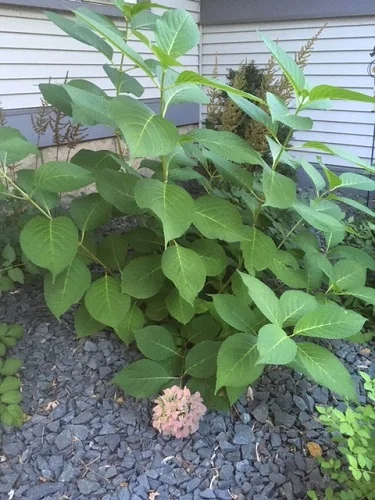
Endless Summer blooms on old and new wood. That gives you a safety net, but not a license to hack. Heavy pruning after mid-summer removes the next season’s flower buds on old wood.
Smart pruning steps:
- Spring: Remove only dead or winter-killed canes. Scratch the bark and look for green tissue.
- After first bloom: Deadhead to the first strong set of leaves. Lightly thin crossing stems.
- Avoid fall pruning: It wakes buds that may get zapped by frost.
Winter care matters in cold zones. Buds are hardy, but deep cold and spring swings can kill them. Wrap with burlap in late fall, mulch the root zone, and avoid late fall nitrogen. After a late freeze wiped out blooms for a client, we set frost cloth over the shrub during two April nights. The plant bloomed well that summer. Simple steps, big payoff for Endless Summer hydrangea problems.
Pests and diseases: identify and treat early
Most pests show up on stressed plants. Fix site issues first, then treat. Spotting the invader fast protects blooms and leaves.
Typical culprits:
- Aphids and leafhoppers: Curling or sticky leaves. Blast with water. Use insecticidal soap if needed.
- Spider mites: Fine webbing, stippled leaves in heat. Increase humidity and use miticide soap.
- Scale: Bumps on stems, honeydew. Prune infested stems and use horticultural oil.
- Slugs: Ragged holes on tender leaves. Use slug traps or iron phosphate baits.
- Deer and rabbits: Chewed tips. Use repellents and physical barriers.
Diseases to watch:
- Cercospora leaf spot: Small purple or brown spots. Remove infected leaves, improve airflow, avoid overhead watering.
- Powdery mildew: White film in shade with humid air. Thin stems, increase morning sun, apply labeled fungicide if severe.
- Botrytis blight: Brown mushy blooms in cool, wet weather. Deadhead and improve drainage.
- Root rot: Wilting despite moist soil and blackened roots. Fix drainage and avoid overwatering.
Healthy airflow, clean mulch, and drip irrigation can prevent a long list of Endless Summer hydrangea problems.
Nutrition: yellow leaves, slow growth, and how to feed right
Hydrangeas are moderate feeders. Too much nitrogen grows huge leaves but delays blooms. Too little iron in high pH soils causes yellowing.
Smart feeding to avoid Endless Summer hydrangea problems:
- Use a slow-release, balanced fertilizer in spring. Look for lower middle number if you want fewer leaves and more blooms.
- In alkaline soils, supply chelated iron and sulfur to nudge pH down.
- Do not feed late in summer. New soft growth risks frost damage.
If you see pale leaves with green veins, that is classic iron chlorosis. I fix it fast with a soil-applied chelated iron and a long-term pH tweak. Expect greener leaves in 2–3 weeks.
:strip_icc()/endless-summer-bloomstruck-hydrangea-d697612d-5c1e6f6c191640b889a8d1758dde890c.jpg)
Planting, containers, and site selection for long-term success
Right plant, right spot. That rule will save you from many Endless Summer hydrangea problems.
Best practices:
- Plant in spring or fall when temps are mild.
- Dig a hole twice as wide, as deep as the root ball.
- Set the crown level with the soil line. Do not bury it.
- Backfill with native soil and compost. Water in well.
- Mulch 2–3 inches, keeping mulch off the stems.
For containers:
- Use a large pot with big drainage holes.
- Choose a high-quality potting mix, not garden soil.
- Water when the top inch is dry. Pots dry fast in wind.
- Feed lightly during active growth.

Seasonal care calendar for Endless Summer hydrangeas
A simple calendar keeps stress low and blooms steady.
Spring
- Remove winter damage. Shape lightly.
- Apply slow-release fertilizer and fresh mulch.
- Watch for frost and cover if buds are swelling.
Summer
- Water deeply and early. Deadhead spent blooms.
- Scout weekly for mites, aphids, and leaf spot.
- Provide afternoon shade during heat waves.
Fall
- Stop feeding. Let growth harden.
- Clean fallen leaves to limit disease.
- Water before the ground freezes.
Winter
- In cold zones, wrap with burlap after the ground cools.
- Avoid heavy pruning.
- Check for rodent damage and set barriers.
Follow this, and most Endless Summer hydrangea problems never start.
Troubleshooting checklist and decision tree
Use this fast track when something looks off.
Checklist
- Are the roots wet or bone dry?
- How many hours of direct sun, and when?
- Was there a late frost or recent pruning?
- Do leaves show spots, webbing, or sticky residue?
- What is your soil pH and drainage?
- Wilting at noon only: Add mulch, water early, provide afternoon shade.
- Always wilting, soil wet: Improve drainage, reduce watering, check roots.
- No blooms after mild winter: Stop pruning after mid-summer, deadhead only.
- Yellow leaves, green veins: Lower pH slightly and add chelated iron.
- Spots and defoliation: Remove infected leaves, water at the base, increase airflow.
I keep this process on my phone. It makes Endless Summer hydrangea problems much less scary and much more fixable.
Frequently Asked Questions of Endless Summer hydrangea problems
Why won’t my Endless Summer bloom?
Late frost or late pruning removes old-wood buds. Protect plants during spring cold snaps and avoid heavy pruning after mid-summer.
How much sun does Endless Summer need?
Aim for morning sun and afternoon shade. In hot climates, keep it shaded after 1 p.m. to prevent scorch and bud drop.
Why are my hydrangea leaves turning yellow?
High soil pH can lock out iron. Apply chelated iron and lower pH slightly with sulfur, then retest soil.
Can I cut Endless Summer to the ground?
Do not cut it to the ground unless it suffered severe winter kill. You will lose old-wood buds and delay bloom.
How often should I water?
Water deeply 2–3 times per week in summer, based on your soil and weather. Keep soil moist but not soggy to protect roots.
What causes brown spots on leaves?
Cercospora leaf spot thrives in warm, wet conditions. Remove infected leaves, improve airflow, and avoid overhead watering.
Will deer eat Endless Summer?
Yes, deer like hydrangeas. Use repellents and barriers, especially in spring when new growth is tender.
Conclusion
Hydrangeas are honest plants. When light, water, soil, and timing are right, they give you bloom after bloom. When those needs slip, you see the classic Endless Summer hydrangea problems: weak flowers, wilt, spots, and yellow leaves. The good news is every issue has a simple, practical fix.
Start with site and water, then tune pruning, pH, and feeding. Add airflow and clean habits to block pests and disease. Try one change at a time and watch for steady improvement. Ready to grow showy, reliable blooms? Put this plan to work, share your results, and subscribe for more hands-on garden guides.
Last Updated on July 31, 2026 by Saad Abdullah

I enjoy sharing simple gardening ideas, lawn care tips, and honest product reviews that help make outdoor work easier. From home gardening guides to helpful tools and lawn care advice, I write easy-to-follow content to help readers create a healthier and better-looking outdoor space without wasting time or money.