
As an Amazon Associate, I earn from qualifying purchases.
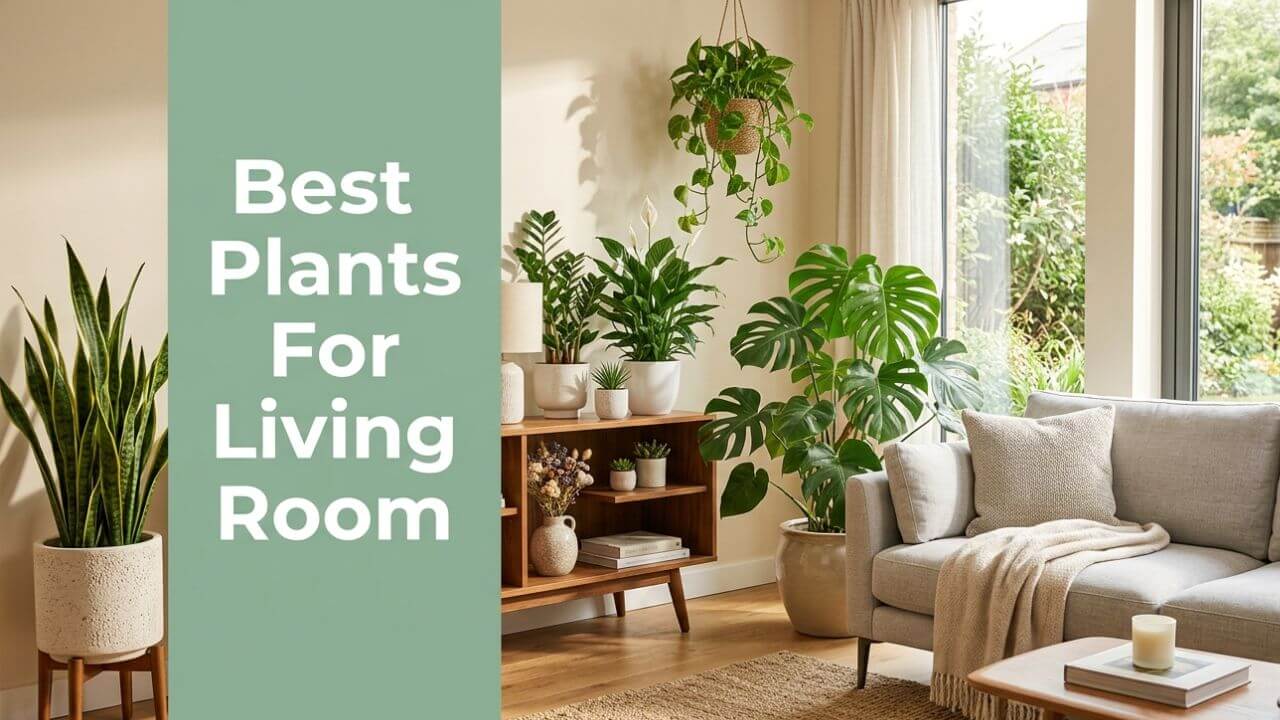
Best Plants For Living Room: snake plant, pothos, ZZ plant, monstera, peace lily.
If you want a calm, stylish space with fresh air and easy care, the Best Plants For Living Room can do it. I’ve designed living rooms for clients and my own home, and I’ve tested what survives, what shines, and what fails. This guide breaks down real choices, simple care, and smart styling so you can pick the Best Plants For Living Room with confidence.
:strip_icc()/ScreenShot2021-04-20at2.34.24AM-4ba20c6b63c644d1a6cdfe6837deaa56.png)
How to Choose the Best Plants For Living Room
Your living room is unique. Light, layout, and your routine all matter. Use these steps to match plants to your space.
- Check light first. Stand in the room at noon. If you can read a book without a lamp, most plants with medium light needs will do. If the sun hits the floor, choose bright-indirect plants. If it feels dim, go for low-light champs.
- Be honest about care. If you travel or forget to water, pick drought-tolerant plants. If you love routine care, you can handle thirstier, leafy types.
- Measure your space. Large floor plants make a statement. Shelf plants trail and soften lines. Mix both for balance.
- Think about pets and kids. Some plants are toxic if eaten. Choose pet-safe plants if your cat or dog likes to nibble.
- Match your style. Sleek planters suit modern rooms. Woven baskets and palms give a natural, warm feel.
Pro tip from my work with clients: place your first plant where you spend the most time. You’ll notice it, care for it, and learn faster. Then add more.

Best Plants For Living Room by Light Level
Picking the Best Plants For Living Room by light saves time and money. Match your light to the plant group below for success.
Bright, indirect light
- Monstera deliciosa. Large, split leaves. Water when top inch is dry. Grows fast and loves support stakes.
- Rubber plant (Ficus elastica). Glossy leaves, modern look. Likes bright light and a steady spot. Wipe leaves to keep shine.
- Bird of paradise. Tall, sculptural leaves. Needs strong light to thrive. Water when halfway dry.
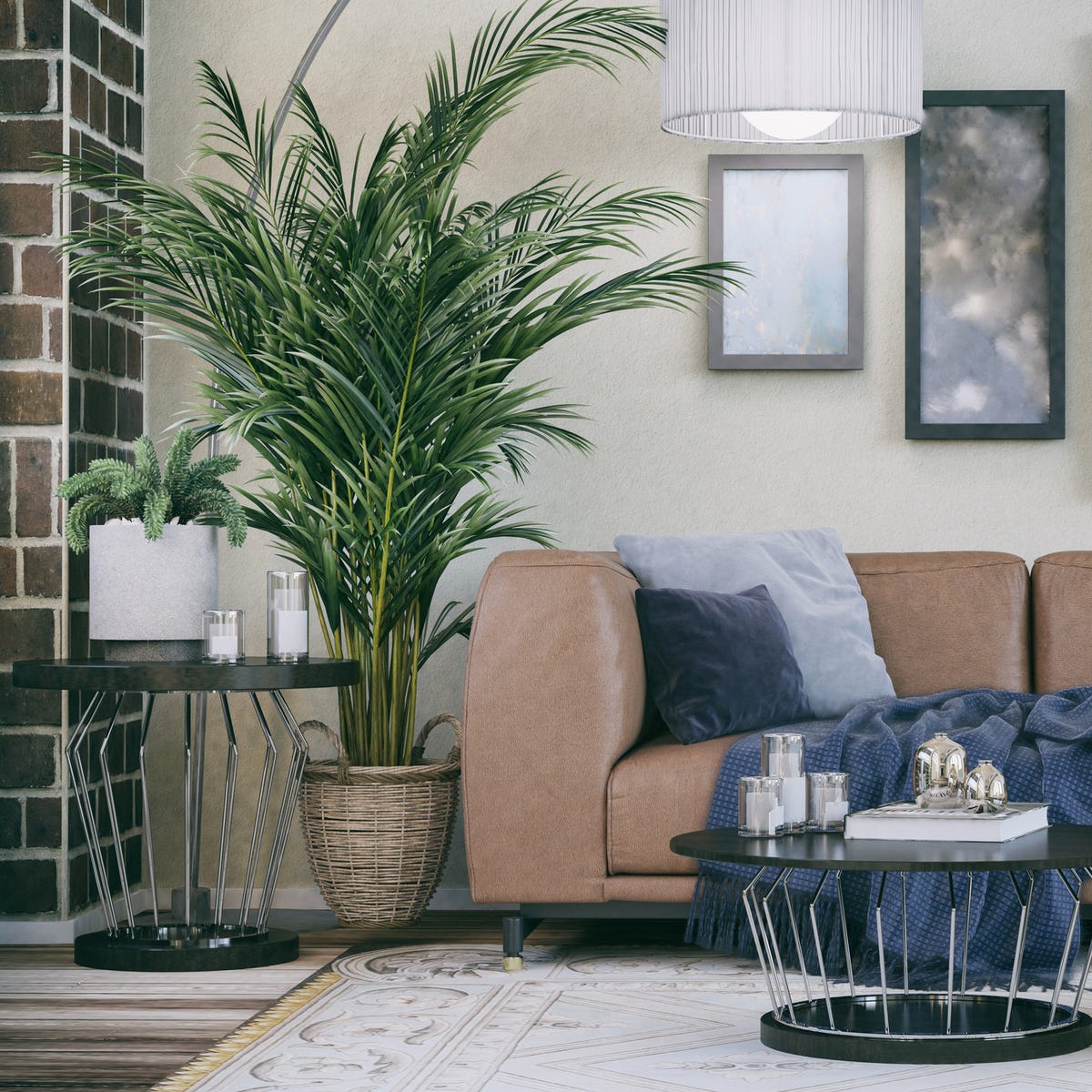
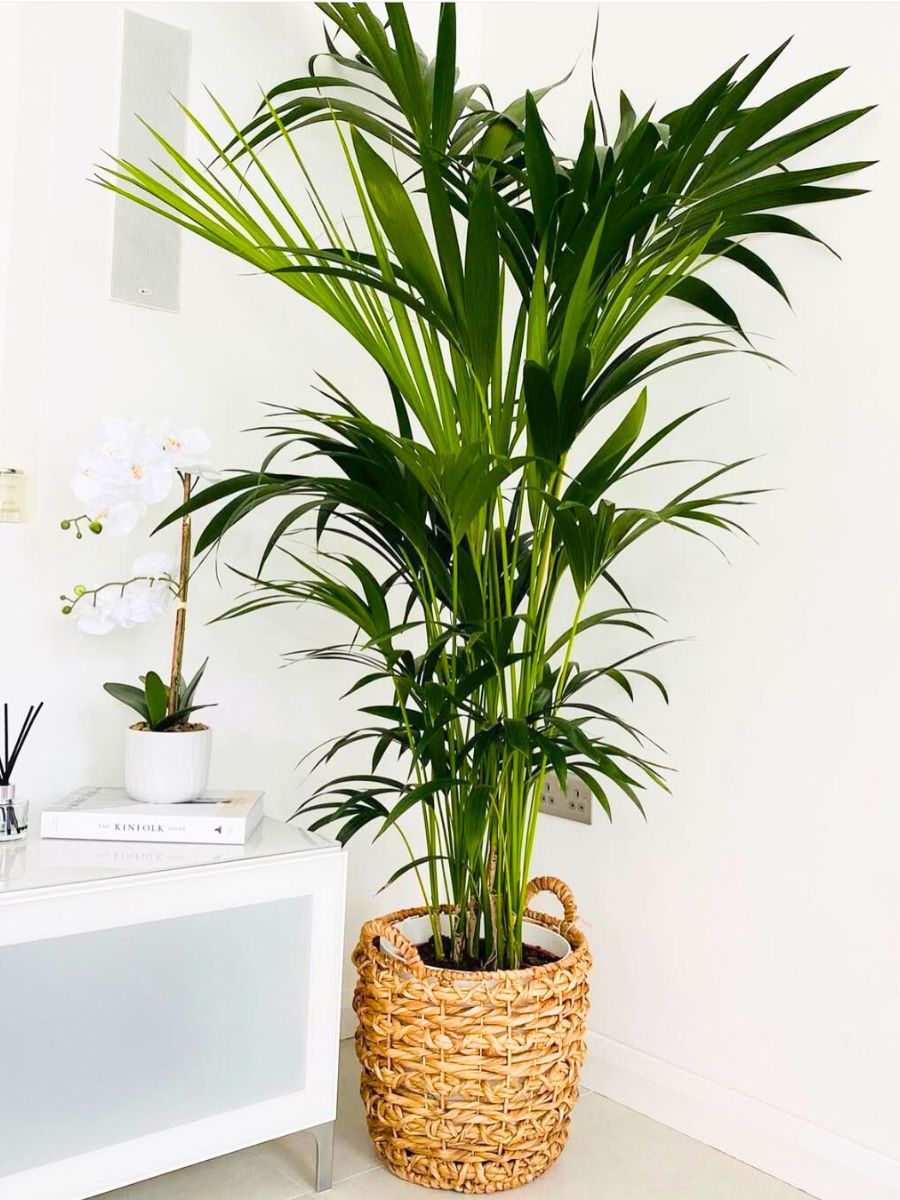
- Areca palm. Airy, beachy vibe. Even moisture and bright, filtered light. Pet-safe.
- Fiddle leaf fig. Iconic look, but fussy. Give strong light, stable temps, and avoid moving it.
Medium light
- Pothos (Epipremnum aureum). Trails or climbs. Forgiving and fast. Water when dry to the touch.
- Philodendron hederaceum. Heart-shaped leaves. Soft, full growth. Handle like pothos.
- ZZ plant (Zamioculcas zamiifolia). Near-indestructible. Drought-tolerant. Great for busy people.
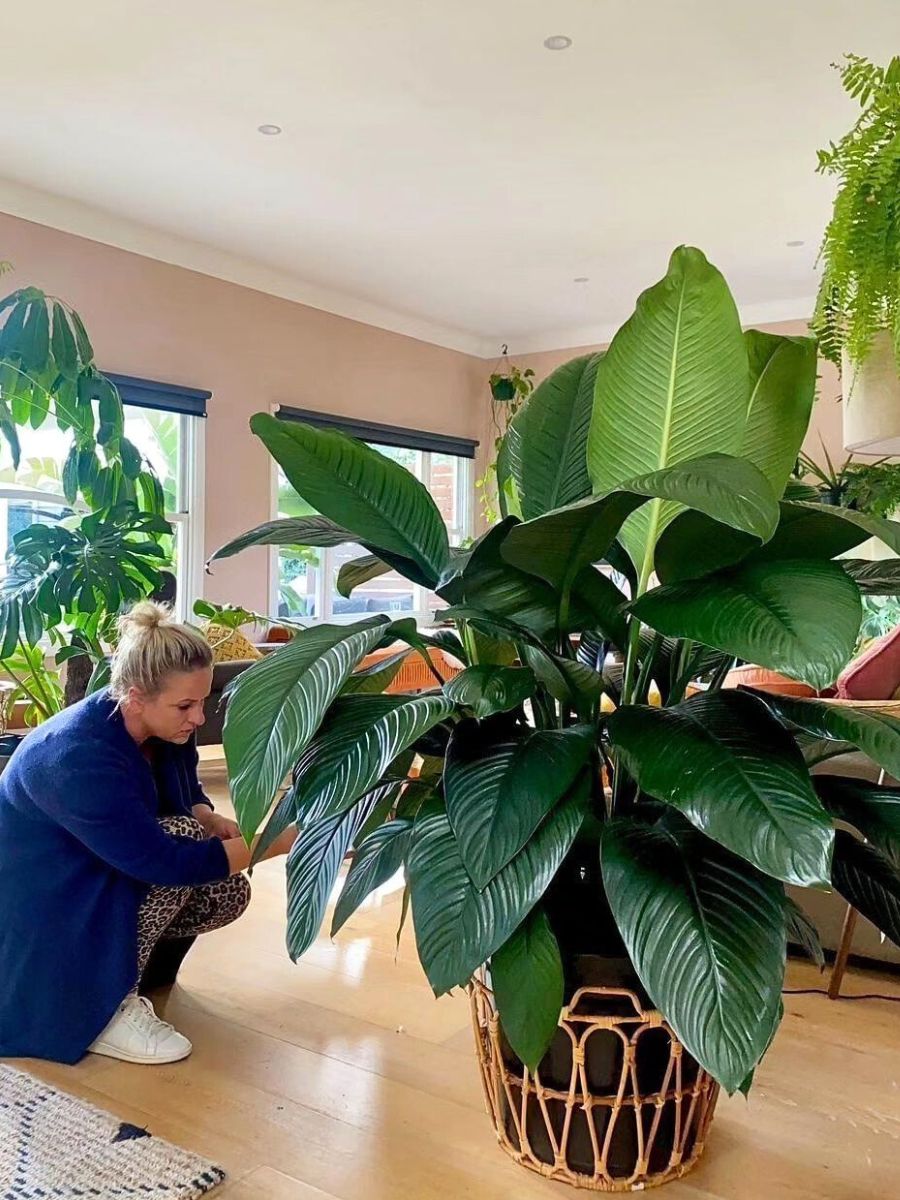
- Peace lily. Graceful blooms in medium light. Keep soil lightly moist. Droops when thirsty, then bounces back.
- Chinese evergreen (Aglaonema). Colorful leaves. Handles medium to low light. Water when the top inch dries.
Low light
- Snake plant (Sansevieria/Dracaena trifasciata). Vertical lines, super tough. Rarely needs water. Great for corners.
- Cast iron plant (Aspidistra). Lives on neglect. Deep green leaves. Slow but steady.
- Parlor palm. Compact palm for soft texture. Even moisture and occasional misting.
- ZZ raven. Dark foliage, dramatic. Same care as ZZ plant. Minimal water.
Care tip: Light changes with seasons. In winter, scoot plants closer to windows. In summer, pull them back to avoid leaf scorch.
Pet-Safe Best Plants For Living Room
If you share your home with pets, safety first. These picks are known as non-toxic to cats and dogs.
- Parlor palm. Soft fronds, gentle look, pet-safe.
- Areca palm. Bright and airy, safe for pets.
- Calathea (prayer plants). Bold patterns, humid-loving, safe if chewed.
- Ponytail palm. Sculptural base, very drought-tolerant, pet-safe.
- Peperomia. Compact, many textures, easy care, non-toxic.
- Baby rubber plant (Peperomia obtusifolia). Glossy leaves, tidy growth, safe.
Important note from experience: even safe plants can cause a mild tummy upset if eaten. Place more tempting plants on shelves or use plant stands. Avoid pothos, philodendron, dieffenbachia, and sago palm around pets.

Style and Placement Ideas for the Best Plants For Living Room
Plants are decor that breathes. Use them to frame views, soften edges, and pull a room together.
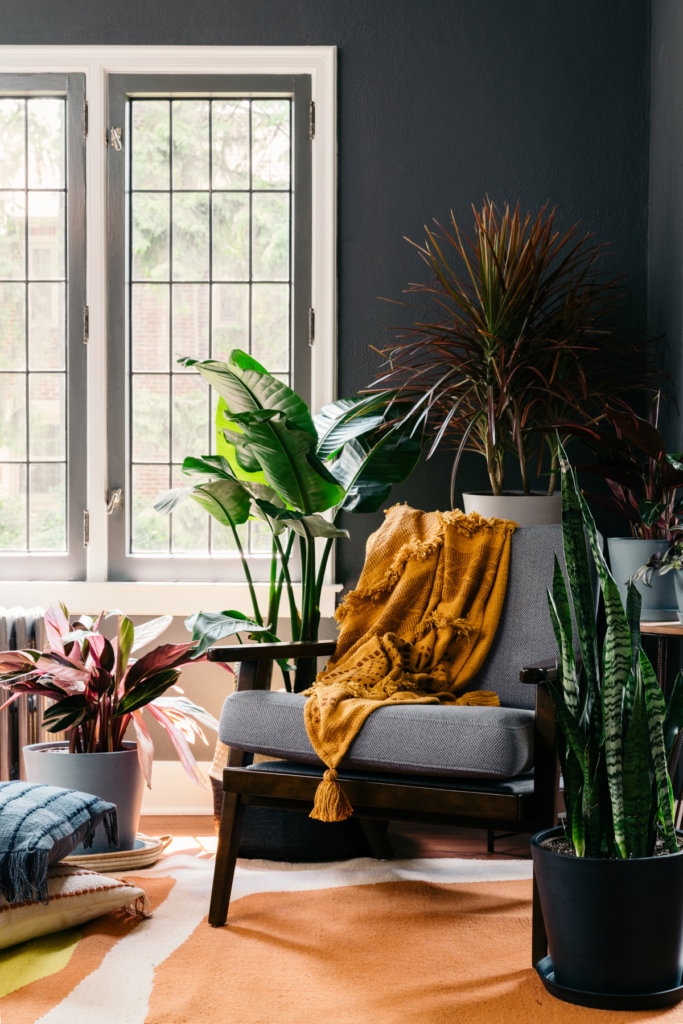
- Create a focal point. One tall plant by the sofa or TV wall grounds the space. Monstera or a rubber plant works well.
- Layer heights. Mix a floor plant, a stool plant, and a shelf plant in one zone. It adds depth and flow.
- Use vertical space. Wall planters, macrame hangers, and tall bookcases fit more green without clutter.
- Match pots to your palette. Crisp white for modern. Terracotta for warm, earthy looks. Baskets for coastal style.
- Zone the room. A palm by a reading chair sets a cozy corner. A snake plant by the entry frames the path.
My go-to trio for most rooms: a tall floor plant, a trailing plant on a shelf, and a small tabletop plant near a lamp. It looks balanced from every seat.
Simple Care Routine That Works
You do not need a green thumb. You need a rhythm. This routine keeps the Best Plants For Living Room happy.
- Water on demand, not by calendar. Check soil with your finger. If the top inch is dry, water. If it clings and feels damp, wait.
- Water deep. Run water through the pot until it drains. Empty saucers after 10 minutes.
- Rotate plants. Turn a quarter turn every two weeks for even growth.
- Dust leaves monthly. Use a damp cloth. Clean leaves breathe better and look great.
- Feed light. Use a balanced, water-soluble fertilizer at half strength in spring and summer, once a month.
- Repot when needed. If roots circle or water runs off fast, move up 1–2 inches in pot size.
Personal tip: I set a five-minute Sunday check-in. Walk the room, test soil, and fix small issues before they grow.
:strip_icc()/ScreenShot2021-04-20at8.46.33AM-96487446badf4d6d804fb91cdedea291.png)
Common Mistakes and How to Fix Them
Most plant problems come from a few habits. Spot them early and your Best Plants For Living Room will bounce back.
- Overwatering. Yellow leaves, mushy stems, gnats. Fix: let soil dry, improve drainage, and water less often.
- Underwatering. Curling or crispy leaves. Fix: soak the pot until water drains, then resume regular checks.
- Low humidity. Brown tips on calatheas and palms. Fix: group plants, add a small humidifier, or use a pebble tray.
- Not enough light. Leggy, pale growth. Fix: move closer to a window or add a grow light.
- Pests. Sticky leaves or webbing. Fix: wipe with soapy water, then use neem oil weekly until clear.
Pro tip from a client case: moving a fussy fiddle leaf fig away from a heating vent solved 80% of its leaf drop. Drafts matter.
Air Quality and Wellness: What Plants Really Do
Do plants clean air? Yes, but not like a machine. Lab tests show plants can absorb some VOCs. But in a normal home, the effect is small unless you have many plants. A dozen or more large plants can make a measurable difference in a closed test room.
What plants do very well is help you feel better. Studies link indoor plants to lower stress, better focus, and more comfort. They also add a bit of humidity, which helps skin and sinuses, especially in winter. Think of the Best Plants For Living Room as mood boosters first, and air helpers second.
Budget and Starter Sets for the Best Plants For Living Room
Start smart with a matched set. It saves time and looks cohesive.
- Low-light starter set. Snake plant for height, ZZ plant for ease, pothos for a shelf. Low effort, high impact.
- Medium-light starter set. Peace lily for blooms, philodendron for trails, parlor palm for texture. Calm and classic.
- Bright-light starter set. Monstera for drama, rubber plant for structure, areca palm for movement. Lush and bold.
- Pet-safe starter set. Parlor palm, peperomia, calathea. Safe and stylish.
Money-saving tip: buy small plants and let them grow. Healthy 4-inch plants can fill a room in a year with good care. That is the most affordable path to the Best Plants For Living Room.

Frequently Asked Questions of Best Plants For Living Room
What are the lowest-maintenance plants for a living room?
Snake plant, ZZ plant, and pothos are the easiest. They forgive missed waterings and adapt to many rooms.
Which plants are best for small living rooms?
Choose compact picks like peperomia, pothos, and parlor palm. Use shelves or hangers to save floor space.
How often should I water living room plants?
Water when the top inch of soil is dry. In most homes, that means every 7–14 days, but always check the soil.
Are there living room plants that grow fast?
Monstera, pothos, and philodendron grow fast in medium to bright light. Feed lightly in spring and summer to speed growth.
What plants are safe for pets in the living room?
Parlor palm, areca palm, calathea, ponytail palm, and peperomia are pet-safe. Still keep them out of chewing range.
Can I keep plants in a dark living room?
Pick low-light champs like snake plant and ZZ plant. If it is very dark, add a small grow light for a few hours a day.
Why are my plant’s leaf tips turning brown?
It could be low humidity or inconsistent watering. Increase humidity, water evenly, and avoid letting soil swing from very wet to very dry.
Conclusion
The Best Plants For Living Room are the ones that match your light, your style, and your routine. Start with one or two tough picks, learn their cues, and build from there. Use simple care, good placement, and steady light to keep them thriving.
Bring one plant home this week, set a five-minute check-in, and watch your space change. If this guide helped, subscribe for more room-by-room plant tips, or share your setup and questions in the comments.

I enjoy sharing simple gardening ideas, lawn care tips, and honest product reviews that help make outdoor work easier. From home gardening guides to helpful tools and lawn care advice, I write easy-to-follow content to help readers create a healthier and better-looking outdoor space without wasting time or money.