
As an Amazon Associate, I earn from qualifying purchases.
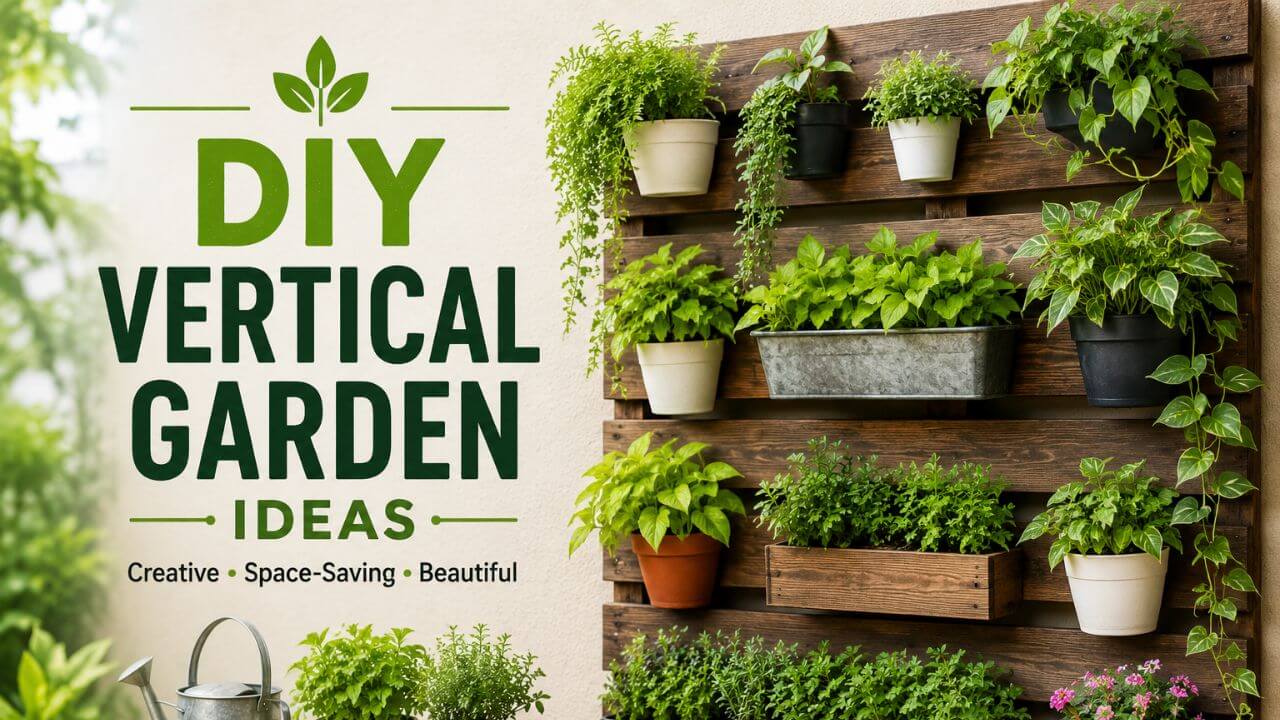
Small outdoor spaces can still produce beautiful flowers, fresh herbs, and vegetables. Many homeowners struggle with limited yard space, but growing upward creates new possibilities. DIY vertical garden ideas make it possible to use walls, fences, balconies, and small corners for gardening.
With simple materials and basic tools, beginners can build attractive and productive vertical gardens without spending a lot of money.
What Are DIY Vertical Garden Ideas?
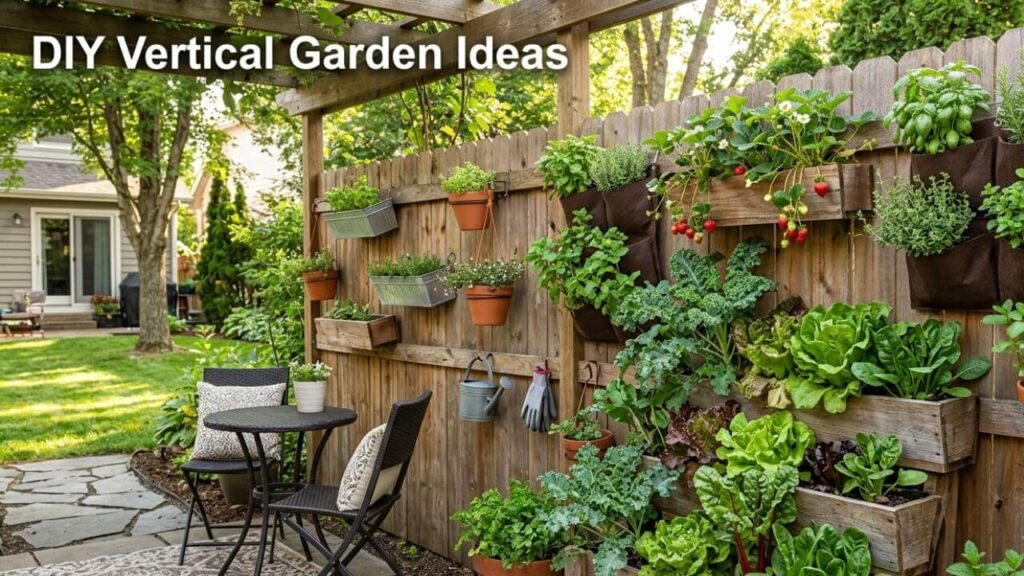
DIY vertical garden ideas are methods of growing plants vertically using structures, containers, walls, or hanging systems instead of traditional ground beds.
These gardens help maximize limited space and work well for:
- Herbs
- Vegetables
- Flowers
- Houseplants
- Climbing plants
Common examples include pallet gardens, wall-mounted planters, hanging containers, and living walls.
Benefits of a DIY Vertical Garden
A vertical garden offers several advantages for homeowners:
Saves Space
Growing upward allows gardeners to produce more plants in smaller areas. This makes vertical gardens ideal for balconies, patios, and small backyards.
Easier Maintenance
Plants placed at a higher level are easier to water, prune, and harvest. Gardeners can identify pests or plant problems faster.
Improves Home Appearance
Vertical gardens can turn plain walls and fences into attractive green features. They add texture, color, and natural beauty to outdoor spaces.
Perfect for Growing Food
Many vertical vegetable garden ideas allow homeowners to grow herbs, lettuce, strawberries, peppers, and tomatoes even with limited space.
15 DIY Vertical Garden Ideas for Small Spaces
Vertical gardens are one of the best ways to grow more plants when ground space is limited. Whether you have a small backyard, balcony, patio, or indoor corner, a vertical system can help you create a productive and attractive growing area.
The best design depends on your plants, budget, and available space. Some projects use recycled materials, while others create permanent garden features. Below are practical DIY vertical garden ideas that work well for beginners and experienced gardeners.
1. DIY Pallet Vertical Garden
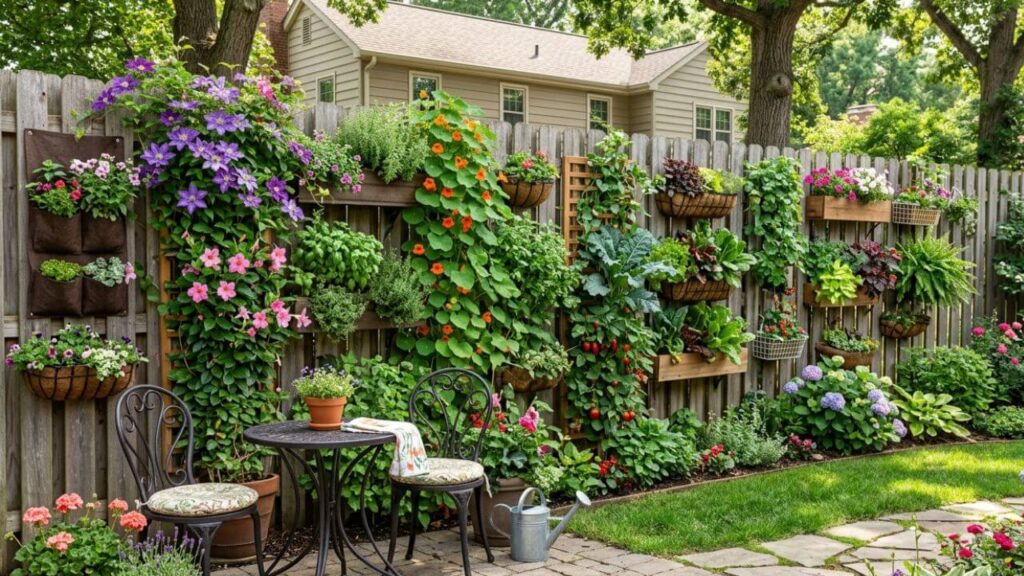
A DIY pallet vertical garden is one of the easiest and most affordable ways to start vertical gardening. A wooden pallet creates a ready-made frame where you can add soil pockets, containers, or small planters.
This design works well for herbs, lettuce, strawberries, and flowering plants. It is especially useful for homeowners who have a small patio or narrow backyard because it uses wall space instead of valuable ground area.
Before using a pallet, check that it is clean and safe for gardening. Avoid pallets with unknown chemical treatments. Adding landscape fabric inside the pallet helps hold soil while allowing proper drainage.
Best plants:
- Basil
- Mint
- Lettuce
- Strawberries
- Small flowers
Beginner tip: Place the pallet in its final location before filling it with soil because it becomes heavy afterward.
2. DIY Vertical Herb Garden
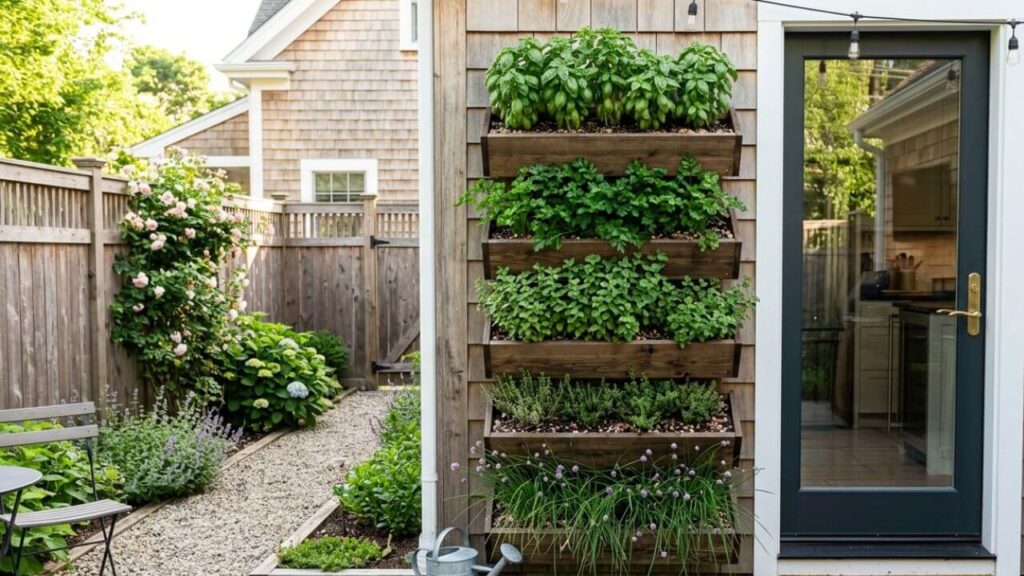
A vertical herb garden is a practical choice for homeowners who enjoy cooking with fresh ingredients. Instead of keeping herb pots spread across a counter or patio, you can grow them together on a wall-mounted system.
This is one of the easiest DIY vertical garden ideas for beginners because herbs do not require large containers or complicated structures.
You can create a vertical herb garden using:
- Wooden boards
- Hanging pots
- Mason jars
- Recycled containers
- Wall planters
Place herbs where they receive enough sunlight. Most culinary herbs need several hours of direct light each day.
Great herb choices:
- Basil
- Parsley
- Thyme
- Oregano
- Chives
A small herb wall near your kitchen door makes harvesting quick and convenient.
3. Hanging Vertical Garden Ideas
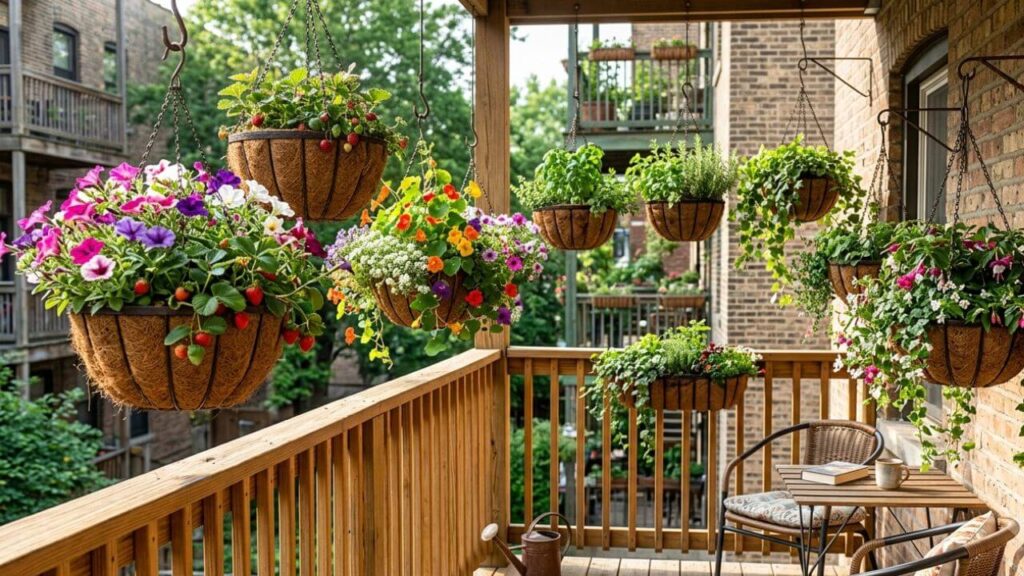
Hanging gardens are excellent for renters and homeowners who want a flexible gardening solution. They do not require permanent construction and can be moved when needed.
Popular materials include:
- Hanging baskets
- Fabric plant pockets
- Coconut liners
- Recycled containers
These hanging vertical garden ideas work especially well on balconies, fences, and patios.
The main advantage is flexibility. You can change plant arrangements throughout the season and move containers based on sunlight conditions.
However, hanging containers dry out faster than traditional garden beds. Regular watering is important, especially during hot summer months.
Best plants:
- Petunias
- Ferns
- Herbs
- Strawberries
- Trailing flowers
4. Living Wall Ideas
Living walls create a dramatic green feature by covering a vertical surface with plants. They are commonly seen in modern homes, offices, and outdoor entertainment areas.
A DIY living wall can be created using:
- Modular planting panels
- Wall-mounted pockets
- Wooden frames
- Vertical planters
These systems add beauty while improving the look of plain walls and fences.
Living walls require more planning than simple containers. You need to consider drainage, watering, sunlight, and plant selection.
For beginners, start with low-maintenance plants before creating a large living wall.
Good choices include:
- Succulents
- Ferns
- Pothos
- Herbs
- Small flowering plants
5. Vertical Vegetable Garden Ideas
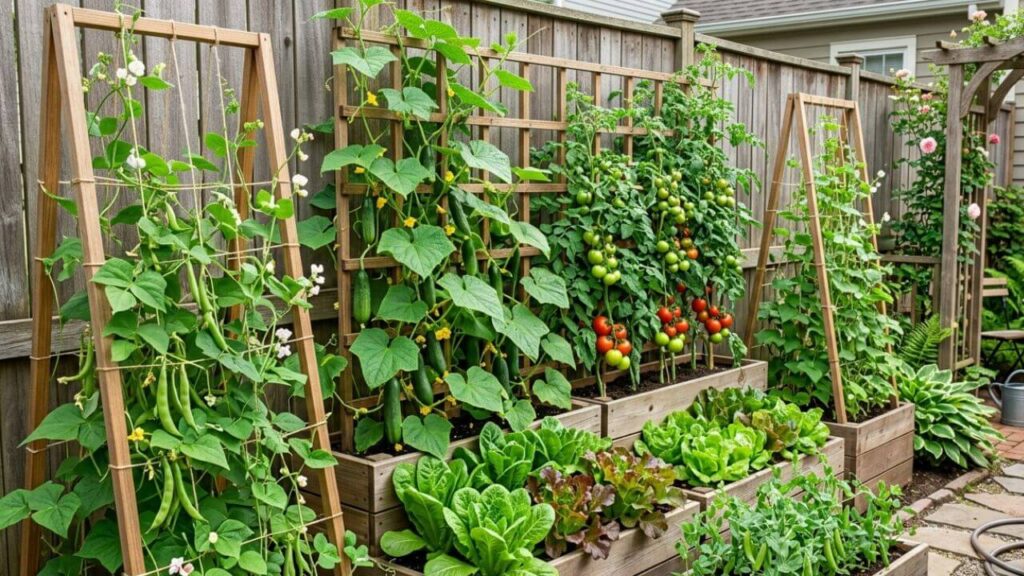
Growing vegetables vertically allows homeowners to produce fresh food without needing a large garden bed.
Many vegetables naturally grow upward when given proper support. A vertical vegetable garden can fit into small yards, raised beds, and even balconies.
Good crops for vertical growing include:
- Cucumbers
- Beans
- Peas
- Tomatoes
- Lettuce
Using trellises, stacked planters, or wall-mounted containers can increase your growing area significantly.
One advantage of vertical vegetable gardening is easier harvesting. Vegetables stay visible and are less likely to touch wet soil.
6. Fence-Mounted Vertical Garden
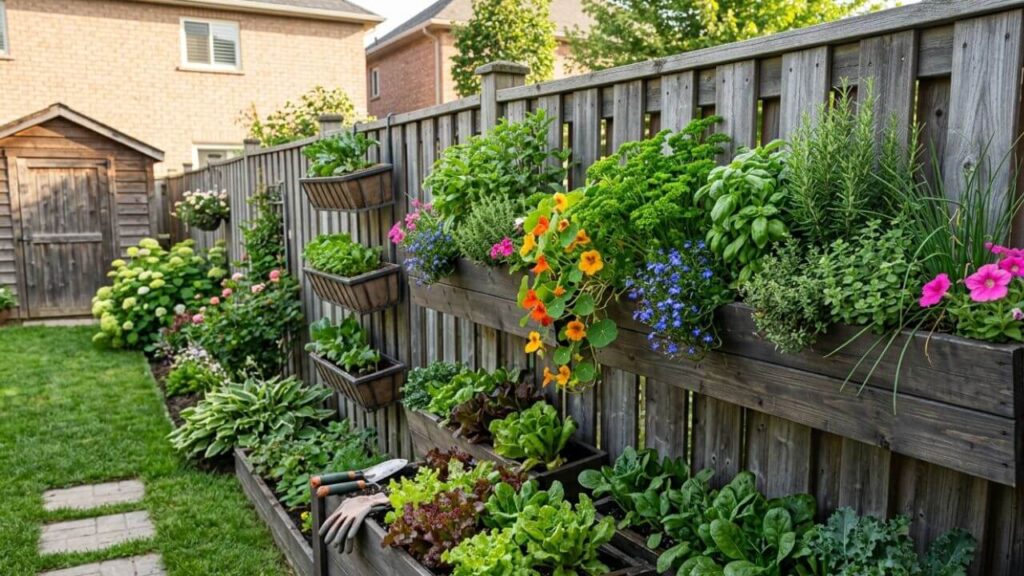
A fence is an unused growing surface that can become a productive garden area.
Fence-mounted systems are among the best vertical garden ideas for small spaces because they do not reduce walking areas.
You can attach:
- Wooden planters
- Metal containers
- Hanging pots
- Garden pockets
This method works well for homeowners with narrow side yards or small patios.
Before installation, make sure the fence can handle the weight of wet soil and plants. Heavy containers may require additional support.
7. PVC Pipe Vertical Garden
PVC pipes can be transformed into unique vertical planters. This option is popular because PVC is lightweight, affordable, and easy to customize.
Gardeners often cut openings into large PVC pipes and fill them with growing media.
This design works well for:
- Lettuce
- Herbs
- Strawberries
- Small greens
PVC gardens are useful where space is extremely limited because they take up very little ground area.
One drawback is that plastic can become damaged after years of strong sunlight. Using outdoor-rated materials can improve durability.
8. Ladder Vertical Garden
An old wooden ladder can become a charming garden feature with minimal effort.
Simply place containers on the ladder steps and secure the structure in a safe location.
This is one of the easiest homemade vertical garden ideas because it requires little construction.
Ladder gardens work well for:
- Flowers
- Herbs
- Small vegetables
- Succulents
They also add a rustic appearance that fits cottage-style gardens.
Make sure the ladder is stable and protected from strong winds.
9. Pocket Wall Garden
Pocket wall gardens use fabric or plastic pockets attached to a vertical surface. Each pocket holds soil and supports individual plants.
These systems are popular because they are lightweight and easy to install.
They are excellent for:
- Herbs
- Salad greens
- Flowers
- Small houseplants
Pocket gardens are also good indoor vertical garden ideas when placed near bright windows.
The biggest challenge is watering evenly. Upper pockets may dry faster than lower ones, so regular checking is important.
10. Hanging Bottle Vertical Garden
Recycled bottle gardens are among the cheapest DIY vertical garden projects.
Plastic bottles can be cut, filled with soil, and attached vertically using rope or wire.
This method is useful for beginners who want to reuse household materials.
It works best for small plants such as:
- Herbs
- Lettuce
- Flowers
Although inexpensive, bottle gardens require careful drainage. Without proper holes, excess water can damage plant roots.
11. Vertical Tower Garden
A vertical tower garden is a space-saving system that allows multiple plants to grow in one small area. It is a great choice for homeowners who want vertical vegetable garden ideas without using large garden beds.
Tower gardens work well for:
- Lettuce
- Herbs
- Strawberries
- Small vegetables
They are ideal for balconies and patios where ground space is limited. The main challenge is keeping water distribution even throughout the tower.
12. Gutter Vertical Garden
Old rain gutters can be turned into simple vertical planters. Attach gutters to a wall, fence, or wooden frame and fill them with lightweight soil.
This is one of the best cheap DIY vertical garden ideas because it uses affordable or recycled materials.
Good plants include:
- Lettuce
- Spinach
- Herbs
- Strawberries
Make sure the gutters have drainage holes to prevent water buildup.
13. Balcony Vertical Garden
Balconies often have limited floor space, but they provide excellent opportunities for vertical gardening.
Use:
- Hanging pots
- Wall planters
- Vertical racks
- Plant shelves
These small vertical garden ideas allow apartment owners to grow flowers, herbs, and vegetables without taking up much space.
Choose lightweight containers and check balcony weight limits before installation.
14. Indoor Vertical Garden Ideas
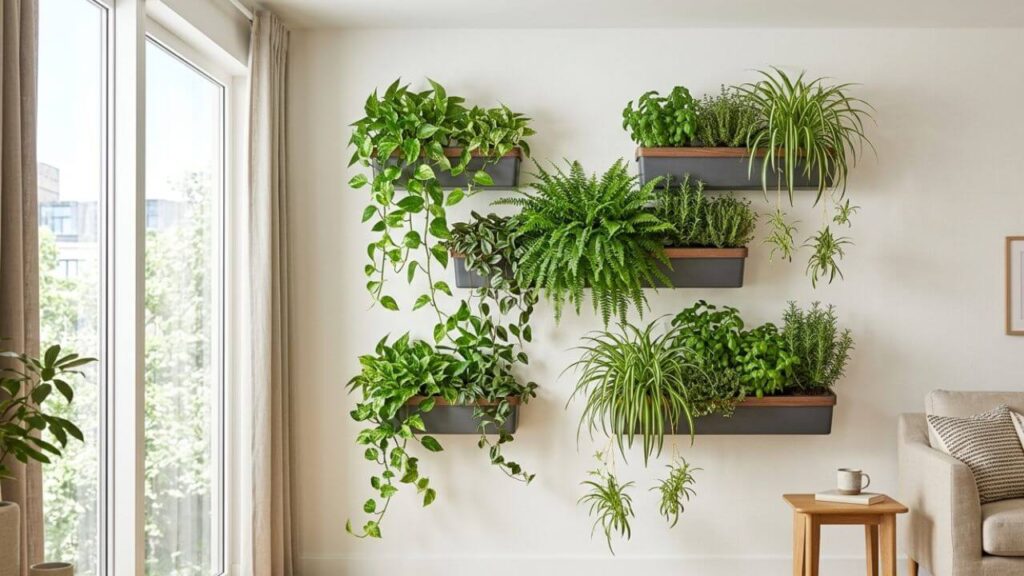
Indoor vertical gardens bring greenery into homes and improve the appearance of empty walls.
Popular options include:
- Wall-mounted planters
- Hanging plants
- Vertical shelves
- Plant pockets
Good indoor plants include:
- Pothos
- Ferns
- Spider plants
- Herbs near sunny windows
Proper light and watering are the most important factors for indoor success.
15. Outdoor Vertical Garden Ideas
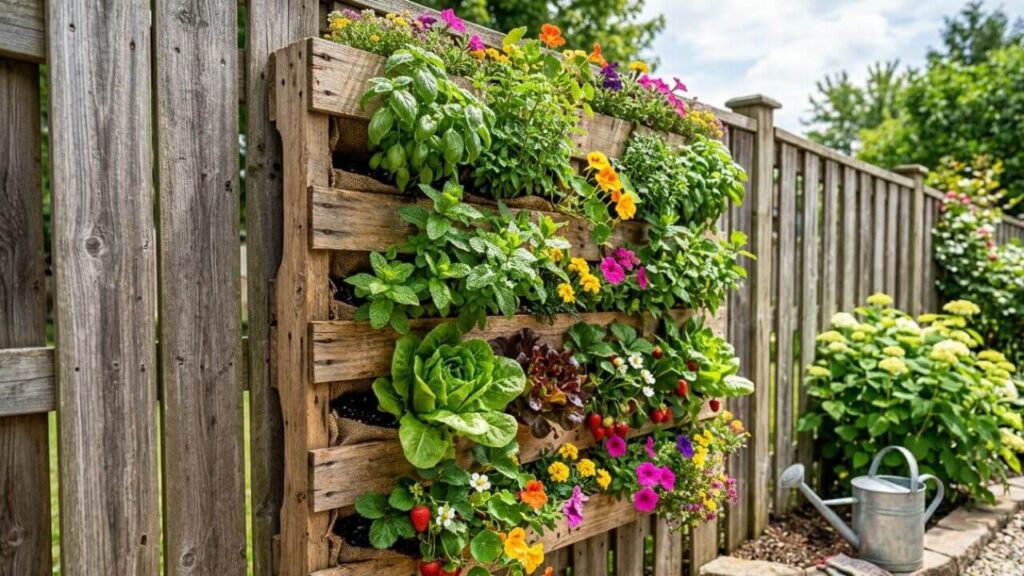
Outdoor vertical gardens can transform fences, walls, and patios into beautiful green spaces.
They work well for:
- Flowering vines
- Vegetables
- Herbs
- Decorative plants
These outdoor vertical garden ideas are perfect for homeowners who want more greenery without expanding garden beds.
Choose weather-resistant materials such as cedar, metal, or treated outdoor containers for longer-lasting results.
How to Build a DIY Vertical Garden Step-by-Step
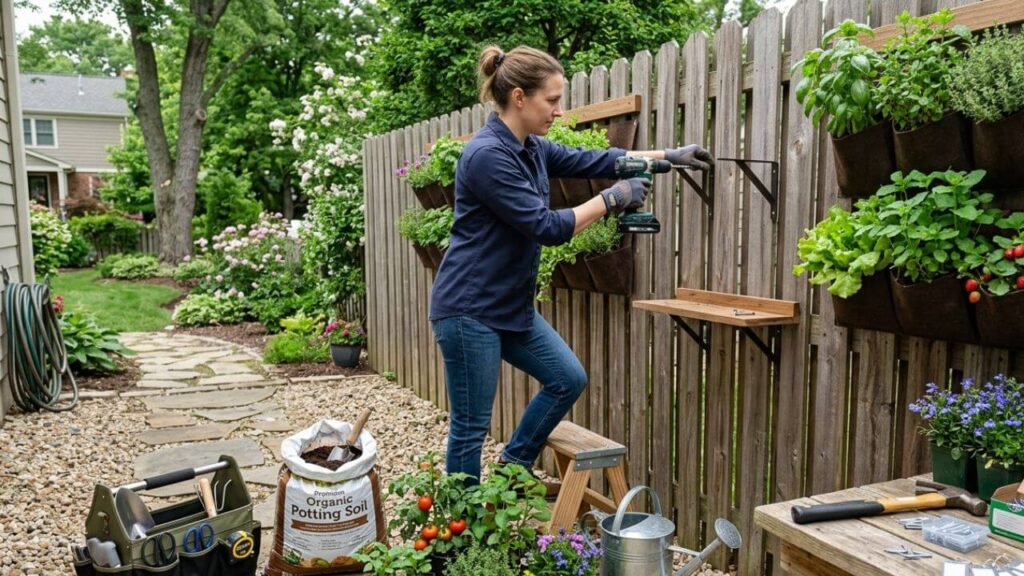
Creating a DIY vertical garden is easier when you plan before building.
Step 1: Choose the Location
Select a place with suitable sunlight. Most vegetables need 6 or more hours of direct sunlight daily.
Step 2: Pick the Right Structure
Choose a design based on your plants and available space.
Examples:
- Pallet garden for herbs
- Trellis system for climbing vegetables
- Wall planters for flowers
Step 3: Prepare Materials
Gather:
- Containers
- Soil
- Plants
- Support structure
- Drainage materials
Step 4: Install the Garden
Secure the structure properly before adding soil and plants. Wet soil becomes heavy, so strong support is important.
Step 5: Add Plants and Maintain
Choose plants with similar sunlight and water needs. Check moisture regularly and remove damaged leaves.
Common Mistakes to Avoid
Choosing the Wrong Location
Too much shade can reduce plant growth. Check sunlight before installation.
Poor Drainage
Containers without drainage holes can cause root problems.
Overcrowding Plants
Too many plants in one space reduce airflow and increase disease risk.
Weak Support
Heavy containers need strong mounting systems to prevent damage.
Expert Tips for Better Results
- Start with easy plants like herbs and lettuce.
- Use lightweight soil mixes for containers.
- Install watering systems for larger gardens.
- Group plants with similar water needs together.
- Inspect supports regularly.
A simple design that is easy to maintain will usually perform better than a complicated system.
Maintenance Tips
Regular care keeps a vertical garden healthy.
- Water when soil feels dry.
- Remove dead leaves.
- Add fertilizer when needed.
- Check for pests weekly.
- Replace damaged containers or supports.
Proper maintenance helps your DIY vertical garden stay productive for many seasons.
Frequently Asked Questions
What is the easiest DIY vertical garden idea for beginners?
A pallet vertical garden or hanging planter system is one of the easiest options for beginners.
Can I grow vegetables in a vertical garden?
Yes. Cucumbers, lettuce, herbs, tomatoes, and beans grow well vertically.
How much sunlight does a vertical garden need?
Most edible plants need at least 6 hours of sunlight daily.
Are vertical gardens expensive?
No. Many cheap DIY vertical garden ideas use recycled materials like pallets, bottles, and containers.
Can I create an indoor vertical garden?
Yes. Indoor vertical gardens work well with plants that tolerate lower light conditions.
Conclusion
DIY vertical gardens are a practical way to grow more plants while using less space. Whether you choose a pallet planter, living wall, hanging system, or vegetable tower, vertical gardening can improve both productivity and beauty.
Start with a simple project that matches your space and experience level. With the right location, materials, and plant choices, even a small area can become a healthy and attractive garden.

I enjoy sharing simple gardening ideas, lawn care tips, and honest product reviews that help make outdoor work easier. From home gardening guides to helpful tools and lawn care advice, I write easy-to-follow content to help readers create a healthier and better-looking outdoor space without wasting time or money.