
As an Amazon Associate, I earn from qualifying purchases.
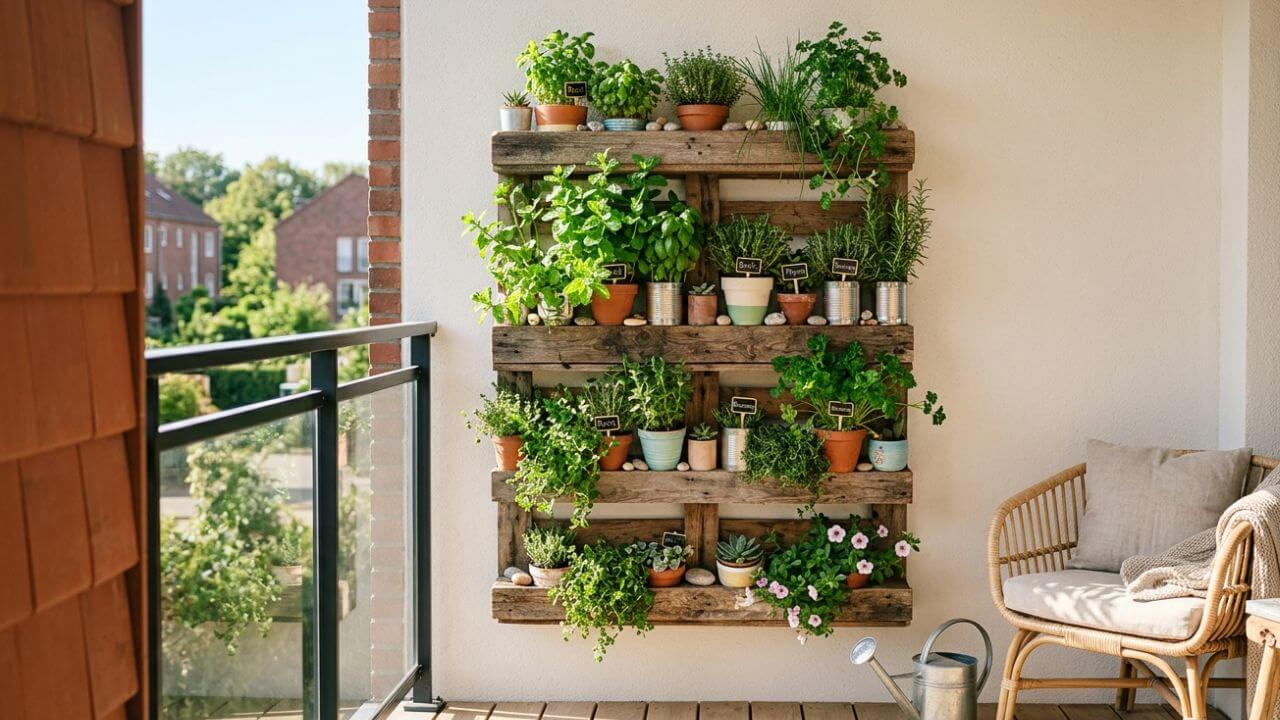
DIY vertical gardens let you grow more in less space with smart, stacked planters.
If you are short on square footage but big on plant dreams, DIY Vertical Gardens are the answer. I have built living walls on balconies, fences, and tiny patios for years, and I know what works and what fails. In this guide, I will teach you how to plan, build, and care for DIY Vertical Gardens with simple tools and clear steps. You will learn plant picks, watering tricks, common pitfalls, and design ideas you can use today.

What Is a DIY Vertical Garden?
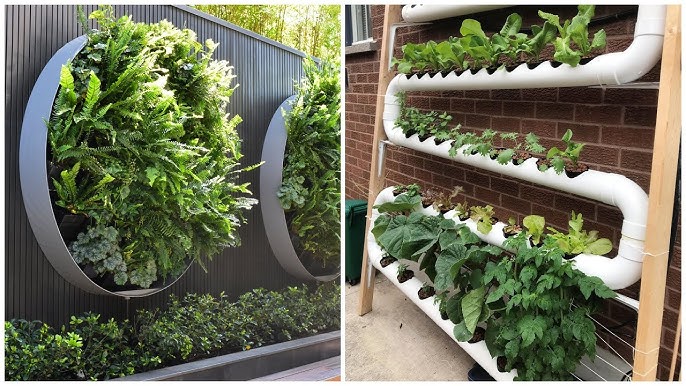
A DIY vertical garden is a stacked or wall-mounted system that lets plants grow up, not out. It can be a frame with pockets, a trellis with pots, a pallet with planters, or a set of gutters or PVC pipes. Some systems are soil based. Others use hydroponics.
DIY Vertical Gardens fit balconies, patios, kitchens, and fences. They add color, food, and privacy. You can start small with one panel, then expand to a full living wall.
From my own builds, simple pocket panels grow herbs fast, while pallet planters handle greens and flowers well. Drip-fed frames shine in hot spots and save water.
Research in urban greening supports these gains. Green walls can shade surfaces, trap dust, and soften heat. Results vary by plant choice, wall type, and climate. Start with a small unit to test your site.

Benefits and Limits
DIY Vertical Gardens offer many benefits.
- Space savings. You use height instead of floor space.
- Fresh food. Grow herbs, greens, and strawberries near your door.
- Better look. Cover plain walls with living color and texture.
- Privacy. Create green screens for balconies and patios.
- Cooler walls. Plants and shade can cut heat on sunlit surfaces.
- Easy care. Drip lines reduce daily watering.
There are also limits.
- Weight. Wet soil and water add load. Use strong anchors and frames.
- Water. Walls can drip. Plan for catch trays and drains.
- Sun and wind. Tall walls face more stress. Pick sturdy plants.
- Cost. Some systems need pumps, liners, and quality hardware.
DIY Vertical Gardens work best when you start small, test, then scale. Track light, moisture, and plant growth for a month. Adjust and repeat.
:max_bytes(150000):strip_icc()/housefulofhandmade-f3aeced85c054b9ca927fdff4e947154.jpg)
Plan Your Space and Layout
Good planning makes DIY Vertical Gardens last. Spend one hour to map your space.
- Measure the wall or fence. Note width, height, and any vents or outlets.
- Check sun. Track light for one day. Full sun is 6 or more hours. Part sun is 3 to 5 hours. Shade is less than 3 hours.
- Note wind and heat. Balconies can be windy. Dark walls get hot.
- Identify wall type. Wood studs, masonry, and metal rails need different anchors.
- Plan water access. A nearby tap or indoor sink helps a lot.
- Choose size and depth. Shallow pockets suit herbs. Deeper boxes suit tomatoes.
Pro tip from my balcony builds: leave a 2 to 3 inch air gap behind the garden when possible. It helps airflow and reduces trapped moisture on walls.
PAA-style fast answers:
Can I put a DIY vertical garden on a rental wall?
Yes, if you use freestanding frames or rail-mounted hooks. Avoid drilling by using tension poles, fence panels, or over-the-rail brackets with drip trays.
How much weight can my wall handle?
It depends on wall type and anchors. As a simple rule, assume wet soil is heavy, so use multiple anchors, spread the load, and check building rules.

Tools and Materials Checklist
Pick parts that match your layout, budget, and skill level. Here are core items I trust.
- Frame or base. Pallet, cedar slats, steel grid, or modular panels.
- Planter units. Fabric pockets, gutters, PVC tubes, or small pots with hangers.
- Liner and barrier. Pond liner or roofing membrane to protect walls.
- Anchors and hardware. Exterior screws, masonry anchors, and washers.
- Irrigation. Drip line, emitters, 2-in-1 timer, backflow preventer, and hose.
- Media. Light potting mix with perlite or coco coir. For hydro, use grow media.
- Catch trays. Gutters or trays to manage runoff.
- Tools. Drill, bits, level, tape measure, snips, staple gun, safety gear.
Budget tip: Start with recycled materials like pallets and gutters, but check for safe, untreated wood and clean plastics.
Step-by-Step Builds You Can Start Today
Below are three proven DIY Vertical Gardens you can build in a weekend. Pick one based on your time, tools, and taste.
1) Pallet Planter Wall
- Prep the pallet. Sand rough edges. Add a liner to the back and sides.
- Add shelves. Screw cedar boards across slats to form boxes.
- Mount or stand. Fix to studs with lag screws, or use a freestanding base.
- Fill and plant. Use light potting mix. Plant greens, herbs, and flowers.
- Water. Hand water at first. Add drip line later.
What I learned: pallets can bow when wet. Use cross braces and spread the weight.
2) Fabric Pocket Herb Garden
- Install a waterproof backing on the wall.
- Hang a fabric pocket panel with sturdy anchors.
- Pre-moisten potting mix and fill pockets halfway.
- Tuck herbs at slight angles to reduce spill.
- Water from the top row. Check lower pockets for runoff.
What I learned: go easy on soil. Overfilling pockets slows drainage and leads to rot.
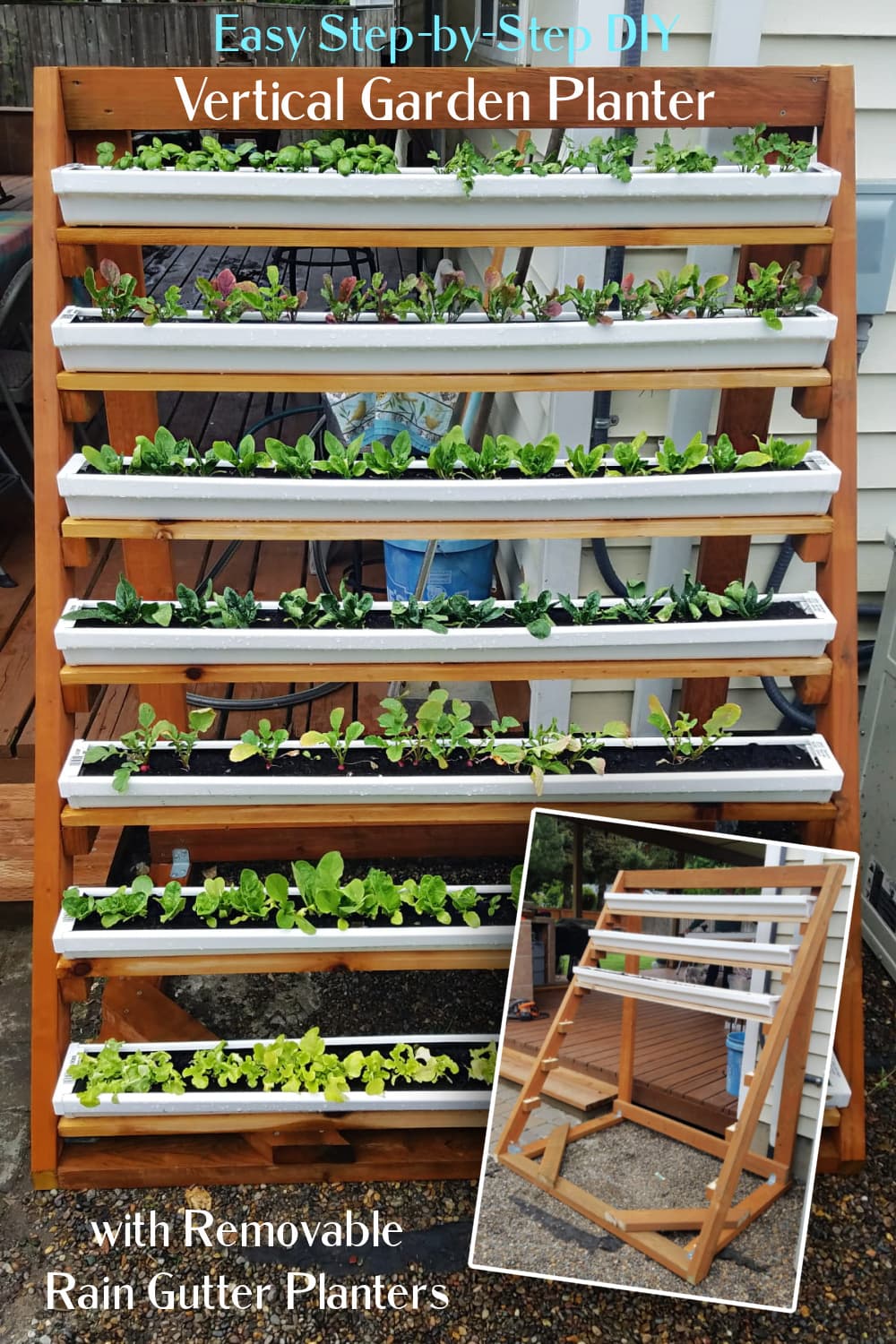
3) Gutter or PVC Tube Garden
- Cut gutters or 4 inch PVC to length.
- Drill 2 inch planting holes, spaced 8 to 10 inches.
- Cap ends. Add a small overflow hole near the cap.
- Mount with brackets. Keep a slight tilt for drainage.
- Add media and plants. Run a drip line along the top.
What I learned: wrap each planting hole with a small mesh to hold media in place.
:max_bytes(150000):strip_icc()/verticalgardenusingbuilt-inshelves-4019aba2ee0041d983e6d884e9c9cd5b.jpg)
Choosing Plants for DIY Vertical Gardens
Match plants to light and depth. Shallow pockets need short roots. Deep boxes can host larger crops.
Full sun picks:
- Herbs. Basil, thyme, oregano, rosemary, chives.
- Edibles. Strawberries, cherry tomatoes in deep boxes, hot peppers.
- Flowers. Petunia, verbena, marigold, calibrachoa.
Part sun picks:
- Herbs. Mint, parsley, cilantro, dill.
- Greens. Lettuce, arugula, spinach, bok choy.
- Flowers. Begonia, impatiens, fuchsia.
Shade picks:
- Foliage. Ferns, pothos, philodendron, spider plant.
- Texture. Heuchera, hosta in deeper boxes.
- Succulents. Jade, echeveria for bright shade and dry spots.
Planting pattern tip: place thirsty plants low, drought lovers high. Water flows down.
Watering, Fertigation, and Drainage
Water is the make-or-break factor in DIY Vertical Gardens. A simple drip line and timer can save plants and your time.
- Use a battery timer at the tap. Start with short daily runs in summer.
- Place 1 gallon per hour emitters for small pockets. Use 2 gallons per hour for deeper boxes.
- Add a filter and backflow device to protect your tap and emitters.
- Feed light. Use half-strength liquid feed every two weeks in warm seasons.
- Catch runoff. Use trays or a lower planter to reuse water.
My fix for soggy pockets: mix in perlite or pine bark. Aim for fast drain and even moisture, not heavy, wet soil.
Can I hand water a tall living wall?
Yes, but it is hard to keep even. Drip lines deliver steady moisture and reduce stress on lower rows.

Care, Pruning, and Pest Control
A little weekly care keeps DIY Vertical Gardens lush.
- Prune. Pinch herbs often to keep them from going leggy.
- Scout. Check leaves for spots, webs, and chew marks.
- Clean. Trim dead leaves to improve airflow.
- Feed. Add compost tea or slow-release feed as needed.
- Rotate. Swap tired plants seasonally to keep the wall fresh.
Low-tox pest plan I use:
- Start with a strong blast of water for aphids.
- Use neem or insecticidal soap in the evening.
- Introduce ladybugs outdoors when pests surge.
- Keep air moving. Good airflow stops mildew.

Design Ideas and Styling Tips
Turn function into art with simple design moves.
- Color story. Mix deep greens with silver and lime for pop.
- Shape play. Pair trailing vines with upright spikes.
- Grid rhythm. Repeat a pattern every two rows for balance.
- Framed art. Build small panels and space them like gallery pieces.
- Night glow. Add low-voltage lights to highlight texture.
My favorite look: a checkerboard of herbs and flowers. It smells great and looks bold.
Budget, Cost, and ROI
DIY Vertical Gardens can be frugal or fancy. Costs vary by size and parts.
- Low budget. Use a pallet or fabric pockets with hand watering.
- Mid budget. Add drip irrigation, quality anchors, and cedar boxes.
- High budget. Go modular panels, pumps, and recirculating systems.
Savings come from fresh herbs and salad greens you no longer buy. There is also value in beauty, privacy, and a cooler, calmer space. Track your harvest and costs to see your real return.
Safety and Sustainability
Build safe and green. It pays off over time.
- Load safety. Secure into studs or masonry with rated anchors. Spread weight across multiple points.
- Moisture control. Use a waterproof backing and catch trays to protect walls and floors.
- Material choices. Pick rot-resistant wood like cedar. Avoid treated wood near edibles.
- Water wise. Use drip and mulch. Group plants by need to reduce waste.
- Reuse and recycle. Upcycle gutters, pallets, and pots when safe and clean.
- Wildlife care. Choose native plants to support bees and birds.
From my tests, a small spacer between wall and frame helps walls stay dry and reduces mold risk.
Frequently Asked Questions of DIY Vertical Gardens
How often should I water a DIY vertical garden?
Check daily in hot months and water when the top inch is dry. A timer with drip works best for even moisture.
Can I grow vegetables in a vertical wall?
Yes, but pick compact types. Cherry tomatoes, peppers, and greens do well in deeper boxes with strong support.
Will a vertical garden damage my wall?
Not if you use a waterproof barrier, spacers, and catch trays. Avoid overwatering and inspect anchors twice a year.
What soil is best for DIY vertical gardens?
Use a light potting mix with perlite or coco coir. Avoid heavy garden soil that compacts and holds too much water.
Do indoor vertical gardens need grow lights?
If light is low, add LED grow lights for 12 to 14 hours. Choose full-spectrum lights with low heat output.
Can I make a vertical garden on a fence?
Yes, with rail-mounted planters or a freestanding frame. Protect the fence with a backing and spread the load.
How do I stop water from dripping onto neighbors?
Install catch trays and a controlled drip system. Set short, frequent cycles and test for overflow.
Conclusion
DIY Vertical Gardens turn tight spaces into green, useful spots. With a clear plan, the right plants, and simple drip watering, your wall can thrive for years. Start small, track what works, and build up with confidence.
Ready to grow up, not out? Pick one build from this guide, gather your tools, and plant your first panel this week. Share your progress, subscribe for more step-by-step ideas, and drop your questions in the comments so we can grow together.

I enjoy sharing simple gardening ideas, lawn care tips, and honest product reviews that help make outdoor work easier. From home gardening guides to helpful tools and lawn care advice, I write easy-to-follow content to help readers create a healthier and better-looking outdoor space without wasting time or money.