As an Amazon Associate, I earn from qualifying purchases.
The best trees to plant in Georgia include live oak, red maple, flowering dogwood, southern magnolia, bald cypress, American hornbeam, and native serviceberry. Choose a tree that suits your region, soil, available space, and sunlight.
Across the United States, trees do more than make a yard look good. They provide shade, cool outdoor spaces, offer food and shelter for wildlife, and add beauty through every season. In Georgia, the right tree can also handle hot summers, periods of heavy rain, and the occasional winter freeze. The key is to match each tree to the conditions in your yard rather than choose one based on looks alone.
Georgia has a varied climate, from the mountains in the north to the warm coastal plain in the south. A tree that thrives in the red clay soils of north Georgia may need different care in sandy coastal soil. Some trees prefer moist ground, while others need sharp drainage and room for their roots to spread.
Native trees are often a strong starting point because many are adapted to local weather and support regional wildlife. Still, not every native tree fits every property. Before planting, consider the mature height and width, sunlight needs, water needs, and distance from buildings, driveways, overhead wires, and underground utilities.
Southern live oak is one of the most recognizable trees of the American Southeast. Its broad, spreading crown creates deep shade, and its thick branches give mature specimens a strong, graceful shape. In suitable parts of Georgia, it can become a lasting feature of a large yard or open landscape.
Live oak is an evergreen or nearly evergreen tree in much of its range, although it may shed leaves as new growth emerges. It tolerates heat and can handle periods of dry weather once established. Its mature size makes it a poor choice for a small front yard or a narrow strip beside a house.
Give this tree plenty of room to spread. Its wide canopy can extend well beyond the trunk, and its roots need space in the soil. A sunny site with good drainage is generally suitable, particularly in southern and coastal Georgia.
Source: outsidelandscapegroup.com
Best for
Large yards, parks, broad lawns, and landscapes that need lasting shade.
Sunlight
Full sun is best for strong growth and a broad crown.
Main concern
Its wide canopy and extensive roots need generous clearance from structures and paved areas.
Where to plant a live oak
Choose an open site where branches can spread without reaching a roof or power line. Check local climate suitability, since the coldest parts of north Georgia may be less suitable than the coastal plain and southern regions. Do not plant it simply because a young tree looks small enough to fit.
Plan for maturity
Use the expected canopy width, not the nursery tree’s current size, to decide where it belongs.
2. Flowering Dogwood: A Classic Native Tree
Flowering dogwood is a fine choice for a smaller Georgia yard that needs spring color without a massive canopy. Its showy spring bracts, green summer leaves, red fall color, and red fruit give it interest across several seasons. The fruit also provides food for birds and other wildlife.
This native tree often grows best with morning sun and afternoon shade, especially in hot parts of the state. It favors moist, well-drained soil rich in organic matter. Although it can grow in full sun under favorable conditions, exposed sites with hot afternoon sun and dry soil may cause stress.
Flowering dogwood usually stays smaller than major shade trees, but its mature size still deserves planning. Good airflow, proper watering, and a suitable site can help reduce stress and support healthy growth.
Source: thegardeningdad.com
Best for
Smaller yards, woodland gardens, shaded borders, and spring displays.
Sunlight
Partial shade is often helpful in Georgia, especially in the southern half of the state.
Main concern
Dry soil, heat stress, and some fungal diseases can affect tree health.
How to help dogwood thrive
Plant dogwood in loose, well-drained soil and water it during extended dry spells. Apply a shallow layer of mulch over the root zone to conserve moisture, leaving a clear gap around the trunk. Avoid deep planting and unnecessary root disturbance.
Good location
A spot with filtered light, afternoon shade, and soil that stays lightly moist without becoming waterlogged.
3. Southern Magnolia: Glossy Leaves and Fragrant Flowers
Southern magnolia is an evergreen tree known for its large, glossy leaves and fragrant white flowers. It brings a bold, formal look to a landscape and can provide privacy as well as shade. Its thick foliage remains attractive throughout the year in suitable climates.
This tree is well suited to much of central and southern Georgia, though cold tolerance varies by cultivar and growing conditions. Southern magnolia prefers moist, well-drained soil and generally performs best with full sun or partial shade. Established trees can tolerate some dry weather, but prolonged drought may affect their health.
A mature magnolia can become quite large, so avoid planting it too close to a home, driveway, or narrow walkway. Fallen leaves, seed cones, and petals can create a cleanup task. The tree is often worth the effort for gardeners who want evergreen structure and large seasonal flowers.
Source: archfoundation.org
Best for
Evergreen screening, specimen planting, large front yards, and traditional Southern landscapes.
Sunlight
Full sun to partial shade, depending on the site and cultivar.
Main concern
Its mature size and seasonal leaf and seed litter require planning.
Choose the right magnolia for your space
If you have a large yard, a full-sized southern magnolia can become a strong focal point. Smaller cultivars may suit tighter spaces, but check their mature dimensions rather than relying on a nursery label such as compact. Ask a local nursery which varieties are suitable for your part of Georgia.
Planting tip
Protect the root zone and avoid frequent digging beneath the canopy once the tree is established.
4. Red Maple: Colorful Fall Leaves and Useful Shade
Red maple is a popular native tree for yards that need shade and seasonal color. Its leaves can turn shades of red, orange, and yellow in fall, while its early-season flowers and seeds provide resources for wildlife. It can grow at a fairly quick rate under suitable conditions.
Red maple tolerates a range of soils and often grows well where moisture is available. It is commonly found in low areas and along waterways, but some cultivated forms can adapt to typical residential landscapes. Good drainage and suitable growing space remain important, especially in compacted urban soil.
The tree can become large, with a spreading crown that casts useful shade over lawns and outdoor seating areas. Because red maple roots may extend into surrounding soil, leave adequate room near sidewalks, driveways, and underground utilities.
Source: greenscapes-landscapes.com
Best for
Medium to large yards, shade, fall color, and wildlife-friendly landscapes.
Sunlight
Full sun to partial shade.
Main concern
Growth and root spread can create conflicts in small planting areas.
Is red maple right for your soil?
Red maple is adaptable, but it is not a solution for every wet or poorly drained site. Waterlogged soil can limit root health, and dry, compacted ground can slow establishment. Check how water moves through the planting area after rain before selecting a tree.
Site check
Look for standing water after rain and note whether the soil dries quickly during hot weather.
5. Bald Cypress: A Strong Choice for Moist Areas
Bald cypress is a deciduous conifer native to the southeastern United States. Unlike most familiar conifers, it loses its soft, needle-like leaves in fall. Its feathery foliage turns a warm bronze or copper color before dropping, and its mature form gives a landscape a calm, natural look.
This tree is especially useful in moist soils and areas that experience seasonal flooding. It can also grow in ordinary landscape soil when conditions are suitable, making it more versatile than its swamp-tree reputation suggests. Full sun generally supports healthy growth.
Bald cypress can become a large tree, so it belongs in a place with room for its trunk and crown to expand. Its knees, which are woody growths that may emerge from roots in wet conditions, can also affect nearby lawn use and hardscape design. Consider this feature when planting near paths or patios.
Source: i.pinimg.com
Best for
Large landscapes, rain gardens with appropriate space, pond edges, and sites with moist soil.
Sunlight
Full sun.
Main concern
Large mature size and possible root knees in wet conditions.
Planting bald cypress in a home landscape
Use bald cypress where its mature size and seasonal leaf drop will not interfere with buildings or daily outdoor activities. Although it can tolerate wet conditions, do not assume every low spot is suitable; prolonged standing water, soil type, and nearby structures still matter. Water new trees while their roots establish, even if the site tends to stay moist.
Best placement
An open sunny area with enough room for a tall canopy and possible root development.
6. American Hornbeam: A Small Tree for Partial Shade
American hornbeam, also called musclewood, is a native understory tree with smooth gray bark and a trunk that often looks like flexed muscles. It is a useful option for a smaller garden where a giant shade tree would overwhelm the space. Its foliage can develop yellow, orange, and red tones in fall.
American hornbeam naturally grows beneath larger trees, so it often suits partial shade and woodland-style planting. It prefers moist, well-drained soil with plenty of organic matter. Once established in a suitable site, it can be a low-key part of a layered landscape.
This tree usually grows more slowly than fast-growing shade species, which may suit homeowners who prefer a smaller, more manageable canopy. Its modest growth rate also means it will not provide instant shade. Plant it for long-term structure and natural beauty rather than rapid screening.
Source: outsidelandscapegroup.com
Best for
Small yards, woodland gardens, understory planting, and shaded outdoor spaces.
Sunlight
Partial shade to full sun when soil moisture and site conditions are suitable.
Main concern
It grows more slowly than many common shade trees and needs suitable soil moisture.
Use hornbeam in a layered garden
Plant American hornbeam near native shrubs and woodland perennials to create layers of height and texture. Keep it out of dry, exposed spots if you cannot provide extra water during drought. Avoid crowding the young tree with dense ground cover while its roots are getting established.
Design idea
Combine it with native shrubs and shade-tolerant plants for a natural woodland border.
7. Serviceberry: Spring Flowers and Wildlife Value
Serviceberry is a group of small trees and large shrubs valued for white spring flowers, edible berries, and fall color. Native serviceberry species can fit many Georgia gardens, particularly where a smaller tree is more useful than a broad shade tree. Their berries attract birds and may also be harvested for human use when correctly identified.
Serviceberries generally prefer moist, well-drained soil and perform well in sun to partial shade. In warmer parts of Georgia, protection from intense afternoon sun can help them cope with summer heat. Local conditions and species selection affect how well they perform.
This is a useful choice for gardeners who want several seasons of interest without committing to a very large tree. Its smaller size also makes it suitable for mixed borders and wildlife plantings. Leave enough room for air movement and routine access around the mature plant.
Source: thegardeningdad.com
Best for
Small gardens, wildlife-friendly yards, edible landscapes, and spring flowering.
Sunlight
Full sun to partial shade, with some afternoon protection useful in hot locations.
Main concern
Birds may eat much of the fruit, and hot, dry sites can stress the plant.
Plant serviceberry for people and wildlife
Choose a locally suitable species and buy from a reputable nursery. Keep the root zone evenly moist while the plant establishes, and use mulch to reduce water loss. If you plan to eat the berries, identify the species with confidence and avoid harvesting from plants exposed to pesticides or other contaminants.
Wildlife benefit
Flowers and berries can support pollinators and fruit-eating birds at different times of the year.
8. Red Oak: A Large Tree for Long-Term Shade
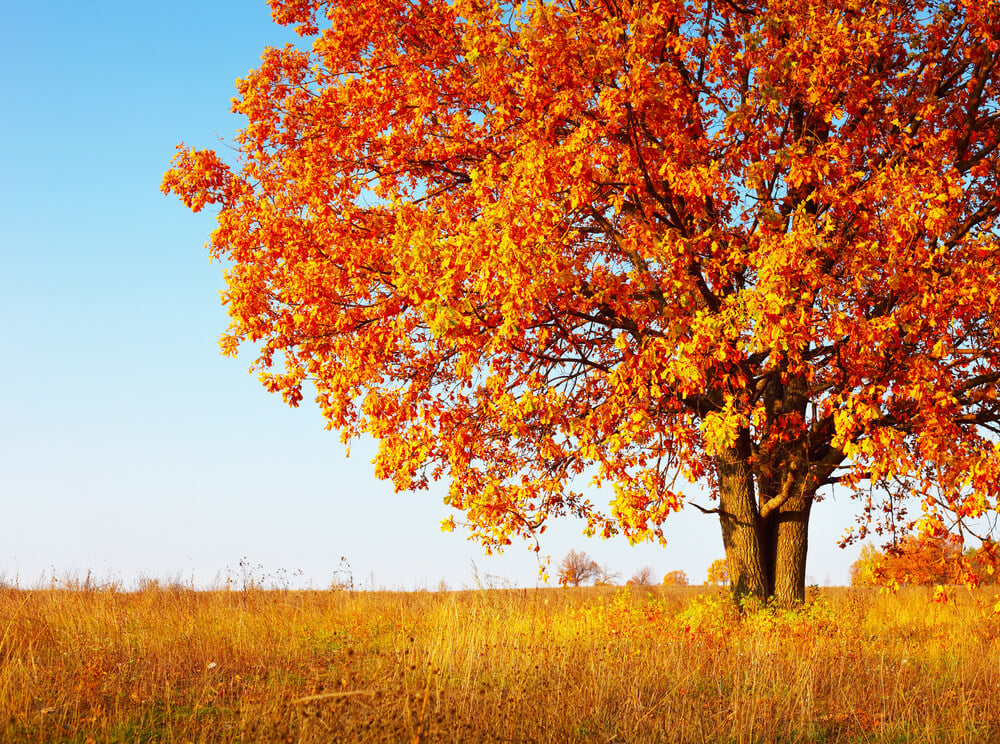
Red oak is a strong candidate for a large Georgia property where shade, fall color, and a lasting canopy are priorities. Several red oak species grow in the southeastern United States, and the best choice depends on the local site and the tree’s mature dimensions. Their leaves can turn red, russet, or brown in autumn.
Many oaks support a wide range of native insects, birds, and other wildlife. Acorns provide food for birds and mammals, while the branching structure offers nesting and shelter sites. This ecological value makes oaks useful components of landscapes designed to support local biodiversity.
Oaks generally need room to mature and are not suitable for narrow spaces beneath utility wires. Establishment can be slow compared with some ornamental trees, but a well-sited oak can provide shade and habitat for decades. Select a species that fits your region and soil rather than choosing by the common name alone.
Source: outsidelandscapegroup.com
Best for
Large lawns, open residential lots, wildlife habitat, and long-term shade.
Sunlight
Full sun is generally best for strong canopy development.
Main concern
Oaks require space, and species differ in their tolerance of drought, wet soil, and local temperatures.
Give an oak room to mature
Before planting, check the mature canopy width and keep the tree clear of buildings, pavement, and utility lines. Avoid heavy soil compaction over the root zone. During establishment, water as needed and avoid frequent digging or deep cultivation around the trunk.
Long-term value
A properly placed oak can provide shade, seasonal interest, and valuable habitat for many years.
9. Choose the Best Tree for Your Part of Georgia
Georgia’s growing conditions change from north to south, so a tree that thrives in one county may struggle in another. Mountain areas have colder winters and different soils from the warmer coastal plain. Central Georgia often experiences hot summers and clay-rich soils, while many coastal sites have sandy soil and greater exposure to salt and wind.
Your yard’s drainage and light can matter as much as its location. A north-facing garden may offer cooler conditions and more shade, while an open southern exposure can be hotter and drier. Study the site after rain and through the day before choosing a species.
North Georgia
Consider locally suitable oaks, red maple, flowering dogwood, and American hornbeam. Check cold tolerance and slope drainage.
Central Georgia
Red maple, southern magnolia, flowering dogwood, and suitable oak species may work, depending on soil and water conditions.
South Georgia
Live oak, southern magnolia, bald cypress, and other heat-adapted regional trees may suit the site.
Coastal Georgia
Account for sandy soils, salt exposure, wind, drainage, and the tree’s ability to tolerate local weather.
A practical tree selection table
Use this comparison as a starting point. Mature size and site needs vary by species and cultivar, so confirm local details before buying a tree.
For deep shade
Southern live oak or a suitable native oak, provided the yard has enough room.
For spring flowers
Flowering dogwood or serviceberry in a suitable light and soil setting.
For evergreen structure
Southern magnolia in a location that can accommodate its mature size.
For wet soil
Bald cypress or another species suited to the site’s actual drainage conditions.
For a small garden
American hornbeam, serviceberry, or a suitable compact cultivar selected for the local climate.
10. How to Plant a Tree in Georgia
Correct planting helps a tree establish roots and cope with Georgia’s heat. A healthy nursery tree can still struggle if it is planted too deep, placed in waterlogged soil, or left without enough water during its first growing seasons. Careful preparation is usually more useful than adding large amounts of fertilizer.
Fall and early spring are often suitable planting periods because temperatures are milder than in summer. The best timing depends on the species, local weather, and whether the soil is workable. Avoid planting when the ground is saturated or when extreme heat will make regular watering difficult.
Step 1: Check the site
Identify overhead wires, underground utilities, buildings, driveways, septic components, and drainage problems. Contact Georgia 811 before digging near underground utilities.
Step 2: Prepare the hole
Dig a hole about two to three times as wide as the root ball, but no deeper than the root ball’s height. Loosen the sides if they are compacted.
Step 3: Find the root flare
Locate the point where the trunk widens into the main roots. Position the tree so this flare sits at or slightly above the finished soil level.
Step 4: Set the tree
Remove the container and inspect the roots. Gently loosen circling roots when appropriate, and avoid damaging the main root system.
Step 5: Backfill the hole
Use the soil removed from the hole to fill around the roots. Break up large clods and firm the soil lightly without packing it hard.
Step 6: Water well
Water slowly to settle the soil and wet the root ball. Check moisture often during establishment and adjust watering to rain, soil type, and weather.
Step 7: Add mulch
Spread about 2 to 3 inches of organic mulch over the root zone, keeping it several inches away from the trunk.
How to tell whether a new tree is establishing
A healthy young tree should produce growth appropriate to its species and season. Leaves should generally remain firm and show normal color, though temporary stress can occur after transplanting. Check soil moisture below the surface rather than watering only because the top looks dry.
Wilting, scorched leaf edges, persistent yellowing, and branch dieback can signal water stress, root problems, disease, or another site issue. Check soil moisture and drainage first. If the tree continues to decline, ask a qualified arborist or your local University of Georgia Cooperative Extension office for help.
Avoid overwatering
Soil that remains saturated can deprive roots of oxygen and contribute to root decline.
Avoid underwatering
A root ball can dry out even when the surrounding soil appears moist, especially during hot, windy weather.
11. Common Tree-Planting Mistakes to Avoid
Many tree problems begin before the tree is fully established. A poor planting location, buried root flare, damaged roots, or inconsistent watering can affect growth for years. Correcting these issues early is often easier than trying to rescue a declining mature tree.
Planting too deep
Buried trunk tissue and a covered root flare can lead to moisture problems and poor root development. Keep the root flare visible at the soil surface.
Choosing by appearance alone
A tree may look attractive at the nursery but grow too large or need more water than your yard can provide. Review mature size and growing needs first.
Adding too much fertilizer
Excess nutrients can harm roots or promote growth that is poorly suited to the tree’s condition. Use soil testing and local guidance to decide whether fertilizer is needed.
Piling mulch against the trunk
Deep mulch against bark can trap moisture and encourage decay or pests. Spread mulch broadly and keep the trunk base clear.
Ignoring overhead wires
Large trees planted beneath power lines may later require severe pruning or removal. Select a tree with a mature height that fits the site.
Planting an invasive tree
Some ornamental species spread beyond gardens and displace native plants. Check current Georgia invasive-plant guidance before purchasing unfamiliar species.
Pruning too much at planting
Removing large amounts of healthy foliage can reduce the tree’s ability to make energy. Remove damaged branches and follow species-specific pruning advice.
When to call a professional
Consult a qualified arborist if a mature tree has large dead limbs, major cracks, a leaning trunk with new soil movement, or branches near power lines. Do not climb the tree or attempt hazardous cuts yourself. For routine planting questions, soil testing, and species recommendations, Georgia Cooperative Extension can be a useful local resource.
Safety first
Keep people away from unstable limbs and contact the appropriate utility or tree professional when electrical lines are involved.
12. Where to Find Reliable Advice Before Buying
Local knowledge can help you choose a tree that fits your county and property. The University of Georgia Cooperative Extension provides gardening information and county-based support. Georgia’s forestry resources can also help homeowners learn about native tree species, woodland management, and responsible planting.
A reputable nursery should be able to identify the species and cultivar, explain expected mature size, and provide basic care instructions. Ask whether the tree is suitable for your soil, whether it tolerates local winter temperatures, and how much water it needs during establishment. If the answers are vague, compare another source before making a long-term investment.
Check local recommendations
Use University of Georgia Cooperative Extension for regional growing advice and information about soil testing.
Confirm species identity
Ask for the scientific name when common names could refer to several different trees.
Review invasive plant guidance
Check current state or local recommendations before planting a species known to spread aggressively.
Plan for long-term care
Choose a tree you can water during establishment and maintain safely as it grows.
Frequently Asked Questions
Q
What is the best tree to plant in Georgia?
There is no single best tree for every Georgia yard. Southern live oak is a strong choice for large properties in suitable regions, flowering dogwood works well in many smaller gardens with partial shade, and southern magnolia offers evergreen foliage and large flowers. The best option depends on local climate, soil, available space, and your main goal.
Q
What trees grow fastest in Georgia?
Growth rates depend on the species, cultivar, soil, water, and sunlight. Red maple can grow relatively quickly under favorable conditions, while many oaks and American hornbeam tend to establish or grow more slowly. Do not choose a tree by speed alone; rapid growth may come with weaker wood, more maintenance, or a shorter useful life in some species.
Q
When is the best time to plant trees in Georgia?
Fall and early spring are often good times to plant many landscape trees because cooler temperatures can reduce water stress while roots establish. Local weather and species requirements still matter. Avoid planting in saturated soil or during severe heat unless you can provide careful, consistent watering.
Q
Which trees are best for small yards in Georgia?
American hornbeam, serviceberry, and flowering dogwood can suit smaller yards when their light, soil, and moisture needs are met. A suitable compact cultivar may also work. Check the expected mature height and spread, and leave enough room for roots, branches, walkways, and nearby structures.
Q
Which trees provide the most shade in Georgia?
Large trees such as southern live oak and suitable native oaks can provide broad shade after they mature. Red maple can also create useful shade in a suitable location. Their canopies need room, so keep them away from overhead wires and give roots enough space to grow.
Q
Are native trees better for Georgia landscapes?
Native trees are often valuable because they are part of Georgia’s local ecosystems and can support native insects and wildlife. However, native status does not guarantee that a tree will thrive in every yard. Match each species to the site’s drainage, sunlight, soil, and available space.
Q
How often should I water a newly planted tree in Georgia?
Watering frequency depends on the tree’s size, soil type, rainfall, temperature, and drainage. Check the root ball and nearby soil regularly, especially during hot, dry weather. Water slowly when the root zone begins to dry, but avoid keeping the soil constantly saturated. Follow local extension guidance for the species and season.
✦ Wrapping Up
Conclusion
The best trees to plant in Georgia are those that fit your yard’s climate, soil, sunlight, and available space. Southern live oak and native oaks can provide lasting shade on large properties, flowering dogwood and serviceberry bring seasonal color to smaller gardens, and southern magnolia adds evergreen structure. Bald cypress and American hornbeam offer useful options for sites with particular moisture or shade conditions.
A successful tree planting starts with a good site choice. Check the mature size, drainage, root space, and local climate suitability before you buy. Plant at the correct depth, water during establishment, and keep mulch away from the trunk. These simple steps help a young tree settle in and build a healthy root system.
💡 Key Takeaway
Before visiting a nursery, measure your planting area, note its sunlight and drainage, and list your main goal: shade, flowers, privacy, fall color, or wildlife habitat. Then ask a local nursery or University of Georgia Cooperative Extension office to confirm which species fit your part of Georgia.
I enjoy sharing simple gardening ideas, lawn care tips, and honest product reviews that help make outdoor work easier. From home gardening guides to helpful tools and lawn care advice, I write easy-to-follow content to help readers create a healthier and better-looking outdoor space without wasting time or money.