As an Amazon Associate, I earn from qualifying purchases.
The best vegetables to plant after peas include carrots, beets, radishes, lettuce, spinach, kale, Swiss chard, and bush beans. Choose crops based on your local planting season, soil condition, and the time left before frost.
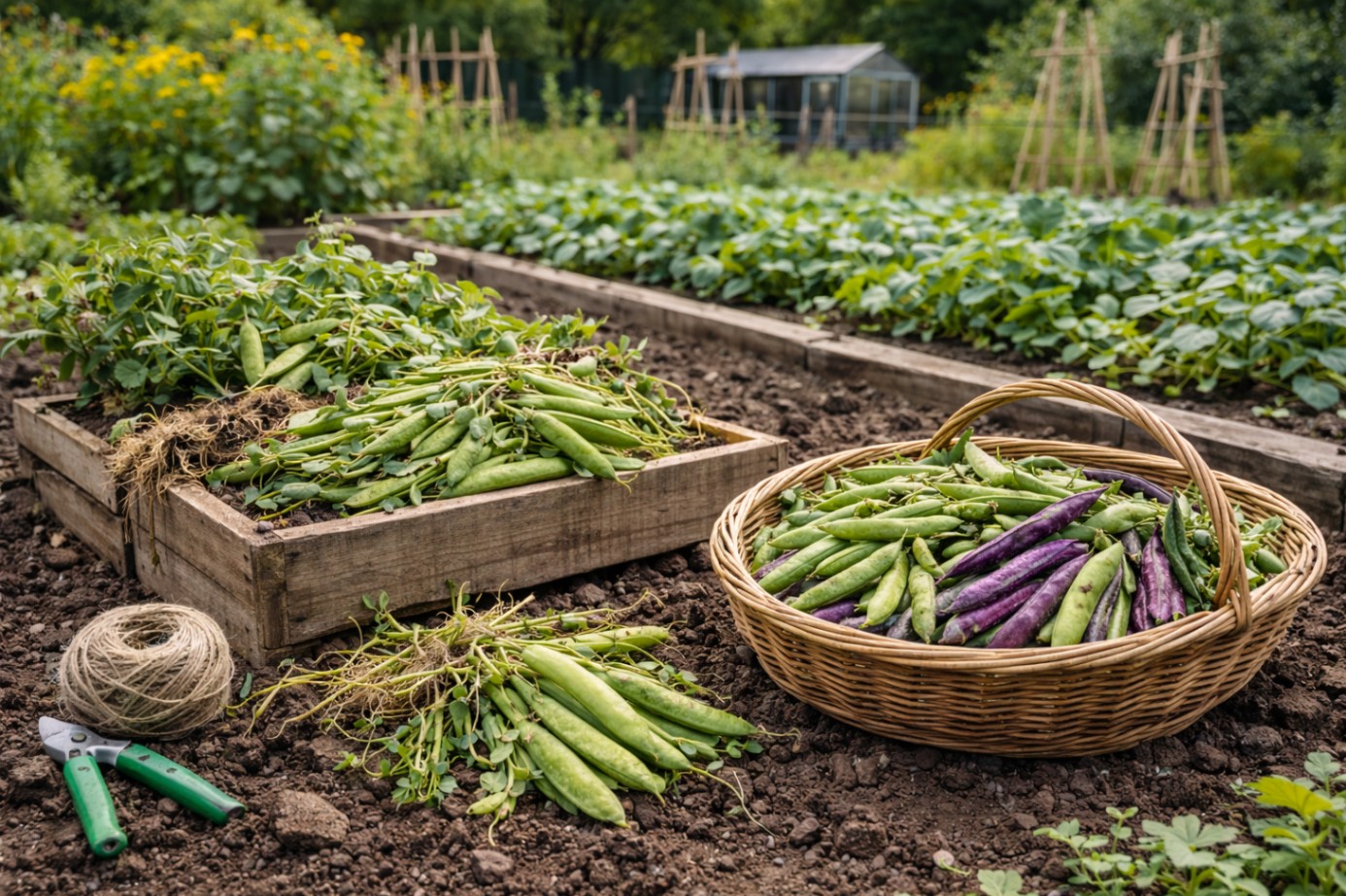
Across the United States, peas are a popular cool-season crop in home gardens, raised beds, and community plots. Gardeners in the Northeast and Midwest often grow peas in spring, while gardeners in parts of the South and Pacific Northwest may also plant them in fall or winter. Once the vines stop producing, the open space can support another crop instead of sitting empty.
The right follow-up vegetable depends on when your peas finish and how much growing time remains. Fast crops such as radishes and leaf lettuce can provide food in a short window, while carrots and beets need more time to develop. In many gardens, leafy greens are a useful choice because they grow well in cool weather and can tolerate light frost, depending on the variety and growing conditions.
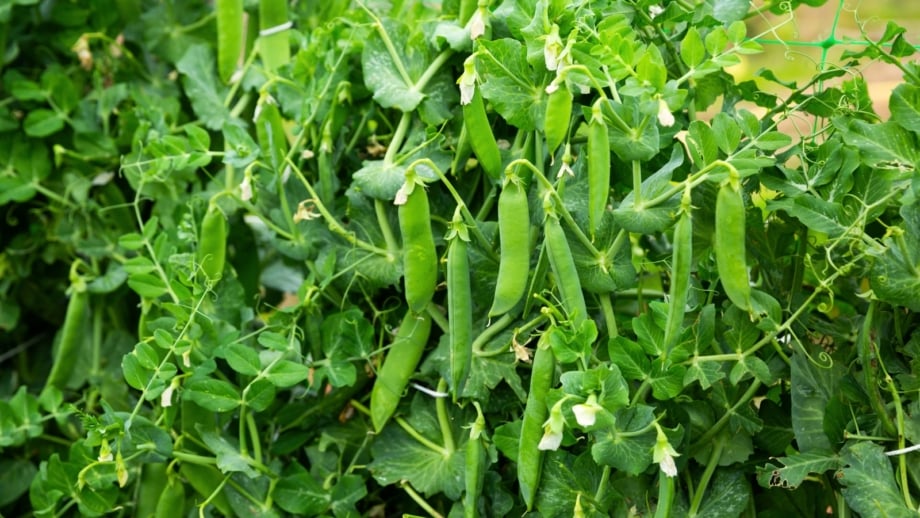
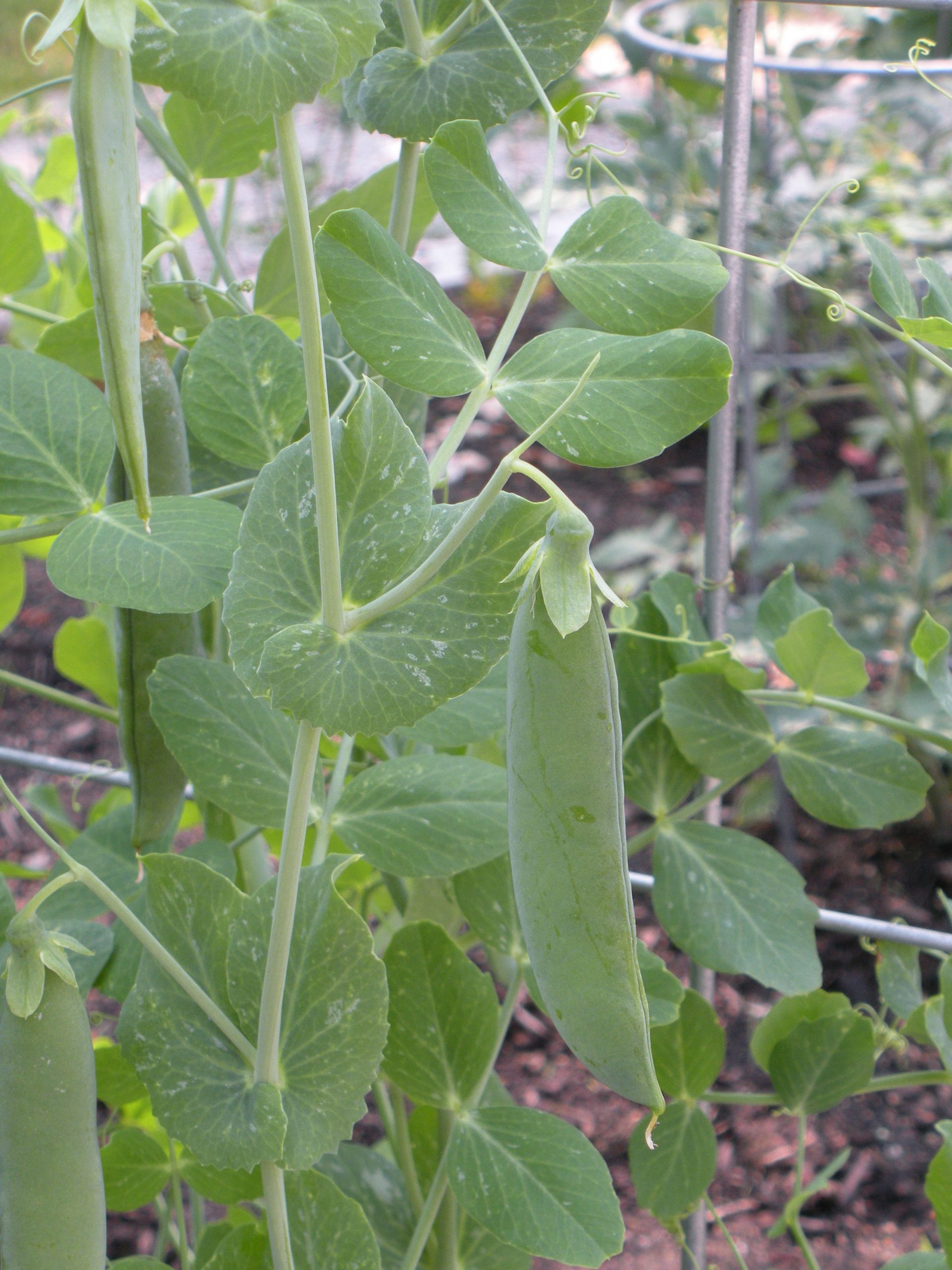
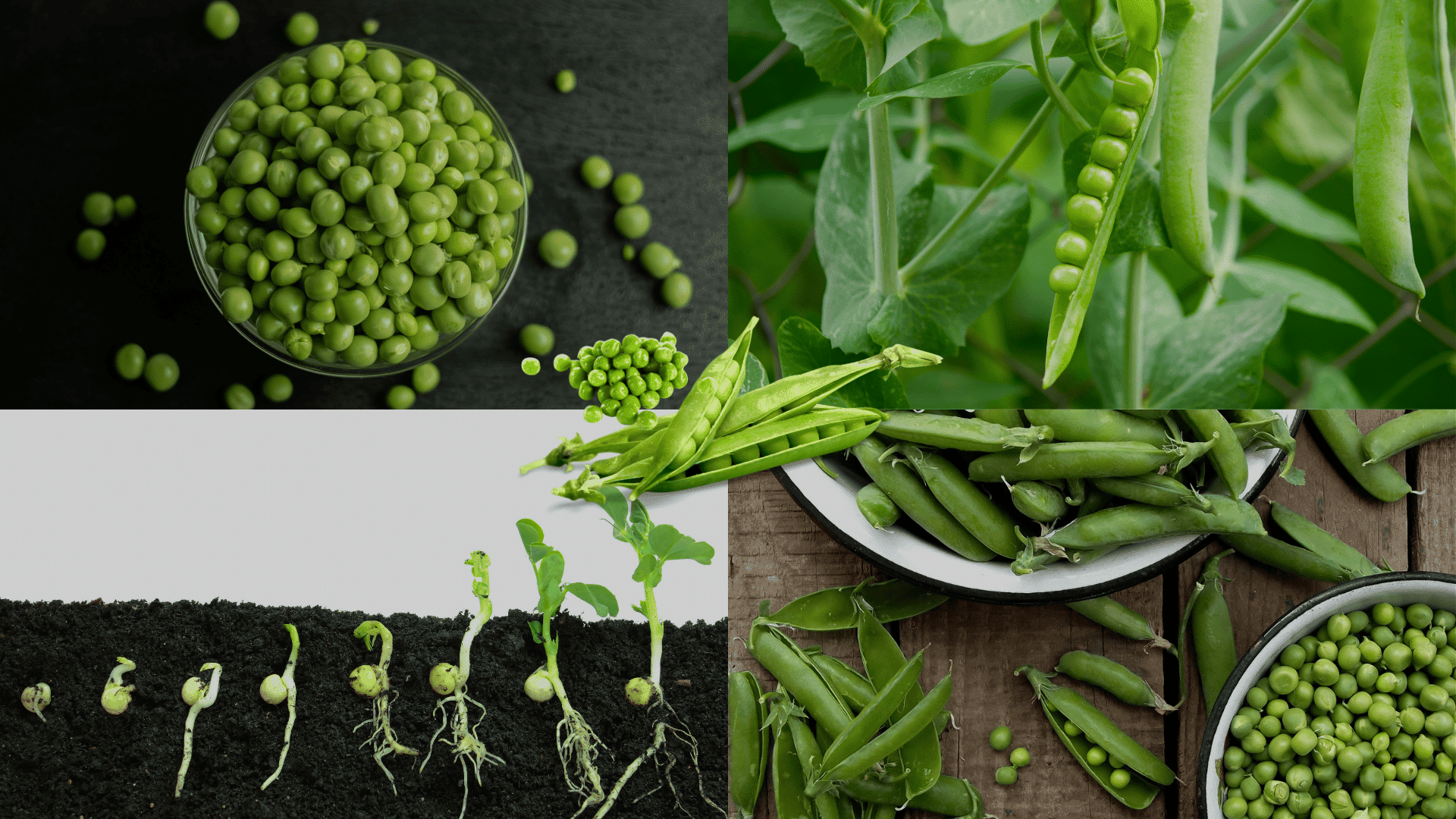
Peas belong to the legume family and can form a partnership with soil bacteria that convert atmospheric nitrogen into forms the plant can use. Some nitrogen may remain in roots and plant residues, but the amount available to the next crop varies. For that reason, gardeners should treat peas as one part of a soil-building plan rather than assume that every crop planted afterward will need no fertilizer.
Planting a second crop after peas is a simple form of succession planting. It helps gardeners make better use of open soil, extend the harvest, and spread food production across more of the growing season. A bed that produced spring peas can often support a summer crop or a fresh round of cool-season vegetables.
The main challenge is timing. Peas grow best in cool weather, so their harvest may end just as summer heat arrives in much of the country. In other regions, peas may finish late enough for a fall crop. Matching the next vegetable to the local weather is more useful than following one national planting date.
A second crop can also change how nutrients are used in the bed. Peas are legumes, while many vegetables grown after them belong to other plant families. Choosing a different family can help diversify the bed, although crop rotation works best when it is planned over several seasons and considers the diseases and pests present in the garden.
Source: i.pinimg.com
Make use of open space
A cleared pea bed can grow another harvest instead of remaining bare during a suitable planting window.
Support soil health
Healthy roots and plant residues can add organic matter as they break down, though they do not replace every soil nutrient.
Reduce repeated crop problems
Switching plant families can help interrupt some pest and disease cycles, especially when the same problems have affected peas in previous seasons.
The Best Vegetables to Plant After Peas
The best follow-up crops are vegetables that fit the remaining season and the condition of the bed. Root crops, leafy greens, and selected brassicas offer useful options because many can follow spring peas without requiring a return to the same crop family. The table below compares their main benefits and practical limits.
Source: i.pinimg.com
Carrots
Carrots are a good choice for loose, deep soil after spring peas. They can be planted for a summer or fall harvest when local temperatures and the remaining season allow enough time for root growth.
Beets
Beets produce both edible roots and leafy tops. They fit many spring-to-summer or summer-to-fall planting plans, provided the soil stays moist during germination and root development.
Radishes
Radishes are among the quickest follow-up crops. Many varieties mature in roughly three to five weeks, making them useful when only a short period remains before heat or frost.
Lettuce
Leaf lettuce can provide a fast harvest in cool weather. Select heat-tolerant varieties for warmer periods and shade the crop when afternoon temperatures become too high.
Spinach
Spinach suits cool weather and can produce tender leaves for salads and cooked dishes. It tends to bolt in heat, so late-summer or early-fall planting may work better than midsummer planting in many areas.
Kale
Kale is useful for a longer cool-season harvest. It generally tolerates cool temperatures well, but plants still need time to establish before hard freezes.
Swiss chard
Swiss chard offers a long harvest of edible leaves and colorful stems. It handles a wider range of conditions than some tender greens, though extreme heat and drought can still reduce growth.
Bush beans
Bush beans can fill a warm-season gap after spring peas if enough frost-free time remains. They are also legumes, so they are less useful when the main goal is to rotate away from legumes for disease management.
Choose carrots and beets for a root crop
Carrots and beets are practical choices when the pea bed has good drainage and a soil structure that supports root growth. Remove large stones and break up compacted areas before sowing. Fresh manure and excessive nitrogen can encourage leafy growth or poorly shaped roots, so use well-rotted organic matter and follow soil test recommendations.
Carrot seeds are small and need steady moisture near the soil surface to germinate. Beets also need consistent moisture, and their seed clusters may produce several seedlings that require thinning. Give each crop enough space for roots to develop instead of allowing seedlings to crowd one another.
Best fit
A bed with loose soil, reliable moisture, and enough time before the expected harvest deadline.
Main limitation
Both crops may struggle in compacted soil, while hot weather can reduce the quality of some varieties.
Choose radishes for the fastest harvest
Radishes are a strong option when the next planting window is short. Many spring and fall varieties mature quickly, although actual timing depends on the variety, soil temperature, and care. Sow seeds at the spacing listed on the packet and keep the bed evenly moist to help roots develop without becoming excessively hot or woody.
For a steady supply, sow a small new row every week or two while temperatures remain suitable. This approach spreads the harvest instead of producing a large number of radishes all at once. If the weather is too hot, wait for cooler conditions or select a variety suited to warmer weather.
Best fit
Gardeners who want an early harvest and a crop that occupies the bed for only a short time.
Main limitation
Hot, dry soil can cause poor root quality, and crowded plants may form small roots.
Choose lettuce, spinach, and Swiss chard for leafy greens
Leafy greens make good use of a bed that has just finished producing peas. Lettuce and spinach prefer cool conditions, while Swiss chard can provide a longer picking period across a broader temperature range. These crops are useful for salads, sandwiches, soups, and cooked side dishes.
Use varieties suited to your season and harvest outer leaves as needed when the variety permits. In hot regions, late-summer planting can help leafy greens establish as temperatures fall. In cooler northern areas, spring and early-summer planting may work well for selected heat-tolerant lettuce varieties, but spinach usually performs best when temperatures remain cool.
Best fit
Gardeners who want repeated leaf harvests or a quick crop for a fall garden.
Main limitation
Lettuce and spinach may bolt or develop poor leaves during prolonged heat, while all leafy crops need steady moisture.
Choose kale and other brassicas for a longer crop
Kale, broccoli, and cabbage can follow peas when the remaining season supports their growth. These vegetables belong to the cabbage family, also called the brassica or crucifer family. They offer a different crop family from peas and can be useful in a longer rotation plan.
Kale is often the simpler choice for a home gardener seeking an extended leaf harvest. Broccoli and cabbage need suitable temperatures, enough space, and a longer period to mature. Check seed packet dates and local planting guidance before committing the bed to a slow crop.
Best fit
A cool-season bed with enough room and time for plants to develop before severe cold.
Main limitation
Brassicas can attract cabbage worms and other pests, and they may need more space and nutrients than quick greens.
Choose bush beans when the weather is warm
Bush beans are worth considering after spring peas in regions with a long, warm growing season. Unlike peas, which prefer cool weather, beans generally grow best in warmer soil and frost-free conditions. Compact bush varieties can produce a useful harvest without the tall support system needed by many climbing peas.
However, beans and peas are both legumes. Planting beans after peas does not provide the same family change as planting carrots, lettuce, or kale. If your pea crop had recurring root disease or other legume-related problems, choose a different plant family instead and plan a longer rotation.
Best fit
A warm-season window with enough frost-free days for the selected bean variety.
Main limitation
Beans share some pest and disease risks with peas and should not be treated as a full crop-family rotation.
Which Crop Should You Choose for Your Planting Window?
The calendar matters as much as the crop. A vegetable that performs well after peas in Maine may fail in midsummer heat in Georgia, while a gardener in Texas may have a different fall planting window from someone in Minnesota. Use local frost dates as a guide, then check current regional planting advice and the days to maturity listed for your chosen variety.
Days to maturity are estimates, not guarantees. Seed companies may count from sowing or transplanting, and cool weather, heat, shade, and water stress can change the actual harvest date. When the season is short, choose crops that can be harvested young or select varieties bred for quicker maturity.
Source: i.pinimg.com
If only three to five weeks remain
Try quick radishes, baby lettuce, or young leafy greens if temperatures suit them. Harvest size may be smaller than for a full-season crop.
If six to eight weeks remain
Consider leaf lettuce, some beets harvested young, fast radishes, and suitable greens. Check the variety’s maturity estimate before planting.
If eight to twelve weeks remain
You may have time for more varieties of beets, carrots, kale, Swiss chard, or bush beans, depending on local temperatures and the variety.
If a full cool season remains
Consider a larger planting of carrots, beets, kale, broccoli, cabbage, spinach, or other crops suited to your region.
For spring peas that finish before summer
When spring peas finish in late spring or early summer, the best replacement depends on how quickly your region heats up. In cooler northern states, carrots, beets, chard, bush beans, and selected greens may fit the next planting window. In hotter areas, root crops and tender greens may struggle during midsummer, so heat-tolerant varieties or a later fall planting may be better.
If your garden faces intense afternoon sun, consider using shade cloth during hot spells for suitable leafy crops. Do not assume shade will solve every heat problem; root-zone temperatures, water supply, and variety choice still matter.
Cooler summer regions
Consider carrots, beets, Swiss chard, bush beans, or heat-tolerant lettuce where local planting dates support them.
Hot summer regions
Use heat-tolerant crops where practical, or wait until late summer to sow cool-season vegetables.
For peas that finish in late summer
If peas finish in late summer, a fall garden may be the best use of the bed. Spinach, radishes, leaf lettuce, turnips, and some mustard greens can grow well as temperatures cool. Kale and other brassicas can also work if planted early enough for their slower growth.
Count backward from the expected first frost, allowing time for germination and early growth. Some crops tolerate light frost, but that does not mean every variety will mature after a hard freeze. In mild-winter parts of the South, fall plantings may continue producing for months, while colder regions may need row covers or an earlier planting date.
Best quick options
Radishes, baby greens, leaf lettuce, and suitable turnips can fit a shorter fall window.
Best longer options
Kale, spinach, and selected brassicas may work when there is enough time before severe cold.
How to Prepare a Pea Bed for the Next Crop
A little preparation helps the next crop establish quickly. Begin by checking the condition of the pea plants, removing the spent vines, and looking for signs of disease. Then assess soil moisture, weeds, compaction, and fertility before planting the replacement crop.
Healthy pea roots can be left in the ground when practical. Their residues may add organic matter as they break down, and leaving roots in place can limit unnecessary soil disturbance. Remove diseased plant material rather than leaving it in the bed, and follow local composting guidance if you are unsure whether a disease can survive in a home compost pile.
Source: epicgardening.com
Step 1: Remove the old vines
Cut vines at soil level or gently remove them when needed. Keep diseased material out of ordinary compost unless your composting method is known to control the pathogen.
Step 2: Check the soil
Look for compacted areas, poor drainage, and dry soil. Loosen only the area that needs it to avoid needless disruption of soil structure.
Step 3: Add organic matter if needed
Use mature compost when the soil needs help with structure or organic matter. Avoid adding fresh manure just before sowing sensitive root crops.
Step 4: Check fertility
A soil test can guide pH and nutrient decisions. Do not apply large amounts of nitrogen simply because the next crop is growing after peas.
Step 5: Sow or transplant at the right depth
Follow the seed packet or transplant label for depth, spacing, and planting dates. Water gently so small seeds are not washed out or buried too deeply.
Step 6: Keep moisture steady
Water enough to maintain even soil moisture during germination and early growth. Adjust watering for rain, soil type, heat, and container or bed depth.
Should you remove pea roots from the soil?
In most healthy home gardens, there is no need to pull out every pea root. Cutting the vines at the soil line leaves much of the root system in place, where it can break down over time. This practice also reduces the amount of digging required before planting the next crop.
The exception is a bed with suspected root rot or another soilborne disease. In that case, remove affected material as advised by a reliable local extension service, clean tools between affected areas, and avoid planting a susceptible crop in the same spot until you have a sound rotation plan.
Leave healthy roots
This can preserve soil structure and allow roots to decompose naturally.
Remove diseased plants
Do not spread infected material around the garden or assume that ordinary composting will destroy every plant pathogen.
Do vegetables planted after peas need fertilizer?
Some follow-up crops still need fertilizer after peas. Legumes can fix nitrogen through a partnership with soil bacteria, but much of that nitrogen is used by the pea plant itself. The amount left for another crop depends on the health of the pea plants, how much biomass remains, the soil, and whether the roots and residues are allowed to decompose.
Leafy crops may need adequate nitrogen for good growth, while root crops can develop excessive foliage or poor roots when nitrogen is overapplied. Use a soil test when possible, follow fertilizer labels, and avoid applying nutrients at rates higher than the crop or soil requires.
For leafy greens
Check whether the soil can support steady leaf growth, and use a balanced fertility plan based on soil conditions.
For carrots and other roots
Avoid excessive nitrogen and use well-prepared soil that supports straight, healthy roots.
Crop Rotation After Peas: What to Plant and What to Avoid
Crop rotation means growing different plant families in a planned sequence rather than repeating the same crop in the same place each season. After peas, switching to roots, leafy greens, or brassicas can help diversify the bed and may reduce the buildup of certain pests and diseases. The benefit depends on the problem being managed, because not every garden pest is stopped by changing crops.
Peas and beans are both legumes, so beans are not a complete family change. If peas have shown signs of root disease, repeated legume planting may preserve conditions that favor related problems. Where space allows, move legumes to another bed and use the pea bed for a crop from a different family.
Source: walterreeves.com
Good rotation options
Carrots and radishes from the carrot family, lettuce from the daisy family, spinach from the amaranth family, and kale or cabbage from the brassica family offer several alternatives.
Use caution with immediate repeats
Avoid following peas with peas or beans when a longer rotation is practical, particularly if recurring disease or pest problems have affected the bed.
Remember the whole garden plan
Rotation is most useful across several years. A single crop change will not eliminate every soilborne disease or insect pest.
A simple three-bed rotation example
If you have three garden beds, you can move crop groups from one bed to the next each season. For example, one bed can hold legumes, the next can hold brassicas, and the third can hold roots and leafy greens. The following season, shift the groups so the same family does not return to the same bed right away.
This is a flexible example rather than a universal disease-control schedule. Some pathogens survive in soil for several years, and different vegetables within a family may share specific pests. Keep notes about crop locations and any disease symptoms so you can adjust the sequence to your garden.
Bed A
Grow peas or beans during the appropriate season, then choose a different family for the next planting when practical.
Bed B
Grow brassicas such as kale or cabbage, following local recommendations for spacing and pest management.
Bed C
Grow carrots, beets, radishes, lettuce, or other suitable root and leafy crops.
Common Mistakes When Planting After Peas
Most problems with follow-up crops come from poor timing, uneven moisture, or unsuitable soil rather than from the previous pea crop itself. A quick check of the planting window and bed condition can prevent wasted seed and effort. The best plan is one that suits both the crop and the local climate.
Source: cropcareequipment.com
Planting cool-season greens in intense heat
Lettuce and spinach may bolt or grow poorly when temperatures rise. Choose heat-tolerant varieties, use suitable shade, or delay sowing until conditions cool.
Assuming peas provide all the nitrogen needed
Nitrogen fixation does not guarantee a high level of available nitrogen for the next crop. Assess soil fertility and fertilize only as needed.
Sowing seeds into dry soil
Small seeds such as carrots and lettuce need consistent moisture during germination. Water the bed before sowing if the soil is dry, then maintain moisture without waterlogging it.
Planting too late for the expected harvest
A crop may survive for a while but fail to reach a useful size before frost or extreme heat. Check maturity estimates and local planting guidance before choosing a variety.
Crowding the new crop
Dense seedlings compete for light, water, and nutrients. Thin plants according to the packet instructions, especially carrots, beets, and radishes.
Ignoring signs of disease
Yellowing, wilting, or weak growth can have several causes. Inspect roots, stems, drainage, and moisture before choosing another crop, and seek local extension guidance if a serious soilborne disease is suspected.
What if the pea bed looks tired?
A tired-looking bed may have compacted soil, low organic matter, poor drainage, or a nutrient imbalance. Do not assume the peas have depleted every nutrient or that the soil needs a large dose of fertilizer. Check the physical condition of the soil and use a test when nutrient problems are suspected.
If the bed is compacted, loosen the planting area without turning the entire bed deeply. Add mature compost when useful, remove weeds, and choose a crop that suits the available season. If drainage is poor, address the cause before sowing seeds that are sensitive to saturated soil.
Check drainage first
Standing water and persistently wet soil can harm roots and encourage disease.
Use a soil test
Testing can help identify pH or nutrient issues before you spend money on amendments.
A Practical Planting Plan for a Productive Pea Bed
A useful planting plan begins with three questions: When did the peas finish, how long is the remaining growing season, and what does the soil need? The answers narrow the choices quickly. A gardener with only a short cool spell left may prefer radishes or baby greens, while someone with a longer fall season may have time for carrots, beets, or kale.
For example, imagine a spring pea bed in a northern state that becomes available in June. If local temperatures remain suitable, the gardener might plant carrots or beets for a later harvest, or choose bush beans for the warm part of the season. In a hot-summer state, the same gardener may have better results growing a heat-tolerant crop or preparing the bed for late-summer greens.
Keep a simple garden record with planting dates, variety names, harvest dates, and any problems. Over time, these notes help you learn which crops perform well in your microclimate and which planting windows are too short. Local university extension services can also provide region-specific planting calendars and advice on recurring soil or pest issues.
Source: myearthgarden.com
For a quick harvest
Choose radishes or baby greens when weather and remaining time allow.
For a root harvest
Choose carrots or beets when the soil is loose and there is enough time for root development.
For a cool-season harvest
Choose spinach, kale, lettuce, or Swiss chard according to temperature and frost risk.
For a warm-season harvest
Choose bush beans if frost-free weather remains and a legume-to-legume sequence is suitable for the bed’s rotation history.
Frequently Asked Questions
Q
What is the best vegetable to plant after peas?
There is no single best choice for every garden. Radishes are useful for a quick harvest, carrots and beets suit loose soil and a longer planting window, and lettuce, spinach, kale, and Swiss chard are strong options when temperatures suit them. Choose the crop that matches your local season and the time remaining before frost or extreme heat.
Q
Can I plant tomatoes after peas?
Yes, tomatoes can follow peas if the climate, soil, and planting date are suitable. Tomatoes need warm weather, full sun, steady moisture, and a long enough frost-free period to produce fruit. They are not legumes, so they provide a change in plant family, but the nitrogen remaining after peas should not be assumed to meet all tomato nutrient needs.
Q
Can I plant beans after peas?
You can plant beans after peas when the weather is warm and enough growing time remains. Both crops belong to the legume family, however, so this sequence is less useful for crop rotation than switching to a different family. If the peas suffered from root disease or recurring pest problems, choose another crop group when possible.
Q
Do peas add nitrogen to the soil for the next crop?
Peas can fix atmospheric nitrogen through bacteria that live in nodules on their roots. Some nitrogen may remain in roots and plant residues, but the amount available to the next crop varies with plant growth, soil conditions, and residue management. Peas do not guarantee that the next vegetable will have enough nitrogen, so soil testing and crop-specific fertilizer guidance remain useful.
Q
Should I pull out pea roots before planting new vegetables?
If the pea plants were healthy, you can usually cut the vines at soil level and leave the roots to break down in the soil. This reduces digging and retains plant material. If you suspect a soilborne disease or serious root problem, remove affected material and consult local extension guidance before choosing a susceptible follow-up crop.
Q
Can I plant vegetables after peas in late summer?
Yes. Late summer can be a good time to plant fall crops such as radishes, spinach, leaf lettuce, turnips, and suitable mustard greens. Kale and other brassicas may also work if planted early enough. Check local first-frost dates, variety maturity estimates, and current regional planting advice before sowing.
Q
How soon can I plant after removing pea vines?
You can often sow the next crop as soon as the vines are removed and the bed is ready. Check for disease, clear weeds, assess moisture, and prepare the surface for the new seeds or transplants. There is generally no need to wait for healthy pea roots to decay before planting, provided the new crop’s planting conditions are suitable.
✦ Wrapping Up
Conclusion
The best vegetables to plant after peas are those that fit the remaining season and make good use of the available bed. Carrots, beets, radishes, lettuce, spinach, kale, and Swiss chard offer useful options, while bush beans can work in a warm planting window when the garden’s rotation plan allows them.
Prepare the bed by removing spent vines, checking soil moisture and drainage, and using soil test results to guide fertilizer decisions. Healthy pea roots can usually remain in place, but diseased plant material needs careful handling. Match the next crop to local weather, variety maturity, and the time left before frost or heat becomes a problem.
💡 Key Takeaway
Before planting, check your local planting calendar, count the days remaining in your growing season, and choose a suitable crop. For a quick harvest, consider radishes or baby greens; for a longer harvest, consider carrots, beets, kale, or Swiss chard. Keep notes so the next rotation is easier to plan.
I enjoy sharing simple gardening ideas, lawn care tips, and honest product reviews that help make outdoor work easier. From home gardening guides to helpful tools and lawn care advice, I write easy-to-follow content to help readers create a healthier and better-looking outdoor space without wasting time or money.