
As an Amazon Associate, I earn from qualifying purchases.
Start small: pick a sunny spot, build soil, plant easy crops, and water well.
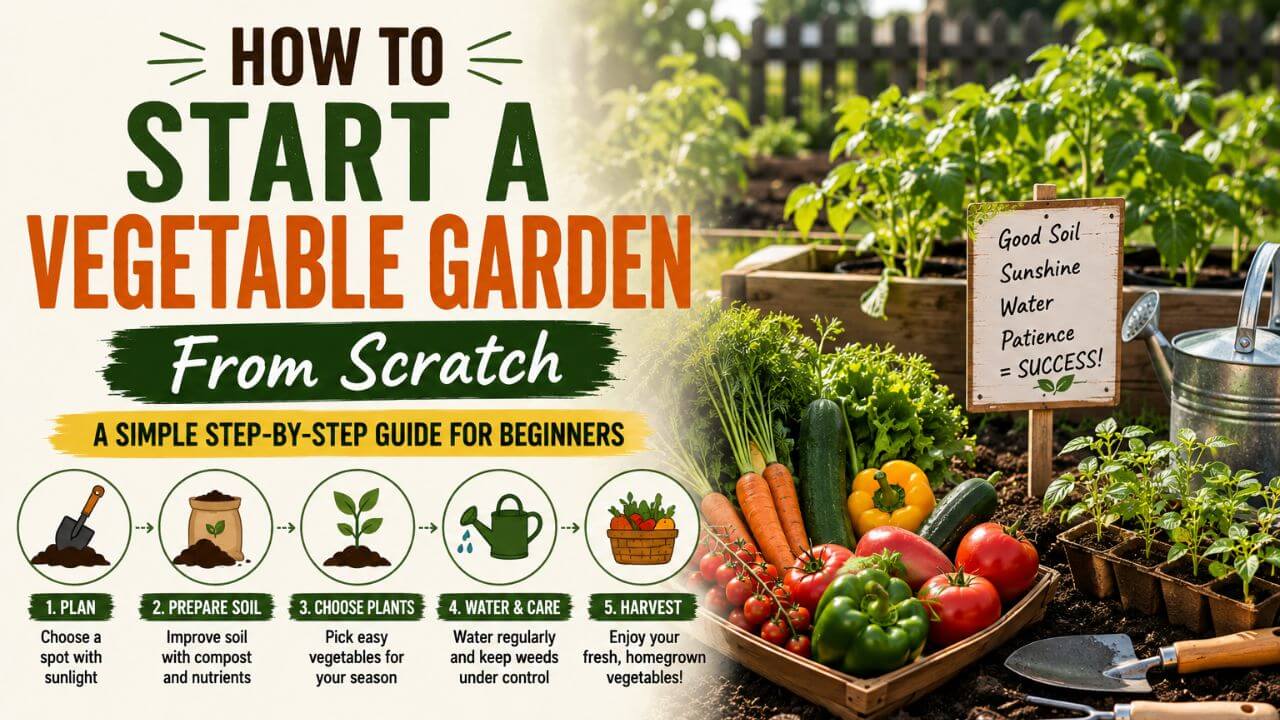
If you want to learn How To Start A Vegetable Garden From Scratch, you are in the right place. I’ve set up many first-time gardens for friends and clients, from tiny patios to big yards. In this guide on How To Start A Vegetable Garden From Scratch, I share clear steps, hard-won tips, and simple methods that work in real life.

Pick the Right Spot
The right site makes How To Start A Vegetable Garden From Scratch far easier. Aim for six to eight hours of direct sun. More sun helps fruiting crops like tomatoes and peppers. A little afternoon shade is fine for greens.
Good soil drains well after rain. Avoid spots where water sits. Stay clear of tree roots and leach fields. Keep the bed near a hose and a door. Easy access helps you care for it every day.
Test sun before you dig. Place a white plate in the area. Check it every hour for shadows. Full sun means strong light through most of the day. I once put a bed near a fence and lost a month of growth. Shade won.

Plan What to Grow and When
A smart crop list is a key step in How To Start A Vegetable Garden From Scratch. Start with easy wins. Try lettuce, green beans, radishes, bush tomatoes, zucchini, and herbs. Pick what you like to eat.
Know your frost dates and plant hardiness zone. Cool season crops go in early spring and fall. Warm season crops need soil heat and late frosts gone. Draw a small plan. Map tall crops on the north side so they do not shade others.
Use succession planting. Sow a little, then sow again in two to three weeks. You get steady harvests, not one big glut. Rotate families each year if you can. This cuts pests and disease risk.

Prepare the Soil
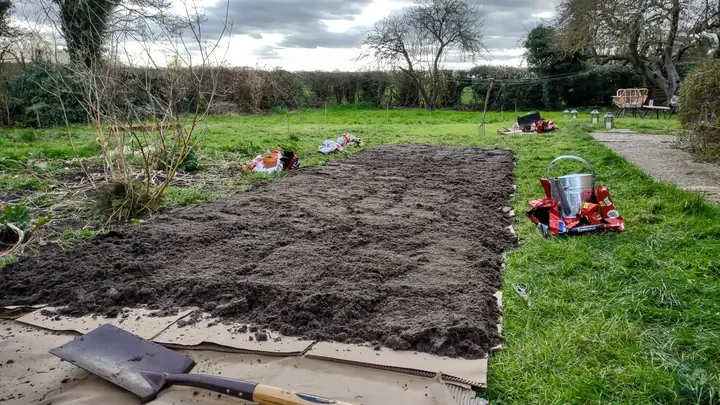
Rich soil is the true secret in How To Start A Vegetable Garden From Scratch. Do a soil test first if you can. It shows pH and nutrients. Most veggies like a pH between 6.0 and 7.0.
Add two to three inches of compost on top. Mix it into the top six to eight inches. Remove big rocks and roots. If the soil is heavy clay, raise the bed six to twelve inches and add more compost.
Avoid fresh manure. It can burn plants and add pathogens. If pH is low, add garden lime based on test rates. If pH is high, elemental sulfur can lower it over time. Slow, steady changes work best.

Choose Seeds vs Seedlings
You will face this choice in How To Start A Vegetable Garden From Scratch. Some crops like beans, peas, squash, and radish do best when sown direct. Others like tomatoes, peppers, and basil do best as transplants.
If you start seeds indoors, you need strong light. A bright window is often not enough. Use a simple LED grow light. Keep seedlings warm and do not overwater. Harden them off for a week outside before you plant.
Seedlings save time for slow crops. Seeds save money for quick crops. I once tried to start peppers in a cold room. They never took off. A small heat mat and light changed that.
Design Your Layout and Beds
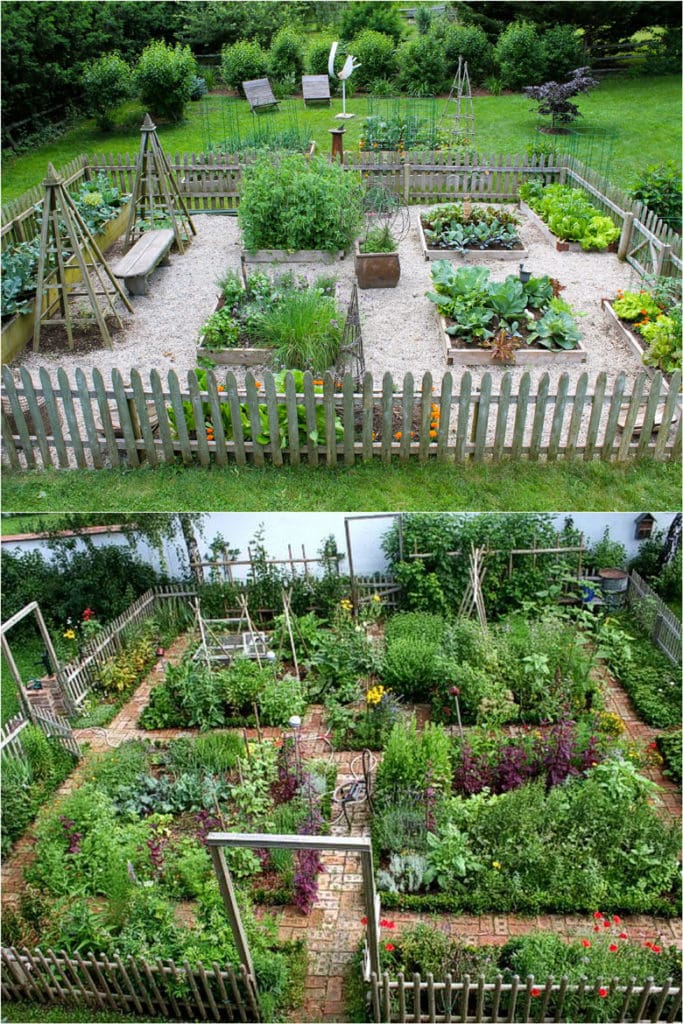
Good layout speeds work in How To Start A Vegetable Garden From Scratch. Keep beds no wider than four feet so you can reach the center. Make paths at least two feet wide. You will thank yourself later.
Group plants by height and water needs. Use trellises for peas, beans, and cucumbers. Place drip lines or a soaker hose before you plant. It is hard to add later.
Try a simple four by eight foot bed plan. One corner for tomatoes on a trellis. One edge for lettuce in part shade. A strip for bush beans. A block for carrots and radish. Herbs tuck in at the front.
Planting: Step-by-Step
Planting well is a core skill in How To Start A Vegetable Garden From Scratch.
For direct seeding:
- Rake soil smooth and moist the day before.
- Make shallow furrows at the seed’s depth on the packet.
- Sow thin. Cover and press to set seed in contact with soil.
- Water gently and keep moist until sprout.
For transplants:
- Water the pot first.
- Dig a hole a bit wider than the root ball.
- Set plant at the same depth, except tomatoes can go deeper.
- Backfill, firm soil, water well, and mulch.
Label as you go. Give each plant space to breathe. Crowding is the root of many problems.

Water, Mulch, and Feed
These three pillars make or break How To Start A Vegetable Garden From Scratch. Water deep, not often. Aim for one inch per week, more in heat. Check by pushing a finger two inches down. If it is dry, water.
Mulch after seedlings are four to six inches tall. Use straw, leaves, or wood chips on paths. Keep mulch an inch away from stems. Mulch keeps soil cool and cuts weeds and water loss.
Feed with a balanced fertilizer at planting. Side dress heavy feeders like corn and tomatoes midseason. Compost works well for slow, steady food. Evidence for compost tea is mixed. Use it as a supplement, not a cure-all.
Pest, Disease, and Weed Control with IPM
Use integrated pest management in How To Start A Vegetable Garden From Scratch. Scout once or twice a week. Flip leaves and look for eggs. Catch small issues early.
Start with barriers and good habits. Use row covers for flea beetles and cabbage worms. Hand-pick pests in the cool of morning. Keep leaves dry when you can to limit disease. Clean up plant debris in fall.
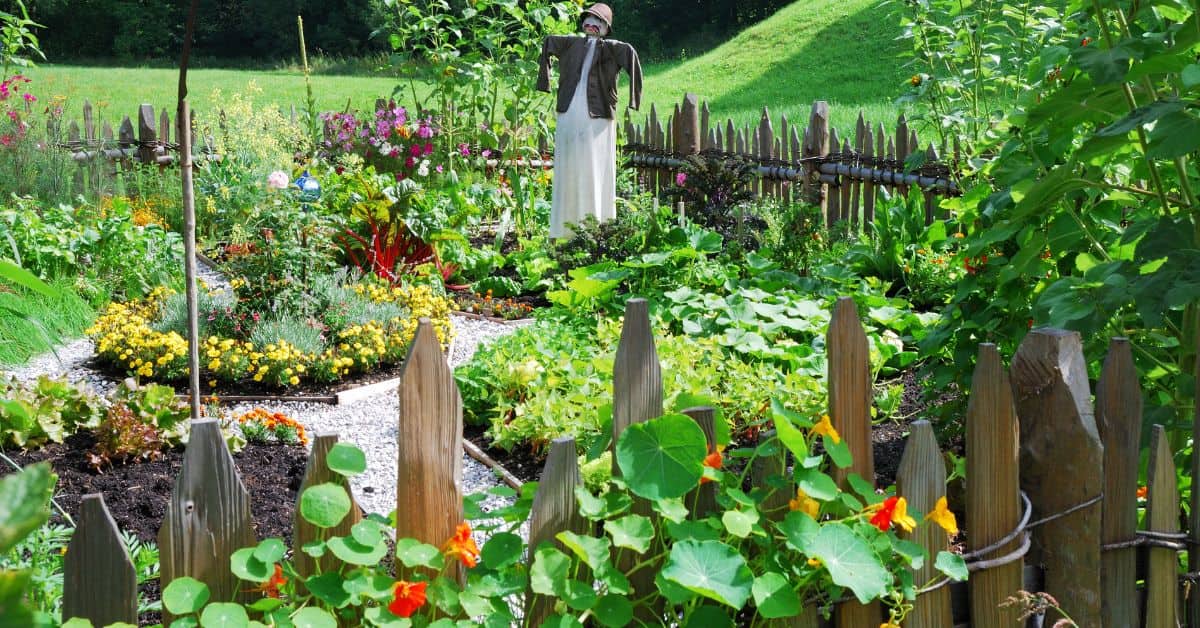
Invite allies. Flowers like alyssum and dill bring helpful insects. If you must spray, choose targeted options and follow the label. Give time for bees to be safe. A tidy bed with mulch stops many weeds before they start.
Maintenance Calendar for Year One
A simple calendar keeps How To Start A Vegetable Garden From Scratch on track. Break tasks into seasons. Little steps add up.
Spring:
- Build beds, add compost, set drip lines.
- Sow cool crops, start warm crops indoors.
- Harden off and transplant after frost.
Summer:
- Water deep, mulch, and feed as needed.
- Trellis and prune tomatoes for air flow.
- Succession sow beans and lettuce.
Fall:
- Sow cool crops again as heat fades.
- Harvest, cure, and store produce.
- Plant garlic and cover beds.
Winter:
- Plan next year’s rotation.
- Order seeds and sharpen tools.
- Add compost and cover with leaves.
Budget, Tools, and Time
Be honest about costs in How To Start A Vegetable Garden From Scratch. You can start lean and still grow a lot. Focus on tools that save time.
Starter list:
- Hand trowel and a sturdy garden fork
- Pruners and a weeding tool
- Hose with a shut-off and a simple timer
- Stakes, twine, and a small rake
- Compost or quality bagged mix
Expect one to three hours per week for a small bed. More in peak summer, less in fall. Save money by using secondhand tools and free wood chips for paths. Share seed packs with a friend.
Troubleshooting Common Issues
Bumps happen in How To Start A Vegetable Garden From Scratch. Quick checks help you fix them fast.
Yellow leaves:
- Check for overwatering or lack of nitrogen.
- Mulch and feed with a balanced fertilizer.
Leggy seedlings:
- Not enough light or too much heat.
- Move closer to lights and lower the temp.
Blossom end rot on tomatoes:
- Uneven watering and low calcium uptake.
- Keep soil even and mulch to hold moisture.
Bolting lettuce:
- Heat or long days.
- Sow heat-tolerant types and add shade cloth.
Slow growth:
- Cool soil or low nutrients.
- Wait for warmth and side dress with compost.
Frequently Asked Questions of How To Start A Vegetable Garden From Scratch
What size should my first garden be?
Start with one four by eight foot bed or a few large containers. This size is easy to manage and still gives good harvests.
How many hours of sun do vegetables need?
Most crops need six to eight hours of direct sun. Leafy greens can do fine with a bit less.
Should I use raised beds or plant in the ground?
Use raised beds if soil is poor or drains slow. In-ground works well if your native soil is loamy and you add compost.
How often should I water a new garden?
Water when the top two inches are dry. Deep watering two to three times a week is better than a daily sprinkle.
What vegetables are best for beginners?
Try lettuce, radish, bush beans, zucchini, cherry tomatoes, and herbs. They grow fast and forgive small mistakes.
Do I need fertilizer if I use compost?
Compost feeds slowly. A light, balanced fertilizer helps heavy feeders like tomatoes and corn during peak growth.
How can I keep weeds under control?
Mulch two to three inches deep and weed once a week. A sharp hoe and quick passes keep beds clean.
Conclusion
You now know How To Start A Vegetable Garden From Scratch, step by step. Pick a sunny spot, build rich soil, plant smart, and care with simple habits. Small, steady work brings big harvests.
Take the first step today. Lay out one bed, add compost, and plant three easy crops. Then subscribe for more seasonal tips and share your first harvest story in the comments.

I enjoy sharing simple gardening ideas, lawn care tips, and honest product reviews that help make outdoor work easier. From home gardening guides to helpful tools and lawn care advice, I write easy-to-follow content to help readers create a healthier and better-looking outdoor space without wasting time or money.