As an Amazon Associate, I earn from qualifying purchases.
To compost without attracting rats, use a secure bin with a tight lid, cover every food scrap with dry brown material, avoid meat and greasy leftovers, and keep the compost moist and well aerated. Add a sturdy metal mesh barrier beneath and around the bin where needed.
Across the United States, home composting helps gardeners turn kitchen scraps and yard waste into useful soil material. Yet a compost pile can become a problem when rats find easy food, water, and shelter in the same spot. This concern is common in urban yards, suburban gardens, and homes with small outdoor spaces.
The good news is that you do not have to give up composting to reduce the risk. The best approach combines careful food choices, a well-managed compost mix, secure storage, and barriers that keep rodents out. No method can promise that rats will never visit a yard, but these steps make a compost bin much less inviting.
This guide explains what to add, what to leave out, how to choose a suitable bin, and what to do if you already see signs of rats. It follows general home composting guidance from the U.S. Environmental Protection Agency and university extension resources, with practical advice for American homeowners and renters.
Rats visit places that offer food, water, cover, and safe paths to move around. A compost pile may offer several of these at once, especially when it contains exposed kitchen scraps or sits beside dense plants, stored lumber, or loose trash.
The main issue is not composting itself. A properly managed pile contains useful organic matter, while a poorly managed one may leave edible food easy to reach. A bin with a loose lid or open bottom can also give rodents a place to hide or dig.
Rats can chew many common plastics and may squeeze through small gaps. A closed-looking bin is not necessarily rodent-resistant if its lid does not latch, its base is open, or its vents are too large.
Compost does not need to smell like fresh food to attract a rat. Food residues, seeds, fallen produce, and other edible waste around the bin may be enough to encourage visits. The goal is to remove easy rewards and block access.
Source: crittercontroltriangle.com
Exposed food
Fresh fruit, vegetable scraps, and other edible waste can draw rodents when left on the surface or in an uncovered container.
Shelter
A quiet pile beside a fence, shed, or thick groundcover may offer cover from people and pets.
Easy entry
Open bases, damaged vents, loose doors, and unlatched lids can allow rats to reach the compost.
Nearby food sources
Birdseed, pet food, fallen fruit, and unsecured garbage can attract rats even when the compost is well managed.
Does a hot compost pile keep rats away?
A hot pile can help break down food scraps faster, but heat alone is not a reliable barrier against rats. Temperatures vary across a pile, and the outer edges may remain cool enough to hold recognizable food. A pile that heats up in the center can still attract rodents if scraps remain exposed or the bin has gaps.
Treat active decomposition and physical exclusion as separate jobs. Maintain a suitable compost mix, turn it when needed, and secure the bin so rats cannot reach the contents.
Manage the pile
Provide suitable moisture, air, and a mix of green and brown materials.
Block access
Use a tight lid and suitable metal mesh wherever rats could enter.
Choose the Right Compost Bin for Rat Prevention
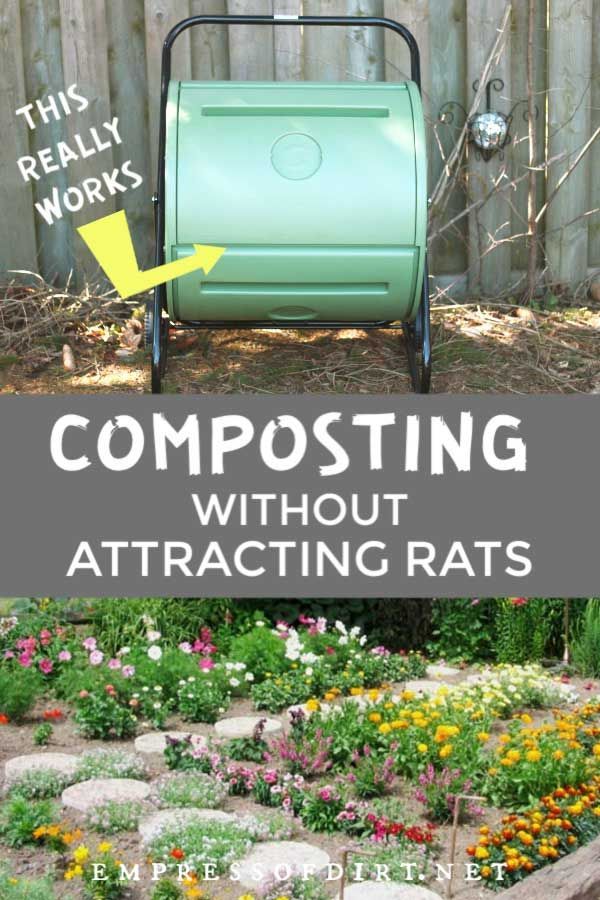
A secure bin is one of the most useful ways to reduce the risk of rats in compost. For a yard that receives kitchen scraps, choose a sturdy container with a close-fitting lid, protected openings, and a base that does not leave an easy route underground.
A simple open wire ring can work well for leaves and other yard waste, but it is not automatically suitable for food scraps. If you want to compost both kitchen waste and garden waste, you need a design that keeps rodents out while allowing enough air to reach the material.
Plastic bins can be convenient, but inspect their bases, vents, doors, and lids. A plastic container with wide openings may need a properly secured metal mesh lining. Metal mesh should be firmly attached, and sharp cut edges should be folded or covered to prevent injury.
For a homemade bin, galvanized hardware cloth is a common barrier material. A mesh opening of one-quarter inch is a conservative choice for small-rodent exclusion. Some extension guidance uses openings up to one-half inch for particular applications, but smaller openings provide a tighter barrier. The entire design matters more than the mesh size alone.
Source: i.pinimg.com
Secure lid
Choose a lid that closes firmly and can be latched against animals that push or lift it.
Protected vents
Cover vulnerable ventilation holes with firmly attached, corrosion-resistant metal mesh that preserves airflow.
Closed base
Prevent digging access by fitting a suitable metal mesh floor or placing the bin on a properly designed protected base.
Easy maintenance
Make sure you can open the bin safely, turn the contents, and remove finished compost without leaving it unsecured.
Should a compost bin sit directly on the ground?
Direct ground contact can help drainage and allow soil organisms to reach the compost. However, an unprotected base also creates a possible route for rats to burrow into the pile. If rodent activity is a concern, place a securely fitted metal mesh barrier under the bin and extend it beyond vulnerable edges where practical.
Keep the base stable and avoid blocking drainage. A mesh barrier should be durable, corrosion-resistant, and attached so rats cannot push underneath it. Check the edges after installation because a small loose section can defeat the barrier.
For a new bin
Plan the base and mesh barrier before filling the bin.
For an existing bin
Inspect the ground around the base and look for tunnels, loose mesh, and gaps.
Are compost tumblers rat-proof?
A tumbler can make mixing easier and may keep food scraps off the ground. Yet a tumbler is not automatically rat-proof. Check the lid, frame, drainage holes, and access points, and confirm that the container is strong enough to resist chewing.
A well-sealed tumbler can be useful where space is limited. It still needs proper green and brown materials, suitable moisture, and regular mixing. Do not rely on the turning action alone to prevent pests.
Inspect before buying
Check how the lid locks, how large the openings are, and whether the body has vulnerable seams.
Know What to Compost and What to Keep Out
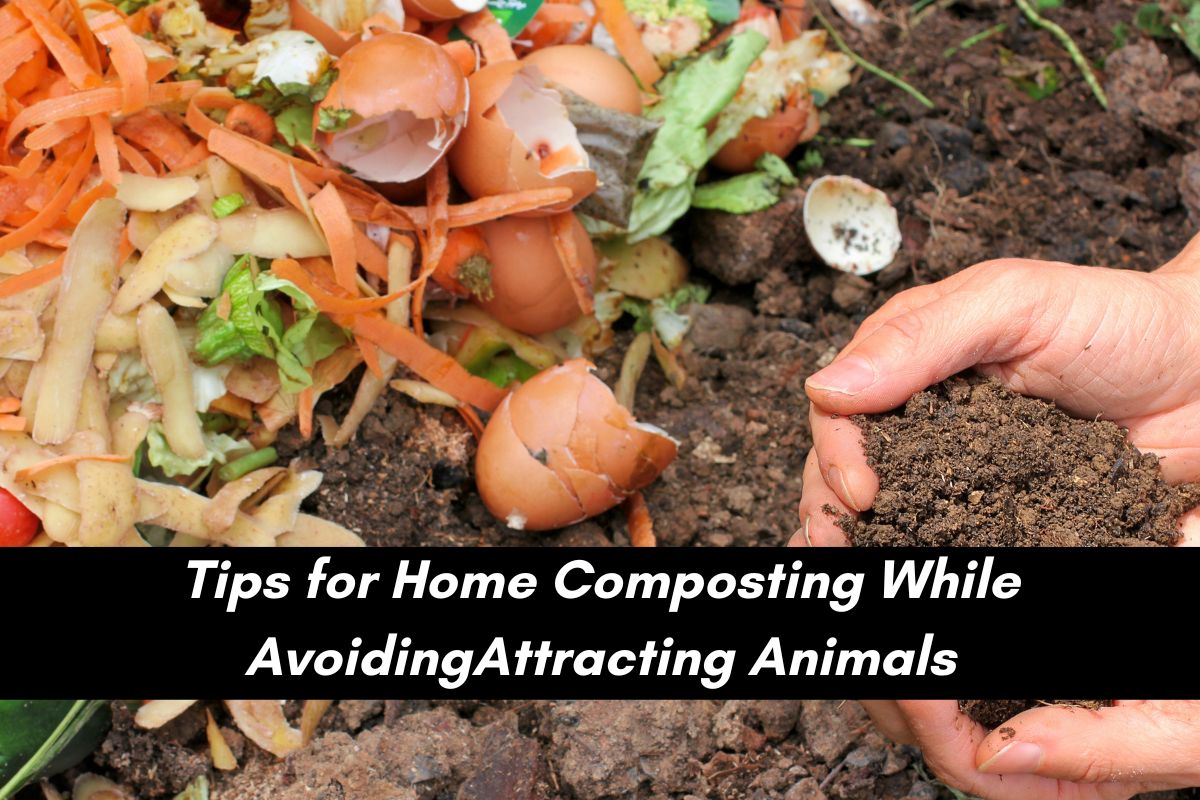
The safest starting point for a typical backyard compost pile is plant-based kitchen scraps mixed with dry yard materials. Fruit and vegetable scraps, coffee grounds, paper coffee filters, crushed eggshells, dry leaves, and untreated plant trimmings are common choices.
Avoid adding meat, fish, bones, cheese, dairy products, fats, oils, and greasy leftovers to a basic home compost pile. These materials can create odors and attract rats or other animals. Cooked foods and bread can also draw pests, so leave them out when your goal is to reduce rodent activity.
Follow the rules of your local compost program if you use municipal collection. Some commercial systems accept materials that are not suitable for a small backyard pile. Acceptance by a local program does not mean the same material belongs in a home bin.
Pet waste and cat litter should not go into ordinary backyard compost intended for food gardens. Some waste may carry harmful organisms, and a home pile may not reach and maintain the conditions needed to manage those risks. Follow public health and local waste guidance instead.
Source: i.pinimg.com
Fruit and vegetable scraps
Suitable in a well-managed pile when chopped into small pieces and buried beneath other compost materials.
Coffee grounds and paper filters
Useful green materials that can be mixed with dry leaves or shredded cardboard.
Dry leaves and untreated cardboard
Useful brown materials that absorb moisture and cover food scraps.
Meat, dairy, and greasy foods
Keep these out of a typical backyard bin to reduce odors and pest attraction.
Pet waste and cat litter
Keep them out of ordinary garden compost, especially compost intended for edible crops.
Do eggshells attract rats?
Clean eggshells are generally suitable for a backyard compost pile, especially when rinsed, crushed, and mixed into the material. They are not the same as meat or dairy, but shell fragments can remain visible for a long time.
If you are already dealing with rats, focus first on exposed food, loose lids, and nearby food sources. Crushed shells can be composted, but they should not be used as a substitute for proper bin protection.
What about bread, rice, and cooked leftovers?
Bread, cooked rice, pasta, and mixed leftovers may attract rodents and other pests. For a rat-conscious backyard pile, leave them out unless your local composting service specifically accepts them in a controlled collection system.
When in doubt, use the stricter approach for a home bin. A smaller range of suitable materials is easier to manage than a pile filled with varied leftovers.
Use the Right Mix of Green and Brown Materials
A balanced compost mix helps organic waste break down while limiting strong odors. Green materials provide nitrogen and include fresh fruit scraps, vegetable scraps, and grass clippings. Brown materials provide carbon and include dry leaves, shredded plain cardboard, small twigs, and untreated wood chips.
The U.S. Environmental Protection Agency describes two to three parts brown material to one part green material as a useful home composting guideline. This is a practical starting point by volume, not a universal formula for every ingredient. Different materials vary in moisture and structure, so the pile may need adjustments.
When adding food scraps, place them inside the existing pile instead of leaving them in a visible layer. Cover them with brown material and then add some compost or plant material over the top. This reduces odors and makes the food harder for rodents to find.
Do not pack the pile so tightly that air cannot move through it. Fine, wet scraps can clump together, while dry leaves and small pieces of cardboard help create spaces for airflow. Mix the ingredients rather than forming separate, thick layers of food.
Source: i.ytimg.com
Start with dry browns
Keep a covered supply of dry leaves or shredded plain cardboard beside the bin so you can cover every new addition.
Add small amounts of greens
Chop large scraps and mix them into the pile rather than adding a large exposed batch.
Cover each deposit
Use enough brown material to hide the scraps and reduce the chance that food odors escape.
Mix the pile
Turn or loosen the contents when needed to improve airflow and help the material break down.
How wet should rat-conscious compost be?
Compost should feel like a wrung-out sponge: damp, but not dripping wet. If the pile is soggy, it may lack air and develop unpleasant smells. Those odors can signal poor management and may make the area less pleasant for people as well as more attractive to pests.
Add dry leaves or shredded cardboard when the mixture is too wet, then turn it to improve airflow. If the pile is very dry and decomposition has slowed, add a little water while mixing. Avoid creating standing water around the bin.
Too wet
Add dry brown materials, break up clumps, and check that rainwater can drain away.
Too dry
Add water gradually and mix the pile until moisture is spread evenly.
Does covering scraps mean burying them deeply?
The aim is to keep scraps out of sight and away from the surface, not to dig a deep hole every time. Open a small pocket in the middle of the active pile, add the scraps, mix them with brown materials, and cover them completely.
If the bin is nearly empty or the material is too sparse to cover the scraps, add dry leaves or shredded cardboard first. A consistent covering habit is more useful than relying on a single deep layer that may become compacted.
Step-by-Step: How to Compost Without Attracting Rats
A steady routine is easier to maintain than a long list of emergency fixes. Set up the bin properly, prepare a supply of brown materials, and use the same sequence whenever you add kitchen scraps.
The steps below suit a typical home compost bin that accepts plant-based food scraps and yard waste. If your city or county has special compost rules, follow those rules first.
Source: i.ytimg.com
Step 1: Select and secure the site
Choose a spot with good drainage and enough room to open the lid and turn the compost. Avoid placing the bin beside a pile of lumber, a dense wall of weeds, or a storage area that already gives rodents cover.
Inspect the bin before filling it. Close gaps, secure the lid, protect vulnerable vents with suitable metal mesh, and fit a base barrier if rats could dig underneath. Keep the surrounding ground clear enough to inspect for fresh holes and droppings.
Step 2: Build a base with brown materials
Begin with a layer of dry leaves, small twigs, or other suitable coarse brown materials. This helps create air spaces and gives new scraps a place to mix into the pile.
Keep a separate covered container of dry leaves or shredded plain cardboard near the bin. Having brown material ready makes it easier to cover scraps at once instead of leaving food exposed while you search for supplies.
Step 3: Add suitable food scraps
Add small amounts of fruit and vegetable scraps, coffee grounds, and other suitable green materials. Cut large pieces into smaller chunks when practical because smaller pieces tend to break down more readily.
Avoid dumping a full container of food onto the top. Spread the scraps through the active compost and mix them with some brown material. Leave out meat, dairy, oily foods, and cooked leftovers that can draw pests.
Step 4: Cover the scraps completely
Cover the fresh food with a generous layer of dry leaves or shredded cardboard. Check the surface from different angles to make sure no recognizable scraps remain visible.
For a final layer, use finished compost or other suitable plant material if available. Close and latch the lid after each addition. Never leave the bin open overnight simply because you plan to return to it later.
Step 5: Maintain moisture and airflow
Check the pile as it builds. If it smells sour or rotten, add dry browns and turn the material. If it is dry and barely changing, add a little water and mix it through.
Turn a static pile when needed to blend fresh scraps into older material and introduce air. A tumbler can make this easier, but its turning schedule should reflect the size, moisture, and condition of the mix rather than a rigid daily rule.
Step 6: Inspect the bin every week
Look for loose lids, damaged mesh, holes near the base, spilled scraps, and signs of digging. Remove food waste from the ground and repair small defects before they become easy entry points.
Also inspect the wider yard. Secure trash, pick up fallen fruit, clean spilled birdseed, and bring pet food indoors after feeding. A rat may be visiting for a reason that has little to do with the compost itself.
Step 7: Let the compost finish and cure
As the material breaks down, it should become darker and more crumbly. Once the pile no longer heats up after mixing and most recognizable scraps have disappeared, allow it to cure before using it in the garden.
Home compost can take several months or longer depending on the ingredients, temperature, moisture, and how often it is turned. Keep the bin secure during curing because partially broken-down material may still contain food that attracts pests.
Keep the Rest of Your Yard From Feeding Rats
A rat-resistant compost bin works best when the rest of the yard offers few easy meals. Rodents can move between trash cans, bird feeders, sheds, garages, pet feeding areas, and compost piles. Removing nearby food and hiding places helps reduce the chance that they will settle near the bin.
Store household garbage in containers with secure lids and clean spills promptly. If your area collects yard waste or food scraps separately, use the designated containers and follow collection instructions. Do not leave bags of food waste beside the compost bin.
Pick up fallen apples, berries, tomatoes, and other ripe produce. Clean birdseed from the ground beneath feeders, and store seed in a secure container. Feed pets indoors when possible, or remove leftover food and clean bowls after feeding.
Trim dense vegetation near the bin and clear unnecessary clutter, while preserving useful garden habitat elsewhere. You do not need a bare yard. You do need enough open space to inspect the compost and spot signs of rodent activity.
Source: i.pinimg.com
Secure household trash
Use sound containers with close-fitting lids, and do not let garbage bags sit open beside the bin.
Clean bird-feeding areas
Remove spilled seed and consider a feeder setup that limits food falling to the ground.
Remove fallen produce
Pick up ripe or damaged fruit and vegetables instead of leaving them to rot under plants.
Store pet food indoors
Keep bags sealed and remove leftover outdoor food after each meal.
Reduce hiding places
Keep the immediate area around the bin clear of rubbish, dense weeds, and unused materials.
Can a clean compost bin still attract rats?
Yes. Rats may already live nearby or visit a yard for food elsewhere. A clean bin reduces one source of attraction, but it cannot prevent every rat from crossing the property.
If you continue to see rats despite good compost habits, inspect nearby structures, drains, garbage storage, and feeding areas. Persistent activity may require a wider pest-control plan rather than another change to the compost mix.
Signs of Rats and How to Respond Safely
Look for repeated signs rather than assuming every hole or dropping came from a rat. Possible clues include small dark droppings, gnaw marks, tracks in dusty soil, burrows near the bin, disturbed food scraps, and repeated nighttime movement.
Do not reach into a suspected nest or burrow. Avoid stirring material if doing so could expose you to rodents, droppings, or urine. Keep children and pets away from the affected area while you assess the problem.
If rats are active, stop adding kitchen scraps temporarily and secure the existing compost. Remove spilled food from the surrounding ground, inspect the lid and mesh, and repair access points. Do not move a suspected nest by hand.
Rodents can spread disease through contaminated materials and may bite when cornered. If you find a large infestation, repeated burrows, or rats inside a building, contact your local health department or a qualified pest-control professional for guidance. Follow public health instructions for cleaning droppings and handling contaminated areas.
Source: i.pinimg.com
Droppings or gnaw marks
Inspect the bin from outside and check lids, vents, and the surrounding area for possible entry points.
Fresh burrows
Avoid reaching into holes and seek local guidance if activity continues near buildings or utility lines.
Repeated nighttime sightings
Check all nearby food sources and consider professional help if rats keep returning.
Contaminated compost
Keep people and pets away and obtain appropriate public health advice before handling suspected contamination.
Should you use poison or homemade repellents?
Do not rely on homemade repellents as the main way to protect compost. Strong smells and scattered powders do not provide a dependable physical barrier, and some substances can harm pets, wildlife, or soil organisms.
Rodent poison can also pose risks to children, pets, and wildlife. If a control product is needed, follow its label and applicable local rules, and ask a qualified professional about the safest approach. Physical exclusion and removal of food sources should remain part of the plan.
Avoid unproven fixes
Do not assume peppermint oil, hot pepper, or similar home remedies will stop an established rat problem.
Protect people and animals
Keep hazardous products away from compost and follow professional or public health advice.
Common Composting Mistakes That Invite Rats
Small habits can undermine an otherwise good compost setup. The most common problems are exposed food, poor bin construction, too much wet material, and neglecting the area around the pile.
A compost bin should be easy enough to use that you can maintain it every week. If it is hard to open, difficult to turn, or awkward to fill, scraps may end up sitting on top or being stored in an unsecured container nearby.
Correct the simplest problems first. Remove exposed food, add dry browns, close the lid, repair gaps, and clean the ground. If signs of rats continue, reassess the barrier and other food sources rather than assuming the compost itself must be abandoned.
Source: i.ytimg.com
Leaving scraps on top
Move food into the center and cover it completely with brown material.
Adding too much food at once
Use smaller additions and mix them through the pile so they do not form a large exposed mass.
Using an open-bottom bin without protection
Add an appropriate mesh barrier if rats could dig up into the compost.
Ignoring a damaged lid
Repair or replace loose, cracked, or poorly fitting parts as soon as possible.
Letting the pile become soggy
Add dry browns, improve drainage, and turn the pile to restore airflow.
Forgetting the surrounding yard
Remove food waste, fallen produce, pet food, and spilled birdseed near the bin.
What if your compost smells bad?
A strong sour or rotten smell often points to excess moisture or poor airflow. Add dry leaves or shredded cardboard, loosen the pile, and check that water is not pooling around the base.
If the smell comes from exposed food or greasy waste, remove unsuitable material when it can be done safely. Then return to a plant-based mix and cover fresh scraps properly. A healthy pile should have a mild earthy smell rather than a strong odor of rotting food.
What if the compost does not heat up?
A small pile may not generate much heat, especially in cool weather or when it contains mostly dry leaves. Check the moisture level and mix in suitable green material if the pile lacks nitrogen. Turn it to provide air and allow time for decomposition.
Do not add meat, dairy, or greasy leftovers simply to make the pile heat up. Those materials are poor choices for a rat-conscious backyard system. If you want faster decomposition, improve the balance, moisture, particle size, and mixing routine.
Frequently Asked Questions
Q
Can I compost without attracting rats at all?
You can greatly reduce the risk, but no outdoor compost system can guarantee that rats will never visit. Use a secure bin, cover food scraps, avoid meat and greasy waste, and remove nearby food sources. Physical barriers are especially useful where rats are already common.
Q
What is the most rat-resistant type of compost bin?
A sturdy bin with a tight, latched lid, protected vents, a secure base, and small openings is a practical choice. Properly fitted galvanized hardware cloth can help block access through the base and vulnerable sides. Check the entire design because even a strong bin can fail at a loose door or uncovered gap.
Q
Can I put banana peels and fruit scraps in compost?
Yes. Banana peels and other fruit and vegetable scraps are suitable for a typical backyard compost pile. Chop large pieces when practical, mix them into the active pile, and cover them with dry leaves or shredded cardboard. Do not leave fruit scraps exposed on the surface.
Q
Does sprinkling lime or peppermint oil keep rats away?
These substances should not be treated as reliable rat-proofing methods. They do not replace a secure bin, sound food management, or a physical barrier. Some products may also affect plants, pets, or other organisms, so use only products suitable for the intended setting and follow the label.
Q
How often should I turn compost to discourage rats?
There is no single turning schedule that guarantees rat prevention. Turn the pile when it needs more air or when fresh scraps need mixing into the center. A practical routine is to inspect it weekly and turn it as needed based on moisture, odor, temperature, and how quickly the material is breaking down.
Q
Can I compost in a small backyard or on a patio?
Yes. A compact, secure bin or well-designed tumbler can work in a small yard or suitable patio space. Check local rules, choose a container that fits the available area, and keep it away from doors and places where spills may attract pests. Store brown materials nearby so each food addition can be covered promptly.
Q
What should I do if rats are already living in my compost bin?
Stop adding food scraps for now, keep people and pets away from suspected nests, and inspect the bin from a safe distance. Secure the lid, identify possible entry points, and remove other nearby food sources. Do not handle rats, nests, or contaminated material with bare hands. Contact a local public health office or pest-control professional if the problem is persistent or extensive.
✦ Wrapping Up
Conclusion
Learning how to compost without attracting rats comes down to a few steady habits. Use a secure bin, choose suitable plant-based scraps, cover each addition with brown material, and keep the pile moist and aerated. Add a well-fitted metal mesh barrier where rats could enter through the sides or dig beneath the base.
Do not overlook the rest of your yard. Secure trash, clean spilled birdseed, store pet food properly, and pick up fallen produce. If rats are already active, deal with the access points and food sources before adding more kitchen waste, and seek professional advice when needed.
Composting should help your garden, not create a new pest problem. Start by checking your current bin, keeping a supply of dry leaves or cardboard nearby, and making sure every food scrap is covered. These simple steps can help you turn everyday plant waste into useful compost while making your yard less attractive to rodents.
💡 Key Takeaway
Today, inspect your compost bin for gaps and loose lids, remove exposed food scraps, add a layer of dry brown material, and clear nearby food sources. If rats are present, secure the bin and address the infestation safely before resuming food-scrap composting.
I enjoy sharing simple gardening ideas, lawn care tips, and honest product reviews that help make outdoor work easier. From home gardening guides to helpful tools and lawn care advice, I write easy-to-follow content to help readers create a healthier and better-looking outdoor space without wasting time or money.