As an Amazon Associate, I earn from qualifying purchases.
Perennials return from their roots, self-seeding flowers grow from fallen seeds, most garden marigolds are annuals, and ranunculus needs planting time suited to your local climate.
Across the United States, a flower garden can face very different conditions. A gardener in Minnesota may plan around a long, cold winter, while someone in Florida may deal with summer heat, heavy rain, and short periods of cool weather. The best flowers for a low-maintenance garden depend on these local conditions, the amount of sunlight, and how much care you want to provide.
Perennials are a useful starting point because established plants can return for several growing seasons. Self-seeding flowers offer another way to keep a garden full, even when the original plants die. Marigolds and ranunculus add more choices, but their growing cycles differ from those of many common perennials. Understanding these differences helps you choose flowers that fit your garden rather than forcing every plant to grow in the same way.
A flower can return in several ways. A true perennial survives one growing season and produces new growth in later seasons. Depending on the species, it may survive through its roots, a crown, a bulb, a rhizome, or another underground structure. Some perennials also spread by seed.
An annual completes its life cycle in one growing season. It grows, flowers, produces seeds, and dies. Yet an annual may still appear in the same garden next year if its seeds fall onto suitable ground and sprout when conditions improve.
A third group includes tender perennials that survive in warm regions but may die in freezing weather. A plant sold as a perennial in a warm part of the country may need winter protection or seasonal replacement in a colder state.
Source: storage.googleapis.com
Perennial
The established plant survives and grows again in later seasons when the climate and soil suit it.
Annual
The plant completes its life cycle in one growing season, though its seeds may produce new plants.
Biennial
The plant usually grows leaves and roots in its first year, then flowers and sets seed in its second year.
Self-seeding flower
The flower drops or scatters seeds that germinate without the gardener sowing them again.
Do All Perennials Bloom Every Year?
Most established, healthy perennials can bloom in more than one year, but they may not flower every season under poor conditions. Young plants often spend their first season building roots. Too much shade, dry soil, excess fertilizer, or a late freeze can also reduce flowering.
Some perennials die back above ground in winter. This is normal for plants such as hostas and many daylilies. The roots or crown may still be alive, even when the garden looks bare. Mark the planting spot before winter so you do not dig up a dormant plant by mistake.
Look for new growth
Check the crown or base of the plant in the usual spring growth period for your region.
Check local hardiness
Use the plant’s cold tolerance and your area’s winter conditions to judge whether it can survive outdoors.
17 Perennial Flowers That Come Back Every Year
The following perennial flowers offer a mix of bloom times, colors, heights, and growing needs. They can help build a garden that returns each year without requiring a complete replanting. No flower is maintenance-free, though. Watering during establishment, occasional weeding, and suitable winter care still matter.
Choose plants for your growing conditions first. A flower that thrives in a sunny, dry border may struggle in a damp shade bed. Check mature height and spread before planting so each flower has room to grow.
Source: gardentruth.com
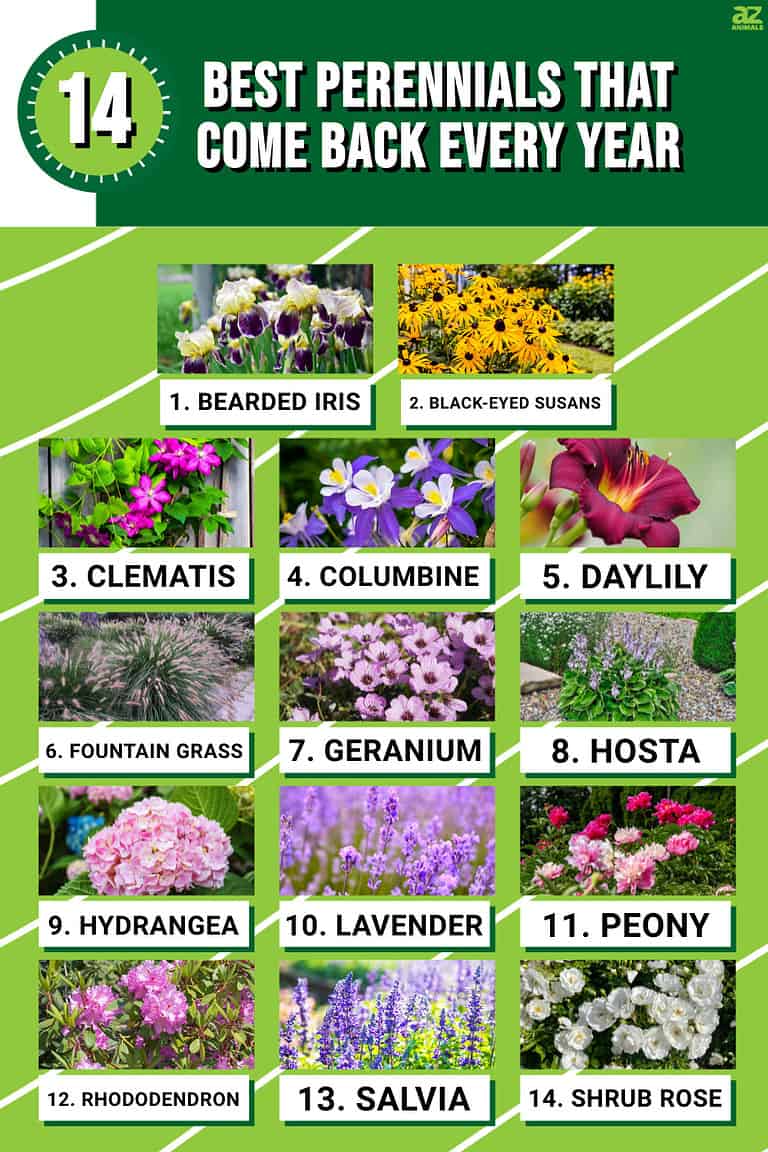
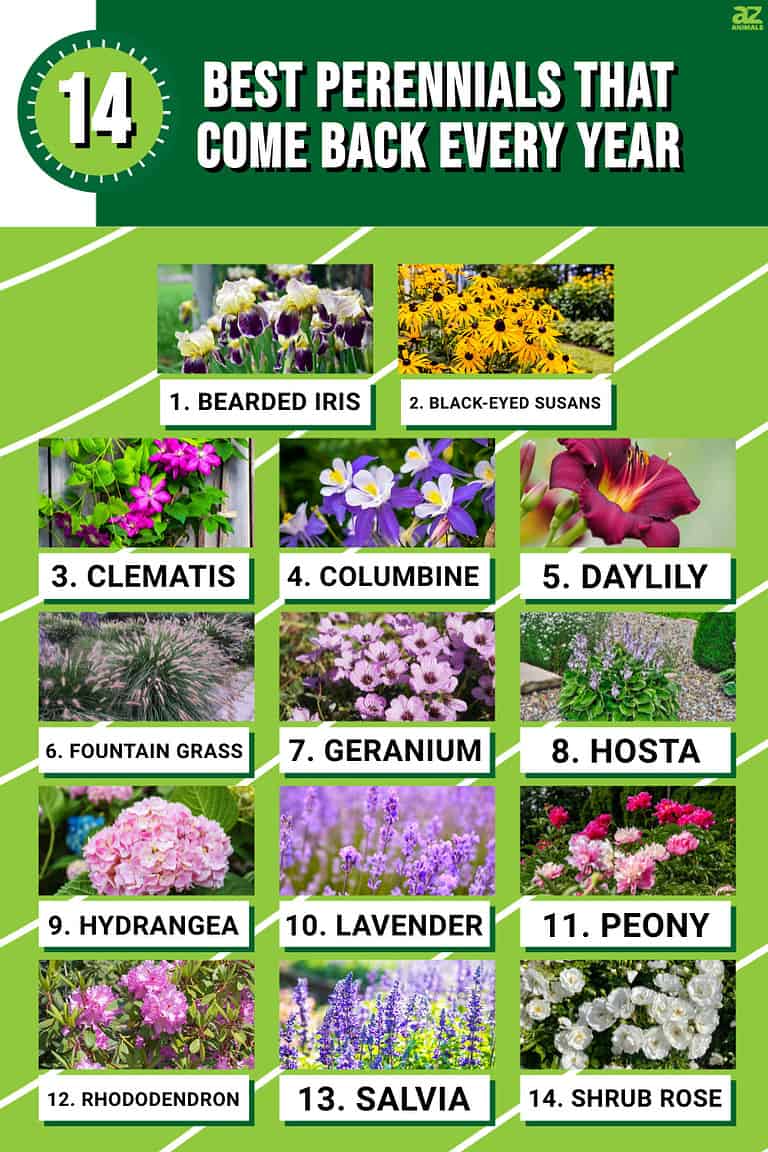
1. Coneflower
Purple coneflower produces daisy-like blooms with raised centers. It grows well in sunny spots with well-drained soil and can attract pollinators. Leave some seed heads in place if you want birds to feed and seedlings to develop.
2. Black-eyed Susan
This bright yellow flower with a dark center suits sunny beds and informal borders. Some types are short-lived perennials, while others often behave like biennials or self-seeding plants. Check the variety before assuming every plant will live for many years.
3. Daylily
Daylilies grow in clumps of arching leaves and send up flower stalks in season. Each bloom often lasts only a day, but a mature plant can produce many buds. Divide crowded clumps when flowering declines or the planting becomes too dense.
4. Garden phlox
Garden phlox produces clusters of flowers in summer. It prefers fertile soil, steady moisture, and good airflow. In humid regions, choose resistant varieties and avoid crowding plants to help limit powdery mildew.
5. Shasta daisy
Shasta daisies bring white petals and yellow centers to sunny beds. They need drainage and benefit from division when clumps become crowded. Remove spent flowers to keep the bed neat and may encourage further blooms.
6. Bee balm
Bee balm has colorful, shaggy flowers that draw hummingbirds and pollinating insects. It grows best with adequate moisture and room for airflow. Some types spread quickly, so give them space or choose a compact variety.
7. Russian sage
Russian sage has airy blue-purple flowers and silvery foliage. It suits sunny areas with well-drained soil and handles dry spells once established. Avoid wet winter soil, which can damage its roots.
8. Catmint
Catmint produces soft purple-blue flowers and fragrant foliage. Many garden forms tolerate heat and dry soil after they establish. Trim the plant after its first strong flush of flowers to encourage fresh growth.
9. Yarrow
Yarrow offers flat flower clusters in shades such as yellow, pink, and white. It suits sunny, well-drained sites and can tolerate drought. It may spread by seed or underground growth, so remove unwanted flower heads before seeds mature.
10. Coreopsis
Coreopsis adds cheerful yellow or other warm-colored flowers to sunny borders. Some species are perennial and others are annual, so check the plant label. Perennial forms often benefit from good drainage and occasional division.
11. Hardy geranium
Hardy geraniums, also called cranesbills, form low mounds of leaves and flowers. Many grow in sun or partial shade, depending on the species. They can soften the edges of paths and fill gaps around taller plants.
12. Hosta
Hostas are grown mainly for their leaves, which range from green to blue-green and variegated patterns. They thrive in shade or filtered light, although some tolerate more sun with enough moisture. Slugs and deer may damage the foliage.
13. Astilbe
Astilbe produces feathery flower plumes and grows well in partial shade. It needs moist soil and is a poor choice for a hot, dry site without irrigation. Its foliage and flower heads add texture even when the blooms fade.
14. Hellebore
Hellebores bloom in late winter or early spring in suitable climates. They prefer shade or dappled light and soil that drains well while retaining some moisture. Their flowers can face downward, so place them where you can view them closely.
15. Bleeding heart
Traditional bleeding heart produces heart-shaped flowers in spring and prefers cool, partly shaded conditions. The foliage may turn yellow or die back in summer heat. Plant it beside later-growing perennials that can fill the space.
16. Salvia
Many perennial salvias produce upright flower spikes that attract bees and other pollinators. They often prefer full sun and well-drained soil. Because the genus includes annuals and tender types, select a variety suited to your winter temperatures.
17. Peony
Peonies can live for many years and produce large spring flowers. They need good drainage, sunlight, and correct planting depth. Deeply buried buds may lead to poor flowering, so follow the instructions for the type you buy.
How to Choose Perennials for Your Garden
Start with the amount of direct sunlight your garden receives. Full-sun flowers generally need about six or more hours of direct sun, while shade plants may scorch or flower poorly in the same spot. Watch the area through the day before choosing your plants.
Next, assess drainage. If water remains around the roots for long periods, many common perennials may rot. Improve the planting area or select plants that tolerate moist soil rather than trying to grow drought-loving flowers in a wet bed.
Finally, plan for more than one season of bloom. Pair early flowers such as hellebores with summer daylilies and later-flowering plants. A mix of bloom times keeps the garden interesting without requiring every plant to flower all summer.
For full sun
Consider coneflower, yarrow, Russian sage, catmint, and suitable coreopsis varieties.
For partial shade
Consider astilbe, hardy geranium, hellebore, and bleeding heart where soil moisture and climate suit them.
For a long-lived border
Use peonies, daylilies, and well-suited clumping perennials as the main structure, then fill gaps with shorter-lived flowers.
15 Self-Seeding Flowers That Reseed Themselves
Self-seeding flowers can return to a garden without being planted by hand every spring. After flowering, they form seeds that fall nearby or spread with wind, rain, animals, or normal garden activity. When the seeds meet suitable conditions, new plants grow.
The new seedlings may appear in a different spot from the original flower. They may also bloom later than plants started indoors. Some varieties cross-pollinate or produce offspring that look different from the parent, so self-seeding is less predictable than buying a named plant.
To encourage reseeding, let a portion of the flowers form mature seed heads. To keep a tidy bed, remove unwanted seedlings while they are small and deadhead the flowers you do not want to spread.
Source: ca.pinterest.com
1. Cosmos
Cosmos produces open, daisy-like flowers and often reseeds in sunny gardens. It prefers well-drained soil and may produce fewer flowers in very rich soil. Leave some mature seed heads late in the season.
2. Calendula
Calendula, sometimes called pot marigold, produces yellow or orange flowers in cool weather. It can reseed readily when seeds mature. It is not the same plant as the common French and African marigolds sold for summer bedding.
3. Nigella
Nigella, also called love-in-a-mist, has delicate foliage and unusual seed pods. It grows well from direct sowing and can return where its seeds fall on bare or lightly disturbed soil.
4. California poppy
California poppy suits sunny sites with well-drained soil and relatively dry conditions. It often reseeds successfully in climates that suit it. Avoid keeping the soil constantly wet.
5. Bachelor’s button
Bachelor’s button produces blue, pink, white, or purple flowers. It can reseed in sunny beds, but seedlings may appear wherever seed reaches open soil. Remove unwanted plants before they set seed.
6. Sweet alyssum
Sweet alyssum forms low mounds covered in small flowers. It may reseed in mild conditions and can grow well along borders and between paving stones. Heat can shorten its flowering season in hot regions.
7. Cleome
Cleome, or spider flower, produces tall stems with airy flower clusters. It can scatter many seeds and return in warm-season gardens. Give it enough room and remove seed pods if you want to limit spreading.
8. Nasturtium
Nasturtium produces bright flowers and round leaves. It may reseed in mild climates, especially where seeds remain in loose soil. Young plants are sensitive to frost, so new growth depends on local temperatures.
9. Borage
Borage has star-shaped blue flowers and often self-seeds around the parent plant. It attracts pollinators and grows best in a sunny site with suitable drainage. Its seedlings can be removed easily if they appear in unwanted places.
10. Larkspur
Annual larkspur produces tall flower spikes and may reseed where winters and growing conditions suit it. Sow it in the garden at the appropriate cool-season time because young plants do not always transplant well.
11. Poppies
Many annual poppies can reseed if their seed capsules mature. Their needs differ by species, so check whether your chosen poppy suits your region. Sow where you want the plants to grow when transplanting is not advised.
12. Sunflowers
Some sunflowers return from seeds dropped by mature heads. Seedlings may grow near bird feeders or beneath the parent plant. Volunteer plants can differ in height and flower color, especially when varieties cross-pollinate.
13. Four o’clocks
Four o’clocks can produce seeds and may return from underground tubers in warmer regions. In colder areas, plants may be killed by frost, while collected seeds can offer another way to grow them.
14. Annual phlox
Annual phlox produces clusters of colorful flowers and may reseed in suitable conditions. It differs from perennial garden phlox, so read the plant label carefully when choosing flowers for a long-term border.
15. Common marigolds
French and African marigolds are annuals, but mature plants can drop seeds that sprout in later seasons. Volunteer seedlings are not guaranteed to match hybrid parent plants and will emerge only when temperatures and moisture suit them.
How to Help Self-Seeding Flowers Return
Allow a few flowers to finish their life cycle. If you remove every faded bloom, you may prevent seed formation. Leave the strongest plants until the seed heads or pods mature, then let the seeds fall naturally or scatter them where you want future flowers.
Keep some bare soil around the plants. A thick layer of mulch can block small seeds from reaching the soil or prevent seedlings from emerging. Use a lighter mulch layer in areas where you want self-seeding flowers to grow.
Do not expect every seed to sprout the following spring. Some need cold exposure, some germinate in fall, and others wait until the soil warms. Weather, birds, insects, and competition from other plants all affect the results.
Let selected blooms set seed
Keep some mature seed heads while deadheading the rest to balance repeat blooms with natural reseeding.
Thin crowded seedlings
Give young plants enough room for light, airflow, and healthy root growth.
Remove unwanted volunteers
Pull extra seedlings before they mature, especially near paths or plants that need clear space.
Check local plant guidance
Avoid spreading plants that are invasive or unsuitable for natural areas in your region.
Do Marigolds Come Back Every Year?
Most common garden marigolds do not return from the same roots after winter. French marigolds and African marigolds, both in the genus Tagetes, are usually grown as annuals. Frost kills them, so gardeners in cold-winter regions generally plant new flowers each spring.
Marigolds can still appear in the same bed year after year. If the old plants produce mature seeds and those seeds survive, new seedlings may emerge when the soil warms. This is self-seeding, not the original plant surviving through winter.
The common name can cause confusion because calendula is also called pot marigold. Calendula is a different plant from Tagetes and often grows best in cooler weather. Marsh marigold is another distinct plant and is a perennial suited to wet habitats.
Source: storage.googleapis.com
Annual vs. Perennial Marigolds
For most home gardeners, the key distinction is between a plant that survives winter and a plant that returns through seed. French and African marigolds are annuals, while marsh marigold is a perennial wildflower that needs moist to wet soil. Calendula is often grown as an annual, though its seedlings may return through self-seeding.
In a frost-free or very mild climate, a Tagetes plant may survive longer than it would in a cold state, but warm weather alone does not make it a dependable perennial. Long periods of rain, heat, or poor drainage can also shorten its life.
French marigold
A compact annual with many small flowers, often used along borders, in containers, and among vegetables.
African marigold
A taller annual with large blooms, useful for bold summer color and cut flowers.
Calendula or pot marigold
A different flower that often prefers cooler conditions and can reseed when seed heads are left to mature.
Marsh marigold
A true perennial for moist or wet sites, not a substitute for the familiar summer bedding marigold.
How to Make Marigolds Return Through Seed
Choose a few healthy marigold plants and allow some flowers to fade naturally. The seed heads should dry on the plant before you collect them. If you collect seeds, keep them dry and label the variety so you can sow them in the next suitable season.
In spring, wait until frost danger has passed and the soil has warmed. Marigolds grow best in full sun and well-drained soil. Water new seedlings regularly while they establish, but avoid keeping the bed soggy.
Remember that seeds from hybrid marigolds may produce flowers that differ from the parent. If you need the same color, height, or flower shape each year, buying the same named variety may be more reliable than relying on volunteer seedlings.
For repeat blooms
Remove most spent flowers during the growing season to encourage more flowering.
For seed collection
Leave a few blooms until their seed heads dry and mature.
For a clean spring bed
Thin seedlings and remove weak or poorly placed plants after they emerge.
When to Plant Ranunculus in the United States
Ranunculus is a cool-season flower grown from small, claw-shaped corms. The best planting time depends on your winter temperatures and summer heat. In areas with mild winters, gardeners often plant in fall for spring flowers. In colder areas, planting may be better in late winter or early spring, once the soil can be worked and the corms can be protected from severe cold.
Ranunculus grows best in cool weather, with plenty of light and well-drained soil. Hot summer weather can cause the foliage to die back and the plants to go dormant. That seasonal cycle does not mean the corms will reliably survive outdoors in every region.
For a useful planting date, start with your local frost pattern and the guidance for your specific variety. A gardener in coastal California may have a longer fall planting window than someone in the Upper Midwest. In warm parts of the South, excessive heat may end the flowering season early even when winter cold is not a problem.
Source: exymgjxnc.blob.core.windows.net
A Practical Ranunculus Planting Calendar
In mild-winter regions, fall planting can give ranunculus time to develop roots before spring. Choose a spot that receives good sunlight during the cool growing season and drains well after rain. Protect the corms from prolonged wet conditions.
In colder regions, wait until the ground is workable and follow local recommendations for spring planting. Some gardeners start corms in containers in a protected place before moving them outdoors. Harden off growing plants gradually and protect tender growth from late freezes.
In hot-summer regions, plan the crop around the coolest suitable months. Ranunculus may flower well before the strongest heat arrives, then fade as temperatures rise. Treat it as a seasonal flower if your climate does not support dependable year-to-year survival.
Mild winters
Fall planting is often suitable where the ground stays cool and does not freeze hard for long periods.
Cold winters
Spring planting or protected growing may be safer where severe freezes threaten the corms.
Hot summers
Grow ranunculus during the cool season and expect the foliage to fade when heat and dormancy arrive.
How to Plant Ranunculus Corms
Choose firm corms without soft, rotten areas. Before planting, follow the supplier’s directions about soaking because recommendations can vary. If soaking is advised, avoid leaving corms in water longer than directed.
Prepare loose, well-drained soil and plant the corms with their pointed claws facing down. Follow the packet for depth and spacing because these can vary with the type and growing method. Cover with soil and water gently so the planting area is moist but not waterlogged.
Keep the soil evenly moist during active growth, but let excess water drain away. Too much water can cause corm rot, while severe dryness during active growth can stress the plant. As flowers fade and the foliage naturally yellows, reduce watering and allow the plant to complete its cycle.
If you want to save corms for another season, wait until the foliage has died back naturally before lifting them. Let the corms dry and store them under the conditions recommended for your region and variety. Even with careful storage, repeat flowering is not guaranteed.
Before planting
Check corm health, planting depth, local frost timing, and the variety’s growing instructions.
During growth
Provide good light, cool conditions, and steady moisture without waterlogging the soil.
After flowering
Allow foliage to yellow naturally before reducing care or attempting to store the corms.
How to Build a Low-Maintenance Flower Garden
A low-maintenance garden begins with plants that suit the site. Matching flowers to sunlight, drainage, and local temperatures reduces the need for extra watering, frequent replacement, and repeated pest treatment. A plant that fits its space is usually easier to care for than one that needs constant correction.
Use established perennials for the main structure and add self-seeding flowers for seasonal variety. Perennials can anchor the bed, while annual seedlings fill open areas and create a looser, more natural look. Leave enough space for mature growth to limit crowding and reduce the work of dividing plants too often.
Mulch can help hold moisture and reduce weeds around established perennials. Keep mulch away from crowns and stems, and leave suitable patches of bare soil where you want small flowers to reseed. In areas with heavy rain or clay soil, drainage may matter more than adding more mulch.
Source: gardenloversclub.com
A Simple Planting Plan
Begin by measuring the bed and noting how much sun it receives. Mark the tallest plants toward the back of a border or near the center of an island bed. Place shorter plants near the front and leave pathways clear so you can weed and water without stepping on the soil.
Choose a small set of plants with similar needs rather than buying every flower that catches your eye. For example, a sunny, well-drained bed might combine coneflower, catmint, yarrow, and a few patches of cosmos. A partly shaded bed with moist soil may suit hostas, astilbe, and bleeding heart better.
Water new plants according to their needs while their roots establish. Once established, some perennials tolerate short dry spells, but drought tolerance varies. Do not assume every plant can survive without watering during a long summer heat wave.
Choose a clear color plan
Use a few main flower colors and add smaller accents rather than mixing too many plants at random.
Plan for bloom time
Combine spring, summer, and later-season flowers so the bed does not depend on one short bloom period.
Keep a garden record
Write down planting dates, varieties, bloom times, and which plants survived winter.
Review each season
Move plants that struggle in their current spot and thin seedlings before they crowd established flowers.
Common Mistakes That Keep Flowers From Returning
The most common mistake is choosing a plant by its flower color without checking its growing needs. A shade-loving perennial may fail in a hot, exposed bed, while a sun-loving flower may stretch and bloom poorly in deep shade. Read the plant label and compare it with the actual conditions in your yard.
Another mistake is assuming that every plant sold as a perennial will survive every winter. Hardiness varies by species and variety, and wet winter soil can damage roots even when temperatures are mild. In containers, roots may be more exposed to cold than they would be in the ground.
Gardeners can also prevent self-seeding by removing all spent flowers too early. Deadheading is useful when you want longer flowering, but it removes the seed heads needed for new seedlings. Leave some blooms to mature if natural reseeding is part of your plan.
Planting too early
Warm-season annuals such as common marigolds may be damaged by frost. Wait until local frost risk has passed.
Keeping soil too wet
Many perennials and ranunculus corms can rot in poorly drained soil. Improve drainage or select plants that suit moist ground.
Using too much fertilizer
Excess nutrients can promote leafy growth at the expense of flowers in some plants. Follow soil test results and product directions.
Expecting seedlings to match hybrids
Seeds from hybrid flowers may produce plants with different traits. Use new seed or the same named variety when consistency matters.
Cutting back dormant perennials too soon
Some plants emerge late in spring. Mark their locations and check for new growth before removing a dormant crown.
Frequently Asked Questions
Q
What flowers come back every year with little care?
Daylilies, coneflowers, catmint, yarrow, and suitable hardy salvias are useful options for many sunny gardens. Hostas and hellebores can suit shaded areas. Their care needs still depend on the local climate, soil drainage, and variety.
Q
Can annual flowers come back every year?
Yes. An annual can return through self-seeding when its seeds survive winter or another period of dormancy and then germinate. The original plant still completes its life cycle in one season, and the new plants may look different from their parents.
Q
Will marigolds grow again after winter?
Most common French and African marigolds die when frost arrives. New marigold plants may grow the following season from seeds dropped by the old flowers. In areas without frost, a plant may survive longer, but common bedding marigolds are generally treated as annuals.
Q
When should I plant ranunculus corms?
In mild-winter regions, fall planting is often suitable. In colder regions, late-winter or spring planting may be safer, depending on soil conditions and local guidance. Ranunculus prefers cool weather and well-drained soil, so adjust planting time to avoid severe freezes and summer heat.
Q
Do I need to deadhead flowers that I want to reseed?
Do not remove every spent flower if you want seeds. Deadhead some blooms to keep plants tidy and encourage further flowering, but leave selected flower heads until their seeds mature. You can let the seeds fall naturally or collect them for later sowing.
Q
Why did my perennial not come back this spring?
Possible causes include winter damage, poor drainage, drought, disease, or a plant that was not hardy in your area. Some perennials also emerge later than others. Check the plant label, wait through its normal spring growth period, and look gently for signs of life before digging it up.
Q
Can ranunculus bloom again the next year?
It can in some conditions, but dependable repeat flowering is not guaranteed. The corms need suitable temperatures, drainage, and a favorable dormant period. In many gardens, ranunculus is grown as a seasonal flower, with corms lifted and stored where local conditions require it.
✦ Wrapping Up
Conclusion
Flowers that return year after year can make a garden easier to maintain, but it helps to know how each plant survives. Perennials regrow from established plant structures, while self-seeding flowers produce new plants from seed. Both can create a garden that becomes fuller with time when the site and growing conditions suit them.
For dependable color, choose a mix of perennials that match your sunlight, soil, and climate. Use self-seeding flowers where a natural look is welcome, and keep in mind that common French and African marigolds are annuals even when seedlings appear again. Plant ranunculus during the cool season that best fits your region, and protect its corms from conditions that can cause rot or cold damage.
💡 Key Takeaway
Before buying flowers, check your local hardiness conditions, measure the sunlight in your planting area, and test how quickly the soil drains. Start with three to five well-suited perennial varieties, add a few self-seeding flowers, and record what returns after the first winter. This simple approach helps you build a garden with reliable color and less yearly replanting.
I enjoy sharing simple gardening ideas, lawn care tips, and honest product reviews that help make outdoor work easier. From home gardening guides to helpful tools and lawn care advice, I write easy-to-follow content to help readers create a healthier and better-looking outdoor space without wasting time or money.