As an Amazon Associate, I earn from qualifying purchases.
The best flowers for a dry shady garden include hellebores, barrenwort, wild geranium, foamflower, Virginia bluebells, and certain hardy cyclamen. Choose plants that suit your USDA hardiness zone, soil, and the amount of water available beneath trees or beside buildings.
In American yards, dry shade is common beneath mature maples, oaks, and other large trees, along the north side of a house, and under deep roof overhangs. These areas can be hard to plant because they receive little direct sunlight and often have dry soil. Tree roots compete for water, while roofs and dense canopies can block rainfall. The result is a garden bed where many familiar flowers struggle to grow.
The good news is that a dry, shady spot can still support flowers, attractive leaves, and seasonal color. The key is to choose plants adapted to woodland conditions rather than forcing sun-loving flowers to grow where they cannot thrive. Some plants tolerate dry periods once established, while others need extra water during their first growing season or during prolonged drought.
This guide focuses on flowers and flowering perennials suitable for American gardens. It explains which plants to consider, where each one works best, how to prepare the soil without harming tree roots, and how to maintain a bed with limited water. Because conditions vary across the United States, always check local hardiness, heat tolerance, and invasive-plant guidance before buying plants.
A dry shady garden receives limited direct sun and has soil that dries out quickly. It may get a little morning light or filtered light through branches, yet remain dry for much of the growing season. The most difficult sites are often beneath established trees, where roots absorb water before smaller plants can use it.
Shade and dryness are separate conditions. A garden can be shady but moist near a stream, or sunny and dry beside a driveway. Plants selected for dry shade must cope with both low light and limited moisture. A plant that tolerates shade alone may wilt in dry soil, while a drought-tolerant sun plant may flower poorly without enough light.
Before choosing flowers, watch the site for a few days. Notice when sunlight reaches the ground, how quickly soil dries after rain, and whether the area sits beneath a roof edge or dense tree canopy. These details help you choose plants that fit the site rather than relying on a label that says shade tolerant.
Source: aroflowers.co.nz
Deep shade
The area receives little direct sun. Focus on plants grown for foliage and plants known to flower in woodland shade.
Filtered shade
Sunlight passes through leaves or branches. Many woodland perennials flower well here, especially in spring.
Dry soil
The soil loses moisture quickly because of tree roots, sandy soil, roof cover, or limited rainfall.
Seasonal shade
Deciduous trees allow more light in early spring before their leaves open. This can help spring ephemerals bloom.
How to Check Your Soil Before Planting
Dig a small test hole in an open space between tree roots, where digging will not damage major roots. Feel the soil a few inches below the surface. If it is powdery or crumbly and does not feel cool, the site may be quite dry. Repeat the check after rain and during a warm week to understand how quickly moisture disappears.
Check drainage
Water should soak into the soil rather than remain on the surface for long periods. Compacted soil may need careful improvement.
Avoid major roots
Do not cut thick roots or raise the soil level around mature tree trunks to make room for flowers.
Test soil pH if needed
A soil test can help explain poor growth and show whether pH adjustments are justified.
Best Flowers for a Dry Shady Garden
The strongest choices are woodland plants that tolerate shade and can handle periods of lower soil moisture after they establish. No flower thrives in every dry shade site, so match each plant to your region and the actual conditions in your yard. The recommendations below include plants valued for flowers, foliage, or both.
Perennial plants are especially useful because they can return for several seasons. However, even a hardy perennial may struggle beneath a large tree during a long summer drought. Give new plants time to develop roots, water during extended dry spells when necessary, and use suitable mulch to reduce moisture loss.
Source: epicgardening.com
1. Hellebores
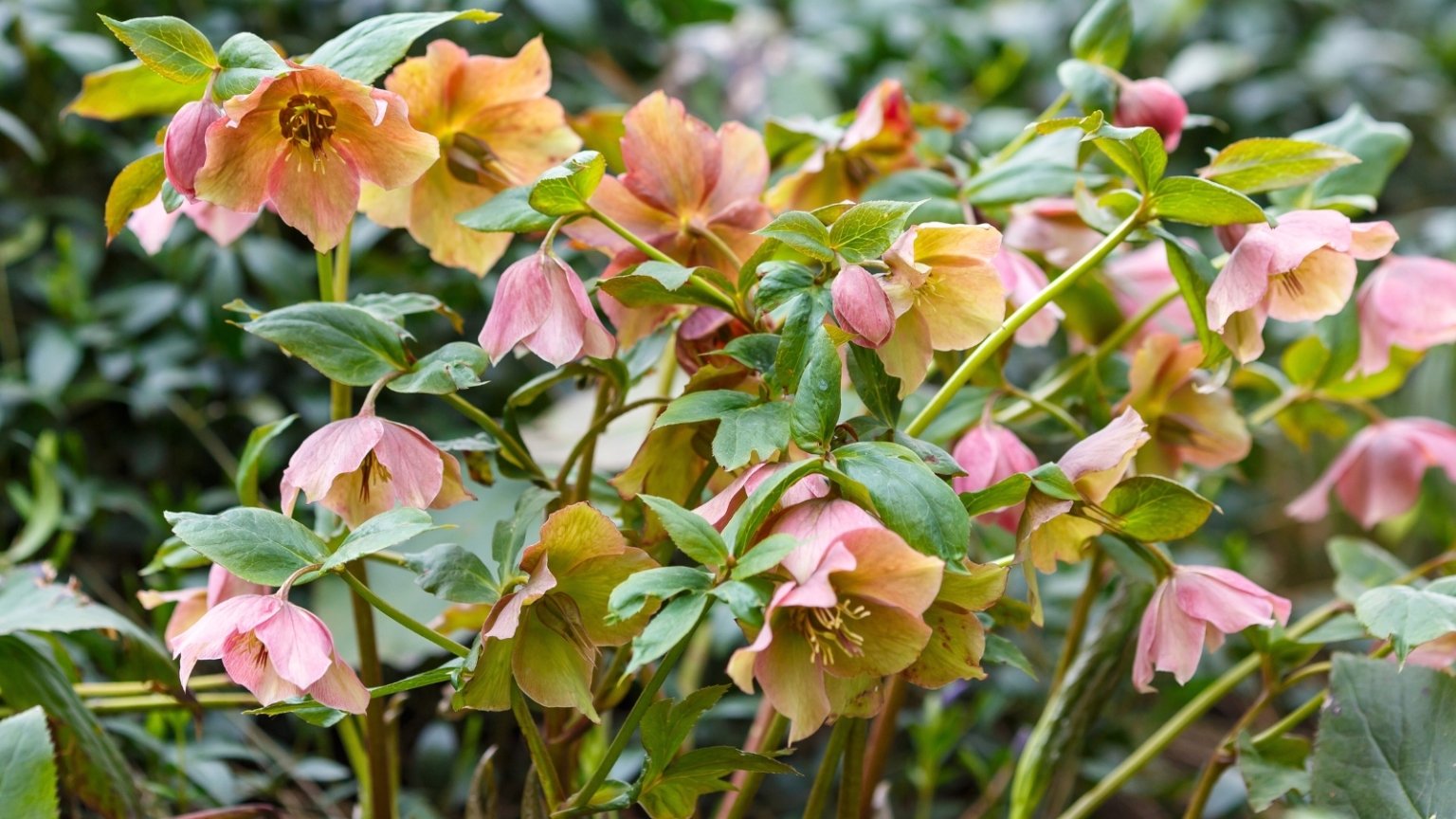
Hellebores, often called Lenten roses or Christmas roses depending on the species, produce nodding flowers in late winter or spring. Their leathery leaves provide structure long after the flowers fade. They are useful in partial to fairly deep shade and often tolerate dry shade once established, although very dry soil can reduce growth and flowering. Choose species and cultivars suited to your region.
2. Barrenwort
Barrenwort, also known as Epimedium, is a valuable ground-cover perennial for dry shade. Its small spring flowers may be yellow, pink, white, or purple, while its heart-shaped leaves form a neat carpet. Many varieties tolerate root competition and dry soil better than moisture-loving shade plants. Growth rate and evergreen or deciduous habits vary by species.
3. Wild geranium
Wild geranium, Geranium maculatum, is a North American woodland perennial with pink to lavender flowers in spring. It works well in woodland borders and beneath deciduous trees where some spring moisture is available. It can tolerate periods of dryness after establishment, but prolonged severe drought may cause early dormancy or reduced flowering.
4. Foamflower
Foamflower, Tiarella, produces airy spikes of small white or pale pink flowers above attractive, often patterned leaves. It is a native woodland plant in parts of eastern North America and can make an attractive ground cover. It generally prefers humus-rich soil with steady moisture, so reserve it for dry shade that receives occasional rain or supplemental watering rather than the driest spot beneath dense evergreen trees.
5. Virginia bluebells
Virginia bluebells, Mertensia virginica, offer clusters of pink buds that open into blue, bell-shaped flowers in spring. They are suited to woodland gardens in parts of eastern and central North America. These spring ephemerals grow actively in cool weather and often become dormant in summer. They perform best where spring soil moisture is available and may be a poor choice for extremely dry sites.
6. Hardy cyclamen
Hardy cyclamen species can produce delicate pink or white flowers among patterned leaves. Cyclamen hederifolium is often grown in sheltered woodland settings and can tolerate summer dryness during its dormant period. It needs appropriate seasonal conditions and well-drained soil. Do not confuse hardy garden cyclamen with florist cyclamen, which is usually sold as a houseplant and may not survive local winters.
7. Lily of the valley
Lily of the valley, Convallaria majalis, produces small, fragrant, bell-shaped flowers in spring and spreads through underground rhizomes. It can grow in shade and tolerate some dryness after establishment, but it may spread aggressively and is invasive in some settings. All parts of the plant are poisonous if eaten. Use it only where its spread can be controlled and local guidance permits.
8. Solomon’s seal
Solomon’s seal, including Polygonatum species, has arching stems with hanging, bell-shaped flowers in spring. Its graceful form adds height and movement to woodland beds. It generally prefers humus-rich soil and benefits from moisture during establishment, so it is best for moderately dry shade rather than severely parched ground. Choose species native to your area when possible.
9. Christmas fern
Christmas fern, Polystichum acrostichoides, does not produce flowers, but its evergreen fronds help a dry shade garden look complete throughout the year. It is a North American native that can tolerate some dry conditions once established, especially in suitable woodland soil. Pair it with flowering perennials to provide texture when blooms are out of season.
10. Coral bells
Coral bells, Heuchera, are grown for rounded leaves in shades of green, silver, burgundy, and purple, along with slender flower stalks. Their tolerance of dry shade varies by species and cultivar. Many prefer some moisture and good drainage, so select a variety known to suit your local climate and avoid assuming every coral bell will thrive beneath a thirsty tree.
Which Plants Work Best in the Driest Shade?
For a site beneath established trees where watering is limited, start by considering barrenwort and suitable hellebores. Their foliage can provide a strong visual base, and many established plants cope with short periods of dry soil. Hardy cyclamen may also suit a well-drained site where its seasonal growth cycle matches local conditions.
For a woodland bed that receives spring rain but dries in summer, wild geranium and Virginia bluebells can add a show of native flowers. Foamflower and Solomon’s seal are better reserved for areas where soil moisture does not disappear too quickly. This distinction helps prevent the common mistake of treating all shade plants as equally drought tolerant.
Very dry, root-filled shade
Consider barrenwort and locally suitable hellebores, then test a small planting area before expanding.
Seasonally moist woodland shade
Try wild geranium, Virginia bluebells, foamflower, or Solomon’s seal where spring moisture is reliable.
Year-round foliage
Use suitable hellebores, hardy cyclamen, or Christmas fern to add texture outside the flowering season.
Compare the Best Flowers for Dry Shade
Use this comparison to narrow your choices by bloom time, growth habit, and water needs. Bloom periods vary with climate, elevation, and weather, so treat the seasons as general guides rather than fixed dates. A plant that thrives in the Pacific Northwest may behave differently in the hot, humid Southeast or the dry Southwest.
Source: www.pinterest.com
Hellebores
Bloom time: late winter to spring. Best use: long-lasting structure and early flowers. Water needs: moderate during establishment, with some dry-shade tolerance once established.
Barrenwort
Bloom time: spring. Best use: ground cover beneath trees. Water needs: relatively low after establishment for many species.
Wild geranium
Bloom time: spring to early summer. Best use: native woodland borders. Water needs: moderate during growth, with some tolerance of seasonal dryness.
Foamflower
Bloom time: spring. Best use: foliage and low ground cover. Water needs: moderate; best where soil does not become extremely dry.
Virginia bluebells
Bloom time: spring. Best use: seasonal native flower displays. Water needs: spring moisture is important.
Hardy cyclamen
Bloom time: late summer or fall for some species, depending on the species. Best use: sheltered woodland ground cover. Water needs: seasonal; requires well-drained soil.
Lily of the valley
Bloom time: spring. Best use: fragrant ground cover where spread can be managed. Water needs: moderate during establishment, with some tolerance of dry shade.
Solomon’s seal
Bloom time: spring. Best use: upright woodland texture. Water needs: moderate, especially during establishment.
How to Choose Between Similar Plants
If your first priority is dependable foliage beneath a mature tree, choose barrenwort or a suitable hellebore before trying plants that need richer, moister soil. If you want a strong spring display, consider wild geranium or Virginia bluebells where seasonal moisture is available. For a fragrant patch, lily of the valley may work, but only where its spreading habit and toxicity are acceptable.
Do not judge a plant only by the number of flowers on a nursery specimen. A young plant may have received regular watering and grown in ideal potting mix. Check mature size, winter hardiness, summer heat tolerance, and water needs before placing it in a challenging bed.
For ground cover
Barrenwort is a strong starting point because many forms tolerate shade and root competition.
For early flowers
Hellebores can provide color before many other garden perennials emerge.
For native planting
Wild geranium and Virginia bluebells are useful candidates in suitable parts of their native ranges.
How to Plant Flowers Beneath Trees
Planting carefully is as important as choosing the right flowers. Mature trees have extensive root systems that need oxygen, water, and nutrients, so avoid turning the entire area into a deeply dug flower bed. Small planting pockets between roots are usually a better choice than major soil excavation.
Fall and early spring are often good planting times in much of the United States because temperatures are milder and plants can establish before summer heat. In colder regions, plant early enough for roots to settle before the ground freezes. In hot regions, fall planting can reduce heat stress, but local rainfall and winter conditions still matter.
Source: fromhousetohome.com
Step 1: Mark planting pockets
Arrange nursery pots on the ground first. Space them according to their expected mature width and keep clear of the tree trunk and large surface roots.
Step 2: Dig with care
Use a hand trowel and stop if you meet a thick root. Move the planting hole rather than cutting the root. Do not dig deep trenches beneath a mature tree.
Step 3: Set the root ball correctly
Plant at the same depth as the plant grew in its pot. Keep the crown at soil level and avoid burying stems or the base of the plant.
Step 4: Backfill gently
Use suitable native soil mixed with a modest amount of finished compost when needed. Avoid filling holes with pure compost or creating isolated pockets that hold water differently from the surrounding soil.
Step 5: Water slowly
Water the root ball and nearby soil thoroughly after planting. Slow watering helps moisture reach the roots without washing soil away from exposed roots.
Step 6: Mulch lightly
Apply a thin layer of leaf mold or organic mulch to slow evaporation. Keep mulch away from plant crowns and tree trunks, and do not pile soil or mulch against the trunk flare.
Should You Add Compost to Dry Shade?
A modest amount of finished compost can improve the structure of some soils and support soil life. Spread it lightly over the surface when practical instead of digging large amounts into the root zone. Under a mature tree, deep cultivation and substantial soil additions can harm roots and change how water and air reach them.
If the soil is already well structured, more compost is not always better. Very heavy amendments in individual planting holes can create a sharp difference between the hole and the surrounding soil. Improve the bed gradually and observe how the plants respond.
Good practice
Use a thin surface layer of finished organic matter and allow natural processes to improve the soil over time.
Avoid
Do not bury tree roots under deep layers of soil, dig broad trenches, or use fresh manure against young plants.
Design a Dry Shade Garden for Color in Every Season
A successful dry shade garden does not need every plant to bloom at once. Instead, combine a few flowering perennials with plants that provide lasting foliage, varied heights, and clear shapes. This creates a bed that still looks intentional after spring flowers fade.
Begin with a simple pattern. Place taller woodland plants toward the back or near a tree’s outer canopy, medium-sized flowers in the middle, and ground-cover plants near the front. Repeat a few species in small groups instead of using one of everything. Repetition makes the planting look calm and connected.
Source: lagardentplant.blogspot.com
Early-season interest
Use hellebores and suitable spring ephemerals for early flowers. Their blooms can bring color to a garden before summer foliage fully develops.
Late spring texture
Add barrenwort, wild geranium, or Solomon’s seal where moisture and climate suit them. Their leaves help fill gaps after the first wave of blooms.
Summer structure
Use durable foliage plants, including suitable ferns and coral bells, to keep the bed from looking empty.
Autumn detail
Consider hardy cyclamen where its species, soil drainage, and local climate fit. Some types flower in late summer or fall.
A Simple Planting Plan for a Small Bed
For a small bed beneath a deciduous tree, start with three to five hellebores or barrenwort plants, depending on the available space and mature spread. Add a small group of wild geranium where spring moisture is reliable, then use a suitable fern or coral bells to provide foliage. This is an illustrative plan, not a fixed planting formula; adjust spacing to the size of each cultivar and the density of tree roots.
Leave room for plants to spread rather than packing the bed tightly on planting day. Open soil may look sparse at first, but mature ground covers can fill space over time. Keep a simple record of bloom dates and water needs so you can see which plants truly suit the site.
Repeat the main plant
Use the same ground cover in several patches to create visual unity.
Vary leaf shape
Combine broad leaves, fine fronds, and upright stems for contrast even when no flowers are open.
Keep paths accessible
Place spreading plants away from narrow walkways and leave room for future maintenance.
Watering and Care After Planting
Even drought-tolerant shade plants need regular attention while their roots develop. Water new plants when the root zone begins to dry, using the soil rather than a rigid calendar to guide the decision. Hot weather, sandy soil, roof cover, and competition from trees may increase how often watering is needed.
Water slowly at the base of each plant so moisture reaches the root ball. A quick splash over the leaves may wet the surface without reaching the roots. Check the soil again after watering to confirm that it is moist below the surface but not waterlogged.
Source: artofit.org
During establishment
Check new plants often during warm, dry weather. Water deeply when the root zone starts to dry, while avoiding constant saturation.
During established growth
Reduce watering when plants show healthy growth and can use natural rainfall, but provide water during prolonged drought when needed.
During dormancy
Some spring woodland flowers naturally die back in summer. Confirm the plant’s normal growth cycle before assuming it has died.
During winter
In dry periods when the ground is not frozen, check evergreen plants and newly planted perennials for signs of moisture stress.
Signs Your Plants Need Help
Wilting, scorched leaf edges, poor flowering, and stunted growth can point to a lack of water, but they are not proof on their own. Damaged roots, poor drainage, heat stress, pests, or unsuitable light can produce similar symptoms. Check the soil first and compare the plant with its expected seasonal growth.
Dry soil and drooping leaves
Water the root zone slowly and check again later. If the soil remains dry, the site may need more thorough watering or a more suitable plant.
Wet soil and yellow leaves
Pause watering and check drainage. Constantly wet soil can deprive roots of oxygen and encourage root problems.
No flowers
Check plant age, seasonal timing, light levels, and water stress before adding fertilizer.
Repeated summer decline
Move future plantings to a less competitive spot or select a species better suited to severe dry shade.
Common Mistakes to Avoid in a Dry Shady Garden
The biggest mistake is choosing plants based on shade tolerance alone. Many familiar shade flowers need consistently moist soil and may struggle beneath a mature tree. Check water needs and regional suitability before purchasing, then start with a small group to see how the plants perform.
Another common mistake is trying to solve every problem with fertilizer. Extra nutrients will not make up for a lack of water or poor light, and excessive fertilizer may encourage weak growth. Correct the site conditions first, and use a soil test to guide any nutrient additions.
Source: gardengrowthguru.com
Planting moisture-loving flowers in bone-dry soil
Plants such as foamflower may need more moisture than a site can provide. Place them where rainfall or supplemental watering is more reliable.
Expecting instant ground cover
Perennials need time to establish. Allow plants to fill in at their natural pace instead of overcrowding them.
Cutting tree roots to make room
Large roots support the tree and help move water and nutrients. Shift planting holes rather than cutting major roots.
Piling mulch against trunks
Keep mulch away from the base of trees and plant crowns to reduce moisture-related damage and decay.
Ignoring local growing conditions
USDA hardiness zones describe average annual extreme minimum winter temperatures, not summer heat, humidity, drought, or soil drainage. Consider all of these factors.
Choosing invasive or unsafe plants
Check local invasive-plant lists before planting aggressive spreaders. Keep poisonous plants away from children and pets that may chew garden foliage.
When No Flower Seems to Thrive
If several plants fail in the same spot, reassess the site before trying another long list of flowers. Very dense shade, severe root competition, compacted soil, or the absence of rainfall may make flowering difficult. In such cases, foliage plants, a simple mulch bed, or containers placed where they receive more water may be more practical.
Containers can help where tree roots leave little room for planting, but they dry faster than garden soil. Use pots with drainage holes and monitor them closely during hot weather. Container growing is an alternative for difficult sites, not a guarantee of lower maintenance.
Check light first
If the site receives almost no daylight, focus on foliage and avoid expecting abundant blooms.
Check moisture next
If the soil dries within a short time after watering, choose plants adapted to the actual moisture level or plan for supplemental water.
Reassess the planting depth
Buried crowns, exposed root balls, and compacted soil can prevent otherwise suitable plants from settling in.
Choose Plants That Suit Your Region
The United States includes a wide range of climates, from cool and rainy coastal areas to humid southern summers and dry western interiors. A flower that tolerates dry shade in a mild climate may struggle with summer heat, harsh winter cold, or prolonged drought elsewhere. Regional plant selection is therefore more useful than relying on one universal list.
Gardeners in the Northeast and Midwest can explore native woodland plants such as wild geranium and Virginia bluebells where local conditions suit them. In the Pacific Northwest, moisture patterns and winter drainage may shape the best choices. In the Southeast, summer heat and humidity deserve special attention, while gardeners in the Southwest may need to focus on plants proven to tolerate both shade and extended dryness.
Source: fromhousetohome.com
Check the USDA hardiness zone
Use the zone as a first filter for winter survival, then confirm the species’ needs and local performance.
Favor native plants when appropriate
Native plants can support local wildlife and fit regional growing conditions, but they still need a suitable planting site.
Review invasive-plant guidance
State and local agencies may restrict or discourage plants that spread beyond gardens.
Buy from a reliable local nursery
A nursery familiar with your region can help distinguish plants that tolerate ordinary shade from those that handle dry shade.
Use a Small Trial Before Planting the Whole Bed
Start with two or three plants of a promising species rather than filling the whole area at once. Track their growth through a warm season and observe whether the leaves remain healthy and whether flowering matches expectations. A small trial reduces waste and gives you practical information about your own soil and tree canopy.
If the trial succeeds, expand the planting in groups. If it fails, look for the cause before changing species. This method is especially useful where mature trees, roof overhangs, or unusual soil conditions create a difficult microclimate.
Record the location
Note sun exposure, nearby trees, and whether the plants receive rainfall.
Record care
Write down planting dates and watering during dry periods.
Judge the whole season
Look at survival, foliage, flowering, and recovery after dry weather rather than judging only the first few weeks.
Frequently Asked Questions
Q
What is the easiest flower to grow in dry shade?
Barrenwort is a useful starting point because many Epimedium varieties tolerate shade, root competition, and periods of dry soil once established. Suitable hellebores are another good option. Neither plant is guaranteed to thrive in every site, so match the species to your region and water conditions.
Q
Can flowers grow beneath large trees?
Yes, but flowers need to compete with tree roots for water and nutrients. Choose shade-tolerant woodland plants, plant in small pockets between major roots, and water during establishment. If the canopy is extremely dense or the soil stays very dry, foliage plants may be more reliable than flowers.
Q
What flowers bloom in dry shade in spring?
Hellebores, barrenwort, wild geranium, and some hardy cyclamen can provide flowers in suitable conditions. Virginia bluebells and foamflower are also useful spring choices where the soil has enough seasonal moisture. Exact bloom times depend on climate, species, and weather.
Q
Do drought-tolerant shade plants need watering?
Yes, especially during their first growing season. Water deeply when the root zone begins to dry, and adjust the frequency for soil type, temperature, and rainfall. Established plants may need less supplemental water, but prolonged drought can still affect growth and flowering.
Q
Can I grow hydrangeas in a dry shady garden?
Some hydrangeas tolerate partial shade, but most need regular moisture and may wilt or flower poorly in very dry soil. They are usually not the first choice for a bed beneath thirsty mature trees. Consider them only where you can provide suitable light, soil, and reliable watering.
Q
Are there native flowers for dry shade in the United States?
Wild geranium and Virginia bluebells are native woodland options in parts of the United States, but their natural ranges and moisture needs differ. Select species native to your area and check whether your site has enough seasonal moisture. A plant’s native status does not automatically mean it can tolerate severe drought.
Q
How can I make dry shade soil hold moisture longer?
A thin layer of leaf mold or organic mulch can slow evaporation and support soil life. Water slowly so moisture reaches the root zone, and avoid deep digging beneath mature trees. Do not pile mulch against tree trunks or add thick layers of soil over surface roots.
✦ Wrapping Up
Conclusion
The best flowers for a dry shady garden are those that match both the light level and the available moisture. Barrenwort and suitable hellebores are strong candidates for many challenging sites, while wild geranium, Virginia bluebells, foamflower, and Solomon’s seal can add woodland charm where seasonal moisture is more reliable. Hardy cyclamen may bring extra interest when its growing cycle suits the local climate.
Success comes from careful plant choice, gentle planting, and realistic watering. Protect major tree roots, improve the soil gradually, and give new perennials time to settle in. A mix of flowers and foliage will help the garden look full even when bloom season is over.
💡 Key Takeaway
Start by checking sunlight, soil moisture, and your USDA hardiness zone. Choose two or three suitable plants, trial them in small pockets between tree roots, water them while they establish, and expand the planting only after you see healthy growth.
I enjoy sharing simple gardening ideas, lawn care tips, and honest product reviews that help make outdoor work easier. From home gardening guides to helpful tools and lawn care advice, I write easy-to-follow content to help readers create a healthier and better-looking outdoor space without wasting time or money.