As an Amazon Associate, I earn from qualifying purchases.
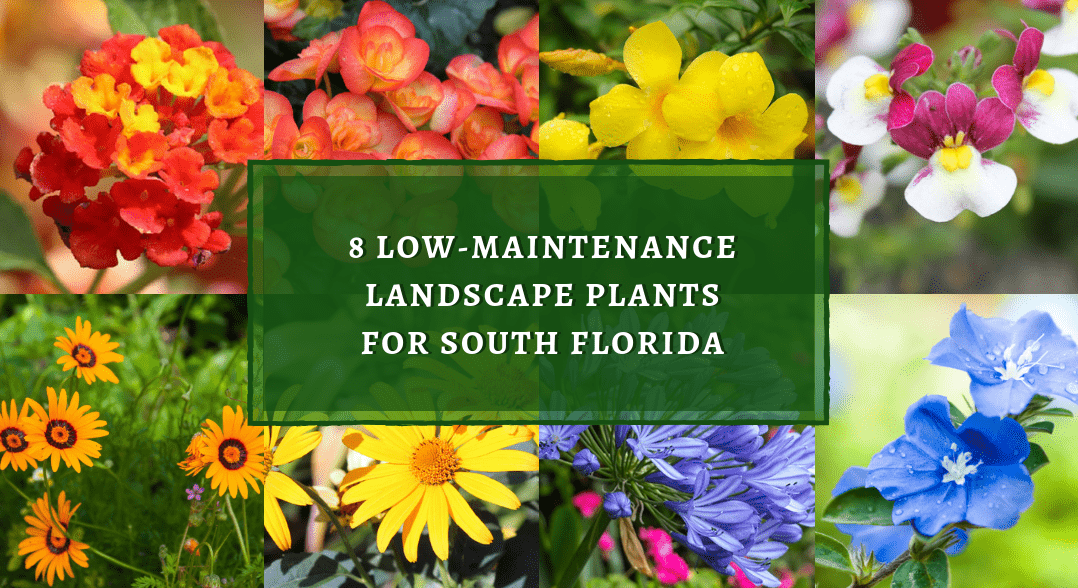
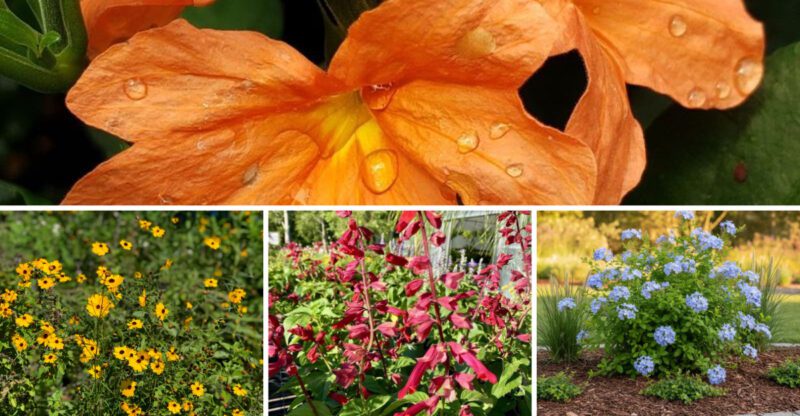
The best flowers for Florida heat and humidity include pentas, vinca, portulaca, lantana, firebush, blanket flower, angelonia, blue plumbago, and native coreopsis. Choose plants that match your sunlight, soil drainage, and local growing conditions for blooms that last through hot, humid weather.
Florida gardeners know the feeling of stepping into the yard on a July afternoon and finding the air as thick as a warm blanket. The sun beats down, afternoon storms roll in, and the soil may swing from dry to soaked within a few hours. Many flowers that thrive in cooler parts of the United States struggle under these conditions, but the right plants can keep a yard bright for much of the year.
The secret is to choose flowers that can handle more than heat alone. Florida gardens face high humidity, intense sunlight, heavy rain, sandy soil in many regions, and occasional cold snaps in the north. Some plants need full sun and sharp drainage, while others perform better in filtered shade. Matching a flower to its site often matters more than adding extra fertilizer or water.
This guide covers reliable annuals, perennials, native wildflowers, and flowering shrubs for Florida landscapes. It explains which plants suit sunny beds, partly shaded areas, containers, and coastal gardens, along with practical tips for watering, pruning, and preventing common problems. The goal is a colorful garden that works with Florida’s climate instead of fighting it.
What Makes a Flower Suitable for Florida’s Climate?
A Florida-friendly flower must cope with high temperatures, humid air, and periods of heavy rain. Heat tolerance alone is not enough. A plant may handle direct sun but develop root problems when water sits around its roots, or it may thrive in summer yet suffer during a cold winter in North Florida.
Humidity also changes how plants grow. Moist air can slow the drying of leaves and flowers, creating conditions that favor certain fungal and bacterial diseases. Good spacing, airflow, suitable watering, and healthy soil help plants stay in bloom without constant treatment.
Florida includes several growing environments. North Florida has colder winters than South Florida, inland gardens may face different heat and wind patterns than coastal yards, and sandy soils often drain faster than heavy or compacted soils. Use the plant’s mature size and growing requirements to guide your choice.
Source: gardentruth.com
Heat tolerance
Look for plants that continue growing and flowering during warm weather rather than those that prefer cool spring or fall conditions.
Moisture needs
Choose plants that match the site’s drainage. Heat-loving flowers can still suffer when their roots remain waterlogged.
Disease resistance through good growing conditions
Plants with suitable spacing, adequate airflow, and watering at the soil surface are less likely to develop problems linked to persistently wet foliage.
Winter hardiness
Check local cold tolerance. A plant that grows as a perennial in South Florida may act as an annual or suffer frost damage farther north.
Annuals, Perennials, and Flowering Shrubs
Annual flowers usually complete their life cycle in one growing season, although some may reseed. They are useful when you want quick color or enjoy changing your planting scheme each year. Vinca, angelonia, and many bedding varieties of zinnia are common options for warm-weather displays.
Perennials can return for several years when the climate and soil suit them. Pentas, blanket flower, and certain native wildflowers can provide recurring color, though some may slow down or become damaged during cold spells. Flowering shrubs such as firebush and blue plumbago add height and structure to a bed.
A mix of plant types often gives the best result. Annuals fill gaps, perennials provide repeat blooms, and shrubs create a lasting framework that needs less frequent replanting.
For quick color
Use warm-season annuals in containers, borders, and temporary displays.
For repeat blooms
Choose perennials suited to your region and give them room to reach their mature size.
For height and structure
Use flowering shrubs where space, mature spread, and local planting guidance allow.
15 Best Flowers for Florida Heat and Humidity
The best flowers for a Florida garden depend on the amount of sun, the way water moves through the soil, and the space available. The plants below offer a useful mix of low-growing flowers, upright bedding plants, native wildflowers, and flowering shrubs. None is immune to every pest, disease, storm, or cold snap, but each can suit particular Florida growing conditions.
Source: gardentruth.com
1. Pentas
Pentas produce clusters of star-shaped flowers in shades of pink, red, white, and lavender. They attract butterflies and other pollinators and can bloom for long periods in warm weather. Plant them in sun or light afternoon shade, depending on local conditions, and use soil that drains well. Water new plants regularly while their roots establish. In very hot locations, a little afternoon shade may help reduce stress.
2. Angelonia
Often called summer snapdragon, angelonia produces upright flower spikes in purple, pink, white, and related shades. It is a strong option for sunny borders and containers because it tolerates heat and can keep flowering through warm weather. Give it well-drained soil and enough space for air to move between plants. Avoid keeping the root zone saturated, especially during the rainy season.
3. Vinca
Annual vinca, also called Madagascar periwinkle, is known for handling hot weather and producing flowers in pink, white, red, and purple. It is useful for sunny beds and pots where many cool-season flowers fade. Drainage is especially important because wet roots can lead to serious disease problems. Water at the base of the plant and avoid planting in low spots where rainwater collects.
4. Portulaca
Portulaca, commonly called moss rose, is a low-growing plant with bright flowers and succulent leaves. It suits hot, sunny spots, rock gardens, raised containers, and areas where soil dries quickly. Its fleshy leaves store water, so it generally needs less frequent watering once established than many bedding flowers. Use a free-draining growing mix and avoid placing it where water pools after a storm.
5. Lantana
Lantana bears clusters of small flowers in combinations of yellow, orange, pink, red, and white. Many forms tolerate heat and dry spells once established, making them useful in sunny landscapes. However, lantana species and cultivars differ in growth habit and environmental impact. Some lantanas can become invasive in Florida, so choose noninvasive selections recommended for your area and follow local guidance. Keep the plant away from places where children or pets may eat its berries or foliage.
6. Firebush
Firebush is a Florida-friendly flowering shrub with tubular orange-red flowers that attract hummingbirds and butterflies. It works well as a background plant, informal hedge, or wildlife planting where there is enough room for its mature size. The native Florida firebush is particularly useful in suitable warm regions, but it may suffer frost damage in colder parts of the state. Check the identity of the plant before buying because similar plants sold under related names may have different growth habits.
7. Blue Plumbago
Blue plumbago produces soft blue flower clusters that stand out against green foliage. It can grow into a broad shrub, so give it space rather than treating it as a tiny border plant. It performs well in warm climates and can flower over a long season when conditions are favorable. Plant it in a sunny or lightly shaded location with good drainage, and prune as needed to keep its spread within bounds.
8. Blanket Flower
Blanket flower, including Florida’s native beach blanket flower, offers daisy-like blooms in warm red, orange, and yellow tones. It suits sunny sites with sandy, well-drained soil and can handle dry conditions once established. It is a useful option for coastal-style gardens and pollinator beds. Avoid rich, constantly wet soil, which can reduce plant health and shorten its useful life.
9. Coreopsis
Coreopsis, often called tickseed, includes several species native to Florida. Many produce bright yellow flowers and work well in sunny beds, naturalistic plantings, and pollinator gardens. Species differ in their water needs and preferred soil, so choose one suitable for your site instead of assuming every coreopsis grows the same way. Native species can also support local wildlife when planted in appropriate conditions.
10. Gaillardia Pulchella
Gaillardia pulchella, known as Indian blanket, is a colorful Florida native with red, orange, and yellow flower patterns. It can thrive in sunny, sandy areas and is useful for naturalistic gardens. Good drainage helps it cope with summer rain. Allowing some flowers to set seed may encourage new plants, although seedlings may appear in places you did not plan.
11. Zinnia
Zinnias provide large or small flowers in a wide range of colors and are easy to grow from seed in warm weather. They work well in cutting gardens, raised beds, and mixed borders. Select varieties suited to your space, and give plants enough room for airflow. In Florida’s humid conditions, crowded zinnias and wet foliage can develop powdery mildew or leaf spots, so avoid overhead watering late in the day.
12. Celosia
Celosia has unusual flower heads that may resemble plumes, flames, or rounded crests. It adds strong color to sunny beds and containers and generally prefers warm conditions. Provide drainage and avoid overwatering when the soil is already damp. Some varieties remain compact, while others grow taller, so check the plant label before placing them at the front or back of a border.
13. Pentas-Style Pollinator Mixes With Salvia
Salvia includes many flowering species and cultivars, some of which handle Florida’s heat well. Their upright flower spikes can add blue, purple, red, or pink tones and attract pollinators. Since salvia varieties differ widely in water needs and cold tolerance, choose a type suited to your region and soil. Plant it where airflow is good and avoid keeping the roots continually wet.
14. Blue Daze
Blue daze is a low-growing plant with blue, funnel-shaped flowers and a spreading habit. It can serve as a groundcover or spill over the edge of a container in warm areas. It prefers sun to light shade and well-drained soil. Although established plants can handle warm weather, prolonged saturation can damage the roots, so do not plant it in a soggy bed.
15. Tropical Hibiscus
Tropical hibiscus produces large, showy flowers that bring a tropical look to patios and sunny gardens. It performs best in warm conditions and can bloom repeatedly with enough light, moisture, and nutrients. Hibiscus often needs more regular watering than drought-tolerant flowers, especially in pots. Protect it from cold weather in northern areas, and check leaves and buds for pests such as aphids and hibiscus bud-feeding insects.
Which Flowers Are Best for the Hottest, Driest Spots?
For a hot area beside a driveway, a sunny rock garden, or a raised bed that dries quickly, start with portulaca, blanket flower, gaillardia, and suitable lantana varieties. These plants can cope with strong sun when their roots have the right conditions. They still need water during establishment and may require extra attention during prolonged drought.
Avoid assuming that every heat-tolerant plant prefers dry soil all the time. A young plant with a small root system can dry out quickly, even if the mature plant is drought tolerant. Check the soil a short distance below the surface before watering instead of relying only on the look of the top layer.
Best low-growing option
Portulaca is a useful choice for hot, open spaces with excellent drainage.
Best native wildflower options
Blanket flower and Indian blanket can suit sunny, sandy locations.
Which Flowers Are Better for a Colorful Mixed Border?
Pentas, angelonia, zinnia, celosia, and tropical hibiscus provide varied heights, flower shapes, and colors. Combine compact plants at the front with taller plants behind them, allowing enough room for mature growth. For a softer look, add blue plumbago or firebush where the bed has enough space.
If the border receives intense afternoon sun, observe how quickly the soil dries and whether nearby walls reflect extra heat. A site that receives morning sun and afternoon shade may support a broader range of plants than a location exposed to direct sun all day.
For compact color
Use pentas, celosia, and suitably sized zinnias.
For height
Place firebush, plumbago, or tall angelonia where their mature size will not block paths or windows.
Best Flowers for Florida Sun, Shade, and Containers
Match the flower to the light it receives over the course of a day. A plant labeled for full sun may struggle in deep shade, while a plant that prefers partial shade may scorch in a hot spot beside a paved surface. Florida’s strong sun can also be more intense in a container because roots warm up faster than they do in the ground.
Source: plantprofessionals.com
For full sun
Try portulaca, angelonia, vinca, blanket flower, Indian blanket, zinnia, and suitable lantana. These plants need appropriate drainage and regular checks during very hot or dry spells.
For morning sun and afternoon shade
Pentas, tropical hibiscus, and some salvias may perform well when they receive enough light without prolonged afternoon exposure. Check the requirements of the exact variety.
For containers
Use portulaca for a drier container, or try pentas, angelonia, celosia, and hibiscus where you can provide more consistent moisture. Containers need drainage holes and may require more frequent watering than in-ground beds.
For wildlife gardens
Consider native coreopsis, Indian blanket, suitable native blanket flower, and native firebush. Choose species suited to the region and site to support local pollinators without creating unwanted spread.
A Simple Flower Selection Table
Use this table as a starting point, then check the plant label or a Florida-specific gardening resource for the exact species or cultivar. Sun exposure, drainage, and winter temperatures can change the best choice for a particular yard.
Hot, dry, sunny bed
Portulaca, Indian blanket, and suitable blanket flower; drainage is the key requirement.
Sunny bed with regular watering
Angelonia, pentas, vinca, and zinnia; allow space for airflow.
Flowering shrub bed
Firebush or blue plumbago; confirm mature size and local cold tolerance.
Patio containers
Pentas, celosia, portulaca, or tropical hibiscus; choose the mix according to watering needs.
Native pollinator planting
Coreopsis, Indian blanket, and appropriate native blanket flower; match the species to local soil and moisture.
How to Plant Flowers That Can Handle Florida Summers
The best way to establish heat-tolerant flowers is to prepare the site before planting. Good roots help a plant find water, resist short dry spells, and recover after hot afternoons. Start with soil drainage, choose healthy plants, and water carefully during the first few weeks.
Source: wildrootsgarden.com
Step 1: Check sunlight
Watch the planting area through the day. Record whether it receives morning sun, afternoon sun, filtered light, or deep shade. Use that pattern to narrow your plant choices.
Step 2: Check drainage
After rain or irrigation, see how long the area stays wet. If water pools for long periods, choose a better-drained location, correct the drainage problem where practical, or use a suitable raised bed or container.
Step 3: Prepare the planting area
Remove weeds and loosen the soil without damaging nearby roots. Add organic matter when it suits the soil and planting plan, but do not create an isolated pocket of rich material that holds too much water compared with the surrounding soil.
Step 4: Plant at the correct depth
Set each plant at about the same depth it grew in its nursery pot. Firm the surrounding soil gently so the root ball makes contact with the soil without being packed too tightly.
Step 5: Water thoroughly
Water after planting to settle the soil around the roots. During establishment, check moisture often and water when needed. Adjust for rainfall, soil type, plant size, and temperature rather than following a rigid daily schedule.
Step 6: Add mulch where suitable
Apply a modest layer of organic mulch to help limit evaporation and reduce weeds. Keep mulch away from plant stems and crowns, and avoid thick layers that trap excess moisture against the plant.
When Is the Best Time to Plant?
Spring is often a convenient time to plant warm-season flowers in much of Florida, after the risk of damaging cold has passed in the local area. In South Florida, planting windows differ because winters are milder and summer rain patterns can affect establishment. Local conditions matter more than a single statewide calendar date.
Avoid planting delicate nursery plants during the hottest part of an extreme heat wave if you can wait for milder weather. If you must plant during hot weather, work in the cooler part of the day, water the root ball well, and monitor moisture closely. Newly planted flowers need time to establish roots before they can handle heat and dry spells on their own.
North Florida
Watch for late cold snaps and plant tender warm-season flowers when local conditions are suitable.
Central Florida
Use spring planting for many warm-season flowers and plan for hot, rainy summer weather.
South Florida
Consider both tropical heat and the local rainy season when selecting planting dates and managing moisture.
Watering Flowers in Florida’s Heat and Humidity
Water based on soil moisture, rainfall, and root development instead of watering every plant on the same schedule. Sandy soil can drain rapidly, while compacted soil or low-lying beds may stay wet much longer. A brief afternoon shower may wet the foliage without soaking the full root zone.
New plants need closer attention than established plants. Check moisture near the root ball because the surrounding soil can feel damp while the original potting mix has dried out, or the reverse can happen. Water slowly enough for the moisture to reach the roots, then allow the soil to drain.
For established plants, deep watering when needed is usually more useful than frequent, shallow sprinkling. The exact amount and interval depend on the plant, soil, rainfall, container size, and weather. During Florida’s rainy season, skip irrigation when the soil is already adequately moist.
Source: a-z-animals.com
Water early in the day
Morning watering gives plants access to moisture before peak heat and helps limit the time foliage stays wet overnight.
Water the root zone
Direct water toward the soil rather than routinely wetting leaves and flowers. This can help reduce some disease risks in humid weather.
Check container plants daily during hot spells
Small pots may dry quickly in direct sun and wind. Check the soil rather than assuming every container needs water each day.
Do not waterlogged roots
Yellow leaves and wilting can occur when roots lack oxygen in saturated soil. Check drainage before adding more water.
How to Tell Whether a Flower Needs Water
Check the soil with a finger or small trowel near the root zone. If it is dry at the depth where the roots are growing, water thoroughly and recheck later. If it is still damp or soggy, wait and inspect the drainage before adding more water.
Wilting is a clue, not a complete diagnosis. Plants can droop when they are too dry, but roots damaged by excess moisture may also fail to supply water to the leaves. If the soil is wet and the plant remains wilted, inspect drainage and roots instead of automatically increasing irrigation.
Dry soil and drooping leaves
Water the root zone and check whether the plant recovers as the soil moisture improves.
Wet soil and persistent wilting
Check for poor drainage, damaged roots, and signs of disease before watering again.
Brown leaf edges during extreme heat
Check moisture, reflected heat, wind exposure, and salt buildup in containers before deciding that the plant needs fertilizer.
How to Keep Flowers Blooming Through Summer
Healthy roots, sensible watering, and timely maintenance do more for summer flowers than frequent feeding. Plants under heat stress may slow their growth or shed some flowers even when they are well suited to warm climates. Focus on steady care rather than forcing constant growth during the hottest weather.
Source: i.pinimg.com
Remove faded blooms when useful
Deadheading removes spent flowers and may encourage more blooms on plants that respond to it. It is optional for many plants and is not needed when you want native wildflowers to set seed.
Prune with care
Trim damaged or dead growth with clean tools. Avoid severe pruning during extreme heat unless necessary, and check the plant’s flowering habit before cutting back stems.
Feed according to need
Use a fertilizer suitable for the plant and follow its label. Too much nitrogen can produce leafy growth at the expense of flowers, while fertilizer applied to stressed or dry roots can cause damage.
Maintain airflow
Space plants according to their mature size. Remove fallen diseased leaves and avoid dense planting that keeps foliage damp for long periods.
Check plants regularly
Look under leaves and around new growth for aphids, whiteflies, mites, and other pests. Early checks can help you address a problem before it spreads.
Should You Fertilize Flowers During a Heat Wave?
Avoid trying to fix heat stress with extra fertilizer. High temperatures can slow growth, and dry or damaged roots may be more vulnerable to fertilizer salts. First check soil moisture, drainage, and sunlight exposure.
If a plant needs feeding, use a product appropriate for that plant and follow the label directions. Apply it only when conditions and plant health make feeding suitable. A soil test can help identify nutrient needs when plants repeatedly grow poorly despite good watering and light.
Signs fertilizer may not be the answer
Wilting in wet soil, scorched leaf edges, sudden leaf drop, or damage that appears during extreme heat may point to moisture, root, weather, or pest issues.
When feeding can help
A suitable fertilizer may support active growth when nutrients are lacking, provided the roots are healthy and the product is applied as directed.
Common Problems With Flowers in Hot, Humid Weather
When a flower begins to wilt, turn yellow, or stop blooming, check the growing conditions before reaching for a treatment. Heat, excess water, poor drainage, nutrient problems, and pests can produce similar symptoms. Changing several things at once makes it harder to identify the cause.
Source: fastfoodclub.com
Wilting in the afternoon
Temporary midday drooping may occur during extreme heat, especially in containers. Check the soil and see whether the plant recovers when temperatures fall. If it remains wilted and the soil is dry, water the root zone.
Yellow leaves
Yellowing may result from excess water, poor drainage, nutrient problems, pests, or normal aging. Inspect the pattern and check soil moisture before adding fertilizer.
Few or no flowers
Insufficient sunlight, excess nitrogen, inconsistent moisture, pruning at the wrong time, or seasonal stress may reduce blooms. Review the plant’s light needs and recent care.
Spots on leaves
Leaf spots can result from several diseases or environmental injuries. Remove badly affected fallen leaves, improve airflow, and avoid splashing water onto foliage. Seek a reliable diagnosis before using a pesticide or fungicide.
Root rot or stem collapse
Soggy soil and poor drainage can damage roots and crowns. Reduce unnecessary irrigation, correct the drainage problem where possible, and replace severely affected plants if recovery is unlikely.
How to Reduce Disease Risk Without Overusing Sprays
Start with good cultural care. Give plants the right amount of space, water at the soil surface, remove dead or diseased plant debris, and avoid working with wet plants when it could spread disease. These steps help reduce conditions that favor many common garden problems.
If symptoms continue, identify the likely cause before choosing a treatment. Fungal diseases, bacterial diseases, insects, and weather damage need different responses. A local county Extension office can help with plant identification and diagnosis, particularly when a valuable shrub or a large planting is affected.
Avoid routine pesticide use without a diagnosis
A spray that does not target the actual problem may waste money and harm beneficial insects.
Follow every product label
If a pesticide or fungicide is necessary, use only a product labeled for the plant and problem, and follow all directions and precautions.
Florida-Friendly Choices for Wildlife and Sustainable Gardens
A flower garden can do more than add color. Suitable flowering plants can provide nectar, pollen, seeds, and shelter for wildlife. Native species are often valuable because they have developed in local ecosystems, although the best choice still depends on the exact species and growing site.
Coreopsis, Indian blanket, suitable native blanket flowers, and native firebush can support pollinators when planted where they thrive. Combine several flowering species with different bloom periods to provide a longer season of food. Avoid assuming that any plant marketed as tropical or heat tolerant is automatically native or environmentally suitable.
Water-wise planting can also reduce maintenance. Once established, plants suited to the site’s soil and rainfall may need less irrigation than flowers that require constant moisture. Group plants with similar needs together so you can water each part of the garden appropriately.
Source: gardentruth.com
Choose plants suited to the local ecosystem
Check the scientific name and local recommendations when selecting native plants. Common names can refer to several different species.
Avoid invasive selections
Check current Florida guidance before planting lantana or any other species known to have invasive forms. Do not spread plants beyond the garden or dump yard waste in natural areas.
Use fewer unnecessary chemicals
Encourage beneficial insects by maintaining plant diversity and treating pests only when needed. Follow label instructions if a treatment becomes necessary.
Plan for mature size
Allow enough space for shrubs and spreading perennials. Proper spacing reduces crowding and the need for repeated heavy pruning.
Are Native Flowers Always Easier to Grow?
Native flowers can be excellent choices because many are adapted to local soils, seasonal rainfall, and regional wildlife. However, native status does not mean a plant will thrive in every yard. A species adapted to dry, open sand may struggle in a shaded, waterlogged bed.
Check the needs of the exact species and buy from a reputable nursery that can identify the plant accurately. If your goal is to support local pollinators, use a mix of suitable native flowers rather than relying on a single species.
For sandy, sunny areas
Consider suitable native coreopsis and Indian blanket species.
For a flowering shrub
Consider native firebush where the local climate and available space suit its growth.
Regional Tips for North, Central, and South Florida
Florida’s climate changes from north to south, so a planting plan should account for winter cold as well as summer heat. A plant that remains evergreen in Miami may lose foliage or suffer damage after a freeze in the Panhandle. Local rainfall, coastal exposure, and soil conditions also influence success.
Source: bloomingexpert.com
North Florida
Choose flowers with suitable cold tolerance and wait until the local risk of frost has passed before planting tender warm-season varieties. Coreopsis, blanket flower, and annual bedding flowers may be useful depending on species, site, and season. Protect tender tropical plants when freezing weather threatens.
Central Florida
Use a mix of heat-tolerant annuals, perennials, and flowering shrubs. Plan for summer storms and periods of intense heat, and make sure low beds do not stay saturated after rain.
South Florida
Warm conditions allow many tropical and subtropical plants to grow for longer periods, but humidity and seasonal downpours make drainage essential. Check local guidance before planting species that can spread aggressively, especially near natural areas.
Coastal gardens
Salt spray, wind, and sandy soil may affect plant choice. Look for plants suited to the specific exposure and avoid assuming that general heat tolerance also means salt tolerance.
What About Flowers Near the Beach?
Coastal gardens face extra challenges, including salt spray, wind, and fast-draining sand. Blanket flower and portulaca can suit some sunny, sandy sites, but tolerance varies by species and exposure. Plants in highly exposed areas may need shelter while they establish.
If your yard is close to the ocean, check whether the selected plant is known to tolerate salt and wind. A small trial planting can help reveal how a species performs before you fill a large bed. Avoid planting a species in a vulnerable coastal area simply because it grows well elsewhere in Florida.
For exposed sunny areas
Look for suitable plants adapted to sandy soil and strong sun, while confirming their tolerance for salt and wind.
For sheltered patios
Containers can offer more control over soil and watering, but they may need frequent checks during hot, windy weather.
Common Mistakes to Avoid When Growing Florida Flowers
Many garden problems begin with a reasonable idea applied in the wrong conditions. More water, more fertilizer, or more sun does not always mean more flowers. A plant that matches the site usually needs less correction than one forced to grow in an unsuitable location.
Source: i.pinimg.com
Planting too closely
Small nursery plants may look far apart at first, but many grow quickly in warm weather. Follow mature spacing guidance to limit crowding and improve airflow.
Watering on a fixed schedule
Rainfall can make a regular watering routine unnecessary or harmful. Check the soil and adjust irrigation to current conditions.
Ignoring drainage
Heat-tolerant flowers can still develop root problems in saturated soil. Correct the site or choose a plant that suits the available moisture.
Using too much fertilizer
Excess nutrients can cause weak, leafy growth and may damage roots. Follow product directions and consider a soil test when poor growth continues.
Choosing plants by flower color alone
A beautiful plant may not suit the available light, soil, or winter temperature. Check the full growing requirements before buying.
Treating every wilted plant with water
Wilting can result from both dry soil and damaged roots in wet soil. Check moisture and drainage first.
Assuming all tropical plants tolerate frost
Many tropical flowers suffer when temperatures drop. Check regional cold tolerance and prepare tender plants when a freeze is forecast.
A Quick Checklist Before You Buy
A short check at the nursery can save time and money later. Read the plant label, confirm the mature size, and compare its sunlight and water needs with your garden. If the name is unclear or the plant’s growth habit seems unusual, ask the nursery for its scientific name.
Light
Does the plant need full sun, partial shade, or protection from hot afternoon rays?
Water and drainage
Can the site provide the moisture the plant needs without keeping its roots saturated?
Size
Will the mature plant fit without crowding paths, windows, neighboring plants, or utility access?
Local suitability
Is the plant appropriate for your part of Florida, and is the selected variety noninvasive?
Frequently Asked Questions
Q
What flowers bloom all summer in Florida?
Pentas, angelonia, vinca, portulaca, and suitable lantana varieties can provide long periods of color during Florida’s warm months. Tropical hibiscus can also flower repeatedly when it receives suitable light, water, and care. Blooming depends on the variety, location, weather, and plant health, so no flower is guaranteed to bloom without interruption.
Q
What are the easiest flowers to grow in Florida heat?
Portulaca is a useful choice for sunny, well-drained sites, while vinca and angelonia can suit warm beds with appropriate drainage and moisture. Pentas is another practical option for gardeners who want clusters of flowers that attract pollinators. Choose based on your site’s sun exposure and soil rather than treating any flower as maintenance-free.
Q
Which flowers tolerate both heat and heavy rain?
Pentas, angelonia, and some other warm-season bedding plants can perform well in Florida when the soil drains properly. However, tolerating hot weather does not mean tolerating flooded roots. For areas that stay wet after storms, improve drainage or select plants suited to the site’s actual moisture conditions.
Q
Can I grow flowers in Florida without full sun?
Yes. Some flowers, including pentas and certain salvias, can grow in partial shade, although bloom levels depend on the variety and amount of light. Tropical hibiscus may also benefit from protection from harsh afternoon sun in some locations. For deep shade, look for plants specifically suited to low light rather than expecting sun-loving flowers to bloom well.
Q
How often should I water flowers in Florida during summer?
There is no single schedule that works for every garden. Check the root-zone moisture, account for rainfall, and water when the soil and plant need it. New plants and containers often need closer checks than established in-ground plants, while poorly drained beds may need less irrigation. Water the soil rather than routinely soaking foliage.
Q
Are native Florida flowers better than tropical flowers?
Native flowers can support local wildlife and may suit regional conditions well, but they still need the right soil, light, and moisture. Tropical flowers can provide strong color in suitable warm locations but may need more water or cold protection. A mix of appropriate native plants and well-suited ornamentals can work well when each plant fits the site.
Q
Which flowers can grow in Florida pots and hanging containers?
Portulaca, pentas, angelonia, and some compact celosia varieties can work well in containers. Tropical hibiscus is another option for a larger pot if you can provide enough water and light. Use containers with drainage holes, select a suitable potting mix, and check moisture often during hot, windy weather.
✦ Wrapping Up
Conclusion
The best flowers for Florida heat and humidity are the ones that fit the conditions in your own yard. Pentas, angelonia, vinca, portulaca, lantana, firebush, blue plumbago, blanket flower, and coreopsis offer a range of colors, sizes, and growing habits. Each has its own needs, and the right choice depends on sun exposure, drainage, available space, and winter temperatures.
Start with a few plants that suit your garden instead of filling every bed at once. Prepare the soil, give plants enough room, water according to root-zone moisture, and watch for signs of stress after storms or heat waves. Once you know which flowers thrive in your yard, you can expand the planting with greater confidence and less wasted effort.
💡 Key Takeaway
Choose three flowers that match your sunlight and drainage, confirm their suitability for your Florida region, and plant them in a small test bed. Monitor soil moisture and plant health for several weeks before expanding your garden.
I enjoy sharing simple gardening ideas, lawn care tips, and honest product reviews that help make outdoor work easier. From home gardening guides to helpful tools and lawn care advice, I write easy-to-follow content to help readers create a healthier and better-looking outdoor space without wasting time or money.