As an Amazon Associate, I earn from qualifying purchases.
The best way to improve garden soil over the winter is to add mature compost, protect bare ground with mulch or cover crops, keep soil from becoming compacted, and correct nutrient or pH problems based on a soil test. These steps let rain, roots, soil organisms, and natural weather cycles help prepare the ground for spring planting.
Across the United States, fall brings different challenges to home gardens. A gardener in Minnesota may face frozen ground for months, while someone in Georgia may have time to grow winter cover crops. In much of California, winter rain can wash bare soil away, and gardeners in the Pacific Northwest often deal with wet, heavy ground. Your local climate determines which soil improvements will work best.
You do not need to dig up the whole garden or buy a long list of soil products. A layer of finished compost, a suitable cover crop, or a protective mulch can make a real difference when matched to your soil and weather. The goal is to protect the soil, feed its living community, improve its structure, and fix problems that could limit plant growth next season.
Winter is also a good time to step back and assess your garden. Notice where water pools, where the soil dries into hard clods, and where plants struggled during the growing season. A simple soil test can help you decide whether your garden needs more organic matter, a change in pH, or a specific nutrient rather than guesswork.
Winter gives gardeners a chance to improve the ground before the next growing season. While many plants rest or grow slowly, soil organisms continue working whenever conditions are suitable. Mild weather, moisture, and available organic matter can support this activity, even though cold temperatures slow it down.
Soil is more than dirt that holds plant roots. It contains mineral particles, air spaces, water, organic matter, microbes, fungi, worms, and other small organisms. Healthy soil gives roots room to grow, stores water, allows excess water to drain, and supplies nutrients as plants need them.
Adding organic matter and protecting the soil surface can support these functions over time. However, winter does not make every treatment work faster. Frozen ground limits biological activity, saturated ground is easily damaged, and some amendments need time or favorable conditions to change the soil.
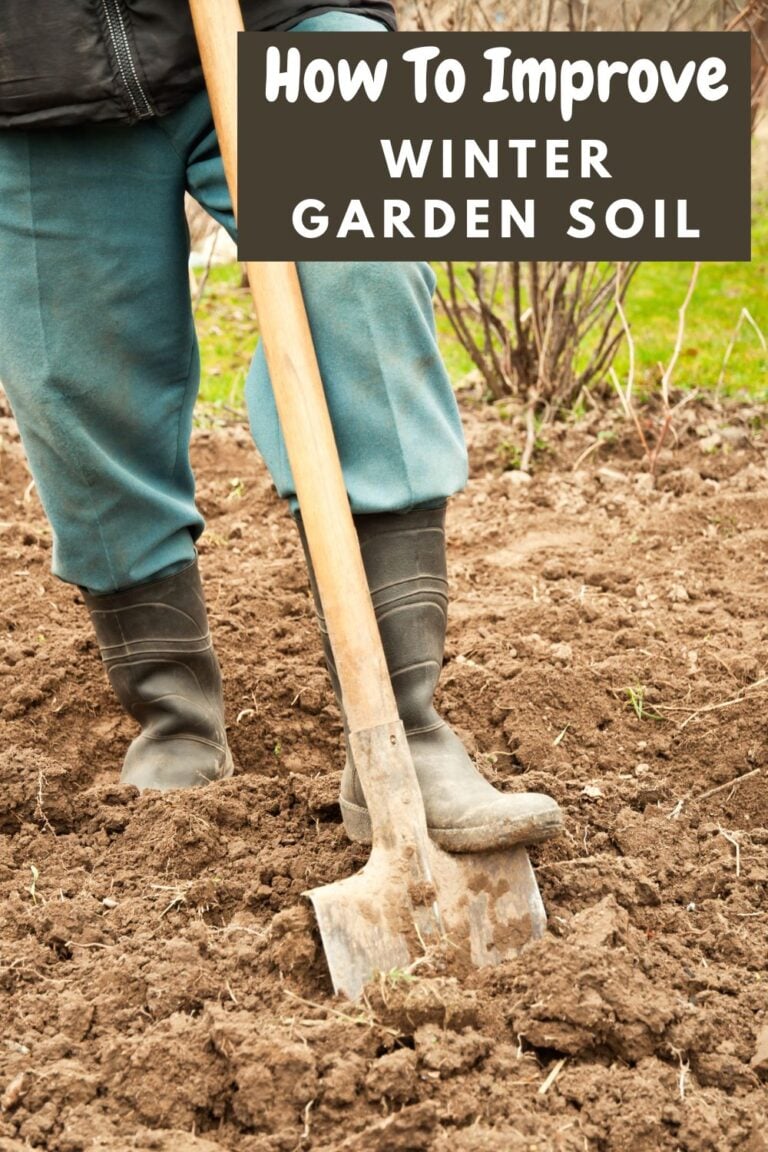
Source: gardenprofy.com
Better soil structure
Organic matter helps soil particles form stable aggregates. This can improve airflow, root growth, water movement, and the soil’s ability to hold moisture.
Less erosion
Mulch and cover crops protect the surface from pounding rain and runoff that can carry away valuable topsoil.
More active soil life
Compost supplies organic material that soil organisms can break down when temperatures and moisture levels allow.
Fewer spring delays
Preparing beds in advance can reduce the amount of digging and amendment work needed when planting time arrives.
What Winter Can and Cannot Fix
Winter soil care can help protect the surface, add organic matter, reduce erosion, and support gradual improvements in soil structure. It can also give certain cover crops time to establish roots and capture nutrients. These benefits depend on climate, plant growth, and the amount of time available.
Winter alone will not reliably fix severe drainage problems, compacted subsoil, a major pH imbalance, or contamination. Those problems may need a targeted plan, careful site assessment, or professional advice. Think of winter as a useful maintenance period rather than a cure for every soil issue.
Can improve gradually
Organic matter levels, surface protection, and soil structure can improve with suitable care over multiple seasons.
Needs a separate solution
Standing water, buried construction debris, suspected contamination, and severe compaction may require investigation beyond routine composting.
Start With a Soil Test Before Adding Amendments
A soil test is one of the most useful first steps because it helps you decide what your garden actually needs. Soil that looks poor may have low organic matter, unsuitable pH, a nutrient imbalance, or a physical problem. Each issue calls for a different response, so adding products without testing can waste money or make conditions worse.
Home gardeners in the United States can often obtain soil testing through a state university cooperative extension service or an affiliated soil testing laboratory. Follow the laboratory’s instructions for sampling, since sample depth, collection points, and preparation can vary by garden type. A sample from one small area may not represent an entire yard.
For a typical vegetable bed, collect small samples from several spots within the same growing area and combine them in a clean container if the laboratory recommends this method. Keep separate areas separate when their soil, use, or plant performance differs. Avoid sampling directly from compost piles, fertilizer bands, or unusual patches unless you are investigating those specific locations.
Source: tomatodirt.com
Check soil pH
Soil pH affects how readily plants can access nutrients. Many common vegetables grow well in slightly acidic soil, but the ideal range varies by crop.
Review nutrient levels
A test can indicate whether phosphorus, potassium, or other measured nutrients are low, adequate, or excessive.
Ask about organic matter
Some laboratories measure organic matter or offer recommendations that help you judge whether additional compost may be useful.
Follow the report
Use the laboratory’s recommendations for amendment type, application rate, and timing instead of guessing.
Should You Add Lime or Sulfur in Winter?
Lime can raise soil pH, while elemental sulfur can lower it under suitable conditions. Neither should be applied automatically each fall. The correct amount depends on current pH, soil properties, the crop you plan to grow, and the laboratory’s recommendation.
Some pH changes take months, and sulfur needs microbial activity to work. In cold regions, the process may slow greatly during winter. Apply amendments only when the test supports their use and the soil and weather permit proper application.
If pH is too low
Use the recommended lime product and rate when the target crop would benefit from a higher pH.
If pH is too high
Follow a soil-specific recommendation for lowering pH. Do not assume that adding large amounts of organic matter will quickly solve the problem.
Add Mature Compost to Feed and Build the Soil
Finished compost is one of the most practical ways to improve many garden soils over winter. It adds organic matter, supports soil organisms, and can help sandy soil retain water while improving the structure of many clay-rich soils. Its benefits develop over time, so regular moderate additions are often more useful than one large application.
Use compost that has finished decomposing. Mature compost usually has an earthy smell and a crumbly texture, with few recognizable food scraps or fresh plant materials. Fresh manure, unfinished compost, and some organic waste can contain excessive nutrients, unstable compounds, weed seeds, or pathogens, so they are not interchangeable with finished compost.
Spread a thin, even layer across the bed when the ground is workable. A layer around 1 to 2 inches is a common home-garden starting point, but the appropriate amount depends on existing organic matter, the compost’s nutrient content, and the soil test. You can leave it on the surface for soil organisms to incorporate gradually or mix it into the upper soil when the ground is dry enough to handle without smearing or compacting.
Source: thebackyardpros.com
Choose a suitable source
Use mature, clean compost from a reliable source. For purchased compost, review the label and any available information about ingredients and quality.
Keep the layer moderate
A thin layer is generally easier to manage than a deep blanket of compost. Avoid burying crowns, trunks, or plant stems.
Work with soil conditions
Do not dig compost into frozen, saturated, or sticky soil. Surface application is often a better option when conditions are poor.
Track repeated additions
Record what you add each year. Compost can contribute nutrients, and repeated heavy applications may cause phosphorus or salt levels to rise.
Can You Use Homemade Compost?
Yes, if it is mature and made from suitable materials. Homemade compost can include leaves, vegetable scraps, grass clippings, and other plant materials managed in a balanced pile. The pile needs suitable moisture and airflow, and effective hot composting requires appropriate temperature management.
Do not assume every compost pile has reached a temperature that destroys weed seeds or plant pathogens. If the material still smells sour, feels slimy, or contains many recognizable scraps, let it continue decomposing before using it around sensitive plants. Keep diseased plant material and persistent weeds out unless your composting process can manage them safely.
Use finished material
Let immature compost continue to break down rather than placing it directly around new seedlings.
Avoid questionable feedstocks
Do not use compost made from materials that may contain persistent herbicide residues or other contaminants.
Protect Bare Beds With Mulch
Mulch shields the soil surface from wind, rain, temperature swings, and erosion. It can also reduce weed growth and help conserve moisture. In many home gardens, a layer of clean leaves or straw is a simple winter treatment that requires little equipment.
Shredded leaves are especially useful because they break down over time and return organic matter to the soil. Straw can provide a loose protective cover, particularly in vegetable beds, but make sure it is straw rather than hay if you want to reduce the risk of introducing weed seeds. Pine needles can also work in suitable beds, and they do not automatically make the soil strongly acidic.
Apply enough material to cover exposed ground without forming a dense, waterlogged mat. Shredded leaves often settle as they decompose, while whole leaves can pack together and block airflow. If heavy rain is common in your region, check the mulch after storms to make sure it has not washed into paths or drains.
Source: sublimegardens.co.uk
Use clean fall leaves
Shred leaves when practical so they are less likely to form a thick, compact layer.
Choose straw carefully
Use clean straw from a source you trust and avoid material treated with persistent herbicides.
Leave plant crowns clear
Keep mulch away from the bases of woody plants and avoid burying the crowns of perennials that are vulnerable to rot.
Adjust for wet climates
Use a loose layer and inspect it regularly in regions with prolonged rain or mild, damp winters.
Should You Mulch Before the Ground Freezes?
In cold regions, applying mulch after the soil has cooled can help moderate temperature changes and reduce repeated freezing and thawing. The exact timing depends on local weather, soil conditions, and the plants in the bed. Applying mulch too early to warm soil can delay cooling, which may affect some perennials.
In warmer parts of the United States, mulch may be useful throughout winter to limit erosion and moisture loss. In wet areas, avoid piling it deeply on already saturated ground. The purpose is to protect the soil, not to trap excess moisture against plant stems.
Cold-winter gardens
Apply suitable mulch after the soil has cooled, using local extension guidance for sensitive perennial plants.
Mild-winter gardens
Maintain surface cover as needed to reduce erosion and suppress winter weeds without creating soggy conditions.
Grow Cover Crops to Improve Soil Naturally
Cover crops are plants grown mainly to protect and improve the soil rather than to provide a harvest. Their roots help hold soil in place, and their leaves shield the surface. Some cover crops capture leftover nutrients, while legumes can add nitrogen through a partnership with beneficial bacteria when the right conditions are present.
The best cover crop depends on your climate, planting date, and the time available before spring vegetables go into the bed. Winter rye, cereal rye, and certain clovers may suit some regions, while oats, field peas, or other species may be useful in different planting windows. Check local planting guidance before choosing a seed, because a crop that works well in one state may fail in another.
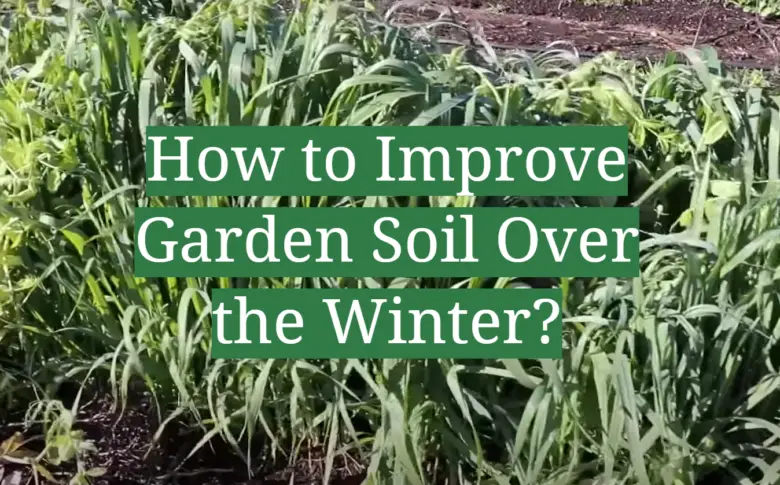
In colder areas, winter rye can establish in fall and survive harsh conditions. In milder regions, some clovers or other cool-season crops may continue growing through winter. The crop must have enough time to germinate and establish before hard freezes or drought slow its growth.
Source: artofit.org
Protect the surface
Living roots and plant cover reduce soil loss from runoff and help keep exposed ground from washing away.
Capture leftover nutrients
Growing cover crops can take up nutrients that might otherwise leach out of the root zone during wet weather.
Support soil structure
Roots create channels and help bind soil particles, while plant residues add organic matter as they break down.
Plan termination early
Choose a method and date for cutting, mowing, or otherwise ending cover crop growth before it competes with spring vegetables.
Which Winter Cover Crop Should You Choose?
Winter rye is a common option where strong winter survival and soil cover are priorities. It can produce substantial growth, but that growth may be difficult to manage if termination is delayed. Some clovers can add nitrogen under suitable conditions, although establishment time, local climate, and seed inoculation requirements may affect results.
Oats may work as a fall cover crop in areas where winter cold kills the plants, leaving residue that protects the soil. This can make spring management easier, but it does not provide the same living winter cover as a crop that survives freezing weather. Select a species based on the benefit you need rather than assuming one cover crop is best everywhere.
For reliable cold-season cover
Consider a locally recommended winter-hardy cereal when the planting window and spring termination plan suit your garden.
For possible nitrogen addition
Consider a suitable legume, recognizing that nitrogen fixation depends on active plant growth, compatible bacteria, and other growing conditions.
For easier spring cleanup
Consider a cover crop that winter-kills in your area, provided its fall growth gives the soil enough protection.
When and How to End Cover Crop Growth
Plan termination before sowing spring crops. A vigorous cover crop can compete for water, light, and nutrients if it keeps growing after the garden needs to be planted. Cutting or mowing may work for some species, while others regrow unless managed at the right stage.
Allow sufficient time for fresh plant material to break down before planting sensitive crops. Thick residues can interfere with seed contact, and immature plant matter may temporarily tie up some available nitrogen as microbes decompose it. Follow regional recommendations for the selected species and planting method.
Set a spring deadline
Work backward from your planned planting date to determine when the cover crop must stop growing.
Keep useful residue
Leave suitable plant residue on the soil surface when it helps protect the bed and does not block planting.
Avoid Digging and Walking on Wet Soil
One of the most effective winter soil improvements is knowing when to leave the ground alone. Wet soil is vulnerable to compaction because pressure pushes soil particles together and reduces the air spaces roots need. Digging or tilling under these conditions can create dense clods and smeared layers that remain troublesome well into spring.
Clay soil is especially prone to damage when worked while wet, but sandy and loamy soils can also be harmed. Avoid walking on garden beds after heavy rain or snowmelt. Use permanent paths or stepping boards placed to distribute weight when access is unavoidable, and keep heavy equipment off soft ground.
To check whether soil is workable, take a small handful from the intended digging depth. If it shines, smears, sticks heavily to tools, or forms a wet lump that will not crumble with gentle pressure, wait. Soil that crumbles rather than smears is generally easier to handle without damaging its structure.
Source: gardendad.co.uk
Use permanent paths
Keep routine foot traffic out of growing beds to reduce repeated pressure on the soil.
Wait for suitable moisture
Postpone digging and tilling until the soil is neither saturated nor frozen and can crumble naturally.
Limit unnecessary tillage
Repeated disturbance can break down soil aggregates and leave bare ground exposed to erosion.
Improve access
Consider defined paths or raised beds where repeated traffic or poor drainage makes soil management difficult.
Can You Improve Compacted Soil Over Winter?
Surface compaction may ease over time as roots grow, soil organisms remain active, and organic matter builds. Cover crops can help create root channels in the upper soil, while compost can improve aggregation. These changes are gradual and will not necessarily solve compaction deep below the surface.
If water repeatedly pools or roots stop at a dense layer, investigate the depth and cause before using a tool to break the ground. Compaction caused by construction equipment, repeated heavy traffic, or a dense subsoil layer may require a more targeted approach. Avoid deep digging when the soil is wet, since this can create further damage.
For mild surface compaction
Protect the bed from traffic, add suitable organic matter, and consider a cover crop that can establish roots.
For severe or deep compaction
Assess drainage and soil layers first, and seek local soil or landscape advice when the cause is unclear.
Improve Clay and Sandy Soil With the Right Approach
Soil texture affects how quickly water drains, how much moisture the ground stores, and how easily roots can spread. Clay soil contains many fine particles and often holds water for longer, while sandy soil has larger particles and usually drains faster. Neither texture is automatically bad, but each can benefit from a different management plan.
For clay soil, adding suitable organic matter over time can improve aggregation and make the ground easier to work. Avoid adding small amounts of sand to clay in an attempt to loosen it, because an unsuitable mixture can become extremely dense. If the bed stays saturated for long periods, identify the drainage issue instead of relying on compost alone.
For sandy soil, compost can help retain water and nutrients. A protective mulch also reduces evaporation and keeps the surface cooler during periods when the weather remains mild. Smaller, repeated additions of organic matter may be more manageable than a single large treatment, especially where nutrient levels are already adequate.
Source: newsbreak.com
Clay soil
Use mature compost, protect the soil from traffic, and avoid working it while wet. Investigate persistent standing water.
Sandy soil
Add suitable organic matter, keep the soil covered, and monitor moisture and nutrient levels.
Loamy soil
Maintain organic matter, minimize compaction, and use amendments only when testing or plant performance supports them.
Unknown soil texture
Observe how the soil feels and drains, and use a local extension service for help interpreting a soil test or identifying a difficult soil profile.
What If Your Garden Has Poor Drainage?
Poor drainage can result from compacted soil, a dense layer below the surface, a high water table, a low-lying site, or water flowing into the garden from nearby land. A layer of compost can help soil structure, but it will not correct every one of these causes.
Watch the bed after rain and note where water collects and how long it remains. Avoid adding a small amount of sand or gravel to the bottom of a planting hole as a general drainage fix. If water remains for long periods, consider a site-specific solution such as changing the bed location, creating a properly designed raised bed, or obtaining drainage advice.
Observe the pattern
Determine whether water collects across the whole bed, in one low spot, or above a distinct soil layer.
Protect wet soil
Keep off saturated areas and avoid adding amendments that cannot be mixed safely into the ground.
Use Fallen Leaves and Suitable Plant Residue
Fallen leaves are a useful resource for winter soil care. They break down into organic matter and can support organisms that help recycle nutrients. Instead of sending every clean leaf to the curb, save suitable leaves for mulch or compost when local rules and conditions allow.
Shredding leaves helps prevent them from forming a dense mat that blocks water and air. You can spread shredded leaves over bare beds or add them to a compost pile. Dry leaves may blow away, so moisten them lightly or use a loose layer of another clean mulch to help hold them in place.
Plant residue can also protect soil, but not every stem or leaf should stay in the garden. Remove material that shows serious disease or contains persistent weed seeds. Diseased plants should be disposed of according to local guidance unless a composting system is known to manage the specific pathogen.
Source: turningclockback.com
Save clean leaves
Collect leaves from areas that have not been exposed to chemical contamination, excessive road residue, or other unsuitable materials.
Shred before spreading
Use a mower or leaf shredder when practical to create a more even layer that is less likely to mat.
Compost suitable residue
Mix leaves with appropriate green materials to support decomposition, and keep the pile moist but not waterlogged.
Remove problem plants
Do not leave heavily diseased foliage or invasive weeds in the bed simply to increase organic matter.
Are Wood Chips Good for Winter Garden Soil?
Wood chips can be useful as a surface mulch around trees, shrubs, and paths. They help protect the soil and gradually break down from the bottom upward. Fresh wood chips are generally better used on the surface than mixed throughout a vegetable bed, where their decomposition can temporarily reduce available nitrogen near the wood particles.
Keep chips away from tree trunks, shrub stems, and the crowns of plants that are vulnerable to excess moisture. For annual vegetable beds that need a quick spring planting, shredded leaves or a modest layer of mature compost may be easier to manage. Choose the material according to the crop, the bed, and the amount of spring preparation required.
Use chips on the surface
Apply them as a protective layer rather than mixing large amounts into the soil.
Match mulch to the bed
Use a material that can remain in place without interfering with seed sowing or early spring planting.
Manage Winter Weeds and Old Vegetable Beds
Weeds compete with garden plants for light, water, space, and nutrients, so clearing problem weeds before winter can make spring care easier. Remove annual weeds before they set seed when the ground is workable. For perennial weeds, remove as much of the root system as practical without digging deeply into wet soil.
After harvesting vegetables, inspect the bed for old stems, fallen fruit, diseased leaves, and weeds. Healthy plant material can often be composted, while diseased debris may need to be discarded under local guidance. Remove any plants that could harbor serious pests or disease before covering the bed.
A layer of mulch can suppress many winter weeds, but it will not eliminate every perennial weed. Some weeds grow through loose material, and seeds can germinate on top of mulch when dust and organic matter collect there. Check the garden periodically and remove small weeds before their roots become established.
Source: thebackyardpros.com
Pull weeds when soil is workable
Removing young weeds is usually easier than dealing with mature plants in spring.
Remove diseased debris
Follow local extension guidance for disposal or treatment of plant material affected by serious diseases.
Cover the cleared bed
Apply suitable mulch or establish a cover crop to protect exposed soil and limit new weed growth.
Avoid bare-soil herbicide shortcuts
Use weed-control products only when permitted by the label and appropriate for the site. Many garden beds do not need chemical treatment.
Can You Put Kitchen Scraps Directly on Garden Soil?
Burying raw kitchen scraps directly in an active garden bed is usually less predictable than using finished compost. Food scraps can attract rodents and other pests, smell as they decompose, or remain intact for a long time in cold soil. Winter temperatures can slow the process even further.
A managed compost pile or enclosed composting system is generally a better choice. If you use a trench-composting method, follow a suitable local guide, bury scraps deeply enough to deter animals, and avoid areas where roots, bulbs, or new seedlings could be disturbed. Do not place meat, dairy, fats, or other materials into an ordinary garden bed.
Choose managed composting
Use a suitable compost system to help control odors, pests, moisture, and decomposition.
Protect the growing bed
Keep undecomposed scraps away from roots and planned planting rows.
Choose Winter Soil Care for Your U.S. Climate
Winter soil care should match your region rather than follow one national calendar. A garden in the northern United States may freeze for long periods, while the Southeast may have a mild growing window for cover crops. In the Southwest, limited winter rainfall and dry air can make moisture conservation a priority.
Your USDA plant hardiness zone helps describe the average annual extreme minimum winter temperature, but it does not tell you everything about soil moisture, frost dates, rainfall, or the length of the growing season. Use it alongside local forecasts and cooperative extension advice. The condition of the soil on the day you work matters more than the calendar alone.
The table below gives broad starting points for common U.S. winter conditions. It is not a planting calendar for every state or county, so check regional recommendations before selecting seed or applying amendments.
Source: tomatodirt.com
Cold and snowy regions
Prioritize erosion protection, suitable mulch, fall compost application, and keeping traffic off frozen or thawing beds.
Mild and rainy regions
Protect bare ground, prevent runoff, choose suitable winter cover crops, and avoid working saturated soil.
Warm and dry regions
Use mulch to limit moisture loss, consider regionally adapted cover crops, and manage irrigation carefully.
Variable climates
Check short-term weather and soil conditions before spreading amendments or disturbing the ground.
Regional Winter Soil Improvement Guide
In the Northeast and Upper Midwest, the window for fall cover crop establishment may close early, so planting dates matter. Compost and mulch can still protect beds after freezing weather begins, provided the material can be spread without damaging the ground.
In the Mid-Atlantic, Pacific Northwest, and parts of the Southeast, winter rainfall may create a greater risk of runoff and compaction. Keep the soil covered and avoid walking on wet beds. In the Southwest and other dry areas, mulch can conserve moisture, while irrigation should reflect actual soil conditions rather than a fixed schedule.
Northeast and Upper Midwest
Use fall preparation, cold-tolerant cover crops planted at suitable times, and protective mulch where needed.
Southeast and Mid-Atlantic
Take advantage of locally suitable cool-season cover crops while managing rain, weeds, and excess soil moisture.
Pacific Northwest
Focus on surface cover, runoff control, and waiting for workable soil before digging.
Southwest and dry interior areas
Conserve moisture with suitable mulch and use regionally adapted cover crops only when water availability supports establishment.
Avoid Common Winter Soil Improvement Mistakes
The biggest winter soil mistakes often come from doing too much at the wrong time. Soil improvement is a gradual process, and extra digging, fertilizer, or amendments do not always produce better results. A simple plan based on the soil’s condition is usually easier to manage and less likely to cause harm.
Avoid applying fertilizer just because the garden is dormant. Plants may not be actively taking up nutrients, and heavy rain can carry soluble nutrients into waterways. Base fertilizer use on soil test results, crop needs, and local recommendations.
Do not assume that every organic material is safe or beneficial in every amount. Fresh manure, immature compost, contaminated leaves, and unsuitable mulch can create problems. Read product labels, use clean materials, and consider the needs of the crops you plan to grow.
Source: gardendad.co.uk
Mistake: Working wet soil
Why it fails: Pressure and tillage can compact soil and damage its structure. Better approach: Wait until it crumbles instead of smearing.
Mistake: Applying lime without testing
Why it fails: Raising pH when it is already suitable can reduce nutrient availability. Better approach: Use a soil test and follow its recommendation.
Mistake: Adding too much compost
Why it fails: Repeated heavy applications can lead to nutrient imbalances or excessive salts. Better approach: Track additions and test soil periodically.
Mistake: Leaving every plant behind
Why it fails: Diseased debris and weeds with mature seeds may cause future problems. Better approach: Remove problem material and retain only suitable residue.
Mistake: Choosing the wrong cover crop
Why it fails: The seed may not establish before cold weather or may be difficult to terminate in spring. Better approach: Choose a locally recommended species and plan its removal date.
Mistake: Mixing wood chips into annual beds
Why it fails: Decomposing wood can temporarily reduce available nitrogen near the material. Better approach: Use wood chips mainly as a surface mulch.
When Should You Get Professional Soil Advice?
Seek help from a cooperative extension service, qualified soil professional, or appropriate environmental agency if the garden has persistent unexplained plant failure, unusual soil discoloration, suspected chemical contamination, or severe drainage problems. A routine soil fertility test does not necessarily screen for every contaminant.
If the garden is near an older building, an industrial site, or an area with a known contamination concern, consider a laboratory test designed for the suspected hazard before growing food crops. Do not rely on compost or mulch to make contaminated soil safe. Follow local public health guidance about testing and suitable growing options.
Suspected contamination
Use appropriate laboratory testing and local environmental guidance before disturbing the soil or growing edible crops.
Severe drainage or compaction
Obtain site-specific advice when the problem appears to involve deep soil layers, grading, or underground water movement.
Make a Simple Winter Soil Improvement Plan
You can improve garden soil over winter without turning the work into a large project. Start with observation and testing, then choose one or two treatments that match the problem. A few well-timed actions can protect the bed now and make spring preparation easier.
Begin after the main harvest by removing diseased plants, checking drainage, and identifying exposed areas. If the soil is workable, spread suitable compost and plant a locally recommended cover crop when enough growing time remains. If the ground is too wet or frozen, focus on planning and leave physical work until conditions improve.
Keep a simple garden record with the soil test results, amendments used, mulch depth, cover crop choice, and any drainage concerns. In spring, compare the soil’s condition with what you observed in fall. This record helps you avoid repeated treatments that are not needed and spot changes that deserve further attention.
Source: dhgardencentre.com
Early fall
Harvest crops, remove problem debris, inspect soil structure, and collect samples for a soil test.
Mid to late fall
Add suitable mature compost, apply recommended amendments when conditions permit, and sow cover crops within the local planting window.
Early winter
Cover bare beds with suitable mulch and keep foot traffic off wet or thawing soil.
Midwinter
Review test results, order seeds if needed, maintain compost where practical, and plan spring cover crop termination.
Late winter
Check for erosion, displaced mulch, and persistent standing water. Wait for workable soil before preparing beds.
Early spring
Assess soil moisture, remove or terminate cover crops as planned, and prepare the seedbed only when the soil can be handled safely.
How to Tell Whether Your Winter Soil Care Is Working
Look for practical changes rather than expecting the soil to transform in one season. A protected bed should have less exposed ground and may show fewer signs of surface erosion. Compost and leaf mulch should gradually break down, while established cover crops should provide visible plant cover where the climate allows.
In spring, check whether the soil crumbles more readily, whether water moves through the bed as expected, and whether roots can spread without encountering an obvious dense layer. These observations are useful but do not replace soil testing when nutrient or pH problems are suspected.
If the soil remains hard, waterlogged, or difficult to plant, review what may be limiting improvement. Heavy clay, a high water table, repeated traffic, or a compacted layer below the surface may require a different approach. Continue the practices that help, but do not keep adding compost or fertilizer without evidence that more is needed.
A covered soil surface
Most exposed areas remain protected from erosion, with mulch or cover crops still in place where appropriate.
A workable spring bed
When moisture is suitable, the soil can be prepared without smearing or breaking into large, hard clods.
Healthy plant growth
Plants establish well when soil structure, moisture, nutrients, sunlight, and other growing conditions meet their needs.
Fewer recurring problems
Repeated records help reveal whether erosion, compaction, nutrient imbalance, or drainage problems are improving or need further attention.
Frequently Asked Questions
Q
What is the best thing to add to garden soil over winter?
Mature compost is a useful general option for many garden beds because it adds organic matter and supports soil life. Mulch or a suitable cover crop can protect the surface at the same time. The best treatment still depends on your soil test, drainage, climate, and planned crops.
Q
Should I dig compost into the garden before winter?
You can mix mature compost into the upper soil when the ground is workable and not saturated or frozen. In many gardens, spreading compost on the surface is also suitable and reduces the need for digging. Avoid tilling wet soil because it can cause compaction and damage soil structure.
Q
Can I leave my garden soil bare all winter?
Leaving soil bare can increase the risk of erosion, nutrient loss, and surface damage from heavy rain or wind. A suitable mulch or cover crop generally provides better protection. Bare ground may be reasonable in some specific situations, but most home vegetable beds benefit from keeping the surface covered.
Q
Is fall or winter a better time to add compost?
Fall is often convenient because beds are clearing and the soil may still be workable. Winter application can also be suitable in mild climates when the ground is not frozen, saturated, or at risk of runoff. If winter conditions are harsh, prepare the compost and plan the application for the next suitable weather window.
Q
Do coffee grounds improve garden soil over winter?
Used coffee grounds contain organic material and some nutrients, but they are not a complete fertilizer or a reliable way to acidify garden soil. Large, compact layers can impede airflow and may decompose slowly in cold weather. Add modest amounts to a managed compost pile or use them sparingly as part of a balanced organic matter plan.
Q
Should I fertilize my vegetable garden during winter?
Do not fertilize automatically just because the growing season has ended. Many plants take up fewer nutrients in cold weather, and excess soluble nutrients may be lost through runoff or leaching. Use soil test results, crop needs, and local recommendations to determine whether fertilizer is needed and when to apply it.
Q
How long does it take to improve garden soil?
Some benefits, such as reduced surface erosion under mulch, can begin as soon as the soil is covered. Changes in organic matter, aggregation, and nutrient balance usually take longer and depend on the soil and management practices. Severe compaction, poor drainage, and major pH problems may require targeted treatment beyond one winter.
✦ Wrapping Up
Conclusion
Learning how to improve garden soil over the winter starts with protecting the ground and understanding what it needs. Mature compost can add organic matter, mulch can reduce erosion, and suitable cover crops can hold soil in place while capturing nutrients. Soil testing helps you avoid unnecessary fertilizer, lime, or sulfur, while careful timing prevents damage from wet or frozen ground.
Your local climate and soil type should guide every step. A cold northern garden may need a protective cover before the ground freezes, while a mild southern garden may support living cover crops through much of winter. In rainy areas, avoid compaction and watch for runoff; in dry regions, focus on retaining moisture without overwatering.
You do not need to complete every task at once. Start with a soil test or a close look at the garden, cover bare ground, and add suitable organic matter when conditions permit. Keep notes and reassess in spring so each season’s work builds on the last.
💡 Key Takeaway
This week, inspect your garden for bare soil, standing water, weeds, and signs of compaction. Arrange a soil test, spread a modest layer of mature compost where appropriate, and protect exposed beds with clean mulch or a locally recommended cover crop. Leave wet or frozen soil undisturbed and use the test results to plan any further amendments.
I enjoy sharing simple gardening ideas, lawn care tips, and honest product reviews that help make outdoor work easier. From home gardening guides to helpful tools and lawn care advice, I write easy-to-follow content to help readers create a healthier and better-looking outdoor space without wasting time or money.