As an Amazon Associate, I earn from qualifying purchases.
The best landscaping ideas where grass won’t grow include shade gardens, gravel paths, stone patios, mulch beds, native plants, ground covers, and rock gardens. Choose a design that suits your sunlight, soil, drainage, climate, and daily needs instead of trying to force grass to grow in the wrong place.
Across the United States, many homeowners struggle with bare spots beneath oak trees, dry strips beside driveways, shady corners near houses, and sloped yards that lose soil after heavy rain. Grass may thin out in these places even when the rest of the lawn looks healthy. The cause may be deep shade, thirsty tree roots, compacted soil, poor drainage, or a grass type that does not suit the local climate.
The good news is that a green lawn is not the only way to create a neat, useful outdoor space. A patch of ferns, a winding gravel path, a small stone patio, or a bed of native shrubs can turn a weak lawn area into a feature. The smartest fix starts with the reason grass fails, then matches the site with plants or materials that can handle its conditions.
This guide covers practical options for front yards, backyards, narrow side yards, tree roots, slopes, and other difficult spots. It also explains how to prepare the ground, control weeds, manage water, and keep each design looking good over time. Before buying plants or stone, check local growing conditions and make sure the new layout will not send water toward your home’s foundation.
Grass needs the right balance of light, water, air, nutrients, and space for its roots. If one or more of these needs is missing, a lawn may become thin, patchy, or bare. Adding more seed or fertilizer will not solve every problem, especially when the site itself is unsuitable for turf.
Look at the area at different times of day and after rain. Notice how long sunlight reaches the ground, whether water collects, and whether the soil feels hard or dry. These simple checks help you choose a lasting replacement rather than spending money on repeated lawn repairs.
Several causes can occur together. For example, a mature maple tree may block sunlight, absorb much of the available water, and fill the upper soil with roots. In that setting, a shallow-rooted ground cover or a carefully designed mulch bed may work better than grass.
Source: decorationlandcare.com
Deep shade
Trees, fences, walls, and buildings may block the sunlight that many lawn grasses need. Use shade-tolerant plants or a nonliving surface if the area receives too little light for healthy turf.
Dry soil and tree roots
Large trees can take up much of the available water. Mulch, drought-tolerant plants, and small planting pockets can help, but avoid piling soil against trunks or cutting major roots.
Poor drainage
Waterlogged soil can deprive roots of oxygen. Find the source of the water before adding plants, gravel, or paving, since a surface makeover alone may not correct the problem.
Compacted soil
Frequent walking, vehicles, or construction can press soil particles together and limit air and water movement. A path or stepping-stone layout may be more practical than trying to grow turf in a heavily used route.
Steep slopes
Water may run downhill before grass can establish, carrying loose soil with it. Deep-rooted plants, erosion-control methods, and well-planned terraces can help stabilize the area.
Wrong grass for the region
Grass types vary in their needs for sun, water, temperature, and winter survival. If a lawn is worth keeping, identify the turf species and local growing conditions before deciding that replacement is necessary.
How to Choose the Right Replacement
Start by dividing the yard into areas with similar conditions. A dry sunny strip may need a different design from a damp shaded corner, even if the two areas are only a few feet apart. Match each section to its actual conditions rather than choosing one material or plant for the entire property.
Also decide how you use the space. A route from the driveway to the front door needs a firm, stable surface. A quiet area under a tree may suit ferns and mulch, while a sunny corner could become a small pollinator garden. The best choice is the one that solves the site problem and supports your daily routine.
For a very shady area
Consider a mulch bed, shade-tolerant ground covers, ferns, or a small seating area with a suitable base.
For a hot, dry area
Consider regional native plants, drought-tolerant perennials, gravel, or a rock garden with suitable drainage.
For a muddy or wet area
Identify the water source first. Select plants suited to the moisture level or correct the drainage problem before installing a path or patio.
For a high-traffic area
Use a stable walkway, stepping stones set firmly in place, or an appropriately built patio instead of delicate plants.
1. Create a Shade Garden Beneath Trees
A shade garden is one of the most useful landscaping ideas for areas where grass struggles beneath mature trees or beside buildings. Instead of leaving the soil bare, use a simple bed of shade-tolerant plants, organic mulch, and a few well-placed stones. This approach can create a natural look without requiring a large amount of planting space.
In suitable parts of the United States, plants such as ferns, wild ginger, foamflower, and some sedges can work in shaded beds. The right choice depends on your region, winter temperatures, soil moisture, and the amount of light the site receives. Dry shade beneath a large tree calls for different plants from cool, damp shade near a downspout or woodland edge.
Before planting, remove weeds by hand and loosen only the soil that can be worked without damaging tree roots. Do not raise the soil level around the trunk or bury the root flare. Mature trees need access to air and water, and deep digging can damage the roots that support them.
Source: garden.eco
Use small plant groups
Plant several of the same species together for a calm, natural design. Repeat the groups along the edge of the bed to connect the space visually.
Add organic mulch
Apply a modest, even layer over bare soil while keeping it away from trunks and plant crowns. Mulch helps reduce weeds and limits moisture loss.
Keep a clear edge
Use a simple curved border or a clean line beside a path. A defined edge makes the bed look intentional even when plants spread at different rates.
Best Plants for Difficult Shady Spots
Ferns can add texture to sheltered beds where soil moisture suits the species. Native sedges can offer a grass-like look without requiring a traditional lawn, and wild ginger may form a low cover in suitable regions. For dry shade, look for plants that tolerate both limited light and competition from tree roots.
Do not assume that every shade plant will thrive beneath every tree. Some plants need consistently moist soil, while others rot in wet ground. Check the plant label and local extension guidance before planting, and leave enough room for mature growth.
Ferns
Useful for a leafy woodland look in shaded areas with suitable soil moisture.
Native sedges
Can provide a low, natural cover in conditions that match the selected species.
Wild ginger
A possible low-growing option in regions where the selected species is native or otherwise suitable.
Foamflower
Can add spring flowers and attractive foliage in suitable woodland conditions.
2. Replace Bare Ground With Mulch Beds
Mulch is a simple way to cover a patch where grass will not grow, especially under trees, around shrubs, or along a fence. It creates a neat finish, helps protect the soil surface, and can reduce weed growth when applied correctly. It is also easy to adjust as your garden changes.
Choose an organic mulch such as shredded bark, wood chips, or leaf mulch where it suits the planting area. Organic materials break down over time, so they need occasional replenishment. Inorganic options, such as gravel, last longer as a surface material but do not improve soil organic matter in the same way.
Remove established weeds before laying mulch, then spread it evenly over the soil. Keep the layer away from tree trunks, shrub stems, and plant crowns. Deep piles of mulch can trap moisture against bark, interfere with gas exchange, and harm plants.
Mulch is not a permanent answer to every weed problem. Persistent perennial weeds may grow back from roots, and windblown seeds can germinate on top of the material. Inspect the bed regularly and remove weeds while they are small.
Use wood chips beneath trees
A broad, lightly mulched area can protect the soil and reduce the need to mow among surface roots. Keep the trunk base visible and avoid digging into major roots.
Use leaf mulch in natural beds
Shredded leaves can suit woodland-style gardens and help return organic matter to the soil as they break down.
Use a clear boundary
Stone edging, a narrow border, or a shallow trench can help keep mulch from spreading onto lawns, paths, or paving.
Should You Put Landscape Fabric Under Mulch?
Landscape fabric is not required beneath every mulch bed. It may help in certain stone-covered areas, but it can complicate future planting, become exposed, and fail to stop weeds that grow in debris on top. Organic mulch without fabric is often easier to maintain in beds where shrubs and perennials will expand.
If you choose fabric for a specific use, check that it is suitable for the site and does not block needed water movement. Do not use it as a substitute for removing established weeds or correcting poor drainage. In planting beds that will change over time, a simple mulch layer and routine hand weeding may be more practical.
For planted beds
Organic mulch alone is often easier to renew and adjust around growing plants.
For some gravel areas
A suitable permeable barrier may help separate stone from soil, but it will not eliminate all weed growth.
3. Install a Gravel Path or Stone Walkway
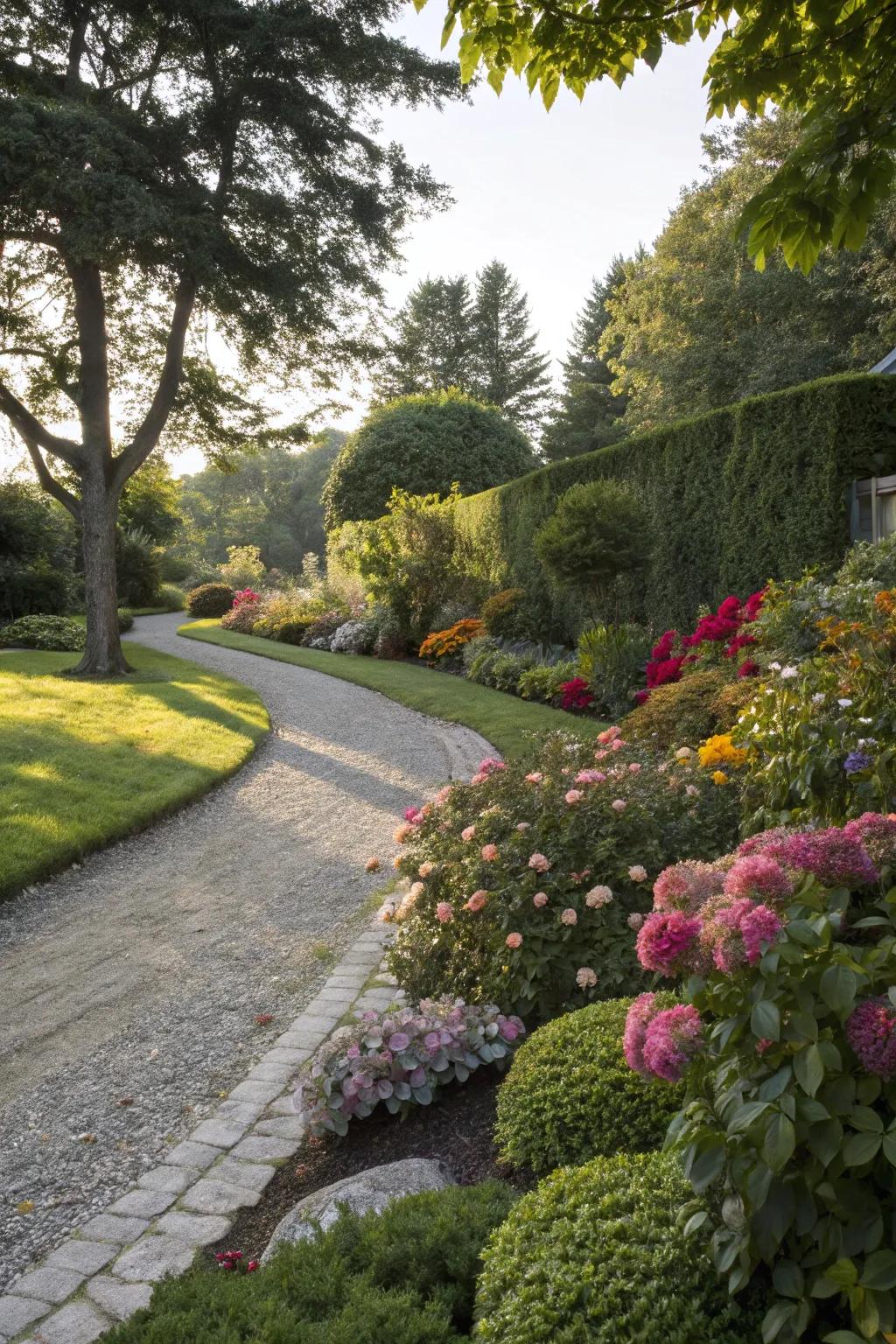
A gravel path is useful where repeated walking has worn grass down to bare soil. It works well along a house, between garden beds, beside a fence, or on a route to a shed. The path gives the yard a clear structure and can reduce the need to mow awkward strips.
First, mark the route with a garden hose or stakes. Choose a width that allows people to pass comfortably and suits the space available. Check gates, doors, utility access, and drainage before fixing the layout.
Remove the vegetation and excavate enough soil for the planned surface and base. The required depth depends on the soil, stone size, expected traffic, and construction method. In many cases, a compacted base is useful because loose gravel laid directly on soft soil can sink or spread.
Use edging where needed to hold the stone in place. Keep the finished path stable and reasonably level, and avoid placing loose gravel where it could spill onto public sidewalks or into drains. If the route is steep, accessible, or intended for wheelchairs, select a suitable firm surface rather than assuming loose gravel will work.
Source: garden.eco
Choose the right stone
Smaller angular gravel often locks together better than smooth round pebbles. Match the material to the intended use and the level of comfort needed for walking.
Separate the path from planting beds
Metal, stone, or other suitable edging can keep gravel from moving into nearby soil and plants.
Plan for rain
Set the path so water does not collect beside the house or run toward a neighbor’s property. Local drainage rules may affect the design.
Allow for maintenance
Expect to rake displaced stone, remove seedlings, and top up material where it becomes thin.
How to Estimate Gravel for a Path
Measure the path length, width, and planned gravel depth. Multiply the three measurements to estimate the volume, using the same units throughout. For a path that is 20 feet long, 3 feet wide, and 2 inches deep, convert the depth to feet: 2 divided by 12 equals about 0.167 feet.
The estimated volume is 20 multiplied by 3 multiplied by 0.167, or about 10 cubic feet. Divide by 27 to convert cubic feet to cubic yards, giving roughly 0.37 cubic yards before allowing for settling, uneven ground, or material variation. Confirm the supplier’s coverage and ordering units before purchasing.
Measure in feet
Use feet for length and width and convert the planned depth from inches to feet before multiplying.
Order for the actual site
A sloped or uneven path may need a different amount from a flat, uniform area. Ask the supplier how the material is sold and measured.
4. Build a Rock Garden for Sunny, Dry Areas
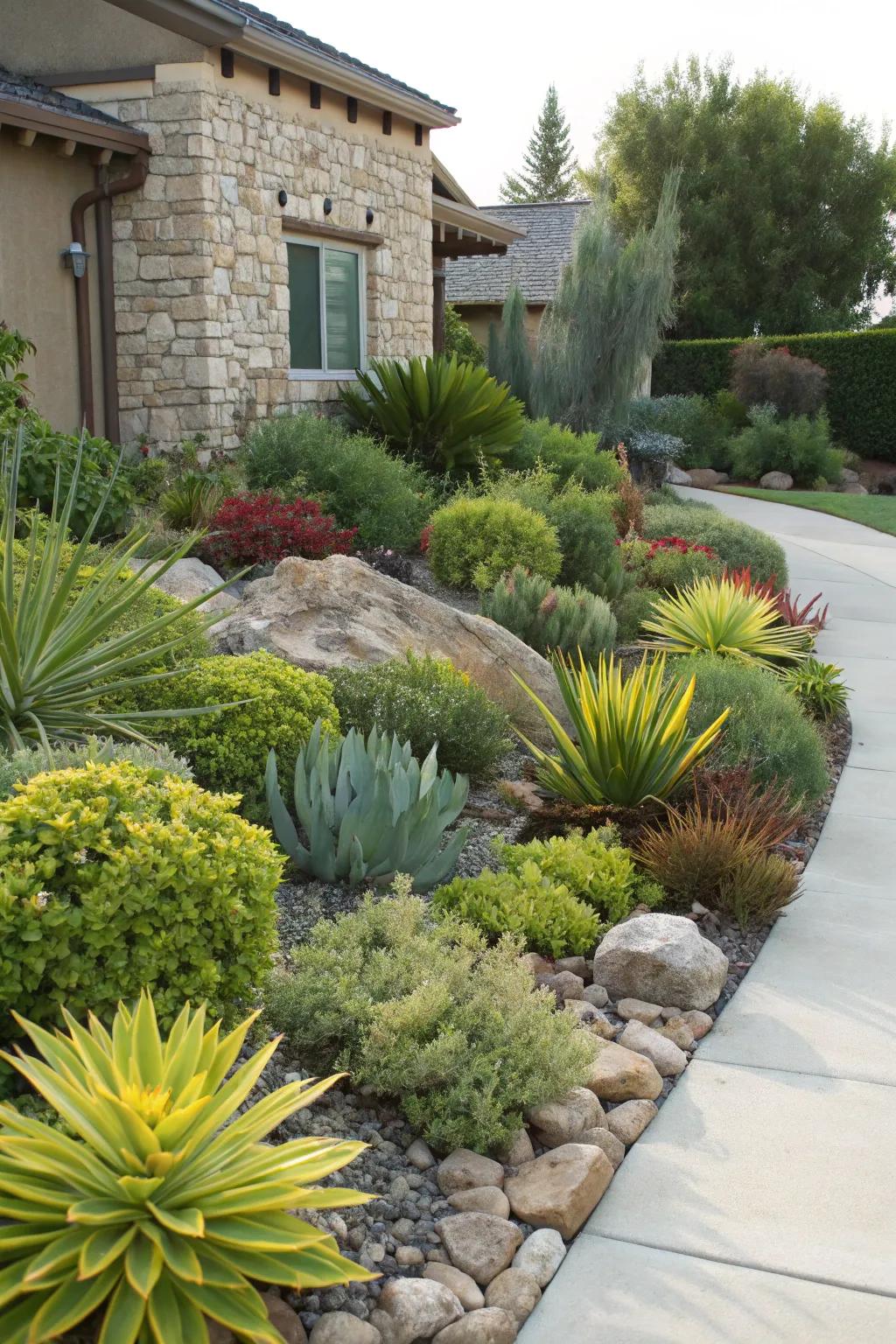
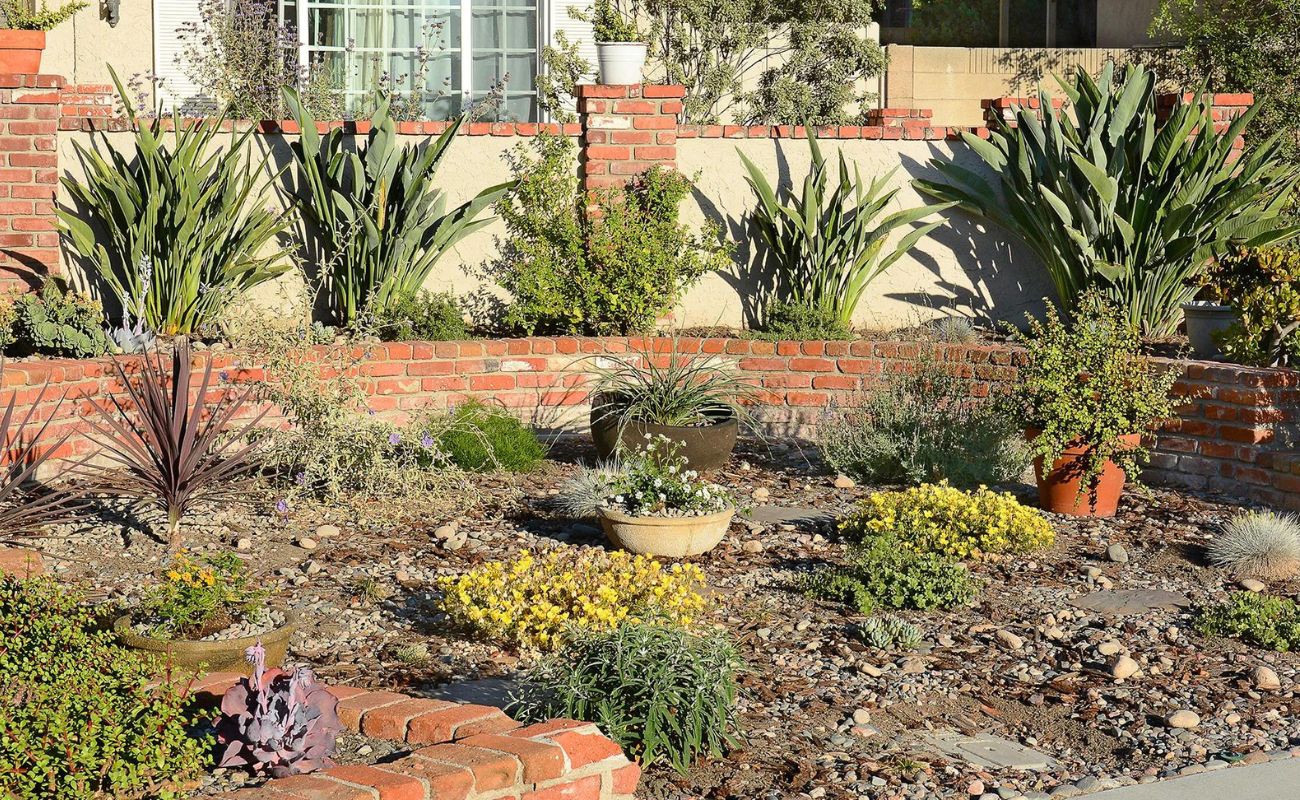
A rock garden can replace grass in a sunny area where soil dries quickly or where a traditional lawn needs frequent watering. It uses stones, gravel, and plants that suit the site’s growing conditions. The result can look natural and attractive without requiring a solid carpet of turf.
Begin with the site’s drainage and soil. Many rock garden plants need well-drained ground, so a low area that stays wet may need another design. Avoid simply covering a drainage problem with stones, since trapped water can still harm nearby plants or affect the house.
Place the larger stones first, partly setting them into the ground so they look settled rather than scattered across the surface. Arrange smaller stones around them, then plant in pockets that match the plants’ mature sizes. Leave enough space for growth and for simple hand weeding.
For suitable climates, options may include native stonecrop species, low-growing native perennials, and other plants adapted to rocky or dry conditions. Some familiar rock garden plants prefer cool summers and may struggle in hot, humid parts of the United States. Regional plant guidance matters more than appearance alone.
Source: i.pinimg.com
Use fewer, larger stones
A small number of well-placed stones can create a more natural design than a random scatter of rocks across the whole area.
Group plants by need
Place plants with similar water and light needs together so watering is simpler and growth stays more even.
Keep access in mind
Leave a route for weeding and plant care rather than filling every gap with large stones.
Avoid unsuitable plants
Check regional invasive plant lists and local growing guidance before choosing species that spread quickly.
Rock Gardens Are Not Always Maintenance-Free
Stones do not need mowing, but weeds can still grow in dust, leaves, and organic matter that collect between them. Small plants may also need watering while they establish, especially during hot or dry weather. Plan for occasional cleaning and plant care rather than expecting a completely maintenance-free surface.
Use rock gardens where their appearance and drainage needs fit the property. In deep shade, a woodland bed may be easier to maintain. In a wet area, moisture-tolerant plants and a sound drainage plan may be more suitable.
For a hot, sunny bed
Choose regionally suitable plants that tolerate heat and the site’s actual soil moisture.
For a sloping bed
Arrange stones and plants to help protect the soil, and assess erosion before moving large amounts of earth.
5. Plant Ground Covers Instead of Grass
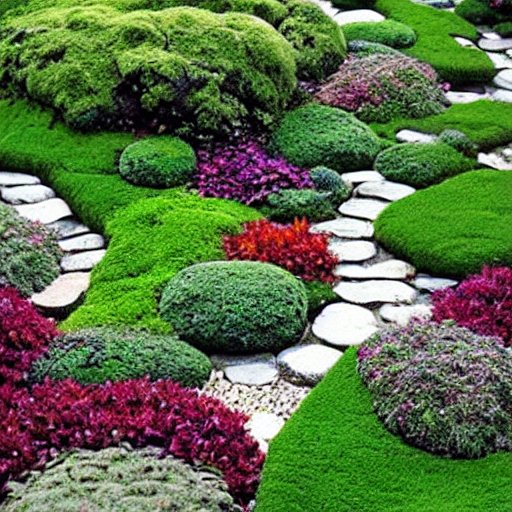
Ground covers spread across the soil and can create a low green surface where turf is difficult to maintain. They are useful beneath shrubs, along borders, on selected slopes, and in some shaded spaces. The key is to choose a plant that suits the site and the amount of walking it will receive.
Ground covers are not all alike. Some form dense mats, some grow in clumps, and others spread by stems or underground runners. A plant that fills a small bed neatly may become difficult to control if it spreads into a lawn, flower bed, or neighboring property.
Prepare the planting area by removing weeds and checking the soil. Plant at the spacing recommended for the selected species, then water as needed while roots establish. Keep weeds under control during the first growing season, because young ground covers may leave open soil between plants.
Do not assume a ground cover will withstand regular foot traffic just because it grows close to the ground. If people cross the area often, add stepping stones or a defined path. A mixed planting with a clear walking route usually lasts longer than expecting plants to tolerate repeated trampling.
Creeping thyme
Can suit sunny, well-drained sites and limited occasional foot traffic, depending on the species and local climate.
Native sedges
Offer a natural low-cover option when the selected species matches local light and moisture conditions.
Wild ginger
May work as a woodland ground cover in suitable regions and soil conditions.
Native low-growing perennials
Can add seasonal flowers and support local wildlife when chosen for the region and site.
Low-growing clover
May be an option in some lawn alternatives, but check local suitability, spread, mowing expectations, and pollinator concerns.
How to Make Ground Covers Fill In Successfully
Remove perennial weeds before planting, since aggressive weeds can be hard to remove once they grow through a dense mat. Use healthy plants and follow the recommended spacing rather than crowding them to get an instant result. Dense planting may cover the soil sooner, but it can also raise the initial cost and increase competition.
Water new plants according to their needs and local weather. Once established, some ground covers need little extra water, while others require regular moisture. Check growth after the first season and fill gaps where plants have failed, rather than allowing bare patches to become a long-term weed nursery.
Match plant to site
Confirm sun, shade, moisture, temperature range, and soil conditions before buying.
Check mature spread
Leave room for the plant to reach its full size without covering paths or nearby planting beds.
Control spread
Use edging or regular trimming where the species may grow beyond the intended bed.
6. Add a Small Patio or Seating Area
A small patio can turn an awkward patch of bare ground into a useful place to sit, read, or enjoy a garden view. This works especially well beside a house, in a shaded corner, or at the end of a garden path. It also reduces the amount of lawn that needs mowing.
Choose a surface that suits the intended use, local climate, and site conditions. Pavers, natural stone, and suitable outdoor paving products can create a firm area, while a properly designed deck may work in certain locations. The base, drainage, and edge support matter as much as the surface material.
Before building, check for underground utilities and local permit requirements. Keep the finished surface from directing water toward the home’s foundation, and consider how rain will move across the yard. A patio placed in a natural low spot may need professional drainage advice rather than a quick layer of gravel.
Use containers, benches, or a few well-chosen plants to soften the hard edges. Keep enough room to move around furniture and reach nearby plants for care. A small, practical seating area often looks more inviting than a large patio that leaves little room for greenery.
Pavers
Useful for a firm walking or seating surface when installed on a suitable base with appropriate drainage.
Natural stone
Can fit a natural garden design, but stone thickness, surface texture, and installation method affect stability.
Container plants
Add color without requiring in-ground planting, especially in areas with tree roots or difficult soil.
Built-in seating
May save space in a compact yard, but should be designed to handle local weather and the intended load.
Keep the Patio Proportional to the Yard
For a small front yard, a short path and one bench may be enough. In a larger backyard, a patio can connect to a garden bed or outdoor dining area. Keep the main walking route clear and use plants to soften the border rather than filling every gap with furniture.
If the site is sloped, unstable, or close to a foundation, take time to assess the ground before building. Significant grading, retaining walls, or drainage changes may need a qualified contractor or other local professional.
Keep entrances clear
Do not block doors, steps, gates, or access needed for deliveries and emergency movement.
Plan rainwater flow
Check that paving will not create runoff problems for your home or neighboring properties.
7. Use Stepping Stones Through a Planting Bed
Stepping stones can make a bare strip feel like a garden feature while providing a route through plants. They work well between a driveway and front door, across a shaded side yard, or through a bed of low-growing plants. They can also reduce the need to walk directly on soil that becomes compacted when wet.
Lay the stones out before digging. Walk the proposed route and adjust the spacing to suit a comfortable natural stride. Set each stone firmly on a suitable base so it does not rock, sink, or become a trip hazard.
Leave enough space between stones for the chosen ground cover, mulch, or gravel. In a shaded bed, low plants may fill the gaps if they tolerate the conditions. In a dry sunny location, gravel or drought-tolerant plants may be easier to maintain.
Stepping stones are not a substitute for a continuous accessible walkway where a firm, even route is required. For wheelchairs, walkers, or frequent movement of heavy items, choose a surface designed for stable passage.
Choose suitable stones
Use pieces with a stable shape and surface for the expected weather and foot traffic.
Set them level
Check each stone from several directions and make sure the surrounding surface does not create a trip edge.
Keep the route clear
Trim plants back from the walking surface and remove slippery leaves when needed.
8. Replace Grass With a Native Plant Garden
A native plant garden can turn a difficult lawn patch into a planting area that reflects the local landscape. Native species have developed within a particular region and may support local insects, birds, and other wildlife. Their usefulness still depends on selecting plants suited to the site’s exact soil, moisture, light, and climate.
Begin with a small group of plants rather than trying to fill the whole area at once. Combine plants with different heights and bloom times where practical, and repeat a few species to make the bed look organized. A clear edge along the lawn or path can keep the design from looking untidy while the plants establish.
Native gardens can need regular watering and weeding during establishment. After plants settle in, some combinations may need less irrigation than a conventional lawn, but that depends on the species and local weather. Do not treat the term native as a guarantee that a plant needs no care.
If you live in a dry region, select plants adapted to local rainfall and heat. In humid areas, consider plants that tolerate the site’s moisture and disease pressures. Local native plant societies, botanical gardens, and university extension resources can help identify species suited to your county or region.
Source: static.wixstatic.com
Start with local species
Choose plants native to your area when possible, and confirm their light, soil, and moisture requirements.
Group plants by water needs
Place plants with similar irrigation needs together to make care easier and avoid overwatering dry-site species.
Leave room for mature size
Check expected height and spread so plants do not crowd paths, windows, or utility access.
Provide early care
Water new plantings as needed, remove weeds, and replace failed plants while the bed develops.
Make a Natural Garden Look Intentional
Use repeated plant groups, a clear edge, and a simple route through the bed. These design choices create order without making the garden feel stiff. A few larger shrubs can provide structure, while smaller perennials fill the open spaces over time.
Avoid planting every available species in a small area. Too many unrelated colors and growth forms can make maintenance harder and hide the structure of the design. A short plant list suited to the site is often easier to manage.
Repeat key plants
Use the same species in several places to connect the planting visually.
Layer by height
Place taller plants toward the back of a border or the center of an island bed, with shorter plants near paths.
9. Create a Dry Creek Bed for a Problem Area
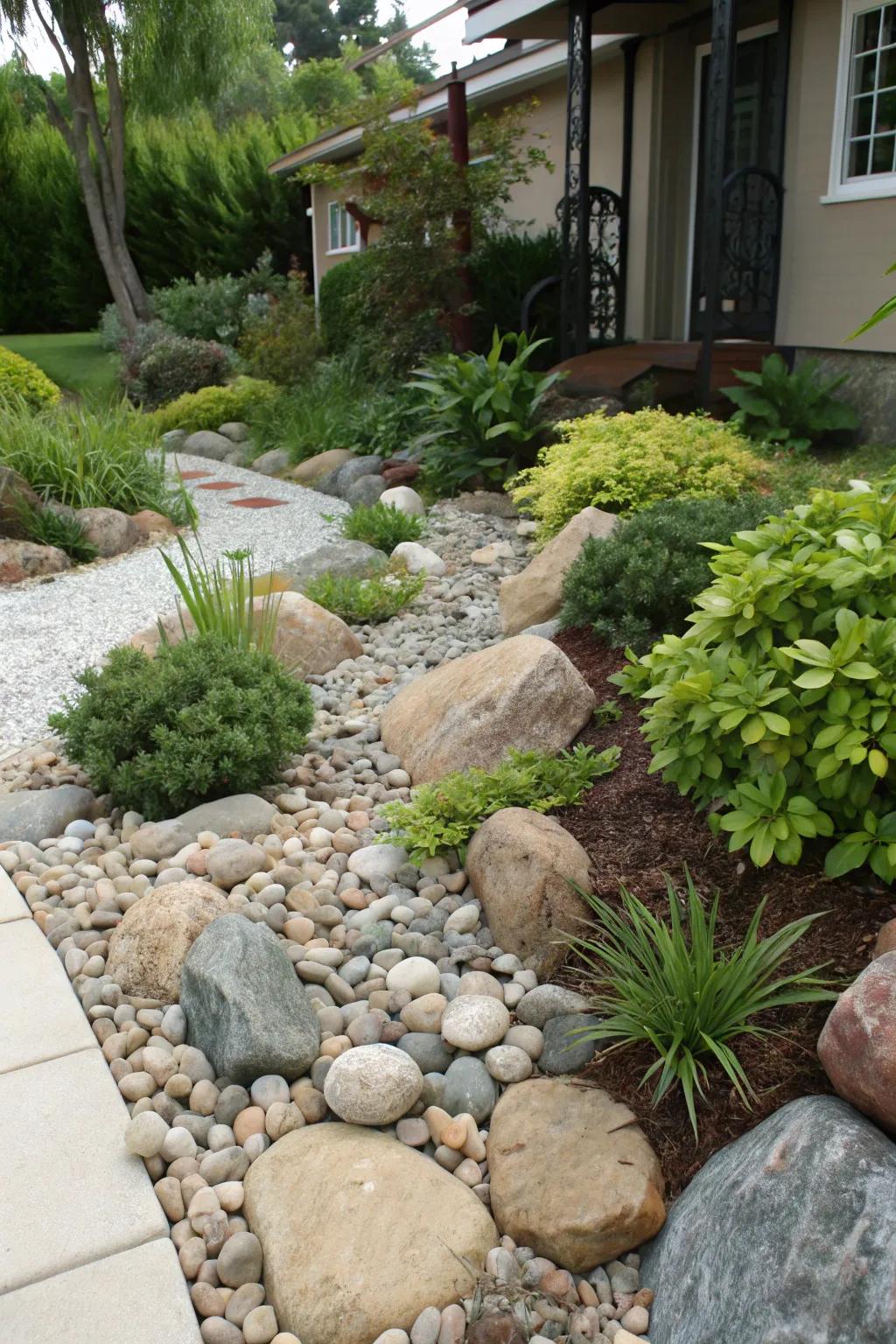
A dry creek bed uses stone to create the look of a natural stream channel. It can be useful where rainwater already moves through the yard, provided the design is based on a sound understanding of drainage. It is not simply a decorative trench to dig wherever grass has failed.
Observe the area during and after rain to see where water comes from and where it goes. A dry creek bed may help guide modest surface runoff when correctly planned, but it can also worsen erosion or send water toward a foundation if placed poorly. Check local requirements before changing the path of runoff.
Use a gentle, natural shape and stones suited to the flow and scale of the area. Larger stones may help define the sides, while smaller stone can fill the middle. Plants near the edges can soften the look if they tolerate the moisture conditions.
If water is flowing strongly, soil is washing away, a slope is unstable, or the site floods repeatedly, seek qualified local advice. A drainage system may need grading, an approved outlet, erosion protection, or other work beyond a decorative garden project.
Follow the natural site
Use observed water movement to guide planning rather than guessing where runoff should go.
Avoid foundation problems
Keep water from being directed toward the house or trapped beside walls.
Use stones at the right scale
Choose stone sizes that suit the space and expected water movement, and secure materials where erosion could displace them.
10. Consider Artificial Turf Only When It Fits
Artificial turf can provide a green-looking surface in an area where living grass struggles, but it is not the best answer for every yard. It may suit a small decorative space or a site where a consistent surface is the main goal. It will not solve every drainage, heat, or soil problem, and it requires a suitable base.
Unlike living grass, artificial turf does not grow, recover from wear, or support soil life in the same way as a living planting. Its surface can become hot in direct sun, and dirt, leaves, pet waste, and other debris still need cleaning. The material also needs eventual replacement, so include long-term cost and disposal in the decision.
If you consider artificial turf, review the product’s drainage design, material information, installation requirements, and local restrictions. Proper preparation is essential; turf laid over an uneven or poorly draining surface may develop dips, odors, or standing water. Compare it with gravel, paving, and suitable ground covers before committing.
Artificial turf may also be unsuitable near trees if installation requires cutting roots or changing soil levels. Avoid treating it as a harmless cover that can simply be laid over every type of ground. Preserve existing trees and check how the proposed base will affect water movement.
Source: garden.eco
Consider the climate
Assess direct sun and local heat, since synthetic surfaces may become uncomfortable under hot conditions.
Check drainage
Confirm that the product and base suit the site’s soil and rainfall.
Calculate long-term costs
Include installation, cleaning, repairs, and eventual replacement rather than comparing only the initial purchase price.
Review local requirements
Check any applicable rules for front yards, stormwater, fire safety, or landscape materials.
Artificial Turf Versus Living Ground Cover
Artificial turf offers a consistent appearance without mowing, while living ground covers can support soil processes and may provide flowers or habitat. Living plants require establishment and seasonal care, and some will not tolerate foot traffic. Synthetic turf avoids plant growth but can retain heat and needs cleaning.
Choose based on the purpose of the space. A narrow decorative strip may work with gravel or ground cover, while a high-use play area may need a surface designed for that specific activity. Compare performance, upkeep, environmental trade-offs, and repair needs before making the choice.
Living ground cover
Best considered when the site supports plant growth and some seasonal care is acceptable.
Artificial turf
May suit a specific use where a consistent green surface is wanted and heat, drainage, maintenance, and replacement are acceptable.
11. Fix the Soil and Drainage Before Landscaping
A grass-free design will last longer when the underlying site problem is understood. Plants can still fail in compacted soil, standing water, or extremely dry ground, and stone surfaces can sink when their base is poorly prepared. Spend time on diagnosis before choosing the final layout.
Check the soil after rain and during a dry period. Note whether water pools, drains quickly, or runs across the surface. If the soil is hard, avoid aggressive digging around mature trees or underground services, and do not add a thick layer of topsoil without understanding the effect on drainage and root health.
Where poor drainage is the cause, identify whether the issue comes from compacted soil, a low spot, a leaking irrigation line, roof runoff, or a broader site problem. Each cause calls for a different response. Adding gravel to a hole in heavy clay does not automatically make the area drain well, and a shallow trench can simply move water to another problem spot.
For ordinary garden beds, adding suitable organic matter may improve the structure of some soils. However, the best amendment depends on the soil type and the plants being grown. A soil test can help when pH or nutrient issues are suspected, but it does not replace a drainage assessment.
Observe before digging
Track sunlight, soil moisture, and runoff so you can identify the main limit on plant growth.
Protect existing trees
Avoid cutting major roots, changing soil levels around trunks, or compacting the root zone with heavy equipment.
Correct the real water problem
Repair leaks, redirect roof runoff where allowed, or seek advice for recurring ponding and erosion.
Use amendments with care
Choose compost, topsoil, or other amendments for the actual soil and planting purpose instead of adding material by habit.
When to Call a Professional
Get qualified help when the work involves a steep or unstable slope, a retaining wall, repeated flooding, major grading, or water near a foundation. A landscape contractor or drainage professional can assess the site and recommend a design that fits local conditions. An arborist can help protect mature trees when work is planned near major roots.
Contact the relevant utility locating service before digging. In the United States, homeowners should use the applicable 811 service before excavation, following the local process and required timing. Private lines, such as some irrigation or lighting cables, may need separate locating.
Foundation water
Seek advice if runoff repeatedly reaches the house, enters a basement, or causes damp areas near the foundation.
Erosion or slope movement
Get a site assessment if soil is washing away, a slope is shifting, or cracks appear near structures.
Major tree roots
Ask an arborist how to protect the tree before excavation, grade changes, or heavy construction.
12. Compare Grass-Free Landscaping Options
The right choice depends on the problem you are trying to solve. A shade garden may offer the best natural look under trees, while a gravel path can handle regular walking and a patio can create a place to sit. The table below compares common options by their main benefits and the care they still need.
No option is entirely maintenance-free. Plants need some care, gravel collects leaves and weeds, and patios may need joint cleaning or repairs. Think about the full routine, not just the amount of mowing you can avoid.
For the lowest planting effort
A well-prepared gravel or paved area may suit a small site, provided drainage and local conditions are appropriate.
For a greener natural look
Ground covers, native plants, or a shade garden can replace turf while keeping living vegetation in the yard.
For frequent walking
Use a stable path or patio rather than relying on delicate plants or loose materials.
For runoff concerns
Assess water flow first and use a suitable drainage plan before installing decorative materials.
Quick Comparison of Grass Alternatives
Use this table as a starting point, not as a universal ranking. Actual cost, durability, and maintenance depend on material quality, site preparation, local climate, and how the area is used.
Mulch bed
Initial effort: low to moderate. Best for: tree roots, shrub beds, and natural borders. Ongoing care: replenish mulch and remove weeds.
Gravel path
Initial effort: moderate. Best for: walkways and dry decorative areas. Ongoing care: rake stone, remove weeds, and repair areas that settle.
Rock garden
Initial effort: moderate to high. Best for: suitable sunny sites with good drainage. Ongoing care: weed between stones and care for selected plants.
Ground cover
Initial effort: moderate. Best for: areas where living plants suit the light and soil. Ongoing care: water during establishment, trim spread, and fill gaps.
Shade garden
Initial effort: moderate. Best for: shaded spaces beneath trees or beside buildings. Ongoing care: manage moisture, weeds, and plant growth.
Patio or pavers
Initial effort: moderate to high. Best for: seating and frequent foot traffic. Ongoing care: clean the surface, manage joints, and repair settling.
Native plant garden
Initial effort: moderate. Best for: sites with suitable regional species. Ongoing care: weed, water while plants establish, and manage mature growth.
Artificial turf
Initial effort: moderate to high. Best for: selected spaces where a consistent synthetic surface suits the use. Ongoing care: clean debris, check drainage, and plan for repairs or replacement.
13. Common Mistakes to Avoid
The most common mistake is treating every bare patch as a planting problem. If shade, runoff, compaction, or tree roots are the real cause, adding more plants without changing the plan may lead to repeated failure. A few careful checks at the start can save time and materials later.
Another mistake is choosing a surface only for how it looks on installation day. Loose gravel may be hard to walk on, a plant may spread beyond its bed, and a stone patio may create drainage problems if the base is poorly prepared. Think about mature growth, cleaning, repairs, and water movement before making the final choice.
Source: storables.com
Planting sun-loving species in deep shade
Choose plants for the light that actually reaches the site, not for the conditions shown on a nursery display.
Covering every bare patch with landscape fabric
Fabric may not stop all weeds and can make future planting more difficult. Choose the barrier only when its benefits fit the project.
Ignoring water movement
Do not direct runoff toward buildings, public paths, or neighboring properties. Correct drainage issues before installing the final surface.
Burying tree trunks in mulch
Keep mulch away from the trunk base and avoid raising soil around the root flare.
Using invasive ground covers
Check regional guidance and local invasive plant lists before planting fast-spreading species.
Expecting an instant plant carpet
Ground covers need time to establish. Keep weeds under control and follow spacing guidance instead of crowding plants without a plan.
Choosing loose stone for every walkway
Loose gravel may be unsuitable for steep routes, mobility aids, or areas needing a firm and even surface.
Skipping utility checks
Locate underground utilities before digging, and check whether private irrigation or lighting lines need separate locating.
How to Tell Whether the New Design Is Working
A successful grass-free area should fit its purpose and remain stable through normal weather. Plants should show healthy new growth after establishment, stones should stay in place, and water should move without creating new erosion or ponding. The design should also be easy enough to maintain with the time and tools available.
Check the area after heavy rain, during dry weather, and as plants mature. Replace plants that consistently fail after you confirm the growing conditions, and adjust edging or stone where movement creates a hazard. If the same drainage or erosion problem returns, reassess the cause instead of repeatedly repairing the surface.
Healthy planting
Plants establish roots and grow in a way that matches their expected seasonal pattern.
Stable surfaces
Paths, pavers, and stones remain secure and do not create new trip hazards.
Controlled runoff
Rainwater does not collect where it causes damage or wash away soil and stone.
Manageable upkeep
Weeding, watering, trimming, and cleaning fit the routine you planned for the yard.
Frequently Asked Questions
Q
What is the cheapest way to landscape an area where grass won’t grow?
For a small area, mulch and a clear border are often among the simplest low-cost options, especially beneath trees or around existing shrubs. If you already have suitable plants, extending the bed may cost less than building a patio or buying large quantities of stone. Compare material costs, delivery, preparation, and future upkeep before choosing.
Q
What can I put under a tree where grass won’t grow?
A mulch bed, shade-tolerant native plants, suitable ferns, or native sedges may work beneath a tree. The right option depends on the amount of shade, soil moisture, tree roots, and local climate. Keep mulch away from the trunk, avoid deep digging, and do not raise the soil level over the tree’s root zone.
Q
What is the best ground cover for areas where grass won’t grow?
There is no single best ground cover for every site. Native sedges and woodland plants may suit some shady areas, while creeping thyme or other dry-site plants may work in sunny, well-drained places. Choose a species that matches your local climate, soil moisture, mature spread, and expected foot traffic.
Q
How can I landscape a shady yard without grass?
Use a shade garden, a mulch bed, stepping stones, or a small seating area. In suitable conditions, ferns, foamflower, wild ginger, and native sedges can provide living cover. First check whether the soil is dry or damp, because shade-tolerant plants differ in their moisture needs.
Q
Can gravel stop weeds from growing?
Gravel can make weed control easier in some areas, but it does not prevent every weed. Seeds can germinate in dust and leaves that collect on the surface, and persistent weeds may grow back from roots below. Remove existing weeds before installation, use a suitable base, and plan for occasional hand weeding.
Q
How do I landscape a bare patch where water collects?
First identify why water collects there. The cause may be a low spot, compacted soil, a leaking irrigation line, roof runoff, or a broader drainage issue. Choose moisture-tolerant plants only when the site conditions suit them, and seek qualified help if water repeatedly reaches the house, causes erosion, or affects neighboring property.
Q
Is artificial turf a good replacement for grass that will not grow?
Artificial turf may suit some small decorative areas, but it needs proper installation, drainage, cleaning, and eventual replacement. It can become hot in direct sun and may not suit sites with important tree roots or difficult runoff. Compare it with gravel, paving, mulch, and living ground covers before deciding.
Q
How do I make a grass-free yard look neat?
Use clear edges, repeat a few materials, group plants by their growing needs, and keep paths free of debris. A consistent border between gravel, mulch, plants, and paving helps the design look planned. Leave enough space for mature plant growth and choose a maintenance routine you can keep up with.
✦ Wrapping Up
Conclusion
Landscaping ideas where grass won’t grow work best when they solve the real problem rather than hide it. Shade gardens, mulch beds, gravel paths, rock gardens, native plants, ground covers, and small patios can all replace struggling turf when matched to the site’s conditions. Each option has different needs for installation, water, upkeep, and long-term care.
Start with the simplest useful change. Check sunlight, soil moisture, drainage, and foot traffic, then choose one grass-free design that fits the space. Protect existing trees, locate underground utilities before digging, and get qualified help for major drainage changes or unstable slopes. A thoughtful plan can turn a bare, frustrating patch into a useful part of your yard.
💡 Key Takeaway
Walk the problem area after a dry spell and after rain, note its light and soil conditions, and select a suitable grass-free option. Mark the layout, check utility locations, prepare the site carefully, and install a small section first if you are unsure how the design will perform.
I enjoy sharing simple gardening ideas, lawn care tips, and honest product reviews that help make outdoor work easier. From home gardening guides to helpful tools and lawn care advice, I write easy-to-follow content to help readers create a healthier and better-looking outdoor space without wasting time or money.