As an Amazon Associate, I earn from qualifying purchases.
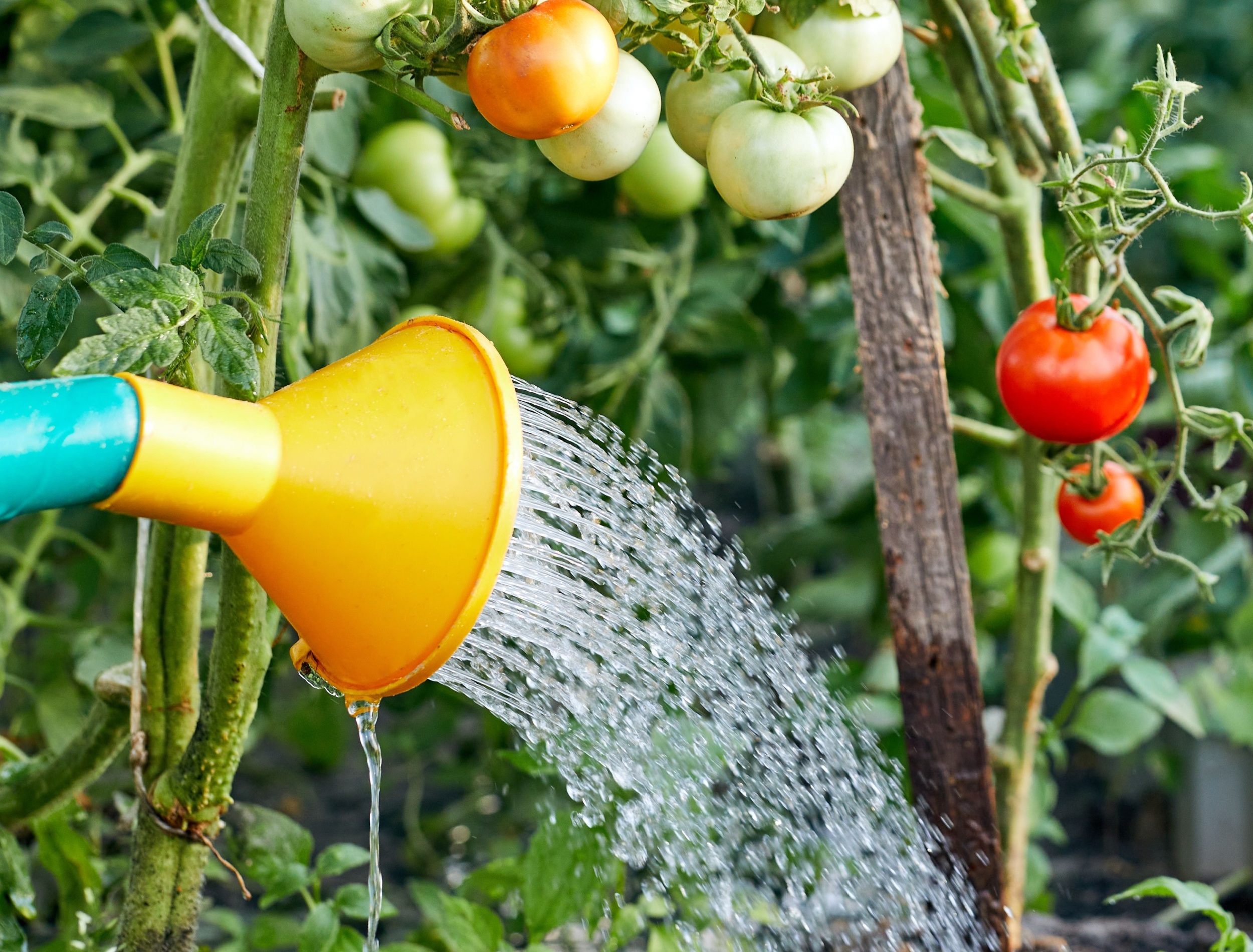
Water cherry tomato plants when the top inch of soil feels dry, often every day in hot weather for container plants and every few days for plants in garden beds. Water deeply at the base, then adjust the schedule for rain, heat, soil, pot size, and plant growth.
Cherry tomatoes are a favorite in American home gardens, from raised beds in suburban backyards to patio pots on city balconies. Their small, sweet fruits are easy to pick, but the plants need steady moisture to grow well and produce a healthy crop. A reliable watering routine helps support flowers, fruit growth, and strong roots through the changing conditions of a US growing season.
There is no single watering schedule that works for every cherry tomato plant. A container in the hot summer sun may need water every morning, while a plant growing in a mulched garden bed may stay moist for several days. The best approach is to check the soil, water thoroughly when needed, and watch how the plant responds rather than follow a fixed calendar.
Most cherry tomato plants need water whenever the soil in their root zone begins to dry. For many established plants, this means watering every two to three days in moderate weather, but the interval can be shorter in hot, dry conditions. Plants in small containers may need water every day or even twice a day during extreme heat.
These intervals are starting points, not strict rules. Soil type, plant size, rainfall, sunlight, wind, and container volume all affect how quickly water disappears. A plant growing in loose sandy soil may dry out much faster than one growing in moisture-retentive loam.
Check the soil before each watering session. Push a finger about one inch into the soil near the plant, away from the main stem. If the soil feels dry at that depth, water the plant; if it still feels moist, wait and check again later.
Source: thespruce.com
Garden beds
Check the soil every day during warm weather. Established plants in well-prepared beds may need a deep watering every two to three days, with longer intervals after useful rainfall.
Large outdoor pots
Check daily, especially when plants receive full sun. Water when the upper inch of potting mix is dry, allowing excess water to drain freely.
Small containers and hanging planters
Check at least once a day in warm weather. Small volumes of potting mix lose moisture quickly and may require more frequent watering than larger pots.
Cool or rainy weather
Water less often when the soil remains moist. Do not add water simply because your usual watering day has arrived.
Is Daily Watering Necessary?
Daily watering is not always necessary for cherry tomatoes planted in the ground. A deep garden bed with mulch may hold enough moisture for several days, especially during mild weather. Watering every day when the soil is already wet can deprive roots of air and increase the risk of root problems.
Water daily when needed
Plants in small pots, windy locations, and hot sunny spots may dry out within a day.
Skip unnecessary watering
If the soil is still moist at root level, wait until it begins to dry before adding more water.
How Often Should You Water Fruiting Plants?
Cherry tomato plants often use more water as they grow larger and develop clusters of fruit. During flowering and fruit development, check moisture daily and aim for a steady supply of water. This does not mean the plant must receive water every day; it means the root zone should not repeatedly swing from very dry to saturated.
During flowering
Keep the soil evenly moist without leaving it waterlogged. Severe moisture stress can affect plant growth and flower retention.
During fruit growth
Check soil more often as the plant becomes larger and its water demand rises.
During harvest
Continue watering according to soil moisture. Picking ripe tomatoes does not remove the plant’s need for water.
How Much Water Do Cherry Tomato Plants Need?
Cherry tomato plants need enough water to moisten the soil throughout the active root zone. The right amount depends on the plant’s size, the soil’s ability to hold water, the weather, and whether the plant grows in a bed or a container. Instead of measuring every watering by a fixed number of cups, focus on how deeply the water reaches and how well the soil drains.
For plants growing in the ground, about one inch of water per week from rainfall and irrigation is a useful starting point for many tomato gardens. Plants may need more during hot, dry weather and less when rain supplies enough moisture. This general guide is not a guarantee that one inch will meet every plant’s needs, particularly in sandy soil or extreme heat.
One inch of water spread across one square foot equals about 0.623 gallons. For example, a hypothetical garden bed measuring four feet by four feet would need about ten gallons to receive one inch of water across its surface. Actual irrigation needs depend on rainfall, runoff, soil infiltration, and how much moisture remains available to the roots.
Source: backyardboss.net
Water the root zone
Apply water slowly around the plant rather than pouring it all beside the stem. This helps moisten more of the soil where the roots grow.
Check soil depth
After watering, inspect the soil several inches below the surface. If only the top layer is wet, apply water more slowly or in stages.
Avoid standing water
Stop when the root zone is well moistened. Soil that remains saturated for long periods can limit oxygen and harm roots.
A Practical Watering Method for Garden Beds
Start by checking the soil around the plant. If it is dry at about one inch deep, water the root zone slowly and give the moisture time to soak in. Recheck the soil after watering to see whether the water reached deeper layers instead of running across the surface.
If the ground is hard or water runs off quickly, divide the watering into two or more short applications. This gives the soil time to absorb moisture. Add mulch after the soil has warmed, keeping it a few inches away from the stem.
Use a gentle flow
A watering can with a suitable spout, a soaker hose, or drip irrigation can reduce runoff and keep water near the roots.
Check the result
Dig a small test hole away from the main stem if needed to see whether the soil is moist several inches down.
How Much Water Should Potted Cherry Tomatoes Get?
For potted cherry tomatoes, water until the potting mix is evenly moist and a little excess water begins to leave the drainage holes. This is a useful sign that water has passed through the container rather than wetting only the surface. Empty any standing water from a saucer so the roots are not left sitting in it.
A large plant in a small pot may need water much more often than a young plant in a large container. If the pot dries out within hours on a hot afternoon, consider moving it away from intense reflected heat or using a larger container with suitable drainage.
Use a suitable pot
Choose a container large enough for the mature plant and its roots, with open drainage holes.
Water evenly
Apply water over the soil surface instead of pouring it all into one small spot.
Watch the drainage
If water rushes out immediately while the center of the pot stays dry, the mix may have become difficult to wet evenly.
The Best Time of Day to Water Cherry Tomatoes
Early morning is usually the best time to water cherry tomato plants. The soil can absorb water before the day’s heat increases evaporation, and the plant has moisture available as it begins active growth. Morning watering also gives any accidentally wet leaves time to dry.
Watering in the evening can work when morning watering is not possible, especially during a heat wave. However, avoid routinely soaking the foliage late in the day. Leaves that remain wet overnight may face greater risk of some fungal and bacterial diseases when other conditions favor infection.
Midday watering is not automatically harmful. If a plant in a small pot is drying out or wilting in extreme heat, it may need water even during the hottest part of the day. The key is to check the soil and water the roots rather than leave a plant severely dehydrated while waiting for a preferred hour.
Source: spice.alibaba.com
Morning
Best for most routine watering because plants can take up moisture before peak daytime heat.
Afternoon
Useful when the soil is dry and a plant needs water during hot weather. Avoid splashing water over the leaves when possible.
Evening
Acceptable when needed, but water at the base and avoid leaving the foliage wet overnight.
Should You Water Tomato Leaves?
Aim water at the soil around the roots rather than the leaves. Wet foliage does not provide the main water supply for the plant, and splashing soil onto leaves can help spread some plant pathogens. A soaker hose or drip system can keep irrigation close to the root zone.
If rain or overhead watering wets the leaves, do not panic. Leaf wetness alone does not mean disease will develop. Give the foliage a chance to dry and check for spots, yellowing, or other signs of a problem if wet conditions continue.
Direct water downward
Aim a watering can at the soil and avoid a strong stream that splashes dirt onto lower leaves.
Keep lower leaves clear of soil
Use mulch and sensible pruning practices to reduce contact between leaves and damp ground.
How Weather and Soil Change Your Watering Schedule
Weather and soil conditions can change watering needs from one day to the next. A schedule that works during a mild spring week may fail during a dry summer heat wave. Check the soil more often whenever the temperature rises, the wind picks up, or rainfall becomes less frequent.
Sandy soil drains quickly and often needs more frequent watering. Clay soil holds water longer but may absorb it slowly, so heavy applications can cause runoff or saturation. Loamy soil often offers a useful balance of drainage and moisture retention, though its exact behavior depends on its structure and organic matter.
Mulch can help slow evaporation and reduce sudden changes in soil moisture. Apply a layer of clean organic mulch around the plant after the soil has warmed, leaving space around the stem. Mulch reduces water loss but does not remove the need to check the soil.
Source: spice.alibaba.com
Hot, sunny weather
Check soil daily. Plants in exposed pots may need water every day, while garden beds may need more frequent irrigation than usual.
Windy weather
Wind can speed moisture loss from soil and plant surfaces. Check containers and exposed beds more often.
Rainy weather
Measure rainfall when possible and check the soil before adding irrigation. A light shower may wet only the top layer.
Cool weather
Plants generally use water more slowly in cool conditions, so wait longer if the root zone remains moist.
Sandy soil
Use smaller, more frequent applications when needed to limit deep water loss beyond the active roots.
Heavy clay soil
Apply water slowly and allow time for drainage. Avoid watering again while the root zone remains saturated.
How Much Rain Is Enough?
Rain can replace some or all of your planned irrigation, but the amount that reaches the roots matters more than the fact that it rained. A short shower may leave the soil dry below the surface, especially under dense foliage or in compacted ground. After rain, check the soil before deciding whether to water.
A simple rain gauge helps you estimate how much water the garden received. If a rain gauge records about one inch of rain over the week, that may meet the general weekly starting point for established tomatoes in many garden beds. Still, drainage, runoff, soil type, and local weather determine whether extra water is needed.
Check after light rain
Feel the soil below the surface to confirm that moisture reached the root zone.
Check after heavy rain
Make sure the soil drains and does not remain waterlogged before watering again.
Why Mulch Helps Cherry Tomato Plants
Mulch acts like a protective cover over the soil. It slows evaporation, reduces weed growth, and helps limit rapid shifts between wet and dry conditions. These benefits can make watering easier to manage during hot summers across much of the United States.
Use clean straw, shredded leaves, or another suitable garden mulch. Keep the mulch from touching the stem directly, and check beneath it when judging moisture because the surface may look dry even when the soil below remains moist.
Apply an even layer
Spread mulch across the root zone without piling it against the stem.
Check below the mulch
Feel the soil itself before watering, since the mulch layer can hide the actual moisture level.
Watering Cherry Tomato Plants in Pots
Cherry tomatoes in pots usually need more frequent checks than plants growing in the ground. Containers hold a limited amount of potting mix, and roots cannot reach deeper soil when the surface dries. Small pots, dark containers in full sun, and exposed balconies can lose moisture especially fast.
Check the pot every morning during warm weather, then check again in the afternoon if conditions are hot or windy. Water when the top inch of mix is dry, applying water evenly until a little drains from the bottom. Do not leave the pot standing in a full saucer.
Choose a container with drainage holes and enough room for the mature plant. A pot that is too small may dry out repeatedly and restrict root growth. A larger container generally holds more water, although it still needs a free-draining potting mix and suitable drainage.
Source: spice.alibaba.com
Use potting mix
Choose a mix designed for containers rather than dense garden soil, which can compact and drain poorly in a pot.
Check container weight
Lift the pot when it is freshly watered to learn its heavier feel. A much lighter pot can signal that the mix has dried, although soil checks remain useful.
Protect pots from extreme heat
Where practical, move containers away from intense reflected heat or provide some protection during the hottest part of the day.
Check drainage holes
Make sure the holes remain open and that roots or debris do not block water from leaving the pot.
Can You Overwater Cherry Tomatoes in Pots?
Yes. Roots need both water and oxygen, so a potting mix that stays saturated can harm the plant. Frequent watering is appropriate when a container dries quickly, but adding more water to an already wet pot can cause root stress.
If the pot remains heavy and wet for several days, inspect its drainage and the moisture level deeper in the mix. Check that the container has open holes and is not sitting in standing water. Let excess moisture drain before watering again.
Look for persistent wetness
Soil that remains soggy, especially with yellowing lower leaves or weak growth, may indicate poor drainage or excessive watering.
Improve airflow around the pot
Keep drainage openings clear and avoid placing the container directly in a puddle or a closed tray full of water.
How to Water Hanging Cherry Tomato Planters
Hanging planters can dry faster than large floor pots because they often contain less mix and receive airflow from several sides. Check the soil daily during warm weather and water slowly until the mix is evenly moist. If the planter dries before the next morning, it may need a larger reservoir of soil or a less exposed location.
Check the whole planter
Do not judge moisture from the top alone. Check the mix near the center, where it may dry at a different rate.
Water without runoff waste
Apply water in stages if it runs straight through the planter before the mix becomes evenly moist.
Watering Cherry Tomatoes at Different Growth Stages
A cherry tomato plant’s water needs change as it grows. Young seedlings have small root systems, while mature plants with many leaves and fruit use more water. Adjust your routine as the plant develops instead of keeping the same interval from planting to harvest.
New transplants need moist soil while their roots establish, but they should not sit in saturated ground. Established plants can draw water from a larger area, so a deep watering may support them for longer. Mature fruiting plants often need the closest attention during hot or dry periods.
Source: shuncy.com
Seedlings
Keep the small root zone evenly moist. Check often because seed-starting cells and small pots dry quickly.
New transplants
Water thoroughly after planting and monitor the soil closely during the first several days while roots establish.
Vegetative growth
Encourage deeper roots by watering the root zone well and allowing the upper soil to begin drying between waterings.
Flowering and fruiting
Maintain steady moisture and check daily during hot weather to avoid repeated drought stress.
Late harvest
Continue checking moisture while the plant produces fruit. Reduce watering only when cooler conditions or slower growth lower the actual demand.
How Often Should You Water Newly Planted Cherry Tomatoes?
Water newly planted cherry tomatoes well so the soil around the root ball settles and stays moist. During the first week, check the soil daily and water when it begins to dry. Warm, windy weather may call for more frequent checks, while cool weather may slow drying.
Do not keep the planting hole flooded. The goal is moist soil with good air movement around the roots, not a permanently wet pocket of soil. Once the plant begins growing steadily, gradually rely more on deeper watering and the condition of the surrounding soil.
Water after planting
Moisten the root ball and the surrounding soil so the roots can begin growing into the bed.
Check daily
Feel the soil near the transplant instead of watering automatically at the same time each day.
Do Cherry Tomato Seedlings Need Water Every Day?
Seedlings may need daily checks, but they do not always need daily watering. Small cells contain little soil, so they can dry quickly under grow lights or in a warm room. Water gently when the surface begins to dry while avoiding a constantly soggy seed-starting mix.
Use gentle watering
Apply water slowly so the roots stay covered and the small stems are not knocked over.
Check drainage
Make sure seed trays and pots drain freely and do not remain full of excess water.
Signs Your Cherry Tomato Plant Needs Water
Dry soil is the most useful early clue that a cherry tomato plant needs water. Leaves can also droop when the plant lacks moisture, but wilting alone does not prove that the soil is dry. Heat, root damage, and overly wet soil can produce similar symptoms.
Check the soil before reacting to drooping leaves. If the root zone is dry, water thoroughly and watch for recovery as the plant takes up moisture. If the soil is wet, do not add more water without checking drainage and other possible causes.
Source: tomatobible.com
Dry soil
The upper inch feels dry and deeper soil may also be losing moisture. Water if the root zone needs it.
Drooping leaves
The plant may be short of water, especially if the soil is dry. Check the soil before deciding.
Light container
A pot that feels much lighter than it did after watering may have lost much of its stored moisture.
Slow growth during dry weather
A plant that repeatedly dries out may struggle to maintain healthy growth and fruit production.
Why Are My Cherry Tomato Leaves Wilting?
Wilting can result from either too little water or too much water. Dry soil suggests that the plant may need irrigation, while wet, poorly drained soil raises concern about root stress. During very hot afternoons, a plant may wilt temporarily even when the soil contains moisture.
Check the soil first, then look at the plant again during the cooler part of the day. If the soil is dry, water the root zone and watch for recovery. If the soil is wet and the plant stays wilted, inspect drainage, roots, and possible disease rather than adding more water.
Dry soil with wilted leaves
Water slowly and deeply, then check whether the plant recovers as temperatures fall.
Wet soil with wilted leaves
Pause irrigation and check for poor drainage, root damage, or other plant health issues.
Afternoon wilting only
Check moisture and observe the plant in the morning. Temporary heat stress can occur even when the root zone is not completely dry.
Common Watering Problems and How to Fix Them
Many tomato problems become harder to diagnose when watering is inconsistent. A dry plant may wilt, while a plant with damaged roots may wilt even in wet soil. Fruit cracking and blossom-end rot can also occur when water supply, root function, or calcium movement is disrupted.
Watering is not the only factor behind these problems. Variety, temperature, nutrition, disease, and soil conditions can also affect plant health. Use the symptoms as clues, then check the soil and growing conditions before changing your routine.
Source: backyardboss.net
Fruit cracking
Large changes in water availability can contribute to cracking as fruits expand. Maintain more even soil moisture and harvest ripe fruits promptly.
Blossom-end rot
This condition causes a dark, sunken patch at the blossom end of a fruit. It is often linked to poor calcium delivery within the developing fruit, which can be made worse by uneven moisture or root stress.
Yellowing leaves
Yellow leaves may result from excessive water, nutrient problems, disease, or normal aging. Check soil moisture and the pattern of yellowing before taking action.
Persistent wilting
Check both soil moisture and drainage. If the plant stays wilted despite suitable moisture, consider root damage, disease, or severe heat stress.
How to Prevent Blossom-End Rot
Blossom-end rot appears as a dark, leathery, or sunken patch on the bottom of developing tomatoes. It is associated with inadequate calcium reaching the fruit, but the problem does not always mean that the soil lacks calcium. Irregular watering, damaged roots, and other growing stresses can interfere with calcium uptake and movement.
Keep the root zone evenly moist and make sure the plant has healthy roots and suitable growing conditions. Do not add calcium products automatically without considering soil conditions and the cause of the problem. A soil test can help determine whether a nutrient correction is appropriate.
Keep moisture steady
Avoid letting the root zone become very dry and then soaking it heavily.
Protect root health
Use free-draining soil or potting mix and avoid frequent saturation.
Review soil fertility
Use soil test results when deciding whether calcium or another nutrient amendment is needed.
What If Water Runs Off the Soil?
Water may run off when soil is compacted, very dry, or unable to absorb a fast flow. Instead of applying a large amount at once, water slowly and pause when runoff begins. Give the soil time to absorb the water, then repeat until the root zone is moist.
In containers, water that rushes straight through can indicate dry, water-repellent potting mix or uneven moisture. Apply water in several passes and check whether the center of the root ball becomes moist. If the mix remains difficult to wet, assess its condition and consider replacing it when appropriate.
Slow the flow
Use a gentle stream or drip irrigation to reduce runoff.
Water in stages
Allow short pauses between applications so moisture can soak into the soil.
A Simple Cherry Tomato Watering Schedule
A flexible schedule makes watering easier without forcing you to guess how much water a plant needs. Use the table below as a starting point, then change the interval based on soil moisture and weather. The intervals describe how often to check and a possible watering pattern, not a fixed requirement for every garden.
The most useful habit is to check moisture at a consistent time each day during warm weather. After several days, you will begin to see how quickly your own soil or potting mix dries. Keep checking when conditions change because yesterday’s schedule may not fit today’s heat, rain, or wind.
Source: tomatobible.com
Start with soil checks
Check the top inch of soil and look deeper when the surface does not match the plant’s condition.
Record the conditions
Note rain, temperature changes, and whether the plant grows in a pot or bed.
Adjust gradually
Change how often you water based on actual drying rather than switching to a rigid schedule.
Example Schedule by Growing Condition
The following examples show how a gardener might begin planning irrigation. They are illustrative rather than measured guarantees, and each plant still needs a soil check before watering.
Mild weather in a garden bed
Check daily and water deeply when the upper soil begins to dry and moisture is falling in the root zone. Watering every two to three days may be suitable in some beds.
Hot summer weather in a garden bed
Check every morning and consider another check later in the day during a heat wave. Water whenever the root zone needs it.
Cherry tomatoes in a large pot
Check daily in warm weather. Water when the upper inch dries, and confirm that excess water can drain.
Cherry tomatoes in a small pot
Check every morning and afternoon during very hot weather. Daily watering may be necessary when the mix dries quickly.
After substantial rainfall
Check the soil before watering. Delay irrigation if the root zone remains moist.
During a cool, cloudy spell
Check less often if moisture loss slows, but do not assume the soil is wet without testing it.
How to Build a Routine That Works
Choose a regular time for your first moisture check, preferably in the morning. Check the soil, water if needed, and note how the plant looks later in the day. After rain or a sudden temperature change, reassess rather than automatically following the previous interval.
If you have several cherry tomato plants, group them by growing conditions. Pots on a hot patio may need a different routine from plants in a shaded garden bed. This small adjustment prevents both underwatering and unnecessary irrigation.
Use a rain gauge
Track rainfall so you can better judge how much irrigation the garden may still need.
Keep a short log
Record watering dates, rain, and soil moisture to identify patterns in your garden.
Recheck during heat waves
Higher temperatures and strong winds can change the plant’s water needs quickly.
How to Water Cherry Tomatoes Efficiently
Efficient watering means getting enough moisture to the roots while limiting runoff, waste, and prolonged wetness around the plant. A watering can works well for a few containers, while a soaker hose or drip irrigation can make larger garden beds easier to manage. The best method is one that delivers water evenly and lets you check soil moisture.
Drip irrigation applies water close to the root zone and can reduce wet foliage. A soaker hose can also work well when laid along the row and used at a slow rate. Neither method removes the need to inspect the soil, since clogged emitters, poor placement, or changing weather can still lead to uneven watering.
Avoid using a fixed timer as your only guide unless you have checked how much water the system delivers under your conditions. Irrigation flow rates vary, and soil absorbs water at different speeds. Test the system by checking soil moisture after a watering cycle and adjust the duration as needed.
Source: spice.alibaba.com
Water near the roots
Place the watering outlet close to the plant without directing a strong flow at the stem.
Check the whole bed
Inspect more than one location because soil moisture can vary across a garden.
Keep irrigation clear
Check hoses and emitters for leaks, blockages, or water delivery that misses the root zone.
Use water in the morning
A morning routine can help reduce evaporation and leaves more time for foliage to dry if it becomes wet.
Is Drip Irrigation Better Than Hand Watering?
Drip irrigation can save time and deliver water steadily to plants, especially in larger beds. Hand watering gives you a chance to inspect each plant and respond to its condition, which can be useful in a small garden. Neither method is always better; the choice depends on the size of the garden, the available equipment, and how consistently the water reaches the roots.
Choose drip irrigation
Consider it for several plants, repeated summer watering, or beds where keeping foliage dry is useful.
Choose hand watering
Use it for a few plants, small containers, or situations where individual soil checks guide each watering.
Frequently Asked Questions
Q
Can I water cherry tomato plants every day?
Yes, if the soil dries enough to need water each day. This is common for cherry tomatoes in small containers during hot, sunny weather. Plants in garden beds may need water less often, so check the soil before watering rather than following a daily rule.
Q
Should I water cherry tomato plants in the morning or evening?
Morning is usually best because the soil can absorb water before peak heat and the plant has moisture available during the day. Evening watering is acceptable when needed, but direct water at the soil and avoid routinely wetting foliage late in the day.
Q
How often should I water cherry tomatoes in pots?
Check potted cherry tomatoes every day during warm weather. Water when the top inch of potting mix is dry, continuing until the mix is evenly moist and a little water drains from the bottom. Small pots and exposed containers may need water more often than large pots.
Q
How can I tell if my cherry tomato plant is overwatered?
Persistently soggy soil, poor growth, yellowing leaves, and wilting despite wet soil can point to excessive watering or poor drainage. These signs can have other causes, so check the soil and drainage before changing your routine. Let excess water drain and wait until the soil begins to dry before watering again.
Q
Do cherry tomato plants need less water after rain?
Usually, yes, if the rain has moistened the root zone. A brief shower may wet only the surface, so check the soil before skipping irrigation. Heavy rain can leave soil saturated, in which case wait for suitable drainage before watering again.
Q
Can irregular watering make cherry tomatoes crack?
Yes, large changes in water availability can contribute to fruit cracking. When a plant takes up water rapidly after a dry period, the fruit may expand faster than its skin can stretch. Keeping soil moisture more even can lower the risk, although variety and weather also affect cracking.
Q
How much water do cherry tomatoes need each week?
About one inch of water per week from rain and irrigation is a useful starting point for many established tomato plants growing in garden beds. Plants may need more in hot, dry weather or sandy soil and less when rain keeps the root zone moist. Container plants should be watered according to potting mix moisture and drainage rather than a fixed weekly amount.
✦ Wrapping Up
Conclusion
The best way to decide how often to water cherry tomato plants is to check the soil and respond to the growing conditions. Many garden-grown plants need a deep watering every few days, while potted cherry tomatoes may need water daily during hot weather. These are starting points, and your plant’s actual needs depend on soil, container size, rainfall, wind, and temperature.
Water slowly at the base, keep the root zone evenly moist, and make sure excess water can drain. Check more often when flowers and fruit develop or when a heat wave arrives. With a steady routine and simple soil checks, you can support healthy growth without wasting water or leaving roots too wet.
💡 Key Takeaway
Tomorrow morning, check the soil one inch below the surface. If it feels dry, water slowly at the base until the root zone is moist; if it is still damp, wait and check again later. Repeat this process and adjust your schedule as the weather and plant size change.
I enjoy sharing simple gardening ideas, lawn care tips, and honest product reviews that help make outdoor work easier. From home gardening guides to helpful tools and lawn care advice, I write easy-to-follow content to help readers create a healthier and better-looking outdoor space without wasting time or money.