
As an Amazon Associate, I earn from qualifying purchases.
The best electric start generators offer easy startup, useful power, flexible fuel choices, and reliable backup for home or travel.
Picture a summer storm rolling across your neighborhood. The lights go out, the fridge stops, and your phone battery starts to drop. You need power, but you do not want to pull a hard starter cord in the rain or cold. That is where an electric start generator can help. Press a button, use a remote when supported, and get your backup plan moving. For American homes, RV trips, workshops, and tailgate events, the right generator can make a power cut much easier to manage. In this guide, I compare five electric start models and explain what to check before you buy.
Page Contents
Toggle🏆 Top 3 Products

WEN 6800-Watt Dual Fuel inverter Generator DF680iX
Its dual-fuel design, inverter format, and RV-ready setup make it a strong option for buyers who want flexible portable power.

Westinghouse 6600-Watt Remote Start Generator
Remote electric start, an auto choke, and home backup features make it appealing for planned outages.

WEN 4750-Watt Dual Fuel Generator DF475T
Its dual-fuel setup and electric start offer a practical mix of useful features for everyday backup needs.
WEN DF475T Dual Fuel Electric Start Generator
The WEN DF475T is a portable dual-fuel generator built for people who want backup power without relying on a pull cord. It runs on gasoline or propane, giving you two fuel choices when you need power. Its electric start can make startup easier, while the included wheel kit helps with moving the unit across a driveway or garage floor. The 120V and 240V output options also give it a useful place in a home backup plan.
I would put this model on the list for buyers who want a straightforward generator for common outage needs. It may suit a home that needs power for a fridge, lights, phone chargers, and a few other small loads, as long as their combined demand stays within the generator’s rated output. You still need to check the running and starting watt needs of each device. Before buying, confirm the current manual, outlet types, fuel use, and included parts.
✅ Pros
- ✔ Electric start reduces the need to pull a starter cord.
- ✔ Gasoline and propane give you more than one fuel option.
- ✔ 120V and 240V output can suit a wider range of compatible loads.
- ✔ The wheel kit can make ground-level moves easier.
- ✔ Portable design works for home backup and some outdoor jobs.
- ✔ Can support several small household loads when total demand stays within its limits.
- ✔ A useful choice for shoppers who do not need an inverter-style generator.
⚠️ Cons
- ✖ An open-frame generator can be loud near homes and campsites.
- ✖ It needs outdoor use far from doors, windows, and vents because exhaust contains carbon monoxide.
- ✖ Gasoline and propane need safe storage and proper handling.
- ✖ Electric start still depends on a working starting battery.
- ✖ It may not suit sensitive electronics as well as a model with inverter output.
My Recommendation
The WEN DF475T is a sensible option for buyers who want electric start and a choice of fuel in one portable unit. I would consider it for a modest home backup plan, a workshop, or outdoor work that needs more power than a small battery pack can offer. Its main appeal is the mix of simple controls, two fuel options, and a wheel kit. It is not a whole-house solution by itself. List the devices you need during an outage, add their running watts, and allow for the extra power needed when motors start. Also check the rated output for each fuel type, since output can differ between gasoline and propane.
| Best For | Why |
|---|---|
| Small to mid-size home backup | Its portable design and dual-fuel setup can help power selected essentials. |
| Workshop tasks | The 120V and 240V options can support compatible tools within the unit’s limits. |
| Fuel flexibility | You can choose gasoline or propane based on safe storage and local supply. |
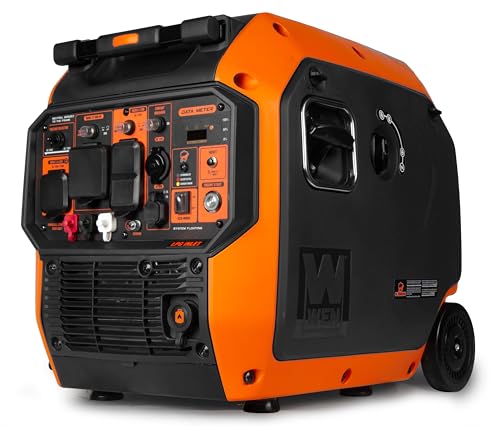
WEN DF680iX 6800-Watt Dual Fuel Inverter
The WEN DF680iX combines electric start with a dual-fuel inverter design. It is listed as an RV-ready portable generator, so it may interest campers and travelers who need more power than a small recreational unit can provide. The inverter system is designed to deliver more stable power than many basic open-frame generators, though buyers should still check the maker’s specifications for total harmonic distortion and supported devices. The fuel shutoff and CO Watchdog features add useful points to review before purchase.
This model also stands out for buyers planning a wider range of tasks. A dual-fuel generator gives you a choice between gasoline and propane, while the electric start reduces the effort needed to get the engine running. Its listed 6800-watt class suggests that it may support a mix of loads, but the actual running and starting watt figures matter more than the product name alone. If you plan to use it for RV air conditioning or vehicle-related backup needs, check the exact outlet, load, and charging requirements first.
✅ Pros
- ✔ Dual-fuel operation offers a choice of gasoline or propane.
- ✔ Electric start can be easier than a manual pull start.
- ✔ Inverter design is useful for buyers who value stable electrical output.
- ✔ RV-ready positioning makes it worth considering for compatible travel setups.
- ✔ Fuel shutoff can help with fuel-system care when used as directed.
- ✔ The CO Watchdog feature adds a layer of carbon monoxide monitoring.
- ✔ The listed power class may suit several devices when their combined load is within the rated limits.
⚠️ Cons
- ✖ Inverter models with this level of output may cost more than basic conventional generators.
- ✖ The full unit may be heavy to move without help or suitable wheels.
- ✖ The electric start system relies on a charged, working battery.
- ✖ RV users must check outlet type and air-conditioner starting demand.
- ✖ CO protection does not make indoor or enclosed use safe.
My Recommendation
The WEN DF680iX is my leading pick from this group for shoppers who want a combination of inverter technology, electric start, and dual-fuel flexibility. It is a strong candidate for RV owners and households that need portable power for a range of electronics and appliances. Before you choose it, compare the rated running watts, peak watts, noise rating, fuel runtime, and weight in the current product manual. The name alone does not tell you how long it will run on a tank or whether it can start a specific air conditioner. Those details should match your real use.
| Best For | Why |
|---|---|
| RV owners | Its RV-ready design can fit compatible travel power needs after outlet and load checks. |
| Mixed electronics and appliances | Inverter output can be a useful feature for devices that benefit from stable power. |
| Flexible fuel planning | Gasoline and propane offer options when one fuel is harder to obtain. |
Westinghouse 6600-Watt Remote Start Generator
The Westinghouse 6600-watt portable generator focuses on home backup features. It offers remote electric start, an auto choke, transfer-switch-ready support, RV-ready positioning, and a CO sensor. Remote start is especially handy when you want to start the unit without standing right beside it, provided you follow the manual and keep the generator in a safe outdoor location. The auto choke is designed to help the engine start under different conditions.
This model may fit a homeowner who wants to keep selected household items running during an outage. A fridge, lights, router, and chargers may be possible, but the total load and motor startup needs must stay within the unit’s ratings. Transfer-switch-ready does not mean you can connect it to a home’s wiring without the correct equipment. Ask a qualified electrician about a compatible transfer switch or approved inlet, and never plug a generator into a wall outlet to feed household circuits.
✅ Pros
- ✔ Remote electric start can make operation more convenient.
- ✔ The auto choke can simplify engine startup.
- ✔ Transfer-switch-ready design may fit a properly planned home backup system.
- ✔ RV-ready positioning gives it a second possible use.
- ✔ The CO sensor adds a safety feature.
- ✔ Portable form allows use at different outdoor work sites.
- ✔ Its listed power class may cover several essentials if their combined demand fits the rated output.
⚠️ Cons
- ✖ Remote start does not remove the need for routine care and battery checks.
- ✖ A conventional generator can be noisy near homes or campgrounds.
- ✖ It must run outdoors, away from openings where exhaust could enter.
- ✖ A transfer switch or inlet may add installation costs.
- ✖ The actual fuel runtime and outlet details should be confirmed before purchase.
My Recommendation
I recommend the Westinghouse for homeowners who value remote startup and want a generator that can be part of a planned backup setup. Its listed features are useful for outages, especially when paired with a safe outdoor location and a proper transfer switch installed by a qualified electrician. It may also suit RV owners if the available outlets and power ratings match their setup. Compare the rated watts, starting watts, noise, fuel use, and maintenance schedule before you buy. Remote start is convenient, but safe placement and correct electrical connections matter far more.
| Best For | Why |
|---|---|
| Homeowners | The remote start and home backup features suit planned power outage use. |
| Transfer switch setups | It is listed as transfer-switch ready, subject to compatible equipment and proper installation. |
| Convenience-focused buyers | Remote starting can reduce the effort needed to switch the generator on. |
WEN DF525iX Dual Fuel Inverter Generator
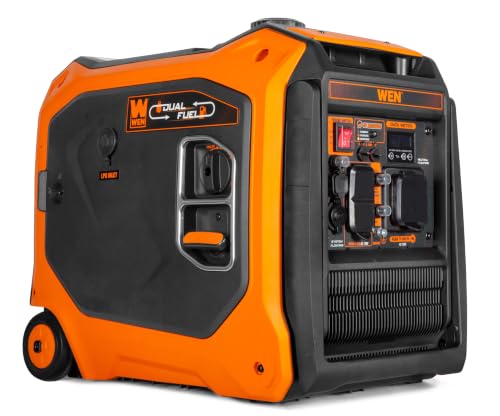
The WEN DF525iX is listed as a 5250-watt dual-fuel electric start inverter generator. That combination may appeal to buyers who want the benefits of inverter output and the option to use gasoline or propane. Electric start can save effort during setup, while inverter technology aims to deliver stable power for compatible equipment. As with any model, check the manual for its exact rated watts, peak watts, outlet types, and supported loads.
This generator may suit a home that needs a flexible backup source or a traveler who wants portable power for compatible gear. It is important to match its capacity to the devices you plan to run. Large heaters, pumps, refrigerators, and air conditioners may need more power at startup than they use once running. The inverter label is useful, but it does not mean every device will work or that the unit will run quietly under every load. Check noise and runtime figures before you make a final choice.
✅ Pros
- ✔ Electric start reduces dependence on a pull cord.
- ✔ Dual-fuel operation gives you two common fuel options.
- ✔ Inverter technology is designed for stable power delivery.
- ✔ The listed power class may serve several small and mid-size loads when planned well.
- ✔ Portable design can work for home backup and outdoor tasks.
- ✔ It may be useful for electronics when their power needs fit the specifications.
- ✔ Fuel choice can make planning easier during changing supply conditions.
⚠️ Cons
- ✖ Its output may not cover the starting needs of large appliances or heavy tools.
- ✖ Inverter models can cost more than basic conventional units.
- ✖ Actual runtime depends on fuel type and the load.
- ✖ Electric start requires a working battery and proper maintenance.
- ✖ Buyers must confirm current specifications and included accessories.
My Recommendation
The WEN DF525iX is worth considering if you want electric start, dual-fuel operation, and inverter technology in one unit. I would compare it closely with the DF680iX if both are on your shortlist. The best choice depends on how much power you need, the price at the time of purchase, the weight, and the fuel runtime. Do not choose based on peak watts alone. Add up the running watts of your planned devices and check the highest starting load. If you need to run many large appliances at once, a larger generator may be the better fit.
| Best For | Why |
|---|---|
| Electronics and small appliances | Inverter output may suit compatible devices that benefit from stable power. |
| Flexible fuel use | Gasoline and propane allow you to choose the fuel that fits your plans. |
| Portable backup | Its listed power class can be useful when the planned load stays within the ratings. |
Generac 12,500-Watt Tri-Fuel Electric Start

The Generac tri-fuel portable generator is listed with 12,500 starting watts and electric start. Its key draw is fuel choice: tri-fuel models are built to use gasoline, propane, and natural gas when the specific unit supports each fuel as stated in its manual. That can be helpful for a home backup plan because fuel supply may change during a long outage. Its higher listed starting output also makes it worth comparing with smaller portable models when you need to power several devices.
This model may suit households that want more capacity and have a safe, approved way to supply the chosen fuel. Starting watts are not the same as continuous running watts, so do not assume it can run every household circuit at once. Check the exact running output for each fuel, natural gas connection rules, included regulators or hoses, and outlet types. Natural gas hookup may require qualified work and must follow local rules. A generator this size also needs a suitable outdoor location and a clear plan for moving and storing it.
✅ Pros
- ✔ The listed 12,500 starting watts may suit larger backup loads than smaller units.
- ✔ Electric start can simplify startup.
- ✔ Tri-fuel capability can offer gasoline, propane, and natural gas choices when supported by the exact model.
- ✔ More fuel options can help during a long power cut.
- ✔ Portable format may allow use at more than one approved outdoor location.
- ✔ It is worth considering for a carefully planned home backup system.
- ✔ Higher starting output may help with compatible motor loads when their demand fits the running and surge ratings.
⚠️ Cons
- ✖ A high-output generator is likely to be bulky and may need help or equipment to move.
- ✖ Its fuel use can be high when running large loads.
- ✖ Natural gas hookup needs a safe, approved connection and may require a qualified professional.
- ✖ Starting watts alone do not show how much load it can support continuously.
- ✖ Noise, storage, and exhaust placement need careful planning.
My Recommendation
The Generac is the option to investigate if your main goal is higher starting output and broad fuel choice. I would focus on the current official specifications before ordering, especially the running watts on gasoline, propane, and natural gas. These figures can differ by fuel, and the product title does not provide all the details needed to size a backup system. It may suit a home with several planned loads, but it is not automatically a whole-house generator. Make a load list and have an electrician help plan any connection to household circuits.
| Best For | Why |
|---|---|
| Higher-demand backup | Its listed starting output makes it worth comparing for larger planned loads. |
| Homes with fuel options | Tri-fuel operation may let you choose from three supported fuel sources. |
| Long outage planning | A suitable natural gas supply or stored fuel can support a more flexible backup plan. |
Final Verdict: Which Should You Buy?
For shoppers comparing the Best Electric Start Generators, the WEN DF680iX is my leading pick because its listed features combine inverter technology, dual-fuel operation, and RV-ready use. The Westinghouse 6600-watt model is a strong choice for buyers who value remote start and home backup features. The WEN DF475T offers a simpler dual-fuel option, while the WEN DF525iX may suit buyers who want inverter output. The Generac tri-fuel model deserves a look when higher starting output and fuel flexibility matter most. Always verify current specifications before buying.
The Best Electric Start Generators should match your real power needs, fuel plan, and budget. Compare running watts, starting watts, runtime, noise, outlets, and safety features. Use fuel-powered generators outdoors only, and connect home circuits through approved equipment installed by a qualified electrician.
FAQs Of Best Electric Start Generators
Q What is an electric start generator?
Q Are electric start generators better than pull-start models?
Q What size electric start generator do I need for home backup?
Q Can I run an electric start generator indoors or in a garage?
Q Should I choose a dual-fuel or tri-fuel electric start generator?
Last Updated on October 28, 2026 by Saad Abdullah

I enjoy sharing simple gardening ideas, lawn care tips, and honest product reviews that help make outdoor work easier. From home gardening guides to helpful tools and lawn care advice, I write easy-to-follow content to help readers create a healthier and better-looking outdoor space without wasting time or money.