As an Amazon Associate, I earn from qualifying purchases.
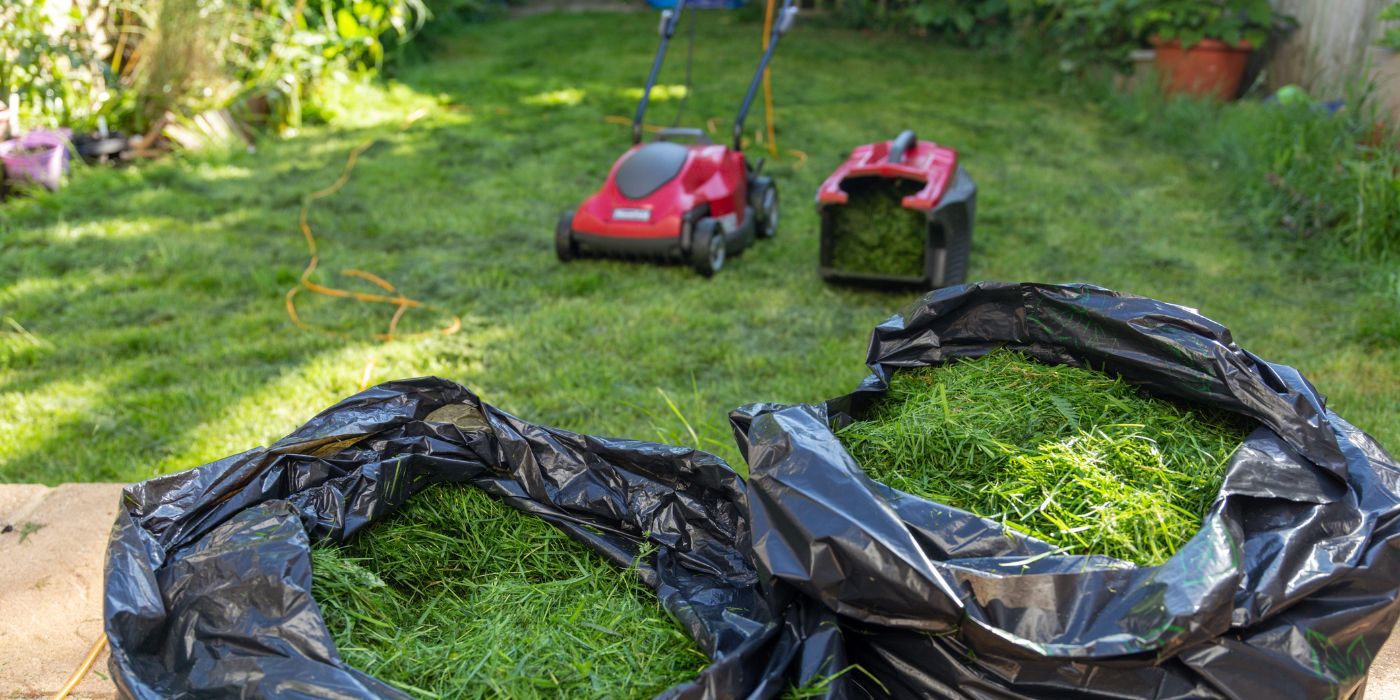
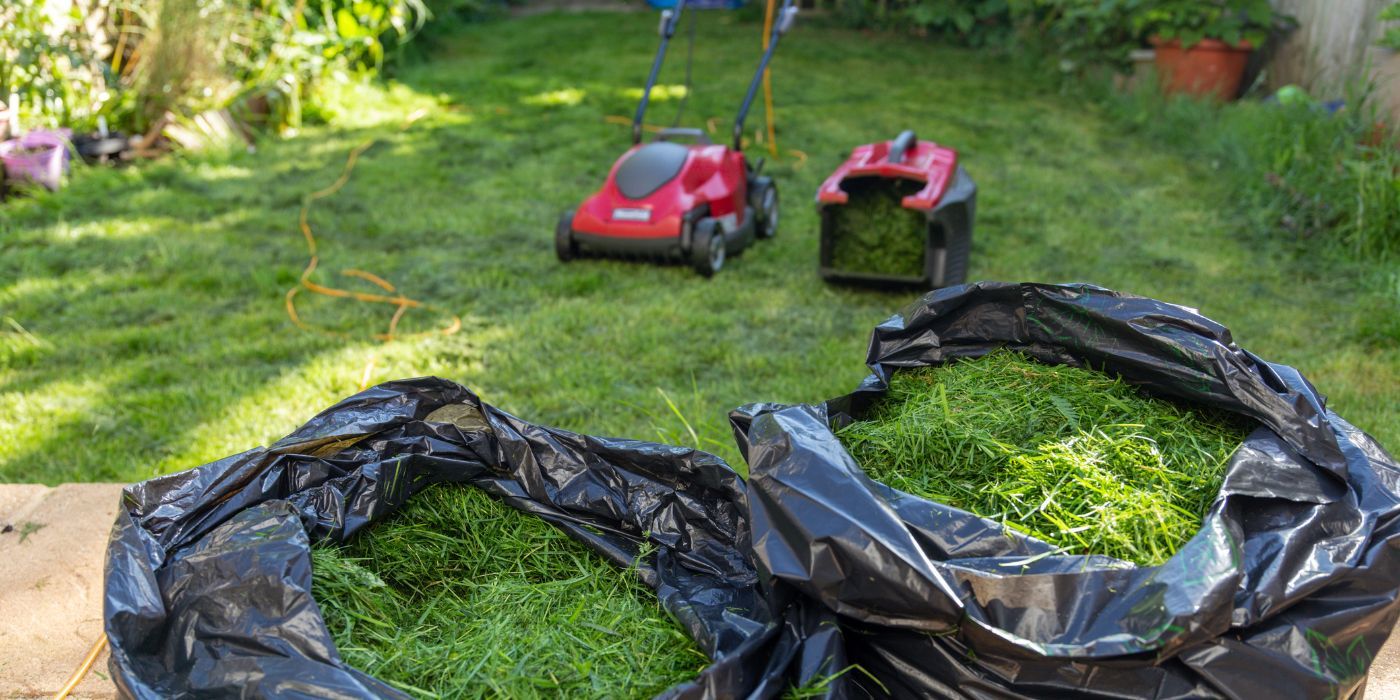
The best way to get rid of grass clippings is to leave short, dry clippings on the lawn when you mow often. For long or wet grass, collect the clippings and compost them, use them as a thin garden mulch, or follow your local yard waste rules.
Across the United States, lawns need regular care from the humid Southeast to the dry Southwest and the cooler northern states. During the growing season, a single mowing can leave piles of grass on a driveway, around flower beds, and across the lawn. The right cleanup method depends on how much grass you cut, how wet it is, and what you can do with yard waste at home.
You do not need to bag every blade of grass. Short clippings can break down on the lawn and return nutrients to the soil. When grass grows too tall, however, thick clumps can smother turf and look untidy. A simple plan helps you keep the yard neat while making useful use of the grass you remove.
This guide explains how to choose between mulching, composting, garden use, collection, and local yard waste disposal. It also covers wet clippings, large piles, pet waste concerns, and common mistakes so you can clean up without creating another lawn problem.
What Is the Best Way to Get Rid of Grass Clippings?
For most homeowners, the best first choice is to mulch short clippings into the lawn. If the grass is too long, wet, or thick to spread well, collect it and compost it. These two methods handle most routine lawn care needs without sending useful plant material to the trash.
Grass clippings contain water and plant nutrients. When finely cut and spread across the soil, they can break down and return some of those nutrients to the lawn. Bagging is still useful when the mower leaves heavy rows, when you need a clean finish, or when the clippings are mixed with weeds or other unwanted material.
Think about the amount of grass before choosing a method. A light dusting after a weekly mow is very different from several large bags after cutting an overgrown yard. The first can stay on the lawn; the second may need composting, garden use, or approved yard waste collection.
Source: theherbprof.com
Mulch the lawn
Best for short, dry clippings that a mower can spread evenly across the turf.
Compost the excess
Best for larger amounts of untreated grass when you have room for a compost pile or bin.
Use a thin layer in the garden
Best for clean, untreated clippings that can be spread around established plants without covering stems.
Collect for local yard waste service
Best when you have too much grass to reuse or your community offers a suitable collection program.
Choose a Method Based on the Clippings
Check the clippings before you start cleanup. If you can see the grass blades scattered across the lawn rather than piled in rows, leave them in place. If they form dense mats, gather them with a rake or mower bag. If they are clean and you have a compost area, save them for later use.
The right method also depends on your lawn and garden plans. A small yard with little storage space may be better served by mulching. A large yard with heavy spring growth may produce enough material to justify composting or municipal collection.
Small amount
Leave the clippings spread across the lawn if they do not cover the grass.
Large amount
Collect the excess and split it between composting and approved yard waste disposal.
Wet or matted grass
Rake up heavy clumps and let clean material dry or add it carefully to a managed compost pile.
1. Leave Short Clippings on the Lawn
Leaving short clippings on the lawn is often the easiest way to handle grass after mowing. A mower that chops the blades into small pieces can spread them between the standing grass. Those pieces settle toward the soil and break down over time.
This practice is often called grasscycling. It reduces the need to collect and haul away grass, and it returns some plant nutrients to the lawn. It does not mean you should leave thick clumps behind or mow grass when it is too wet to cut cleanly.
For the best result, mow often enough that you remove only a modest amount of leaf growth at one time. Keep the mower blade sharp and use a mulching mower or a suitable mulching setting if your machine has one. If clippings are visible in heavy rows after mowing, spread them with a rake or collect them.
Source: lawngardeners.com
Mow when the grass is dry
Dry grass is easier to cut and spread. Wet grass tends to stick under the deck and form clumps.
Avoid cutting too much at once
Frequent mowing helps prevent long strands and thick rows that are slow to break down.
Check the finish
The lawn should look mostly even, with no thick mats covering the green blades.
What If Clippings Cover the Lawn?
If the grass is hidden beneath heavy clumps, do not assume the material will disappear overnight. Thick piles can shade the turf and hold moisture against the leaves. Use a leaf rake to loosen the clumps and spread them thinly, or collect the excess.
If the lawn has grown far beyond your normal mowing height, raise the mower deck and cut in stages rather than forcing the mower through the whole length at once. Follow the recommended mowing height for your grass type, because warm-season grasses and cool-season grasses do not all have the same needs.
Light, scattered clippings
Leave them in place and let normal soil activity break them down.
Heavy rows
Rake them apart or collect them before they smother patches of turf.
2. Compost Grass Clippings at Home
Composting is one of the best ways to reuse a large amount of clean grass. Instead of throwing it away, you can combine it with dry leaves, shredded cardboard, and other suitable plant material. Over time, the pile breaks down into a dark, crumbly material that can improve garden soil.
Fresh grass is rich in moisture and nitrogen. A pile made mostly of fresh clippings can pack down, turn slimy, and smell unpleasant. Mixing the grass with dry, coarse material helps air move through the pile and balances the wet green material with drier carbon-rich material.
Start with a small amount of grass rather than adding a thick layer all at once. Mix each addition with dry leaves or another suitable brown material. Keep the pile damp like a wrung-out sponge, not soaked, and turn it when it becomes dense or starts to smell sour.
Source: detroitchinatown.org
Use clean grass
Avoid clippings mixed with pet waste, litter, or unknown chemical residues.
Add dry brown material
Mix in dry leaves, shredded untreated cardboard, or other suitable dry plant matter.
Allow air to flow
Do not press fresh grass into a solid mass. Loosen the pile when it becomes compact.
Check the finished compost
Mature compost should be dark and crumbly, with little resemblance to the original grass.
How to Compost Grass Clippings Step by Step
First, choose a suitable outdoor compost area or bin with enough room for the material. Keep the pile away from storm drains and places where runoff could reach a pond, stream, or street. Check local rules if you live in a community with limits on yard waste storage.
Second, spread a thin layer of fresh grass over dry leaves or other brown material. Add more brown material until the grass is mixed rather than packed into a wet layer. A good mix should remain loose enough for air to move through it.
Third, check moisture and odor as the pile breaks down. Add dry material if it is soggy or smells sour, and add a little water if the material is very dry. Turn the pile when practical, then allow it to mature before using the finished compost around plants.
If the pile smells bad
Add dry brown material and loosen the pile to improve airflow.
If the pile stays wet
Cover it from heavy rain when appropriate and mix in dry, absorbent plant material.
If the pile is slow to break down
Check moisture, airflow, and the balance of fresh green material and dry browns.
Can You Compost Grass With Weed Seeds?
Be careful when adding clippings from a lawn full of mature weeds. Some seeds may survive in a cool or poorly managed compost pile. If you are unsure whether your pile reaches and maintains conditions that destroy weed seeds, keep seed-bearing weeds out of compost intended for garden beds.
The same caution applies to grass treated with herbicides. Some lawn products restrict where clippings may be used or how long you must wait before composting them. Read the product label and follow its specific directions instead of assuming every treated lawn is safe for every garden use.
Mature weed seeds
Dispose of seed-bearing material according to local rules if your compost process cannot reliably handle it.
Herbicide-treated grass
Check the label for clipping collection, composting, and garden-use restrictions before reuse.
3. Use Grass Clippings as Garden Mulch
Clean grass clippings can serve as mulch around many established garden plants. A thin layer helps shade the soil, slows water loss, and can break down into organic matter. This works best when the grass is free of pet waste, troublesome weed seeds, and chemicals that could harm the plants you are growing.
The main rule is to use less than you think you need. Fresh grass holds a lot of water and can form a dense, airless mat when spread too thickly. That mat may smell, heat up as it breaks down, or block water and air from reaching the soil evenly.
Let the clippings wilt or dry a little before using them when practical. Spread a thin layer around plants, leaving a clear gap around stems and trunks. If the layer starts to smell or turns into a slick mat, remove some of it and add the excess to a suitable compost pile.
Source: plantandlights.com
Use a thin layer
Apply a light covering that remains loose rather than forming a thick, wet blanket.
Keep stems clear
Leave space around plant crowns, stems, and tree trunks to reduce trapped moisture.
Check the grass source
Use untreated, clean clippings when you are unsure about chemical restrictions or contamination.
Can Grass Clippings Go in a Vegetable Garden?
They can be useful around many vegetables if the grass is clean and safe to use. Apply it between rows or around established plants, not directly against delicate stems. Keep the layer loose and check it after rain, especially in humid parts of the United States where damp material may stay wet for long periods.
Do not use clippings that contain pet feces around food crops. Avoid grass treated with a product whose label prohibits garden use or composting. When the lawn’s treatment history is unknown, choose another mulch source rather than risking damage to vegetables or other sensitive plants.
Suitable use
Clean, untreated clippings spread thinly around established plants.
Avoid
Contaminated grass, dense wet layers, and clippings with unresolved chemical restrictions.
4. Collect and Bag Grass Clippings
Collecting grass is the right choice when mowing leaves thick clumps, when the lawn is overgrown, or when you need a clean finish near paths and patios. A mower bag can collect much of the loose material as you work. For scattered clippings left behind, a lawn rake is often enough.
Bagging does not mean the grass must go into household trash. Keep clean clippings for composting or garden use when suitable, or prepare them for a local yard waste program. Check your local collection rules before placing bags at the curb, since communities differ in accepted containers, pickup schedules, and material limits.
Do not leave bags of fresh grass sealed in the sun for long periods. The wet contents can heat up, smell, and begin to break down. If you cannot process the clippings at once, keep them in a suitable outdoor area and follow local storage and collection guidance.
Source: www.pinterest.com
Use the mower bag
Collect excess grass as you mow instead of letting heavy rows build up across the lawn.
Rake small leftovers
Gather clippings from driveways, sidewalks, and lawn edges with a rake or suitable blower.
Keep the area tidy
Sweep or collect clippings from paved surfaces before rain or irrigation carries them away.
How to Clean Up Clippings From Driveways and Sidewalks
Start by switching off the mower and waiting for all moving parts to stop. Use a stiff broom or rake to pull the clippings back onto the lawn if they are clean and free of contaminants. You can also collect them for composting or yard waste pickup.
A leaf blower can move loose clippings from hard surfaces, but aim them onto the lawn or into a collection area rather than toward the road. Never blow grass into a storm drain, since yard waste can obstruct drainage and carry nutrients into local waterways. Follow local rules about blower use, noise, and yard waste.
Small cleanup
Use a broom or rake to gather clippings without spreading them farther.
Larger cleanup
Use a suitable blower with care and direct material toward a safe collection point.
5. Use Local Yard Waste Collection or Drop-Off
If you have more clippings than you can reuse, local yard waste collection may be the simplest option. Many US communities offer curbside collection, drop-off sites, or seasonal programs for leaves and grass. The accepted materials and rules vary by city and county, so check your waste service provider’s current instructions.
Some programs require paper yard waste bags, reusable containers, or specific bins. Others limit the weight or size of containers, restrict plastic bags, or exclude grass during certain periods. Do not assume the rules in a nearby town are the same as yours.
If your community sends yard waste to a composting facility, clean grass can become useful soil material rather than ordinary trash. Keep the clippings separate from household garbage when the program asks you to do so, and remove litter or other unwanted items before collection.
Source: artofit.org
Check local rules
Look up accepted materials, collection dates, bag requirements, and drop-off hours.
Keep grass clean
Remove litter, plastic, and other material that the program does not accept.
Do not dump illegally
Use an approved collection point rather than vacant lots, roadsides, or waterways.
What If Your City Does Not Collect Grass?
Try reducing the amount you collect by mowing more often and leaving short clippings on the lawn. Compost the remaining clean material if you have enough space and can manage moisture and airflow. You can also ask your local waste office whether a seasonal drop-off site or community composting program accepts grass.
If none of these options is available, follow your local solid waste rules. Burning grass clippings is not a good routine disposal method because wet grass produces smoke and local fire restrictions may prohibit open burning. Never dump clippings into drainage channels or natural areas.
First choice
Reduce collection by grasscycling when lawn conditions allow.
Second choice
Compost clean clippings or use an approved community composting service.
Last resort
Follow your local waste agency’s rules for any material you cannot reuse.
6. Handle Wet, Long, or Problem Grass Correctly
Wet or overgrown grass needs a different approach from the light clippings left after a routine mow. Wet blades tend to stick together, while long grass can form thick windrows that block sunlight from reaching the turf. Collect or spread these clumps instead of leaving them in dense piles.
If the grass is wet because of rain or irrigation, wait for it to dry before mowing when practical. If you must clean up after a wet cut, use a rake to loosen the material and collect the thickest sections. Add clean excess to a compost pile only when you can mix it with dry material and keep air moving through the pile.
Grass that may contain weed seeds, pet waste, or chemical residues calls for extra care. Do not assume that every compost pile will destroy weed seeds or break down every herbicide. Check product labels, avoid contaminated material, and use local disposal guidance when you cannot confirm that the clippings are suitable for reuse.
Source: theherbprof.com
Wet grass
Wait for better mowing conditions when possible, and remove thick mats after mowing.
Very long grass
Cut in stages at an appropriate height and collect excess material rather than leaving heavy rows.
Grass with pet waste
Keep it out of compost and mulch intended for food crops, and follow local waste rules.
Grass treated with herbicides
Read the product label before composting or applying clippings around sensitive plants.
How to Prevent Thick Clumps Next Time
Set a regular mowing schedule that fits your grass type and growth rate. In a warm, rainy spell, a lawn may need more frequent mowing than it does during a cool or dry period. Avoid removing too much leaf growth in a single cut, and keep the mower blade sharp enough to cut cleanly.
Use a mulching setting when conditions are suitable and check that the mower deck is clear before each job. Follow the mower manual for safe cleaning and maintenance, and never reach under the deck while the machine is running or connected to a power source.
Adjust mowing frequency
Mow as the grass grows rather than waiting until it becomes difficult to cut.
Maintain the mower
Use a sharp blade and follow the manual for deck cleaning and blade service.
7. Avoid These Common Grass Clipping Disposal Mistakes
Most grass clipping problems come from using too much material in one place or sending it somewhere it does not belong. A thick pile may look harmless, but it can trap moisture, smell as it decays, and cover living grass. A small change in how you mow or collect the clippings can prevent much of this trouble.
Another common mistake is treating all grass as safe garden material. Lawn treatments differ, and labels may set limits on where clippings can go. Contamination from pet waste, litter, or unknown chemicals can also make otherwise useful plant matter unsuitable for compost or vegetable beds.
Finally, keep grass away from streets, storm drains, and streams. Clippings can wash into drainage systems, contribute organic matter and nutrients to waterways, or block water flow. Clean up paved surfaces after mowing and use a lawful disposal method for excess material.
Source: detroitchinatown.org
Leaving thick clumps
Spread them thinly or collect them so the living grass is not buried.
Adding fresh grass alone to compost
Mix it with dry brown material to reduce compaction, excess moisture, and odors.
Using unknown treated grass
Check the lawn product label or choose another source of mulch.
Dumping clippings into drains
Sweep them up and place them on the lawn, in compost, or in approved yard waste collection.
Burning wet clippings
Avoid this smoky disposal method and follow local fire and waste regulations.
Is It Safe to Put Grass Clippings in the Trash?
That depends on your local waste rules. Some communities accept yard waste in a separate collection program, while others may allow small amounts in regular trash or require a different disposal route. Check the current rules for your address before bagging large amounts.
When possible, reuse clean grass through mulching or composting. These methods can reduce the amount of yard waste you need to move off-site. If trash disposal is the only permitted option, contain the material as required by your local service and avoid leaving loose grass where wind or runoff can carry it away.
Check before disposal
Confirm whether your community accepts grass in household trash or requires a yard waste program.
A Simple Decision Guide for Grass Clippings
Use the condition of the grass and the amount you have to make a quick decision. You do not need a complex system for every mowing job. Check the table below, then choose the method that keeps your lawn healthy and handles excess material responsibly.
Source: plantandlights.com
Dry, short grass
Leave it on the lawn if it spreads evenly and does not cover the turf.
Long, heavy clippings
Collect the excess and compost it or use an approved yard waste service.
Clean grass for garden use
Apply a thin layer as mulch, keeping it away from plant stems.
Wet or slimy grass
Loosen the clumps and mix suitable material with dry browns in a compost pile.
Unknown treatment history or contamination
Do not use it around edible crops; check the label or follow local disposal guidance.
How Much Grass Should You Leave Behind?
There is no single pile size that works for every lawn. The practical test is whether the clippings settle between the standing blades or cover them in thick layers. If you can still see the grass and the clippings are scattered, they can usually stay in place.
If the clippings form visible rows or mats, rake them apart or collect the excess. Grass type, mowing height, recent rain, and growth rate all affect how much material a mower leaves behind. Use the condition of the lawn rather than a fixed volume as your guide.
Look for even coverage
Clippings should be scattered rather than piled into continuous rows.
Check after mowing
Inspect corners, turns, and thick patches where the mower may drop extra grass.
Frequently Asked Questions
Q
Should I leave grass clippings on my lawn or bag them?
Leave short, dry clippings on the lawn when they spread evenly between the grass blades. Bag them when the grass is too long or wet, when thick rows remain, or when you need to remove contaminated material. You can compost suitable clippings rather than throwing them away.
Q
Do grass clippings cause thatch?
Grass clippings are not the main cause of thatch in a healthy lawn. Thatch is a layer of slowly decomposing roots, stems, and other plant parts that builds up between the soil and green grass. Short clippings usually break down on the soil surface, while thick clumps should be spread out or collected.
Q
Can I put fresh grass clippings straight into a compost bin?
Yes, if the clippings are clean and you mix them with dry brown material. Fresh grass alone can compact, become slimy, and develop unpleasant odors. Add thin layers, keep the pile loose, and check moisture as it breaks down.
Q
Can I use grass clippings as mulch around flowers and vegetables?
Clean, untreated clippings can be used as a thin mulch around many established flowers and vegetables. Keep the material away from stems and do not let it form a wet, compacted mat. Avoid clippings that contain pet waste or have treatment restrictions that make garden use unsafe.
Q
What should I do with grass clippings after mowing wet grass?
Rake apart thick clumps and collect material that covers the lawn. If practical, wait until the grass dries before mowing again. Clean clippings can go into a compost pile when mixed with dry brown material, but do not leave heavy wet mats on the turf.
Q
Can I throw grass clippings into a storm drain or roadside ditch?
No. Keep grass clippings out of storm drains, roadways, and waterways. They can block drainage and wash organic matter and nutrients into nearby water. Sweep them onto the lawn or collect them for composting or approved yard waste disposal.
Q
How often should I mow to avoid too many clippings?
Mow often enough that you remove only a modest amount of leaf growth at a time. The ideal schedule depends on your grass type, season, rainfall, and growth rate. If mowing leaves thick rows, adjust the schedule or collect the excess rather than leaving it in piles.
✦ Wrapping Up
Conclusion
The best way to get rid of grass clippings is usually to leave short, dry pieces on the lawn and collect only the excess. Grasscycling saves cleanup time and returns some nutrients to the soil. When you have too much grass, composting or using a thin layer as garden mulch can put the material to work instead of sending it to the trash.
The key is to match the method to the condition of the grass. Avoid leaving thick, wet mats on the lawn, keep clippings away from drains and waterways, and check product labels before reusing grass from a treated lawn. Local yard waste collection is a practical option when home reuse is not possible.
💡 Key Takeaway
After your next mow, inspect the lawn before reaching for a bag. Leave evenly scattered clippings in place, rake up thick clumps, and send clean excess to compost or an approved yard waste program.
I enjoy sharing simple gardening ideas, lawn care tips, and honest product reviews that help make outdoor work easier. From home gardening guides to helpful tools and lawn care advice, I write easy-to-follow content to help readers create a healthier and better-looking outdoor space without wasting time or money.