As an Amazon Associate, I earn from qualifying purchases.
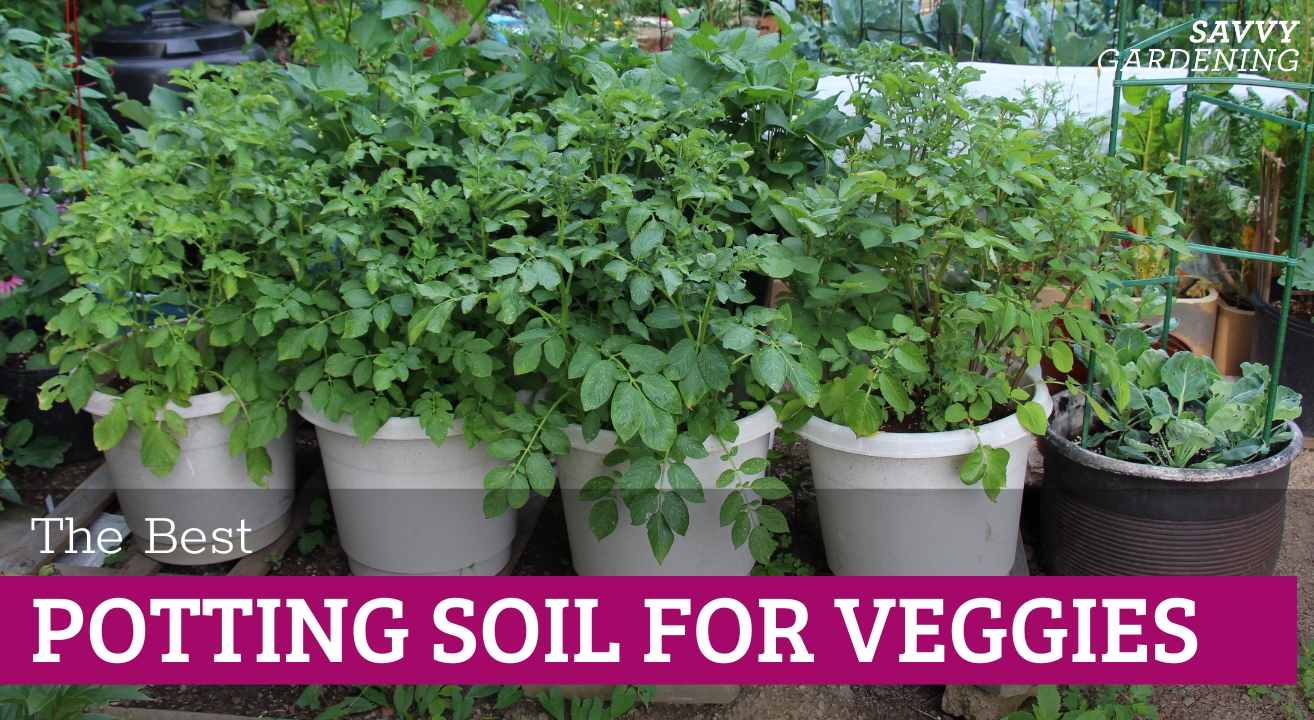
The best soil to grow vegetables in pots is a light, well-draining potting mix that holds moisture, lets air reach the roots, and contains enough nutrients for steady growth. Choose a quality potting mix made for containers, or blend peat moss or coco coir with compost and perlite or pumice.
Across the United States, container vegetable gardens can fit on sunny apartment balconies, suburban patios, front porches, and small backyards. A few pots can provide fresh tomatoes, peppers, lettuce, herbs, and other crops without the need for a large garden bed. Yet even with good seeds and plenty of sunshine, plants may struggle if their roots sit in dense, wet soil or run out of nutrients.
Garden soil from the yard is usually not the best choice for pots. It can pack down, drain poorly, and limit the air that roots need. A purpose-made potting mix is lighter and better suited to the small space inside a container.
The right mix depends on the crop, the pot size, the local climate, and how often you water. Tomatoes and peppers need room for strong roots and steady moisture, while lettuce and other leafy greens benefit from a mix that stays evenly damp without becoming soggy. Once you understand these needs, choosing or blending suitable soil becomes much easier.
What Makes Soil Best for Growing Vegetables in Pots?
The best container soil provides four things: air, water, nutrients, and room for roots to grow. These needs work together. A mix that holds water but has little air can suffocate roots, while a mix that drains too fast can leave plants thirsty and stressed.
Potting mix is usually made from several ingredients rather than just mineral soil. Depending on the product, it may contain peat moss or coco coir, composted materials, bark, perlite, vermiculite, or other components. Each ingredient changes how the mix holds water, drains, and supports roots.
A good mix should feel light and crumbly rather than sticky or compacted. When watered, it should absorb moisture without leaving the surface flooded for a long time. Excess water should flow through the drainage holes, and the mix should retain enough moisture to support the plant between waterings.
Nutrients matter just as much as texture. Some potting mixes include a starter fertilizer, compost, or slow-release plant food. Others provide little nutrition, so you will need to feed your vegetables after planting. Read the bag to learn what the mix contains and how long any added fertilizer is expected to last.
Source: savvygardening.com
Good drainage
Extra water must be able to leave the pot so roots do not remain in waterlogged conditions.
Reliable moisture retention
The mix should hold enough water for roots to use without drying out too quickly.
Air around the roots
Open spaces between particles allow oxygen to reach roots and support healthy growth.
Useful nutrients
Vegetables need nutrients for leaves, roots, flowers, and fruit. A mix may supply some at first, but regular feeding may still be necessary.
Why Ordinary Garden Soil Often Fails in Pots
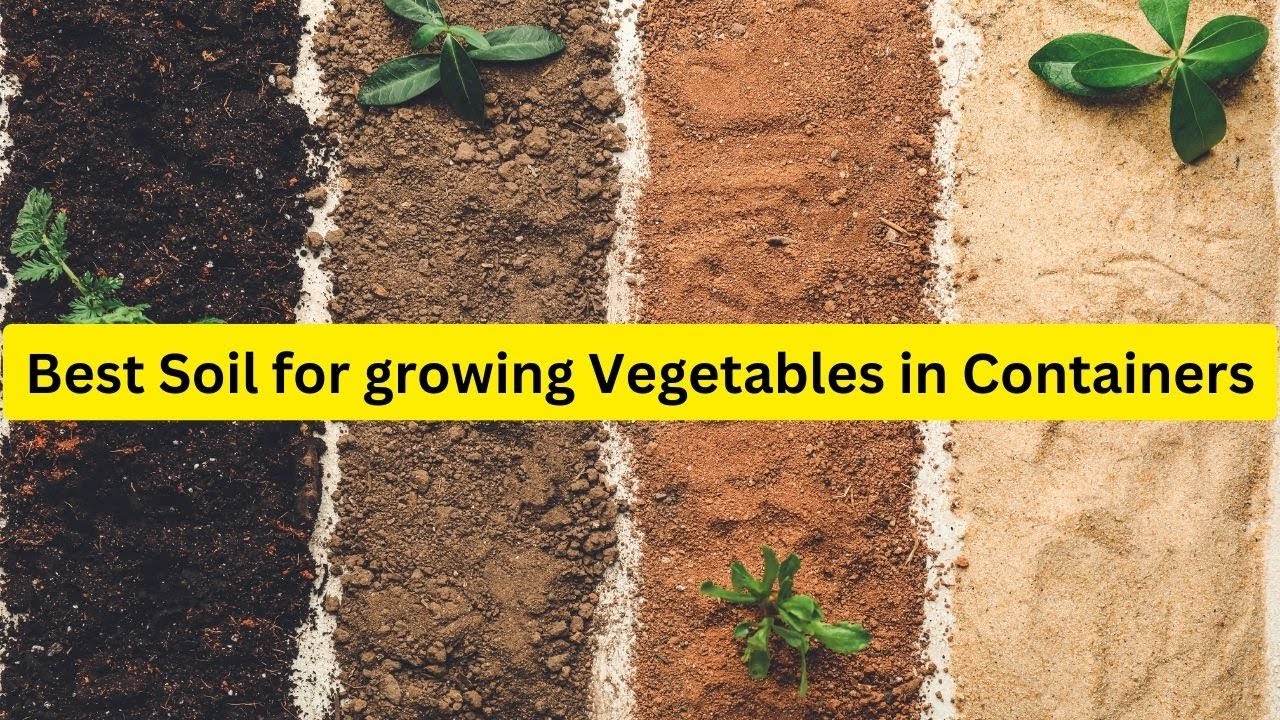
Garden soil can work well in the ground because worms, roots, weather, and soil organisms help maintain its structure. Inside a pot, that same soil may become dense and compact after repeated watering. The limited space also makes it harder for excess water to move away.
Heavy clay soil is especially likely to hold too much water and become hard when it dries. Sandy garden soil may drain rapidly but still fail to provide a stable balance of water and nutrients. Adding a little garden soil to a container mix does not automatically solve either problem.
For most home vegetable containers, use a product labeled for pots or containers. Soil-free potting mixes are often a better starting point because their texture is designed for growing plants in confined spaces.
Avoid heavy topsoil
It can add unnecessary weight and reduce the air space around roots.
Do not use lawn soil by default
Soil collected from a yard may contain weed seeds, pests, or residues from products used on the lawn.
The Best Ingredients for a Vegetable Potting Mix
A reliable potting mix combines materials that hold moisture with materials that preserve air space. You do not need every possible ingredient. A few suitable components can create a useful mix for most home-grown vegetables.
Before buying anything, check the ingredient list on the bag. Two products called potting mix can behave differently because their ingredients and proportions vary. Consider the crops you plan to grow, how hot your summers get, and how often you can water.
Source: fity.club
Coco coir
Made from coconut husks, coco coir helps retain water and creates a light growing medium. It is often sold in compressed bricks or ready-to-use mixes. Follow the package directions when expanding a compressed product, and check whether the finished material contains added nutrients.
Peat moss
Peat moss holds moisture and helps create a light mix. It can become difficult to rewet after it dries out severely. Peat is also a limited natural resource, so gardeners concerned about environmental impact may prefer a suitable coir-based blend.
Perlite
Perlite is a lightweight, expanded mineral that helps improve air space and drainage. It is useful in pots that stay wet for too long, although it does not supply meaningful plant nutrition.
Pumice
Pumice is a porous volcanic material that helps keep growing media open. It is heavier than perlite and can be useful in larger containers where extra stability is welcome.
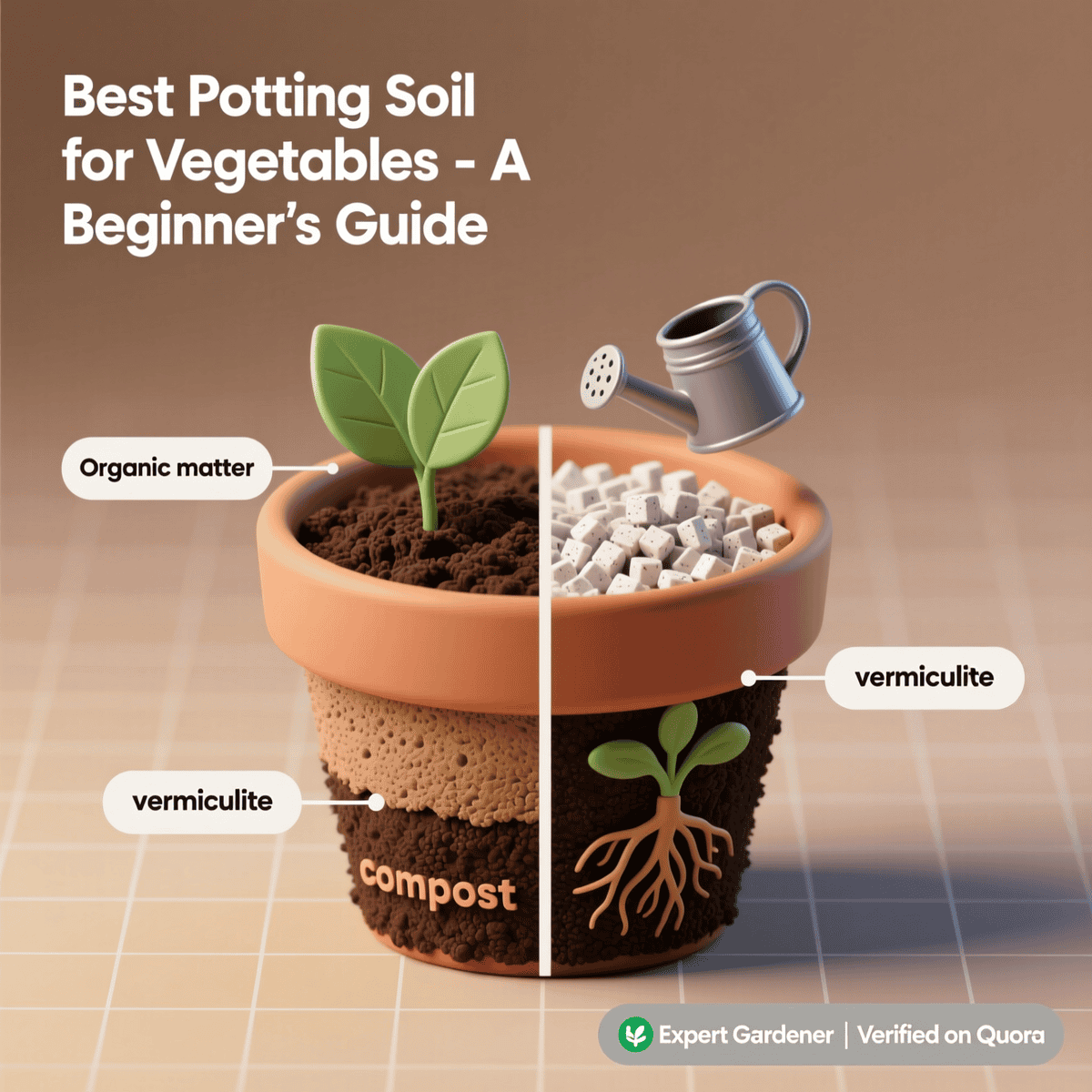
Finished compost
Mature compost can add nutrients and organic matter. Use a well-finished product rather than fresh manure or partly decomposed waste. Too much compost can make the mix dense or introduce excessive soluble salts.
Fine pine bark or other suitable bark
Small, properly aged bark particles can help preserve structure in some potting blends. Very coarse pieces may leave large gaps and make it harder to keep small root systems evenly moist.
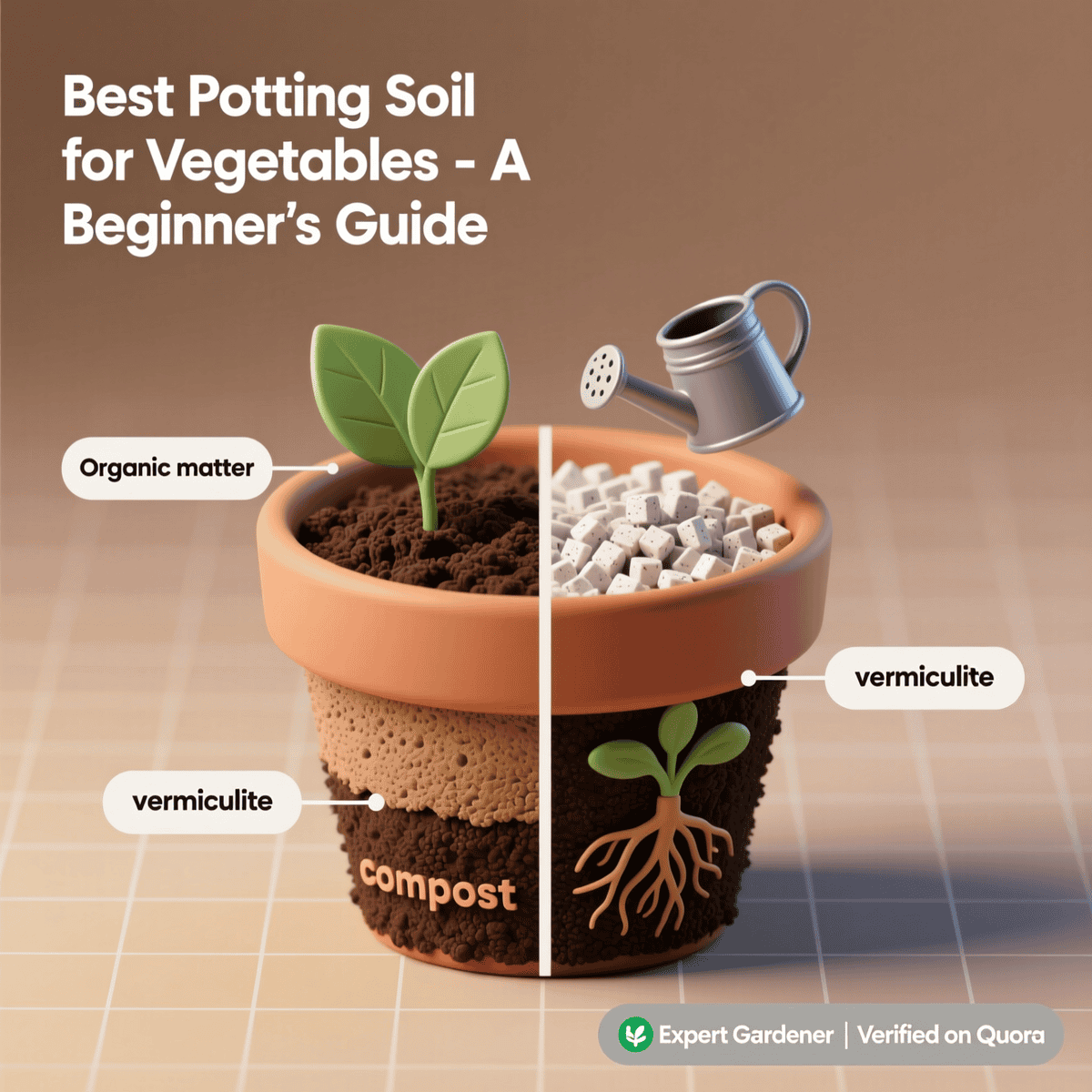
Vermiculite
Vermiculite holds water and can help retain certain nutrients. It may be useful in mixes for moisture-loving crops, but adding too much can leave a container wetter than intended.
How to Choose Between Coco Coir and Peat Moss
Both coco coir and peat moss can provide the moisture-holding base of a vegetable potting mix. Neither is automatically better in every situation. The final result depends on the full recipe, the quality of the material, and your watering routine.
Coco coir is often a practical choice for gardeners who want an alternative to peat. However, coir products vary in processing and salt content, so choose a reputable horticultural product and follow any preparation instructions. Peat-based mixes remain widely available and can work well when kept evenly moist.
If you garden in a hot, dry area of the United States, you may benefit from a mix with good moisture retention and a larger container. In a humid area with frequent rain, extra attention to drainage and air space may be more useful. Adjust the full mix rather than relying on one ingredient to solve every problem.
For hot, dry weather
Favor a mix that retains moisture while remaining airy, and consider larger pots that dry out more slowly.
For wet or humid weather
Use a structurally open mix and confirm that every container has working drainage holes.
A Simple Homemade Potting Mix for Vegetables
You can blend a useful vegetable potting mix at home with a few common ingredients. A simple starting recipe is two parts coco coir or peat-based potting base, one part finished compost, and one part perlite or pumice. Measure each part using the same container, such as a bucket or scoop.
This is a starting point, not a universal formula. The best proportions depend on the texture of each ingredient. A commercial potting base may already contain bark, fertilizer, and drainage materials, so adding every ingredient in the recipe could create an unsuitable mix.
For convenience, many beginners can use a quality ready-made potting mix and add a modest amount of finished compost if the product needs more organic matter. Follow the label, especially if the mix already includes fertilizer. More compost or fertilizer does not always mean better growth.
Source: bloomingexpert.com
Two parts moisture-holding base
Use a suitable coco coir product or a peat-based growing medium to hold water and create the main structure.
One part finished compost
Add mature, screened compost for organic matter and some nutrients. If the compost is dense or salty, use less or leave it out.
One part perlite or pumice
Blend in an airy mineral component to help reduce compaction and improve root-zone aeration.
How to Mix and Fill Your Containers
Start with a clean tub, wheelbarrow, or mixing tray. Wear gloves if you have sensitive skin, and avoid breathing dust from dry potting materials. Lightly dampen dusty coco coir or peat before mixing so it is easier to handle.
Measure the ingredients and blend them until the color and texture look even. Break up large clumps, but do not grind the materials into fine particles. The finished mix should feel loose and springy rather than sticky or muddy.
Fill a container that has drainage holes, leaving enough space near the rim for watering. Do not press the mix down hard to fit more into the pot. Settle it with a gentle watering, then add a little more if the surface drops.
Before planting a full crop, wet a small amount of the mix and observe how it behaves. If water pools on top for a long time, check whether the mix is compacted or contains too many fine particles. If water runs straight through while the center stays dry, moisten the mix gradually and reassess its composition.
Check the drainage holes
Make sure they are open and large enough to let excess water escape. Do not seal the bottom of the container.
Wet the mix evenly
Some dry materials resist water at first. Add water in stages and mix until the medium is evenly damp.
Avoid compacting the soil
Gentle settling helps remove large air gaps without crushing the structure that roots need.
Should You Add Fertilizer to Homemade Soil?
Compost supplies some nutrients, but its nutrient content varies. A homemade mix may still need a fertilizer suitable for edible crops, especially when growing fruiting vegetables for several months. Use the fertilizer label to determine the rate and timing.
If you use a commercial potting mix with a starter fertilizer, do not automatically add more plant food at planting. Excess fertilizer can harm roots and cause salt buildup. Wait until the label indicates that feeding is needed, then monitor the plants for signs of nutrient shortages or excess.
A soil test is useful when you need to investigate unusual growth problems or adjust a larger container-gardening setup. Standard garden soil tests may not interpret a potting mix in the same way as field soil, so check whether the laboratory accepts container media and follow its sampling instructions.
Read the label first
Identify any fertilizer already included and how long it is intended to feed plants.
Use a measured rate
Follow directions for container vegetables rather than estimating an amount by eye.
Which Potting Mix Is Best for Different Vegetables?
Most vegetables grow well in a quality all-purpose potting mix, but the ideal moisture balance can vary by crop. Tomatoes and peppers need enough water and nutrients to support a long growing season. Leafy greens and radishes have different growth patterns and may need less space or a shallower container.
You usually do not need a separate bag of soil for every vegetable. Start with a suitable container mix, then adjust container size, watering, and feeding to match the crop. These choices often matter more than buying a highly specialized mix.
Source: storage.googleapis.com
Tomatoes
Use a moisture-retentive but well-aerated potting mix in a large container with drainage. Choose a container that can support the mature plant and its root system. A compact mix that stays soggy can weaken roots, while a small pot may dry out rapidly.
Peppers
Choose a loose mix that holds steady moisture without becoming waterlogged. Peppers need reliable watering during flowering and fruit development, and a pot with adequate volume makes moisture management easier.
Lettuce and spinach
Use a fine, light mix that stays evenly moist. These leafy crops often grow well in shallower containers than tomatoes, provided the container depth suits the crop and drainage remains effective.
Radishes and carrots
Use a loose mix with few large clumps or stones. Carrots need enough depth for the chosen variety, while radishes can grow in shallower containers. Dense material can cause roots to fork or become misshapen.
Cucumbers
Use a moisture-retentive mix in a large container with good drainage. Vining types need support and enough root space, while compact varieties may suit smaller patios and balconies.
Herbs
Many culinary herbs grow well in general-purpose potting mix. Basil likes steady moisture, while rosemary and thyme generally prefer more drying between waterings. Match watering to the herb rather than keeping every pot equally wet.
Quick Guide to Soil and Container Needs
Use the table below as a starting point when planning a container garden. Actual container size depends on the variety, the number of plants, and the manufacturer’s growing guidance. Larger containers generally give roots more room and help buffer changes in moisture.
Tomatoes and peppers
Use a large pot with an airy, moisture-holding mix. A container of about 5 gallons or more per plant is a common starting point for many compact varieties, while larger plants often benefit from greater volume.
Cucumbers
Use a generous container, a loose mix, and suitable trellising for vining types. Check the seed packet for mature size and spacing.
Lettuce and spinach
Use a shallower container with enough depth for the roots and keep the mix evenly moist. A depth of around 6 to 8 inches can suit many leafy greens.
Radishes
Choose a loose, fine-textured mix and a container deep enough for the selected variety. Many quick-growing types can do well in containers about 6 to 8 inches deep.
Carrots
Match the depth to the root length of the variety. Short-rooted types may grow in containers around 8 to 10 inches deep, while long varieties need deeper soil.
How to Choose a Bagged Potting Mix
A bag labeled potting mix or container mix is usually a better starting point than one labeled garden soil or topsoil. However, the label alone does not tell you everything about the product. Check the ingredients, drainage properties, nutrient information, and any instructions for edible crops.
A higher price does not guarantee better results. Choose a mix that suits your plants and watering habits, and avoid paying extra for claims that do not explain what the product contains. A simple, well-made mix can support a productive container garden.
Source: www.pinterest.com
Read the ingredient list
Look for materials such as coco coir, peat moss, perlite, bark, or compost that explain how the mix holds water and maintains air space.
Check fertilizer details
Find out whether the mix includes fertilizer, how long it is expected to last, and whether extra feeding is recommended.
Look for container suitability
Choose a product intended for pots, planters, or container gardening rather than one designed only for in-ground beds.
Inspect the package
Avoid bags with signs of contamination, unusual chemical odors, or damaged packaging that may have allowed the material to become contaminated.
Consider the amount you need
Compare the bag volume with the number and size of your containers. Buying a little extra can help top up pots after the mix settles.
Potting Mix vs. Garden Soil vs. Raised Bed Mix
These products are designed for different uses. Potting mix is generally made to work in containers, where drainage and air space are critical. Garden soil is usually intended for in-ground planting, and raised bed mix is often formulated for larger beds with greater soil volume.
Raised bed mixes vary widely. Some are light and contain materials suited to pots, while others are heavy blends intended to be spread over a broad bed. Check the label before using one in a container.
For a balcony or patio vegetable garden, a purpose-made potting mix is usually the most reliable starting choice. If you want to reduce costs, compare ingredients and make a suitable blend in bulk rather than filling every pot with dense garden soil.
Potting mix
Best starting point for most containers because it is designed to balance water retention and air space.
Garden soil
Best used in the ground where its structure can function as part of the surrounding soil system.
Raised bed mix
Often suitable for outdoor beds, but its weight and texture should be checked before using it in pots.
How to Water Vegetables in Potting Mix
Even the best potting mix will fail if you water it poorly. Container soil holds a limited amount of water, and wind, sun, plant size, and temperature can change how quickly it dries. In hot parts of the United States, a patio pot may need water much more often than a pot in a cool, shaded spot.
Check the mix before watering rather than following a rigid daily schedule. Push a finger into the top inch or two, or use the pot’s weight as a rough guide. The surface can look dry while the lower part remains damp, so check deeper when possible.
When watering, apply enough to wet the root zone. Water should move through the mix and drain from the bottom. Empty standing water from saucers so the roots do not sit in it for long periods.
Source: fity.club
Water deeply
Apply water slowly enough for the mix to absorb it, then allow excess water to drain through the holes.
Check during heat waves
High temperatures, wind, and strong sun can make pots dry quickly. Check plants more often during these conditions.
Avoid constant saturation
If the mix remains wet for days, inspect drainage, pot size, weather, and the texture of the growing medium.
A suitable mulch layer can reduce surface evaporation. Keep mulch away from direct contact with plant stems and avoid blocking the container’s drainage.
What If Water Runs Straight Through the Pot?
Fast drainage is not always a problem. If the mix is already wet, extra water may flow out quickly. But if the mix is dry and water rushes through without wetting the center, the medium may have shrunk away from the pot or become difficult to rewet.
Add water slowly in several passes and allow time for absorption. For a small pot, you can briefly set the container in a shallow tray of water so moisture enters through the drainage holes, then remove it once the mix is damp. Do not leave it standing in water for an extended period.
If the problem returns often, inspect the mix. A badly degraded or unsuitable medium may need to be replaced with a better-balanced potting mix.
Test the center
Check whether the middle of the root zone is damp instead of judging only by the surface.
Rewet in stages
Apply small amounts of water over time rather than flooding a very dry mix all at once.
How to Keep Potting Soil Fertile All Season
Vegetables use nutrients as they grow, flower, and produce fruit. Repeated watering can also carry some soluble nutrients out through the drainage holes. For this reason, a mix that supports a young plant may not provide enough nutrition for a mature tomato or pepper.
Start with the fertilizer directions on the bag. If the mix has no added fertilizer, choose a fertilizer labeled for vegetables grown in containers and follow the rate and schedule. If the product contains slow-release nutrients, wait until its stated feeding period has passed before deciding whether more is needed.
Watch the whole plant rather than reacting to one yellow leaf. Older leaves may yellow as part of normal growth, but widespread pale leaves, weak growth, or poor fruit development can signal nutrient problems. Similar symptoms can also result from poor drainage, root damage, irregular watering, or unsuitable temperatures.
Source: www.pinterest.com
Use measured feeding
Apply fertilizer at the labeled rate. Stronger doses can damage roots and increase salt levels in the potting mix.
Match feeding to the crop
Fast-growing leafy crops and long-season fruiting crops may have different nutrient needs. Follow the directions for the plant and product.
Water consistently
Uneven moisture can make nutrient uptake less reliable and may contribute to blossom-end rot in tomatoes and peppers.
Check before adding supplements
Do not assume every yellow leaf means the plant needs fertilizer. Check moisture, drainage, root health, and the feeding history first.
Can You Add Compost to Potting Soil?
Yes, finished compost can be a useful part of a vegetable potting mix. It can add organic matter and supply some nutrients, but its texture and nutrient content depend on the materials used to make it. Compost is not a complete replacement for every fertilizer a crop may need.
Use compost that is mature, stable, and suitable for food gardening. Fresh manure and unfinished compost may damage plants, introduce weed seeds or pathogens, or create unpleasant odors. Do not use material from an unknown source if its contents may include contaminants.
Keep the amount moderate, especially in pots. Too much fine compost can reduce air space, hold excessive water, or increase soluble salts. If a mix becomes dense after adding compost, blend in suitable coarse components or start again with a better-balanced base.
Use mature compost
Finished compost should have a stable, soil-like texture and no strong smell of rotting waste.
Avoid excess
Use compost as one component of the mix rather than making the entire container out of dense compost.
Common Potting Soil Problems and How to Fix Them
When container vegetables struggle, the soil may be part of the problem, but it is rarely wise to change everything at once. Start by checking moisture, drainage, sunlight, and the fertilizer history. These checks help distinguish a growing-medium problem from a watering or plant-care issue.
Source: growersreview.com
Soil stays wet for too long
Possible causes include blocked drainage holes, a pot that is too large for a small root system, frequent watering, or a dense mix. Clear the holes, empty the saucer, and let the mix approach a suitable moisture level before watering again. If the mix remains waterlogged, consider repotting into a more open medium.
Soil dries out too quickly
Small pots, strong sun, hot winds, root-filled containers, and mixes with little moisture retention can all contribute. Move the pot if heat is excessive, water thoroughly, and consider a larger container or a better-balanced mix.
White crust forms on the soil surface
A white crust may come from mineral salts in water or fertilizer, though some surface growth can have other causes. Review fertilizer use and watering practices. If salts are suspected and drainage is good, watering thoroughly can help flush them out; do not do this if the pot cannot drain freely.
Plants grow slowly despite watering
Check sunlight, root space, temperature, nutrient supply, and drainage. Slow growth is not proof that the soil needs more fertilizer. If the mix has collapsed or roots have filled the pot, repotting may help.
Fungus gnats appear
Fungus gnats often thrive when the growing medium stays moist and organic matter is abundant. Allow the surface to dry slightly between waterings when the crop permits, remove decaying debris, and use suitable pest-control measures if needed. Do not let moisture-loving crops dry to the point of wilting.
Roots smell rotten or look dark and soft
These signs can indicate root damage associated with excess moisture or disease. Check drainage and watering first. Remove severely damaged roots when repotting is appropriate, clean reusable containers, and replace the contaminated or degraded mix.
Should You Reuse Potting Soil From Last Season?
You may be able to reuse potting mix if the previous plants were healthy and the medium still has a good texture. However, old mix can become compacted, depleted of nutrients, or affected by root diseases and pests. Reuse is a judgment call rather than a rule that applies to every container.
Remove old roots and plant debris, break up clumps gently, and inspect the material. If it smells sour, stays soggy, contains many pests, or came from plants with serious root disease, replacing it is the safer choice. Do not assume that adding fresh compost will remove a disease problem.
For healthy old mix, blending it with fresh potting mix and checking the nutrient supply may help restore its structure and usefulness. Clean pots before replanting, especially if previous plants had disease. When the cause of a serious plant problem is uncertain, fresh mix can reduce the risk of carrying the problem into the next crop.
Reuse when the mix is healthy
The material should drain properly, have no suspicious odor, and come from plants without known serious root disease.
Replace when contamination is suspected
Discard badly degraded or disease-affected mix responsibly, and avoid spreading it around the garden.
How Climate and Container Location Affect Your Soil Choice
The best potting mix also depends on where the containers sit. A pot on a sunny concrete patio may heat up and lose water faster than one on a sheltered porch. A balcony exposed to wind can dry out quickly, while a covered patio may receive less rain than expected.
Across the United States, growing conditions vary widely. Gardeners in the Southwest may need to manage intense sun and dry air, while gardeners in the Southeast may deal with heavy summer rain and high humidity. Northern gardeners may have a shorter warm season, and containers can cool more quickly at night than in-ground beds.
Choose the growing medium and container together. A large pot filled with an airy, moisture-holding mix may offer a more stable root environment than a small pot with the same mix. If the container is exposed to extreme heat, a light-colored pot or some protection from harsh afternoon sun can help reduce stress on the roots.
Source: storage.googleapis.com
Hot and dry locations
Use a mix that holds moisture well, select suitable larger pots, and check water needs often during hot weather.
Rainy or humid locations
Make sure containers drain freely and avoid a mix that stays saturated after rainfall.
Windy balconies
Check moisture more often and secure tall plants or trellises. Wind can increase water loss and topple lightweight containers.
Covered porches
Do not rely on rainfall to water plants under a roof. Check the mix and water as needed.
Does Soil pH Matter for Container Vegetables?
Yes, pH affects how readily plants can take up certain nutrients. Many common vegetables grow well in a slightly acidic to near-neutral growing medium, but the preferred range varies by crop and product. A suitable commercial potting mix is often a practical starting point for beginners.
Avoid adding lime, sulfur, or other pH-adjusting materials without a reason. Potting mixes may already contain amendments, and an unnecessary change can create a new nutrient problem. If plants show persistent symptoms despite proper light, watering, and feeding, consider testing the medium with a method suited to container mixes.
Use a test result and the crop’s needs to guide any adjustment. Do not assume that every yellow leaf or poor harvest means the pH is wrong.
Start with a suitable mix
Choose a product intended for general vegetable or container use unless a crop has special requirements.
Test before adjusting
Check the pH when persistent problems suggest it may be relevant, and use the correct test method for the growing medium.
Frequently Asked Questions
Q
What is the best soil for vegetables in pots?
A light, well-draining potting mix made for containers is the best starting point for most vegetables. Look for a mix that holds moisture, leaves room for air around roots, and provides nutrients or allows you to add them as needed. Avoid ordinary garden soil because it can become dense and restrict drainage in a pot.
Q
Can I use garden soil mixed with compost in pots?
It is generally better to use a potting mix instead of combining garden soil and compost for container vegetables. Garden soil can compact in a confined space, and compost does not automatically correct its texture. If you need to use some mineral soil for a particular project, test the blend in a small container first and make sure it remains light and drains well.
Q
Is Miracle-Gro potting mix or another branded mix necessary?
No particular brand is necessary for a productive vegetable container. A suitable mix from any reputable manufacturer can work if its ingredients, texture, drainage, and nutrient supply match your needs. Compare product labels rather than assuming that a brand name or higher price guarantees better results.
Q
How often should I replace soil in vegetable pots?
There is no single replacement schedule for every pot. Healthy potting mix may be reused after you remove old roots and refresh its structure and nutrients. Replace it when it is badly compacted, smells sour, has persistent pest problems, or may contain pathogens from a diseased plant.
Q
Can vegetables grow in 100 percent compost?
Growing vegetables in pure compost is usually not the best choice for ordinary containers. Compost varies in texture and nutrient content, and some products hold too much water or contain high levels of soluble salts. Use finished compost as one part of a balanced potting mix rather than assuming it can replace every other ingredient.
Q
Should I put rocks at the bottom of a vegetable pot?
No. A layer of rocks does not improve drainage in the way many gardeners expect. It can leave a saturated zone higher in the pot and reduce the depth available for roots. Use a container with open drainage holes and fill it with a suitable potting mix instead.
Q
What is the cheapest way to fill vegetable pots?
A cost-effective approach is to buy suitable potting ingredients in larger quantities and blend them in a batch, provided you can store the materials properly. Use a light base, a suitable aeration component, and a moderate amount of finished compost. Avoid filling containers with heavy yard soil simply because it is free; poor drainage and weak root growth can cost more time and effort later.
✦ Wrapping Up
Conclusion
The best soil to grow vegetables in pots is a light, airy potting mix that holds enough moisture, drains freely, and supports steady root growth. For most home gardeners, a quality container mix is the easiest option. A homemade blend of coco coir or peat-based material, finished compost, and perlite or pumice can also work when the ingredients are suitable and properly balanced.
Choose the mix based on the vegetables you plan to grow, the size of your containers, and your local weather. Tomatoes and peppers often need larger pots and reliable moisture, while lettuce and radishes can grow well in smaller containers suited to their roots. Good soil works best when paired with drainage holes, sensible watering, and measured feeding.
You do not need an elaborate recipe or a shelf full of additives to get started. Begin with a suitable potting mix, observe how it handles water, and adjust your care as the plants grow. Healthy roots are the foundation of a productive container garden.
💡 Key Takeaway
For your first vegetable container, choose a quality potting mix labeled for containers, use a pot with drainage holes, and check the moisture below the surface before watering. Read the fertilizer label and feed only as directed. Once you see how the mix performs in your climate, make small adjustments rather than changing several things at once.
I enjoy sharing simple gardening ideas, lawn care tips, and honest product reviews that help make outdoor work easier. From home gardening guides to helpful tools and lawn care advice, I write easy-to-follow content to help readers create a healthier and better-looking outdoor space without wasting time or money.