As an Amazon Associate, I earn from qualifying purchases.
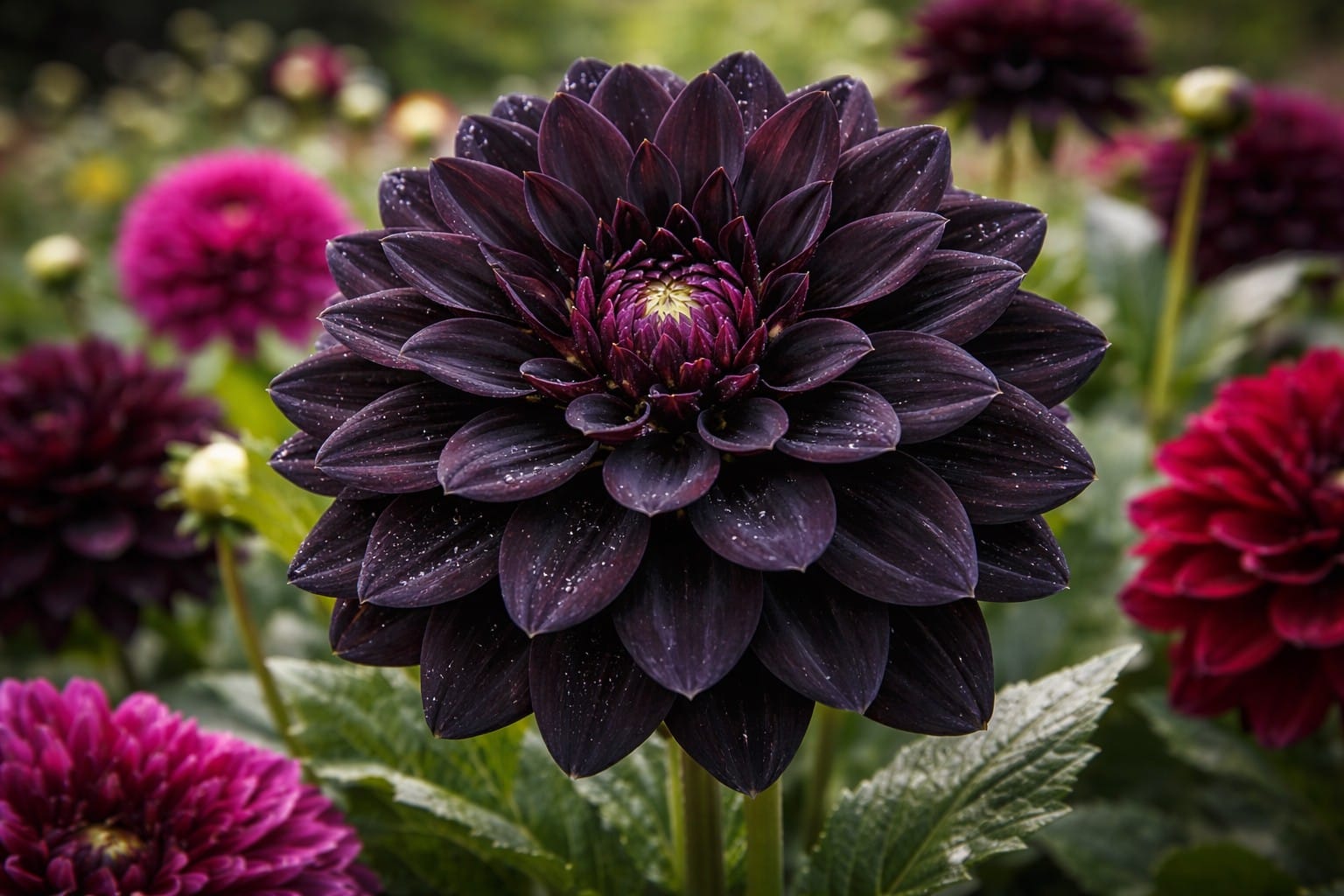
A black dahlia flower is a rare, very dark red, burgundy, or purple dahlia that looks almost black. Popular varieties include Karma Choc, Arabian Night, Black Satin, and Black Beauty. These flowers are prized for their rich color, unusual beauty, and dramatic look in gardens and bouquets.
In American gardens, dark flowers can bring a fresh look to a summer flower bed. A black dahlia is a lovely choice if you want something different from the usual pink, yellow, and white blooms. Its deep color looks striking beside bright flowers, green leaves, and soft garden plants. You can also grow these dahlias in large pots or use their blooms to make beautiful flower arrangements.
Despite the name, most black dahlias are not truly black. Their petals hold deep red and purple pigments that make them look almost black in certain light. Some have a velvety look, while others show hints of wine, chocolate, or plum. The exact shade can change with the light and the stage of the flower.
There is more to this flower than its unusual color. Black dahlias have an interesting botanical background, several beautiful varieties, and a range of meanings in flower symbolism. They also need much of the same care as other dahlias. With enough sun, rich soil, regular water, and proper support, you can enjoy their blooms through much of the growing season.
A black dahlia is a cultivated dahlia with petals so dark that they appear black from a short distance. Most have deep wine-red, dark burgundy, or purple tones. When sunlight reaches the petals, you may see their true color more clearly.
These flowers belong to the genus Dahlia in the Asteraceae family. This is the same plant family as sunflowers, daisies, and chrysanthemums. Dahlias are native to Mexico and parts of Central America, where they grow in warm conditions.
Garden dahlias are grown for their wide range of flower shapes and colors. Some have small, round blooms, while others produce large flowers with many layers of petals. Black varieties are especially popular because their dark shades create a strong contrast with other garden colors.
A black dahlia is not a separate botanical species. It is a color description used for several cultivated varieties. This means that when you buy a black dahlia tuber, you are usually buying a named cultivar with a very dark flower color.
Source: creativefabrica.com
Plant family
Dahlias belong to the Asteraceae family, which includes many familiar flowering plants.
Flower color
The darkest blooms usually show black-red, burgundy, maroon, or deep purple shades.
Plant type
Dahlias are tender perennial plants that grow from underground tubers.
Flowering season
Most garden dahlias bloom from summer into fall when growing conditions are suitable.
Are Black Dahlias Really Black?
No. Most flowers sold as black dahlias are not completely black. Their petals contain strong red and purple pigments that create a very dark appearance. In bright light, the petals may look more like dark wine or chocolate.
The term near-black is often more accurate. Some varieties look almost black in the center but show red or purple tones around the outer petals. This change gives the flower depth and makes it look different under changing light.
Still, these dark flowers are among the most striking choices for gardeners who want an unusual flower color.
True appearance
Most black dahlias have dark red or purple petals.
Lighting effect
Bright sunlight can reveal red and burgundy tones that are less visible in shade.
Why Do Black Dahlias Have Such Dark Petals?
The color comes mainly from natural plant pigments called anthocyanins. These pigments also give many berries, grapes, and other flowers their red, purple, and blue shades.
Research on dahlia flower color has found that black cultivars can have high levels of cyanidin-based anthocyanins. Low flavone production also plays a role in the development of their dark appearance. These chemical differences help explain why some varieties look much darker than ordinary red dahlias.
This is a natural feature of the plant. It is not created by painting the petals or adding artificial black dye.
Anthocyanins
These natural pigments help create the deep red and purple shades found in dark dahlia petals.
Cyanidin
Cyanidin-based pigments are especially important in the dark appearance of many black dahlia cultivars.
Natural variation
Different cultivars can have different pigment levels, which leads to changes in flower color.
Popular Black Dahlia Flower Varieties
Several dahlia varieties are known for their dark, dramatic blooms. They differ in flower size, petal shape, plant height, and color. Some have a deep red appearance, while others show dark chocolate or purple tones.
When choosing a variety, think about where you want to grow it. Tall dahlias can look beautiful at the back of a flower bed, while compact plants work better in large containers or near garden paths. Flower shape also matters if you plan to use the blooms in bouquets.
Here are some well-known varieties worth considering when you want to add dark flowers to your garden.
Source: jparkers.co.uk
Karma Choc
Karma Choc is known for its deep chocolate-red petals and dark foliage. Its waterlily-style flowers have a softer, open appearance than tightly packed decorative dahlias. It is a popular choice for dark flower beds and cut-flower displays.
Arabian Night
Arabian Night produces rich, dark wine-red flowers with many layered petals. Its blooms look almost black in softer light. It is a striking choice for traditional garden beds and flower arrangements.
Black Satin
Black Satin is valued for its deep black-red color and decorative flower form. Its dark blooms can create a strong contrast with lighter flowers and green foliage.
Hollyhill Black Beauty
This variety is known for large, dark blooms with a rich red-black appearance. Its informal decorative form gives the flower a full, layered look.
Crossfield Ebony
Crossfield Ebony is a dark pompon dahlia. Its smaller, rounded flowers have a compact shape that works well in mixed flower displays and bouquets.
Lights Out
Lights Out is known for velvety dark red flowers. Its rich color makes it a useful choice for gardeners who want a dramatic display without relying on large dinner-plate blooms.
Voodoo
Voodoo produces large, dark red blooms with a strong presence in the garden. It works well as a focal flower among lighter plants.
Which Black Dahlia Variety Should You Choose?
The best variety depends on your space and the type of display you want. Karma Choc is a good option if you like dark foliage and softer flower shapes. Arabian Night is worth considering if you prefer a classic, layered bloom.
For smaller flower arrangements, a pompon variety such as Crossfield Ebony can be useful. If you want a larger focal bloom, look at Hollyhill Black Beauty or Voodoo. Check the mature height and flower size before ordering because names and growing details can vary between suppliers.
For dark foliage
Choose Karma Choc if its dark leaves and chocolate-red flowers suit your garden design.
For classic blooms
Arabian Night offers a rich wine-red color and a formal decorative shape.
For small arrangements
Crossfield Ebony has compact pompon flowers.
For a focal point
Consider a larger decorative variety such as Hollyhill Black Beauty.
Black Dahlia Flower Meaning and Symbolism
The black dahlia flower is often linked with mystery, elegance, strength, and change. Its unusual color gives it a different feel from bright and cheerful flowers. For many people, it represents a bold choice and a love of unusual beauty.
Flower meanings are shaped by culture, history, and personal feelings. There is no single official meaning for every black dahlia. The same flower may represent mystery to one person and confidence or personal growth to another.
Dark dahlias can also represent elegance. Their deep colors and layered petals make them look rich and refined. This is one reason they appear in formal bouquets, modern floral designs, and dramatic garden displays.
Source: bouquetpedia.blogspot.com
Mystery
The dark petals often represent the unknown, secrets, and things that are difficult to explain.
Elegance
The deep color and full flower shape can suggest style, beauty, and refinement.
Strength
Some people use dark dahlias to represent confidence, inner strength, and independence.
Change
Dahlias are sometimes linked with personal growth and new beginnings, making them meaningful gifts during life changes.
Individuality
Their unusual appearance can express a personal style that stands apart from more common flower choices.
Is a Black Dahlia a Symbol of Sadness?
A black dahlia can be used in floral designs that express sadness, remembrance, or farewell. However, this is not its only meaning. Its dark color may also represent beauty, strength, or a sense of mystery.
The meaning depends on the person giving the flower and the person receiving it. If you are using black dahlias in a gift, consider the message you want the arrangement to share. Pairing them with white or pink flowers can create a softer and more balanced look.
For remembrance
Pair dark dahlias with white flowers and soft greenery for a calm, thoughtful arrangement.
For celebration
Combine them with bright flowers to create a bold and cheerful display.
The Famous Black Dahlia Name
The name Black Dahlia is also connected with a well-known American crime case. Elizabeth Short was murdered in Los Angeles in 1947, and newspapers gave her the nickname Black Dahlia. The nickname became widely known through media coverage and later books, films, and television programs.
This historical association is separate from the actual garden flower. A black dahlia cultivar is a real cultivated plant, and its name does not mean that it has a connection to the crime case.
Historical context
The nickname became famous through American news coverage of the 1947 Los Angeles murder case.
Garden meaning
The flower is valued for its natural dark color, decorative beauty, and symbolic uses.
How to Grow a Black Dahlia Flower
Growing a black dahlia is much like growing other garden dahlias. The plant needs good sunlight, fertile soil, steady moisture, and enough room for its stems and roots. A healthy plant can produce many dark flowers during the growing season.
For gardeners in the United States, spring is usually the best time to plant dahlia tubers outdoors. Wait until the danger of frost has passed and the soil has warmed. Local planting dates vary, so use your area’s last frost date as a guide rather than following one date for the entire country.
Before planting, choose a spot that receives plenty of direct sunlight. Good air movement is also useful because crowded plants can be more likely to develop fungal problems. Prepare the soil before the tubers go into the ground.
Source: thegreenserenity.com
Sunlight
Choose a location that receives around six to eight hours of sunlight each day. In very hot areas, some afternoon shade may help reduce heat stress.
Soil
Use fertile soil that drains well. Dahlias need moisture, but their tubers can rot in soil that stays wet.
Planting time
Plant outdoors after the local frost danger has passed and the ground has warmed.
Spacing
Allow enough room for mature plants. Many standard varieties need about two feet of space, although larger cultivars may need more.
Step 1: Choose Healthy Dahlia Tubers
Start with healthy tubers from a reliable nursery or garden supplier. A good tuber should feel firm and should not have a strong rotten smell. Avoid tubers that look badly shriveled, soft, or moldy.
Look for a tuber attached to a crown with a visible growing eye. The eye is the small bud from which the new stem will grow. A large tuber without a healthy crown or growing eye may not produce a plant.
Firm texture
Choose tubers that feel firm rather than soft or mushy.
Healthy crown
Look for an intact crown with a visible growing point.
Correct variety
Check the cultivar name and flower photo before buying to make sure you are getting a dark-flowered dahlia.
Step 2: Prepare the Planting Site
Clear weeds and large stones from the planting area. Loosen the soil so the roots can spread with ease. Mix in mature compost if the soil needs more organic matter.
If your garden soil holds too much water, consider a raised bed or a better-drained planting location. Heavy, wet soil can damage dahlia tubers before the plant has a chance to grow.
Remove weeds
Clear unwanted plants that may compete for water and nutrients.
Add compost
Mix in mature compost to improve soil structure and support plant growth.
Check drainage
Avoid areas where water collects after rain or regular watering.
Step 3: Plant the Dahlia Tubers
Dig a planting hole deep enough to hold the tuber without bending or breaking it. Place the tuber horizontally or according to its shape, with the crown and growing eye facing upward. Follow the supplier’s planting instructions because tuber size and cultivar can affect the correct depth.
Cover the tuber with soil and leave enough space for the stem to grow. A support stake is best placed at planting time if the variety is tall. Adding it later can damage the tuber or roots.
Avoid keeping freshly planted tubers too wet before shoots appear. Once the plant starts growing, water more regularly as the roots and leaves develop.
Position
Place the growing eye toward the top of the planting hole.
Cover
Cover the tuber with soil according to the recommended planting depth.
Support
Install a stake or suitable cage before the plant becomes large.
Step 4: Water and Feed the Plant
Once the dahlia begins to grow, give it deep, regular watering. The soil should stay slightly moist but never waterlogged. During hot summer weather, check the soil more often because plants in sunny beds can dry out quickly.
A balanced or low-nitrogen flower fertilizer may help support healthy growth. Follow the product label and avoid adding too much nitrogen. Excess nitrogen can encourage leafy growth at the expense of flowers.
Container-grown dahlias often need more frequent watering than plants in the ground. Check the soil with your finger before watering so you can avoid keeping the roots constantly wet.
Water deeply
Water around the base of the plant so moisture reaches the root area.
Avoid overwatering
Allow excess water to drain and do not leave the tuber in soggy soil.
Feed carefully
Use fertilizer according to its label and avoid excessive nitrogen.
Step 5: Pinch and Deadhead for More Flowers
When a young dahlia reaches about 12 to 18 inches tall, pinching the growing tip can encourage more side branches. This often creates a fuller plant with more potential flowering stems. The exact timing depends on the plant’s growth and variety.
Remove faded flowers regularly. This process is called deadheading, and it helps the plant direct energy toward new blooms instead of producing seeds. Cut the spent flower stem back to a suitable leaf joint.
Check the plant every few days during its main flowering period. Regular care can keep the flower bed looking neat and encourage a longer display.
Pinching
Remove the young growing tip to encourage side branching.
Deadheading
Cut away faded flowers before seed heads develop.
Pruning
Remove weak or damaged stems to improve the plant’s shape and airflow.
Best Places to Grow Black Dahlias
Black dahlias look beautiful in flower beds, borders, large containers, and cutting gardens. Their dark petals stand out best when they grow beside plants with lighter colors. You can use them as a focal point or mix them with several types of summer flowers.
Think about plant height and flower size before choosing a location. Tall varieties work well toward the back of a border, while shorter plants are easier to enjoy near a walkway. Dark flowers may also look less visible at night, so pair them with bright plants or pale garden features.
Good spacing is useful in every planting design. It gives the plants room to grow and allows air to move around the leaves. This can help keep the foliage healthier during humid weather.
Source: jparkers.co.uk
Flower borders
Place dark dahlias among pink, white, cream, or yellow flowers to create a strong color contrast.
Container gardens
Grow compact varieties in large pots with drainage holes. Make sure the container has enough room for the mature plant.
Cutting gardens
Plant several dahlias together so you can harvest flowers for indoor arrangements.
Entryway displays
Use large pots near a porch or garden entrance to create an eye-catching summer display.
Growing Black Dahlias in Pots
You can grow black dahlias in pots if you choose a suitable variety and a large container. Small or medium varieties are easier to manage than very tall types. A pot that is too small may dry out quickly and restrict root growth.
Use a container with several drainage holes and a good-quality potting mix. Place the pot where the plant receives plenty of sunlight. Water when the upper soil begins to dry, but do not let the container sit in a tray of standing water.
Container dahlias may need more frequent checks during hot weather. Strong wind can also knock over tall plants, so place the container in a sheltered area and add support when needed.
Large container
Choose a pot that provides enough room for the mature root system.
Drainage holes
Make sure extra water can escape from the bottom of the pot.
Good placement
Choose a sunny, sheltered location with enough space for the plant.
Flowers That Look Good With Black Dahlias
Light-colored flowers can make dark dahlias easier to see. White cosmos, pale zinnias, cream-colored roses, and soft pink flowers can create a balanced display. Their lighter petals make the dark red tones look richer.
You can also use silver or gray foliage to soften the look of a dark flower bed. Plants with bright green leaves provide another simple way to create contrast. Try to choose plants with similar sunlight and water needs so they grow well together.
White flowers
Use white blooms for a clean and classic color combination.
Pink flowers
Pair dark dahlias with pink blooms for a softer, romantic display.
Yellow flowers
Add yellow flowers for a bold contrast that stands out in summer.
Silver foliage
Use silver leaves to create a gentle transition between dark blooms and bright flowers.
How to Care for Black Dahlia Flowers
Regular care helps black dahlias produce strong stems and healthy flowers. Once established, they need steady moisture, enough sunlight, and room for air to move around their leaves. Their care needs are much like those of other cultivated dahlias.
Check the plants often during warm weather. Look for dry soil, damaged leaves, pests, and fading flowers. Small problems are easier to manage when you notice them early.
Do not focus only on the blooms. Healthy roots, stems, and leaves help the plant produce flowers throughout the season. A little attention each week can make a clear difference.
Source: plantisima.com
Keep soil moist
Water deeply when needed, especially during dry and hot weather.
Provide support
Use stakes or cages to prevent tall stems from bending or breaking.
Remove old blooms
Deadhead regularly to encourage continued flowering.
Check for pests
Inspect new shoots and the undersides of leaves for insects and damage.
Common Problems When Growing Black Dahlias
Dahlias can face problems caused by insects, poor drainage, crowded growth, and unsuitable weather. A plant that produces many leaves but few flowers may be receiving too much nitrogen or too little sunlight.
Yellow leaves can have several causes. Older leaves may turn yellow as part of normal growth, but widespread yellowing can also point to water stress, poor drainage, or root problems. Check the soil before changing your watering routine.
Dark spots, white powder, or damaged stems may be signs of disease or pest activity. Remove badly affected plant parts and improve airflow. If the problem continues, identify the cause before choosing a treatment.
Aphids
These small insects gather on soft new growth and may cause curled leaves. A strong stream of water can help remove small groups.
Slugs and snails
They can damage young shoots and leaves. Check plants in the evening and remove hiding places near the stems.
Powdery mildew
This disease creates a white, powder-like coating on leaves. Improve airflow and avoid keeping foliage wet for long periods.
Root or tuber rot
Excess water and poor drainage can cause tubers to soften and decay. Improve drainage and avoid watering dormant tubers too heavily.
Few flowers
Insufficient sunlight, excess nitrogen, or lack of deadheading may reduce flowering.
How to Protect Black Dahlias During Winter
Dahlias are tender perennials, so freezing soil can damage or kill their tubers. In colder parts of the United States, many gardeners lift their tubers after the first frost damages the foliage. The exact timing depends on the local climate.
Cut back the damaged stems and carefully lift the tuber clumps with a garden fork. Remove loose soil and allow the tubers to dry before storing them. Keep healthy tubers in a cool, dark, frost-free place with a suitable packing material that helps prevent excessive drying.
Check stored tubers during winter. Remove any that become soft or rotten so the problem does not spread. In warmer regions with mild winters and well-drained soil, some gardeners leave dahlias in the ground with protective mulch. However, wet winter soil can still cause losses.
Wait for the right time
Lift tubers after frost damages the foliage, following local growing conditions.
Handle gently
Use a fork carefully to avoid cutting or breaking the tubers.
Dry before storage
Allow excess surface moisture to dry before packing the tubers.
Store safely
Keep tubers in a cool, dark, frost-free place and inspect them during winter.
Using Black Dahlias in Bouquets and Flower Arrangements
Black dahlias make beautiful cut flowers because their dark petals add depth to an arrangement. They can work as the main flower or as a contrast to softer colors. Their layered petals also give bouquets a full and textured appearance.
You do not need a large number of dark blooms to create an attractive arrangement. One or two flowers can stand out when paired with white roses, pale pink zinnias, or simple greenery. For a richer display, combine them with burgundy flowers and dark foliage.
Cut flowers when they are fully open because dahlia buds may not open much after harvesting. Choose fresh stems with strong flower heads and remove leaves that would sit below the waterline in the vase.
Source: www.pinterest.com
Modern bouquets
Pair dark dahlias with white flowers and clean green foliage for a simple, stylish look.
Romantic arrangements
Combine burgundy dahlias with blush roses and soft pink flowers.
Autumn displays
Mix dark dahlias with orange, rust, cream, and brown-toned flowers.
Bold centerpieces
Use dark blooms with contrasting pale flowers to create a strong focal point.
How to Keep Cut Black Dahlias Fresh
Cut dahlias during the cooler part of the day, such as early morning. Use clean, sharp garden shears to make a neat cut. Place the stems in clean water soon after harvesting.
Remove leaves that would sit underwater and place the vase in a cool area away from direct sunlight and heat. Change the water often and trim the stem ends when needed.
Dahlia vase life can vary by variety and growing conditions. Check the flowers each day and remove any that begin to wilt or decay. This helps keep the rest of the arrangement looking fresh.
Harvest fully open blooms
Choose flowers that have opened well and have firm, fresh petals.
Use clean tools
Clean shears help make neat cuts and reduce the chance of spreading plant disease.
Change the water
Refresh the vase water regularly to help maintain flower quality.
Avoid heat
Keep the arrangement away from hot windows, heaters, and direct sunlight.
Frequently Asked Questions
Q
Does a true black dahlia flower exist?
Most flowers sold as black dahlias are not completely black. They have very dark red, burgundy, maroon, or purple petals that appear almost black. Their deep color comes mainly from natural anthocyanin pigments. Varieties such as Karma Choc and Arabian Night are popular examples.
Q
What is the darkest black dahlia variety?
Karma Choc, Black Satin, Arabian Night, and Hollyhill Black Beauty are among the well-known dark varieties. The darkest-looking choice depends on the lighting, growing conditions, and the flower’s stage of development. Compare current photographs and cultivar descriptions before buying.
Q
What does a black dahlia flower symbolize?
A black dahlia can symbolize mystery, elegance, strength, individuality, and change. Some people also use dark flowers to express remembrance or farewell. Flower symbolism is not universal, so the meaning often depends on the giver and the occasion.
Q
When should I plant black dahlia tubers?
Plant black dahlia tubers outdoors in spring after the danger of frost has passed and the soil has warmed. The correct date depends on your local climate. You can also start tubers indoors in pots before moving the growing plants outside after hardening them off.
Q
How much sunlight do black dahlias need?
Most dahlias grow best with around six to eight hours of direct sunlight each day. In areas with very hot summers, some afternoon shade can help protect the plants from heat stress. Good sunlight supports healthy growth and flower production.
Q
Can black dahlias grow in pots?
Yes. Compact and medium-sized varieties can grow well in large containers. Choose a pot with drainage holes and use a suitable potting mix. Water regularly, provide enough sunlight, and support taller plants when needed.
Q
Do black dahlias come back every year?
Dahlias are tender perennials that can return from their underground tubers. In warm regions with suitable winter conditions, tubers may survive in the ground. In colder areas, lift and store the tubers in a frost-free place over winter, then replant them in spring.
Q
Why is my black dahlia not flowering?
A black dahlia may produce few flowers because it receives too little sunlight, gets too much nitrogen, or does not receive enough water. Crowded growth can also affect flowering. Check the growing conditions, remove faded flowers, and avoid excessive fertilizer.
Q
Are black dahlias good for flower arrangements?
Yes. Their dark petals create an attractive contrast with white, pink, cream, and yellow flowers. They also work well with burgundy blooms and green foliage. Cut fully open flowers and place them in clean water soon after harvesting.
Q
Are black dahlias difficult to grow?
Black dahlias are not usually harder to grow than other garden dahlias. They need the right amount of sunlight, good drainage, regular watering, and protection from frost. Once you understand these basic needs, you can enjoy their dark flowers throughout the growing season.
✦ Wrapping Up
Conclusion
The black dahlia flower is a beautiful choice if you want something unusual in your garden. Its deep burgundy, dark red, and purple petals create a rich color that stands out among brighter flowers. Although most black dahlias are not completely black, their near-black appearance makes them special.
Varieties such as Karma Choc, Arabian Night, Black Satin, and Hollyhill Black Beauty offer different flower shapes and shades. You can grow them in garden beds, large containers, or cutting gardens. They also look lovely in bouquets when paired with white, pink, or cream flowers.
The secret to healthy black dahlias is simple care. Give them enough sunlight, fertile and well-drained soil, regular water, and support when needed. Remove faded blooms and protect their tubers from freezing conditions during winter. With these steps, you can enjoy their dramatic flowers season after season.
💡 Key Takeaway
Choose a named near-black dahlia variety that suits your garden space, buy a healthy tuber, and plant it in a sunny spot after the last frost. Keep the soil well-drained, water regularly once growth begins, and deadhead faded flowers to encourage a longer display.
I enjoy sharing simple gardening ideas, lawn care tips, and honest product reviews that help make outdoor work easier. From home gardening guides to helpful tools and lawn care advice, I write easy-to-follow content to help readers create a healthier and better-looking outdoor space without wasting time or money.