As an Amazon Associate, I earn from qualifying purchases.
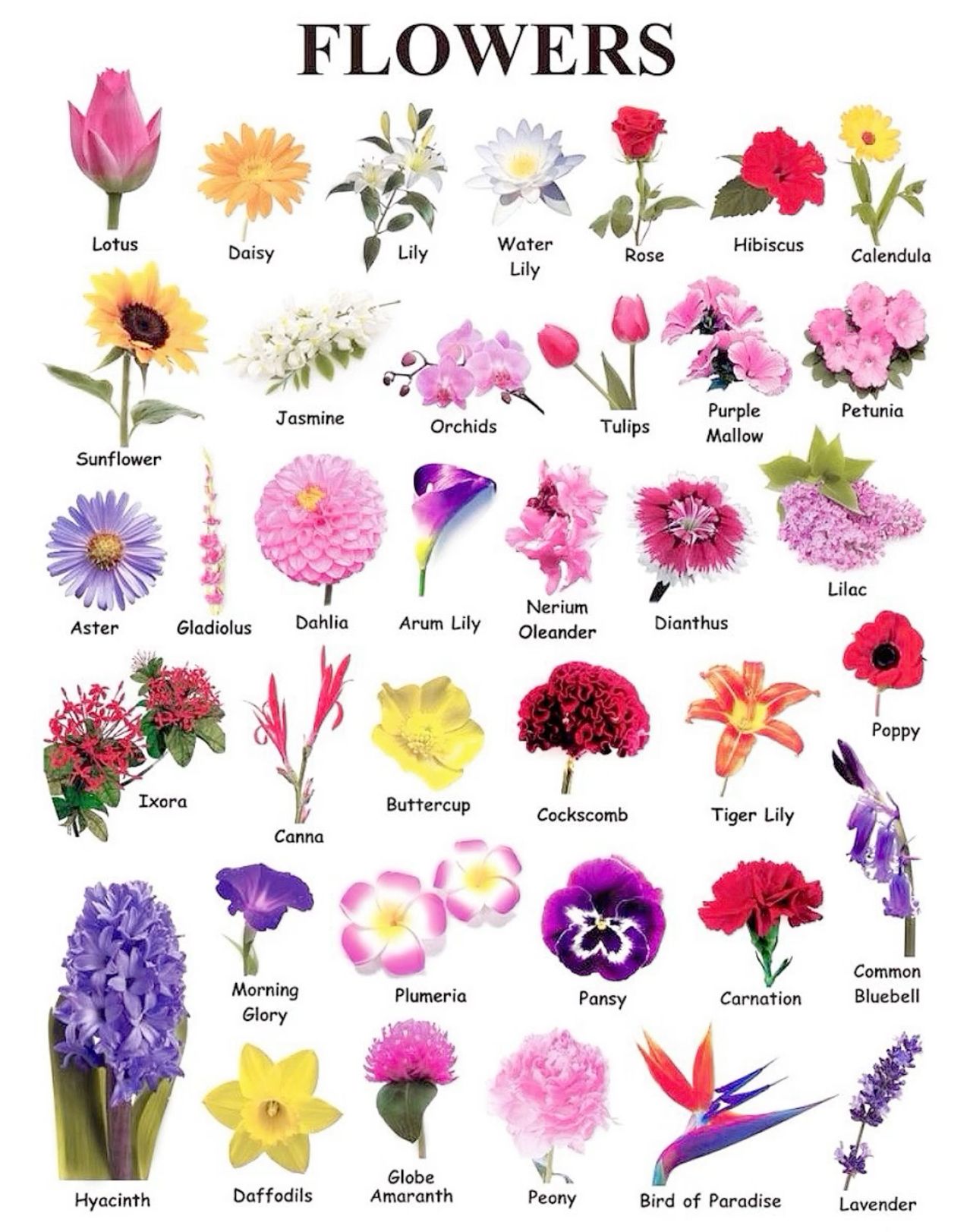
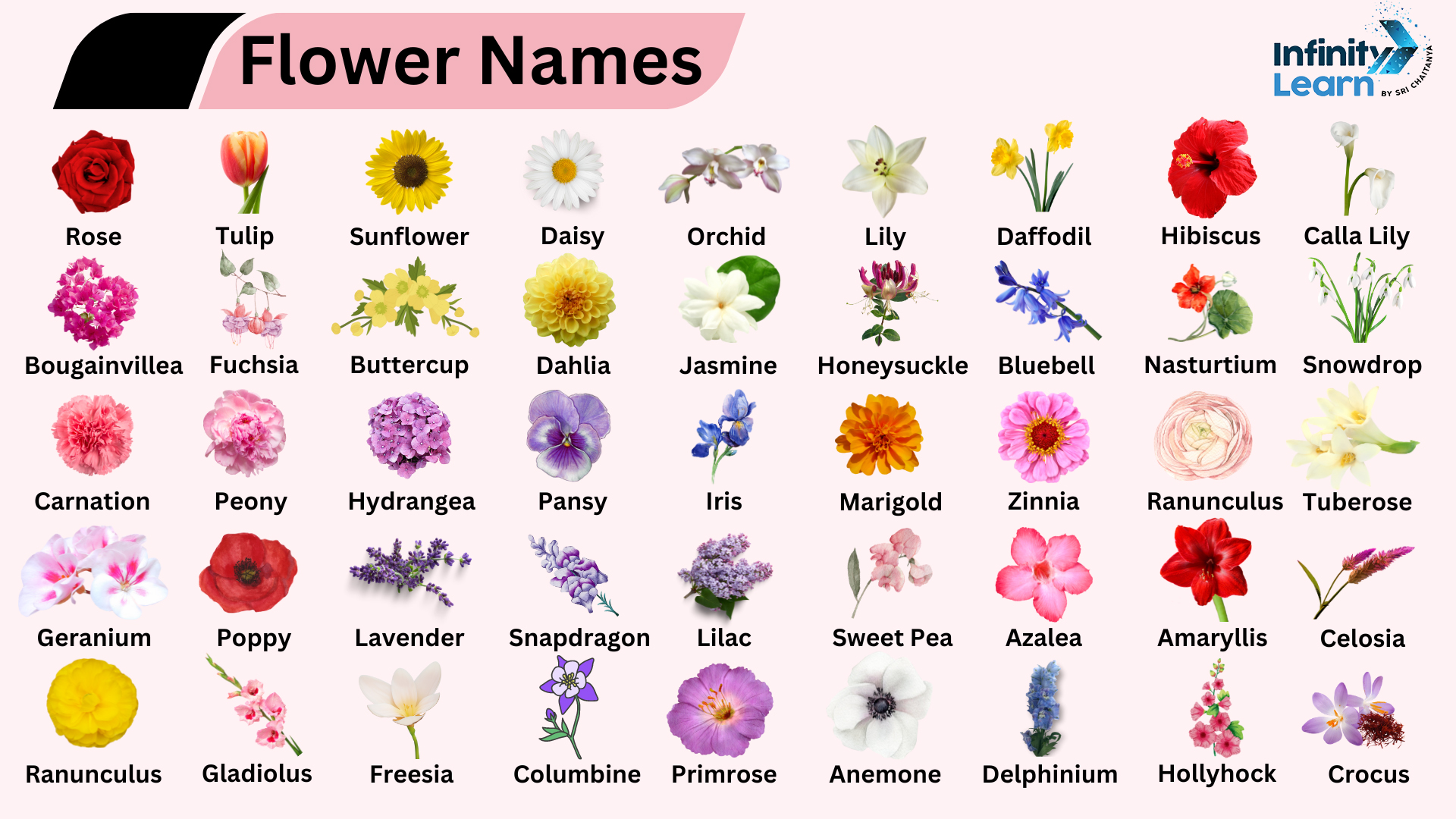
The main types of flowers include roses, tulips, sunflowers, daisies, lilies, marigolds, zinnias, hydrangeas, orchids, and native wildflowers. They differ in color, bloom time, lifespan, sunlight needs, and care. The best flowers for an American garden depend on your local climate, soil, growing space, and the look you want.
Across the United States, flowers brighten front yards, fill porch pots, line walkways, and bring color to vegetable gardens. A gardener in Florida may favor heat-loving zinnias and pentas, while someone in Minnesota may focus on hardy perennials that can survive cold winters. The same flower can also behave differently in a warm coastal garden and a dry inland yard.
Learning the main types of flowers makes it easier to choose plants that fit your space. Some flowers bloom for one season, while others return each year. Some thrive in full sun, while others need shade. This guide explains popular flower groups, their growing needs, bloom seasons, and practical ways to choose varieties for gardens across the United States.
Flowers are the reproductive structures of flowering plants. Gardeners often group them by how long they live, how they grow, when they bloom, or the conditions they need. These groups help you compare plants, but they are not all separate botanical categories.
For example, a sunflower is usually grown as an annual, a peony is a perennial, and a hydrangea is a flowering shrub. A tulip is a bulb plant that often blooms in spring. A native wildflower may be an annual, perennial, or biennial, depending on the species.
The most useful way to start is to consider both the plant group and the job you want it to do. A low flower may edge a walkway, a tall flower may fill the back of a bed, and a flowering shrub may anchor a foundation planting.
Source: www.pinterest.com
Annual flowers
Complete their life cycle in one growing season and often provide long-lasting seasonal color.
Perennial flowers
Live for several years and may return from their roots after seasonal dormancy.
Biennial flowers
Usually grow leaves in the first year and flower in the second year before completing their life cycle.
Bulb flowers
Grow from bulbs, corms, or similar storage structures. Tulips and daffodils are common examples.
Flowering shrubs
Woody plants that produce blooms and can add height, structure, and seasonal interest.
Wildflowers
Flowers that grow in wild settings or are grown in gardens to create natural-looking plantings. Native species are especially useful for regionally appropriate gardens.
How These Flower Groups Differ
These groups can overlap. A perennial may grow from a bulb, and a native wildflower may also be a perennial. The labels describe different features, so they should not be treated as competing categories.
For a simple garden plan, first choose the plant’s lifespan and growth habit. Then check its light, water, soil, and climate needs. This approach narrows the options without relying on a long list of flower names.
Popular Types of Flowers and Their Characteristics
Many familiar flowers work in home gardens, containers, cutting gardens, and public landscapes. Each has a different shape, growth habit, and season of interest. Choosing a flower based on its needs and mature size helps prevent common problems later.
The flowers below are widely recognized options, but their performance depends on the cultivar, local climate, and care. A variety suited to a cool summer may struggle in a hot southern garden, while a heat-loving plant may not tolerate a cold winter outdoors.
Source: animalia-life.club
Roses
Roses produce blooms in many colors and forms. Depending on the variety, they can grow as compact shrubs, climbing plants, or larger landscape bushes. Most garden roses flower best with several hours of direct sun and well-drained soil.
Tulips
Tulips are bulb flowers known for their spring blooms and clean, cup-shaped petals. They are often planted in fall for spring flowering. In warm-winter regions, gardeners should choose varieties and planting methods suited to their climate.
Sunflowers
Sunflowers have broad flower heads and upright stems. Many annual varieties grow well in sunny locations and attract visiting bees. Short varieties fit containers, while tall types may need room away from narrow paths.
Daisies
Daisy-like flowers have a central disk surrounded by petals. Shasta daisies are popular garden perennials, while other plants with daisy-shaped blooms may be annuals or tender perennials.
Lilies
True lilies grow from bulbs and produce prominent flowers on upright stems. They can add height to a flower bed, but planting depth, drainage, and the needs of the chosen lily type matter.
Marigolds
Marigolds are commonly grown as annuals and produce yellow, orange, or gold flowers. They suit sunny beds and pots and often flower through warm weather when watered and cared for well.
Zinnias
Zinnias are warm-season annuals with many colors and flower forms. They are useful in sunny cutting gardens and can bloom repeatedly when spent flowers are removed. Good air movement helps reduce some leaf diseases.
Hydrangeas
Hydrangeas are flowering shrubs with large flower clusters. Their light, water, pruning, and soil needs vary by species and cultivar. Some varieties bloom on old wood, while others bloom on new growth.
Orchids
Orchids are a large plant family with many forms and growing needs. Common indoor moth orchids usually need bright, indirect light and an airy growing medium rather than ordinary garden soil.
Petunias
Petunias are popular annuals for hanging baskets, window boxes, and containers. Many types flower for a long period in sunny locations, though they need suitable watering and may benefit from trimming when growth becomes sparse.
Peonies
Peonies are long-lived perennials known for large, often fragrant spring flowers. They need suitable light, space, and planting depth, and they may take time to establish before producing their best displays.
Pansies
Pansies are cool-season bedding flowers with broad, colorful faces. They are useful for fall, winter, or spring displays in regions where temperatures remain suitable, but they may struggle in summer heat.
Flowers for a Cutting Garden
If you want flowers for indoor arrangements, look for plants with sturdy stems and blooms that last after cutting. Sunflowers, zinnias, cosmos, snapdragons, and some dahlias are useful choices. Their ideal planting dates depend on local frost dates and the length of the growing season.
Harvest most cut flowers during the cool part of the day when possible. Use clean tools, remove leaves that would sit below the waterline, and place the stems in clean water soon after cutting. These simple steps can help keep arrangements fresh.
For tall arrangements
Consider sunflowers, snapdragons, and taller zinnias.
For soft, airy arrangements
Consider cosmos and other fine-textured flowers.
For large statement blooms
Consider dahlias and suitable varieties of peonies.
Flowers for Containers
Containers work well for annuals, compact perennials, and some small shrubs. Petunias, pansies, marigolds, and dwarf zinnias are common choices, provided the pot offers drainage and enough room for the roots.
A container dries out faster than most garden beds, especially during hot, windy weather. Check the soil regularly instead of following a fixed watering schedule, and select pots with drainage holes to reduce the risk of waterlogged roots.
Annual, Perennial, and Biennial Flowers
A flower’s lifespan affects how often you need to replant it and how your garden changes over time. Annuals are useful when you want flexible color each year, while perennials can form a lasting framework. Biennials offer another pattern, often growing leaves before flowering in a later season.
These terms describe the plant’s life cycle, not how long an individual bloom lasts. An annual may flower for months, while a perennial may have a short but striking bloom period.
Source: lists.norml.org
Annual Flowers
Annual flowers complete their life cycle in one growing season. Gardeners often plant them after the local risk of frost has passed, although some annuals prefer cool weather and are planted in fall or early spring in suitable regions.
Zinnias, marigolds, cosmos, petunias, and many sunflowers are grown as annuals. They can provide quick color in a new bed and let you change your garden design from one season to the next.
Best use
Seasonal displays, hanging baskets, borders, and cutting gardens.
Main advantage
Many annuals flower for a long part of the growing season.
Main trade-off
Most must be replanted each year unless they reseed or are maintained as tender plants in suitable conditions.
Perennial Flowers
Perennial flowers live for more than two years. Many die back above ground during winter and regrow from roots, crowns, or other living plant structures when conditions become suitable.
Coneflowers, black-eyed Susans, peonies, daylilies, and many garden irises are examples. A well-chosen perennial can reduce the need for yearly planting, but it may still need dividing, pruning, watering, or protection.
Best use
Long-term beds, mixed borders, and gardens that develop over several seasons.
Main advantage
Established plants can return for several years.
Main trade-off
Some perennials have brief bloom periods and may need companion plants for color at other times.
Biennial Flowers
Biennials usually spend their first growing season building roots and leaves, then flower and set seed during the next season. Their timing can vary with climate and growing conditions.
Foxgloves and some hollyhocks are often grown as biennials, although certain varieties may behave as short-lived perennials. Check the variety label before planning a permanent display.
Best use
Layered garden designs where plants can grow foliage one season and flower the next.
Main advantage
They can produce tall, dramatic flower spikes after becoming established.
Main trade-off
Their flowering schedule may require planning or reseeding to keep a display going.
Types of Flowers by Season
Season is a useful guide when choosing flowers, but the calendar alone cannot tell you when to plant. Local frost dates, summer heat, winter temperatures, and the length of the growing season all affect bloom time across the United States.
A flower sold as a spring plant in one region may perform best in fall or winter in another. Use seasonal labels as a starting point, then check local planting guidance and the variety’s needs.
Source: free-calendars-printable.com
Spring Flowers
Spring flowers bring color after winter and include many bulbs, cool-season annuals, and early perennials. Tulips, daffodils, crocuses, pansies, and some irises are familiar examples.
Many spring bulbs are planted in fall because they need a period of cool conditions before blooming. Pansies can tolerate cool weather, but their performance often declines when summer heat arrives.
Good options
Tulips, daffodils, crocuses, pansies, and suitable early-blooming perennials.
Summer Flowers
Summer flowers often include plants that thrive in warm soil and long days. Zinnias, marigolds, sunflowers, cosmos, and many petunias can provide color during the warmer months.
Heat tolerance varies by species and cultivar. In hot areas, afternoon shade may help some flowers, while others need full sun to bloom well. Water deeply when needed and avoid keeping the roots constantly wet.
Good options
Zinnias, marigolds, sunflowers, cosmos, and suitable heat-tolerant annuals.
Fall Flowers
Fall flowers help extend the garden season as many summer plants slow down. Garden mums, asters, pansies, and some late-blooming native perennials can provide color when selected for the local climate.
In colder regions, plant early enough for roots to establish before the ground freezes. In warmer regions, fall may be a better time than summer to plant cool-season flowers because temperatures are less harsh.
Good options
Garden mums, asters, pansies, and regionally suitable late-blooming perennials.
Winter Flowers
Winter flowers depend strongly on local conditions. In mild parts of the South and along some coastal areas, pansies and violas may continue to bloom through winter. In colder areas, outdoor flower beds may remain dormant, while indoor flowering plants provide color.
Camellias bloom in winter or early spring in suitable climates, depending on the species and cultivar. Before planting one, check its cold tolerance and whether your site provides the right light and soil.
Good options
Pansies, violas, suitable camellias, and indoor flowering plants selected for local conditions.
Types of Flowers by Color and Shape
Color and flower shape help set the mood of a garden. Bright colors can create a bold display, while pale flowers may feel softer and can stand out in low evening light. Shape also matters because upright spikes, round flower heads, and flat clusters create different patterns.
A flower’s color does not tell you whether it is easy to grow or suitable for your climate. Choose color after checking the growing conditions, then combine plants with different forms to make the display more varied.
Source: ar.inspiredpencil.com
Red, Pink, and Purple Flowers
Red, pink, and purple flowers can create strong accents or soft color blends. Roses, zinnias, petunias, coneflowers, and some dahlias offer options across these shades.
For a balanced bed, repeat one or two colors in several places rather than using every shade in one small area. Repeated color helps connect different plant shapes and heights.
Yellow, Orange, and Gold Flowers
Yellow, orange, and gold flowers bring a warm look to sunny beds. Sunflowers, marigolds, black-eyed Susans, and some daylilies can create bright displays from early summer into fall, depending on the variety.
Warm colors pair well with blue or purple flowers when you want contrast. They can also work together in a simple palette of gold, orange, and red.
White and Blue Flowers
White flowers can brighten shaded corners and blend with nearly any color scheme. Shasta daisies, white petunias, white phlox, and some hydrangeas offer different heights and bloom forms.
Blue flowers can be harder to find in true blue shades. Delphiniums, some salvias, and certain hydrangea varieties can provide blue or blue-violet tones when growing conditions and cultivar traits support them.
Flower Shapes and Growth Habits
Flower shape can be just as useful as color when planning a bed. Upright spikes add height, flat clusters help fill the middle layer, and rounded blooms create strong focal points.
Combine tall, medium, and low plants to create depth. Leave enough space for each plant to reach its mature width, and avoid placing tall flowers where they will block shorter plants from needed sunlight.
Upright flowers
Snapdragons, delphiniums, and gladiolus can add vertical lines.
Rounded flowers
Dahlias, zinnias, and many roses provide rounded or layered blooms.
Daisy-shaped flowers
Coneflowers, black-eyed Susans, and Shasta daisies add open, simple forms.
Trailing flowers
Trailing petunias and some other container plants can soften pot edges and hanging baskets.
Native Wildflowers and Pollinator-Friendly Flowers
Native wildflowers can bring color to a garden while offering food or habitat for local wildlife. Their value depends on the plant species, the insects and other animals in the area, and the conditions in which the flowers grow.
Native plants evolved within particular regions and ecological communities. A species native to one part of the United States may not be native to another, so a local native plant list is more useful than a nationwide list alone.
Coneflowers, black-eyed Susans, native asters, milkweeds, and native goldenrods are examples that can be useful in appropriate regions. They do not all grow everywhere, and some need specific soil, moisture, or sunlight conditions.
Source: progressive-scientific.com
How to Choose Native Flowers
Start with your state or regional native plant society, a local cooperative extension service, or a public botanical garden. Look for plants that match your soil drainage, sun exposure, rainfall, and winter temperatures.
For pollinators, choose several species with overlapping bloom times. This can provide flowers across more of the growing season instead of offering one short burst of nectar or pollen.
Check regional origin
Choose species suited to your local ecosystem rather than assuming a plant is native throughout the country.
Vary bloom times
Combine early, middle, and late-season flowers when possible.
Limit pesticide exposure
Avoid unnecessary pesticide use on flowering plants visited by bees and other pollinators, and follow all product label directions when treatment is needed.
Allow suitable habitat
Where practical, keep some stems or plant cover for wildlife while maintaining a tidy, safe garden around paths and buildings.
Are All Wildflowers Native?
No. The term wildflower is often used for flowers that grow without much care or that resemble natural meadow plants. Some wildflower mixes contain nonnative species, and a few may spread beyond the area where they were planted.
Read the seed mix label and check each species before sowing. In regions with sensitive habitats, avoid plants listed as invasive and select a mix suited to the local climate and soil.
How to Choose the Right Flowers for Your Garden
The best flower for a garden is one that fits the space and the conditions you can provide. Before buying seeds or plants, check sunlight, soil drainage, local climate, mature size, and expected maintenance. These details usually matter more than choosing a flower because it looks attractive in a photograph.
Walk through the garden at different times of day to see where sunlight falls. A site that looks sunny in the morning may be shaded for most of the afternoon, and a wall or fence may create a warmer, drier microclimate than the surrounding yard.
Source: animalia-life.club
Match Flowers to Sunlight
Full-sun plants generally need about six or more hours of direct sunlight each day, although exact requirements vary. Part-shade plants often do best with a few hours of direct sun or bright filtered light, while shade plants need protection from strong direct sun.
Read the plant label for the specific cultivar. In hot regions, a plant that grows well in full sun in a cool climate may benefit from some afternoon shade.
Sunny beds
Consider sunflowers, zinnias, marigolds, and many roses when soil and climate also suit them.
Part-shade beds
Consider suitable begonias, impatiens, and selected hydrangeas.
Shady spaces
Consider shade-tolerant begonias, impatiens, and other flowering plants suited to the local temperature and moisture level.
Check Soil and Drainage
Most garden flowers need soil that provides both moisture and air around their roots. Some tolerate clay or sandy soil better than others, but prolonged waterlogging can damage many common flowering plants.
Observe the site after rain. If water remains for a long time, improve drainage where practical or choose plants adapted to moist conditions. A soil test can help identify pH and nutrient issues before you add fertilizer or other amendments.
For dry, fast-draining soil
Look for flowers adapted to dry conditions and avoid planting species that need consistently moist soil.
For moist soil
Choose plants that tolerate the site’s moisture level while ensuring roots still receive enough air.
For heavy clay
Select suitable plants and improve the soil structure with appropriate organic matter when needed.
Consider Climate and USDA Hardiness Zones
USDA plant hardiness zones describe average annual extreme minimum winter temperatures. They help gardeners judge whether a perennial, shrub, or other plant is likely to survive winter in a given location, but they do not tell the whole story.
Summer heat, humidity, rainfall, soil, wind, and local frost dates also affect flower performance. A plant may survive winter in your zone but still struggle during a humid summer or in poorly drained soil. Check both the plant’s hardiness information and its growing instructions.
Cold regions
Prioritize plants rated for local winter conditions and plant at suitable times so roots can establish.
Hot regions
Check heat tolerance, water needs, and whether afternoon shade improves performance.
Dry regions
Consider drought-tolerant plants after establishment and group flowers with similar water needs.
Plan Height, Spacing, and Bloom Time
Place taller flowers toward the back of a bed when viewed from one side, or near the center of an island bed. Use shorter plants along paths and edges so they remain visible and do not block access.
Follow the mature spacing on the plant label rather than crowding young plants to make the bed look full right away. To extend color, combine flowers that bloom at different times and keep notes about when each plant starts and stops flowering.
For a small bed
Use a limited palette and compact varieties to reduce crowding.
For a long border
Repeat a few flower types and add plants with different bloom periods.
For a natural look
Use suitable native species in loose groups and vary plant height and texture.
Basic Care for Different Types of Flowers
Most flowering plants need the right balance of light, water, nutrients, and room to grow. Care should match the plant rather than follow one rule for every flower. A drought-tolerant perennial and a thirsty container petunia may need very different watering routines.
Check plants regularly so you can spot wilting, yellow leaves, damaged buds, or unusual marks early. These signs can result from several causes, so inspect the soil, light, weather, and plant before deciding what to change.
Source: storage.googleapis.com
Water According to Plant Needs
Water when the root zone needs moisture, not simply because a certain day has arrived. Feel the soil and consider recent rain, heat, wind, and the size of the container or garden bed.
When watering garden flowers, apply water near the soil where possible. This helps direct moisture to the roots and can reduce unnecessary wetting of foliage. Containers may need more frequent checks because they lose moisture faster.
Wilting in dry soil
Water thoroughly when the plant’s needs and soil conditions indicate it is dry.
Wilting in wet soil
Check drainage and root health before adding more water.
Yellow leaves
Review watering, drainage, light, and nutrient conditions instead of assuming fertilizer is needed.
Feed Flowers Carefully
Flowers do not all need the same fertilizer. Some garden beds grow well with suitable soil and modest feeding, while heavy-flowering container plants may need nutrients more often because watering can wash nutrients from the potting mix.
Use a soil test when practical and follow the fertilizer label. Excess fertilizer can harm roots, encourage leafy growth at the expense of flowers, and contribute to runoff.
Deadhead and Prune When Appropriate
Deadheading means removing spent flowers. It can encourage continued blooming in some annuals and perennials, but it is not needed for every plant. Leave some flowers if you want seeds for wildlife, seed collection, or natural reseeding.
Pruning rules differ by plant. Some shrubs bloom on older stems, while others flower on new growth. Check the species and cultivar before pruning so you do not remove next season’s flower buds.
Watch for Pests and Disease
Aphids, spider mites, slugs, and caterpillars can damage some flowering plants. Fungal diseases may appear when foliage stays wet or plants are crowded, though symptoms can have more than one cause.
Inspect the undersides of leaves and the growing tips. Start with appropriate nonchemical steps, such as removing badly affected material or improving air movement when suitable. If a pesticide is needed, confirm the pest and plant first, then follow the product label and protect pollinators.
Common Mistakes When Choosing Flowers
Many flower garden problems begin before planting. A plant may look healthy at the garden center but fail because it receives too little light, sits in wet soil, or cannot handle the local weather. A few basic checks can prevent wasted time and money.
Choosing flowers by color alone
Check sunlight, drainage, mature size, and climate before buying a plant.
Planting too closely
Crowded plants compete for light and air and may become harder to water, prune, or inspect.
Using the same watering routine for every flower
Different plants and growing spaces dry out at different rates. Check soil moisture and plant needs.
Ignoring local winter temperatures
A tender plant may not survive outdoors through winter in a cold region, even when it grows well during summer.
Assuming every wildflower mix is native
Review the seed list and avoid species that are invasive or unsuitable for the local ecosystem.
Adding fertilizer without checking the soil
Too much fertilizer may damage plants or cause excess leafy growth. Match feeding to plant needs and soil conditions.
Expecting every perennial to bloom all summer
Many perennials flower for a limited period. Combine species with different bloom times to extend seasonal color.
Frequently Asked Questions
Q
What are the most common types of flowers?
Common garden flowers include roses, tulips, daisies, lilies, sunflowers, marigolds, zinnias, petunias, pansies, hydrangeas, and peonies. Each has different needs, so the best choice depends on your climate, sunlight, soil, and intended use.
Q
Which flowers are easiest for beginners to grow?
Marigolds, zinnias, sunflowers, and cosmos can be useful starting points for beginners with sunny gardens. They are commonly grown from seed and can provide seasonal color. Choose varieties suited to your region, follow the seed packet directions, and avoid overwatering.
Q
Which flowers bloom throughout the summer?
Zinnias, marigolds, petunias, and some other annuals can bloom for much of the summer when conditions suit them. Regular removal of spent blooms may help some varieties continue flowering. Extreme heat, drought, disease, and poor light can shorten the bloom period.
Q
What is the difference between annual and perennial flowers?
Annual flowers complete their life cycle in one growing season, while perennial flowers live for several years and can return after dormancy. Annuals often provide flexible seasonal color, while perennials help build a garden that returns over time. Local climate and the exact plant variety affect how each grows.
Q
Which flowers attract bees and butterflies?
Many coneflowers, native asters, black-eyed Susans, salvias, sunflowers, and other nectar- or pollen-producing flowers can attract pollinators. The best choices depend on the local species and bloom season. A mix of suitable plants that flowers at different times can provide a more useful resource than a single short-lived display.
Q
Can I grow flowers in pots without a garden?
Yes. Petunias, marigolds, pansies, dwarf zinnias, and some compact perennials can grow in containers. Select a pot with drainage holes, use an appropriate potting mix, and match the plant to the available sunlight. Check moisture often because pots can dry out faster than garden soil.
Q
How can I keep flowers blooming from spring through fall?
Choose plants with different bloom periods and match them to the local climate. Spring bulbs and cool-season annuals can start the display, summer annuals can provide warm-weather color, and asters or suitable fall flowers can extend it. Keep a simple planting calendar and replace seasonal plants when their preferred weather passes.
✦ Wrapping Up
Conclusion
The many types of flowers offer different colors, shapes, bloom times, and growing habits. Annuals can fill a bed with seasonal color, perennials can return for years, bulbs often bring spring blooms, and flowering shrubs add lasting structure. Native wildflowers can also help create a garden that suits the local environment.
The right flowers depend on more than appearance. Check sunlight, soil drainage, local climate, mature size, and water needs before planting. For a garden that stays colorful through the seasons, combine plants that thrive in your conditions and bloom at different times.
💡 Key Takeaway
Start by checking how much sun your planting area receives, then choose three to five flowers suited to your local conditions. Combine different heights and bloom periods, follow the plant labels, and adjust watering to soil moisture and weather.
I enjoy sharing simple gardening ideas, lawn care tips, and honest product reviews that help make outdoor work easier. From home gardening guides to helpful tools and lawn care advice, I write easy-to-follow content to help readers create a healthier and better-looking outdoor space without wasting time or money.