
As an Amazon Associate, I earn from qualifying purchases.
A stirrup hoe is worth considering for fast, shallow weeding in vegetable beds, garden rows, and open soil.
Weeds can take over a backyard garden faster than you expect. After a busy week, small green shoots may fill the gaps between your tomatoes, peppers, and flowers. Pulling each weed by hand takes time, and bending for long periods can be tiring.
A stirrup hoe offers a simple way to clear young weeds with a push-and-pull motion. Its moving action can cut weeds just below the soil surface, making it useful for many home gardens. The key is to choose a tool that suits your soil, garden size, and the weeds you face.

Is a Stirrup Hoe Garden Tool Good?
A stirrup hoe can be a smart choice for gardeners who want to remove small weeds without pulling each one by hand. Its loop-shaped blade moves through loose soil with a push-and-pull action. This makes it handy for vegetable rows, raised beds, and open garden paths.
The main benefit is speed. Once you learn the right angle, you can cut many young weeds with short strokes. Still, this tool has limits. It works best on small weeds and fairly clear ground, while large roots, hard soil, and tight spaces around plants may need another tool.

First Impressions of a Stirrup Hoe
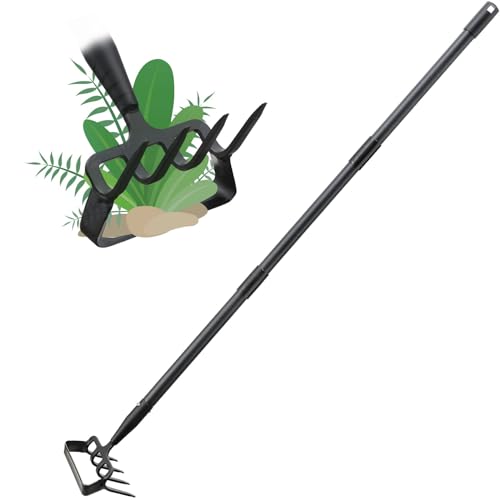
A stirrup hoe has a simple design, with a metal loop blade attached to a long handle. The open blade shape lets it move back and forth across the soil. This design focuses on function rather than extra parts or complex features.
Packaging and setup depend on the exact model. Some hoes arrive ready to use, while others may need the handle fitted or tightened. Check the blade, joints, handle, and included instructions before you start. A firm connection matters because loose parts can make each stroke less steady.
Getting started is simple once the tool is ready. Stand upright, keep the blade near the soil surface, and use short strokes around young weeds. Avoid deep cuts near crop roots, and start in an open patch until you get a feel for the blade.

Key Features of a Stirrup Hoe
- Loop-Shaped Blade: The metal loop forms a cutting edge that can slice small weeds near the soil surface. This shape helps clear open areas without the need to pull each weed by hand.
- Push-and-Pull Action: The blade works as you move it forward and backward. This motion can cover more ground than hand pulling when weeds are small and spread across a garden row.
- Shallow Weeding: The tool works best when you keep the blade close to the surface. Shallow cuts can remove young weeds while limiting soil disturbance and the risk of damaging nearby crop roots.
- Long Handle Design: A long handle lets many gardeners weed while standing. This can reduce the need to kneel or bend for every small weed, though comfort depends on handle length and user height.
- Useful for Garden Rows: The blade can move along open spaces between rows of vegetables, herbs, or flowers. Leave enough room around plants to avoid cutting stems or shallow roots.
- Manual Operation: A hand-powered hoe needs no battery, fuel, or power cord. You can use it whenever the soil and weather are suitable, with care focused on blade condition and handle security.
- Simple Upkeep: Basic care usually means removing soil, drying the blade, and checking the handle joint after use. A clean cutting edge and sound handle help the tool work as intended.

✅ What I Like About This Type of Garden Hoe
- ✔ It can clear many small weeds in one pass, which helps when a vegetable garden has wide, open rows.
- ✔ The push-and-pull motion is easy to learn and can make routine weeding feel less slow.
- ✔ A long handle can reduce the need to kneel or bend for every weed.
- ✔ Shallow cutting can disturb less soil than digging out each small weed with a hand tool.
- ✔ Manual operation means there is no battery to charge or motor to maintain.
- ✔ It can work well for regular weed control when used before weeds grow large.
- ✔ Its simple design makes cleaning and basic upkeep easy for most home gardeners.
⚠️ What Could Be Better
- ✖ Large weeds with deep or strong roots may regrow after the blade cuts their tops.
- ✖ The blade can damage young crops if you work too close to stems or shallow roots.
- ✖ Hard, rocky, or heavily compacted soil can make shallow cutting harder and may slow your progress.

Who Should Buy a Stirrup Hoe?
A stirrup hoe makes the most sense for gardeners who deal with small weeds on a regular basis. It is especially useful when you have clear paths between rows or enough room to move the blade without hitting nearby plants. Frequent shallow weeding can also help stop young weeds from getting established.
Before buying, check the handle length, blade shape, material, and how the handle attaches. The exact product linked on Amazon may have features that differ from other hoes in this category, so review its current listing and included parts. If your garden has many large weeds or narrow spaces, a second tool may be useful.
| Best For | Why It Fits |
|---|---|
| Home vegetable gardeners | It can cut small weeds between rows with short strokes, helping keep open planting areas clear. |
| Raised-bed gardeners | It can handle shallow weeding in open sections of a bed, provided the blade fits the available space. |
| Gardeners who want to stand while weeding | A suitable long handle can reduce repeated bending and kneeling during routine garden care. |
| People who prefer manual tools | It works without power, fuel, or battery charging and needs only basic cleaning and care. |

Alternative Garden Weeding Tools to Consider
| Product | Best For | Key Difference |
|---|---|---|
| Stirrup Hoe | Routine weeding in open garden rows | Uses a loop-shaped blade and a push-and-pull motion for shallow cutting. |
| Traditional Garden Hoe | Weeding and general soil work | Uses a more solid blade suited to chopping, scraping, and moving soil. |
| Hand Weeding Fork | Individual weeds and tight spaces | Loosens soil around specific weeds instead of cutting across a broad area. |

Final Verdict: Which Garden Weeder Should You Buy?
A stirrup hoe is a useful option if your main goal is to keep small weeds under control in open garden beds and rows. Its simple push-and-pull action can save time during regular upkeep, and a suitable long handle can make the job easier on your back and knees. It is most effective when you use it often and keep the blade near the soil surface.
Choose a traditional hoe if you also need to shape rows or break up soil. Pick a hand weeding fork if you need to remove weeds close to delicate plants or deal with stubborn roots. The biggest limit of a stirrup hoe is that it may cut the tops off deep-rooted weeds without removing the full root. For the best result, check the linked product’s exact design and handle details before you buy.
FAQs About Stirrup Hoe Garden Tools

I enjoy sharing simple gardening ideas, lawn care tips, and honest product reviews that help make outdoor work easier. From home gardening guides to helpful tools and lawn care advice, I write easy-to-follow content to help readers create a healthier and better-looking outdoor space without wasting time or money.