As an Amazon Associate, I earn from qualifying purchases.
A decorative container vegetable garden combines attractive pots, productive edible plants, and thoughtful arrangements to create a garden that looks beautiful while supplying fresh vegetables and herbs. Choose containers with drainage, suitable potting mix, and enough room for each plant’s roots, then arrange them according to sunlight, mature size, color, and watering needs.
Across the United States, container vegetable gardening offers a practical way to grow fresh produce on apartment balconies, suburban patios, townhouse decks, front porches, and compact backyard spaces. Gardeners in USDA growing zones from the cool Northeast to the hot Southwest can adapt their plant choices and growing schedules to local conditions. A decorative approach adds another benefit: the garden becomes an intentional part of the outdoor living space rather than a collection of unrelated pots.
The most successful designs balance appearance with growing requirements. Cherry tomatoes can provide height and colorful fruit, leafy greens create a soft carpet of foliage, compact peppers add structure, and herbs contribute different leaf shapes and fragrances. Attractive ceramic-style planters, wooden boxes, metal containers designed for planting, and fabric grow bags can all work when they provide adequate root space and drainage. Before selecting a container, consider the mature plant size, available sunlight, water access, local climate, and the weight of the filled pot.
A decorative container vegetable garden is an arrangement of edible plants grown in pots, troughs, raised planters, hanging containers, or other suitable vessels selected for both function and appearance. Unlike a purely utilitarian vegetable patch, this type of garden treats containers, plant combinations, color, and layout as part of the overall design.
The method is particularly useful where in-ground planting is impractical, including rented homes, paved yards, balconies, patios, and small urban properties. Containers can also help gardeners keep vegetables near the kitchen, move plants to follow seasonal sunlight, and separate crops with different soil or watering needs.
Decorative does not mean sacrificing harvests. A well-designed collection of appropriately sized containers can produce cherry tomatoes, peppers, lettuce, radishes, bush beans, and fresh herbs. The main limitation is that container plants depend on the gardener for reliable watering, nutrients, and adequate root space.
Source: nellesjourneythroughtime.com
Decorative planters
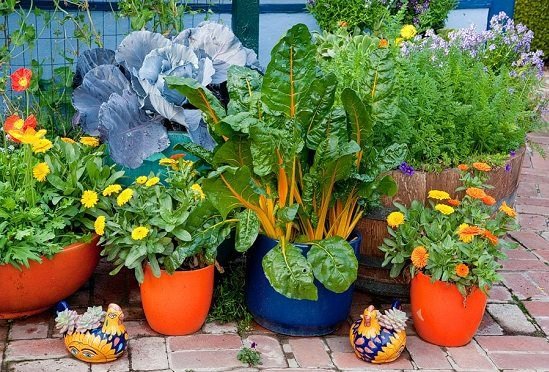
Use coordinated colors, textured surfaces, glazed finishes, or natural materials to make containers part of the garden’s visual theme.
Edible focal points
Place a productive cherry tomato, compact pepper, or colorful Swiss chard where it can serve as a central feature.
Layered planting
Combine upright crops, rounded foliage, and low-growing herbs to create visual depth without overcrowding plants.
Flexible layouts
Arrange containers in groups, along railings where permitted, or on stable plant stands to make the most of limited space.
Choose Vegetables That Look Attractive and Grow Well in Containers
Start with compact or container-suitable varieties, then choose plants that match the available light and the amount of space each pot provides. A decorative garden is easier to maintain when every plant has enough room to develop naturally instead of competing for water, nutrients, and light.
For a balanced arrangement, combine plants with different growth habits. Upright tomatoes or supported cucumbers provide height, peppers add structure, leafy vegetables fill open areas, and herbs soften container edges. Edible flowers can contribute color when their species are identified correctly and they are grown without unsuitable pesticide treatments.
Check the seed packet or nursery label for mature dimensions, days to harvest, support requirements, and regional planting dates. A variety described as compact may still require a substantial container, especially when it produces fruit throughout the growing season.
Source: chiyapuri.blogspot.com
Cherry tomatoes
Compact or patio varieties provide colorful fruit and a strong vertical feature. Many require a container of about 5 gallons or more, while larger or vigorous plants often benefit from 10 gallons or more, depending on the variety.
Peppers
Sweet and hot peppers have attractive foliage and colorful fruit. A container of roughly 3 to 5 gallons is a practical starting point for many compact plants, subject to variety and root-space requirements.
Leaf lettuce
Lettuce produces attractive foliage and works well in wide, relatively shallow planters. It generally needs less root depth than tomatoes, although the container must still hold sufficient moist potting mix.
Radishes
Radishes grow relatively quickly and fit many shallow containers. Choose a planter deep enough for the selected variety and harvest promptly when the roots reach the recommended size.
Bush beans
Bush beans create a compact mass of foliage and can produce edible pods without a tall trellis. Use a container with adequate depth and width for the number of plants.
Basil and other culinary herbs
Basil, parsley, chives, and cilantro can add contrasting foliage and useful harvests. Match each herb to its preferred temperature, light, and moisture conditions.
Swiss chard
Swiss chard can add colorful stems and substantial foliage. Allow enough room for mature leaves, and harvest outer leaves as needed.
Pair Plants by Growing Requirements
Plants sharing a container should have compatible light, moisture, nutrient, and root-space requirements. A tomato and basil combination can work when the container is large enough and both receive suitable light and regular watering. Lettuce can also be grown near taller plants when it receives adequate light, although heavy shade and root competition may reduce growth.
Avoid combining a thirsty leafy crop with a plant that needs substantially drier conditions merely because their foliage looks attractive together. When requirements differ, separate pots are usually easier to manage and can still be arranged closely for a coordinated appearance.
Sun-loving grouping
Arrange tomatoes, peppers, and basil in a bright location that provides enough direct sunlight for the selected varieties.
Cool-season grouping
Combine lettuce, spinach, and other suitable cool-season crops in containers where they can receive adequate light and protection from excessive heat.
Herb grouping
Place herbs together only when their water and temperature preferences are compatible. Keep moisture-sensitive plants in separate containers when necessary.
Choose Varieties for Your USDA Growing Zone
USDA plant hardiness zones describe average annual extreme minimum winter temperatures; they do not by themselves establish when vegetables should be planted. Use local frost dates, seasonal temperatures, and the crop’s preferred growing conditions to plan a vegetable container garden. Heat-loving tomatoes and peppers generally need warm weather, while lettuce and spinach often perform better during cooler periods.
Gardeners in hot Southern and Southwestern areas may need afternoon shade and more frequent watering during summer. In cooler Northern regions, compact containers can be moved into sunnier locations during the growing season, but they also expose roots to temperature swings. In coastal areas, wind and salt exposure may influence container placement and plant selection.
Cool climates
Prioritize short-season varieties and use local frost-date guidance to determine when warm-season crops can safely go outdoors.
Hot climates
Consider heat-tolerant varieties, suitable planting windows, and protection from harsh afternoon sun when temperatures become excessive.
Windy locations
Use stable containers and secure supports. Avoid placing tall plants where strong gusts can overturn pots or damage stems.
Select Decorative Containers That Support Healthy Roots
Choose containers according to plant size, drainage, material, and location. The best-looking planter is not a practical choice if it traps water, overheats roots, or cannot hold enough growing medium. Before purchasing a decorative vessel, confirm that it can safely accommodate edible plants and can be modified for drainage when necessary.
Container dimensions matter because vegetables grown in pots have limited access to water and nutrients. A large tomato plant in a small pot may wilt repeatedly and produce less reliably than one grown in a suitably sized container. Wide planters are useful for shallow-rooted greens, while deeper pots are generally more suitable for crops that need greater root volume.
If an attractive outer pot has no drainage holes, use it as a decorative cachepot with a removable planting pot inside. Remove excess water from the outer vessel after watering. Do not allow the inner container to sit in standing water for extended periods.
Source: uk.pinterest.com
Glazed ceramic
Glazed ceramic planters offer a polished finish and a wide range of colors. They can be heavy and breakable, so use them on stable surfaces and confirm that they have drainage.
Terracotta
Unglazed terracotta has a natural appearance and allows moisture to evaporate through its walls. This can increase watering needs, especially in hot, dry, or windy weather.
Wooden planters
Wood creates a warm, natural look and can accommodate larger planting areas. Use wood suitable for the intended purpose, avoid questionable chemical treatments, and provide drainage.
Fabric grow bags
Fabric containers are lightweight and generally drain readily. They can dry out quickly, so monitor moisture closely and position them where watering is convenient.
Food-suitable plastic containers
Purpose-made planting containers are often lightweight and practical. For repurposed vessels, verify material suitability, clean them thoroughly, and avoid containers that previously held chemicals or unknown substances.
Metal planters
Metal can create a contemporary design, but some metals heat up quickly in direct sun. Choose a suitable product for edible gardening, provide drainage, and monitor root-zone temperatures.
Container Size Guide for Common Vegetables
The following dimensions are practical starting points rather than universal minimums. Requirements vary with cultivar, climate, container shape, irrigation frequency, and the number of plants. Follow specific seed-packet or nursery recommendations when they call for more space.
Lettuce and small greens
A planter about 6 to 8 inches deep can suit many leaf lettuce varieties when it provides enough width and volume for the intended planting density.
Radishes
Many common varieties grow in containers around 6 to 8 inches deep, but longer-rooted varieties require additional depth.
Peppers
A container around 3 to 5 gallons is a useful starting point for many compact pepper plants.
Determinate or compact tomatoes
Plan on approximately 5 gallons or more for many compact plants, with 10 gallons or more often providing a more forgiving growing environment.
Cucumbers
Use a substantial container, commonly around 5 gallons or larger depending on the variety, and provide a secure trellis when the plant climbs.
Design a Beautiful Vegetable Container Arrangement
Build the design around a clear visual structure instead of buying containers individually without a plan. Start by measuring the available area, identifying the sunniest locations, and deciding where taller plants can grow without shading smaller crops. Repeat a few container colors or finishes to create a cohesive look.
A simple arrangement can use one tall focal plant, two or three medium-height containers, and several lower planters for greens and herbs. Repeating a color, material, or plant variety helps the display look intentional. Leave enough room to reach each pot, harvest vegetables, inspect leaves, and water without damaging neighboring plants.
The layout should also account for weight and stability. Large containers filled with wet potting mix can be heavy, and waterlogged saucers add further weight. Before placing planters on balconies, rooftops, decks, or elevated structures, check applicable load limits and avoid assuming that an ordinary outdoor surface can support any arrangement.
Source: apieceofrainbow.com
Use a consistent color palette
Combine two or three related planter colors, such as charcoal and natural wood, or use neutral containers to let colorful vegetables become the focal point.
Vary plant height
Position supported tomatoes or tall herbs behind shorter greens when doing so does not block their sunlight. Use compact varieties where height is restricted.
Repeat foliage shapes
Combine broad lettuce leaves with finely divided herb foliage or upright onion leaves to create visual contrast.
Group containers thoughtfully
Arrange pots in small clusters with enough space for air circulation, maintenance, and access to drainage.
Keep practical accessories coordinated
Choose plant supports, labels, and watering equipment that fit the overall design without compromising function.
Create a Patio Vegetable Garden
For a patio, place the largest containers near a stable wall or at the back of the arrangement, provided plants still receive sufficient sunlight and airflow. Keep pathways clear and put frequently harvested crops where they are easy to reach. A compact tomato, a pepper plant, and a wide planter of lettuce can provide contrasting forms without requiring a large footprint.
Do not position pots where runoff can stain surfaces, damage property, or reach neighboring areas. Use appropriate saucers or drainage management where permitted, but empty standing water rather than allowing roots to remain submerged.
Best for a small patio
Choose a few medium or large containers instead of many undersized pots that require constant watering.
Best for a larger patio
Create separate groupings for fruiting vegetables, leafy greens, and culinary herbs, with each group receiving suitable light.
Build a Decorative Balcony Vegetable Garden
Balconies can support productive container gardens when sunlight, wind, building rules, and structural capacity permit. Measure the space and consider the weight of containers after the growing medium becomes wet. Obtain building or property-manager approval where required, and do not hang heavy planters from railings unless the mounting system and structure are explicitly suitable.
Use compact plants and secure supports in exposed locations. Balcony railings can create shade, while upper floors may experience stronger wind and faster moisture loss. Check the light pattern over several hours before choosing vegetables, and keep containers accessible for watering and harvesting.
Use vertical space carefully
A secure freestanding trellis can support suitable climbing vegetables without requiring pots to be suspended over people or neighboring properties.
Prevent wind damage
Select stable pots, secure plant supports, and move vulnerable plants to a sheltered position when severe weather is expected.
Use Colorful Vegetables as Design Features
Vegetables can provide their own ornamental value through leaf texture, stem color, fruit shape, and seasonal changes. Purple basil, red-stemmed Swiss chard, compact peppers, and multicolored lettuce can add visual interest without relying on flowers alone.
Consider how the garden will look at different growth stages. Young plants may leave open soil visible, while mature leaves can fill a container quickly. Plan spacing for mature size and harvest regularly to preserve the intended shape of the arrangement.
For bold color
Use red or purple foliage alongside green herbs and vegetables with contrasting leaf shapes.
For a soft, natural appearance
Combine leafy greens, parsley, and compact vegetables in coordinated neutral planters.
For a modern look
Use clean-lined rectangular planters, simple supports, and a restrained selection of plant varieties.
Use the Right Potting Mix and Planting Method
Use a quality potting mix formulated for containers rather than ordinary garden soil. Garden soil can compact in a pot, restrict drainage and air movement, and make moisture management more difficult. A suitable commercial mix generally provides a lighter growing medium that supports roots in the limited volume of a container.
Select a mix appropriate for edible container crops and follow the package directions. Some mixes include fertilizer, while others require nutrients to be added separately. Avoid assuming that every potting mix contains enough nutrients for a full growing season.
Before planting, check drainage holes, clean reused containers, and moisten dry potting mix according to its instructions. Set plants at the appropriate depth, fill around the roots without excessive compaction, and water thoroughly so the growing medium settles. Leave sufficient space below the rim for watering without spilling soil.
Source: apieceofrainbow.com
Use fresh or suitable reused mix
Fresh container mix is convenient for new gardens. Reused mix may need assessment and replenishment, particularly if the previous crop suffered from disease or serious pest problems.
Check fertilizer content
Read the package to determine whether nutrients are included and how long they are expected to last. Follow labeled application rates rather than adding extra fertilizer automatically.
Plant at the recommended depth
Follow crop-specific instructions for transplant depth and seed spacing. Tomatoes may tolerate deeper transplanting than many other vegetables, but this should not be applied indiscriminately to every crop.
Water after planting
Water thoroughly to settle the mix around roots, then allow excess water to drain freely.
Should You Put Gravel in the Bottom of a Container?
Do not add a gravel layer simply to improve drainage. A layer of coarse material beneath finer potting mix can leave a saturated zone above the interface instead of helping excess water leave the container. Use a pot with unobstructed drainage holes and a suitable growing medium throughout.
If you need to prevent potting mix from escaping through large drainage openings, use a suitable mesh or material designed for that purpose without blocking water flow.
Better drainage
Choose an appropriate potting mix and make sure drainage openings remain clear.
More root space
Fill the usable container volume with suitable growing medium rather than replacing a substantial portion with stones.
Provide the Right Sunlight and Water
Sunlight and moisture are two of the most important factors in a productive decorative container garden. Fruiting crops such as tomatoes, peppers, and cucumbers generally need around six to eight hours of direct sunlight for strong growth and reliable production, although exact requirements vary by variety and climate. Leafy greens can tolerate less direct sun, and some perform better when protected from intense afternoon heat.
Container soil volume is limited, so pots often dry out faster than garden beds. Drying speed depends on temperature, wind, humidity, container material, plant size, and the mix itself. A watering schedule can serve as a reminder, but checking the growing medium is more reliable than watering automatically on a fixed calendar.
Water the root zone thoroughly until excess water drains from the bottom. Check the moisture level again before the next watering, adjusting to the crop and weather. Small containers and fabric grow bags may need more frequent attention during hot conditions, while large containers in cool weather may remain moist for longer.
Source: apieceofrainbow.com
Check sunlight before arranging pots
Observe the location during the day and record how much direct sun reaches each area before assigning vegetables to containers.
Check moisture below the surface
Feel the potting mix a short distance below the surface because the top layer can dry while deeper mix remains moist.
Water the root zone
Apply water to the growing medium rather than routinely wetting foliage, which can help reduce certain leaf-disease problems.
Adjust during heat waves
Inspect containers more frequently during hot, windy weather, and use temporary shade when excessive heat stresses plants that prefer cooler conditions.
Avoid prolonged saturation
Clear blocked drainage holes and do not leave pots standing in water for extended periods.
Signs That a Container Vegetable Garden Needs Water
Wilting, dry potting mix, and unusually lightweight containers can indicate that plants need water, but wilting is not always caused by drought. Roots in saturated soil can struggle to take up water, producing similar symptoms. Check the moisture level before deciding what action to take.
Dry mix and wilting
Water thoroughly when the root zone is dry and the crop’s moisture needs indicate that irrigation is due.
Wet mix and wilting
Check drainage, empty standing water, and allow the mix to drain. Examine roots for signs of damage if the problem persists.
Dry edges and stressed foliage
Check whether the container is too small, exposed to strong wind, or receiving excessive heat. Correct the underlying cause rather than relying only on more frequent watering.
Maintain Healthy Plants Without Losing the Decorative Look
Regular maintenance helps a decorative container garden stay attractive while producing edible crops. Inspect leaves and stems, remove damaged foliage when appropriate, harvest vegetables at the recommended stage, and keep plant supports secure. Routine attention also makes it easier to identify watering problems and pests before they become severe.
Container vegetables need access to nutrients because roots cannot explore surrounding soil. Follow the fertilizer label and account for nutrients already present in the potting mix. Excess fertilizer can damage roots, encourage excessive leafy growth, or contribute to nutrient runoff, so more is not automatically better.
Pruning requirements depend on the crop. Remove suckers or shape tomato plants only when appropriate for the variety and growing system, and do not strip away large amounts of healthy foliage unnecessarily. Harvest herbs regularly according to their growth habit, and remove mature outer leaves from crops such as lettuce or Swiss chard when suitable.
Pest management should begin with identification. Check the undersides of leaves for aphids, mites, whiteflies, and other pests, and look for chewing damage or distorted new growth. Use physical removal or other low-impact measures when suitable. If a pesticide is necessary, select a product labeled for the specific edible crop and pest, follow all directions and harvest intervals, and avoid spraying flowering plants when pollinators are active.
Source: www.pinterest.com
Feed according to the label
Use a fertilizer suitable for the crop and growing medium. Account for any slow-release fertilizer already included in the mix.
Inspect plants weekly or more often when needed
Look for pest activity, leaf discoloration, wilting, and damage to supports or containers.
Harvest regularly
Pick crops at their recommended maturity and remove damaged plant material where appropriate to maintain appearance and encourage continued production.
Maintain airflow
Space containers so foliage does not remain excessively crowded, especially in humid conditions.
Keep the display tidy
Remove fallen leaves, clean dirty container surfaces when needed, and reposition supports before plants become difficult to handle.
Troubleshoot Common Container Gardening Problems
When a plant looks unhealthy, check the growing conditions before applying fertilizer or pesticide. Several problems can produce similar symptoms, so examine moisture, sunlight, root space, temperature, and visible pest activity in a consistent order.
Yellowing leaves
Possible causes include overwatering, poor drainage, nutrient deficiency, natural leaf aging, or pest damage. Check moisture and drainage first, then review fertilizer instructions and inspect the plant.
Few flowers or little fruit
Insufficient sunlight, excessive heat, unsuitable temperatures, overfertilization, or inconsistent watering may reduce flowering or fruit set. Check crop-specific growing requirements before changing several conditions at once.
Cracked or misshapen fruit
Fluctuating moisture, temperature stress, pollination issues, or variety-specific factors may contribute. Maintain more consistent watering and investigate the particular crop and symptom.
Persistent wilting
Determine whether the mix is dry or saturated. If moisture appears appropriate, inspect for root damage, heat stress, pests, or disease.
Pests on new growth
Identify the pest, inspect nearby containers, and start with appropriate low-impact controls. Use only labeled treatments when chemical control is needed.
Plan a Decorative Container Vegetable Garden on a Budget
A decorative vegetable garden does not require matching designer pots or expensive accessories. The largest practical gains often come from selecting containers of suitable size, using an appropriate growing medium, and choosing plants that fit the available light. Spend first on the items that directly support healthy roots and reliable watering, then add decorative details as the budget allows.
Reuse containers only when their materials and previous contents are suitable for growing edible crops. Clean used pots, confirm that they drain properly, and avoid vessels that held pesticides, fuels, industrial products, or unknown chemicals. Do not use treated or painted containers unless their suitability for edible gardening is established.
A small collection of coordinated containers can create a polished display without filling every available space. Use similar finishes, repeat a few plant varieties, and make practical items such as supports and labels visually consistent. Leave room for plants to grow and for future seasonal replacements.
Source: homystyle.com
Start with a few productive containers
Grow a small number of vegetables suited to your light conditions instead of purchasing many undersized pots.
Reuse safe containers
Choose sturdy vessels with known, suitable materials and add unobstructed drainage where appropriate.
Grow from seed when practical
Crops such as lettuce, radishes, and beans can be started from seed when timing and growing conditions are suitable.
Choose multipurpose accessories
Use stable supports, simple plant labels, and reusable watering equipment that can serve more than one season.
Plan for recurring costs
Allow for potting mix, fertilizer, replacement plants, water, and seasonal pest management when estimating the long-term budget.
Example of a Small Decorative Container Layout
Consider a hypothetical patio arrangement with four containers: one larger pot for a compact tomato, one medium pot for a pepper, one wide planter for leaf lettuce, and one smaller pot for basil. This arrangement offers different plant heights, foliage shapes, and harvest types while keeping the number of containers manageable.
Place the tomato where it receives sufficient direct sunlight and where its support can be secured. Position the pepper in another sunny spot, and place the lettuce where its light needs are met without excessive heat exposure. Keep the basil in a suitable location with convenient access for watering and harvesting.
This example is a planning model rather than a guarantee of yield. Actual production depends on variety, weather, container volume, light, pollination, nutrient availability, and maintenance.
One large focal container
Use a suitably sized planter for a compact tomato and a stable support when required.
One medium accent container
Grow a pepper variety that fits the pot and adds colorful fruit.
One wide leafy-green planter
Plant lettuce at the recommended spacing and harvest leaves as they mature.
One small herb container
Grow basil or another suitable culinary herb that complements the main crops.
Prepare Containers for Seasonal Changes
Seasonal planning helps a decorative container garden remain productive and attractive as temperatures change. In many parts of the United States, lettuce and spinach are easier to grow during spring and fall, while tomatoes and peppers perform best after the danger of frost has passed and temperatures are suitable. Local conditions can shift these windows considerably.
When warm-season crops finish producing, remove exhausted plants and assess the condition of the potting mix. Do not automatically reuse growing medium from plants affected by serious soilborne disease. For healthy previous crops, determine whether the mix remains suitable and replenish nutrients or replace it as needed.
Before cold weather arrives, check the cold tolerance of each crop and container material. Some vegetables tolerate light frost better than others, and roots in exposed containers may experience colder conditions than roots in the ground. Move suitable pots to protected locations when practical, and avoid moving heavy, waterlogged containers without safe lifting assistance.
Source: apieceofrainbow.com
Spring
Start suitable cool-season crops when local conditions allow, then prepare warm-season vegetables for planting after frost risk has passed.
Summer
Monitor moisture frequently, provide suitable support for fruiting crops, and protect heat-sensitive plants when temperatures become excessive.
Fall
Replace declining warm-season crops with suitable cool-season vegetables when local temperatures and planting windows permit.
Winter
Remove unhealthy plant material, clean reusable containers, and protect suitable perennial herbs or empty pots according to local conditions.
Research Notes and Next-Question Gap Map
This guide addresses the primary reader task: planning and maintaining an attractive vegetable garden in containers. It combines design decisions with practical growing requirements so readers can choose plants and planters without sacrificing drainage, root space, or maintenance access.
The editorial priority is to explain the trade-offs that affect success, particularly container size, moisture management, material suitability, sunlight, and the difference between visual compatibility and compatible growing requirements. No hands-on growing trial, yield measurement, or comparative container test was conducted for this article.
A live competitor-page audit and verified People Also Ask, Search Console, and community-query extraction were not completed for this draft. Accordingly, the questions below are identified as inferred next needs rather than verified search-demand findings. The image selections follow the supplied image list, and no independent performance claims are based on those images.
Source: apieceofrainbow.com
Question: Which vegetables grow best in decorative pots?
Reader stage: planning. Basis: inferred next need from plant selection. Coverage: answered in the crop-selection section. Benefit: helps readers select productive varieties that fit available space.
Question: How large should vegetable containers be?
Reader stage: purchasing and setup. Basis: inferred next need from container selection. Coverage: answered with practical starting sizes and cultivar qualifications. Benefit: reduces the risk of restricted roots and rapid drying.
Question: How often should container vegetables be watered?
Reader stage: maintenance. Basis: inferred next need from container growing requirements. Coverage: answered using moisture checks and environmental factors rather than a universal schedule. Benefit: helps prevent drought stress and waterlogged roots.
Question: Can vegetable containers be used on a balcony?
Reader stage: location planning. Basis: inferred next need from small-space gardening. Coverage: answered with sunlight, wind, weight, and building-rule considerations. Benefit: supports safer placement decisions.
Question: Can old containers or potting mix be reused?
Reader stage: budget and seasonal maintenance. Basis: inferred next need from reuse and cost concerns. Coverage: partially answered through material-suitability and disease precautions. Benefit: helps readers avoid questionable vessels and unsuitable growing media.
Frequently Asked Questions
Q
What vegetables are easiest to grow in decorative containers?
Leaf lettuce, radishes, compact peppers, bush beans, and suitable herbs are practical choices for many beginners. Compact cherry tomatoes can also be productive when the container is large enough and the plant receives sufficient sunlight. Choose crops according to your climate, available light, and willingness to water regularly.
Q
How many hours of sunlight does a container vegetable garden need?
Many fruiting vegetables, including tomatoes and peppers, perform best with approximately six to eight hours of direct sunlight daily. Leafy greens may grow with less direct sun, although excessive shade can still limit growth. In hot climates, some crops benefit from protection against intense afternoon heat.
Q
Can I grow vegetables in pots without drainage holes?
Growing vegetables directly in a container without drainage is generally risky because excess water can accumulate around roots. A practical alternative is to place a removable planting pot with drainage holes inside a decorative outer vessel. Empty excess water from the outer container after watering.
Q
What soil should I use for a decorative container vegetable garden?
Use a quality potting mix designed for containers rather than ordinary garden soil. Container mixes generally provide the structure and drainage needed for roots in a restricted space. Check whether fertilizer is already included and follow the package directions for any additional nutrients.
Q
How often should I water vegetables growing in pots?
There is no single schedule that suits every container. Check the growing medium regularly and water thoroughly when the root zone needs moisture, allowing excess water to drain. Small pots, fabric bags, hot weather, and strong wind can increase watering frequency, while cool weather and larger containers may slow drying.
Q
Can I grow tomatoes and herbs in the same container?
Tomatoes and basil can share a container when it is large enough for both plants and provides appropriate light, moisture, nutrients, and root space. Avoid crowding the plants or assuming that every herb has the same requirements. Separate containers are often easier to manage when plant needs differ.
Q
Are decorative metal or painted containers safe for vegetables?
Safety depends on the material, coating, previous use, and condition of the container. Choose products intended for edible gardening or containers with clearly established suitability for that purpose. Avoid vessels that held chemicals or have unknown coatings, and do not assume that every painted, galvanized, or reclaimed container is suitable for growing food.
Q
Can a decorative vegetable garden work in a small apartment?
Yes, if the apartment has a suitable location with enough sunlight, safe container placement, and convenient access to water. A bright balcony or outdoor patio is often easier for fruiting vegetables than a dim interior room. For indoor growing, evaluate the available natural light and consider suitable supplemental grow lighting when necessary.
✦ Wrapping Up
Conclusion
A decorative container vegetable garden can bring fresh produce and attractive greenery to a patio, balcony, porch, or compact backyard. The strongest designs begin with practical growing requirements: appropriately sized containers, unobstructed drainage, suitable potting mix, adequate sunlight, and consistent moisture. Once those needs are met, coordinated planters, colorful foliage, contrasting plant heights, and thoughtful groupings can create an attractive display.
Start small with a few vegetables and herbs that suit your local growing conditions. Observe how sunlight reaches the space, check container moisture frequently, and adjust the layout as plants mature. Expand the collection only when you know how much time, water, and space the garden requires.
💡 Key Takeaway
Measure your growing area, record its daily sunlight, choose three or four compatible edible plants, and select containers with adequate root space and drainage. Fill them with suitable potting mix, follow crop-specific planting guidance, and check moisture regularly. Build the decorative design around healthy plants rather than asking plants to fit containers that are too small.
I enjoy sharing simple gardening ideas, lawn care tips, and honest product reviews that help make outdoor work easier. From home gardening guides to helpful tools and lawn care advice, I write easy-to-follow content to help readers create a healthier and better-looking outdoor space without wasting time or money.