
As an Amazon Associate, I earn from qualifying purchases.
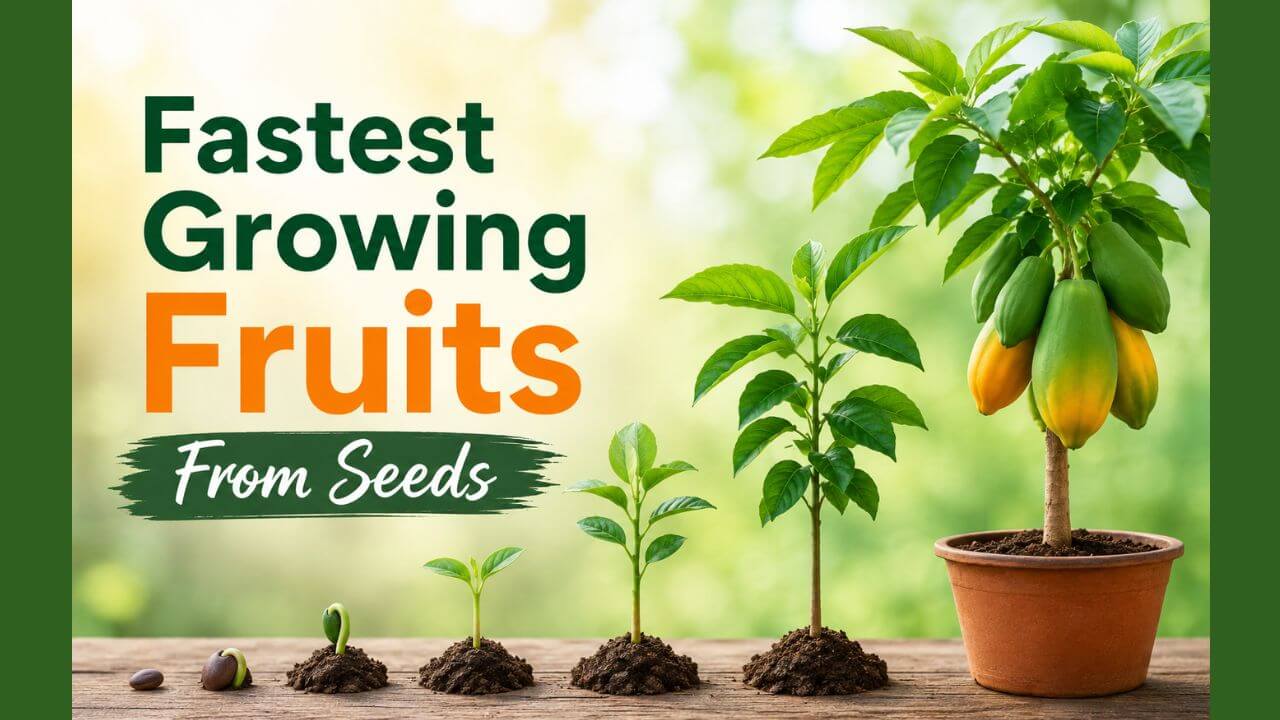
Zucchini, cucumbers, cherry tomatoes, and ground cherries fruit fast from seed.
If you want fast results, you are in the right place. I have spent years testing what really takes off from seed and bears quick fruit in small yards, balconies, and raised beds. In this guide, we will look at the fastest growing fruits from seeds, why they succeed, how to set them up for speed, and what mistakes slow them down. You will leave with a simple plan you can start today.
:strip_icc()/detail-blueberries-hanging-vertically-234ca118-a49f4fa0412147e995f6e2d40fbdb756.jpg)
What “fastest growing fruits from seeds” really means
When people search for the fastest growing fruits from seeds, they want fresh harvests soon, not in three years. Fast can mean two things.
- Days to first ripe fruit from the seed sow date.
- A short time to flower and set fruit, even in a small space.
Most true tree fruits take years from seed. But many soft fruits, vining fruits, and botanically true fruits we call vegetables can fruit in weeks or a few months. To make this clear, I split picks into two groups.
- Ultra fast botanical fruits. Zucchini, cucumbers, tomatoes, okra. These are fruits in plant terms and ripen fast from seeds.
- Fast dessert-style fruits. Melons, ground cherries, goldenberries, passion fruit, and papaya. These taste sweet or tart and can still be quick.
Across climates, the fastest growing fruits from seeds share traits. They love warm soil, long light, and steady water. Many are annuals. They jump when you give heat, good soil, and a head start indoors. If you want speed, think warm-season fruiting plants, compact types, and early varieties.
:max_bytes(150000):strip_icc()/fast-growing-fruits-to-grow-in-containers-everbearing-strawberries-GettyImages-487127415-6b5b32b302fc4fe3a8a79e4c4bd9d2f4.jpg)
Top 12 fastest growing fruits from seeds
Below are proven choices I grow and recommend. I list typical days from sowing to first ripe fruit under warm, bright, well-fed conditions. Your results may vary with weather and care, but these picks are fast.
1) Zucchini and other summer squash
Zucchini is one of the fastest growing fruits from seeds. It goes from seed to harvest in about 40 to 55 days.
- Why it is fast. Big seeds, warm soil love, and huge early growth.
- Best picks. Early Bush, Black Beauty, or compact patio types.
- Tips. Sow when nights stay above 55°F. Feed often. Harvest small for speed.
2) Cucumbers
Cucumbers are crisp, juicy fruits that ripen 50 to 70 days from seed.
- Best picks. Pick-a-Bushel, Bush Champion, Diva for thin skin.
- Tips. Use a trellis for airflow. Keep soil moist to avoid bitter fruit.
3) Cherry tomatoes
Cherry tomatoes lead the tomato pack on speed. Many fruit 55 to 65 days from seed if you start them indoors.
- Best picks. Sungold, Super Sweet 100, Juliet, Tiny Tim for pots.
- Tips. Start 4 to 6 weeks early under lights. Give strong light from day one.
4) Ground cherries (Physalis pruinosa)
These small husked fruits taste like pineapple caramel. They ripen fast at 65 to 80 days.
- Why it is fast. Compact plant with heavy early set.
- Tips. Start indoors and transplant after frost. Let fruits fall when ripe.
5) Goldenberry or cape gooseberry (Physalis peruviana)
Goldenberry grows taller than ground cherry and has a tangy pop. It fruits in 70 to 90 days under heat.
- Uses. Fresh snacks, jams, sauces.
- Tips. Needs warm nights for best speed. Stake for airflow.
6) Mouse melon or cucamelon (Melothria scabra)
Tiny cucumber-like fruits form fast at 60 to 75 days.
- Best for. Trellises, small gardens, kids’ snacks.
- Tips. Keep soil warm and well drained. Pick often to keep it fruiting.
7) Melons, focus on early cantaloupe and mini types
Early cantaloupes and mini watermelons can ripen in 70 to 85 days.
- Best picks. Minnesota Midget, Sugar Baby, Golden Midget, Sarah’s Choice.
- Tips. Black plastic or fabric warms soil. Hand pollinate on cool mornings.
8) Okra
Okra is a heat lover and a true fruit. It bears in about 50 to 60 days.
- Best picks. Clemson Spineless, Jambalaya for compact size.
- Tips. Soak seeds. Wait for soil temps above 70°F. Pick pods young.
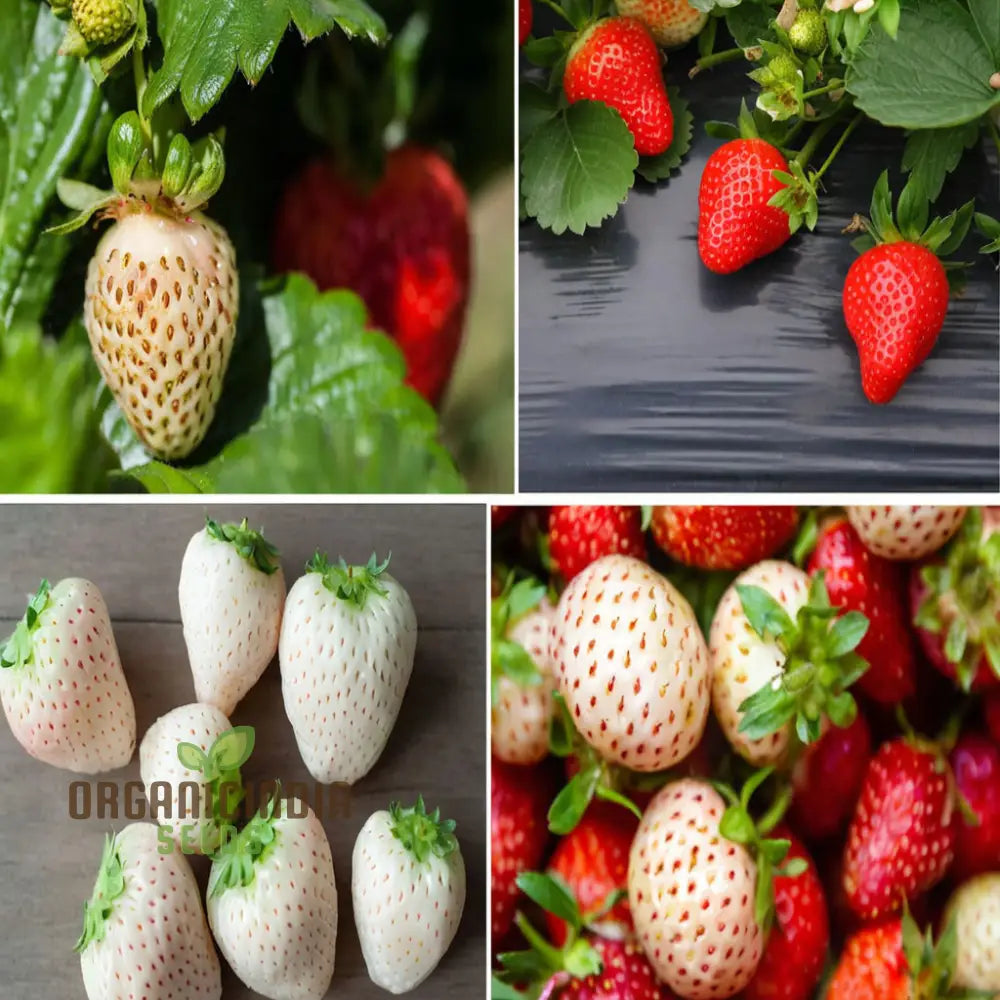
9) Alpine strawberries from seed
Alpine strawberries can fruit the first year in 100 to 140 days.
- Taste. Sweet, wild, and aromatic.
- Tips. Surface-sow seeds. Chill seeds for two weeks if germination is slow.
10) Passion fruit
From seed, passion fruit can bloom as early as 5 to 12 months in warm zones or a heated greenhouse.
- Best picks. Passiflora edulis for juice and fresh eating.
- Tips. Give a strong trellis. Keep nights warm. Prune to train vines.
11) Papaya
In frost-free zones, papaya can go from seed to fruit in 6 to 9 months.
- Tips. Plant three or more seedlings and thin to one female and one male or a self-fertile type. Needs heat and sun.
12) Pepino dulce
Pepino dulce can fruit from seed in about 4 to 6 months with steady warmth.
- Taste. Mild melon-like flesh with a hint of pear.
- Tips. Likes pots in cool zones and thrives in bright, protected spots.
Why these twelve? They match the core idea behind the fastest growing fruits from seeds. They germinate well, set flowers in warm weather, and keep fruiting with regular picks. If you need speed in a short season, they are safe bets.

Climate, containers, and spacing for speed
Speed is not just the seed. The fastest growing fruits from seeds need the right home. Think heat, root room, and airflow.
- Climate. Warm-season fruits need steady heat. Below 60°F at night slows fruit set.
- Containers. Use 5 to 10 gallon pots for tomatoes, peppers, and dwarf melons. Bigger roots, faster fruit.
- Spacing. Crowding traps humidity and shade. Give leaves room to dry. Sun on leaves is fuel.
- Light. Aim for 8 or more hours of direct sun. In cloudy zones, add a simple grow light for seedlings.
- Wind. Gentle airflow strengthens stems and helps pollination.
In cool zones, add heat with black mulch, low tunnels, or a cheap hoop cover. In hot zones, give afternoon shade to reduce stress. The fastest growing fruits from seeds need balanced comfort to move at top speed.

Germination and early growth hacks
A strong start saves weeks. Here is a simple plan that I use each spring.
- Pre-warm the mix. Keep seed trays at 75 to 85°F for warm lovers like tomatoes and squash.
- Use fresh seed. Old seed sprouts slow. Buy from reliable sellers with recent pack dates.
- Start small, pot up fast. Begin in cells, then move to 3 to 4 inch pots once you see the first true leaves.
- Give bright light early. Place lights 2 to 3 inches above seedlings. Keep lights on 14 to 16 hours a day.
- Feed lightly and often. Start with half-strength liquid fertilizer once leaves look pale or growth slows.
- Harden off. Move starts outside for a few hours a day for a week. This avoids shock and lost time.
- Water smart. Even moisture speeds growth. Avoid both drought and soggy soil.
Follow these steps and you raise the odds that your fastest growing fruits from seeds live up to their name.

Pollination, feeding, and pruning for earlier fruit
Small changes after transplant make big gains in time to ripe fruit.
- Pollination. Shake tomato and pepper stems at noon to spread pollen. For melons and cucumbers, move pollen from male to female flowers with a small brush if bees are scarce.
- Feeding. Use a balanced feed during early growth. Shift to more potassium once flowers form.
- Pruning. For cherry tomatoes, remove the lowest leaves and suckers on indeterminate types to improve airflow. For cucumbers, train a single leader on a trellis.
- Water timing. Water in the morning. Wet nights boost disease. Even moisture prevents blossom end rot and bitterness.
These steps do not add work. They remove delays. Faster flowers mean faster fruit. That is the whole point when you chase the fastest growing fruits from seeds.

Common mistakes that slow fruit set
I see the same errors every year. Avoid them and you gain weeks.
- Cold soil starts. Sowing too early into cold soil stunts roots.
- Rich nitrogen at bloom time. Leaves explode, flowers drop. Switch to bloom feed once buds show.
- Crowding. Plants fight for light. Space them and train them up.
- Underwatering or overwatering. Stress halts fruit set. Keep soil evenly moist.
- Skipping pest checks. Aphids and mites slow growth. Scout weekly and act fast with safe controls.
- Shade creep. Trees leaf out and steal sun. Move pots or prune back shade.
Fix these and the fastest growing fruits from seeds reach harvest on schedule.

Sample planting calendars by zone
You do not need a perfect calendar. You need a rough frame and local tweaks. Here is a simple map based on USDA zones.
- Cool and short season zones 3 to 5. Start tomatoes, ground cherries, and cucumbers indoors 4 to 6 weeks before your last frost. Transplant under low tunnels. Pick compact, early varieties of melons.
- Temperate zones 6 to 7. Start warm lovers indoors. Transplant after frost with black mulch. You can direct sow zucchini and cucumbers once soil hits 65°F.
- Warm zones 8 to 10. Direct sow most picks in late spring. You can grow two rounds if summer heat is not extreme.
- Tropics and subtropics. Focus on papaya and passion fruit. Start during the dry season for fewer diseases.
Use these as a base plan. Then track dates in a journal. Note what ripens first each year. This is how you dial in the fastest growing fruits from seeds for your yard.
My field notes from fast-fruit trials
I garden in a mixed setup with raised beds, fabric pots, and one small hoop house. Here is what fruited the fastest for me in real runs.
- Fastest ever. Zucchini from a warm direct sow hit first harvest at day 43 during a mild June.
- Best balcony win. Tiny Tim cherry tomatoes in 3 gallon pots gave first ripe fruit 58 days from sowing.
- Biggest surprise. Ground cherries beat my early tomatoes by a week in a cool, cloudy summer.
- Heat lover star. Okra hit edible pods at day 52 in a black pot on a sun-blasted patio.
- Sweet in a rush. Minnesota Midget cantaloupe set at day 45 and ripened by day 78 on black mulch.
Lessons learned. Warm soil is the lever. Early varieties earn their names. Daily checks keep things moving. With this mindset, the fastest growing fruits from seeds feel easy and fun.
Frequently Asked Questions of Fastest growing fruits from seeds
What fruit can I harvest the fastest from seed?
Zucchini and cucumbers are usually fastest, often in 40 to 60 days. Cherry tomatoes and ground cherries follow close behind.
Do I need a greenhouse for fast results?
No. You can start seeds indoors with a cheap light and use black mulch outside. A simple low tunnel helps early warmth and frost safety.
Which melons ripen fastest from seed?
Look for mini or early types like Sugar Baby, Golden Midget, and Minnesota Midget. They need less heat and fewer days than large types.
Can strawberries fruit fast from seed?
Alpine strawberries can fruit in the first year in 4 to 5 months. Day-neutral types can also work, but they are slower than squash and cucumbers.
How do I speed up germination?
Warm the seed tray to 75 to 85°F and keep it moist, not wet. Use fresh seed and bright light from sprout to transplant.
What are good container sizes for fast fruit?
Use at least 5 gallons for tomatoes and peppers and 10 gallons for dwarf melons. Zucchini appreciates 10 to 15 gallons for steady yields.
Why are my plants flowering but not setting fruit?
It is often due to heat stress, low pollination, or uneven water. Improve airflow, hand pollinate, and keep soil moisture steady.
Conclusion
If you want quick harvests, choose plants built for speed, give them warmth and light, and remove small delays. Zucchini, cucumbers, cherry tomatoes, ground cherries, and early melons are the backbone of the fastest growing fruits from seeds. Add passion fruit or papaya if you garden in a warm climate.
Start a few trays this week. Set up warm soil, bright light, and easy airflow. Track your dates, learn what ripens first, and tune your setup. Ready to grow fast fruit now? Try one pick from this list, share your results, and subscribe for more seed-to-harvest playbooks.

I enjoy sharing simple gardening ideas, lawn care tips, and honest product reviews that help make outdoor work easier. From home gardening guides to helpful tools and lawn care advice, I write easy-to-follow content to help readers create a healthier and better-looking outdoor space without wasting time or money.