As an Amazon Associate, I earn from qualifying purchases.
The best flower bed fencing to keep dogs out is a sturdy, well-secured barrier that matches your dog’s size, strength, and digging habits. Use a low metal garden fence for calm dogs, a taller rigid barrier for jumpers, and secure the bottom to prevent dogs from pushing underneath. Pair the fence with training and a dog-friendly place to play.
A flower garden can bring color to an American backyard, from spring tulips in the Midwest to summer coneflowers in the Northeast and heat-loving blooms in the South. But a curious dog can turn a neat bed into a mess in minutes. One quick dash can flatten young plants, while a favorite digging spot can expose roots and scatter mulch across the lawn.
The right fence gives flowers room to grow and helps your dog learn where to walk, sniff, and play. You do not always need a tall privacy fence or an expensive enclosure. A short, sturdy border may be enough for a small, calm dog, while a large or determined dog may need a taller barrier with secure posts and no gaps at ground level.
Start by watching how your dog enters the bed. Does it walk through an open edge, jump over a low border, squeeze between rails, or dig under the fence? That behavior matters more than the fence’s appearance. Choose a design that blocks the actual route, check that it has no sharp edges or trapping gaps, and use positive training to help the new boundary work.
Why Flower Bed Fencing Is Often the Best Starting Point
A physical barrier gives your dog a clear limit without relying on constant commands. It can protect seedlings, keep paws away from soft soil, and reduce the chance that a dog will trample flowers while chasing a ball. It also helps protect bulbs and shallow roots that may be damaged by digging.
A fence works best when it fits the problem. A small dog that wanders into a bed may need only a low border. A large dog that charges through the garden needs a stronger, well-anchored structure. A dog that jumps or digs may need a taller enclosure and a secure lower edge.
Fencing is not a substitute for supervision, exercise, or training. Dogs may still chew plants through open rails, jump over a weak barrier, or become frustrated if they cannot reach a favorite spot. A good setup protects the plants while giving the dog safe ways to explore the yard.
Source: animalia-life.club
Protects young plants
Seedlings and newly planted perennials are easy to crush. A barrier keeps paws and running paths away from tender growth.
Reduces digging damage
A fence with a secure base makes it harder for a dog to enter loose soil and dig around roots or bulbs.
Creates a clear boundary
A visible fence gives you a consistent place to reward your dog for stopping or walking around the bed.
Find Out How Your Dog Gets Into the Bed
Watch your dog from a safe distance before choosing materials. If it walks through a gap, close the gap first. If it jumps, increase the barrier height and remove nearby objects that could serve as steps. If it digs, focus on the lower edge and the soil immediately beside it.
Also consider why the dog visits the bed. Soft soil may feel good under its paws, mulch may carry interesting smells, and a sunny patch may be a favorite resting place. Meeting those needs elsewhere can make the fence easier to respect.
Walks through
Use continuous panels and close openings at corners, gates, and the ends of the bed.
Jumps over
Choose a taller, stable fence suited to the dog’s size and ability. Do not rely on a decorative border alone.
Digs underneath
Secure the base and consider a smooth, buried mesh apron or another dog-safe ground barrier.
Best Types of Flower Bed Fencing to Keep Dogs Out
The best fence balances strength, height, gap size, weather resistance, cost, and appearance. A decorative border may be enough for a relaxed dog, but it may fail with a strong dog that leans against it. Look for a barrier that stays stable when bumped and has no exposed points or loose parts.
Before buying, measure the length and shape of the flower bed. Curved beds often need flexible panels, while straight beds are easier to fence with rigid sections. Include the gate opening, corners, and any narrow spaces between the fence and nearby structures in your measurements.
Source: storage.googleapis.com
Low metal garden fencing
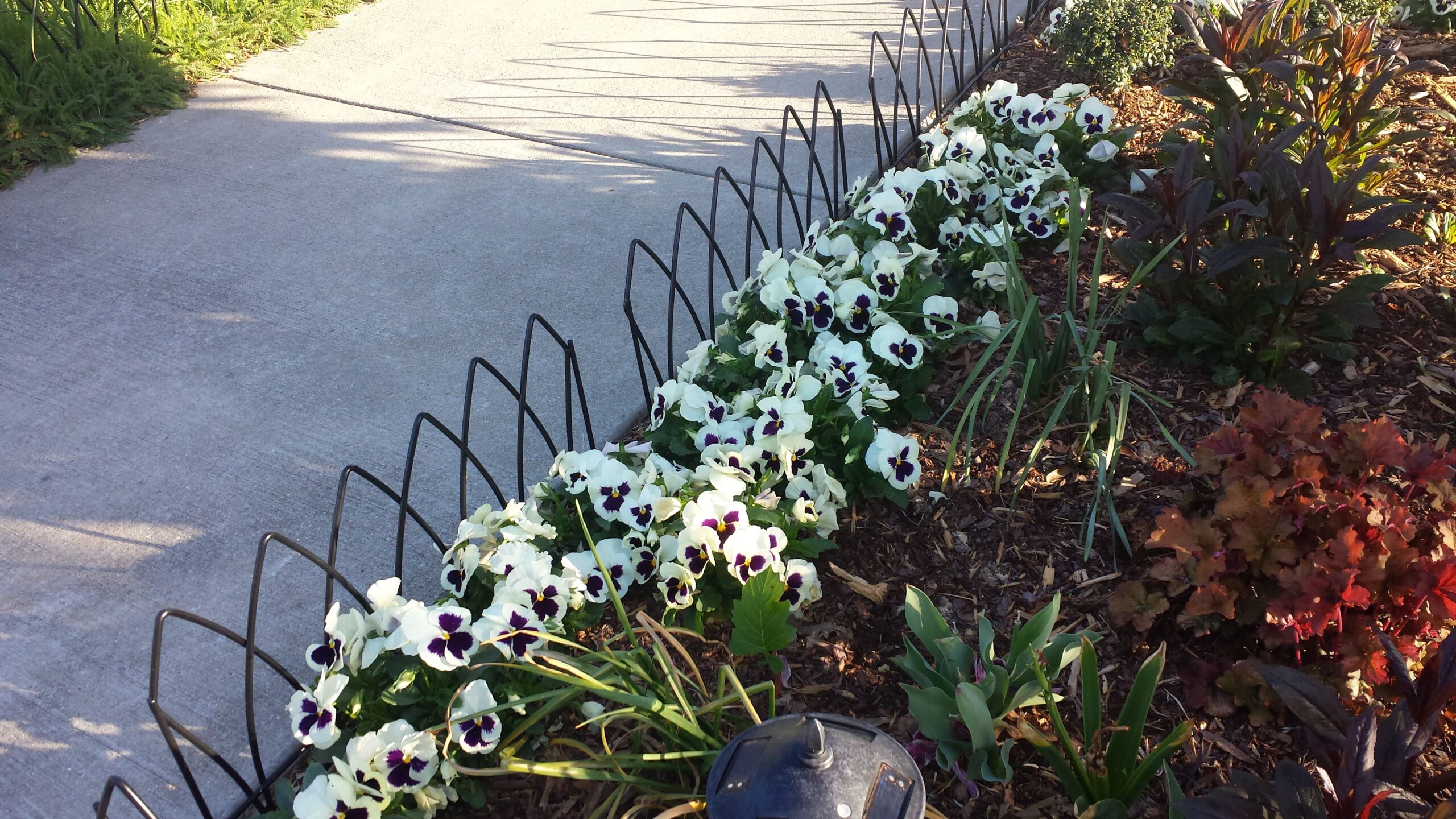
Metal panels can create a clear boundary around flower beds. Choose a sturdy design with smooth edges, stable stakes, and openings too small for your dog to pass through.
Wooden picket fencing
Wood gives a classic garden look and can provide a solid visual boundary. Check for splinters, protruding nails, rot, and gaps between pickets.
Rigid plastic fencing
Plastic panels are often light and easy to handle. They are best for dogs that do not push, chew, or climb and should be checked for brittleness after sun exposure.
Welded wire mesh
Coated welded mesh can provide a strong barrier when attached securely to a frame. Cover cut ends and avoid exposed wire that could scratch paws or skin.
Small garden enclosure
A complete enclosure can protect several beds or a larger planting area. It is useful for persistent jumpers or diggers when the height, base, gate, and frame suit the dog.
Low Metal Fencing for Small or Calm Dogs
Short metal borders are often a practical choice for a dog that understands basic boundaries but still wanders into flower beds. They are available in straight panels and curved sections, so they can follow the outline of a bed without hiding the plants.
The main limitation is height. A small ornamental fence may stop a casual walker but do little against a dog that jumps, leans, or pushes. Test the stability by checking the stakes and joints rather than assuming that metal automatically means strong.
Best fit
Small dogs and calm dogs that respond to training and do not try to climb barriers.
Check before buying
Look for stable posts, smooth joints, corrosion-resistant material, and safe gaps between rails.
Wooden Fencing for a Traditional Backyard
Wooden pickets suit cottage gardens, front yards, and beds beside porches or walkways. You can stain or paint suitable outdoor wood to coordinate with a fence or house, but coatings must be fully cured before pets can reach the surface.
Wood needs regular care. Moisture can cause rot, and repeated pressure may loosen joints. Sand rough edges and replace damaged boards promptly so a small defect does not become a hazard.
Best fit
Homeowners who want a solid-looking border and can inspect and maintain the wood.
Main limitation
Wood can warp, split, or decay if it is poorly installed or exposed to persistent moisture.
Wire Mesh for Dogs That Push or Dig
A framed mesh fence can be useful when a dog pushes against panels or searches for a way under the border. The mesh should be securely attached, and the frame should resist movement. Do not leave cut wire ends, sharp corners, or loose loops where a dog can catch its skin or collar.
Mesh openings must be selected with the dog in mind. Small openings can reduce the chance of a paw or head becoming trapped, but no single opening size is right for every animal. Avoid designs that invite climbing or let the dog become wedged between the mesh and the frame.
Best fit
Dogs that push against a boundary or dig near its base, provided the mesh is installed safely.
Main limitation
Poorly finished mesh can create sharp edges and entanglement hazards. Inspect the entire fence, including the bottom and corners.
How Tall Should a Flower Bed Fence Be?
Fence height depends on the dog’s size, jumping ability, motivation, and the location of the flower bed. A short border may be enough to discourage a dog that simply wanders across the lawn, but it is not a dependable barrier for a dog that can jump or climb.
There is no universal height that keeps every dog out. A small dog may step over a low panel, while a large athletic dog may clear a much taller one. Choose a height that the dog cannot easily cross, anchor the fence firmly, and supervise the dog until you know whether the barrier works.
Measure from the finished ground level to the top of the fence. If the yard slopes, check the height at several points because a panel that looks tall at one end may leave a low opening at the other. Also look for benches, planters, retaining walls, and stored items that could help a dog climb over.
Source: fity.club
Small, calm dogs
A low, visible border may work when the dog does not jump or push and responds to training.
Medium or large dogs
Consider a taller and stronger panel system that cannot be easily tipped, bent, or crossed.
Athletic jumpers
Use a secure enclosure designed around the dog’s jumping ability. A short decorative border is unlikely to be enough.
Climbers
Avoid horizontal rails or nearby objects that create footholds. Select a design that does not encourage climbing.
Why Gap Size Matters as Much as Height
A fence can be tall enough and still fail if the spaces between its rails are too wide. Small dogs may slip through openings that look narrow to a person, while a larger dog’s head, paws, or collar can become trapped in an unsuitable gap.
Check the full fence from ground level upward. Close gaps near posts, corners, and gate latches. Avoid relying on a loose screen or soft netting that could sag, tear, or wrap around the dog.
Check the dog’s body size
Choose openings that prevent passage without creating a risk of trapping the head, legs, or collar.
Inspect every corner
Gaps often appear where straight panels meet curved borders or where the fence ends beside a wall.
How to Install Flower Bed Fencing Step by Step
A safe installation starts with a clear boundary and a stable base. You do not need to fence every inch of the yard if your goal is to protect one bed. Mark the area you want to protect, then plan a continuous barrier that leaves enough room for watering, pruning, and plant care.
Before digging, check for underground utilities through the appropriate local service. In the United States, homeowners can generally contact 811 or use the applicable state service before digging, subject to local requirements. Also check property boundaries, homeowners association rules, and local fence limits when relevant.
Source: storage.googleapis.com
Tools and materials
Gather a tape measure, stakes, string, suitable fence panels, compatible posts or anchors, fasteners, gloves, and any tools required by the chosen system.
Safety checks
Identify underground lines, remove trip hazards, wear suitable eye and hand protection, and keep the dog away from tools and open holes.
Step 1: Measure and Mark the Bed
Measure each straight side and estimate the length of curved sections. Mark the proposed fence line with string or garden-safe markers. Leave enough space inside the barrier for flowers to spread and for you to reach plants during routine care.
Plan the entrance before placing posts. A narrow access point may be awkward when carrying a watering can or wheelbarrow, while an opening without a reliable latch may become the dog’s favorite route into the bed.
Allow room for maintenance
Make sure you can reach plants, remove weeds, and repair irrigation without stepping on the flowers.
Step 2: Choose and Place the Posts
Place posts according to the fencing system’s instructions. Rigid panels need support at the points specified by the maker, especially at corners and gates. Do not assume that pushing short stakes into loose soil will hold against a strong dog.
Check the line from several angles before securing the panels. Posts that lean or sit at different heights can leave gaps and make the finished fence look uneven. On sloped ground, plan how the panels will follow the terrain without creating openings underneath.
Keep the structure stable
Use posts, anchors, and fasteners suited to the soil and fence material. Repair movement before allowing the dog near the barrier.
Step 3: Attach Panels and Finish Sharp Edges
Attach each panel securely and follow the manufacturer’s installation instructions. Keep joints aligned and check that no fastener protrudes into the dog’s path. Cover or remove sharp cut ends and replace damaged panels rather than trying to hide a dangerous edge behind plants.
Open and close the gate several times. The latch should work smoothly and should not leave a space that a dog can nose open. If the fence has a movable section, confirm that it cannot fall over when the dog bumps it.
Check the connections
Look for loose ties, exposed screws, bent wire, unstable feet, and panels that can lift out of their supports.
Step 4: Secure the Bottom Edge
Dogs that dig can bypass a fence by removing soil at its base. Close ground-level gaps and make sure the bottom cannot be lifted by a nose or paw. If digging persists, a suitable buried mesh apron can extend outward from the fence to make a direct tunnel harder to form.
An apron should be installed so it does not leave exposed sharp wire or a tripping edge. Choose corrosion-resistant material, cover the finished edge with soil or another suitable surface, and make sure it will not interfere with plant roots, irrigation lines, or drainage. If the soil is rocky or the area has buried utilities, consider a surface-mounted alternative designed for that setting.
Close visible gaps
Check under gates, at panel ends, and where the ground drops away.
Watch for new tunnels
Inspect the soil after the first few days. A fresh scrape or hole shows where the design may need improvement.
Step 5: Test the Fence Before Leaving the Dog Alone
Walk around the enclosure and gently check for movement, loose connections, and openings. Do not use a live dog as the first strength test. Instead, inspect the structure by hand and correct any weakness before allowing supervised access to the yard.
Bring your dog outside on a leash and reward it for staying on the permitted side. Watch what happens when the dog notices the flowers or a familiar scent. If it tries to jump, push, or dig, calmly guide it away and review the fence rather than waiting for a failure.
Signs of success
The fence stays stable, the dog cannot reach the plants through gaps, and the dog responds to cues that guide it away from the boundary.
Signs that changes are needed
Bent panels, loose stakes, new holes, repeated jumping, or attempts to chew the barrier show that the setup needs attention.
How to Stop Dogs From Digging Under Flower Bed Fences
If your dog digs beneath a flower bed fence, focus on the ground-level barrier and the reason for the digging. Dogs may dig to explore scents, seek a cool place, chase small animals, or release excess energy. A fence that only reaches the surface may not solve the problem if the dog is strongly motivated to get into the soil.
Start by filling any holes and securing the lower edge. Inspect the fence after rain because softened soil may allow posts to shift or create new openings. If the dog repeatedly digs in the same place, reinforce that section and offer a permitted digging area elsewhere in the yard.
Source: fity.club
Use a buried mesh apron
A properly installed apron can discourage digging near the fence. Cover sharp edges and confirm that the material will not interfere with buried utilities or drainage.
Add a stable bottom rail
A suitable lower rail can close a gap between the panels and the soil, provided it does not create a paw or head trap.
Improve the surface outside the fence
A stable path or other dog-safe surface may make the fence line less inviting for digging. Keep the area free of loose hazards and avoid blocking natural drainage.
Provide a digging outlet
A designated digging patch or sandbox can give the dog an approved place to explore. Reward the dog for using it instead of the flower bed.
Should You Put Rocks Along the Fence?
Large, stable landscape stones can make a narrow fence line less appealing for digging, but they are not a dependable barrier by themselves. A dog may move small stones, dig between them, or push them aside. Rocks can also become tripping hazards if they are loose or poorly placed.
If you use stones, choose pieces that are stable and too large to swallow, and keep them away from delicate plant crowns. Do not use sharp rubble or small gravel that could injure paws or be swallowed. For a persistent digger, a properly designed fence base is usually the more direct fix.
Use stable materials
Set stones so they cannot roll into paths or become loose objects that the dog may chew or swallow.
Do not block drainage
Arrange the border so water can drain naturally and does not collect against the bed or house.
How to Train Your Dog to Respect the Flower Bed Fence
Training helps the fence work as a lasting boundary. Dogs learn more clearly when the rule stays the same each day and good behavior earns a reward. Do not expect the fence alone to teach a dog where it may walk, especially if the bed contains interesting scents or loose soil.
Begin with short, supervised sessions. Use a leash if needed, keep treats ready, and reward your dog for looking at the flowers and then turning back toward you. If the dog approaches the boundary, guide it toward an approved path or play area and reward the choice to move away.
Source: fity.club
Reward the right choice
Praise and reward your dog for walking around the bed, coming when called, or settling in a permitted area.
Use a consistent cue
Choose a simple cue such as ‘this way’ and use it to guide the dog away from the bed without shouting or frightening it.
Practice in short sessions
Repeat brief training sessions when the dog is calm. Gradually increase freedom only when it can follow the boundary reliably.
Manage tempting situations
Keep dogs supervised near fresh mulch, newly planted beds, and areas with strong wildlife scents until they can leave those places alone.
Give Your Dog a Better Place to Play
A dog may enter the flower bed because the rest of the yard offers little to do. Set aside a clear route for walking and a safe space for play, sniffing, or resting. Add toys, short training games, and daily exercise that matches the dog’s age and needs.
If your dog loves to dig, a designated digging area may be more effective than trying to suppress every digging urge. Bury dog-safe toys in that area and praise the dog for digging there. Keep the designated spot well away from flower roots and check that the fill material is safe for paws and skin.
Create a clear walking path
Use a stable surface around the bed so the dog has an easy route through the yard without stepping into the flowers.
Offer shade and rest
A comfortable resting place can reduce the appeal of cool soil beneath shrubs or tall flowers.
Avoid punishment-based deterrents
Do not use painful devices, frightening traps, or substances that may poison or burn a dog. Use safe barriers and reward-based training instead.
Dog-Safe Materials and Plants to Consider
A flower bed fence should protect plants without creating a new hazard for the dog. Check for sharp metal ends, splintered wood, loose fasteners, unstable stones, and coatings that may be unsafe if chewed. A barrier can be visually attractive and still fail if its openings or finish pose a risk.
Think about the plants inside the bed, too. Some common ornamental plants can harm dogs if eaten. The American Society for the Prevention of Cruelty to Animals maintains a plant toxicity database that can help you check individual species, but a database entry should not replace veterinary advice when a dog has eaten a plant.
Choose flowers based on your local climate and the conditions in the bed, but confirm their safety for pets before planting. In the United States, growing conditions vary widely between regions, from humid Gulf Coast gardens to dry Western yards and cold northern winters. A plant that thrives in one area may struggle in another, so local extension guidance can help with both plant selection and care.
Source: animalia-life.club
Smooth, weather-resistant fencing
Choose material that will not splinter, rust quickly, or break into sharp pieces under normal outdoor use.
Pet-safe coatings
Follow product labels and curing instructions for paint, stain, or protective coatings. Keep dogs away until the surface is ready for normal contact.
Non-toxic plant choices
Check the scientific or common name of each plant against a reliable pet toxicity reference before adding it to the bed.
Safe mulch
Avoid cocoa bean mulch around dogs because it can contain compounds related to those in chocolate. Choose an appropriate alternative and prevent the dog from eating any mulch.
What to Do if Your Dog Eats a Garden Plant
If you suspect that your dog has eaten a toxic plant, remove access to the plant and contact your veterinarian or an animal poison control service promptly. Do not wait for symptoms if the plant may be dangerous. If possible, identify the plant and keep a sample or photograph to help the veterinary team assess the exposure.
Do not induce vomiting or give home remedies unless a veterinary professional tells you to do so. Difficulty breathing, collapse, seizures, or severe weakness require emergency veterinary care. Fencing can reduce access to plants, but it cannot replace safe plant selection and supervision.
Identify the plant
Take a clear photo and note which part may have been eaten and approximately when it happened.
Get prompt advice
Contact a veterinarian or appropriate animal poison control service rather than relying on an online plant list to judge the risk.
Cost, Maintenance, and Choosing the Right Fence
The cost of flower bed fencing depends on the material, total length, fence height, post system, and whether you install it yourself. A small decorative border generally requires fewer materials than a full enclosure with a gate and reinforced base. Prices also vary by region, retailer, and product quality, so compare current local quotes rather than relying on a single national estimate.
Think beyond the initial purchase. A low-cost panel that bends every time the dog pushes it may need frequent replacement, while a sturdier fence may require less repair. However, a stronger material is only useful if its design suits your dog and it can be installed securely in your yard.
Source: The Family Handyman
Budget metal panels
Useful for small beds and calm dogs when the panels are stable and have safe edges. Check corrosion resistance and stake strength.
Wooden pickets
Suitable for a traditional look, but allow time and money for repairs, repainting, or replacing weathered boards.
Framed mesh
Can suit persistent pushers and diggers when the mesh and frame are secure. Installation and safe edge finishing may add work.
Full enclosure
May be appropriate for several beds or a determined dog. It requires more material, a reliable gate, and careful planning around slopes and access.
Simple Maintenance Checklist
Inspect the fence regularly and after severe weather, heavy rain, or yard work. Look for leaning posts, rust, cracked plastic, loose screws, damaged mesh, and soil washed away from the base. Repair problems before allowing the dog to use the yard without close supervision.
Keep vegetation from hiding damage. Tall stems can conceal openings, and vines may pull on lightweight panels as they grow. Trim plants where needed so the fence remains visible and easy to inspect.
Weekly visual check
Look for new holes, loose panels, damaged latches, exposed edges, and signs that the dog has been testing the boundary.
Seasonal inspection
Check for winter damage, corrosion, sun-brittled plastic, rot, and soil movement as the weather changes.
After repairs
Inspect all new fasteners and edges before allowing the dog near the fence again.
Common Flower Bed Fencing Mistakes to Avoid
The most common mistake is choosing a fence for looks alone. A delicate border may frame the flowers beautifully but fail when a dog leans against it. Match the design to the dog’s behavior and check the entire boundary for weak points.
Another mistake is ignoring the ground. A fence with a large gap underneath may invite a dog to crawl through or dig, while a gate that does not latch securely can undo the rest of the work. Check the fence as a complete system, not just a row of panels.
Source: www.pinterest.com
Choosing a fence that is too short
A dog that jumps or climbs may cross a low border with little effort. Increase the height and stability when the behavior calls for it.
Leaving gaps at the ends
Dogs often find openings beside walls, shrubs, gates, and corners. Inspect these areas from the dog’s point of view.
Using unstable stakes
Light stakes may loosen in wet or sandy soil. Select supports suited to the site and the force the barrier may face.
Leaving sharp edges exposed
Unfinished wire, broken plastic, and splintered wood can injure paws or skin. Cover, smooth, or replace damaged parts.
Relying only on scent deterrents
Smells fade, wash away, or fail to interest a dog. Some household mixtures can also irritate animals or damage plants.
Skipping training
A dog may keep testing the barrier if it has no clear alternative. Teach the dog where to walk and reward it for staying away.
Why Electric and Improvised Barriers Are Poor Shortcuts
Avoid improvised electric barriers, exposed wiring, barbed wire, sharp spikes, and traps designed to frighten or hurt a dog. These approaches can cause injury and may increase fear or stress without teaching a safe alternative. A well-built physical fence and reward-based training are more appropriate starting points.
Do not spread chili powder, concentrated essential oils, mothballs, pesticides, or other hazardous substances around the bed to repel a dog. These materials may harm pets, children, wildlife, or plants. Use only products labeled for the intended purpose and follow their instructions, but do not treat a repellent as a replacement for a secure barrier.
Avoid harmful deterrents
Do not use substances or devices that may burn, poison, shock, trap, or frighten the dog.
Use a physical boundary
Choose a stable fence with safe edges and openings, then reinforce it with supervision and training.
A Practical Decision Guide for Your Yard
Use the dog’s behavior and the bed’s layout to narrow your choices. A small border is often enough for a dog that wanders, but a persistent digger or jumper needs a more secure design. If several behaviors occur together, plan for the hardest one to manage rather than choosing a fence that only addresses the easiest problem.
The table below compares common options by their likely use. These are general design considerations, not guarantees of performance. Installation quality, the individual dog, soil conditions, and regular maintenance can change the result.
Source: fity.club
For a small flower bed
Consider a short metal or wooden border if your dog does not jump, push, or dig.
For a large or athletic dog
Choose a taller and sturdier enclosure with a reliable gate and secure posts.
For a determined digger
Focus on the lower edge, soil conditions, and a safe ground-level barrier.
For several connected beds
Consider enclosing the whole planting area rather than building many short, disconnected sections.
Compare Fence Options by the Problem They Solve
A fence should solve the actual access problem while leaving room for gardening tasks. Choose the least complex design that reliably protects the plants, but do not sacrifice safety or stability to save a small amount on materials.
Low decorative border
Best for defining a bed and discouraging casual entry by a calm, small dog. Weak against jumping, pushing, and digging.
Taller rigid panels
Better for dogs that step or jump over short borders, provided the panels are high enough and securely anchored.
Framed mesh with a secure base
Useful for some persistent pushers or diggers when openings, edges, and the ground connection are designed safely.
Complete garden enclosure
Suitable for protecting a larger planting area when a single low border cannot contain the dog’s behavior.
Research Notes and Useful Next Questions
This guide focuses on the practical task of choosing and maintaining a dog-safe flower bed barrier. It uses general gardening and pet-safety principles rather than claiming that a specific fence has been tested against every dog. No controlled performance tests, current price survey, or inspection of competing pages is claimed here, so exact costs and universal height recommendations are not presented as established facts.
The strongest next step is to identify the dog’s main entry behavior and measure the bed. That information determines whether a low border, taller panels, or a more complete enclosure is likely to be suitable. If the dog repeatedly escapes or shows intense digging or jumping behavior, a qualified dog trainer can help assess the behavior while you improve the physical barrier.
Source: animalia-life.club
Question to resolve before buying
Does the dog walk through, jump over, push against, or dig under the current boundary? This is an inferred practical need based on the installation task.
Question to resolve during installation
Can the barrier be anchored safely in the site’s soil without disturbing underground utilities, roots, or drainage? This is an inferred safety need.
Question to resolve after installation
Does the dog respect the boundary during supervised sessions, and does the fence remain stable after weather changes? This is an inferred maintenance need.
Evidence Limits and How to Verify Local Details
Fence height limits, property rules, and installation requirements can vary by municipality, homeowners association, and property type. Check the applicable local rules before building a tall enclosure, especially near a sidewalk, road, shared boundary, or front yard.
For plant safety, verify the exact plant species through a reliable veterinary or poison-control resource. For digging, check the appropriate utility-location service before driving stakes or digging trenches. For repeated behavior that the fence does not manage, seek qualified training support instead of relying on stronger barriers alone.
Verify rules
Check current local requirements for fence height, setbacks, property boundaries, and any association rules.
Verify plant safety
Check plant identification and toxicity before planting or allowing a dog near an unfamiliar species.
Verify installation conditions
Locate underground utilities and review the fence maker’s instructions for the chosen material and support system.
Frequently Asked Questions
Q
What is the best fence to keep dogs out of flower beds?
The best fence is one your dog cannot easily jump, push through, squeeze under, or dig beneath. Low metal or wooden borders may work for calm dogs, while strong or athletic dogs may need taller rigid panels or a complete enclosure. Choose safe openings, stable posts, and a secure base, then reinforce the boundary with training.
Q
How do I keep my dog from jumping over a flower bed fence?
Use a taller, stable barrier suited to the dog’s jumping ability and remove nearby objects that could serve as steps. Check that the gate and corners do not create easy routes over or around the fence. Supervise the dog and reward it for staying away from the bed. If jumping persists, consider a qualified trainer to help address the behavior.
Q
How can I stop my dog from digging under garden fencing?
Close gaps along the ground and secure the fence base. A properly installed buried mesh apron can discourage digging, but its edges must be covered and its placement must account for utilities, roots, and drainage. Offer a designated digging area and reward your dog for using it rather than the flower bed.
Q
Are low garden fences enough for small dogs?
Sometimes. A low fence may discourage a small dog that does not jump or push and already responds to boundary training. However, some small dogs can squeeze through gaps or step over short panels. Watch the dog during supervised sessions and adjust the height, spacing, or base if it finds a way through.
Q
Can I use chicken wire to protect flower beds from dogs?
Chicken wire may be used in some garden projects, but it is not automatically a safe or strong dog barrier. Thin wire can bend, loosen, or develop sharp ends, and openings may trap paws or collars. If you use wire fencing, choose a suitable design, secure it to a stable frame, finish every cut edge, and inspect it often. A rigid, well-finished barrier may be more appropriate for a strong or persistent dog.
Q
Are there scents that safely keep dogs out of flower beds?
Scent-based deterrents are not reliable for every dog, and some strong fragrances or household mixtures can irritate pets or damage plants. Avoid chili powder, mothballs, concentrated essential oils, and other hazardous substances. Use a physical fence, reward-based training, and an appealing alternative place to explore. If you try a commercial repellent, check that its label permits the intended use around pets and plants.
Q
What flowers are safe to grow around dogs?
Plant safety depends on the exact species, so check each plant against a reputable veterinary toxicity database before adding it to your garden. Common names can refer to different plants, making accurate identification important. Even plants considered non-toxic can cause stomach upset if a dog eats a large amount, so fencing and supervision still matter.
✦ Wrapping Up
Conclusion
The right flower bed fence can protect your blooms without making your yard feel closed off. Start with your dog’s behavior, then choose a barrier that is tall enough, strong enough, and secure along the ground. A low metal border may suit a calm dog, while a jumper or digger may need a taller enclosure and a reinforced base.
Install the fence with safe materials, close gaps, and check the posts, gate, and edges before giving your dog access to the yard. Keep toxic plants and unsafe deterrents out of reach, and teach your dog where it can walk, sniff, and play. The best results come from combining a sound barrier with a consistent routine.
💡 Key Takeaway
Measure your flower bed, identify how your dog gets inside, and select a fence that blocks that route safely. Secure the base, inspect every opening, and begin supervised training as soon as the installation is complete.
I enjoy sharing simple gardening ideas, lawn care tips, and honest product reviews that help make outdoor work easier. From home gardening guides to helpful tools and lawn care advice, I write easy-to-follow content to help readers create a healthier and better-looking outdoor space without wasting time or money.