
As an Amazon Associate, I earn from qualifying purchases.
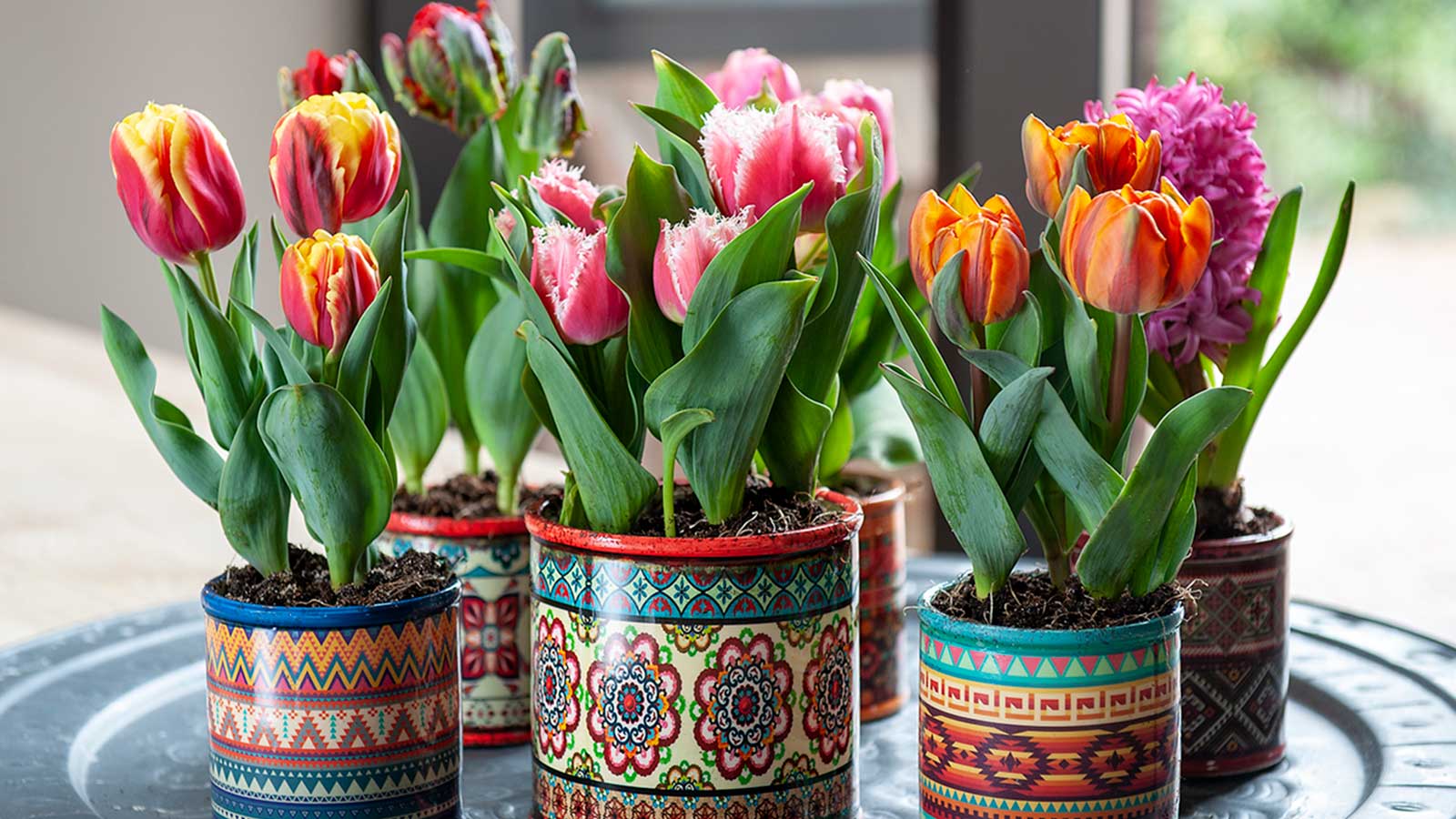
You can grow tulips indoors in pots with cold, light, and care.
Done right, tulips can bloom on your windowsill even when it snows outside. In this guide, I share my proven plan for growing tulips in pots indoors. You will learn how to pick the right bulbs, chill them, pot them, and get big, straight stems and bold color. I’ve tested every step in small apartments and bright studios, and I’ll walk you through it with clear, simple tips.
Why grow tulips in pots indoors
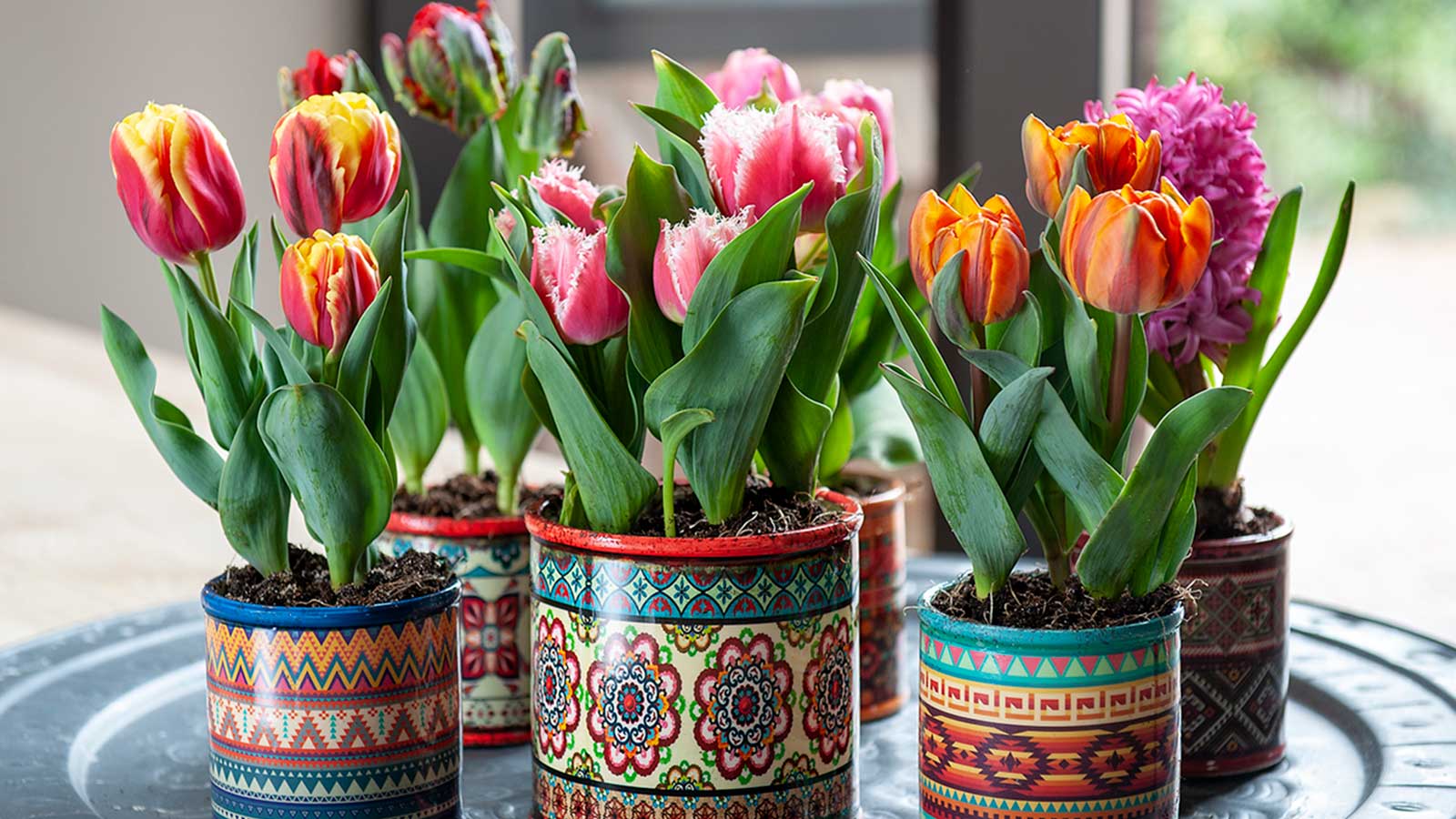
Tulips cheer up a room fast. They bring spring colors into winter. With a few pots, you can stagger blooms for weeks. You control water, light, and timing, so the show fits your schedule.
Growing tulips in pots indoors also saves space. It works in small homes and rentals. You can pick classic reds or try rare doubles. It is a fun winter project for kids and adults.
The key steps are simple. Chill the bulbs, plant right, and give steady light and cool air. Follow this plan and you will see strong stems, not floppy leaves. This is why growing tulips in pots indoors is popular with new and seasoned gardeners alike.
Choosing the right tulip bulbs and varieties
Start with firm, large bulbs. Bigger bulbs make bigger flowers. Avoid soft spots, mold, or cuts. Choose varieties that force well, which means they bloom indoors after a cold rest.
Good choices for indoor forcing:
- Single Early tulips. Short, sturdy stems and early color.
- Triumph tulips. Great shape and strong stems.
- Double Early tulips. Peony look, lush petals, shorter stems.
- Species tulips. Smaller, often more reliable for repeat planting outside later.
Plan on 8 to 12 bulbs per 10-inch pot. If this is your first time growing tulips in pots indoors, pick at least two early varieties. That way, if one is slow, the other still blooms on time.

Pots, soil, and drainage that set you up for success
Use a pot at least 8 to 10 inches deep with drainage holes. Tulip bulbs hate soggy soil. Choose a sturdy pot because bulbs push up as they grow.
Use a high-quality potting mix. Add perlite for drainage. Aim for a light, airy mix that holds moisture but never stays wet. Do not use garden soil. It compacts and can carry disease.
Place a mesh over the holes if you worry about soil loss. Add mix up to two inches from the rim. This gives space for watering later. This step is key when growing tulips in pots indoors.
The chilling phase: how to force bulbs for indoor bloom
Tulips need a cold rest. This is the trick that makes them think winter passed. Give bulbs 12 to 16 weeks at 35 to 45°F. Think of an unheated garage, a cold basement, or the fridge.
How to chill safely:
- Pot the bulbs first, then chill the whole pot. You can also chill loose bulbs in a paper bag.
- Keep bulbs away from fruit. Apples and bananas release ethylene gas, which can harm buds.
- Keep the potting mix just barely moist. Not wet. Dry mix slows rooting.
A simple timeline for growing tulips in pots indoors:
- Weeks 0 to 1. Plant and water in. Move to cold spot.
- Weeks 2 to 10. Roots form. You will not see growth on top.
- Weeks 11 to 16. Green tips appear. Move to bright, cool light indoors for bloom.
Step-by-step: planting and early care
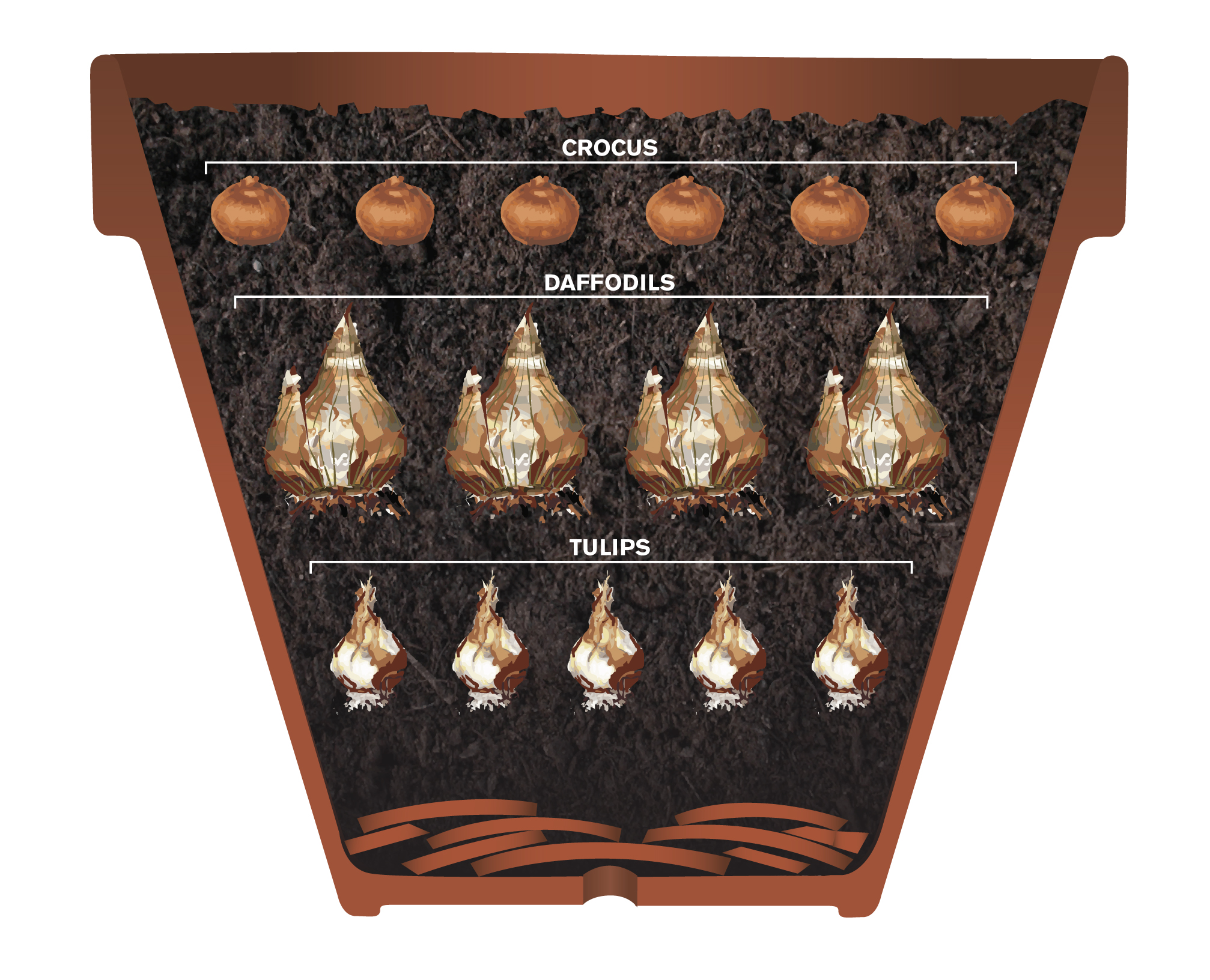
Plant bulbs close, almost shoulder to shoulder, but not touching. Set them pointy end up. Leave about half an inch between bulbs. Aim to have the bulb noses just below the rim.
Planting steps:
- Fill the pot two thirds full with mix.
- Place bulbs. Fit as many as you can without touching.
- Cover with mix. Leave about one inch at the top for water.
- Water well once to settle the mix. Then chill.
When the cold period ends, bring pots indoors to bright light. Keep the room cool, around 60 to 65°F. Rotate the pot a quarter turn every few days so stems grow straight. This steady routine is the backbone of growing tulips in pots indoors.
Light and temperature for sturdy, upright stems
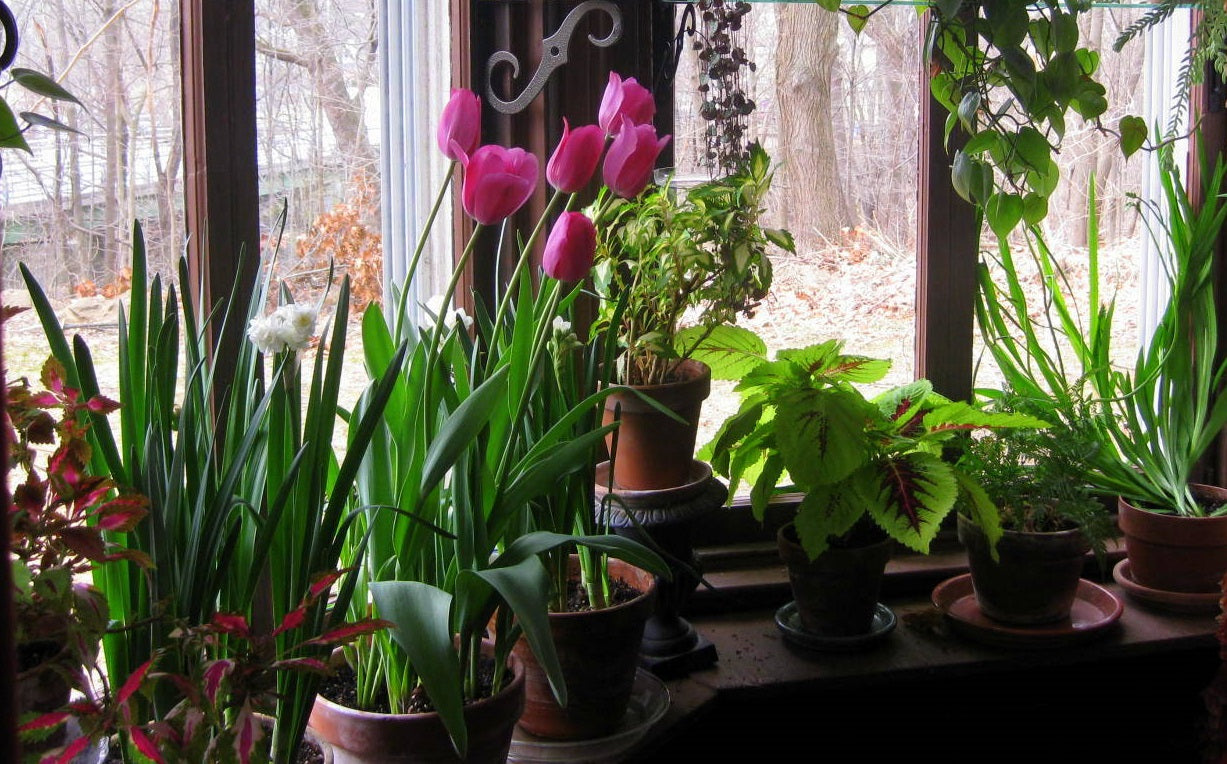
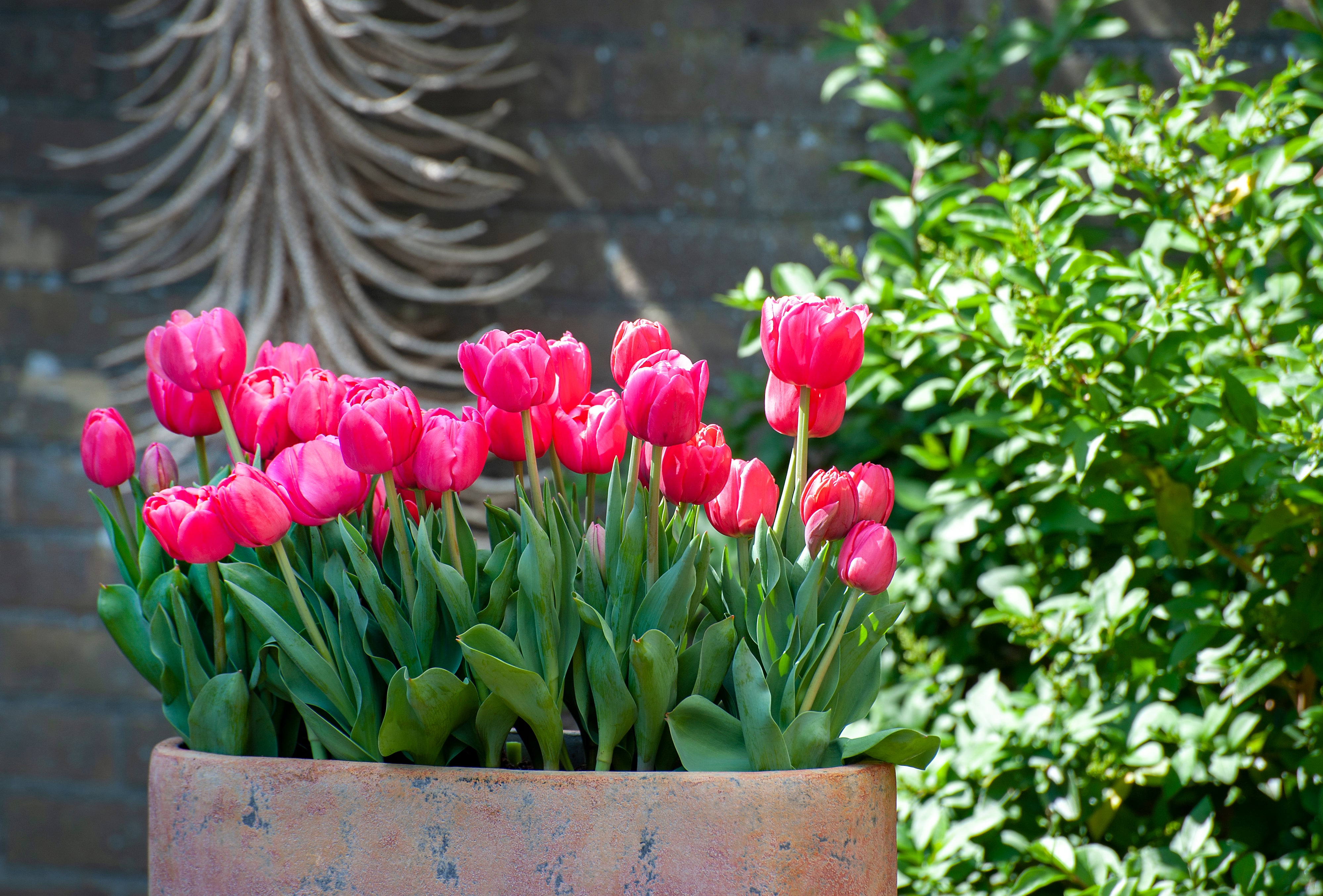
Tulips like bright light, but not hot, dry air. A sunny east or south window works well. If light is weak, add a simple LED grow light. Keep the light 8 to 12 inches above the leaves.
Keep it cool as buds form. Aim for daytime 60 to 65°F and cooler nights. Heat makes stems stretch and flop. If your home runs warm, move the pot a few feet from the heater. With good light and cool air, growing tulips in pots indoors yields tight blooms and strong stems.

Watering, feeding, and fixing common problems
Water when the top inch of mix is dry. Tulips prefer even moisture. Never leave the pot in a saucer of water. Overwatering causes bulb rot.
Fertilizer is optional for a one-time indoor display. The bulb has stored food. If you do feed, use a low-nitrogen, balanced liquid fertilizer when leaves are a few inches tall. Stop feeding once buds show color.
Watch for issues:
- Leggy stems. Not enough light or room too warm. Move to brighter, cooler spot.
- Droopy leaves. Overwatered or no drainage. Let the mix dry a bit and check holes.
- Gray fuzz on leaves or soil. This is likely botrytis. Increase air flow and remove affected parts.
- Aphids. Rinse with water or use a gentle insecticidal soap.
These habits protect your results when growing tulips in pots indoors.

Design and display ideas that pop
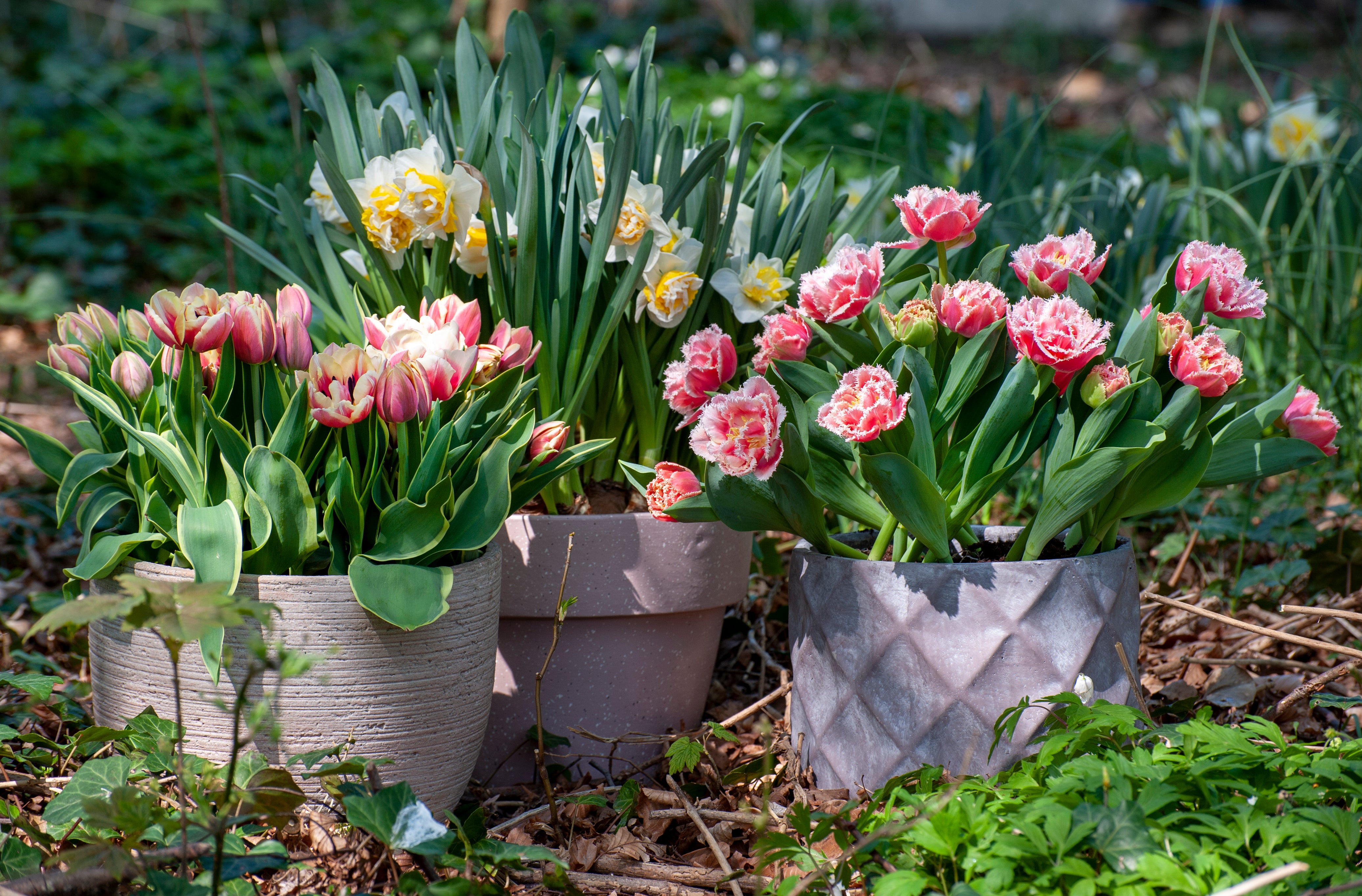
Style your pots like mini spring gardens. Simple touches make a big difference indoors.
Try these ideas:
- Group three pots of the same color for drama.
- Mix early and mid-season varieties to extend bloom time.
- Top the soil with moss, pebbles, or pine cones for a clean look.
- Pair tulips with low plants like ivy or baby’s tears around the rim.
- Use neutral pots to let bold blooms shine, or match pot color to petals.
Small changes help your growing tulips in pots indoors look polished and pro.

After bloom: what to do with indoor tulip bulbs
When flowers fade, snip off the spent blooms. Keep the leaves. They feed the bulb. Water and give bright light for three to four weeks.
If you forced standard hybrid tulips, many will not bloom well again indoors. You can plant them outside once the soil thaws and the leaves are still green. They may return in a year or two, but results vary. Species tulips have a better chance to rebound. Set expectations low when growing tulips in pots indoors for a one-time winter show.
Lessons from years of growing tulips in pots indoors
I learned the hard way that heat is the enemy. One winter, my radiator roasted a pot and the stems stretched overnight. Moving them three feet back fixed it.
I also once skipped the chill by a week. Buds formed, but the stems were short and the flowers small. Now I mark a 14-week chill on my calendar. I keep bulbs away from fruit, and I water less than I think I should. These simple rules have made growing tulips in pots indoors near foolproof for me.
Frequently Asked Questions of growing tulips in pots indoors
How long does it take for tulips to bloom indoors?
Plan on 12 to 16 weeks of chilling, then 2 to 4 weeks to flower. The whole process often takes 14 to 20 weeks.
Can I chill tulip bulbs in the fridge?
Yes, as long as you keep them away from fruit that emits ethylene. Place bulbs in a paper bag or pot them first and keep the mix barely moist.
Do indoor tulips need fertilizer?
Not for one season of bloom. The bulb has stored food, but a light, low-nitrogen feed when leaves appear can help if growth looks weak.
Why are my indoor tulip stems floppy?
They likely need more light or cooler air. Move the pot to a brighter spot and keep room temps around 60 to 65°F.
Will forced tulips bloom again next year?
Most hybrid tulips will not rebloom well indoors the next year. You can plant them outside and hope for a comeback, but results vary.
How many bulbs should I plant per pot?
In a 10-inch pot, use 8 to 12 bulbs placed close but not touching. Tight planting gives a full, lush display.
What soil is best for indoor tulips?
Use a high-quality potting mix with added perlite for drainage. Avoid garden soil, which compacts and can cause rot.
Conclusion
Tulips can thrive on your windowsill with a simple plan. Chill the bulbs long enough, use a well-drained pot, give bright light, and keep the room cool. These steps turn growing tulips in pots indoors into a stress-free, joyful project.
Pick your bulbs this week and start your chill cycle. Set calendar reminders, prep your pots, and get ready for color right when you need it most. If this guide helped, share it with a friend, subscribe for more indoor gardening tips, or leave a comment with your first bloom date.

I enjoy sharing simple gardening ideas, lawn care tips, and honest product reviews that help make outdoor work easier. From home gardening guides to helpful tools and lawn care advice, I write easy-to-follow content to help readers create a healthier and better-looking outdoor space without wasting time or money.