As an Amazon Associate, I earn from qualifying purchases.
To decorate a front yard, start with a clear walkway, healthy plants, a neat lawn or ground cover, and a few accents that match your home’s style. Add color with flowers, use lighting near the entrance, and keep enough open space for easy access and care.
In American neighborhoods, the front yard often sets the tone for the whole home. A tidy entry in a Texas suburb, a flower-filled cottage yard in New England, or a simple gravel garden in the Southwest can all feel warm and inviting. The best design fits the house, local climate, lot size, and the time you want to spend on upkeep.
You do not need a large lawn or an expensive landscape project to make a strong first impression. A few well-placed plants, a clean path, and a welcoming front door can change how the space looks and feels. Start with the features you already have, then add decor where it improves color, balance, comfort, or function.
Before buying anything, look at the yard from the street and from the front door. Notice bare spots, crowded beds, uneven edges, dark entry areas, and places where rainwater collects. These details will help you choose changes that solve real problems instead of adding clutter.
The easiest way to decorate a front yard is to decide what the space needs before choosing its style. A yard may need more color, a clearer walkway, better privacy, or a stronger focal point near the entrance. Solving one or two of these needs first often creates a better result than adding many unrelated features.
Walk around the property and view it from different angles. Check how the house looks from the street, whether the front steps are easy to reach, and how plants frame the windows and door. Take a few photos so you can compare ideas without relying on memory.
Next, divide the yard into simple areas. These might include the walkway, foundation beds, lawn or ground cover, front porch, and driveway edge. Each area should have a clear purpose, even if that purpose is simply to leave an open view of the house.
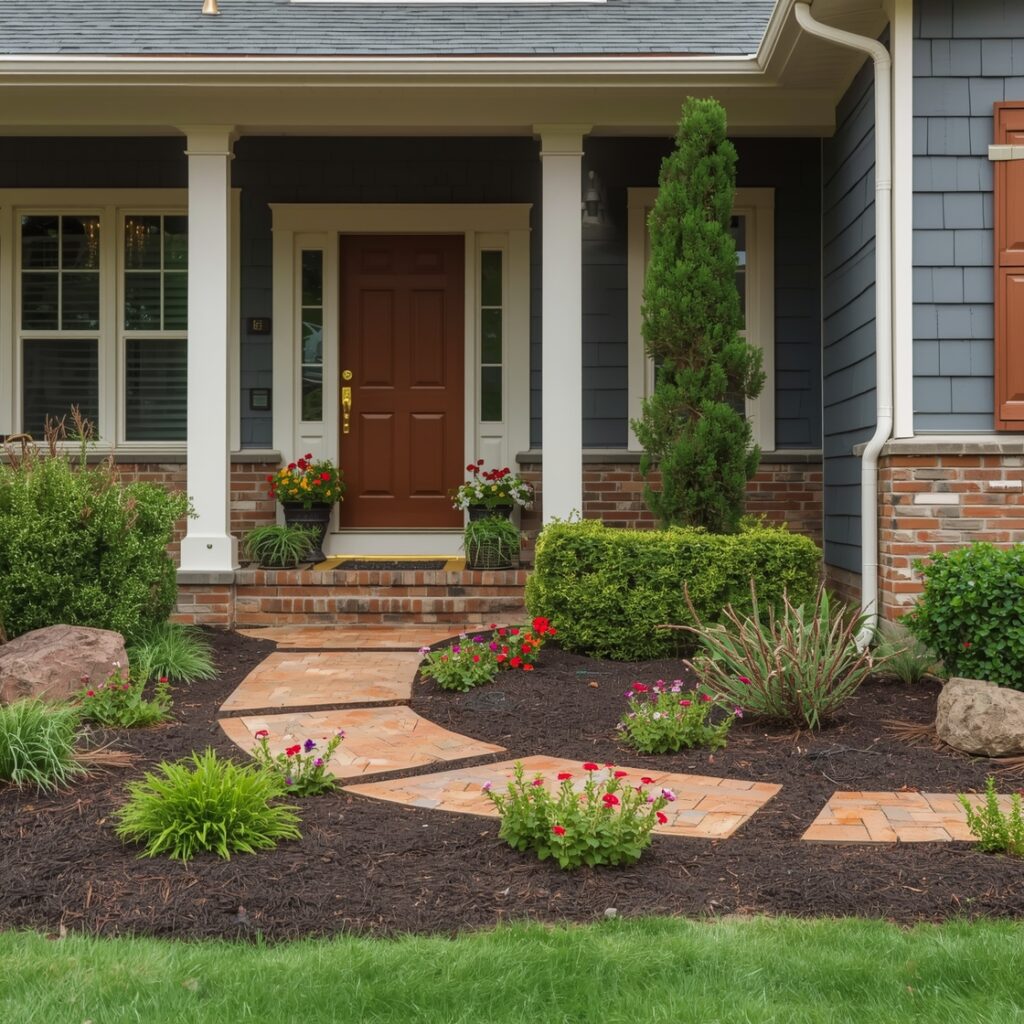
Source: plantparadiso.com
Set your main goal
Choose whether you want more flowers, a cleaner entrance, lower maintenance, better privacy, or a more modern look. Let this goal guide your spending.
Measure the space
Record the length of the walkway, the size of planting beds, and the room available for containers or seating. Measurements help prevent overcrowding and unnecessary purchases.
Set a practical budget
List the work that matters most, such as repairing the path or improving the soil. Reserve decorative extras for later if the budget is limited.
Choose a style that fits the house
A decorating plan looks more natural when it works with the home’s shape and materials. A traditional brick house may suit layered shrubs and simple flower borders, while a modern home may look better with clean lines, grasses, and a small number of sculptural plants. A cottage-style home can support curved beds, mixed flowers, and informal paths.
You do not need to follow one style perfectly. Pick two or three features that work together, such as natural stone, green foliage, and white flowers. Repeating these choices across the yard helps the design feel intentional.
Traditional
Use balanced planting near the entrance, clipped shrubs where suitable, and classic containers.
Modern
Use simple bed shapes, restrained colors, repeated grasses, and a few strong focal plants.
Cottage
Combine flowers of different heights, curved borders, and informal planting while keeping paths clear.
2. Use Plants to Add Color, Shape, and Life
Plants are among the most useful front yard decorations because they add color, texture, shade, and seasonal interest. The best choices depend on your USDA plant hardiness zone, sunlight, soil drainage, and local weather. A plant that thrives in a cool northern yard may struggle in a hot, humid Southern summer.
Build the planting plan around a few dependable plants rather than a large collection of unrelated varieties. Use shrubs or small trees for structure, perennials for recurring color, and annual flowers for seasonal changes. Ground covers can fill suitable open areas where grass is difficult to maintain.
Check the mature size of every plant before placing it near a window, walkway, driveway, or wall. A small nursery plant can grow much wider or taller than expected. Proper spacing reduces crowding and helps each plant keep its natural shape.
Source: plantparadiso.com
Evergreen shrubs
Use suitable evergreen shrubs to maintain structure through much of the year. Confirm mature size and local growing needs before planting near the house.
Flowering perennials
Choose plants such as coneflowers, daylilies, or black-eyed Susans where local conditions suit them. Their flowering seasons vary by species and region.
Seasonal annuals
Use annual flowers in beds or containers when you want quick color that can be changed with the seasons.
Ornamental grasses
Add grasses for movement and texture in sunny areas where the selected variety is suited to the soil and climate.
Layer plants from low to high
Layering helps a flower bed look full without turning it into a wall of foliage. Place lower plants near the front edge, medium-height plants behind them, and taller plants toward the back when the bed is viewed mainly from one side. For a bed visible from several directions, place taller plants near the center.
Keep the front door, house numbers, windows, and paths visible. Plants should frame these features rather than hide them. In narrow beds, fewer plants with enough growing room may look better than several crowded rows.
Front edge
Use low flowers or compact ground covers that will not spill heavily across the walkway.
Middle layer
Add medium shrubs, leafy perennials, or flowering plants to create volume and color.
Back layer
Place taller shrubs or suitable ornamental plants where they will not block windows or access.
Match flowers to the season
Seasonal flowers can keep the front yard looking fresh throughout the year. In many parts of the United States, spring bulbs bring early color, summer annuals fill containers, and cool-season flowers brighten fall displays. In warmer regions, planting calendars differ, and some flowers may perform best outside the hottest months.
Do not assume that a plant sold locally will thrive in every part of your yard. Check its light and water needs, and ask a local extension service or nursery about regional planting times. This is especially useful in places with extreme heat, frequent freezes, or long dry periods.
Spring
Use locally suitable bulbs and cool-season flowers to add color after winter.
Summer
Choose heat-tolerant plants suited to the local climate and place containers where watering is practical.
Fall
Use suitable mums, ornamental grasses, or cool-season flowers for texture and color.
3. Create Attractive Flower Beds and Clean Edges
Well-shaped flower beds can make a front yard look organized even when the planting is simple. Beds that follow the house, frame a tree, or curve gently along a walkway create a clear visual boundary between plants and lawn. The shape should fit the lot rather than compete with it.
Start by marking the proposed bed with a garden hose or marking paint approved for the surface. View the shape from the street and from the front door before removing turf. Broad, simple curves are often easier to mow around than many small bends.
Remove weeds and unwanted grass, loosen the soil where appropriate, and improve it based on a soil test or the needs of the selected plants. Spread mulch over the soil to help limit weeds and slow moisture loss. Keep mulch away from the base of stems and tree trunks, and avoid piling it against siding.
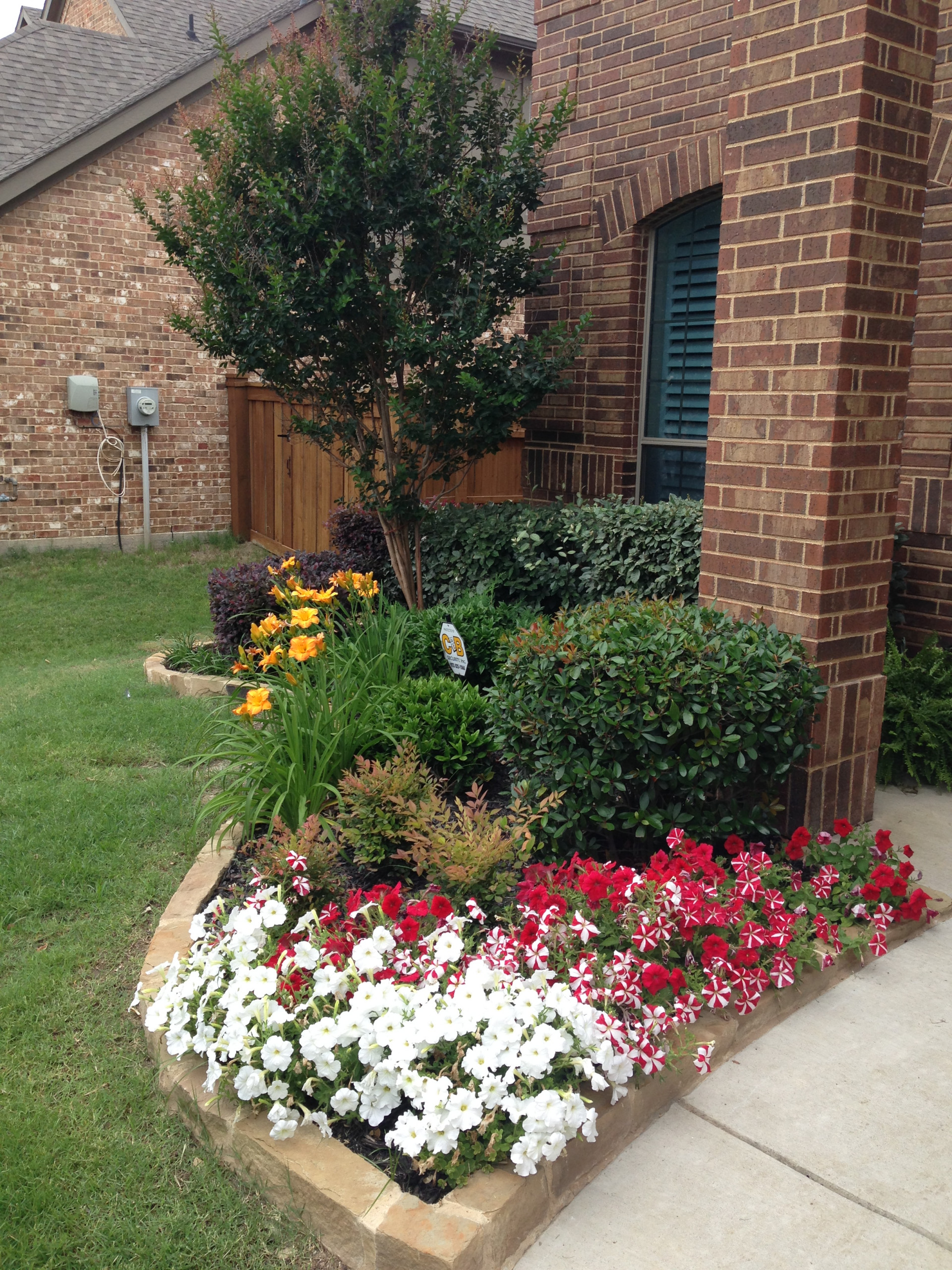
Source: i.pinimg.com
Repeat a few plants
Plant small groups of the same species to create visual rhythm and make the bed easier to maintain.
Choose a suitable border
Use a clean spade-cut edge, simple stone, or a durable edging material that suits the house and will not create a trip hazard.
Use mulch with care
Apply an appropriate layer for the material and site, leaving space around plant stems and trunks. Avoid covering drainage openings.
Make a small flower bed look fuller
A small bed does not need dozens of plants to look complete. Repeat a short list of species, vary leaf shapes, and add one taller plant as a focal point if there is enough room. A restrained color palette can make the display feel larger and calmer.
For example, a hypothetical bed beside a front step might combine compact evergreen shrubs, three groups of flowering perennials, and a narrow mulch border. The exact plant count depends on mature spread, so use spacing guidance from the plant labels rather than a fixed number.
Use contrast
Pair fine leaves with broad leaves or pale flowers with dark foliage to make the planting easier to read.
Leave breathing room
Avoid filling every gap with new plants. Open soil covered with suitable mulch can be part of a neat design.
4. Decorate the Front Walkway and Entrance
The walkway and front door should be among the first areas you improve because they guide visitors to the entrance. A path that is clear, stable, and easy to follow is more useful than a decorative feature that blocks the route. Clean existing paving before deciding whether it needs replacement.
If the path feels plain, add plants along its edges, use matching containers near the steps, or define the border with a consistent material. Keep planting low enough near turns and driveway exits to preserve visibility. Leave enough room for people to pass without brushing against branches or pots.
The front door can serve as the main focal point. A clean doormat, a suitable wreath, a simple house-number sign, or two coordinated planters can make it stand out. Choose accents that work with the door color, porch materials, and overall house style.
Source: st.hzcdn.com
Refresh the entry
Clean the door, remove worn decor, and check that the doorbell, house numbers, and entrance are easy to see.
Frame the steps
Use containers or low plants where they will not narrow the steps, obstruct a handrail, or block the door swing.
Keep the route clear
Avoid loose stones, trailing cords, unstable stepping stones, and decor that creates a trip hazard.
Choose pots and planters that suit the space
Planters are useful when the yard has little planting space or when you want to change flowers with the season. Two similar containers can create balance near a doorway, while one larger pot can work well beside a porch column. Matching does not have to mean identical; similar colors or materials can tie the display together.
Make sure each container has suitable drainage and enough room for the plant’s roots. Large pots can be heavy when filled with wet soil, so place them where they can stay. In areas with freezing winters, select materials that can tolerate freeze-thaw conditions or move vulnerable pots to shelter.
For a narrow entry
Choose tall, slim containers that leave the walkway open.
For a wide porch
Use larger planters with plants that provide enough scale without hiding the entrance.
For seasonal changes
Choose containers that can support spring, summer, or fall displays without requiring a full redesign.
5. Add Outdoor Lighting for Beauty and Safety
Outdoor lighting can make a front yard feel welcoming after sunset while helping people see steps, paths, and entry points. Start with the areas that need light for practical reasons, then add accent lighting only where it improves the view. A few well-placed fixtures are often more useful than bright lights across the whole yard.
Path lights can mark a route, wall lights can illuminate the entrance, and carefully aimed spotlights can highlight a tree or architectural detail. Choose fixtures rated for their intended outdoor location. Follow the product instructions for placement and installation.
Avoid aiming bright lights toward neighbors’ windows, drivers, or the sky. Too much light can create glare and hide the details you want to see. Warm or neutral light at a modest level often creates a calmer look than a row of harsh, bright fixtures.
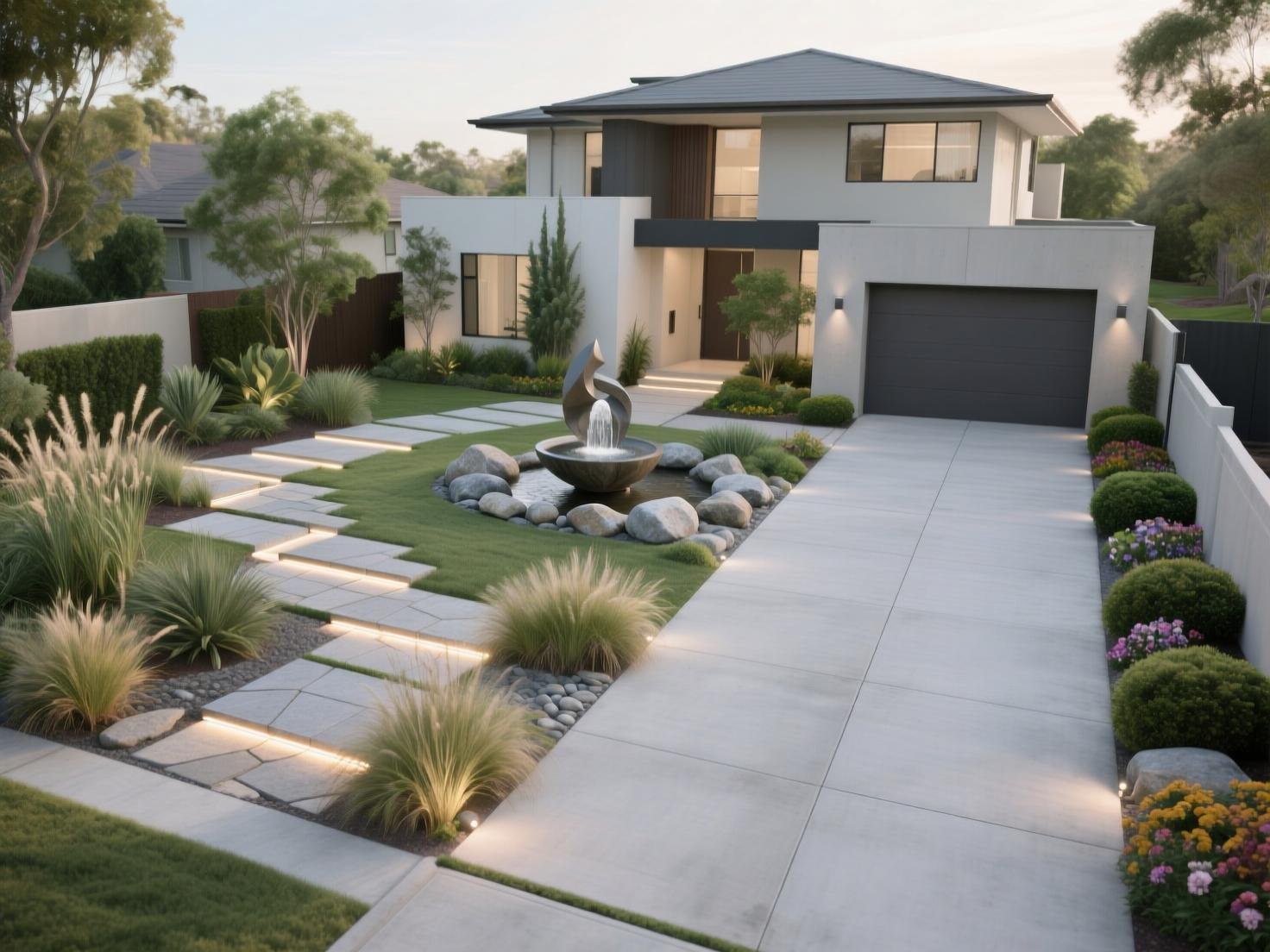
Source: i.pinimg.com
Light the route first
Prioritize steps, changes in level, and the path to the entrance before lighting decorative plants.
Use solar lights where suitable
Solar fixtures can avoid the need for a power connection, but their output and run time depend on sunlight, battery condition, and product design.
Protect electrical connections
Use outdoor-rated equipment and follow applicable electrical codes. Hire a qualified electrician for permanent wiring or work beyond your skills.
Use lighting to create a focal point
A focal point is the feature that first draws the eye. It might be the front door, a small ornamental tree, a textured wall, or a planting bed. Gentle lighting can make that feature stand out without lighting every part of the yard equally.
Before installing fixtures, check the view from the street and from nearby windows. Aim lights so they reveal the subject without causing glare. Test movable fixtures after dark and adjust them before making permanent changes.
Entry focal point
Use suitable wall or porch lights to make the entrance easier to find.
Tree focal point
Use a restrained, correctly aimed fixture to show the trunk or canopy without shining into nearby homes.
6. Decorate a Small Front Yard Without Making It Crowded
A small front yard can look attractive when each feature has a clear role. The main challenge is not a lack of decor but a lack of space for everything to work well together. Keep the walkway open, use a limited color palette, and choose plants that fit the scale of the house.
Vertical features can add interest without using much ground space. A narrow trellis, a tall container, or a compact upright shrub can draw the eye upward. Use climbing plants only where the support and growing conditions are suitable, and avoid covering windows, vents, or building components.
In a tiny yard, a single neat planting bed may work better than several small beds. A clear strip of lawn or ground cover can also make the space feel more open. Do not add a bench, fountain, large statue, or other feature simply because there is room for it; consider whether people can still move through the yard comfortably.
Source: i.pinimg.com
Use a simple palette
Repeat two or three main colors in flowers, pots, and small accents to reduce visual clutter.
Choose compact plants
Look for varieties with a mature size that suits the available space, and check their growth habits before buying.
Use one main accent
A well-placed planter, ornamental tree, or simple garden sculpture can provide interest without filling every corner.
Keep sightlines open
Avoid tall objects or dense plants near driveway exits, street corners, and pedestrian routes.
Make a narrow front yard look wider
A narrow lot benefits from clear lines and fewer visual interruptions. Keep the main path easy to follow, use broad planting groups instead of many tiny clusters, and repeat a material such as brick or stone along the border. These choices can help the yard feel more organized.
Avoid placing large pots or tall shrubs in a row along both sides of a narrow walkway. That arrangement can make the entrance feel tight. Place taller features toward the house or at a suitable corner, while keeping the walking area open.
Use broad planting groups
Group suitable plants in clear shapes rather than scattering single plants throughout the yard.
Choose a clear path
Use a consistent surface and keep its edges free of encroaching plants.
7. Choose Affordable Front Yard Decorations
You can improve a front yard on a limited budget by focusing on visible, high-use areas first. Clean edges, trimmed plants, a swept walkway, and a tidy entrance cost little if you already have the basic tools. These simple tasks can also reveal which larger changes are truly needed.
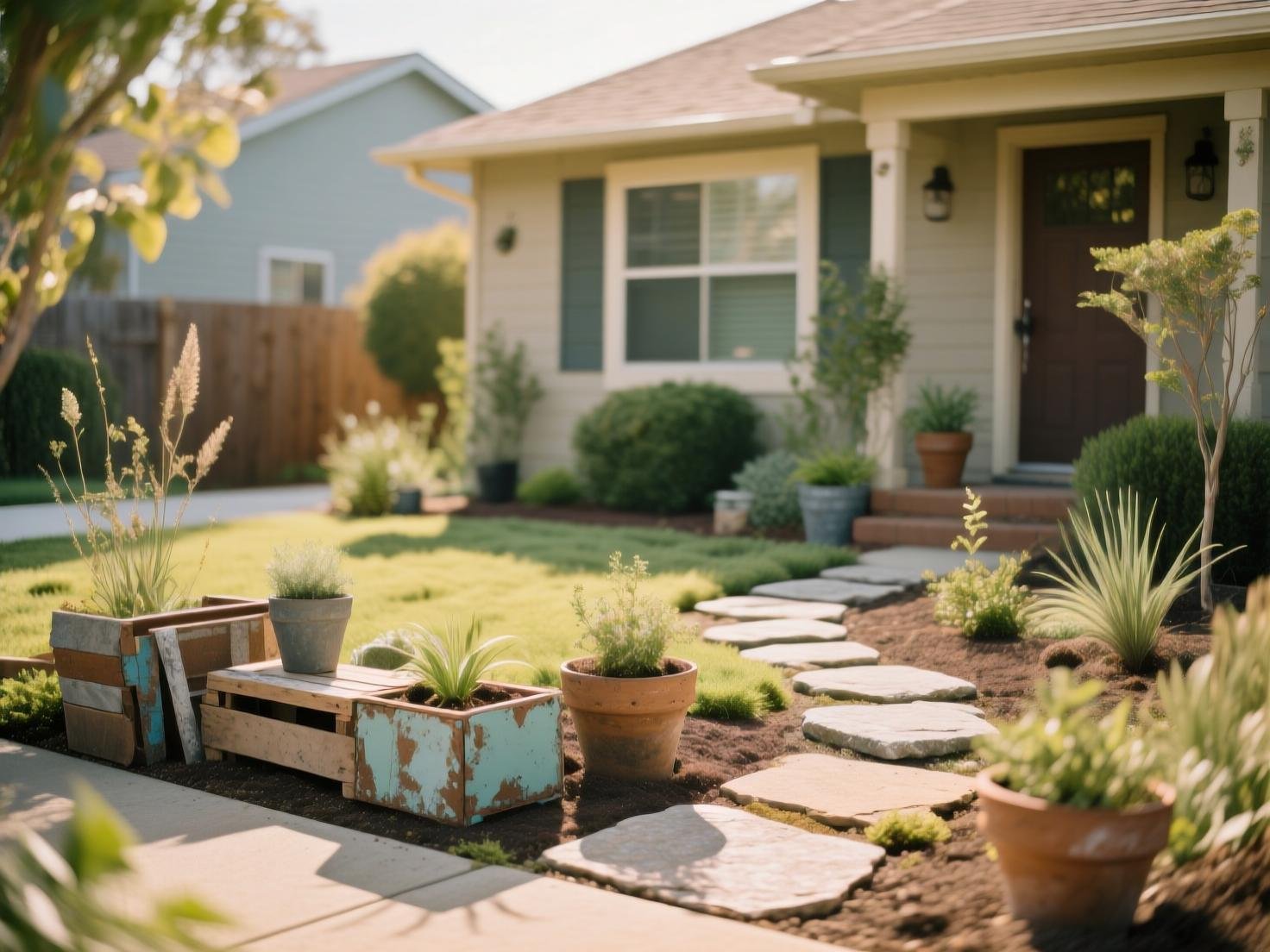
Before buying new decor, reuse what is in good condition. A clean pot can be repainted with a suitable outdoor finish, an old bench can be repaired if it is sound, and healthy plants can sometimes be moved to a better location during an appropriate planting period. Check that reused items are stable and weather-safe.
Spend money on long-term features when they solve a clear problem. A sound path, well-chosen shrubs, or a suitable tree may provide more lasting value than several small ornaments. Exact costs vary by region, material, size, and installation needs, so compare local prices before setting a final budget.
Source: i.pinimg.com
Refresh what you own
Clean containers, repaint suitable outdoor decor, remove faded items, and repair stable furniture rather than replacing everything.
Use mulch strategically
A fresh, suitable layer can give a planting bed a neat finish while helping conserve soil moisture.
Plant in stages
Start with the most visible bed or entry area, then add plants as your budget allows.
Share or propagate suitable plants
Plants from friends or divisions of established perennials can lower costs when the species is appropriate and healthy.
Plan a budget by priority
A useful budget separates necessary repairs from optional decoration. Fix loose paving, unsafe steps, or drainage problems before buying decorative stones or new flowers. Next, improve the entrance and the planting beds that are most visible from the street.
For a hypothetical project, you might first clean the path and refresh existing beds, then add a few containers, and finally install suitable lighting. This staged approach lets you assess the results before committing to more work. It also reduces the risk of buying decor that does not fit the finished layout.
First priority
Address safety, drainage, damaged paths, and overgrown plants that block access.
Second priority
Refresh the entry, define bed edges, and fill obvious planting gaps.
Final additions
Add selected pots, ornaments, or lighting after the main layout is working well.
8. Decorate for Your Local Climate and Growing Conditions
A front yard design lasts longer when its plants and materials suit local conditions. Across the United States, yards face different combinations of heat, cold, humidity, wind, rainfall, and drought. Even within one region, a sunny driveway edge can have very different growing conditions from a shaded spot beside the house.
Use the USDA Plant Hardiness Zone Map as one guide when choosing perennial plants, shrubs, and trees. The map describes average annual extreme minimum winter temperatures; it does not tell you everything about summer heat, soil, drainage, sunlight, or rainfall. Check all of these factors before choosing plants.
Water needs matter as much as appearance. In dry areas, select suitable drought-tolerant plants and group plants with similar watering needs. In wet climates, look for plants that can handle local moisture conditions and make sure beds do not trap water against the home.
Source: i.pinimg.com
Hot and dry areas
Consider regionally suitable drought-tolerant plants, permeable surfaces, and mulch that suits the planting. Avoid assuming that all succulents or desert plants tolerate every local winter.
Humid and warm areas
Choose plants suited to heat and humidity, allow airflow around crowded beds, and check local guidance for common plant diseases.
Cold winter areas
Select plants suited to winter lows, protect vulnerable containers when needed, and use outdoor decor that can withstand local freeze-thaw cycles.
Shady yards
Choose plants that tolerate the actual level of shade. Use foliage contrast, varied leaf textures, and suitable containers to add interest where flowers are limited.
Check sunlight before choosing plants
Watch the yard during the day to see how much direct sun each bed receives. Full-sun plants generally need more direct light than shade plants, but exact requirements vary by species and climate. A site that gets strong afternoon sun may also be hotter and drier than one with morning sun.
If a plant repeatedly wilts, develops poor growth, or fails to flower, check light, watering, drainage, and root space before replacing it. These symptoms can have several causes. Correcting the growing conditions may solve the problem more effectively than adding fertilizer.
Sunny areas
Choose plants with suitable sun and heat tolerance, and check how quickly the soil dries.
Partly shaded areas
Use plants that tolerate the actual balance of sun and shade throughout the day.
Deep shade
Focus on shade-tolerant foliage plants, suitable ground covers, and nonliving accents that do not require sunlight.
9. Use Garden Decor Without Creating Clutter
Garden decor works best when it supports the plants and architecture instead of competing with them. A birdbath, simple sculpture, decorative pot, or small bench can add personality, but too many separate objects can make a yard look busy. Pick one or two accents that suit the size and style of the space.
Place ornaments where they can be seen without blocking the entrance or creating a hazard. Set heavy items on stable ground, and secure lightweight decor in areas exposed to strong wind. Avoid placing objects where water can collect against foundations or where maintenance crews need access.
If you enjoy seasonal displays, use a consistent base and change only a few pieces. For example, a porch container can hold spring flowers, summer foliage, or fall plants while the rest of the yard stays the same. This keeps the overall design cohesive and makes seasonal updates easier.
Birdbaths and bird-friendly features
Choose a stable location and keep water fresh and clean. Position the feature where it can be maintained without blocking paths.
Garden sculptures
Choose a size that fits the yard and a material suited to outdoor exposure. Secure the piece against tipping when needed.
Decorative stones
Use stones to define suitable beds or create a visual accent. Keep loose material away from drains and walking surfaces.
Seasonal decorations
Limit the display to a few coordinated items and keep entrances, house numbers, and windows visible.
Choose materials that work together
Repeating materials is a simple way to make separate features feel connected. If the house has brick, you might repeat a similar warm tone in a planter or path border. If the home has modern siding, plain metal or concrete accents may fit better than many ornate pieces.
Try to limit the number of dominant materials. Several competing stone colors, pot finishes, and decorative metals can make a small yard feel disjointed. A restrained mix leaves room for the plants to provide variety.
Natural look
Combine wood, stone, and leafy plants where the materials suit the house and local weather.
Modern look
Use clean shapes, repeated finishes, and a small number of decorative accents.
10. Keep the Front Yard Attractive With Simple Maintenance
A good decorating plan should be easy enough to maintain. A yard that looks neat only on the day it is finished may become frustrating if every bed needs constant watering, pruning, or weeding. Choose plants that suit your climate and the time you can realistically spend outside.
Create a short routine for the tasks that make the biggest visible difference. Remove litter, sweep the entrance, clear the walkway, check containers for dry soil, and remove dead or damaged plant material when appropriate. Inspect the yard after heavy rain or strong winds for loose decor, blocked drains, and branches that need attention.
Prune shrubs according to their species and flowering habits rather than trimming every plant into the same shape. Avoid heavy pruning at the wrong time, especially for shrubs that bloom on older wood. When unsure, check a reliable local extension guide for the specific plant.
Weekly checks
Look for weeds, dry containers, fallen branches, litter, and items that have shifted into the path.
Seasonal tasks
Refresh suitable mulch, remove spent annuals, inspect outdoor lights, and prepare vulnerable plants or containers for local weather.
Water wisely
Check soil moisture before watering and follow the needs of each plant. Avoid frequent shallow watering when deeper watering is appropriate for the species and soil.
Review the layout
As plants grow, move or remove items that crowd paths, hide windows, or make maintenance difficult.
Know when to get professional help
Small planting projects and simple container displays are often manageable as do-it-yourself tasks. Larger changes need more care, especially when they affect drainage, steep slopes, retaining walls, mature trees, buried utilities, or permanent electrical systems.
Contact the relevant utility-locating service before digging where required, and follow local requirements for underground lines. A qualified landscape professional, arborist, electrician, or drainage specialist may be needed when the work involves technical risks. Do not cover a drainage problem with soil or decorative stone before identifying its cause.
Drainage concerns
Seek qualified advice if water repeatedly enters the home, erodes soil, or flows onto a neighbor’s property.
Large trees
Consult a qualified arborist for major pruning, signs of instability, or work near structures and overhead lines.
Electrical work
Use a qualified electrician for permanent outdoor wiring and follow local code requirements.
11. Common Front Yard Decorating Mistakes to Avoid
The most common decorating problems come from adding features before planning how the yard will work. A beautiful plant can become a nuisance if it blocks a window, grows across a path, or needs more water than the site can provide. A decorative light can also create glare if its position is not checked after dark.
Avoid buying plants based only on their flowers or their size at the garden center. Check mature height, width, root habits, and local growing requirements. Consider how the plant will look in winter or after flowering, especially if it forms a major part of the design.
Do not use decor to hide an unresolved problem. Standing water, shifting paving, damaged steps, and exposed roots may need repair before the yard can be decorated safely. Addressing these issues first can save time and money later.
Too many colors
Reduce competing flower and decor colors, then repeat a few chosen shades across the yard.
Plants too close together
Check mature spread and allow enough room for airflow, growth, and maintenance.
Blocked walkways
Move pots, ornaments, and overgrown branches away from the route to the entrance.
Poor drainage
Identify where water comes from and where it should flow before adding soil, edging, or hardscape.
Ignoring local rules
Check applicable rules for front-yard structures, street-facing fences, lighting, tree removal, and changes near public sidewalks.
Use a final walk-through before calling the project done
Stand at the street and check whether the entrance is easy to find. Walk from the sidewalk to the front door and look for loose stones, narrow passages, uneven surfaces, or branches that brush against people. Then view the yard from the windows to make sure the new features work from inside the home too.
Check the design again after rain and after the plants settle into their new positions. Water should not collect against the house, containers should remain stable, and lighting should not shine into neighboring windows. Small adjustments at this stage can improve both the look and function of the yard.
Visual check
Confirm that the colors, materials, and plant heights look coordinated from the street.
Practical check
Confirm that paths, steps, house numbers, and entry points remain clear and usable.
12. A Practical Weekend Plan for Decorating Your Front Yard
A simple project plan can help you make progress without trying to change the entire yard at once. The schedule below is an example for a small, straightforward refresh, not a guarantee that every yard can be finished in one weekend. Weather, soil conditions, existing damage, and the size of the space may require more time.
Start with cleaning and planning, then handle planting and decoration. Do not rush work that involves drainage, hardscape repairs, buried utilities, or permanent wiring. Those tasks may need professional assessment, permits, or more time than a short weekend project allows.
Step 1: Clear and assess
Remove litter and dead plant material, sweep the path, and identify any safety or drainage issues.
Step 2: Sketch the layout
Mark the main walkway, planting beds, focal point, and locations for containers or lights.
Step 3: Prepare the beds
Remove unwanted growth, address soil needs, and shape the edges without damaging buried utilities or tree roots.
Step 4: Place plants and decor
Arrange plants according to mature size, then place pots and ornaments where they do not block access.
Step 5: Water and review
Water newly planted material as needed, check stability, and review the finished design from the street and entrance.
How to tell whether the design is working
A successful front yard does not have to look elaborate. It should have a clear entrance, a tidy path, plants that fit the space, and a few coordinated details. The house should remain the main feature rather than disappear behind shrubs or decorations.
Look for practical signs of success over the following weeks. Plants should begin establishing under suitable care, containers should drain properly, and visitors should be able to reach the door without stepping around obstacles. If the yard feels crowded, remove or relocate an accent rather than adding another one.
Clear movement
People can move from the sidewalk or driveway to the door without obstacles.
Balanced appearance
Plants, materials, and accents support the house instead of competing for attention.
Manageable care
The yard’s watering, pruning, and cleaning needs fit the time and resources available.
Frequently Asked Questions
Q
How can I decorate my front yard on a low budget?
Start by cleaning the walkway, trimming overgrown plants, removing weeds, and defining the edges of existing beds. Reuse suitable pots, divide healthy perennials when appropriate, and add a few plants that thrive in your local conditions. Spend first on repairs and the entrance, then add decorative features as money allows.
Q
What should I put in my front yard for a welcoming look?
A clear walkway, healthy plants, a neat entrance, and a few coordinated accents are a reliable starting point. You might add flowering plants, a suitable shrub, a pair of planters, or gentle outdoor lighting. Choose items that fit the house and leave enough room for safe movement.
Q
How do I decorate a very small front yard?
Use a simple layout, compact plants, and one main focal point. Tall, narrow containers or a suitable upright plant can add height without taking up much ground space. Keep the walkway open, limit the number of decorative objects, and repeat a few colors or materials for a coordinated look.
Q
Which plants are best for front yard decoration?
The best plants depend on your climate, sunlight, soil, available water, and the mature size of the planting area. Suitable shrubs can provide structure, perennials can return year after year, and annual flowers can provide seasonal color. Check regional plant guidance and the care needs of each species before buying.
Q
How can I make my front yard look good all year?
Combine plants with different seasons of interest. Suitable evergreens can provide structure, flowering shrubs and perennials can add seasonal color, and containers can be updated as the weather changes. Choose plants that suit local winter temperatures and summer conditions, and keep paths and beds tidy throughout the year.
Q
Should I use rocks or mulch in my front yard?
Both materials can work, but the right choice depends on the plants, climate, drainage, and maintenance needs. Organic mulch can help reduce weeds and slow moisture loss as it breaks down. Decorative rock lasts longer but can heat up in sunny areas and may be harder to remove or work around. Keep either material away from plant crowns, tree trunks, drains, and building components where it could cause problems.
Q
How do I choose front yard decorations that match my house?
Use the home’s architecture, exterior colors, and materials as your starting point. Repeat a small number of finishes in planters, path borders, or accents. Traditional homes may suit classic containers and layered planting, while modern homes often work well with clean shapes and restrained colors. The goal is a coordinated look, not an exact match for every item.
Q
Do I need a landscape designer to decorate my front yard?
You can often handle simple planting beds, containers, and basic decor yourself. Professional help becomes more useful when the project involves steep slopes, retaining walls, drainage changes, mature trees, complex paving, or permanent electrical work. Check local rules and utility locations before digging or changing structures.
✦ Wrapping Up
Conclusion
Learning how to decorate a front yard starts with a clear plan, not a long shopping list. Focus on the entrance, walkway, plants, and a few accents that suit the house. When these features work together, even a small or plain yard can feel warm, tidy, and inviting.
Choose plants that fit your local growing conditions, leave enough room for mature growth, and use lighting and ornaments with care. Address drainage and safety problems before adding decorative details. A simple design that is easy to maintain will usually serve you better than a crowded yard full of features that need constant attention.
💡 Key Takeaway
This week, take a photo of your front yard, identify the three changes that would make the biggest difference, and start with the easiest one. Clear the walkway, tidy the planting edges, or refresh the entrance before buying new decor.
I enjoy sharing simple gardening ideas, lawn care tips, and honest product reviews that help make outdoor work easier. From home gardening guides to helpful tools and lawn care advice, I write easy-to-follow content to help readers create a healthier and better-looking outdoor space without wasting time or money.