As an Amazon Associate, I earn from qualifying purchases.
To get rid of chiggers in your yard, mow overgrown grass, remove excess weeds and leaf litter, trim dense vegetation, and make frequently used outdoor areas less favorable to these tiny mites. If the problem persists, identify the affected areas and consider a targeted, labeled treatment rather than spraying the entire property.
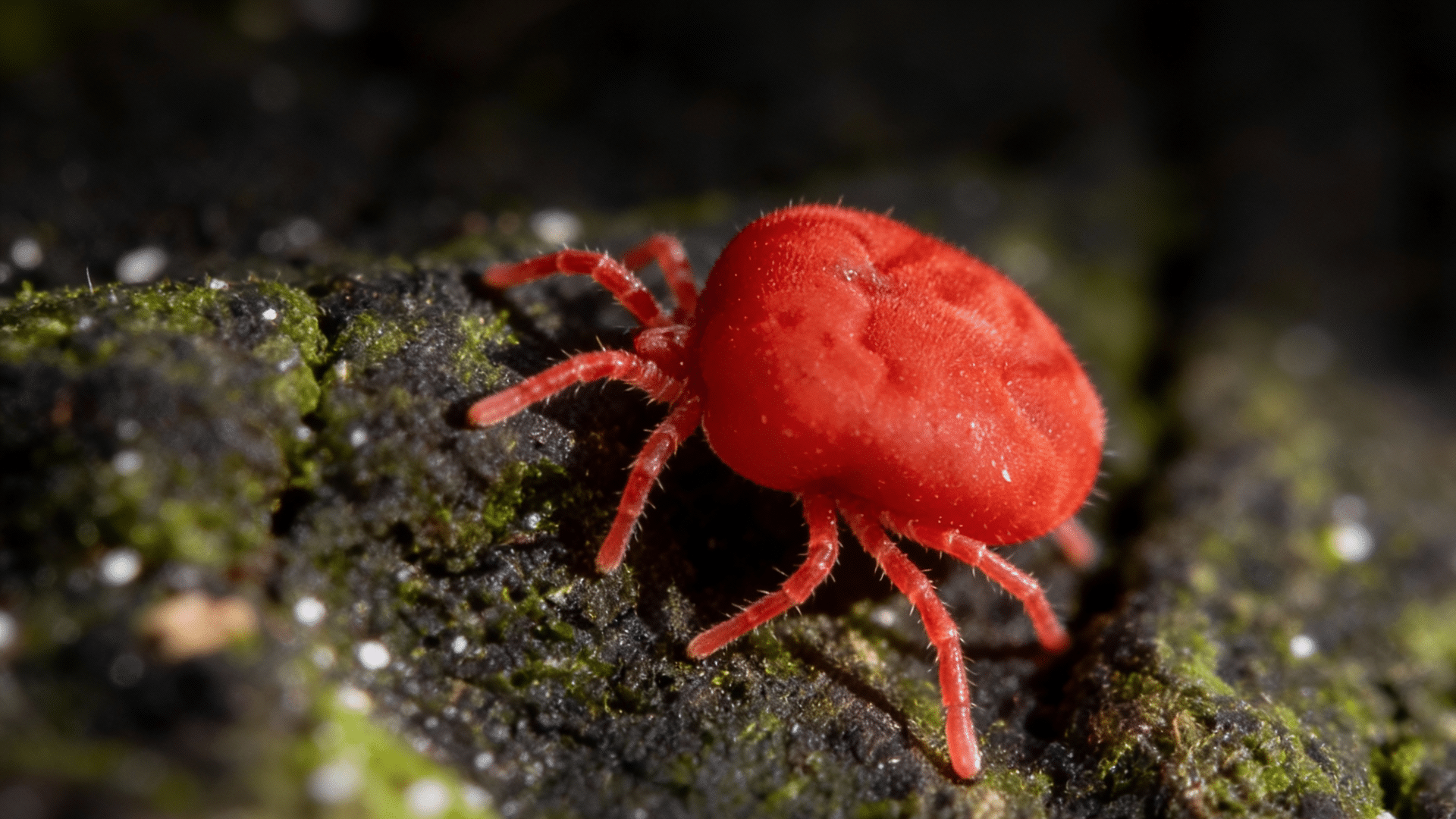
Across the United States, chiggers can make backyard activities uncomfortable, particularly in warm, humid regions and during periods when people spend more time outdoors. These tiny, red-orange mites are commonly associated with grassy margins, brush, woodland edges, and other areas with dense vegetation. A lawn may look healthy and well maintained while nearby overgrown borders provide suitable habitat for chiggers and the small animals that help sustain their life cycle.
The most practical approach combines habitat modification, personal protection, and targeted pest management when necessary. Mowing, trimming, and clearing accumulated plant debris can reduce favorable conditions, although these steps do not guarantee that every chigger will disappear. Insecticides may help in confirmed problem areas, but their usefulness depends on the product label, the pest involved, application conditions, and the extent of the infestation.
A sensible first step is to determine where people are encountering bites. Focus on the transition between maintained lawn and taller vegetation, shaded garden edges, and paths through brush. Treating those specific locations is generally more practical than attempting to eliminate every mite from an entire yard. Because chiggers are difficult to identify without magnification, persistent biting should also prompt consideration of other pests, including ticks, fleas, mosquitoes, and biting insects.
1. Identify Chigger Hotspots Before Treating the Yard
The first step in controlling chiggers is locating the places where exposure is most likely. These mites are extremely small, and their presence is not always obvious from the appearance of the lawn. Instead of treating every square foot, look for patterns in where people develop itchy bumps after spending time outdoors.
Chiggers are the larval stage of certain mites in the family Trombiculidae. The larvae can attach to people and animals and feed on skin tissue. They do not burrow beneath the skin, and the intense itching associated with their feeding can continue after the mites have detached. Adult chiggers and later developmental stages have different feeding habits, so eliminating visible adult mites is not a practical way to assess control.
In many American yards, potential exposure areas include overgrown fence lines, unmowed property boundaries, brush piles, woodland margins, tall weeds, and paths surrounded by dense vegetation. Chiggers may also occur in landscaped spaces where ground cover and moisture create suitable conditions. However, not every shaded or damp location contains chiggers, so observations of actual exposure should guide management.
Itchy bumps alone cannot confirm a chigger infestation. Fleas, mosquitoes, mites, and other arthropods can cause similar reactions. Chigger larvae may be difficult to see with the naked eye, and symptoms can appear after an outdoor activity rather than immediately. If bites continue in several unrelated locations or the cause remains uncertain, consult a qualified pest professional or healthcare provider as appropriate.
Source: i.ytimg.com
Inspect lawn borders
Check where short grass meets tall grass, weeds, shrubs, or wooded land. These transitions are useful starting points for targeted inspection and maintenance.
Review activity patterns
Note where people walk, garden, sit, or play before developing itchy bumps. A recurring association with one area can help narrow the investigation.
Look for supporting habitat
Identify dense vegetation, accumulated leaves, brush, and signs of small-animal activity. These conditions can support chigger habitat but do not independently prove an infestation.
Avoid relying on color alone
Not every tiny red mite is a chigger. Do not apply pesticides solely because small reddish organisms appear on a surface.
Where Are Chiggers Most Likely to Be Found?
Chiggers can occur in grasslands, gardens, brushy margins, and other outdoor habitats. In residential settings, areas with abundant ground-level vegetation and regular contact with wildlife may deserve closer attention. Risk varies by region, season, weather, species, and local habitat, so there is no single yard feature that guarantees their presence.
Tall grass and weeds
Vegetation that reaches into walking paths increases contact with potential mite habitat.
Brush and woodland edges
Unmanaged transitions between lawn and natural vegetation can create favorable habitat for mites and their animal hosts.
Dense ornamental plantings
Thick ground cover and accumulated plant debris may justify inspection when people repeatedly experience bites nearby.
2. Mow, Trim, and Remove Excess Vegetation
Regular mowing and vegetation management are practical first-line steps for reducing chigger exposure around a home. They make the yard easier to maintain, reduce contact with tall vegetation, and can improve sunlight and airflow near the ground. These measures are most useful when concentrated around lawn edges, walkways, seating areas, and other frequently used spaces.
Begin by mowing overgrown lawn areas to a suitable height for the grass species. Avoid scalping the lawn, which can stress turf, expose soil, and encourage weeds. Then trim weeds and vegetation along fences, garden borders, sheds, and paths. Where a maintained lawn meets woods or unmanaged land, create a clear, accessible transition zone if property conditions allow.
Remove accumulated leaves, dead plant material, and unnecessary brush from areas where people regularly walk or sit. Bag or dispose of plant debris according to local rules. Do not create large piles of cut vegetation beside a patio or play area, since they can become shelter for other pests and small animals.
Keep desirable shrubs and trees healthy rather than stripping the entire yard of vegetation. Ground cover, flowering plants, and naturalized areas can support wildlife and pollinators. The goal is to reduce exposure in priority areas while retaining useful landscaping, not to remove every plant that might provide habitat.
Habitat management does not immediately eradicate chiggers. Mites may remain in nearby untreated vegetation or arrive from surrounding habitat. If the property borders a wooded lot, a neighboring overgrown area, or a field, maintenance of the homeowner’s lawn may reduce contact without eliminating the source of exposure.
Source: cuttersedgepro.com
Mow regularly
Maintain turf at the appropriate height for its grass species and growing conditions. Avoid leaving frequently used paths bordered by tall, brushing vegetation.
Trim walking routes
Keep grass, weeds, and low branches from touching legs or clothing along paths, driveways, and garden access routes.
Clear excess debris
Remove excessive leaf litter and brush from recreation areas while preserving healthy soil cover where it is needed.
Manage the lawn perimeter
Create a maintained transition between the lawn and dense vegetation, especially around patios, play areas, and outdoor seating.
Protect desirable plants
Retain useful landscaping and native vegetation away from high-contact areas instead of clearing the entire property indiscriminately.
How to Maintain a Lower-Risk Yard Without Overclearing
Divide the property into two practical zones: frequently used spaces and lower-use natural areas. Give the lawn, play areas, paths, and seating zones the most consistent maintenance. In naturalized sections, keep access routes clear and reduce excessive debris near places where people gather, while allowing appropriate vegetation to remain.
This approach limits unnecessary labor and avoids the environmental costs of removing all ground cover. It also makes it easier to recognize whether encounters are associated with a particular border or outdoor activity.
High-use zone
Maintain short, appropriate turf, clear paths, and accessible seating areas. Inspect these locations first if bites are reported.
Transition zone
Trim excessive growth, remove unnecessary brush, and keep vegetation from encroaching on frequently used paths.
Naturalized zone
Retain appropriate habitat, but limit unnecessary access through dense vegetation and avoid placing play equipment or regular seating in suspected hotspots.
3. Improve Drainage and Manage Ground-Level Habitat
Manage excessive moisture and dense ground-level growth where practical, but do not assume that every damp patch contains chiggers. Moisture, vegetation, soil conditions, and the presence of suitable animal hosts can influence mite habitat. The relationship varies by species and location, so drainage improvements should address actual landscape problems rather than serve as a guaranteed chigger treatment.
Inspect areas where irrigation regularly wets walkways, where downspouts discharge, and where water collects around planting beds. Repair leaking hoses or irrigation components and redirect runoff according to local drainage requirements. If a section remains persistently wet, consider whether soil compaction, grading, or a blocked drainage route is responsible.
Use irrigation according to the needs of the lawn and garden. Avoid routinely saturating areas that do not require additional water. At the same time, do not allow valuable plants to become drought-stressed simply to make the yard less attractive to mites.
Manage leaf litter and organic debris near outdoor living spaces, but avoid exposing large areas of soil unnecessarily. Excessive clearing can increase erosion, damage soil structure, and remove habitat for beneficial organisms. A carefully maintained yard is more useful than an attempt to make the entire property dry and barren.
Wildlife management can also matter because small mammals and other animals may contribute to the local ecology of chigger populations. Remove accessible food scraps, secure garbage, and store pet food indoors. Do not attempt to poison wildlife or apply pesticides to animal burrows. If a serious rodent problem exists, use a lawful, species-appropriate control strategy.
Source: aquamarinepower.com
Correct water problems
Fix leaks, improve drainage where necessary, and prevent irrigation from repeatedly soaking areas that do not need it.
Reduce excess ground cover
Thin overly dense vegetation near patios and paths while keeping appropriate mulch and soil cover in landscaped areas.
Limit wildlife attractants
Secure garbage and pet food, clean up food scraps, and avoid creating shelter or feeding opportunities for unwanted animals.
Preserve healthy soil
Avoid flooding, excessive tilling, or broad removal of vegetation as a supposed universal chigger remedy.
Do Chiggers Live in Mulch and Flower Beds?
Chiggers can occur in landscaped areas, including flower beds, when suitable environmental conditions are present. However, mulch is not automatically infested, and removing all mulch is not a proven universal solution. Inspect areas where people report exposure, especially if dense ground cover, overgrown plants, or nearby wildlife may contribute to the habitat.
Keep ornamental plants maintained, remove excessive dead foliage, and make pathways accessible. If the suspected hotspot lies in a flower bed, consider temporarily avoiding direct contact with that area while you determine whether the exposure is actually associated with it.
Keep mulch in proportion
Use the amount appropriate for the plants and landscape rather than applying excessive layers or removing all mulch without a reason.
Maintain accessible borders
Trim plants away from frequently used paths and avoid brushing against suspected hotspots.
4. Use Targeted Treatments When Habitat Changes Are Not Enough
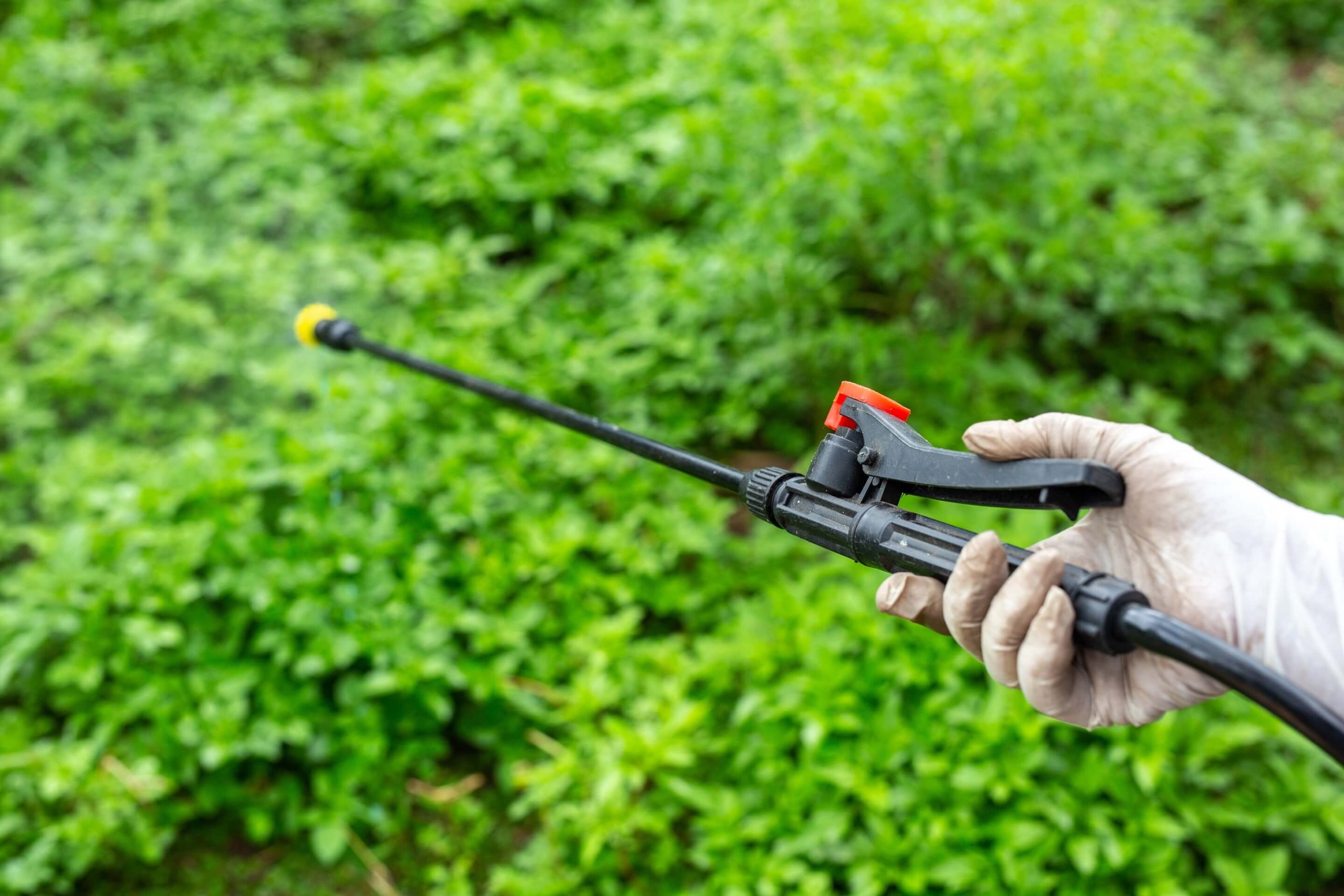
If people continue to experience suspected chigger bites after reasonable habitat management, a targeted pesticide treatment may be appropriate. First establish that chiggers are a plausible cause and identify the affected area. A licensed pest management professional can help determine whether treatment is justified and select an approach suitable for the property.
Insecticides are not equally effective against every mite species, and a product that controls other outdoor pests should not automatically be assumed to control chiggers. Check the label for the intended pest, permitted application site, rate, protective equipment, environmental precautions, and restrictions involving children, pets, edible plants, and water.
Depending on the product and label, outdoor treatments may be available as ready-to-use liquids, concentrates, or granular formulations. The formulation alone does not establish which product is best. The active ingredient, application method, target pest, site conditions, and label directions determine whether a treatment is suitable.
Avoid treating the entire yard when the problem appears limited to a small border or section of vegetation. Broad pesticide use can affect non-target arthropods and increase exposure to people, pets, and wildlife without addressing a source outside the treated area. A narrow, justified treatment is generally more consistent with integrated pest management.
Before using any pesticide, read the entire label. Never exceed the specified rate, mix incompatible chemicals, apply a lawn product to skin or clothing unless expressly labeled for that use, or use a pesticide near water when the label prohibits it. Do not allow people or animals back into treated areas until the label’s reentry requirements have been met.
If the label requires watering after applying a granular product, follow the exact directions. Other formulations may have different requirements. Do not assume that watering, mowing, or immediate reapplication is appropriate for every pesticide. If the infestation persists, investigate the diagnosis and untreated source before repeating a treatment.
Source: opplehouse.com
Confirm the target pest
Use a qualified identification service or pest professional if chiggers cannot be distinguished from other biting pests.
Check the label
Select only a product labeled for chiggers or the confirmed target pest and for the intended outdoor site.
Treat the affected area
Focus on confirmed or strongly suspected hotspots rather than spraying every lawn, garden, and outdoor surface.
Protect people and animals
Follow the specified protective equipment, application, environmental, and reentry instructions.
Avoid unnecessary repeat applications
If the problem continues, reassess the pest identification, habitat, and product instructions before considering another treatment.
Are Natural Chigger Treatments Effective?
Natural methods can be useful when they change the conditions that make outdoor exposure likely. Mowing, trimming, removing excess debris, and limiting contact with dense vegetation are practical measures that do not require a pesticide application. Their benefit is primarily habitat management and exposure reduction rather than guaranteed eradication.
Claims about essential oils, vinegar, salt, dish soap, and homemade sprays require caution. A substance that irritates or kills a mite under limited conditions is not necessarily an effective or safe yard treatment. Household mixtures can damage grass, injure ornamental plants, contaminate runoff, or expose pets and beneficial organisms. Do not use a homemade chemical mixture as a substitute for a product with appropriate directions and demonstrated suitability.
Beneficial organisms may contribute to natural regulation of arthropod populations, but introducing predatory mites or other organisms into a residential yard is not a dependable stand-alone method for eliminating chiggers. Their establishment and effectiveness depend on species, habitat, climate, and other ecological conditions.
Recommended first choice
Use routine mowing, vegetation management, removal of excessive debris, and protective clothing to reduce exposure.
Use caution with essential oils
Do not assume that concentrated botanical oils are harmless to skin, pets, plants, or aquatic organisms.
Avoid household chemical mixtures
Do not pour vinegar, bleach, detergents, salt solutions, or untested mixtures over the lawn to eliminate chiggers.
Use pesticides only when justified
Choose a labeled product or qualified professional treatment when the problem persists and the likely pest has been identified.
When Should You Hire a Pest Control Professional?
Consider professional help when bites continue despite habitat changes, the suspected infestation covers a large or inaccessible area, or the pest cannot be identified confidently. A professional can inspect the property, evaluate potential sources, recommend targeted treatment, and explain any necessary precautions.
Ask whether the proposed service includes pest identification, the specific treatment site, the active ingredient, the expected limitations, and the conditions under which follow-up is recommended. Be cautious of promises to eliminate every chigger permanently, particularly when the property borders untreated natural habitat.
Persistent exposure
Seek an inspection when encounters continue after reasonable maintenance and exposure-prevention steps.
Uncertain identification
Request help distinguishing chiggers from fleas, ticks, mites, and other biting arthropods.
Large or sensitive areas
Use professional advice when treatment could affect a pond, vegetable garden, play area, or other sensitive location.
5. Prevent Chigger Bites While Enjoying Your Yard
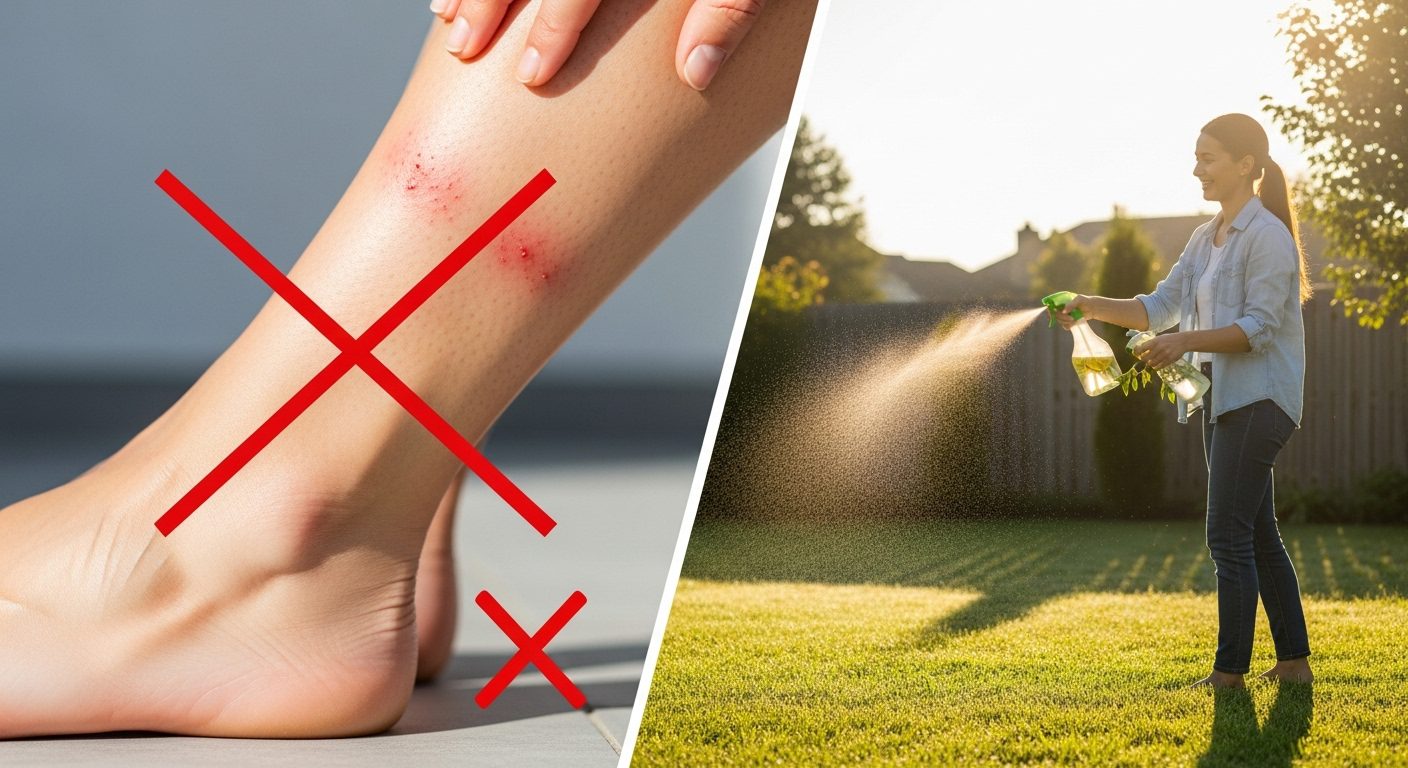
Personal protection is essential because habitat changes cannot guarantee that chiggers are absent. Wear clothing that limits exposed skin when working around tall grass, brush, and suspected hotspots. Long pants, long sleeves, closed shoes, and socks can reduce the amount of skin available for contact.
Use an insect repellent whose label specifically supports the intended protection. In the United States, EPA-registered repellents containing appropriate active ingredients can help prevent bites from specified arthropods. Check the product label for chigger protection rather than assuming that every mosquito or tick repellent has the same approved uses.
Apply repellent according to its label, paying attention to age restrictions, application frequency, and precautions for the face and hands. Do not apply repellent to irritated or broken skin unless the label specifically permits it. Avoid spraying near the eyes or mouth, and supervise children when using these products.
Permethrin-treated clothing and gear can provide another layer of protection when used according to the product instructions. Products intended for treating clothing must not be applied directly to skin. Allow treated items to dry as directed before wearing them, and follow all instructions about washing and retreatment.
After yard work or time in suspected chigger habitat, shower promptly, wash your skin with soap and water, and change into clean clothing. Launder outdoor clothes according to garment and product instructions. These steps can remove unattached arthropods and reduce continued exposure, although they do not guarantee that every bite can be prevented.
If you develop itchy bumps, avoid scratching because it can break the skin and increase the risk of secondary infection. A cool compress or an appropriate over-the-counter treatment may help with discomfort. Seek medical advice for severe symptoms, signs of infection, or a rash accompanied by fever or other systemic symptoms.
Source: i.pinimg.com
Cover exposed skin
Wear long pants, long sleeves, socks, and closed shoes when entering vegetation that may harbor chiggers.
Choose an appropriate repellent
Read the label to confirm the target pests, approved application sites, and instructions for children and adults.
Use treated clothing correctly
Follow the clothing-treatment label and never apply a clothing-only product directly to skin.
Clean up after outdoor work
Shower, wash with soap and water, change clothes, and launder clothing according to the relevant instructions.
Protect irritated skin
Avoid scratching bites and seek medical advice if symptoms are severe, worsening, or accompanied by fever.
How to Check Whether Yard Management Is Working
Evaluate results by tracking exposure rather than expecting to see chiggers disappear. These mites can be difficult to detect, and an absence of visible mites does not prove that a yard is free of them. Keep a simple record of the areas used, outdoor activities, protective measures, and whether new suspected bites occur afterward.
Compare encounters over time, particularly after you have maintained a problem border or changed how people use a suspected hotspot. Fewer encounters associated with a particular area may suggest that the changes are helping, but seasonal weather, changing activity patterns, and other biting pests can also influence the results.
If bites continue, check whether the original source was correctly identified. Review untreated borders, neighboring vegetation, pets, and outdoor equipment that may bring people into contact with arthropods. If uncertainty remains, request professional identification rather than automatically increasing pesticide use.
Record locations
Note where outdoor activities occur and where suspected bites follow, without assuming that every skin reaction comes from chiggers.
Review maintenance
Check whether tall vegetation, debris, and encroaching weeds have returned to the areas you previously maintained.
Reassess persistent problems
Consider other biting pests and consult a professional before repeating pesticide applications.
6. Build a Practical Chigger Prevention Schedule
Consistent maintenance is more useful than occasional, intensive attempts to eradicate every mite. A simple schedule helps homeowners keep frequently used areas accessible, identify recurring hotspots, and avoid unnecessary chemical treatments.
The right schedule depends on local growing conditions. Grass may require more frequent mowing during vigorous growth, while brush and leaf litter may need attention at different times of year. In warmer parts of the United States, outdoor exposure can occur over an extended period. In cooler regions, activity may be more seasonal. Follow local extension guidance for regional conditions instead of relying on one nationwide calendar.
Use the following schedule as a general maintenance framework, not as a guarantee of eradication. Adjust it for weather, vegetation growth, local pest activity, and the needs of your lawn and landscape.
Source: i.pinimg.com
During routine lawn care
Mow at an appropriate height, trim vegetation beside paths, and remove excessive debris from high-use areas.
When exposure is reported
Mark the likely location, reduce contact with the area, and inspect its vegetation and surrounding habitat.
Before outdoor activities
Wear suitable clothing and apply a labeled repellent when appropriate for the suspected pest and activity.
After yard work
Shower, change clothes, and inspect for other pests, particularly after working near brush or woodland edges.
When maintenance is insufficient
Seek identification and consider targeted professional treatment rather than repeatedly applying unverified remedies.
A Simple Decision Guide for Homeowners
Use the observed problem to decide what to do next. This approach avoids unnecessary pesticide use and keeps the response proportional to the evidence.
No confirmed bites or hotspots
Maintain the yard normally, keep access routes clear, and use personal protection in dense vegetation.
Bites repeatedly follow activity in one area
Avoid the suspected hotspot temporarily, maintain its vegetation, and assess whether chiggers or another pest are responsible.
Exposure continues after maintenance
Review surrounding habitat and seek a reliable pest identification before choosing a treatment.
A confirmed problem remains extensive
Consult a qualified pest management professional about a targeted, label-compliant treatment and realistic expectations.
Frequently Asked Questions
Q
What is the fastest way to get rid of chiggers in your yard?
Start by identifying the areas associated with exposure, mowing overgrown grass, trimming vegetation along paths, and removing excess debris from frequently used spaces. If a confirmed infestation persists, a pesticide labeled for the target pest and application site may provide additional control. No single treatment guarantees immediate or permanent elimination, particularly when mites can remain in nearby untreated habitat.
Q
Can you get rid of chiggers naturally without pesticides?
You can reduce exposure without pesticides by maintaining appropriate lawn height, trimming overgrown borders, clearing unnecessary brush, managing drainage problems, and avoiding dense vegetation where bites are suspected. These measures can make high-use areas less favorable for exposure, but they may not eradicate chiggers from the entire property. Homemade sprays and essential oils should not be assumed to provide reliable control.
Q
Does mowing the lawn kill chiggers?
Mowing can reduce tall vegetation and make the lawn easier to use, but it does not reliably kill all chiggers. Mites may remain in soil-level vegetation, garden borders, brush, and neighboring habitats. Maintain the lawn appropriately and trim vegetation near walkways and seating areas rather than relying on mowing as a complete eradication method.
Q
Do chiggers live in grass or only in wooded areas?
Chiggers can occur in grass, gardens, brushy margins, woodland edges, and other outdoor habitats that meet their environmental needs. They are not restricted to forests. However, the presence of grass or shade alone does not establish an infestation. Pay particular attention to locations where people repeatedly experience bites after outdoor activity.
Q
Will rain wash chiggers out of the yard?
Rain is not a dependable way to eliminate chiggers. Weather and moisture can influence habitat conditions, but rainfall does not guarantee that mites will disappear from vegetation or soil. Avoid deliberately flooding the yard as a control measure, since excessive water can damage plants, erode soil, and create other landscape problems.
Q
Can chiggers infest a house?
Chiggers are primarily associated with outdoor environments, and they do not normally establish a reproducing infestation inside a home in the way that some household pests do. Larvae may come indoors on clothing or equipment, but ongoing indoor bites should prompt consideration of other pests and a careful identification. Wash outdoor clothing and shower after exposure rather than automatically treating the entire house with pesticides.
Q
How long does it take to get rid of chiggers in a yard?
There is no universal timeline. Results depend on the size and location of the affected area, local conditions, the extent of habitat management, the pest species, and whether surrounding untreated habitat continues to contribute to exposure. Assess changes in encounters over time, and consult a professional if the problem persists instead of assuming that a single treatment will permanently eliminate the mites.
Q
Are chiggers dangerous to people or pets?
In many parts of the United States, chigger bites primarily cause intense itching and localized skin irritation. Scratching can damage the skin and lead to secondary infection. Some trombiculid mites transmit scrub typhus in parts of Asia-Pacific, but that risk should not be assumed for every chigger species or every location. Seek medical care for fever, a worsening rash, severe symptoms, or signs of infection after outdoor exposure. Consult a veterinarian if a pet develops persistent skin irritation or other concerning symptoms.
Q
Should I spray my entire lawn for chiggers?
Not as a first step. Identify the likely source of exposure, maintain the affected vegetation, and consider whether a treatment is justified. If pesticide use is necessary, select a product labeled for the confirmed pest and intended outdoor site, and follow every application and safety instruction. A targeted approach can reduce unnecessary chemical use and limit exposure to beneficial organisms, people, pets, and wildlife.
✦ Wrapping Up
Conclusion
Learning how to get rid of chiggers in your yard starts with identifying likely exposure areas and making them easier to use safely. Mowing overgrown grass, trimming vegetation along walkways, removing unnecessary brush, and managing landscape problems can reduce contact with potential chigger habitat. Personal protection adds another layer of defense while you work on the yard.
Natural habitat management is a sensible starting point, but it cannot guarantee that every chigger will disappear. When bites continue, confirm the likely pest and investigate surrounding vegetation before considering a targeted pesticide treatment. Use products only as labeled, protect children and pets, and avoid unsupported household remedies that may harm the landscape.
The most sustainable strategy is to maintain high-use areas consistently, preserve appropriate vegetation elsewhere, and assess whether outdoor encounters are becoming less frequent. When the source remains unclear or the problem is extensive, professional identification and treatment can help prevent wasted effort and unnecessary chemical exposure.
💡 Key Takeaway
Start today by mowing overgrown grass, trimming vegetation beside frequently used paths, and clearing unnecessary leaf litter from outdoor living areas. Avoid suspected hotspots until you have assessed them, wear protective clothing and an appropriate labeled repellent, and seek professional pest identification if bites continue.
I enjoy sharing simple gardening ideas, lawn care tips, and honest product reviews that help make outdoor work easier. From home gardening guides to helpful tools and lawn care advice, I write easy-to-follow content to help readers create a healthier and better-looking outdoor space without wasting time or money.