As an Amazon Associate, I earn from qualifying purchases.
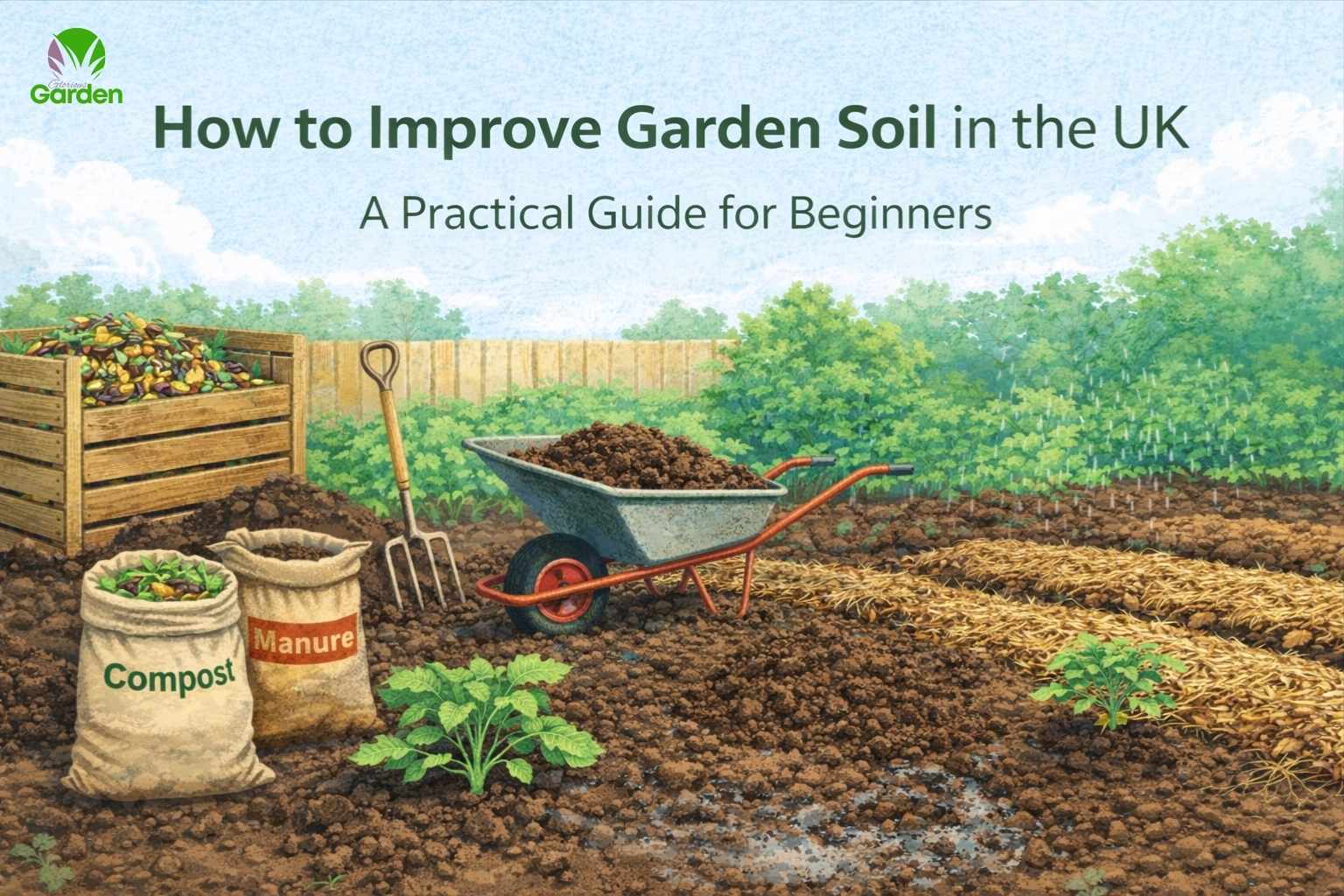
Improve garden soil organically by adding finished compost, protecting the surface with mulch, growing cover crops, limiting digging, and correcting soil problems based on a soil test. These steps help build better soil structure, support soil life, and improve water and nutrient use over time.
Across the United States, garden soil can vary greatly from one yard to the next. A vegetable bed in Georgia may have sandy soil, while a garden in Ohio may have heavy clay. Homeowners in Arizona may face dry, alkaline soil, and gardeners in the Pacific Northwest may deal with wet soil during the rainy season. Each type needs care that fits its structure, drainage, and nutrient levels.
Organic soil care starts with working with the soil rather than fighting it. Compost adds organic matter, mulch protects the surface, and living roots help feed soil organisms. A soil test can show whether your garden needs a change in pH or a specific nutrient. With a few steady habits, you can improve soil health without relying on a long list of costly products.
The best plan is simple: check the soil, add suitable organic matter, protect the surface, and watch how water and plants respond. You do not need to rebuild your whole yard in one weekend. Small, well-chosen steps can make a garden easier to water, plant, and maintain over several growing seasons.
1. Understand Your Garden Soil Before You Change It
Start by learning what your soil needs. Soil texture, drainage, pH, and nutrient levels all affect plant growth. Adding compost is useful in many gardens, but it will not solve every problem. For example, soil with poor drainage may need a different approach from soil that dries out soon after watering.
Most garden soil contains sand, silt, clay, organic matter, water, air, and living organisms. The balance of sand, silt, and clay forms its texture. Soil structure describes how those particles join into small groups, called aggregates. Good structure creates spaces for roots, air, and water to move.
Healthy soil can hold enough water for plants while allowing excess water to drain. It can also store nutrients and release them as plants and soil organisms need them. The aim is not to make every garden soil look or feel the same. The aim is to improve the soil so it suits the plants you want to grow.
Source: gloriousgarden.co.uk
Sandy soil
It drains fast and may lose water and nutrients quickly. Compost and organic mulch can help it hold moisture and nutrients.
Clay soil
It holds water and nutrients well but may drain slowly or become hard when dry. Add organic matter over time and avoid working it when wet.
Loamy soil
It often offers a useful balance of drainage and water storage. Maintain it with compost, mulch, plant diversity, and low-disturbance care.
Compacted soil
It may feel hard and take in water slowly. Reduce foot traffic, avoid wet-soil work, and address the cause before adding more material.
Test Your Soil pH and Nutrients
A soil test is one of the best first steps for a new garden or a bed that has not grown well. In the United States, your state university’s Cooperative Extension service can often explain how to collect samples and where to send them. A lab test can report soil pH and nutrient levels, with recommendations suited to your region and intended crops.
Soil pH affects how easily plants can take up nutrients. Many common vegetables grow well in slightly acidic to neutral soil, but some plants need different conditions. Blueberries, for example, need more acidic soil than many vegetables. Follow crop-specific advice rather than trying to force every bed toward one pH.
Do not add wood ash, lime, sulfur, or large amounts of fertilizer without a clear reason. These materials can change soil chemistry, and too much can harm plants or make nutrients harder to absorb. Retest at intervals recommended by your local Extension service, especially when you have made major changes.
Collect a useful sample
Take several small samples from the same planting area, mix them as the lab directs, and keep separate areas with different growing conditions apart.
Read the recommendations
Use the test report to guide pH changes and nutrient additions. Do not assume that a low yield means the soil needs more fertilizer.
Check Soil Moisture and Drainage
Dig a small test hole and look at how water moves through the soil after rain or watering. Water that remains on the surface or sits in a hole for a long time may point to poor drainage, compaction, or a high water table. Soil that dries very quickly may have a high sand content or too little organic matter.
Feel a small handful of moist soil. If it crumbles into small pieces, it may be in good condition for planting. If it forms a sticky, smooth lump, it may contain a lot of clay. If it falls apart at once, it may be sandy. This simple check gives a clue, but it does not replace a lab test.
Watch after rain
Note where puddles form, where water runs downhill, and which beds dry out first. These patterns help guide later changes.
2. Add Finished Compost to Build Better Soil
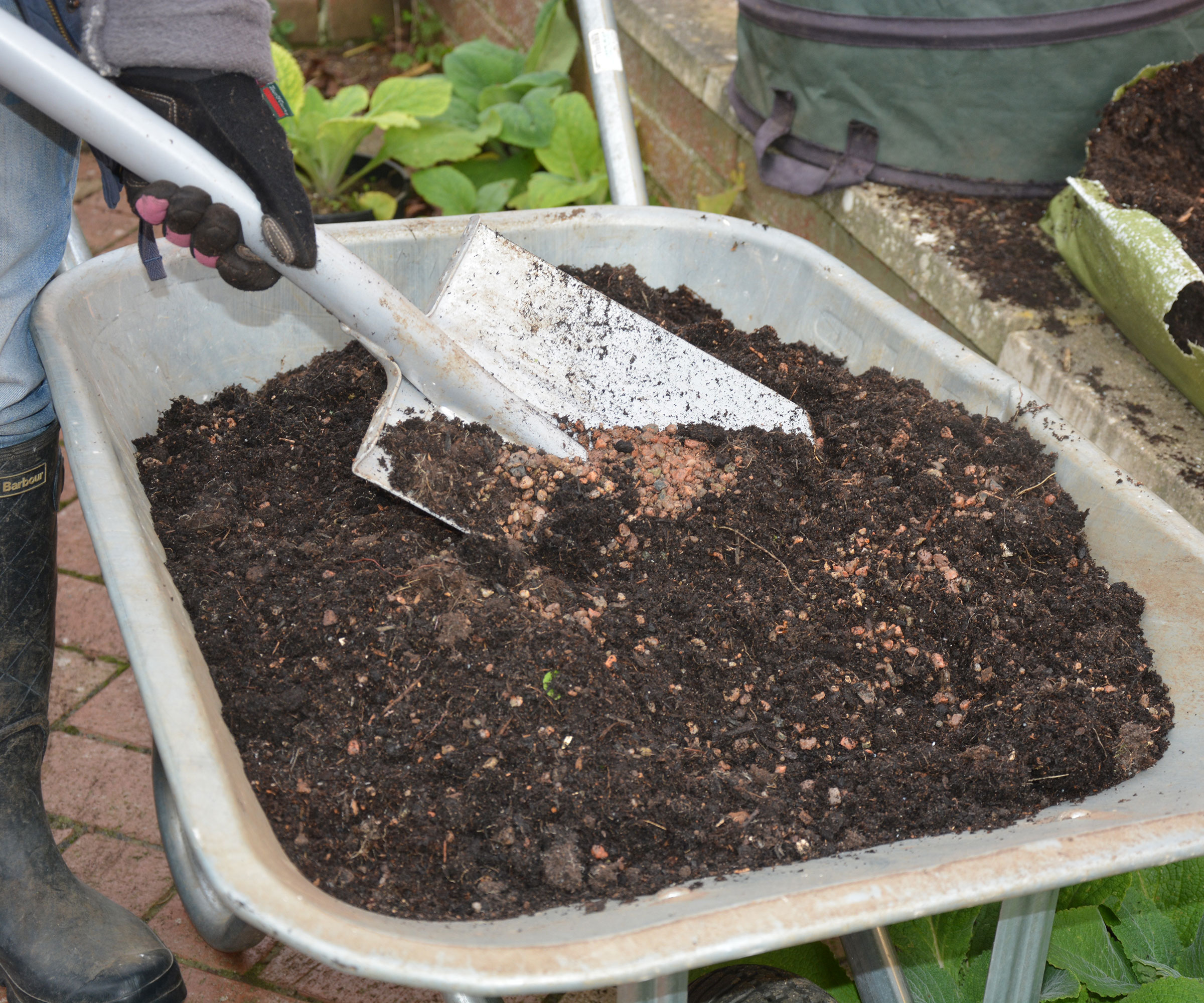
Finished compost is one of the most useful organic soil amendments for home gardens. It contains broken-down plant materials and other suitable organic matter. When used in the right amount, it can help soil hold water, support soil organisms, and form a better structure.
Compost does more than feed plants. It helps soil particles form stable aggregates, which create spaces for air and water. These spaces can improve root growth and help rain soak into the ground. Compost also supplies some nutrients, although the amount varies with the materials used and how the compost was made.
Use mature compost that smells earthy and looks dark and crumbly. It should not smell strongly sour or rotten, and it should not contain large amounts of recognizable fresh food scraps. Unfinished compost may heat up as it breaks down or compete with plants for available nitrogen. It may also contain materials that have not yet decomposed enough for safe use around sensitive seedlings.
Source: homesteadhow-to.com
For established garden beds
Spread a modest layer of finished compost over the soil surface and work it into the upper few inches only if needed. On established beds, leaving it on top can reduce disturbance.
For a new vegetable bed
Mix a suitable amount of finished compost into the planting area before sowing or transplanting. Use local soil-test advice and avoid filling the bed with pure compost.
For container plants
Use a potting mix designed for containers. Garden soil alone can become dense in pots, and pure compost may hold too much water or contain more nutrients and salts than some plants can handle.
How Much Compost Should You Add?
The right amount depends on the current soil, the compost, and the plants. For many home garden beds, a thin layer of about one-half to one inch of finished compost is a sensible starting point for routine surface application. New or severely depleted beds may need a different plan based on a soil test and local guidance.
To estimate the amount, remember that a layer one inch deep over one square foot uses about 0.62 gallons of material. For a hypothetical 100-square-foot bed, a one-inch layer takes about 62 gallons, or roughly 8.3 cubic feet. This is an estimate; actual volume varies with how loosely the compost is spread.
More compost is not always better. Compost can add phosphorus, salts, and other nutrients. Repeated heavy applications may cause an imbalance, especially in beds that already receive manure or fertilizer. Use soil-test results to decide whether to keep adding compost or shift to mulch and other soil-building practices.
Use mature material
Choose compost that has finished breaking down. If you make your own, allow enough time for the material to stabilize before applying it to growing beds.
Spread it evenly
Avoid thick piles around plant stems or tree trunks. Keep compost away from direct contact with stems, and use a light, even layer.
Can You Make Compost at Home?
Yes. A home compost pile or bin can turn many fruit and vegetable scraps, dry leaves, untreated grass clippings, and other suitable plant materials into a useful soil amendment. Mix moist, nitrogen-rich materials such as fresh plant trimmings with dry, carbon-rich materials such as fallen leaves and shredded cardboard.
Keep the pile moist like a wrung-out sponge and allow air to move through it. Turn it when needed to improve airflow and help the materials break down. The process can take weeks or months, depending on the method, materials, temperature, moisture, and turning schedule.
Avoid adding meat, dairy, grease, pet waste, or diseased plant material to an ordinary home pile. These materials can attract pests, spread pathogens, or create odor problems. If your local compost program accepts more materials, follow its rules rather than assuming every item belongs in a backyard bin.
Balance wet and dry materials
Add dry leaves or shredded cardboard if the pile is soggy. Add water and fresh plant material if it is too dry and decomposition has slowed.
3. Use Organic Mulch to Protect the Soil Surface
Organic mulch protects soil while slowly adding plant matter as it breaks down. Common options include shredded leaves, clean straw, untreated grass clippings, and finely shredded bark. Choose a material that suits the crop, climate, and bed design.
A layer of mulch reduces water loss from the soil surface, slows weed growth, and limits the impact of heavy rain. It also helps keep soil temperatures more stable. As the material breaks down, it adds organic matter and provides food for many soil organisms.
For many vegetable beds and ornamental gardens, a two- to three-inch layer of loose organic mulch is a useful starting point. The best depth depends on the material and the plant. Fine materials can form a dense mat when spread too thickly, while coarse materials may need a deeper layer to block weeds.
Keep mulch a few inches away from plant stems and the trunks of trees and shrubs. Mulch piled against stems can trap moisture and increase the risk of rot or other damage. In wet climates, thick mulch around seedlings may also keep the surface too damp, so adjust it to local conditions.
Source: cdn.mos.cms.futurecdn.net
Shredded leaves
A low-cost option in many U.S. yards. Shred them if possible so they are less likely to form a thick, airless mat.
Clean straw
Useful around many vegetables because it is light and easy to spread. Choose clean material with few weed seeds and avoid confusing straw with hay.
Grass clippings
Use thin layers of untreated clippings and let each layer dry slightly before adding more. Thick, wet piles can become slimy and smelly.
Shredded bark
Useful around trees, shrubs, and perennial beds. It is generally better as a surface mulch than as a material to mix deeply into the soil.
Why Mulch Should Usually Stay on Top
Mulch and compost serve related but different roles. Compost is already broken down and can be mixed lightly into the soil when appropriate. Coarse mulch is designed to protect the surface and break down slowly. Mixing large amounts of fresh wood chips or other high-carbon material into the root zone can temporarily tie up available nitrogen as soil organisms break it down.
For that reason, keep coarse wood products on the surface around established plants. If you need to improve the soil below, add finished compost separately. This approach lets the mulch protect the garden while the compost improves the soil without creating an unnecessary nutrient problem.
Refresh as needed
Check the mulch through the growing season. Add more only when the layer has thinned, and avoid covering young seedlings before they can emerge.
4. Grow Cover Crops and Keep Living Roots in the Soil
Cover crops are plants grown mainly to protect and improve the soil rather than to harvest as the main crop. They are useful when a garden bed would otherwise sit bare between growing seasons. Their roots help hold soil in place, while their leaves cover the surface and their plant matter can add organic material.
Cover crops also support the organisms that live around plant roots. These organisms help cycle nutrients and break down organic matter. Some cover crops can capture nutrients that might otherwise be lost, while certain legumes can add nitrogen through a partnership with specialized bacteria.
Choose a cover crop based on your climate, planting date, soil, and next planned crop. Oats, rye, clover, peas, and buckwheat are common options, but they are not interchangeable. A crop that works well in one region or season may grow poorly or become hard to manage in another.
Source: i.pinimg.com
Oats
Often useful as a cool-season cover crop where the timing and winter conditions suit it. In colder areas, oats may winterkill, leaving residue that can protect the soil.
Cereal rye
Can produce substantial cover and help suppress weeds. It needs timely management before planting the next crop because living rye and its residue can affect spring planting.
Clover
Some clovers can add nitrogen and support pollinators when allowed to flower. Choose a species suited to your region and terminate it at the right stage.
Buckwheat
A fast-growing warm-season option for some empty beds. It can cover bare ground quickly but is sensitive to frost.
How to Start a Cover Crop
First, check the recommended planting window for your region. Clear only the weeds and debris needed to prepare the bed, then sow the cover crop at the recommended rate and depth. Water if needed to help the seeds establish.
Before planting your next vegetable or flower crop, cut or terminate the cover crop at the right time. You can leave suitable residue on the surface or follow local guidance for incorporating it. Avoid letting a cover crop produce unwanted seed or grow so large that it becomes difficult to manage.
If you have a small garden, cover crops do not need to be complicated. A short period of growth between crops can still provide cover and roots. Where there is not enough time for a cover crop, a layer of clean organic mulch is a useful alternative.
Plan the next planting
Leave enough time between ending the cover crop and sowing the next crop. The right interval depends on the species, its growth stage, and the planting method.
Choose locally adapted seed
Use regional Extension recommendations to avoid species that are poorly suited to your climate or may become invasive.
Rotate Crops to Support Soil Health
Crop rotation means changing the plant family grown in a bed from one season to the next. It can help reduce the buildup of certain pests and diseases and allows you to vary root depth and residue. For example, follow tomatoes with a crop from a different plant family rather than planting tomatoes in the same spot year after year.
Rotation is not a cure for every soil problem, but it works well alongside compost, mulch, and reduced digging. Keep a simple garden record showing what grew in each bed, when it was planted, and whether any disease or nutrient issue appeared.
Vary plant families
Alternate crops such as tomatoes, beans, leafy greens, and members of the cabbage family when space allows.
5. Reduce Digging and Prevent Soil Compaction
Healthy soil needs a structure that lets roots, air, and water move. Repeated digging, heavy foot traffic, and working soil while it is wet can break down that structure. Over time, compacted soil may become harder for roots to enter and water to penetrate.
You do not have to stop all digging to garden organically. Digging can be useful when opening a new bed, removing deep-rooted weeds, or mixing amendments into badly disturbed soil. The key is to disturb the soil only as much as needed and avoid turning every bed over each season.
Use permanent paths between beds to keep feet off growing areas. In small gardens, raised beds can make it easier to control where people walk. Add compost to the surface when suitable, maintain mulch, and allow roots to do part of the work of building soil structure.
Source: i0.wp.com
Do not work wet soil
Wet soil is more prone to compaction and smearing. If a handful sticks together in a sticky lump, wait until it dries enough to crumble before digging or cultivating.
Use paths
Keep regular walking routes outside the planting beds. This protects the root zone and makes future soil care easier.
Loosen only where needed
If a bed is compacted, use a suitable garden fork or broadfork to loosen the soil without repeatedly turning over every layer.
What About Heavy Clay Soil?
Clay soil is not automatically bad soil. It can hold useful amounts of water and nutrients, but it may become sticky when wet and hard when dry. Its behavior depends on its structure, organic matter, drainage, and the amount of compaction.
Add finished compost gradually, keep the surface covered, and avoid walking on the bed. Do not try to fix clay by adding a small amount of sand. Mixing too little sand into clay can create a dense material rather than a loose, well-drained soil. Major texture changes require careful planning and substantial material, so organic matter and better soil management are usually more practical for a home garden.
If water remains in the garden for long periods, investigate the cause. A high water table, a low spot, a compacted layer, or runoff from nearby surfaces may be involved. Compost alone will not correct every drainage problem.
Raise the planting area if appropriate
Raised beds may help where the underlying site drains poorly, but they will not fix flooding or drainage problems that require a larger site assessment.
What About Very Sandy Soil?
Sandy soil often lets water pass through quickly. Plants may need more frequent watering, and nutrients may move below the root zone more easily. Adding finished compost over time can improve its ability to retain water and nutrients.
Use mulch to reduce evaporation and keep the soil surface cooler. Water deeply enough to reach the root zone, but check the soil before watering again. A fixed schedule may waste water in cool weather or leave plants short of water during hot, windy periods.
Build organic matter steadily
Use modest compost additions, suitable mulch, and plant roots rather than trying to change the soil texture in one season.
6. Choose Organic Fertilizers Carefully
Organic gardening can include fertilizers made from plant materials, animal by-products, or approved natural mineral sources. Examples include composted manure, seed meals, and some mineral amendments. These materials differ in nutrient content and release rate, so they should not be treated as equal substitutes for one another.
A fertilizer supplies nutrients, while a soil amendment changes soil conditions or structure. Some products do both. Compost often improves soil structure and adds modest amounts of nutrients, while a concentrated organic fertilizer may mainly supply nitrogen, phosphorus, or potassium.
Use a soil test and the crop’s needs to guide your choice. Adding extra nutrients does not always make plants healthier. Too much phosphorus, for example, can build up in soil and contribute to water pollution when it moves into nearby waterways. Excess fertilizer can also damage roots or encourage leafy growth at the expense of flowers and fruit.
Source: i.pinimg.com
Composted manure
Can add organic matter and nutrients. Its nutrient content varies, and repeated heavy use can raise phosphorus or salt levels. Use properly composted material and follow local food-garden safety guidance.
Seed meals and plant-based fertilizers
Can supply nutrients as soil organisms break them down. Follow the product label because the nutrient balance and application rate vary.
Natural mineral amendments
Materials such as lime or sulfur may be useful when a soil test supports a pH adjustment. Natural origin does not mean a material is needed or harmless in every amount.
Wood ash
Can raise soil pH and add potassium, but it is not suitable for every garden. Avoid routine use without a clear need, and never use ash from treated wood, painted wood, or household trash.
Use Manure With Care
Animal manure can carry pathogens if it has not been handled or treated correctly. For edible gardens, use properly composted manure from a reliable source and follow the current guidance from your state Extension service or food-safety authority. Fresh manure is not a good shortcut for a vegetable bed that is already growing food.
Manure may also contain more nutrients than the garden needs. Applying it year after year without testing can lead to nutrient buildup. If your soil already has adequate phosphorus, a plant-based amendment with a different nutrient profile or a change in your compost routine may be more appropriate.
Follow food-safety guidance
Use current local recommendations for manure handling and timing before harvesting edible crops. Composting reduces some risks, but the method and handling matter.
Do Not Expect Instant Results From Every Amendment
Organic materials often release nutrients as microbes break them down. The speed depends on temperature, moisture, material type, and soil conditions. A slow release can help support soil fertility, but it may not meet a crop’s immediate needs if the soil is very deficient.
If plants show poor growth, check watering, light, root health, pH, and pests as well as nutrients. Yellow leaves can have several causes. Adding fertilizer without finding the cause may waste money and make the problem worse.
Match the amendment to the problem
Use compost for organic matter, mulch for surface protection, and a targeted fertilizer when testing or clear crop needs support its use.
7. Build a Simple Organic Soil Improvement Plan
A good soil plan fits your garden, your time, and your local climate. You do not need to use every organic method at once. Begin with the problems that matter most, such as poor drainage, low organic matter, compacted beds, or a pH level that does not suit your crops.
For a new garden, start with a soil test and a basic check of sunlight and drainage. Add finished compost where useful, establish permanent paths, and cover bare soil. If a bed will remain empty for part of the year, consider a suitable cover crop or mulch.
For an established garden, protect what is already working. Avoid unnecessary digging, replenish mulch as it breaks down, rotate crops when possible, and use compost in measured amounts. Review plant growth and water behavior each season rather than making several large changes at the same time.
Source: i.pinimg.com
First month
Test the soil, inspect drainage, identify compaction, and plan where compost and mulch will help most.
During planting
Prepare only the area you need, add suitable finished compost, plant at the right depth, and water the root zone.
During the growing season
Keep soil covered where appropriate, watch moisture levels, remove weeds before they set seed, and avoid unnecessary fertilizer applications.
At the end of the season
Remove diseased plants, leave suitable healthy residues, add mulch, and sow a cover crop if timing and climate permit.
Signs Your Soil Is Improving
Look for changes in how the soil behaves, not just how dark it looks. Soil that crumbles into small aggregates, takes in water more evenly, and supports strong roots may be improving. Earthworms and other soil organisms can be useful signs when the conditions suit them, although their presence alone does not prove that every soil need has been met.
Plants may become more vigorous when their soil, light, water, and nutrient needs are met. However, plant growth alone cannot tell you whether the pH or nutrient balance is correct. Use soil tests when you need to make decisions about fertilizer or pH adjustments.
Keep a short record of compost applications, mulch depth, watering, crop types, and plant problems. Compare the same beds over time. This makes it easier to see which changes help and which ones need adjustment.
Better water movement
Water soaks in without excessive runoff, while the root zone remains moist for a suitable period.
Stronger root growth
Roots spread through the soil rather than remaining trapped near the surface or in a small planting hole.
More stable soil structure
The soil forms small aggregates and is less likely to crust or turn into a hard mass after rain.
Troubleshoot Common Soil Problems
If the garden still struggles, pause before adding more amendments. Check the simplest causes first: water, light, planting depth, drainage, pests, and the soil test report. Many plant problems look alike, so a single symptom should not lead straight to a fertilizer treatment.
If compost has not helped, consider whether the material was mature, whether too much was applied, or whether the main problem is drainage or compaction. If mulch has not reduced watering needs, check its depth and whether the soil is actually getting wet enough below the surface. If cover crops are hard to manage, choose a shorter-season species or use surface mulch instead.
Seek local Extension advice when a problem persists, when soil test results are hard to interpret, or when you suspect contamination from an old industrial site, treated wood, lead paint, or another hazardous source. Organic amendments cannot be assumed to make contaminated soil safe for food crops.
Plants stay yellow
Check soil moisture, root health, pH, and nutrient test results before adding fertilizer.
Water pools after rain
Check for compaction, low spots, and runoff. Avoid working wet soil, and consider a raised bed if it fits the site.
Soil dries too fast
Use suitable mulch, improve organic matter gradually, and adjust watering to the root zone and weather.
A compost pile smells bad
Add dry, carbon-rich material, improve airflow, and avoid adding unsuitable food scraps, grease, or animal products.
Frequently Asked Questions
Q
What is the fastest way to improve garden soil organically?
For many garden beds, adding a suitable amount of finished compost and covering the soil with organic mulch is a practical first step. Compost adds organic matter, while mulch helps retain moisture and protect the surface. However, a soil test should guide any needed changes to pH or nutrient levels, and neither compost nor mulch can fix every drainage or compaction problem.
Q
How often should I add compost to my garden?
Many gardeners add a thin layer of finished compost when preparing beds or between growing seasons, but the right frequency depends on the soil and compost. If your soil already contains high nutrient levels, repeated additions may do more harm than good. Follow soil-test recommendations and consider surface mulch and cover crops as other ways to support soil health.
Q
Can I improve garden soil without buying compost?
Yes. You can make compost from suitable household plant scraps and yard waste, use clean fallen leaves as mulch, grow cover crops, and leave healthy plant residues on the soil where appropriate. These methods take time and need good management, but they can reduce the need to buy soil amendments. Keep diseased plants and unsuitable waste out of ordinary home compost.
Q
How do I improve clay soil organically?
Add finished compost gradually, keep the surface covered, and reduce foot traffic in the planting area. Do not dig or cultivate clay when it is wet, because this can damage its structure. Avoid adding small amounts of sand as a quick fix. If water stays in the bed for long periods, investigate drainage and consider whether a raised bed is suitable.
Q
Does organic soil improvement work for raised beds and containers?
Yes, but the approach differs. Raised beds can benefit from finished compost, surface mulch, and crop rotation. Containers need a suitable potting mix that holds moisture while allowing excess water to drain. Avoid filling pots with ordinary garden soil or pure compost, as either can create poor air flow, excess moisture, or nutrient problems.
Q
How long does it take to improve garden soil organically?
Some benefits, such as a protected soil surface and reduced evaporation, can begin soon after applying mulch. Other changes, including improved structure and increased organic matter, take repeated care over months or several growing seasons. The pace depends on the starting soil, climate, plants, and management. Track water movement, soil structure, plant health, and soil-test results rather than expecting a fixed deadline.
Q
Are coffee grounds, eggshells, and banana peels good for garden soil?
These materials can be added to a well-managed compost pile in suitable amounts, but they are not instant fertilizers. Coffee grounds should not be spread in thick, compact layers. Eggshells break down slowly, so they are not a quick way to correct a calcium problem. Banana peels also decompose gradually and should not be treated as a complete fertilizer. Composting them with a range of suitable materials is usually more practical than placing large amounts directly around plants.
✦ Wrapping Up
Conclusion
Learning how to improve garden soil organically starts with understanding what your soil needs. A soil test, a close look at drainage, and a simple texture check can help you choose the right steps. Finished compost, suitable mulch, cover crops, and less digging can support better soil structure and healthier soil life over time.
You do not need to use every method in every bed. Sandy soil may need help holding water, while clay soil may need protection from compaction. Some gardens need a pH adjustment, and others mainly need better surface cover and steady organic matter management. Make changes with a clear purpose, then watch how the soil responds.
The strongest long-term plan is one you can keep doing. Protect bare soil, add organic matter when needed, keep foot traffic off planting areas, and choose plants and cover crops that fit your climate. These simple habits can help build a garden that is easier to manage and better able to support healthy plants.
💡 Key Takeaway
Start this week by checking your soil moisture and drainage, collecting a soil sample for testing, and planning a modest application of finished compost if it is appropriate. Then protect the soil with suitable mulch and avoid unnecessary digging. Review your results through the growing season and adjust your plan based on what your garden actually needs.
I enjoy sharing simple gardening ideas, lawn care tips, and honest product reviews that help make outdoor work easier. From home gardening guides to helpful tools and lawn care advice, I write easy-to-follow content to help readers create a healthier and better-looking outdoor space without wasting time or money.