As an Amazon Associate, I earn from qualifying purchases.
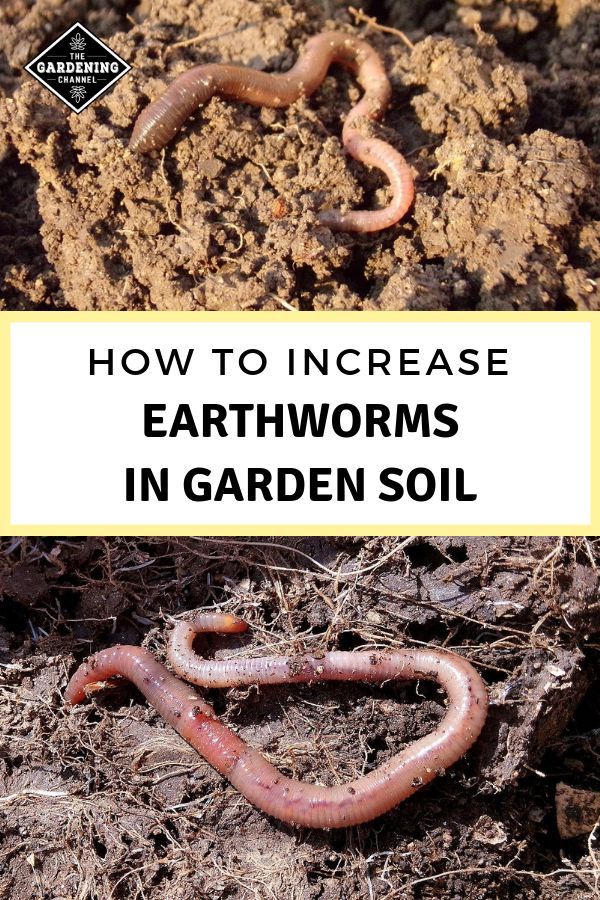
To increase earthworms in garden soil, add mature compost, cover bare ground with organic mulch, keep the soil moist but not waterlogged, reduce digging, and avoid harmful chemicals. These steps provide food, shelter, and stable conditions that help local earthworm populations grow over time.
Across the United States, gardeners face many soil challenges. Sandy soil in parts of Florida can dry out fast, while heavy clay in the Midwest may hold too much water. Dry summers in California and cold winters in northern states also affect soil life. Earthworms can help improve garden soil, but they need the right conditions to survive.
Earthworms feed on decaying plant matter and help break it down. Their burrows can create paths for air and water, while their castings add nutrients and organic matter to the soil. These benefits support plant roots and help create a more active soil ecosystem. Still, earthworms are only one part of healthy soil, and more worms do not always mean better soil.
The best way to attract earthworms is to improve the habitat already in your garden. Feed the soil with compost, protect its surface with leaves or other organic mulch, and avoid actions that damage worms or dry out their home. You do not need costly products or special equipment. With steady care, suitable garden beds can become more welcoming to earthworms over several growing seasons.
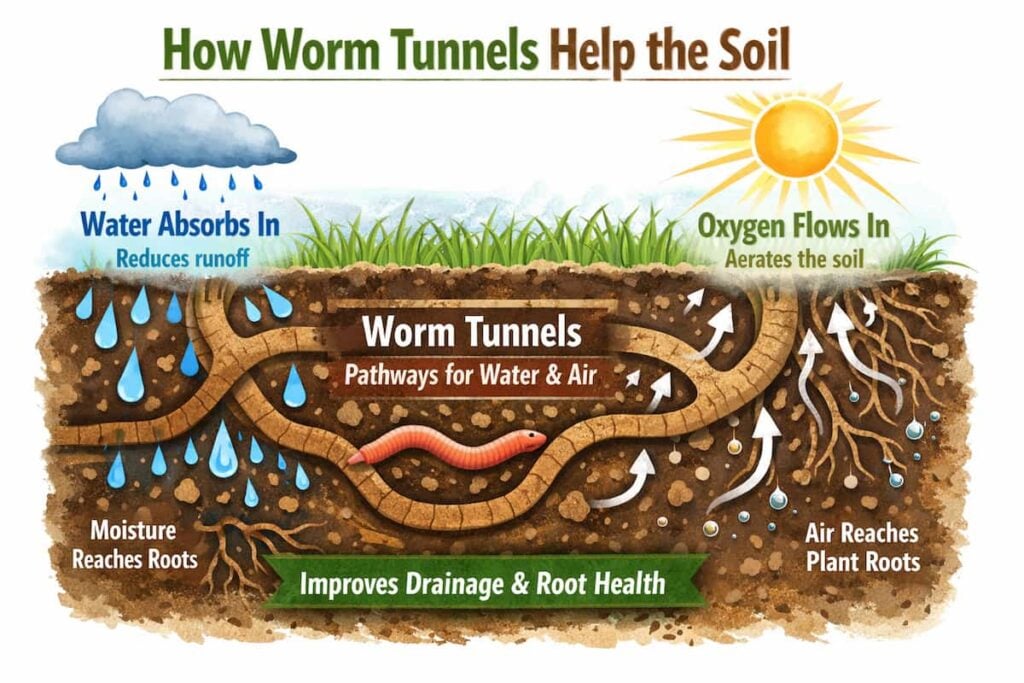
Earthworms help recycle organic matter and shape the soil around plant roots. As they move through the ground, some species create burrows that can improve water movement and air exchange. Other species live mainly near the surface and feed on decaying leaves. Their habits vary, so the benefits depend on which earthworms live in the garden.
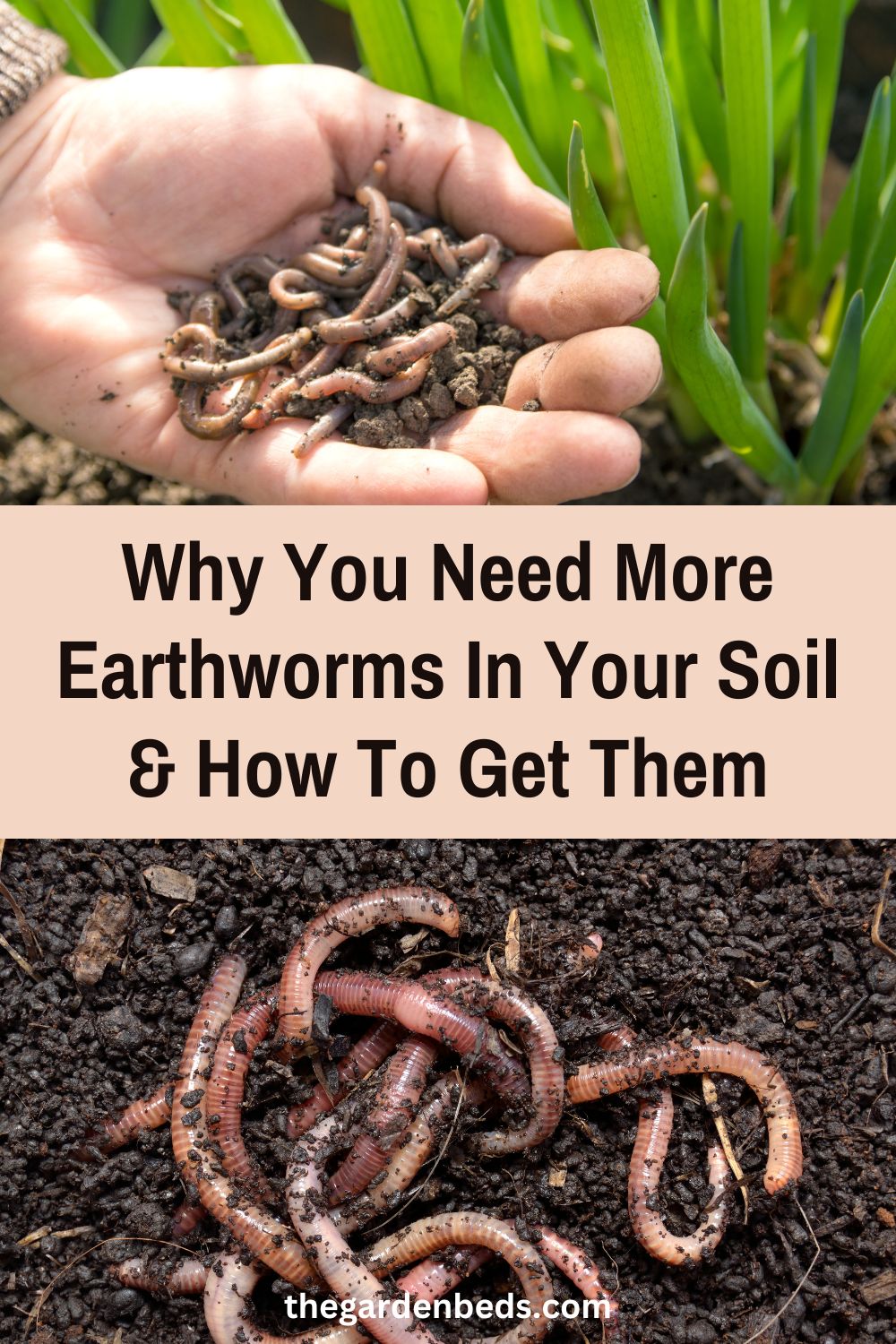
Earthworm castings are the small clumps of processed soil and organic material left behind by worms. These castings can contain plant nutrients and stable organic matter. Their value depends on the food the worms consume and the soil conditions around them. They support a wider soil food web that includes microbes and other small organisms.
Earthworms do not replace compost, balanced plant nutrition, or good drainage. They also cannot fix every compacted or poorly drained soil. Think of them as useful members of a healthy soil community rather than a cure for every garden problem.
Source: i.pinimg.com
Better soil structure
Earthworm burrows can create channels that help water and air move through some soils. Their movement and castings can also contribute to the formation of soil aggregates.
Nutrient recycling
Earthworms consume decaying organic material and release processed material that can help cycle nutrients through the soil.
Support for soil organisms
Worm activity interacts with soil microbes and other organisms that break down organic matter and support nutrient cycling.
Improved root conditions
Where worm burrows improve aeration and water movement, plant roots may find more favorable conditions for growth.
Do More Earthworms Always Mean Better Soil?
No. Earthworm numbers depend on soil type, moisture, food supply, climate, and species. Some gardens naturally support many worms, while others support fewer even when the soil is suitable for local plants. A low count during dry weather does not prove that a garden is unhealthy.
In some forests in North America, introduced earthworms can change the forest floor and harm native ecosystems. This is especially important in places where native earthworms are absent or uncommon. Gardeners should focus on improving existing garden soil and avoid releasing nonnative worms into natural areas.
Focus on soil function
Look for good drainage, crumbly soil, steady plant growth, and active organic matter breakdown instead of chasing a high worm count.
1. Add Mature Compost to Feed Earthworms
Mature compost is one of the most useful ways to make garden soil more welcoming to earthworms. It adds decomposed organic matter and supports microbes that help break down plant residues. Earthworms can feed on this material and the organisms associated with it.
Choose finished compost that smells earthy and has a fairly uniform texture. It should not smell strongly of ammonia or rotting food. Partly decomposed material may still be useful in a managed compost pile, but fresh, hot compost is not suitable for direct contact with delicate roots or worms.
Spread a thin layer of compost over the soil surface or gently mix it into the upper layer when preparing a new bed. The right amount depends on the soil, crop, and compost quality. Avoid adding large amounts without a reason, especially if the compost contains high levels of salts or nutrients.
Source: wiredhomestead.com
Use finished compost
Choose compost that is cool, stable, and earthy in smell. Avoid material that is still heating or contains large amounts of recognizable fresh food scraps.
Apply it evenly
Spread compost across the bed rather than piling it into one small spot. This creates a broader area of improved habitat.
Keep it near the surface
A surface layer provides organic matter where many garden earthworms feed. Deep burial is usually unnecessary.
Check nutrient needs
Use a soil test when possible, especially in vegetable gardens that receive compost year after year. Compost can add phosphorus and salts as well as organic matter.
Can Kitchen Scraps Attract Earthworms?
Kitchen scraps can support earthworms after they begin to decompose, but fresh scraps should not be scattered freely across the garden. They can attract rodents, flies, and other pests. Some foods may also decay slowly or create unpleasant odors.
A well-managed compost pile or covered compost bin is a better place for most kitchen scraps. Follow local composting rules and keep meat, dairy, oily foods, and other pest-attracting materials out of open garden beds. Once the scraps become mature compost, apply the finished material to the soil.
Keep scraps contained
Use a secure compost system that limits access by rodents and other unwanted animals.
Wait for decomposition
Apply finished compost rather than relying on fresh food scraps to feed worms directly in a planting bed.
2. Cover Bare Soil With Organic Mulch
Organic mulch protects earthworms by reducing moisture loss and limiting sharp changes in soil temperature. It also supplies plant material that breaks down over time. Leaves, clean straw, shredded plant residues, and suitable wood-based mulch can all help, depending on the garden.
Bare soil heats up and dries out more quickly than soil covered with plant material. A layer of mulch creates a more stable environment, especially during hot summers in states such as Texas, Arizona, and California. It also helps reduce erosion and the impact of heavy rain.
Spread mulch across the soil surface while keeping it away from direct contact with plant stems and tree trunks. A layer of about 2 to 3 inches is a useful starting point for many garden beds, although the best depth depends on the material and the plants. Fine materials may need a thinner layer, while coarse leaves may settle as they break down.
Source: i.pinimg.com
Shredded leaves
Shredded leaves are a useful, low-cost mulch that gradually breaks down and supplies organic matter. Avoid thick, compacted layers of whole leaves that block water or air.
Clean straw
Straw can protect vegetable beds from drying out. Choose material with minimal weed seeds and avoid hay that contains many mature seeds.
Grass clippings
Use small amounts of untreated grass clippings and let them dry slightly before applying. Thick, wet layers can mat together and develop unpleasant odors.
Composted wood chips
Wood chips can protect soil in paths and around perennial plants. Keep fresh chips mainly on the surface rather than mixing large amounts into the root zone.
Which Mulch Works Best for Earthworms?
The best mulch is usually one that is locally available, free of harmful contaminants, and suited to the plants in the bed. Leaf litter and other soft plant residues break down readily and provide food over time. Wood chips tend to last longer and are often useful around shrubs and trees.
No single mulch is best for every garden. In a wet climate, a thick layer of fine organic material may stay soggy. In a dry climate, a stable surface cover can help preserve moisture. Adjust the material and depth to the weather, soil drainage, and crop needs.
Match mulch to the site
Use faster-decomposing materials in areas where you want to build organic matter, and longer-lasting materials where soil protection is the main goal.
3. Keep Soil Moist Without Waterlogging It
Earthworms need moisture because they exchange gases through their skin. If soil becomes too dry, worms may retreat deeper into the ground, become inactive, or die. If soil stays flooded, the lack of oxygen can also harm them.
Check the soil a few inches below the surface before watering. If the root zone feels dry, water slowly enough for moisture to soak in. During hot or windy weather, check more often, but do not follow a fixed watering schedule without considering rainfall and soil type.
Sandy soils drain quickly and may need more frequent watering in small amounts. Clay soils hold more water but may become poorly aerated if watered too heavily. Raised beds also dry out at different rates from beds at ground level, so use the soil itself as your guide.
Source: thegardenbeds.com
Check below the surface
Use your finger or a small hand trowel to inspect moisture a few inches down. A damp surface can hide dry soil underneath, and a dry surface can cover moist soil below.
Water slowly
Slow watering helps moisture penetrate the root zone instead of running off compacted ground.
Improve drainage where needed
If water stands for long periods, identify the cause before adding more water or organic matter. Persistent saturation may require changes to bed design or drainage.
Use mulch to conserve water
A suitable mulch reduces evaporation and can make soil moisture more stable between watering sessions.
How Can You Help Earthworms During Drought?
During a dry spell, keep the soil covered and water deeply enough to moisten the intended root zone without creating runoff or prolonged saturation. Earthworms may move down to cooler, wetter layers when the surface dries. You may see fewer worms near the surface even when some remain alive below.
Avoid turning dry soil repeatedly in an attempt to find worms. Instead, conserve moisture, add a suitable organic cover, and wait for better conditions. After rain or careful watering, worms may become more active near the surface.
Protect the root zone
Focus on steady moisture at the depth where roots and soil organisms are active.
4. Reduce Tilling and Deep Digging
Less soil disturbance can help earthworms survive and maintain their burrows. Repeated tilling breaks apart soil structure and can injure worms. It may also disrupt fungal networks and other organisms that help decompose organic matter.
In established garden beds, try adding compost and mulch to the surface instead of turning the whole bed each season. When you need to plant seedlings, make small holes or shallow furrows. Use a broadfork or hand tool only when there is a clear reason to loosen soil, and avoid working it when it is wet enough to smear or compact.
Reduced tillage does not mean that every garden should remain untouched. A new bed may need initial preparation, and some soils may require targeted loosening. The goal is to disturb the soil only as much as the task requires.
Source: thegardenbeds.com
Use no-till methods where practical
Add compost on top, maintain mulch, and plant through the surface layer instead of repeatedly mixing the entire bed.
Avoid digging wet soil
Working saturated soil can compact it and damage its structure, reducing air spaces that support roots and soil life.
Keep foot traffic off beds
Use permanent paths and avoid stepping on planting areas. This reduces compaction and helps preserve soil pores.
Loosen only where needed
Use targeted loosening when a genuine compaction problem exists instead of disturbing the whole garden by habit.
Is a No-Till Garden Better for Earthworms?
A no-till or low-till approach often creates a more stable habitat because it preserves burrows and keeps organic residues near the surface. However, the result depends on soil type, crop rotation, weed control, and how the garden is managed. Some beds may need occasional targeted work to correct compaction or prepare a planting area.
Start with one bed if you are unsure. Keep its surface covered, add modest amounts of compost, and compare its structure and moisture with a bed that receives more frequent digging. This simple comparison can help you choose a method that fits your garden.
Observe before changing everything
Use soil condition, drainage, plant growth, and earthworm activity to judge whether less disturbance is helping.
5. Avoid Chemicals That Can Harm Soil Life
Some pesticides and soil treatments can harm earthworms or the organisms they depend on. The effects vary by active ingredient, concentration, exposure, soil type, and application method. Do not assume that a product is harmless to earthworms simply because it is labeled for garden use.
Read the full product label before applying any pesticide, herbicide, fungicide, or other treatment. Use a chemical only when the target problem justifies it and follow all label directions. Avoid spills, excessive application, and treatment of areas that do not need it.
High concentrations of fertilizer can also create poor conditions for soil organisms, particularly when salts build up or nutrients are applied in excess. Organic fertilizers are not automatically harmless. Compost, manure, and other natural materials can cause problems if they are too concentrated, contaminated, or poorly managed.
Source: thebackyardbloom.com
Identify the pest first
Confirm that a pest is causing damage before treating the soil. Misidentified problems can lead to unnecessary applications.
Follow the label
Use products only for approved purposes and at labeled rates. Never increase the dose to try to speed up results.
Use targeted controls
When practical, choose physical barriers, hand removal, crop rotation, or other suitable methods that limit broad exposure to chemicals.
Test before adding nutrients
A soil test can help identify nutrient needs and reduce the risk of adding more fertilizer or compost than the garden requires.
Are Organic Garden Products Always Safe for Earthworms?
No. Natural origin does not guarantee low toxicity. Some plant-based pesticides, concentrated oils, salts, and other organic gardening products can affect nontarget organisms when used incorrectly.
Choose a treatment based on the pest, the crop, and the product label. If protecting soil life is a priority, avoid routine preventive spraying and use the least disruptive effective approach.
Avoid unnecessary treatments
Healthy soil does not need routine chemical applications just to attract earthworms.
6. Improve Soil Structure and Drainage
Earthworms need soil that holds enough moisture while still allowing air to reach their habitat. Dense, compacted ground can restrict their movement, while very loose, dry sand may provide little protection from drying. Improving soil structure helps create a more stable environment.
Compost and organic mulch can gradually improve many garden soils, but they do not solve every drainage problem. If clay soil stays flooded, adding more organic matter alone may not be enough. Look at slope, runoff, bed height, compaction, and the amount of water entering the area.
A simple soil check can reveal useful clues. Take a small sample from several places and observe whether it crumbles, sticks together, or feels dusty. Check how quickly water enters the soil after gentle watering, and note whether puddles remain long after rainfall.
Source: i.pinimg.com
For heavy clay
Add suitable mature compost over time, reduce foot traffic, and avoid working the soil when wet. Do not add small amounts of sand to clay as a general fix, because poorly planned mixtures can become very dense.
For sandy soil
Use compost and organic mulch to help the soil retain moisture and organic matter. Water according to how quickly the root zone dries.
For compacted beds
Keep traffic on paths and use targeted loosening when needed. Identify the source of compaction so it does not return.
For waterlogged areas
Check drainage and runoff before increasing watering or adding more mulch. Some locations may need raised beds or a change in water management.
How to Check Whether Your Soil Is Suitable
Choose a day when the soil is moist but not saturated. Examine a small sample from several spots, including the upper layer beneath the mulch and the soil near the root zone. Look for signs of persistent dryness, standing water, compaction, and decaying plant material.
Do not judge the whole garden by one sample. Soil can vary over a short distance, especially near foundations, paths, trees, and raised beds. Improving the least favorable areas may be more useful than trying to raise earthworm numbers across the entire property at once.
Record what you find
Note moisture, soil texture, drainage, and visible worm activity so you can compare conditions after making changes.
7. Grow Plants That Feed the Soil
Living plants support soil life by adding roots, root residues, and plant material. When leaves and stems fall or are cut and left to decompose, they provide additional organic matter. A garden with a mix of plants and steady ground cover may support a more active soil food web than one with long periods of bare ground.
Cover crops can be useful in vegetable gardens when the main crop is not growing. Suitable options depend on the season and region. In many parts of the United States, gardeners use crops such as oats, clover, or regionally adapted grasses and legumes to cover the soil and add organic material.
Choose cover crops with care. Some species can become invasive or use more water than a dry region can spare. Follow local planting guidance and terminate the cover crop at the right time to prevent unwanted reseeding or competition with vegetables.
Source: i0.wp.com
Use cover crops
Choose a species suited to the local climate, planting season, and garden goals. Cover crops can protect soil and contribute roots and residues.
Leave healthy plant residues
Where disease and pest risks allow, return suitable plant residues to the soil or compost them rather than removing every leaf and stem.
Mix plant types
Grow suitable vegetables, herbs, flowers, and perennial plants to maintain roots and organic inputs across more of the year.
Manage weeds responsibly
Avoid letting aggressive weeds set seed. Use mulch, hand removal, or other suitable methods to maintain ground cover without allowing unwanted plants to spread.
Can Grass and Fallen Leaves Increase Earthworms?
Yes, suitable grass clippings and fallen leaves can provide food as they decompose. Leaves often make a useful surface layer, while grass clippings work best in thin applications. Both materials can help conserve moisture and supply carbon to the soil food web.
Use clean material from areas that have not been treated with products that would make it unsuitable for garden use. Remove diseased plant material when composting it could spread a persistent disease, and avoid thick layers that block air or water.
Return suitable plant matter
Keep healthy organic material in the garden system when practical, while managing disease, pests, and weed seeds.
8. Should You Add Earthworms to Your Garden?
Usually, it is better to improve the habitat first than to buy earthworms and release them into the ground. If suitable local earthworms are already present, better moisture, food, and soil structure may help them become more active and reproduce. Adding worms to unsuitable soil is unlikely to solve the underlying problem.
Earthworms sold for composting are not necessarily suitable for release into outdoor garden soil. Many composting systems use species adapted to living in concentrated organic material near the surface. Their survival outdoors depends on climate, soil, food, and other conditions, and releasing nonnative species can harm natural ecosystems.
If you want to start a worm composting system, use a contained worm bin and follow local guidance on disposal. Do not dump composting worms, worm-bin bedding, or live worms into nearby forests, parks, or wild areas. Check regional environmental advice before moving earthworms or soil from one location to another.
Source: i.pinimg.com
Improve the habitat first
Add suitable compost, maintain moisture, use mulch, and reduce soil disturbance before considering whether any further action is needed.
Keep composting worms contained
Worm bins can process kitchen scraps and produce castings without requiring the release of worms into the environment.
Avoid moving soil between sites
Soil and organic material can carry organisms to places where they do not belong. Use local guidance for safe disposal and movement.
Garden Earthworms Versus Composting Worms
Earthworms occupy different habitats. Some live deep in mineral soil and create long burrows, while others live near the surface in leaf litter or compost-rich material. Composting species are often chosen for their ability to process organic waste in bins rather than for their ability to improve every outdoor soil.
This difference matters because a worm that thrives in a warm, food-rich compost bin may not survive a cold winter or a dry garden bed. Select a contained composting method when your main goal is recycling kitchen scraps, and focus on soil care when your main goal is improving outdoor garden conditions.
Match the species to the habitat
Do not assume that all earthworms have the same needs or that a composting species should be released into the garden.
9. A Simple Four-Week Plan to Encourage Earthworms
A simple routine makes it easier to improve the soil without changing too many things at once. The following four-week plan is a practical starting point for an established garden bed. The schedule is not a guarantee of higher worm numbers within a month, because earthworm populations respond to weather, food, soil, and seasonal conditions.
Begin by observing the bed before making changes. Check moisture, drainage, surface cover, and any visible earthworm activity. Then add suitable organic matter and protect the soil while avoiding unnecessary disturbance.
Source: i.pinimg.com
Week 1: Assess the bed
Check soil texture, drainage, moisture, and the current surface cover. Note any signs of compaction or standing water, and take a baseline observation.
Week 2: Add organic matter
Apply a modest layer of mature compost if the soil and nutrient needs support it. Spread the material evenly instead of making deep piles.
Week 3: Protect the surface
Add suitable mulch, adjust watering, and keep foot traffic off the bed. Correct any obvious drainage or moisture problems.
Week 4: Review and maintain
Look for stable moisture, better surface cover, and signs of decomposition. Avoid digging repeatedly just to check for worms, and continue the routine through the season.
How to Check Earthworm Activity Fairly
Earthworm activity varies with weather and time of day. To compare conditions, inspect the same area under similar moisture and temperature conditions. A simple check involves gently lifting a small section of mulch and examining the upper soil for worms or fresh castings.
Return the mulch to its place and avoid leaving exposed soil behind. If you need a more systematic comparison, use several small sample areas and record the number of worms found, the depth inspected, and the soil conditions. Do not treat a single observation as a reliable measure of the entire garden population.
Use consistent checks
Inspect comparable areas after similar weather and record the method so later observations can be compared fairly.
Protect the habitat
Keep checks brief and gentle. Avoid repeated excavation or drying out the soil during inspection.
10. Common Reasons Earthworms Are Missing
If you rarely see earthworms, first check whether the conditions are suitable rather than assuming the garden needs more worms. Earthworms can move deeper during dry or cold periods, and some species are more active at certain times than others. A quiet soil surface does not always mean the population has disappeared.
The most useful troubleshooting steps are to check moisture, drainage, soil disturbance, organic matter, and possible chemical exposure. Correct the factor that is most likely to be limiting the habitat. Avoid applying several products or making many major changes at once, because this can make the real cause harder to identify.
Source: i2.wp.com
Dry soil
Use appropriate watering and mulch to reduce moisture loss. Check deeper soil before deciding how much water to add.
Waterlogged soil
Improve water movement and reduce excessive irrigation. Persistent saturation can reduce oxygen available to earthworms and roots.
Low organic matter
Add suitable mature compost and maintain a layer of plant-based mulch when soil conditions and nutrient needs allow.
Frequent digging
Reduce unnecessary tilling and protect established burrows by using surface applications of compost.
Possible chemical exposure
Review recent treatments and their labels. Stop unnecessary applications and follow product directions for any required cleanup or safety measures.
Seasonal inactivity
Repeat your observations when soil moisture and temperature are more favorable. Do not dig deeply simply because worms are not visible.
When Should You Expect to See More Earthworms?
There is no fixed timeline for increasing earthworm numbers. Soil moisture and surface activity may respond soon after conditions improve, but changes in population size can take much longer. The outcome depends on whether suitable earthworms are present and whether the garden can support their life cycle.
Look for several signs together, such as stable soil moisture, decaying organic material, improved soil structure, and occasional worms or castings. Healthy plant growth can support your assessment, but it is also affected by sunlight, nutrients, pests, and watering.
Judge progress over a season
Keep simple notes on soil conditions and repeat observations during suitable weather rather than expecting a rapid increase in worm numbers.
Frequently Asked Questions
Q
How can I attract earthworms to my garden quickly?
Start by checking moisture and drainage, then add a modest layer of mature compost and suitable organic mulch. These changes can make the soil more welcoming, but they do not guarantee an immediate increase in worm numbers. Earthworms need time and suitable conditions to survive and reproduce.
Q
What is the best food for earthworms in garden soil?
Earthworms feed on decaying organic matter and the microbes associated with it. Fallen leaves, suitable plant residues, and mature compost help provide this food. Avoid scattering fresh kitchen scraps across open beds because they may attract pests and create odors.
Q
Does coffee grounds help increase earthworms?
Used coffee grounds can be added in modest amounts to a well-managed compost pile or mixed with a range of other organic materials. They should not be treated as a special earthworm attractant or applied in thick layers. Balanced organic matter, stable moisture, and low soil disturbance are more reliable parts of a long-term plan.
Q
Should I buy earthworms for my vegetable garden?
Usually, improve the habitat first and see whether local earthworms are already present. Worms sold for composting may not be suited to outdoor soil, and releasing nonnative species can cause environmental harm. If you want to process food scraps with worms, use a contained composting system and follow local guidance.
Q
How often should I water to keep earthworms alive?
Water according to soil moisture, weather, soil texture, and plant needs rather than using one fixed schedule. Earthworms need moist conditions but can suffer when the soil dries out or remains flooded. Check below the surface and adjust watering to keep the root zone moist without waterlogging it.
Q
Can earthworms survive in clay soil?
Many earthworms can live in clay soil if moisture, oxygen, food, and other conditions are suitable. Heavy clay can become hard when dry and poorly aerated when saturated. Adding suitable compost over time, limiting compaction, and avoiding work on wet soil can improve the habitat.
Q
Are earthworms a sign of healthy soil?
Earthworms can be a useful sign of biological activity, but their presence alone does not prove that soil is healthy. Soil texture, drainage, pH, nutrient levels, and plant performance also matter. Some healthy soils naturally contain few earthworms, and introduced worms may be harmful in certain natural ecosystems.
✦ Wrapping Up
Conclusion
The best way to increase earthworms in garden soil is to make the soil a place where they can find food, moisture, shelter, and room to move. Mature compost, suitable organic mulch, careful watering, reduced tillage, and thoughtful chemical use can all help create these conditions. The right approach depends on your soil type, climate, plants, and the earthworms already present.
Be patient as the soil changes. Earthworms may become easier to spot when the soil is moist, but a visible increase can take time and may vary by season. Focus on steady improvements to soil structure, organic matter, drainage, and plant growth rather than chasing a particular worm count. Also protect nearby natural areas by avoiding the release of nonnative earthworms.
💡 Key Takeaway
Start this week by checking the soil moisture and drainage in one garden bed. Add a modest layer of mature compost if appropriate, cover the surface with suitable organic mulch, and reduce unnecessary digging. Record what you observe and review the bed again under similar conditions in a few weeks.
I enjoy sharing simple gardening ideas, lawn care tips, and honest product reviews that help make outdoor work easier. From home gardening guides to helpful tools and lawn care advice, I write easy-to-follow content to help readers create a healthier and better-looking outdoor space without wasting time or money.