
As an Amazon Associate, I earn from qualifying purchases.
Revive a dead lawn by fixing soil, overseeding, and watering with care.
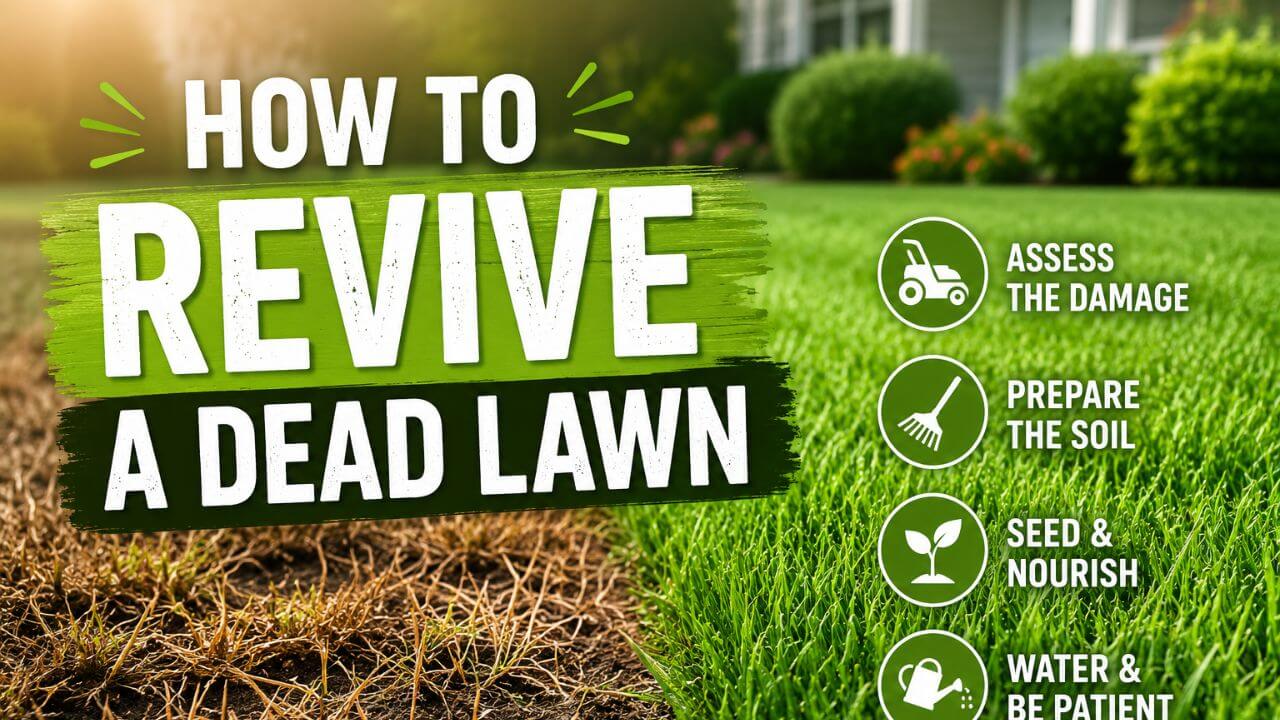
If you want to learn how to revive a dead lawn the right way, you’re in the perfect spot. I’ve helped homeowners turn brown, patchy yards into lush turf using simple steps and smart timing. In this guide, I’ll show you how to revive a dead lawn with clear checks, a step-by-step plan, and pro tips you can trust.
Is Your Lawn Actually Dead or Just Dormant?
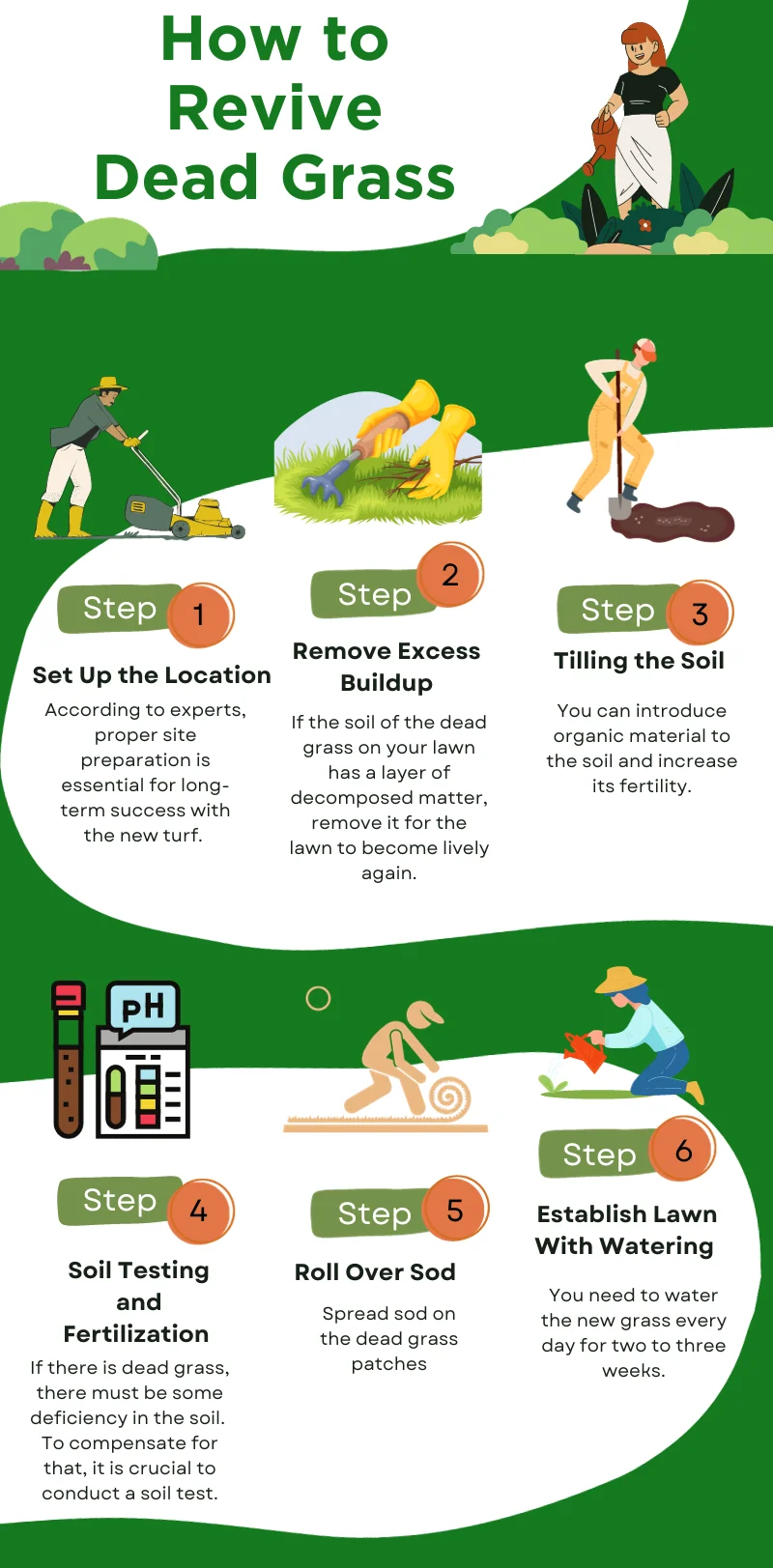
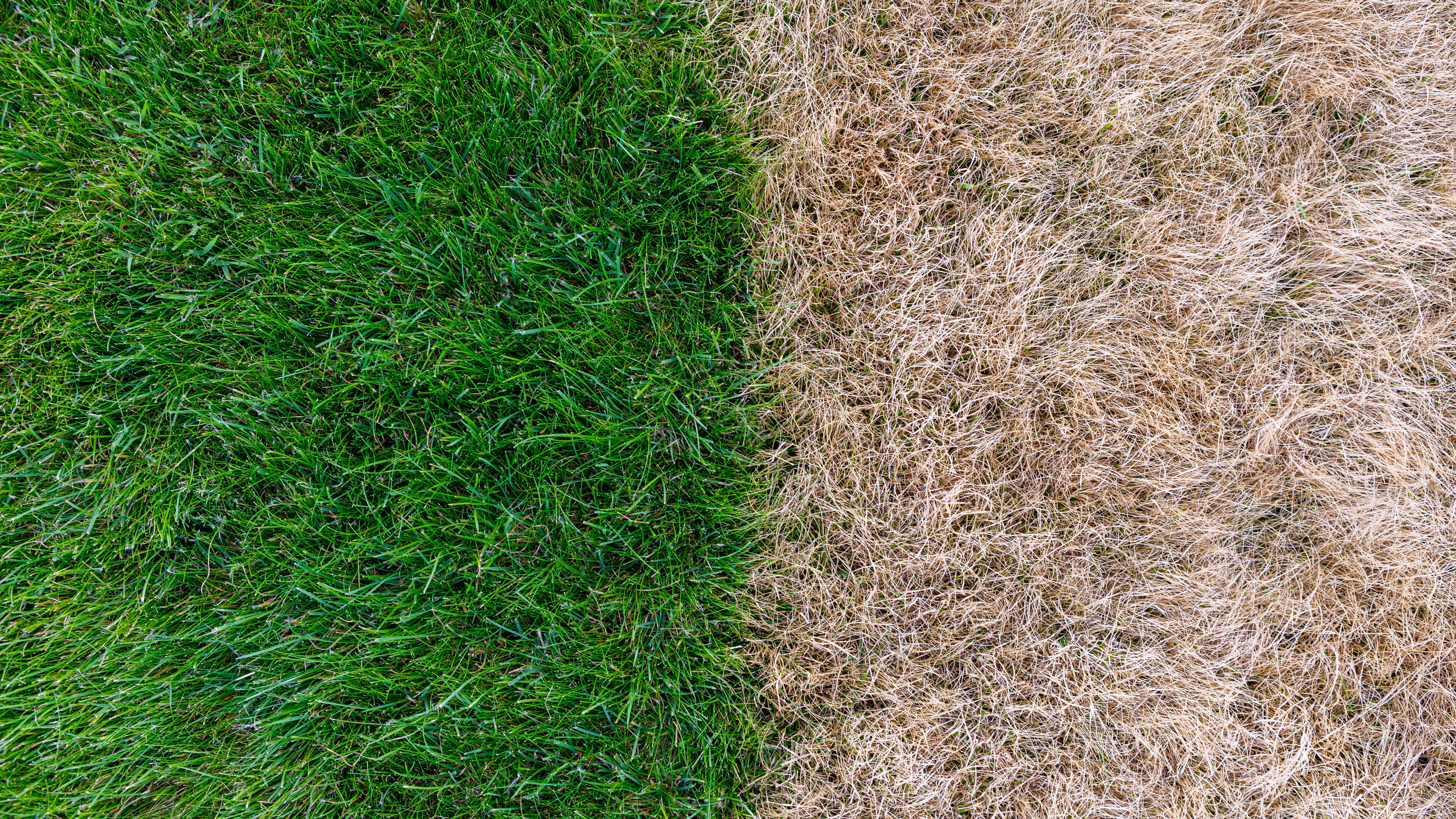
Before you learn how to revive a dead lawn, you must know what you’re dealing with. Many lawns look dead but are only dormant from heat, cold, or drought. Dormant grass can bounce back. Dead grass will not.
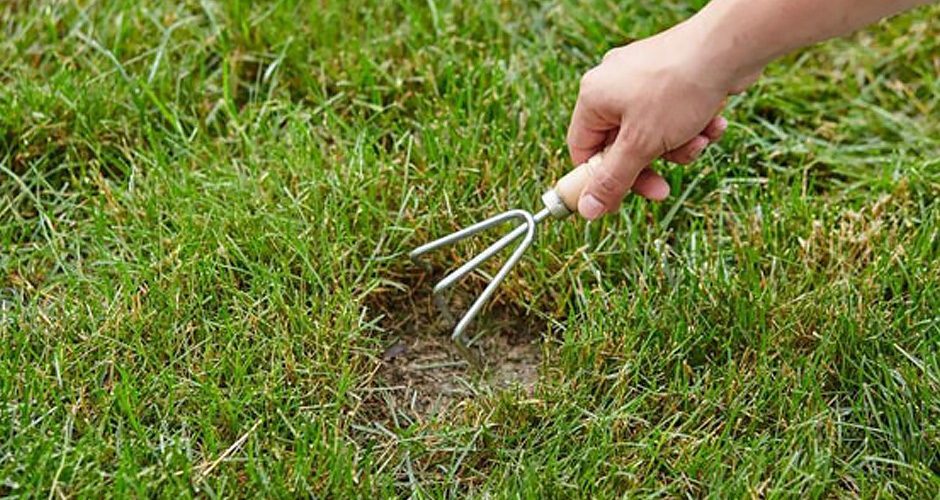
Try the tug test. Grab a small clump and pull. If it slides out with dry roots, it is dead. If it resists and you see white shoots at the base, it may still be alive.
Check the crowns and stolons. Live crowns near the soil line look firm and pale white. Dead ones look dry and brittle. Warm-season grasses can go tan in cool months and still be fine.
Water deeply for a week and watch. If no new green tips show, plan a full rehab. This step saves time and money when you start how to revive a dead lawn.
Root Causes That Kill Lawns
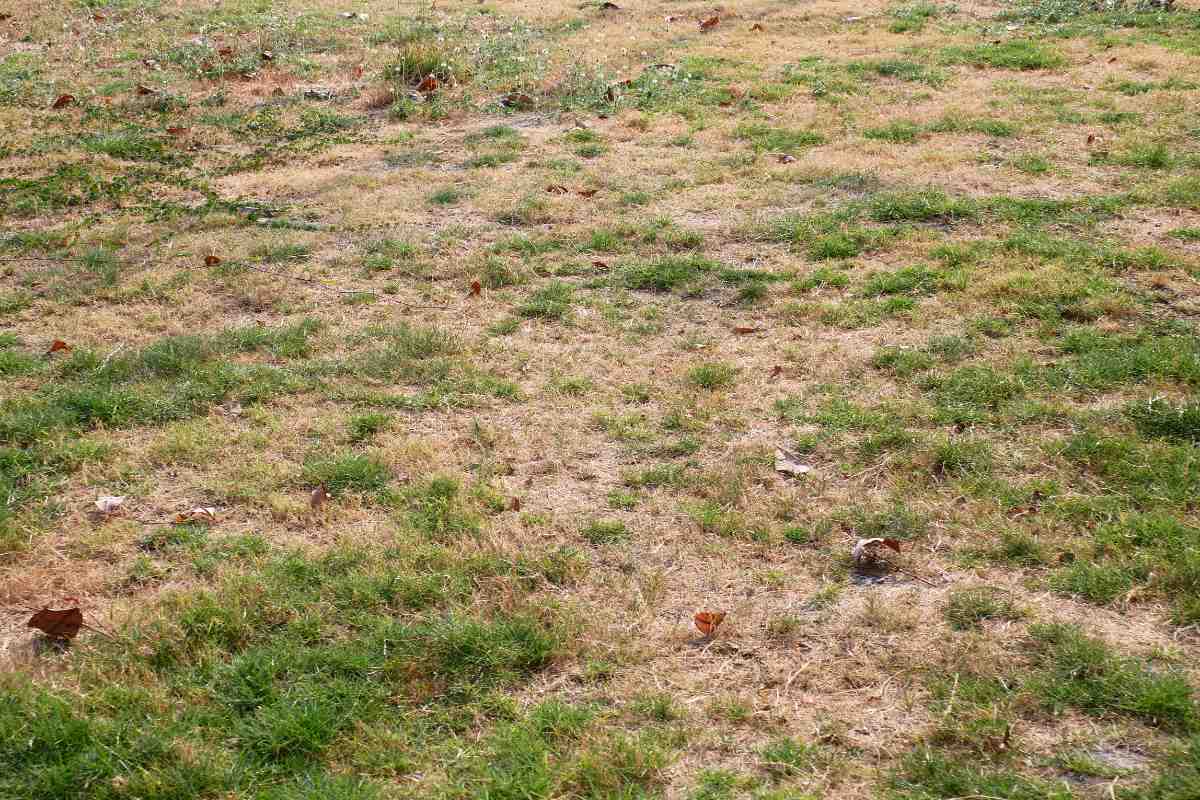
To master how to revive a dead lawn, fix the cause first. If you skip this, the problem returns. Look for one or more of these issues and match the fix.
Drought and Heat
Dry soil and high heat cause fast browning. Footprints that linger show stress. Water early in the morning and shield new seed from hot wind.
Shade and Traffic
Dense shade thins turf. Heavy traffic compacts soil. Choose shade-tolerant grass and add stepping stones in high-use paths.
Poor Soil and pH
Soil that is too acidic or alkaline locks up nutrients. Aim for a pH near 6 to 7 for most turf. A simple soil test guides lime or sulfur.
Compaction and Thatch
Hard soil blocks roots and water. Thatch over 0.5 inches suffocates crowns. Core aeration and dethatching open the way for air and roots.
Pests and Disease
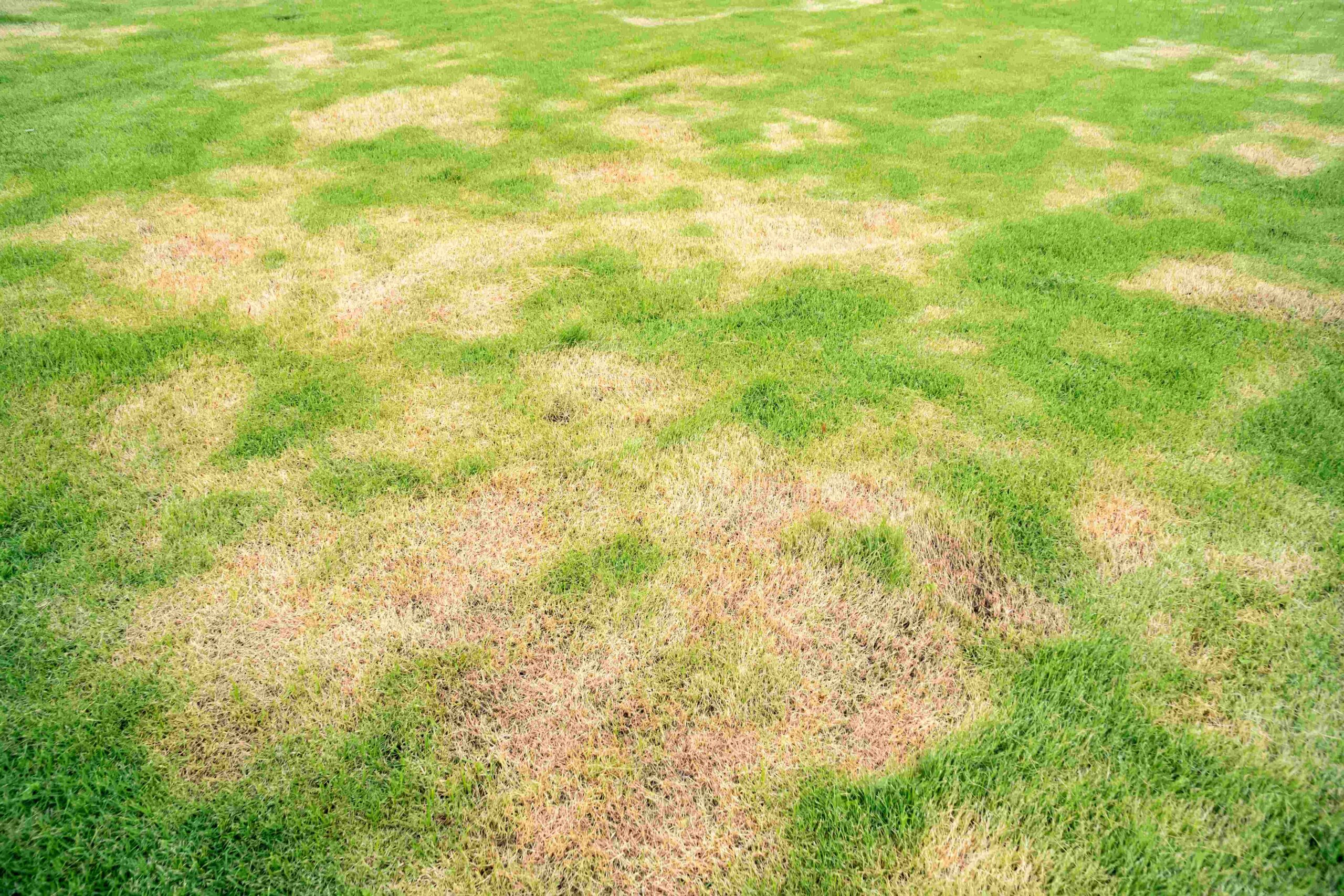
White grubs eat roots and cause loose, spongy turf. Fungal spots can spread fast in warm, wet weather. Identify first, then treat with the right product at the right time.
Weeds and Pet Damage
Weeds steal light and food. Dog urine burns leave small yellow spots with dark green edges. Flush pet spots with water and reseed as needed.
Understanding these causes is a key step in how to revive a dead lawn that stays healthy.

Step-by-Step Plan: How To Revive A Dead Lawn
Follow this plan to bring back a lawn that looks gone. I use this same flow for clients and see results in weeks.
-
Clean up the surface
Remove sticks, leaves, and dead clumps. Bag heavy thatch and debris so seed can touch soil. -
Test the soil
Use a basic soil test kit. Note pH and nutrient levels. This guides your fertilizer and any lime or sulfur. -
Dethatch if needed
If the thatch layer is thick, use a rake or a power dethatcher. Aim to expose soil without scalping the crowns. -
Core aerate
Pull soil plugs 2 to 3 inches deep, with 2-inch spacing if you can. Leave plugs to melt back into the lawn. This is vital for heavy clay. -
Topdress with compost
Spread a thin layer, about 0.25 inch. This boosts microbes, adds organic matter, and improves seed-to-soil contact. -
Choose the right seed
Pick grass for your zone, sun level, and soil. Use fresh, certified seed with high germ rates. This is a core move in how to revive a dead lawn. -
Overseed evenly
Broadcast seed at label rates. Lightly rake to cover seed about 0.125 inch. Roll or step over to press seed into soil. -
Starter fertilizer
Apply a balanced starter per label. If local rules limit phosphorus, select a low-P product or one marked safe for new seed. -
Water with a schedule
Keep the top inch moist, not soaked. Mist 2 to 4 times a day until germination. Then water less often but deeper. -
Protect and mow right
Keep off the area while seed sprouts. Once grass is 3 to 4 inches, mow to 2.5 to 3 inches with a sharp blade. -
Feed and fill
After 4 to 6 weeks, spot-seed bare patches. Feed again with a slow-release fertilizer if growth is thin. -
Stay patient
Rye sprouts in 5 to 7 days. Fescue in 7 to 14. Bluegrass can take 14 to 21 days. Warm-season types can take longer as soil warms.
I once revived a hard clay yard that looked hopeless. We aerated twice, topdressed with compost, and used a fescue blend. In three weeks, soft green covered the bare spots. By week eight, the yard felt like a park.
Choose the Right Grass for Your Region
Grass choice decides how to revive a dead lawn for the long term. Pick what fits your climate, sun, and use.
- Cool-season grasses work in northern and mountain areas. Try tall fescue for heat and drought tolerance. Use Kentucky bluegrass for fine texture and recovery. Perennial ryegrass gives fast cover.
- Warm-season grasses thrive in the South and warm coasts. Bermuda is tough and quick. Zoysia is dense and soft. St. Augustine handles shade better than most warm types.
- Shade blends can help under trees. Fine fescues handle dappled light. In deep shade, use groundcovers or mulch instead.
- Check your hardiness zone and local extension tips. Fresh seed and blends add resilience to heat, cold, and disease.
Match use to species. High-play yards lean to tall fescue or Bermuda. Low-care spaces may do well with fine fescue in cool zones.

Watering Strategy That Works
Water is the hinge of how to revive a dead lawn. You want steady moisture for seed, and deep roots later.
For new seed, aim for light, frequent watering. Keep the top inch damp at all times. Avoid puddles and runoff. Early morning is best.
After germination, shift to deep and less often. Target 1 inch per week from rain and irrigation. Use a tuna can to measure. Water until the can fills to one inch.
Watch the soil, not the clock. A screwdriver should slide in with light pressure. If it does not, you need more water or you have compaction.
Smart controllers and drip-edge hoses help in tricky areas. Slopes may need cycle-and-soak to prevent washout.
Fertilizing and Soil Health
Healthy soil makes how to revive a dead lawn much easier. Feed the soil and the grass will follow.
Start with a soil test. Adjust pH with lime if too acidic or with sulfur if too alkaline. Do not guess. The right pH unlocks nutrients.
Use a starter fertilizer when you seed. Follow label rates. After 4 to 6 weeks, switch to slow-release nitrogen to build roots and shoots.
Add organic matter each year. A thin compost topdress improves structure and life in the soil. In sand, it helps hold water. In clay, it opens pores.
Avoid heavy feeding in peak heat for cool-season grass. Feed warm-season grass when it is fully green and growing.
Weed, Pest, and Disease Control Safely
Control issues without blocking your plan for how to revive a dead lawn. Seed and some controls can clash.
Skip most pre-emergent herbicides when you overseed. They block seed roots. If you must use one, select a seed-safe option per label rules.
Pull or spot-spray weeds after new grass has been mowed three times. Thick turf will crowd many weeds out on its own.
Check for grubs if turf peels back like a carpet. More than 5 to 10 per square foot can cause real damage. Treat at the right stage for best results.
Watch for disease signs like rings, patches, or powder. Improve airflow, cut in the cool of day, and water in the morning. Use fungicides only if a confirmed disease warrants it.
Seasonal Timelines and Regional Tips
Timing is key in how to revive a dead lawn. Plant when soil temps and weather help you.
Cool-season lawns do best in early fall. Soil is warm, air is cool, and weeds slow down. Spring can work, but summer heat may stress new grass.
Warm-season lawns seed or sod in late spring to early summer. They need warm soil to sprout and spread. Avoid late fall starts.
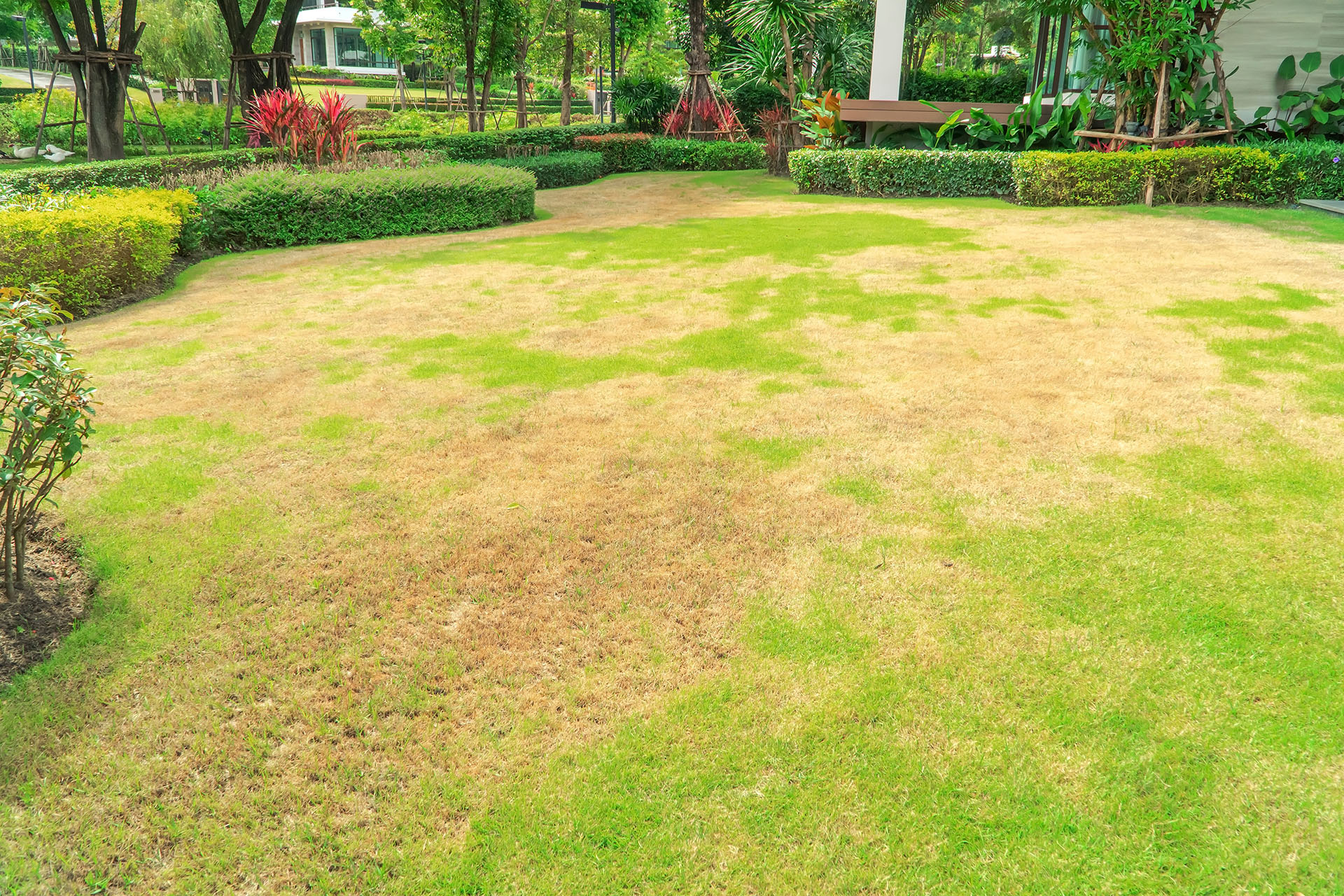
In the transition zone, pick hardy blends and watch heat waves. Plan big work for early fall for cool-season or late spring for warm-season types. Microclimates matter, so check shade, wind, and reflected heat.
Tools, Materials, and Budget
Gather what you need before you start how to revive a dead lawn. The right tools make the job smooth.
- Rake and leaf bags for cleanup.
- Dethatcher or thatch rake if the layer is thick.
- Core aerator, rental or service.
- Compost or screened topsoil for topdressing.
- Broadcast or drop spreader for seed and fertilizer.
- Quality seed and starter fertilizer.
- Hose, sprinklers, or a smart controller.
Budget ranges vary by size. Seed and supplies can run low for small yards and more for large lots. Sod costs more up front but gives instant cover. Pro services save time but cost more than DIY.
Mistakes to Avoid and Pro Tips
Avoid common errors that slow how to revive a dead lawn. A few small tweaks can change the outcome fast.
Do not seed into thatch. The seed must touch soil. Rake well and topdress if needed.
Do not drown new seed. Keep it moist, not soggy. Puddles rot seed and invite disease.
Do not scalp the lawn. Mow high to shade soil and crowd weeds. Sharp blades protect tender shoots.
Pro tips that help:
- Use seed blends to hedge bets against heat and disease.
- Aerate twice on hard clay for deep root paths.
- Mark new seed zones with flags so no one walks there.
- Take weekly photos to track progress and spot thin areas to reseed.
These small moves can make how to revive a dead lawn feel easy and even fun.
Frequently Asked Questions of How To Revive A Dead Lawn
How long does it take to revive a dead lawn?
Most lawns show green in 2 to 3 weeks after seeding. Full fill can take 6 to 10 weeks with steady care.
Can I revive a lawn in summer?
It is harder due to heat and weeds. You can patch small spots, but plan a full overseed in early fall for best results.
Should I use seed or sod?
Seed is cheaper and offers rich variety. Sod gives instant cover but costs more and needs strong soil contact.
How much should I water new seed?
Mist 2 to 4 times a day to keep the top inch moist. After sprout, switch to deeper, less frequent watering.
Do I need to remove all dead grass before seeding?
Remove thick mats and thatch, but short, thin stubble can stay. The key is seed-to-soil contact with light raking.
What is the best fertilizer when seeding?
Use a starter fertilizer at label rates. After 4 to 6 weeks, apply a slow-release nitrogen product if growth is thin.
How do I prevent weeds during recovery?
Mow high, feed wisely, and water right to favor grass. Use seed-safe products if needed and delay most herbicides until after the third mow.
Conclusion
A brown, brittle yard is not the end of the story. When you diagnose the cause, build healthy soil, and seed at the right time, fresh green returns fast. These steps are the core of how to revive a dead lawn and keep it strong.
Start small today. Do a tug test, rake a section, and run a quick soil check. Then follow the plan and watch new blades rise. If you found this useful, subscribe for more lawn tips or share your progress in the comments.

I enjoy sharing simple gardening ideas, lawn care tips, and honest product reviews that help make outdoor work easier. From home gardening guides to helpful tools and lawn care advice, I write easy-to-follow content to help readers create a healthier and better-looking outdoor space without wasting time or money.