As an Amazon Associate, I earn from qualifying purchases.
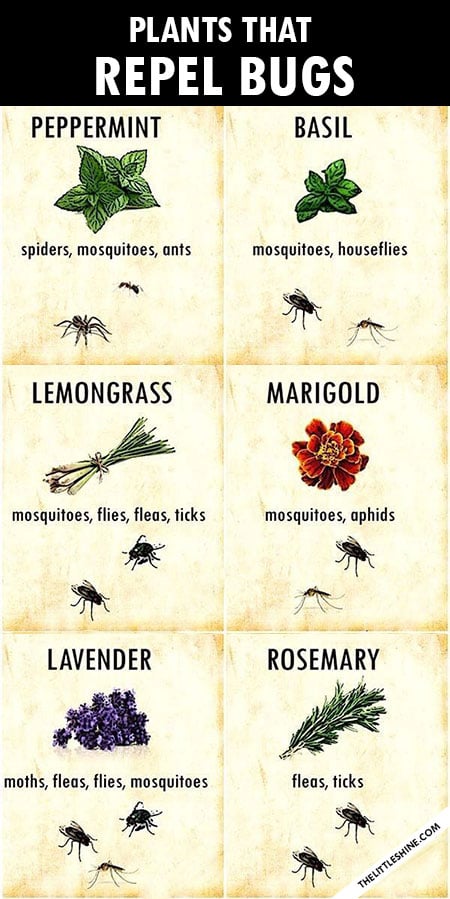
Basil, rosemary, lavender, mint, lemon balm, catnip, and lemongrass are popular plants associated with insect-repelling properties. However, growing these plants indoors will not reliably eliminate mosquitoes, flies, ants, or other household pests. Use them as decorative herbs alongside proven pest-prevention methods, such as removing standing water, sealing entry points, and keeping food and waste covered.
Across the United States, homeowners deal with seasonal mosquitoes, fruit flies, ants, houseflies, and other insects that find their way inside through open windows, doorways, gaps, and damaged screens. When warmer weather arrives, many people look for natural ways to make kitchens, bedrooms, living rooms, and entryways less attractive to unwanted visitors. Indoor plants are an appealing option because they can add greenery, provide fresh culinary herbs, and introduce pleasant aromas without requiring a dedicated outdoor garden.
Certain plants contain aromatic compounds that have demonstrated insect-repellent activity in laboratory studies or when processed into concentrated formulations. That does not mean a living potted plant produces the same effect. Research and university extension guidance caution that simply placing a scented plant on a windowsill is unlikely to provide dependable protection against mosquitoes or other pests. The difference between a plant’s chemical properties and its performance as a household repellent is essential when choosing an indoor pest-control strategy.
The most practical approach is to choose plants that suit your home’s available light, temperature, and humidity while treating their possible repellent properties as a secondary benefit. This guide explains which plants are worth considering, how to care for them indoors, what they may realistically accomplish, and which pest-control measures are more dependable. It also covers common mistakes and pet-safety considerations so you can make informed choices for your household.
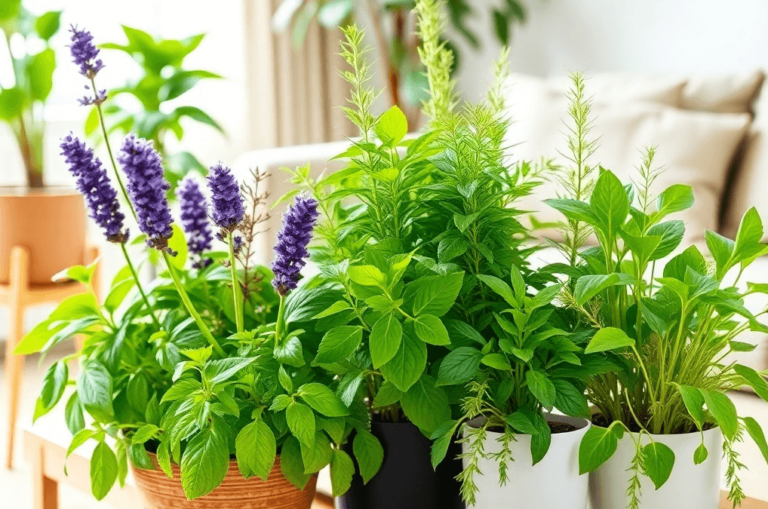
The best indoor plants to consider are aromatic herbs that offer practical benefits even when their insect-repelling effects are limited. Basil and rosemary can supply kitchen ingredients, lavender adds fragrance, and mint and lemon balm are useful for teas and cooking. Catnip and lemongrass are also associated with compounds investigated for mosquito-repellent activity.
The following comparison focuses on growing suitability and realistic expectations rather than promising that any plant will keep every insect away. Repellent effects vary by insect species, plant variety, compound concentration, and how the plant is used.
Source: aqualogi.com
Basil
A useful culinary herb with aromatic leaves. It generally prefers strong light and evenly moist, well-drained soil. It is worth growing for cooking, but a basil pot should not be expected to prevent mosquitoes or flies from entering a room.
Rosemary
A fragrant Mediterranean herb that prefers bright light and soil that dries somewhat between waterings. Its needle-like leaves release a noticeable aroma when handled, although a living rosemary plant is not a proven indoor insect barrier.
Lavender
A fragrant plant commonly associated with moth and mosquito deterrence. Indoor lavender needs substantial direct sunlight, excellent drainage, and good air circulation. Low-light rooms are generally unsuitable for long-term growth.
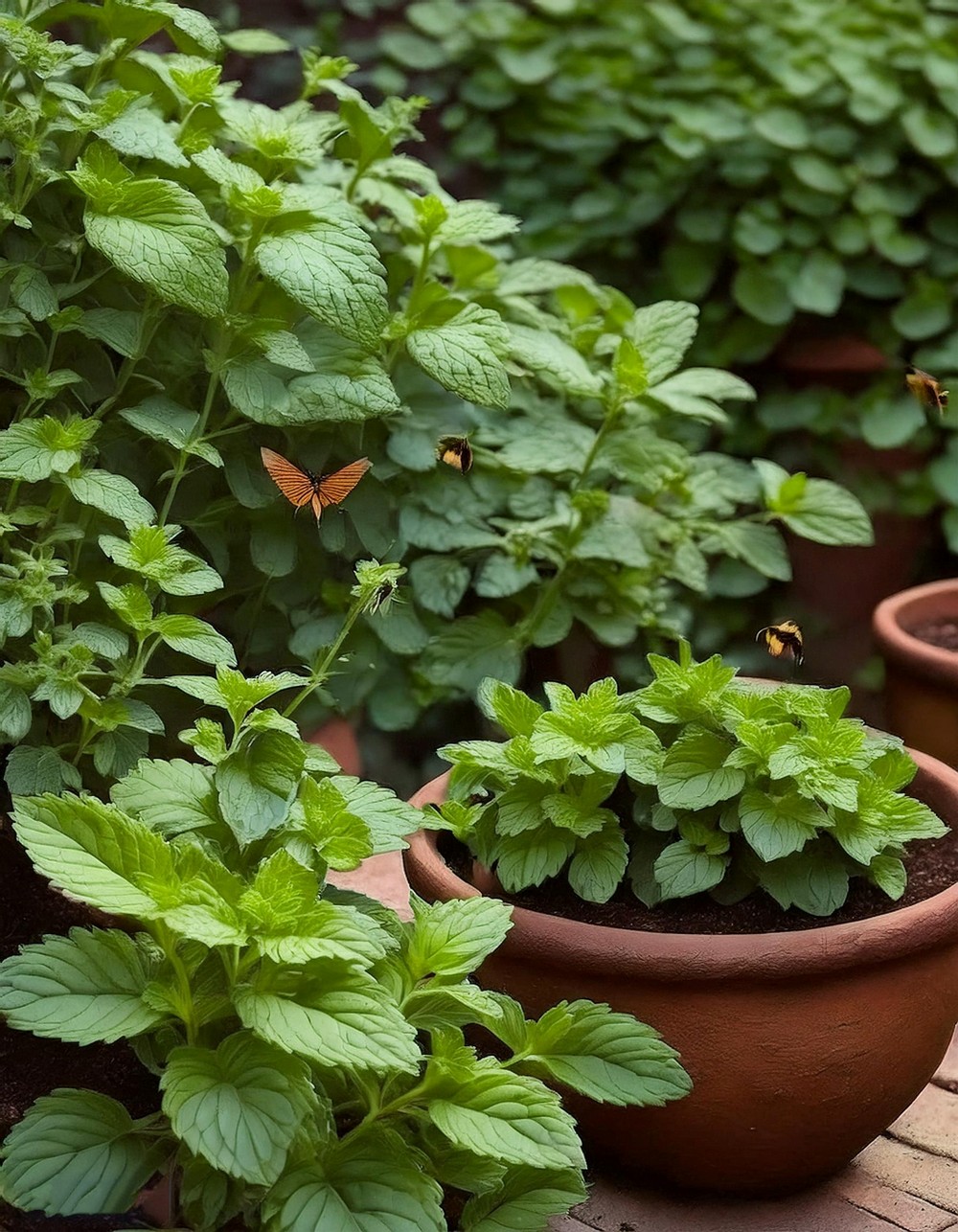
Mint
A vigorous herb with aromatic foliage that can be useful in the kitchen. Mint usually grows well in bright indirect light or some direct sun indoors, depending on conditions. Keep it in its own container because its spreading roots can crowd neighboring plants.
Lemon balm
A member of the mint family with lemon-scented leaves. It can be grown in a pot near a bright window and harvested for culinary use. Its fragrance does not establish that it will repel insects throughout a room.
Catnip
An aromatic herb containing nepetalactone, a compound studied for insect-repellent activity. Laboratory findings involving extracts do not establish reliable protection from a living indoor plant. Catnip may also attract cats, which can chew or damage it.
Lemongrass
A tropical grass known for its citrus-like fragrance and its association with citronella-related mosquito-repellent products. It needs warmth, bright light, and adequate moisture. Growing lemongrass indoors is not equivalent to using a tested mosquito repellent.
1. Basil: A Practical Choice for a Sunny Kitchen
Basil is one of the most convenient herbs for a kitchen windowsill because fresh leaves can be used in salads, pasta, sauces, and other dishes. Its aromatic oils have been investigated for biological activity, including effects on some insects, but the presence of those compounds in living foliage does not guarantee meaningful pest control in a home.
Place basil near a bright window that receives several hours of sunlight. If natural light is inadequate, a suitable grow light can help. Use a container with drainage holes and water when the upper layer of soil begins to dry. Avoid leaving the pot sitting in a saucer full of water.
For the best overall value, grow basil primarily as a culinary herb. If flies or mosquitoes continue entering the kitchen, inspect screens and doors and remove food residue rather than relying on the plant.
Best location
A bright kitchen window or a shelf beneath an appropriate grow light.
Main limitation
A basil plant is not a dependable substitute for physical insect barriers or a registered repellent.
2. Rosemary: A Fragrant Herb for Bright Rooms
Rosemary has narrow, aromatic leaves and is commonly used to season roasted vegetables, meats, and other foods. The plant contains volatile compounds that contribute to its distinctive scent. Although rosemary-derived preparations may have insect-related applications, an ordinary potted plant has not been established as an effective way to protect an indoor room.
Rosemary generally performs best in a sunny location with excellent drainage. Water thoroughly when needed, then allow excess water to escape. Frequent watering while the soil remains saturated can damage the roots. A cool, dim corner is usually less suitable than a bright windowsill.
Choose rosemary if you want an attractive, useful herb that can tolerate periods of relatively dry soil once established. Do not purchase it solely to eliminate ants, mosquitoes, or houseflies.
Best location
A sunny window with good airflow and enough room for the plant to develop.
Main limitation
Its aroma may be noticeable to people without producing a measurable reduction in household insects.
3. Lavender: An Aromatic Plant for Sunny Windows
Lavender is valued for its fragrance and flowers, and its essential oil has been investigated for effects on certain insects. However, the concentration and formulation of an extracted oil differ substantially from the compounds naturally released by a living plant. A lavender pot should therefore be considered decorative rather than dependable mosquito protection.
Indoor lavender needs considerably more light than many common foliage houseplants. Choose a sunny window and a potting medium that drains quickly. Allow the soil to dry somewhat between waterings without letting the plant remain severely dehydrated for long periods. Poor airflow and persistently wet soil can encourage plant-health problems.
Lavender may be a good option for a bright room where its appearance and fragrance are desirable. It is less suitable for dark bedrooms or interior bathrooms without supplemental lighting. Households with cats or dogs should also check its toxicity status before purchasing it.
Best location
A bright, sunny window with excellent drainage and adequate air circulation.
Main limitation
A living lavender plant cannot be assumed to repel mosquitoes or other insects at a useful distance.
4. Mint: A Useful Herb for Small Indoor Spaces
Mint produces strongly scented foliage and is easy to use in drinks, salads, and cooking. Its essential oils contain aromatic compounds that have been studied for insect-related effects. However, the amount released by an intact plant is not equivalent to a concentrated formulation, so mint should not be expected to keep a kitchen or living room insect-free.
Grow mint in a separate pot with drainage holes. It generally prefers evenly moist soil and bright light, although the amount of direct sun it tolerates depends on the indoor environment. Pinching back the growing tips can encourage fuller growth and provide fresh leaves for household use.
Keep mint away from standing water and remove dead foliage from the soil surface. If small flies appear around the pot, check the moisture level and drainage before assuming the plant is attracting or repelling pests. Fungus gnats can develop in persistently damp potting mix.
Best location
A bright kitchen or living-room window where the container can be watered and trimmed easily.
Main limitation
Mint does not reliably prevent mosquitoes, ants, or flies from entering a room.
5. Lemon Balm: A Citrus-Scented Indoor Herb
Lemon balm has soft green leaves with a lemon-like aroma. It belongs to the mint family and can be grown in a container for its foliage and culinary uses. The plant’s fragrance makes it a popular suggestion for natural insect deterrence, but a living specimen has not been shown to provide consistent household-wide protection.
Place lemon balm where it receives bright, indirect light or some gentle direct sunlight. Keep its soil moderately moist while allowing excess water to drain. Trim the plant regularly to prevent it from becoming leggy, and remove damaged leaves when necessary.
Lemon balm may suit a household that wants a fresh herb for teas and cooking. If insects gather around the pot, inspect the soil and drainage and remove decaying plant material. A clean container and appropriate watering routine can help prevent plant-related pest problems.
Best location
A bright windowsill or a well-lit indoor growing area.
Main limitation
Its lemon scent is not evidence that it will keep flying or crawling insects out of the home.
6. Catnip: An Herb with a Researched Repellent Compound
Catnip contains nepetalactone, a compound that has attracted scientific interest for its potential effects on certain insects, including mosquitoes. The key distinction is that evidence for an isolated compound or a tested formulation does not demonstrate that a live catnip plant provides equivalent protection.
Catnip can be grown in a pot near a bright window. Provide a well-drained growing medium and avoid keeping the soil constantly waterlogged. The plant may grow vigorously under favorable conditions and benefit from occasional trimming.
Cat owners should consider the plant’s effect on their pets before bringing it indoors. Some cats become highly interested in catnip and may chew, roll on, or knock over the container. Check current veterinary plant-safety guidance and keep the plant out of reach if necessary.
Best location
A bright area with room for the plant and a stable container that pets cannot easily tip over.
Main limitation
The presence of nepetalactone does not establish that a living catnip plant will prevent mosquito bites.
7. Lemongrass: A Tropical Plant Often Associated with Mosquito Control
Lemongrass is known for its fresh, citrus-like aroma and is widely associated with citronella-style mosquito products. Lemongrass and citronella are not interchangeable plant names, and products made from different species or extracted oils may have different chemical compositions. Their effects should not be assumed to be identical.
To grow lemongrass indoors, provide a warm location with strong light, a roomy container, and soil that retains some moisture while draining adequately. In a cool or dim room, growth may become weak. Rotate the pot periodically if the plant grows toward a window.
Choose lemongrass for its foliage and culinary potential rather than as a replacement for mosquito control. If mosquitoes are entering the home, repair window screens, use door sweeps where appropriate, and eliminate standing water around the property.
Best location
A warm, bright window or a suitable indoor growing area with ample light.
Main limitation
A living lemongrass plant does not provide the same protection as a properly tested and labeled insect repellent.
How Do Insect-Repelling Plants Work Indoors?
Some plants produce volatile organic compounds, including aromatic substances that contribute to their characteristic smells. In laboratory tests, certain plant extracts and essential oils can affect insect behavior or survival under specific conditions. Those findings help researchers investigate possible uses for plant-derived ingredients, but they do not automatically translate into practical protection from a living plant in a house.
Insects respond to several cues, including carbon dioxide, body heat, odors, light, food sources, and suitable places to breed. A scented plant may release some volatile compounds, but the concentration in the air may be too low to interfere meaningfully with these cues. Room size, ventilation, distance from the insect, and the insect species can all affect the outcome.
The way a plant is processed also matters. Extracting and concentrating particular compounds can produce a formulation with different characteristics from the intact plant. A registered insect repellent has a defined formulation and label instructions, whereas a potted herb does not have a standardized repellent dose or proven protection period.
Source: easediys.com
What is documented
Certain plant-derived compounds have shown insect-repellent activity in specific laboratory tests or formulated products.
What is not established
That keeping a living aromatic plant in a room reliably prevents insect entry, eliminates an infestation, or prevents mosquito bites.
What this means for homeowners
Grow aromatic plants for their practical and decorative value, but use pest-specific prevention and control methods when insects become a problem.
Living Plants Versus Essential Oils
Essential oils are concentrated mixtures of volatile substances obtained from plant material. Their concentration, application method, and exposure conditions can differ significantly from those of a growing plant. A strong-smelling oil may show a measurable effect under certain test conditions without establishing that the original plant has the same effect.
Do not assume that homemade oils, crushed leaves, or improvised sprays are safe to apply to skin, pets, food surfaces, or household furnishings. Plant chemicals can cause irritation, allergic reactions, or poisoning, and concentrated oils can be hazardous if swallowed or used improperly. For protection against biting insects, choose an appropriate product with a label that specifies the intended use.
Practical rule
Do not substitute a living plant or an untested homemade preparation for a labeled repellent when reliable protection is needed.
Where Should You Place Indoor Plants for the Best Results?
Place indoor plants according to their light and watering requirements rather than relying on a particular room to make them more effective insect repellents. A suitable growing location keeps plants healthy and reduces the risk of overwatering, rotting roots, or attracting fungus gnats. The location itself does not guarantee pest protection.
Windowsills, kitchen counters, plant stands, and bright shelves can all work if they provide adequate light and enough room for watering and maintenance. Avoid blocking ventilation, creating clutter around food-preparation areas, or placing pots where children and pets can easily knock them over.
Source: toolzgeek.com
Kitchen
Grow basil, mint, or rosemary near a bright window. Keep pots away from food-contact surfaces when soil or water could spill, and clean crumbs and sticky residues promptly.
Living room
Use a stable plant stand or a bright window area for suitable herbs. Do not expect plants to form an effective barrier against insects entering through doors or windows.
Bedroom
Choose plants that match the available light and keep containers clear of walkways. Use intact screens and appropriate mosquito protection rather than depending on fragrance overnight.
Bathroom
Assess light levels before choosing a plant. Many bathrooms are too dim for sun-loving herbs, and persistent moisture can contribute to fungus gnat problems.
Entryway
A plant may decorate the space, but repairing screen doors, closing gaps, and fitting appropriate door sweeps are more reliable ways to limit insect entry.
Match the Plant to the Available Light
Basil, rosemary, lavender, and lemongrass generally need strong light for healthy growth. Mint and lemon balm can tolerate a wider range of indoor conditions, but they still need sufficient light to avoid weak, stretched growth. If a window does not provide enough light, a grow light can help.
Observe how the plant responds after placement. Pale leaves, elongated stems, poor growth, or leaf drop can indicate inadequate light or other care problems. Move the pot gradually to a brighter location when appropriate, and avoid sudden changes that could stress the plant.
Signs of suitable conditions
Steady new growth, healthy foliage, and soil that dries at a reasonable rate between waterings.
Signs of trouble
Persistently wet soil, yellowing leaves, mold on the growing medium, or small flies emerging from the pot.
How to Prevent Bugs Indoors Alongside Your Plants
The most dependable indoor pest strategy combines prevention, accurate insect identification, and a treatment suited to the pest. Plants may complement a pleasant home environment, but they cannot correct the conditions that attract insects or provide breeding sites.
Start by identifying where the insects appear, when they are most active, and whether they gather around food, drains, houseplants, windows, or outdoor entrances. These clues help distinguish fruit flies from fungus gnats, mosquitoes from drain flies, and occasional ants from an established trail.
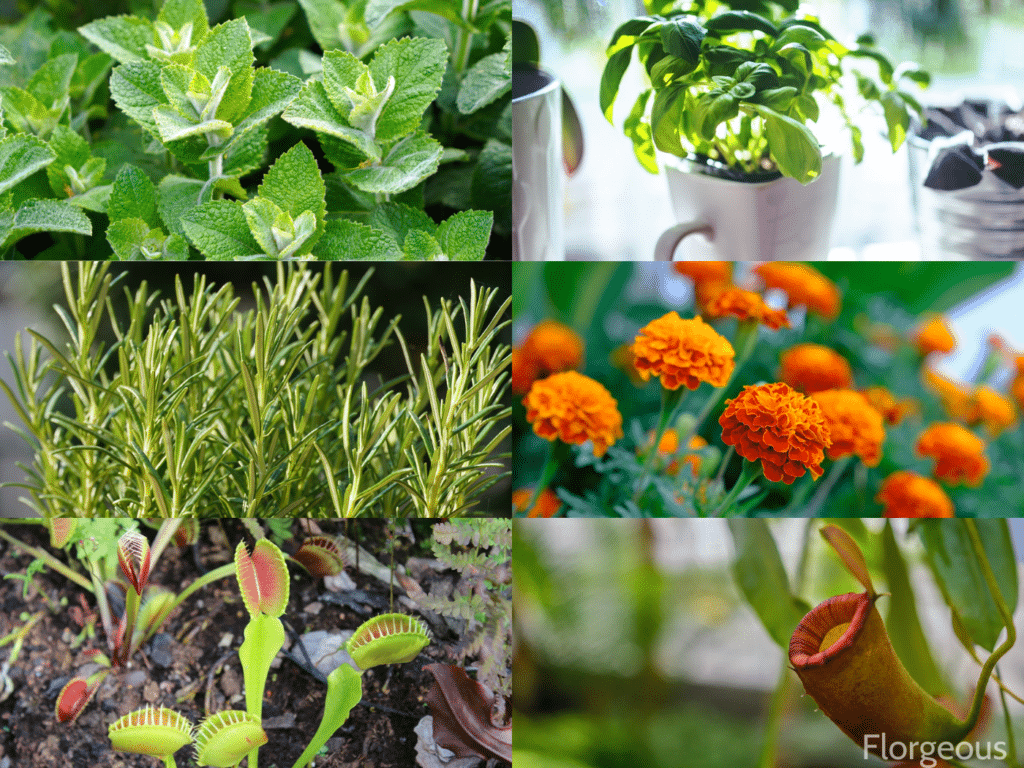
Source: florgeous.com
1. Remove food sources
Store food in sealed containers, clean spills, rinse recyclables, empty indoor trash regularly, and avoid leaving ripe fruit exposed when fruit flies are a problem.
2. Eliminate standing water
Empty water from saucers and containers, repair leaks, and remove standing water from outdoor items where mosquitoes may breed. Do not allow decorative plant containers to become stagnant-water reservoirs.
3. Seal entry points
Repair torn window screens, use suitable door sweeps, close gaps around pipes, and maintain weatherstripping. Check doors and windows that remain open during warm weather.
4. Manage potting soil carefully
Use containers with drainage holes, avoid excessive watering, clear away dead foliage, and inspect new plants for pests before placing them near existing houseplants.
5. Identify the insect before treating
Observe the insect’s appearance and location. Sticky traps may help monitor fungus gnats, while fruit flies often require removing fermenting food and cleaning the affected area.
6. Choose targeted treatment when necessary
Follow the applicable product label and use only treatments suitable for the identified pest and indoor setting. Protect children, pets, food, and aquariums according to label directions.
What to Do About Fungus Gnats Around Houseplants
Fungus gnats are small, dark flies that often hover around houseplants. Their larvae develop in moist growing media containing organic matter. A plant that stays wet for long periods can provide favorable conditions for these insects, so adding more plants may not solve the problem.
Allow the upper layer of potting mix to dry between waterings when the plant can tolerate it. Empty saucers, check drainage, remove decaying leaves, and use yellow sticky cards to monitor adult activity. If the infestation persists, consider a treatment specifically labeled for fungus gnat larvae and suitable for the plant and indoor environment.
Do not allow every plant to dry out indiscriminately. Some species require consistently moist soil, so adjust watering to the plant’s needs while avoiding waterlogged conditions.
Likely clue
Tiny dark flies repeatedly hovering around potting soil or gathering near plant containers.
First action
Check watering frequency, drainage, and decaying organic matter before purchasing an insecticide.
What to Do About Fruit Flies in the Kitchen
Fruit flies usually gather around ripe or fermenting produce, beverage residues, trash, and other moist organic material. An aromatic herb on the counter will not remove these breeding sources.
Discard spoiled produce, refrigerate ripe fruit when appropriate, wash food containers, clean sticky surfaces, and empty trash regularly. If flies continue appearing, inspect recycling bins, compost containers, and areas beneath appliances for overlooked residue.
A trap may help capture adult flies, but removing the source is usually essential for lasting control. If the insects appear to be coming from drains or other concealed areas, identify the actual fly type before choosing a treatment.
Likely clue
Small tan or brown flies gathering near fruit bowls, trash, or fermenting liquids.
First action
Remove breeding material and clean affected surfaces instead of relying on scented plants.
What to Do About Mosquitoes Indoors
Mosquitoes can enter through open doors and unscreened windows, and some species may develop in standing water around a property. A living repellent plant is not a reliable way to prevent bites or control a mosquito population.
Repair window and door screens, close openings when possible, and remove standing water from buckets, saucers, outdoor containers, and other items where mosquitoes may breed. If mosquitoes continue appearing, inspect the surrounding area for water sources and seek local public-health or pest-management guidance when necessary.
For personal protection when mosquitoes are present, use a registered repellent appropriate for the intended user and follow its label. Plant-derived ingredients can be used in tested products, but an unprocessed plant or homemade preparation should not be assumed to offer equivalent protection.
Likely clue
Flying insects with long legs and narrow bodies, sometimes accompanied by itchy bites.
First action
Check screens and standing water, then choose a suitable labeled protection method if needed.
Common Mistakes When Using Plants to Keep Bugs Away
The biggest mistake is treating a plant’s reputation as proof that it will control insects in a real home. A plant may contain a compound that interests researchers without releasing enough of it to affect pests under everyday conditions. Choosing a plant with a strong scent does not establish that it will work better than a plant with a milder aroma.
Another common problem is creating conditions that encourage the very pests homeowners want to avoid. Excessive watering can support fungus gnats, while decaying leaves and dirty saucers can make plant care more difficult. Indoor gardening should improve the home environment rather than introduce unmanaged sources of moisture or organic debris.
Source: homemashal.com
Expecting instant results
A newly purchased plant is unlikely to eliminate an existing infestation. Identify the pest and address its food source, breeding site, and entry route.
Overwatering aromatic herbs
Persistently wet soil can damage roots and support fungus gnats. Use a suitable growing medium, drainage holes, and species-appropriate watering.
Assuming stronger fragrance means stronger protection
Human perception of a smell does not measure its effectiveness against an insect. Repellent performance depends on the compound, concentration, exposure, and pest species.
Using essential oils without checking safety
Concentrated oils can irritate skin, affect pets, or damage surfaces. Do not apply them to people, animals, or household items unless the product is appropriate for that use and its instructions are followed.
Ignoring pet toxicity
Lavender and mint are listed by the ASPCA as toxic to cats and dogs. Check the exact plant species and current veterinary guidance before bringing herbs into a pet-accessible area.
Buying plants without checking growing conditions
A sun-loving plant may decline in a dim room. Match the species to available light and maintenance requirements rather than choosing solely for its claimed repellent properties.
Are These Plants Safe for Pets and Children?
Not every plant described as natural or edible is safe for every household member. The ASPCA lists basil and rosemary as non-toxic to cats and dogs, while lavender and mint are listed as toxic to both. Plant toxicity depends on the species and the amount ingested, and even plants classified as non-toxic can cause stomach upset if eaten.
Lemongrass, catnip, and lemon balm should also be checked individually against a current, reliable plant-safety reference before purchase, particularly when animals are likely to chew the foliage. Keep fertilizers, potting mixes, and plant-treatment products away from children and pets, and prevent access to containers that could be knocked over.
If a pet eats a potentially toxic plant, contact a veterinarian or an appropriate animal poison-control service for advice. Do not induce vomiting or give home remedies unless a qualified professional instructs you to do so.
Before buying
Confirm the plant’s botanical name and check an authoritative toxicity database for the relevant animal species.
For households with children
Keep plants, potting media, fertilizers, and pest-control products out of reach and teach children not to eat unfamiliar leaves.
How to Choose the Right Indoor Plant for Your Home
The right choice depends on your available light, intended use, maintenance preferences, and household safety requirements. If you cook frequently, basil, rosemary, and mint can provide a useful harvest. If you have a sunny window and want fragrance, lavender may be worth considering. Lemon balm is another option for someone who wants lemon-scented leaves and a container-grown herb.
If your only goal is to stop an infestation, spend your effort on identifying the insect and correcting the conditions that support it. A plant may be a worthwhile addition to your home, but it should not be the primary intervention when a pest is breeding indoors or repeatedly entering from outside.
Source: www.pinterest.com
Choose basil if
You want a culinary herb for a sunny kitchen and can provide regular watering and drainage.
Choose rosemary if
You prefer a fragrant cooking herb and have a bright location with well-drained soil.
Choose lavender if
You have strong sunlight, suitable drainage, and no unresolved pet-safety concerns.
Choose mint if
You want a versatile kitchen herb and can give it a separate container with regular maintenance.
Choose lemon balm if
You enjoy citrus-scented foliage and have a bright area for a moderately moist growing medium.
Choose catnip if
You want to grow the herb itself and have considered how cats or other pets might interact with it.
Choose lemongrass if
You have a warm, well-lit growing space and enough room for a tropical grass.
A Simple Setup for Beginners
Start with one or two plants instead of filling every window with pots. Choose a species that suits the light available, use containers with drainage holes, and place saucers underneath to catch excess water. Read the plant’s care requirements before establishing a watering schedule.
Inspect new plants and their growing media for insects before bringing them into shared indoor spaces. Remove damaged leaves, clean fallen plant material, and monitor for small flies or other pests. If the plant develops a persistent infestation, isolate it from other houseplants while you identify and address the problem.
Evaluate success by looking at plant health and the actual number of insects you observe, not by assuming the plant is working because the room smells pleasant. If pest activity does not improve, move on to a targeted control method rather than adding more aromatic plants.
Step 1
Choose a plant based on light, space, household safety, and practical use.
Step 2
Use a suitable potting mix and a container with drainage holes.
Step 3
Water according to the plant’s needs and remove dead leaves or standing water.
Step 4
Monitor insect activity and identify the pest before selecting a treatment.
Frequently Asked Questions
Q
What is the best plant to keep bugs away indoors?
There is no single indoor plant proven to reliably keep all household insects away. Basil, rosemary, mint, lavender, lemon balm, catnip, and lemongrass are popular choices because they contain aromatic compounds, but a living plant should not be relied on for dependable pest control. Choose a plant that suits your growing conditions and combine it with appropriate prevention methods.
Q
Do indoor plants really repel mosquitoes?
A living plant is not a reliable mosquito repellent. Some plant-derived compounds have demonstrated repellent activity in laboratory studies or formulated products, but their effects cannot be assumed to occur when the plant is growing in a pot. Use intact screens, eliminate standing water, and choose a suitable registered repellent when personal protection is needed.
Q
Which indoor plants are best for keeping flies away?
Mint, basil, rosemary, and other aromatic herbs are commonly suggested for this purpose, but they are not proven solutions for indoor fly problems. For fruit flies, remove overripe produce, clean sticky residues, and empty trash. For fungus gnats, check plant soil moisture and drainage. Identifying the type of fly is more useful than relying on plant fragrance.
Q
Can I keep these plants in my bedroom overnight?
Most of these herbs can be grown indoors if the room provides suitable light, temperature, and airflow. However, a plant in the bedroom will not reliably prevent mosquito bites or stop other insects from entering. Keep plants away from walkways and check their safety if children or pets can reach them.
Q
Are mint and lavender safe for cats and dogs?
The ASPCA lists mint and lavender as toxic to cats and dogs. Ingestion can cause adverse effects, so these plants should not be treated as automatically safe because they are natural. Check the exact species and consult a veterinarian if a pet eats plant material or develops symptoms.
Q
Can I use essential oils from these plants instead of an insect repellent?
Do not assume that a homemade essential-oil mixture offers the same protection as a tested, labeled repellent. Concentrated oils can cause skin irritation, allergic reactions, or harm to pets, and their effectiveness varies by formulation and use. For reliable protection against biting insects, choose an appropriate registered product and follow its label instructions.
Q
Why are tiny flies appearing around my indoor plants?
Fungus gnats often develop in moist potting media containing organic matter. Check whether the soil stays wet for too long, confirm that the container drains properly, empty saucers, and remove decaying leaves. Yellow sticky cards can help monitor adult flies. If the problem continues, identify the pest and use a treatment specifically suited to it.
Q
How many insect-repelling plants do I need for one room?
There is no established number of indoor plants that provides reliable insect protection. Adding more plants does not guarantee a stronger repellent effect and may increase maintenance or create extra moist soil where fungus gnats can develop. Start with one or two plants that suit the room, then address the actual source of any pest problem.
✦ Wrapping Up
Conclusion
Plants that keep bugs away indoors are appealing because they combine greenery, fragrance, and practical household uses. Basil, rosemary, lavender, mint, lemon balm, catnip, and lemongrass are all worth considering for indoor growing when their light, watering, space, and safety requirements can be met. Their aromatic compounds are scientifically interesting, but a living plant should not be expected to eliminate an infestation or reliably prevent mosquito bites.
For meaningful pest prevention, focus on the conditions that allow insects to enter, feed, or breed. Keep food sealed, clean spills, repair window screens, remove standing water, manage houseplant moisture, and identify insects before selecting a treatment. Use registered repellents or appropriately labeled pest-control products when the situation requires them, and follow all safety directions.
The most useful choice is a plant you can maintain successfully and enjoy for its genuine benefits. Treat any insect-repelling effect as a possible bonus rather than a guarantee, and let evidence-based prevention do the main work.
💡 Key Takeaway
Start with a sunny-window herb such as basil or rosemary if it suits your home, check pet safety before purchasing any plant, and inspect your home for food sources, standing water, damaged screens, and pest-prone potting soil. If insects persist, identify the species and use a targeted, label-compliant control method.
I enjoy sharing simple gardening ideas, lawn care tips, and honest product reviews that help make outdoor work easier. From home gardening guides to helpful tools and lawn care advice, I write easy-to-follow content to help readers create a healthier and better-looking outdoor space without wasting time or money.