As an Amazon Associate, I earn from qualifying purchases.
Prepare a flower garden for winter by removing diseased plants, watering dry roots, protecting tender flowers, adding mulch after the ground cools, and caring for bulbs and perennials based on their needs. Keep healthy stems and seed heads when they provide food or shelter for wildlife.
Across the United States, fall brings a different kind of work to the flower garden. A gardener in Minnesota may face frozen soil in a few weeks, while a gardener in Georgia may enjoy flowers well into December. The right winter preparation depends on your local climate, the plants in your beds, and how soon hard frost usually arrives.
The goal is not to make every flower bed spotless. Healthy roots, sound soil, and the right amount of protection matter more than removing every fallen leaf or cutting every stem. Some plants need a trim, others need a blanket of mulch, and a few do best when left standing through winter.
Start preparing your flower garden in early to mid-fall, before the soil freezes and while you can still work comfortably. Check the local frost forecast, inspect each plant, and tackle the most urgent jobs first. This approach protects valuable plants without creating extra work or harming useful garden wildlife.
1. Know When to Prepare Your Flower Garden for Winter
Begin winter preparation when summer growth slows and nighttime temperatures start to fall. In many northern states, this means September or October. In the Mid-Atlantic and central states, October or November may be more suitable, while much of the Southeast can continue garden work later into fall.
These are broad examples, not fixed deadlines. Elevation, local weather, and the plants you grow can change the schedule. Use your area’s average first-frost date as a planning guide, then adjust your work when the forecast calls for an early cold snap.
Some tasks should happen well before frost. Spring-flowering bulbs need time to develop roots, and newly planted perennials benefit from moist soil before winter. Other jobs, such as applying winter mulch in cold regions, are best done after the ground has cooled but before repeated deep freezes.
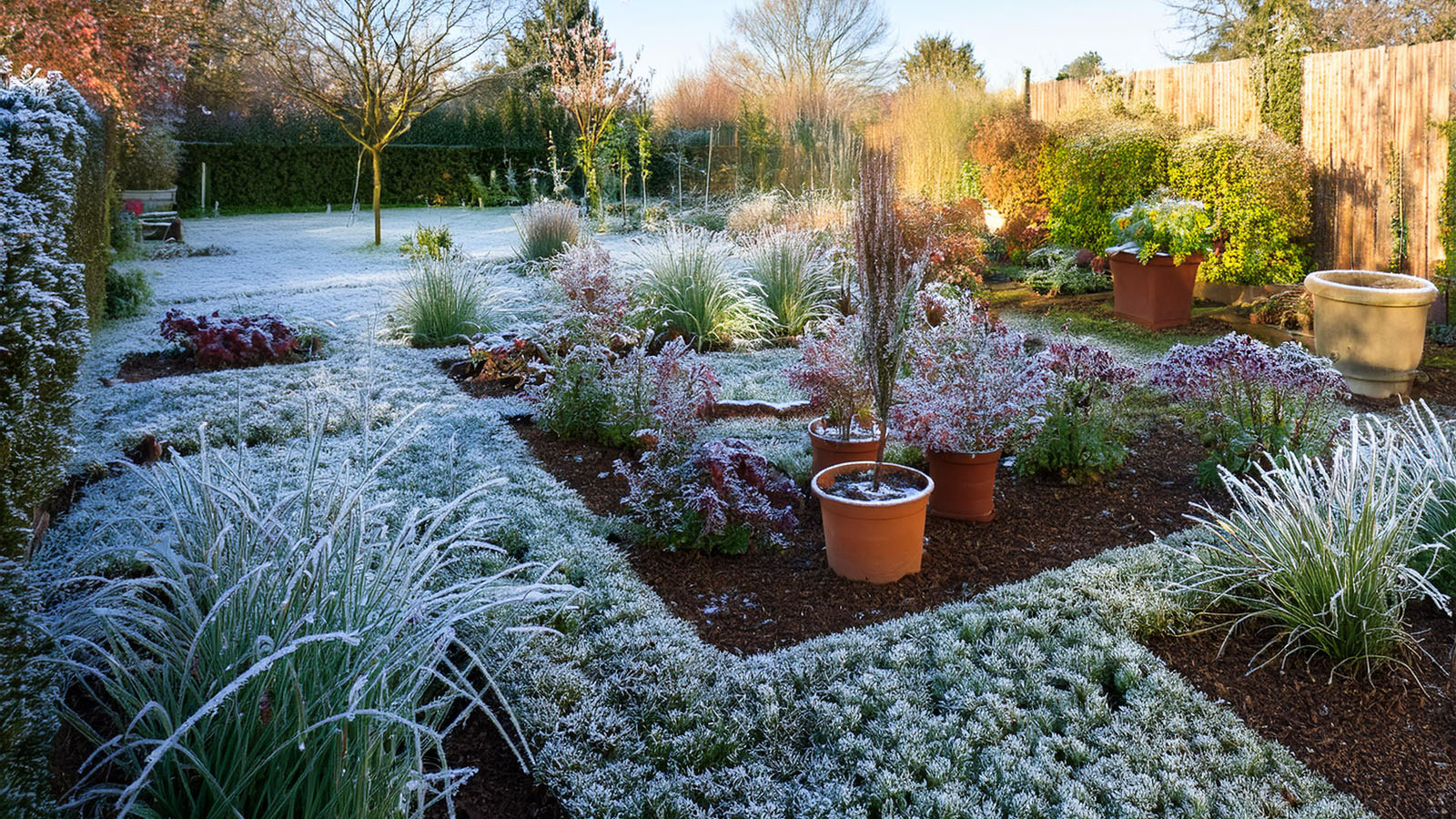
Source: odealarose.com
Early fall
Plant suitable perennials and spring-flowering bulbs, inspect plants for disease, remove invasive weeds, and check the moisture level around roots.
Before the first hard frost
Bring tender container plants indoors, lift nonhardy bulbs when needed, and cover vulnerable plants if a sudden freeze is forecast.
After several cold nights
Cut back plants that benefit from fall pruning, clear diseased debris, and prepare mulch for beds that need winter protection.
Before the soil freezes
Water dry root zones, finish planting suitable hardy bulbs, and apply protective mulch when conditions are right.
Use Your USDA Hardiness Zone as a Starting Point
The USDA Plant Hardiness Zone Map groups locations by average annual extreme minimum winter temperatures. It helps you judge whether a perennial or shrub is likely to survive winter in your area. It does not predict every cold snap, the date of the first frost, or the effects of wet soil and winter wind.
Check the plant label for its hardiness range, then consider your garden’s microclimate. A sheltered bed beside a house may stay warmer than an exposed bed on a windy slope. A low spot can collect cold air and water, increasing winter stress.
Cold northern regions
Focus on frost timing, soil moisture, winter mulch, and protection from repeated freezing and thawing.
Mild southern regions
Protect tender plants from occasional freezes, manage winter rain, and avoid keeping soil constantly wet.
Dry western regions
Check winter irrigation needs, protect exposed roots, and use mulch suited to the site’s drainage and local fire guidance.
2. Clean Flower Beds Without Removing Everything
A careful fall cleanup removes plant material that may spread disease while preserving healthy growth that helps the garden through winter. Start by looking for spotted leaves, rotting stems, pest damage, and weeds that have set seed. Do not assume every brown or dry plant part is a problem.
Diseased foliage can carry pathogens into the next growing season. Remove affected material and dispose of it according to local waste guidance. Home compost piles may not get hot enough to destroy every plant pathogen or weed seed, so avoid placing heavily diseased material in ordinary backyard compost.
Healthy leaves and stems can support beneficial insects, shelter small wildlife, and add structure to the winter garden. Ornamental grasses, coneflowers, black-eyed Susans, and other seed-bearing plants may provide food or shelter when left standing. You can clean around paths and remove damaged material without stripping the entire bed bare.
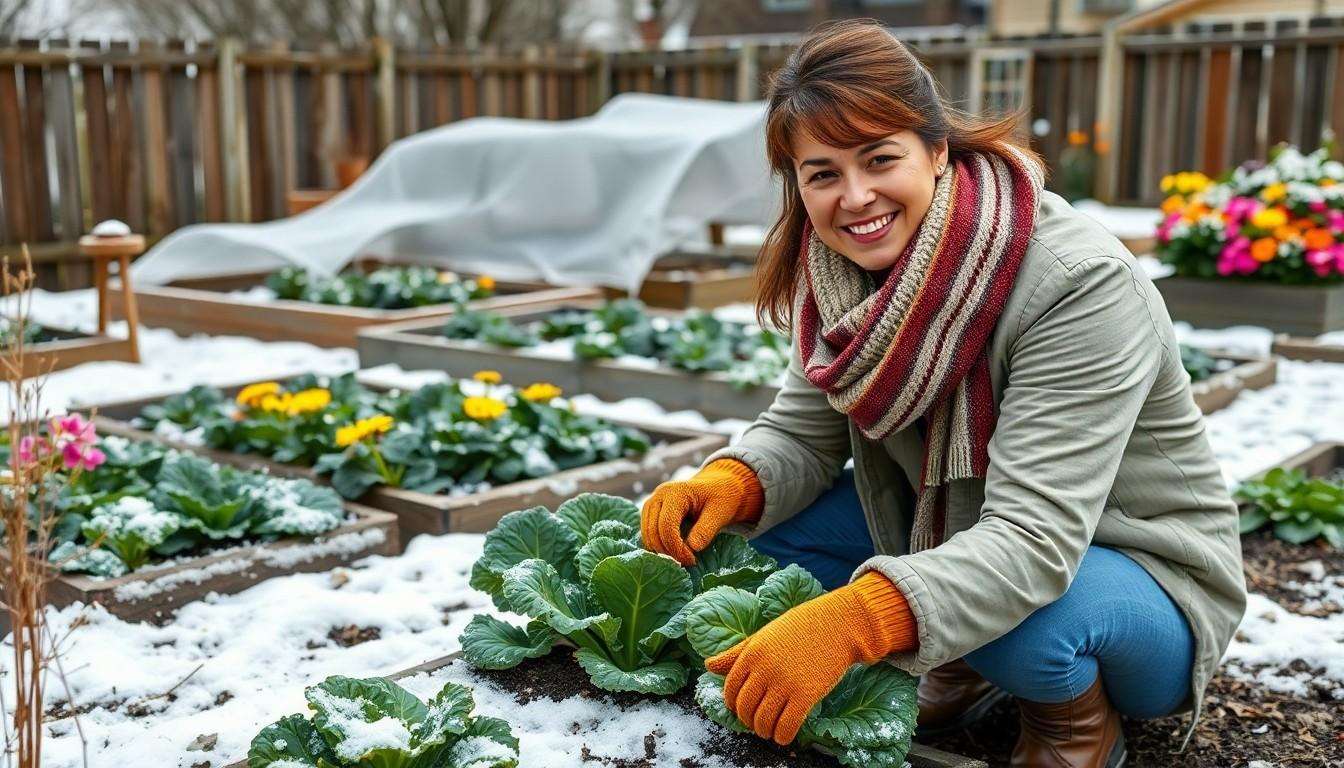
Source: gardentipsforall.com
Remove diseased debris
Collect foliage and stems with clear signs of serious disease. Clean pruning tools after working on infected plants, especially when moving between specimens.
Pull persistent weeds
Remove weeds before they spread seeds or take over gaps in the bed. Pull perennial weeds with as much of the root system as practical.
Keep useful seed heads
Leave healthy seed heads when they add winter interest or feed birds. Remove them if a plant self-seeds aggressively or if local pest and disease concerns justify cleanup.
Clear drainage paths
Move thick piles of wet leaves away from plant crowns, low-growing rosettes, and areas where water collects.
Should You Remove All Fallen Leaves?
No. A thin layer of healthy leaves can break down and improve the soil over time. Shredded leaves are often easier to spread because they settle into a lighter, more even layer than whole leaves.
Thick, matted layers can trap excess moisture and block air around low-growing plants. They may also smother small perennials. Shred or move excess leaves, then use the clean material as a light mulch where it will not cover plant crowns.
Keep
Clean, healthy leaves that form a loose layer around dormant plants without covering their crowns.
Move or remove
Matted, diseased, or excessively wet leaves that smother plants or block drainage.
3. Prune Perennials at the Right Time
Do not cut every perennial down to the ground just because fall has arrived. Some plants benefit from fall cleanup, while others are better left standing until late winter or early spring. The correct choice depends on plant health, growth habit, winter hardiness, and wildlife value.
Plants with diseased foliage often need cleanup before winter. Healthy plants with hollow stems, sturdy seed heads, or attractive dried flowers may provide useful habitat. Leaving some stems also makes it easier to see where dormant plants are located before spring growth begins.
Avoid heavy pruning of woody shrubs late in the growing season unless there is a clear reason to do so. Many spring-flowering shrubs form next year’s flower buds on older wood, so fall pruning can remove those buds. Damaged, broken, or diseased branches may still need attention.
Source: blog.organicbazar.net
Cut back when appropriate
Remove diseased foliage, collapsed stems, and plants that are prone to problems when left standing, following plant-specific guidance.
Leave healthy stems
Keep selected perennial stems and seed heads for winter structure, bird food, and shelter for beneficial insects.
Delay major shrub pruning
Wait until the suitable pruning season for the species, especially for shrubs that bloom in spring on old wood.
Use clean, sharp tools
Make controlled cuts and clean tools when moving between plants with suspected disease.
Which Perennials Should You Cut Back?
Peonies are often cut back after their foliage has died, especially where leaf disease is a concern. Many bearded irises benefit from removing dead or diseased leaves, while healthy foliage on other iris types may be handled differently. Always confirm the needs of the exact plant rather than applying one rule to an entire garden.
Coneflowers, ornamental grasses, and many other sturdy perennials can remain standing if they are healthy and suited to your climate. Their seed heads and stems add texture when much of the garden has gone dormant.
Usually remove
Dead or diseased foliage, broken stems, and plant debris known to harbor recurring problems.
Often leave
Healthy ornamental grasses, coneflower seed heads, and other sturdy growth that provides winter habitat.
Check first
Tender perennials, evergreen perennials, and plants with special pruning requirements.
4. Protect Flower Roots With the Right Mulch
Mulch helps protect soil from rapid temperature changes, reduces moisture loss, and limits weed growth. In cold regions, it can reduce damage caused by repeated freezing and thawing. The goal is to keep soil conditions more stable, not to make the bed as warm as possible.
Apply winter mulch after the soil has cooled and plants have begun to go dormant. In many cold parts of the United States, this happens after several hard frosts. Mulching too early in warm soil can delay dormancy or create a damp environment around crowns.
Use clean straw, shredded leaves, pine needles, or another material suited to your garden. The amount needed depends on the material, the climate, the plant, and the bed’s drainage. A loose layer around 2 to 4 inches deep is a common starting point for many perennial beds, but adjust it to local recommendations and plant needs.
Source: www.youtube.com > Huw Richards
Choose a suitable material
Use shredded leaves, clean straw, pine needles, or another breathable mulch that suits the plants and local conditions.
Keep mulch away from crowns
Do not pile mulch over the central growing point of perennials or against the stems of shrubs.
Avoid heavy, wet layers
Do not use thick mats of whole leaves that hold water against plants or prevent air movement.
Watch drainage
Keep mulch out of spots where water already collects and correct drainage problems before adding more material.
How Much Mulch Does a Flower Bed Need?
For a simple estimate, multiply the bed’s area by the planned mulch depth. For example, a 100-square-foot bed covered with 3 inches of mulch needs about 25 cubic feet of material before allowing for settling. That is roughly one cubic yard, which contains 27 cubic feet.
This calculation is a planning estimate, not a universal prescription. Some plants need little mulch, and wet or mild-winter gardens may need less protection than exposed beds in cold regions. Spread the mulch evenly and leave room around plant crowns.
Measure the bed
Multiply length by width for a rectangular bed, or divide an irregular bed into smaller shapes and add their areas.
Inspect the bed after rain or wind and replace material only where the layer has become too thin.
5. Water Plants Before the Ground Freezes
Give plants a deep watering in fall if the soil is dry and the weather allows water to soak in. Roots continue to function while soil temperatures remain suitable, even after leaves begin to fall. Plants that enter winter with very dry root zones may suffer more stress, especially if winter winds continue to draw moisture from their foliage.
Newly planted perennials and shrubs often need closer attention than established plants because their roots have had less time to spread. Evergreen shrubs and other plants that retain foliage can be vulnerable to winter drying. Water the root zone slowly rather than wetting leaves repeatedly late in the day.
Do not water automatically after every cold night. Check the soil first, and avoid adding water when the bed is saturated, frozen, or poorly drained. In mild regions, plants may need occasional winter irrigation during long dry spells, while wet climates may require little or none.
Source: www.pinterest.com
Check soil moisture
Feel the soil a few inches below the surface near the root zone. Water when it is dry enough to need moisture, rather than relying on the calendar.
Water slowly
Apply water near the roots so it can soak in instead of running off the bed.
Prioritize new plants
Pay close attention to recent plantings, evergreen shrubs, and plants growing in exposed or sandy sites.
Stop when soil is saturated
Do not add more water to heavy, waterlogged soil or areas where roots may already lack oxygen.
Should You Fertilize Flowers in Fall?
Avoid applying high-nitrogen fertilizer to most established perennials late in the growing season. Nitrogen can encourage soft new growth that may not harden before freezing weather. Healthy soil and proper watering are usually more useful than trying to force late growth.
If a soil test identifies a nutrient problem, follow recommendations suited to the plant and local conditions. Soil amendments are best selected for a clear need, not added simply because winter is approaching.
Skip routine late nitrogen
Do not encourage tender new shoots shortly before the plant should become dormant.
Use soil tests
Base major nutrient additions on soil conditions and suitable guidance from a local Cooperative Extension office.
6. Protect Tender Flowers, Containers, and Bulbs
Some flowers can survive winter in the ground, while others need shelter or storage. Tropical plants, tender perennials, and many summer-flowering bulbs may not tolerate the coldest temperatures in your area. Check the plant’s hardiness and natural growth cycle before deciding whether to leave it outdoors.
Containers are especially vulnerable because roots have less surrounding soil to buffer temperature changes. A plant that survives winter in the ground may suffer in a small pot. Move suitable containers to a sheltered place, group them together, or use another method recommended for your climate and plant type.
Tender bulbs and tubers may need to be lifted after their foliage has naturally died back or after frost has damaged the tops, depending on the species. Let the material dry as appropriate, remove loose soil, and store it under the conditions required by that plant. Some bulbs need cool, dry storage, while others require different temperatures or moisture levels.
Source: enjoytravellife.com
Move tender containers
Bring plants indoors or place them in a suitable protected location before damaging frost. Check indoor light, temperature, and watering needs.
Protect exposed pots
Use a sheltered location or appropriate insulation to reduce rapid temperature swings around container roots.
Lift tender bulbs when needed
Follow species-specific instructions for lifting, curing, and storage rather than treating all bulbs the same way.
Label stored plants
Mark the plant name and storage date so you can identify the material and check it during winter.
Which Flower Bulbs Should You Plant or Store?
Spring-flowering bulbs such as many tulips, daffodils, and crocuses are commonly planted in fall where the climate provides the right winter conditions. Plant them at the depth and spacing recommended for the species, and make sure the soil drains well.
Tender summer-flowering plants such as many dahlias, cannas, and some begonias may need lifting and storage in colder climates. Their exact needs vary, so check local extension guidance and the plant’s requirements before handling them.
Do not assume every bulb needs to come out of the ground. Hardy bulbs often perform better when left in a suitable site, while unnecessary digging can damage roots and reduce flowering.
Hardy spring bulbs
Plant during the suitable fall window while the soil is workable, following the package directions and local planting guidance.
Tender summer bulbs and tubers
Lift and store those that cannot tolerate local winter conditions, using the correct method for each plant.
Bulbs in wet soil
Improve drainage or move future plantings to a better site if bulbs repeatedly rot during winter.
7. Shield Vulnerable Plants From Frost and Winter Wind
Use frost covers when a cold snap threatens plants that need extra protection. Lightweight garden fabric can help retain heat from the soil, but it works best when installed before temperatures fall and secured so wind cannot pull it away. Follow the cover manufacturer’s instructions and keep the material from crushing delicate stems.
Covers do not make tender plants hardy in every climate. Their protection depends on the material, the temperature, wind, soil warmth, and how the cover is installed. Remove or open covers when temperatures rise enough to prevent overheating, and make sure plants receive suitable light and air.
Wind can dry evergreen leaves and expose roots when soil is frozen. A sheltered planting site, appropriate mulch, and temporary wind protection may help. Avoid wrapping plants tightly in plastic, which can trap moisture and cause damage when temperatures fluctuate.
Source: timscomplete.com
Cover before a freeze
Place suitable frost fabric over vulnerable plants before temperatures drop, and secure the edges to limit heat loss.
Protect from harsh wind
Use a breathable screen or sheltered location for plants exposed to persistent winter winds.
Inspect after storms
Check for broken branches, shifted covers, exposed roots, and standing water after severe weather.
Remove covers when appropriate
Allow ventilation and suitable light during warmer periods, following the needs of the plant and the cover instructions.
How to Protect Roses in Winter
Rose care depends on the rose type and local winter conditions. In cold regions, some gardeners mound loose soil or use a suitable protective mulch around the base after plants have become dormant. Other rose types may need little more than cleanup and protection from drying wind.
Avoid piling wet leaves tightly around rose canes or applying protection while the soil is still warm. Do not heavily prune healthy roses in fall unless a specific problem or local recommendation calls for it. Tall canes that are vulnerable to wind damage may need selective trimming or support, depending on the rose type.
Identify the rose type
Determine whether the rose is hardy in your area and whether it has special winter protection needs.
Wait for dormancy
Apply cold-weather protection at the appropriate stage for your climate instead of covering plants too early.
Keep protection breathable
Use suitable loose materials and avoid creating a damp, sealed pocket around stems.
8. Prepare Soil and Improve Flower Bed Drainage
Healthy soil gives roots a better chance of surviving winter. Before the ground freezes, look for places where water pools, soil washes away, or plant crowns remain wet for long periods. These conditions can harm roots even when temperatures are not extremely low.
If the soil is workable and not saturated, remove persistent weeds and consider adding a thin layer of finished compost to improve soil structure over time. Compost does not replace drainage improvements, and it should not be piled over plant crowns. Avoid digging deeply around established perennials, since their roots may spread farther than expected.
Heavy clay soil needs special care. Working it when wet can compact it further and damage its structure. If drainage is poor, consider long-term improvements such as raised planting areas, suitable organic matter incorporated when conditions are right, or plants that tolerate the site’s moisture.
Source: rotected.com
Check low spots
Identify places where water remains after rain and determine whether the cause is compacted soil, grading, or a high water table.
Avoid wet-soil digging
Wait until soil crumbles rather than smears when handled, especially in heavy clay beds.
Add finished compost selectively
Use mature compost where it suits the plants and soil, without covering crowns or burying existing growth.
Protect soil structure
Stay off beds when soil is wet or frozen, since foot traffic can compress the soil and harm its pore spaces.
Should You Dig Up Flower Beds in Fall?
Most established flower beds do not need to be turned over each fall. Deep digging can break roots, disturb soil life, and expose soil to erosion. Light surface work is often enough to remove weeds or spread a suitable soil amendment.
If you are creating a new bed, use the fall season to test the soil, remove persistent weeds, and plan any needed drainage changes. Major soil work should wait until the ground is dry enough to handle without compaction.
For established beds
Limit disturbance and protect roots, especially around plants that are going dormant.
For new beds
Use a soil test and inspect drainage before deciding how to amend the site.
9. Adjust Your Winter Garden Plan to Your Region
Winter preparation should match the weather your garden is likely to face. A method that protects a perennial in a snowy northern state may create too much moisture in a mild, rainy region. Consider cold, wind, rainfall, drainage, and the plant’s natural hardiness together.
In areas with frequent freeze-thaw cycles, mulch can help keep soil temperatures steadier. In regions with mild winters and heavy rain, good drainage may matter more than a thick mulch layer. In dry climates, occasional watering may be needed during extended dry spells when the soil is not frozen.
Coastal gardens, mountain sites, and urban yards can have local conditions that differ from the wider region. Use local Cooperative Extension guidance when a plant has uncertain hardiness or when recurring winter damage suggests a site problem.
Source: gardenward.com
Northern and upper Midwestern states
Prepare for earlier freezes, protect vulnerable roots, and wait until the soil cools before applying winter mulch.
Mid-Atlantic and central states
Watch for variable fall temperatures, protect newly planted specimens, and avoid excessive moisture around crowns.
Southeastern states
Plan around occasional freezes, keep drainage open, and avoid treating every flower as if it needs a thick winter blanket.
Western states
Adjust care for local elevation, dry winters, snow cover, wind exposure, and regional water limits.
What If Your Area Has Mild Winters?
In much of the southern United States, the main task may be protecting tender plants during occasional cold snaps rather than preparing for months of frozen ground. Some perennials continue to grow through winter, so avoid cutting them back solely because the calendar says fall.
Keep removing weeds, inspect plants for disease, and water when needed. Use covers during forecast freezes for vulnerable plants, then uncover them when conditions allow. If a plant is suited to your local climate, extra insulation may be unnecessary.
Protect against sudden cold
Keep suitable frost fabric ready for brief freezes that threaten tender plants.
Avoid excess mulch
Use enough to protect soil without keeping crowns damp in a mild, rainy winter.
10. Common Winter Preparation Mistakes to Avoid
Most winter garden problems come from doing too much, doing it too early, or ignoring a plant’s individual needs. A few careful checks can prevent damage that would otherwise show up in spring as weak growth, rotted crowns, or fewer flowers.
Avoid treating every bed the same way. A sunny, dry perennial border has different needs from a shaded bed with heavy clay soil. A hardy coneflower and a tender tropical plant also need different plans, even if they grow just a few feet apart.
Source: timscomplete.com
Cutting back every plant
This removes useful habitat and can eliminate winter interest. Keep healthy stems when the plant benefits from remaining upright.
Mulching too early
A thick layer over warm soil may delay dormancy or trap moisture. Wait until the appropriate stage for your region.
Piling mulch against stems
Wet material around crowns and trunks can contribute to rot and other damage. Leave an open space around the plant base.
Overwatering in fall
Adding water to saturated soil can deprive roots of oxygen. Check moisture and drainage before watering.
Applying late high-nitrogen fertilizer
This may encourage soft growth that is vulnerable to cold. Use fertilizer only when the plant and soil need it.
Ignoring container roots
Pots can freeze more quickly than garden soil. Move or protect vulnerable containers before severe cold arrives.
Composting all diseased debris
A home compost pile may not destroy pathogens or persistent weed seeds. Dispose of infected material according to local guidance.
How to Tell Whether Your Garden Is Ready
A winter-ready flower garden does not need to look bare or perfectly tidy. Healthy plants should have suitable protection, the soil should drain, and vulnerable containers or tender bulbs should be in a safe place. Diseased debris should be removed, while useful healthy growth can remain.
Walk through the garden after your main cleanup. Look for exposed roots, thick piles of wet leaves, dry soil around new plants, loose frost covers, and water that collects around crowns. Fix the issues that pose the greatest risk before the ground freezes or the next storm arrives.
Roots are protected
Suitable mulch or other protection is in place where needed, without covering the crowns.
Beds are clean but not stripped
Diseased material and persistent weeds are removed, while selected healthy stems remain.
Watering is complete where needed
Dry root zones have been watered, and saturated beds have not received extra water.
Tender plants are secure
Containers, bulbs, and sensitive plants have a suitable plan for the expected winter temperatures.
Frequently Asked Questions
Q
When should I start preparing my flower garden for winter?
Start in early or mid-fall, using local frost forecasts and plant needs to set the timing. Remove diseased debris and weeds early, plant suitable spring bulbs while the soil is workable, and protect tender plants before a damaging freeze. In cold regions, apply winter mulch after the soil cools.
Q
Should I cut back all perennials before winter?
No. Remove dead or diseased growth and cut back plants that benefit from fall cleanup, but leave healthy stems and seed heads when they provide wildlife habitat or winter interest. Some plants are best pruned in spring, so check the needs of each species before cutting.
Q
What is the best mulch for flower beds in winter?
Shredded leaves, clean straw, and pine needles can work well, depending on the garden. Choose a breathable material that suits your soil and climate, and avoid thick, wet layers. Apply mulch after the soil cools and keep it away from crowns and stems.
Q
Do I need to water my flower garden in winter?
Water when the root zone is dry, the soil is not frozen, and conditions allow the water to soak in. Newly planted perennials and evergreen shrubs may need more attention than established dormant plants. In rainy or waterlogged beds, extra water can do more harm than good.
Q
Can I leave flower bulbs in the ground over winter?
Many hardy spring-flowering bulbs can remain in the ground in suitable climates, provided the soil drains well. Tender bulbs and tubers may need lifting and storage in colder regions. Check the hardiness and storage needs of each plant before deciding.
Q
Should I cover my flower garden before the first frost?
Cover only plants that need protection from the expected cold. Suitable garden fabric can help protect vulnerable flowers during a short freeze, but it does not make every tender plant winter-hardy. Secure covers before temperatures fall and remove or open them when conditions allow.
Q
Can I add compost to flower beds in fall?
Yes, a thin layer of finished compost can be useful when soil conditions and plant needs support it. Keep compost away from plant crowns and avoid digging wet soil. For specific nutrient problems, use a soil test to guide amendments rather than applying fertilizer or compost without a clear purpose.
✦ Wrapping Up
Conclusion
Preparing a flower garden for winter is about protecting roots, managing moisture, and giving each plant the care it needs to rest safely. Remove diseased debris, keep drainage clear, water dry roots before the ground freezes, and use mulch where it helps. Leave healthy stems when they offer shelter, seed, or winter beauty.
Your local climate should guide the timing. Gardeners in colder states may need to protect roots from repeated freezing and thawing, while those in milder regions may focus on drainage and occasional frost protection. Tender bulbs, container plants, and sensitive flowers deserve a plan before severe weather arrives.
A little work in fall can make spring garden care easier. Instead of stripping every bed bare, make thoughtful choices that protect plants and preserve useful habitat. Check the garden after storms and cold snaps, then adjust your approach as you learn how your site responds to winter.
💡 Key Takeaway
This week, check your local frost forecast, remove diseased plant material, inspect soil moisture and drainage, and identify any tender flowers or containers that need protection. Once the soil cools, add a suitable mulch layer where needed and leave healthy stems that can support wildlife through winter.
I enjoy sharing simple gardening ideas, lawn care tips, and honest product reviews that help make outdoor work easier. From home gardening guides to helpful tools and lawn care advice, I write easy-to-follow content to help readers create a healthier and better-looking outdoor space without wasting time or money.