As an Amazon Associate, I earn from qualifying purchases.
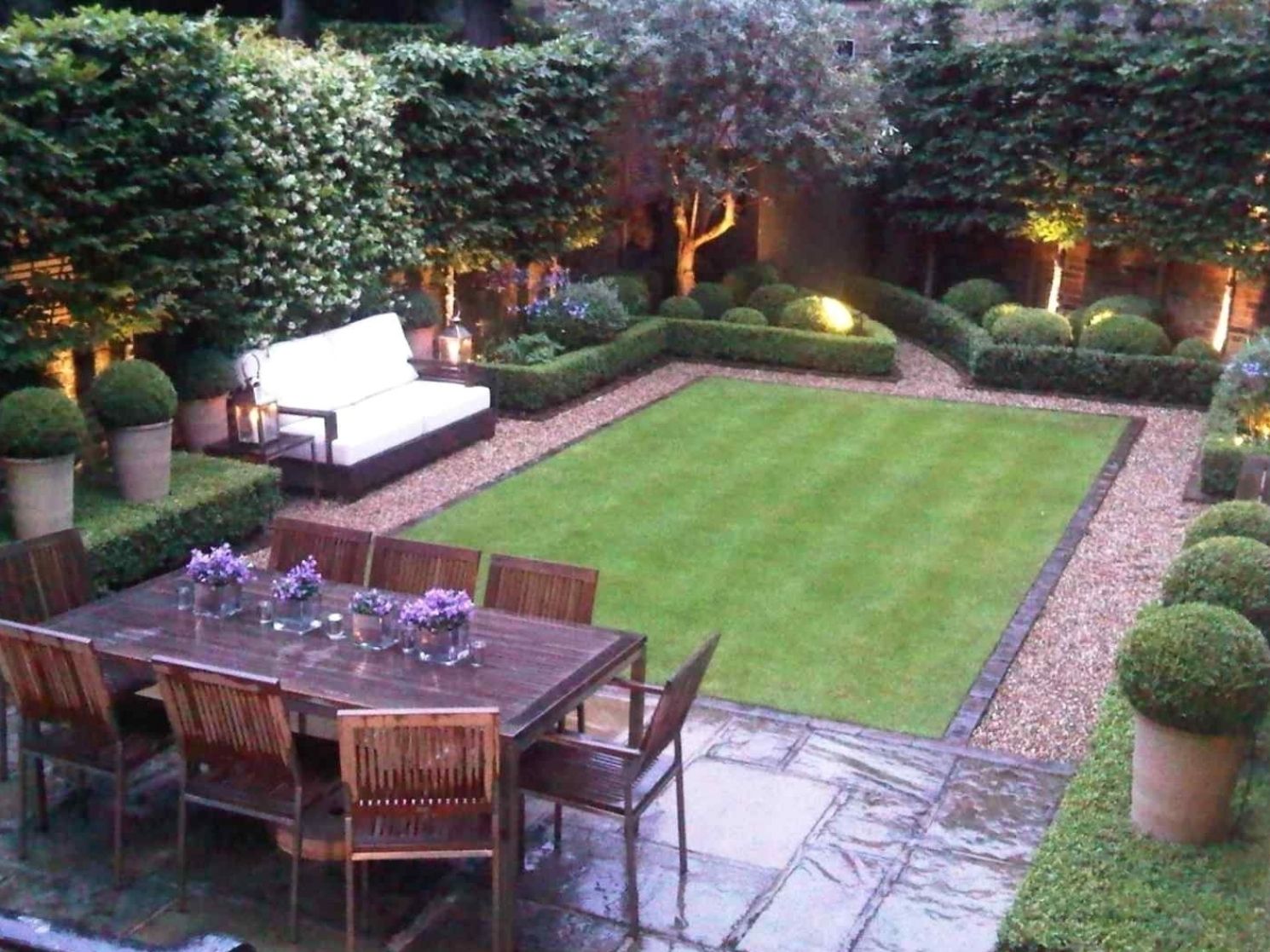
The best rectangle backyard landscaping ideas divide the yard into useful outdoor spaces, such as a patio, open lawn, garden beds, and a private seating area. Use paths, layered plants, and a focal point to soften straight lines and make the entire yard feel welcoming.
Across the United States, rectangular backyards are common in suburban homes, townhouses, and newer residential developments. Some have a long stretch of grass behind the house, while others have fences, patios, and narrow planting strips that make the space feel smaller than it really is. The good news is that a rectangular yard is easy to plan once you know how to use its shape.
The secret is to think of your backyard as a set of outdoor rooms rather than one large empty rectangle. A patio near the back door, a green space in the middle, and a flower garden along the fence can create a natural flow. You can also add a curved path, a small pergola, or a tree to break up long sightlines.
Your local climate matters, too. A homeowner in Florida may need heat-tolerant plants and good drainage, while someone in the Midwest may want cold-hardy shrubs and space for snow storage. In the western United States, drought-tolerant plants and efficient watering may be more useful. Always choose plants that suit your USDA hardiness zone, soil, sunlight, and local growing conditions.
You do not need a large budget or a professional crew to create a beautiful layout. Start with the features you use most, keep enough open space for daily activities, and build the design in stages. These ideas will help you turn an ordinary rectangular backyard into a practical and attractive outdoor retreat.
One of the easiest ways to landscape a rectangular backyard is to split it into three useful sections. This works especially well in long yards where the same view stretches from the back door to the rear fence. Each section should have a clear purpose, but all three should feel connected.
Think of the first section as an outdoor living room, the middle as an open activity space, and the far end as a quiet garden or utility area. Use paving, lawn, planting beds, or a change in ground material to mark each zone. You do not need tall walls or bulky dividers to make the spaces feel separate.
Source: homeisd.com
First zone
Place a patio, dining table, grill, or lounge chairs near the back door. This makes everyday use more convenient.
Middle zone
Keep this area open for grass, children’s play, pets, or flexible outdoor activities.
Final zone
Create a flower garden, small seating nook, vegetable beds, or screened storage area near the rear fence.
Make Each Area Feel Connected
Repeat a few materials throughout the yard to create unity. For example, use the same pavers near the patio and along the garden path. Repeat the same type of border plant in two or three areas rather than choosing a different plant for every corner.
A clear walking route also helps. Make sure people can move from the patio to the garden without stepping through planting beds or crossing muddy ground.
Keep a visual link
Repeat colors, plant forms, or paving materials in different zones.
Avoid overcrowding
Give each outdoor room enough space for its main activity.
2. Create a Beautiful Rectangular Patio Near the House
A patio is a natural starting point for a rectangular backyard because it connects indoor living with outdoor activities. Place it near the main back door so carrying food, drinks, and outdoor supplies does not become a daily chore. A simple rectangular patio also works well with the shape of most homes.
Choose a size based on the furniture and activities you want to support. A small bistro setup needs less space than a dining table with several chairs and a grill. Leave enough room to pull chairs out and walk around the furniture without blocking the door.
Concrete pavers, brick, natural stone, and poured concrete are common patio choices. Each has a different look, price, and maintenance need. Select a surface that fits your home, local weather, and available budget.
Source: storage.googleapis.com
Modern paver patio
Use large square or rectangular pavers for a neat, simple outdoor floor.
Brick patio
Choose brick for a traditional look that works well with cottage, farmhouse, and classic homes.
Concrete patio
Consider concrete when you want a clean surface with fewer joints and a simple layout.
Stone patio
Use natural stone to add texture and a more relaxed garden feel.
Add Shade Without Closing Off the Yard
A pergola can make a patio feel like a defined outdoor room while keeping the space open. Add climbing plants only if the structure and selected plants can support their mature growth. You can also use a shade sail or a properly designed umbrella for a simpler setup.
Check local building rules before installing a permanent structure. Secure all supports for local wind conditions and keep the structure away from overhead utility lines.
Add outdoor curtains
Use weather-rated curtains on a suitable structure for partial privacy and shade.
Use large planters
Place containers at patio corners to soften hard edges without building a wall.
3. Use Curved Garden Beds to Soften Straight Lines
A rectangular backyard does not need every feature to follow a straight line. Curved planting beds can soften the long edges of the yard and make the garden feel more natural. This approach is useful when the fence and house already create strong geometric lines.
Try a wide curved bed along one side of the lawn or create a rounded planting area in a far corner. Plant in groups rather than scattering single plants across the border. A repeated mix of shrubs, flowering plants, and ground covers creates a more organized look.
Make the bed deep enough for the plants you choose. A very narrow strip may not provide enough room for mature shrubs or layered planting. Check the expected width of each plant before deciding where to place it.
Source: www.pinterest.com
Curved corner bed
Round off one or both rear corners with shrubs, flowers, and ornamental grasses.
Sweeping side border
Create a broad planting bed that follows one fence and leaves a clean lawn shape.
Island planting bed
Use a small rounded bed as a focal point when the yard is wide enough to allow comfortable movement around it.
Layer Plants for Depth
Place taller shrubs toward the fence or rear of the bed, medium plants in front of them, and low flowers or ground covers near the lawn edge. This arrangement gives the border depth and helps each plant remain visible.
Do not rely on plant labels alone when spacing the bed. Check mature height and spread, and leave room for airflow, pruning, and future growth.
Use suitable shrubs or small trees to add structure and screen selected views.
Middle plants
Add flowering perennials, compact shrubs, or ornamental grasses.
Front plants
Use low-growing flowers or ground covers to create a soft edge.
4. Add a Straight or Diagonal Garden Path
A garden path makes a rectangular backyard easier to explore and gives the landscape a clear structure. A straight path creates a formal look and provides a direct route between important areas. A diagonal path can make a narrow yard feel less like a corridor by changing the direction of the main view.
You can build a path from concrete pavers, natural stone, brick, or firmly compacted gravel. Select a material that suits the amount of foot traffic and the type of maintenance you can handle. A route used for wheelbarrows or lawn equipment needs a firmer and more stable surface than a simple decorative stepping-stone trail.
Place the path where people naturally want to walk. A route that looks attractive on paper may be ignored if it forces people to take a longer or less convenient route.
Source: storage.googleapis.com
Central paver path
Use a simple walkway to connect the patio with a rear garden or seating area.
Diagonal stepping stones
Place stepping stones at an angle to break up long parallel fence lines.
Curved gravel path
Use a gentle curve to lead visitors around a planting bed or toward a garden feature.
Choose a Comfortable Path Width
A path used by one person can be narrower than a main route used by two people or a wheelbarrow. As a practical starting point, a main walking route around 3 to 4 feet wide provides more comfortable movement, although the right size depends on the yard and intended use.
Keep path edges stable and avoid loose materials where people may trip or where wheeled equipment needs to pass. Make sure water does not collect on the path after rain.
Main route
Allow enough width for comfortable walking and access to the main outdoor areas.
Garden access
Use smaller stepping paths where traffic is light and the surface is stable.
5. Design a Small Rectangular Backyard With a Clear Open Center
A small rectangular backyard looks more useful when you avoid filling every inch with furniture and plants. Keep one main area open and move most planting toward the boundaries. This gives the yard breathing room and makes it easier to walk, play, and maintain.
A single clean lawn panel can work well for families with children or pets. If you do not need grass, replace part of the open area with a compact gravel garden, a simple paved surface, or low-maintenance ground covers that suit your climate.
Choose furniture that fits the actual dimensions of the space. Folding chairs, compact benches, and movable planters provide flexibility without making the yard feel crowded.
Source: www.pinterest.com
Perimeter planting
Keep shrubs and flowers along the fence to preserve open floor space.
Compact seating
Use a small bench or two chairs instead of a large outdoor furniture set.
One main feature
Choose a single focal point, such as a small tree, water bowl, or decorative planter.
Use Vertical Space
Vertical planting is useful when the ground area is limited. Attach suitable planters to a secure fence, use a trellis for supported climbing plants, or group containers on sturdy shelves designed for outdoor use.
Keep heavy containers stable and make sure climbing plants do not damage the fence. Check how much sun reaches the wall before choosing plants.
Wall planters
Grow compact herbs, trailing flowers, or small ornamental plants in suitable containers.
Trellis garden
Use a secure trellis to grow suitable vines without taking up much ground space.
6. Build a Raised Bed Vegetable Garden
Raised beds are a useful addition to a rectangular backyard because their clean edges fit the shape of the property. You can arrange two or three long beds in parallel rows or place smaller beds around a central walkway. This creates an organized garden without taking over the entire lawn.
Choose a location with enough direct sunlight for the vegetables you plan to grow. Most common fruiting crops, such as tomatoes and peppers, need plenty of sun, while some leafy crops can tolerate partial shade. Check the needs of each crop before choosing the bed location.
Make sure you can reach the center of each bed without stepping into the soil. Leave enough space between beds for comfortable movement, watering, and harvesting.
Source: storage.googleapis.com
Parallel raised beds
Arrange long beds in neat rows with a walking path between them.
L-shaped garden
Place two raised beds along adjoining boundaries to save the central space.
Herb and flower combination
Mix useful herbs with suitable flowers to create a productive and attractive garden.
Choose Materials and Soil Carefully
Untreated, durable wood, suitable metal beds, and masonry are common raised-bed materials. Check that the materials are appropriate for food gardening if you plan to grow vegetables. Avoid unknown treated wood or materials that may introduce unwanted substances into the growing soil.
Fill the bed with a suitable growing mix that drains well and supports the crops you want to grow. Do not place a raised bed over an area where water already stands unless you address the drainage problem first.
Wood beds
Choose suitable untreated or food-garden-approved materials.
Metal beds
Check the material, finish, drainage, and expected heat exposure.
Clear access
Leave enough room to walk around beds and move garden supplies.
7. Create a Private Seating Area at the Back of the Yard
A quiet seating area at the far end of a rectangular backyard gives the landscape a destination. Instead of seeing the rear fence as the end of the yard, you can turn that area into a comfortable place to read, relax, or enjoy a morning coffee.
Use a small bench, two outdoor chairs, or a compact table. Surround the seating area with suitable shrubs and flowering plants to create a sense of enclosure without building a solid wall. Leave enough open space to move around the furniture.
A pergola or small shade structure can make the area more comfortable, but it should match the scale of the yard. In a narrow space, a large structure may block sunlight and make the garden feel smaller.
Source: arkaenergy.com
Garden bench
Place a weather-resistant bench beside a flower bed or under a suitable shade tree.
Small conversation corner
Use two chairs and a small table to create a simple outdoor retreat.
Pergola seating
Add a properly secured pergola for shade and a more defined outdoor room.
Use Plants for Natural Privacy
A layered planting border can screen unwanted views while keeping the backyard green. Select shrubs based on their mature height, width, and local growing conditions. Evergreen plants can provide year-round screening where they are suitable for the climate.
Do not plant large shrubs too close to fences, foundations, or utility equipment. Allow room for maintenance and future growth.
Evergreen shrubs
Use locally suitable varieties for year-round foliage and screening.
Ornamental grasses
Add movement and seasonal texture with varieties suited to your region.
8. Add a Fire Pit and Outdoor Gathering Space
A fire pit can turn an unused backyard corner into a gathering area. In a rectangular yard, place it in a side or rear section where people can sit without blocking the main walking route. A circular arrangement of chairs also helps break up the straight lines of the property.
Choose a fire feature that suits the available space and local rules. Check local fire restrictions, manufacturer instructions, and required clearances from buildings, fences, trees, and overhead structures. Keep a safe route away from the fire and do not place seating too close to the heat source.
If an open flame is not suitable for your property, consider a non-burning focal feature such as a water bowl, decorative stone arrangement, or outdoor sculpture.
Source: arkaenergy.com
Circular seating
Arrange chairs around a suitable fire feature to create a natural gathering point.
Gravel seating area
Use a stable, properly prepared surface around the gathering space.
Low-maintenance alternative
Add a decorative water feature or large planter instead of a fire pit.
Keep Fire Features Safe
A fire pit should never sit beneath low branches, a pergola roof, or another overhead structure unless the specific appliance and installation are approved for that setting. Follow the manufacturer’s required clearances and local fire regulations.
Keep children and pets away from hot surfaces and store fuel safely. Never leave an active fire unattended.
Check local rules
Confirm whether outdoor fires are permitted and whether permits or restrictions apply.
Use approved equipment
Follow the installation and clearance instructions for the specific fire feature.
9. Use a Modern Minimalist Rectangular Landscape
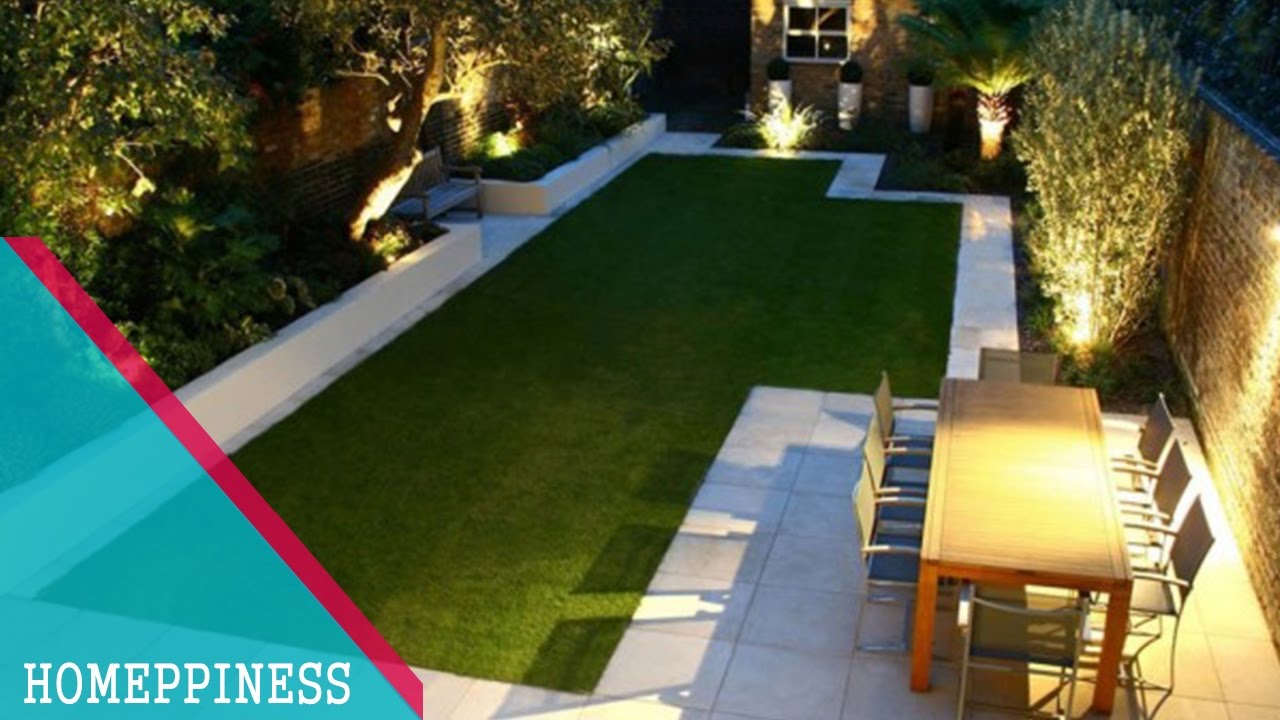
A modern minimalist landscape suits a rectangular backyard because it uses clean lines, simple shapes, and a limited range of materials. The design may include a large paved patio, a simple lawn panel, geometric planting beds, and a few carefully placed trees.
The main goal is to reduce visual clutter. Instead of adding many different decorations, repeat two or three materials and choose plants with contrasting leaf shapes. For example, ornamental grasses can soften the edge of a concrete patio, while evergreen shrubs add structure.
Minimalist does not have to mean empty. A few well-placed plants, comfortable seating, and good lighting can make a simple layout feel warm and complete.
Geometric paving
Use square or rectangular pavers in a consistent pattern.
Limited plant palette
Repeat a small selection of plants for a calm and organized look.
Simple focal point
Use one sculptural tree, water feature, or large planter as the main accent.
Balance Hardscape and Greenery
A large paved area can feel harsh if there is no greenery nearby. Add planting beds along the edges or place large containers near the seating area. Choose plants that can handle reflected heat if the paving receives strong afternoon sun.
Keep the planting design simple and give each plant enough room to reach its mature size.
Soft planting edges
Use low plants to soften the transition between paving and garden beds.
Natural texture
Combine foliage shapes and materials without adding too many competing colors.
10. Add a Small Water Feature as a Focal Point
A water feature can give a rectangular backyard a clear visual center. A small fountain, birdbath, or compact recirculating water bowl can work in a corner garden or beside a patio. The sound of moving water may also help soften nearby traffic noise, although the effect depends on the feature and surrounding conditions.
Choose a feature that fits the scale of your yard. A large pond can take up valuable space and require more care, while a small fountain may provide the same visual interest with less work. Place it where you can see it from the house or a main seating area.
Think about electrical access, water supply, maintenance, and child safety before installation. Outdoor electrical work should follow applicable codes and be handled by a qualified professional when needed.
Small fountain
Create a focal point with a compact recirculating feature.
Birdbath
Add a simple water source for birds and other visiting wildlife.
Decorative water bowl
Use a small container feature where a pond would take up too much room.
Keep the Water Clean
Water features need regular care. Remove leaves and debris, check the pump, and follow the manufacturer’s cleaning instructions. In areas with freezing winters, use the recommended winter care procedure.
Avoid creating stagnant water that may attract mosquitoes. Keep water features clean and maintain circulation where the design requires it.
Routine cleaning
Remove debris and inspect the equipment regularly.
Winter preparation
Protect pumps and containers according to local weather and product instructions.
11. Design a Backyard With Lawn and Layered Borders
A lawn surrounded by planting beds is a classic way to landscape a rectangular backyard. The open grass provides room for outdoor activities, while shrubs and flowers soften the boundaries. This layout is especially useful for families who want both a garden and a place to play.
Keep the lawn in one simple shape where possible. Many narrow strips and small grass islands can make mowing harder and increase the amount of edging work. A clean lawn panel is easier to maintain and gives the rest of the landscape a clear structure.
Use the borders to introduce seasonal color and texture. Mix suitable evergreen shrubs with flowering perennials, ornamental grasses, and low ground covers. Choose plants that match the light and soil conditions instead of selecting them only for appearance.
Wide flower border
Create a deeper planting area along the fence for layered flowers and shrubs.
Simple lawn shape
Keep the grass area broad and easy to mow.
Defined lawn edge
Use suitable edging to separate grass from mulch or planting beds.
Choose Plants for Your Region
Plant selection should reflect your local climate and the conditions in your yard. In the eastern United States, many homeowners can choose from a wide range of native perennials and shrubs suited to local rainfall. In the Southwest, water-wise plants may reduce irrigation needs. Northern homeowners should check winter hardiness before purchasing shrubs and trees.
Native plants can support local wildlife when selected for the site and managed well. Ask a local Cooperative Extension office or native plant group for recommendations that fit your area.
Sunny areas
Choose plants labeled for the actual number of hours of direct sunlight they receive.
Shady areas
Use shade-tolerant plants rather than forcing sun-loving flowers to grow in poor conditions.
Dry areas
Consider locally adapted plants that tolerate the site’s normal moisture conditions.
12. Add a Vertical Garden Along the Fence
A fence can become more than a boundary. It can provide space for vertical planters, climbing plants, and decorative garden features. This is especially helpful in small rectangular backyards where there is little room for wide planting beds.
Install a sturdy trellis or suitable wall-mounted planter system. Use climbing plants that match your climate and the amount of sunlight along the fence. Some vines grow quickly and become heavy, so check their mature size and the support they need before planting.
A vertical garden also helps create a stronger visual backdrop for seating areas. Keep the arrangement simple by repeating the same containers or using a consistent color scheme.
Climbing flower wall
Grow suitable flowering vines on a secure trellis.
Herb wall
Use suitable containers for compact herbs near an accessible watering point.
Fence planters
Attach weather-resistant planters securely to a fence that can support their weight.
Protect the Fence
Check the fence condition before adding planters or climbing plants. A weak panel may not support the added weight of wet soil and mature vines. Use suitable fixings and keep plants trimmed away from areas that need ventilation or regular access.
Remember that containers dry out faster than many garden beds. Check moisture more often during hot and windy weather.
Strong support
Use a suitable frame and secure mounting hardware.
Easy watering
Place containers where you can water and inspect them without difficulty.
13. Make a Low-Maintenance Rectangle Backyard
A low-maintenance rectangular backyard is designed around simple shapes, suitable plants, and easy access. It does not mean removing every plant or covering the whole yard with concrete. Instead, choose features that need less frequent care and avoid complicated borders that are difficult to mow or weed.
Use a limited number of plant varieties and group plants with similar water and sunlight needs. Apply mulch to suitable planting beds to help reduce weeds and protect soil moisture. Keep the lawn area simple if you want to reduce mowing and trimming.
Remember that low maintenance is not the same as no maintenance. Shrubs still need occasional pruning, paths need cleaning, and irrigation systems need inspection.
Source: storage.googleapis.com
Simple planting plan
Repeat a few well-adapted plants instead of managing many unrelated varieties.
Mulched borders
Use an appropriate mulch layer to help manage weeds and soil moisture.
Easy access
Provide clear paths to planting beds, storage, and outdoor equipment.
Reduced lawn area
Replace grass that is difficult to mow with suitable planted or paved areas.
Use the Right Plants in the Right Place
A plant that struggles in your soil or climate will often need extra water, pruning, or replacement. Choose plants that naturally fit the site rather than trying to change the whole yard to suit one demanding variety.
Check mature dimensions before planting. This simple step helps prevent shrubs from growing over paths, blocking windows, or crowding neighboring plants.
Suitable size
Select plants that fit the available space at maturity.
Local adaptation
Favor plants that tolerate your region’s normal temperature and rainfall patterns.
14. Use Lighting to Make the Backyard Feel Larger
Outdoor lighting can make a rectangular backyard more useful after sunset and help define its different areas. Instead of using one bright light to cover the entire yard, place lights where they serve a clear purpose. A few well-positioned fixtures can make a patio, path, and garden focal point easier to enjoy.
Use low-level path lights to mark walking routes and suitable fixtures near steps or changes in elevation. Add warm accent lighting to highlight a tree, textured wall, or planting bed. Avoid shining bright lights directly into neighboring windows.
Solar lights are easy to install in suitable sunny locations, but their output and operating time depend on sunlight, battery condition, and product quality. Wired lighting may provide more consistent performance but needs proper outdoor-rated equipment and safe installation.
Path lighting
Mark walkways and changes in level to improve visibility.
Patio lighting
Use suitable fixtures to make dining and seating areas more comfortable.
Accent lighting
Highlight selected trees, shrubs, and garden features.
Avoid Too Much Light
Too many bright fixtures can make a small yard feel harsh. Use lighting only where it improves visibility or highlights a feature. Shield lights and aim them downward where possible to reduce glare and unwanted light spill.
Use outdoor-rated equipment and follow the manufacturer’s installation instructions. Hire a qualified electrician for permanent outdoor wiring when required.
Use controlled brightness
Choose lighting levels that suit the activity and avoid excessive glare.
Protect neighbors
Direct fixtures toward your own paths and garden features.
15. Plan the Layout Before Buying Plants or Materials
The best rectangular backyard designs start with a simple site plan. Before purchasing pavers, shrubs, or outdoor furniture, draw the yard from above and record its actual dimensions. Include the house, fences, existing trees, gates, drains, and utility features.
Next, observe the yard at different times of day. Note where sunlight falls, which areas remain wet after rain, and where people naturally walk. These details will help you place patios, gardens, and seating in the right locations.
Sketch two or three layout options before choosing one. You may find that moving the patio closer to the house or shifting a planting bed to one side creates better access and more open space.
Measure the property
Record the length and width of the usable backyard, not just the overall lot size.
Record existing features
Mark trees, fences, gates, drainage points, utility lines, and structures.
Study sunlight
Identify full-sun, partial-shade, and full-shade areas.
Plan daily movement
Mark convenient routes between the house, patio, garden, and storage.
Example of a Simple Rectangular Backyard Layout
Imagine a hypothetical backyard measuring 20 feet wide by 40 feet long. Its total area is 800 square feet. A possible design could use a 20-by-10-foot patio near the house, a 20-by-18-foot open middle area, and a 20-by-12-foot rear garden zone.
This is only an example, not a required formula. The actual dimensions should change to fit doors, furniture, walking routes, drainage, and the activities you want to support. A narrower yard may need smaller zones, while a wider property may allow separate areas side by side.
Patio area
Use the front section for a dining table, grill, and outdoor seating.
Open center
Keep a simple lawn or flexible activity space in the middle.
Rear garden
Use the back section for raised beds, shrubs, flowers, or a quiet seating area.
16. Understand Drainage Before Installing Hardscape
Drainage should be part of the design from the beginning, not an afterthought. A beautiful patio or garden bed will not work well if rainwater collects beside the house or flows into a neighbor’s property. Observe the yard during and after rainfall to understand where water moves.
Avoid raising planting beds or adding paving in a way that blocks existing drainage routes. Large changes to grading can affect neighboring land and underground services. If the yard has repeated flooding or water near the foundation, investigate the cause before installing permanent features.
A rain garden may be suitable in some yards when the soil, water source, and location meet local guidance. It should not be used as a quick fix for foundation drainage or severe standing water.
Watch water movement
Record where water collects and which direction it flows after rain.
Protect the foundation
Maintain appropriate drainage away from the home.
Choose permeable materials
Consider suitable permeable paving or gravel where the soil and site conditions allow it.
When to Get Professional Help
Seek qualified help if water repeatedly enters the house, a slope is moving, a retaining wall is planned, or major grading is needed. Drainage problems may involve soil conditions, buried pipes, or neighboring land that cannot be understood from surface appearance alone.
Call the appropriate utility locating service before digging. In the United States, homeowners should contact 811 before covered excavation work so underground utility lines can be marked.
Repeated flooding
Investigate persistent water problems before adding patios or planting beds.
Retaining walls
Use qualified design and installation help when wall height, soil pressure, or drainage creates structural concerns.
Underground utilities
Arrange utility marking before digging or installing posts.
17. Common Rectangular Backyard Landscaping Mistakes
Even a good landscape idea can fail if the layout does not match the size and conditions of the property. Many common problems come from adding features before planning the walking routes, plant growth, and drainage. A little preparation can prevent expensive changes later.
Making every feature rectangular
Using only straight lines can make a narrow backyard look like a corridor. Add a few curves or rounded planting groups to create visual variety.
Filling every open area
Too many plants, containers, and furniture pieces can make the yard feel crowded. Preserve enough open space for the activities you want.
Ignoring mature plant size
Small nursery plants can become large shrubs or trees. Check their mature height and spread before planting.
Choosing plants without checking sunlight
A sun-loving plant may struggle in a shaded corner. Match plant needs with the actual conditions.
Building a patio without checking drainage
Poor surface grading may cause water to collect or move toward the house. Review drainage before construction.
Making paths too complicated
Too many narrow paths can reduce useful garden space and create extra maintenance.
Planting too close to fences
Crowded plants can become difficult to prune and may block access for fence repairs.
Installing too many different materials
Many paving types, borders, and colors can make the design look disjointed. Repeat a small group of materials instead.
How to Fix a Backyard That Still Looks Empty
If the backyard looks empty after the main features are installed, do not rush to buy more decorations. First, check whether the layout has a clear focal point and whether the planting beds have enough depth.
Add a few larger structural plants, a defined seating area, or a garden feature that gives the eye somewhere to rest. Repeat existing colors and materials so the new elements feel connected to the rest of the design.
Add structure
Use a suitable small tree, large planter, or pergola to create a clear visual anchor.
Improve planting depth
Layer plants in suitable beds instead of adding isolated pots everywhere.
18. How to Landscape a Rectangular Backyard on a Budget
You can create an attractive rectangular backyard without completing every feature at once. Start with the layout and focus on the changes that improve daily use. A well-placed patio or a clear walking path may provide more value than several small decorative upgrades.
Keep existing trees and healthy shrubs when they fit the design. Established plants can provide shade, privacy, and structure that would take years to replace. Reuse suitable materials when possible, but do not compromise drainage, stability, or safety to save money.
Divide the project into stages and set a budget for each one. This makes it easier to compare material costs and adjust the design before spending money on permanent features.
Start with a basic plan
Draw the yard and decide where the main activity areas will go before buying materials.
Keep useful existing plants
Preserve healthy trees and shrubs when they do not create safety or design problems.
Use mulch and simple borders
Improve the appearance of planting beds without building expensive structures.
Choose affordable plants
Use suitable smaller plants and allow them time to grow into the design.
Build in phases
Complete the most useful features first and add optional upgrades later.
A Practical Installation Order
The installation order matters because later work can damage earlier improvements. Complete planning, utility checks, major grading, and drainage work before installing patios, paths, and planting beds.
Once the hardscape is in place, add larger trees and shrubs, followed by smaller plants, mulch, furniture, and lighting. This sequence helps reduce the need to move finished features.
Phase one
Measure the yard, study site conditions, and create the full design.
Phase two
Address grading, drainage, utility concerns, and major construction.
Phase three
Install paths, patios, planting beds, and the main lawn or ground cover.
Phase four
Add smaller plants, furniture, lighting, and decorative details.
Frequently Asked Questions
Q
How do you landscape a rectangular backyard?
Start by measuring the yard and deciding how you want to use it. Divide the space into useful areas for seating, dining, gardening, and open activities. Use paths, planting beds, and repeated materials to connect the areas.
Keep the most frequently used features near the house and place quieter garden areas farther away. Always account for drainage, sunlight, and mature plant size before construction or planting.
Q
How can I make a long rectangular backyard look wider?
Use curved planting beds, diagonal paths, and rounded seating areas to break up long parallel lines. Place plants along the boundaries and keep the central space simple. A focal point near the far end can also make the layout more interesting.
Avoid a single narrow path running directly through the middle if it makes the yard feel like a hallway. A path along one side or a route with a gentle change in direction may work better.
Q
What is the best layout for a small rectangular backyard?
A small rectangular yard often works best with one compact patio, one open central area, and planting along the edges. This arrangement provides useful space without filling the yard with too many separate features.
Choose compact furniture, narrow planting beds where appropriate, and vertical planters to save ground space. Keep access routes clear and use only a few main materials.
Q
Should I use straight or curved paths in a rectangular backyard?
Both can work. Straight paths suit formal or modern designs and provide direct access between areas. Curved or diagonal paths can soften the geometry and add visual interest, especially in long, narrow yards.
Choose the route based on how people will use the space. A decorative curve should never make everyday movement difficult.
Q
What plants are best for a rectangular backyard?
The best plants depend on your USDA hardiness zone, sunlight, soil, rainfall, and available space. A balanced planting plan may include suitable evergreen shrubs, flowering perennials, ornamental grasses, small trees, and ground covers.
Choose plants that fit their mature space and match the amount of maintenance you can provide. Native and locally adapted plants can be useful options when they suit the site.
Q
How do I make a rectangular backyard low maintenance?
Keep the layout simple and use a limited number of suitable plant varieties. Choose plants that match your local climate, use mulch in appropriate beds, and avoid complicated lawn shapes that require frequent trimming.
Provide easy access for mowing, pruning, and watering. A simple patio, a clear lawn area, and well-planned planting borders can reduce routine work.
Q
Can I put a garden and patio in a small rectangular backyard?
Yes. A compact patio near the house and a narrow raised-bed garden along one boundary can work well in many small yards. You can also use containers or vertical planters when ground space is limited.
Measure the furniture and garden beds before installation. Leave enough room for walking, opening doors, watering plants, and moving outdoor equipment.
Q
How much does it cost to landscape a rectangular backyard?
The cost depends on the size of the yard, material choices, labor, drainage needs, plant selection, and the amount of construction. A simple DIY planting project can cost much less than a design that includes a large patio, retaining walls, outdoor kitchen, or electrical work.
Get local quotes for major construction and price materials before choosing the final design. A phased plan can help you complete the most useful improvements first.
✦ Wrapping Up
Conclusion
A rectangular backyard gives you a useful starting point for creating a beautiful and functional outdoor space. Its straight boundaries make planning easier, while curved beds, diagonal paths, layered plants, and focal points can add variety. The best design is not the one with the most features. It is the one that makes the available space work for your daily life.
Start with a simple site plan and decide which features matter most. You might want a patio for family meals, an open lawn for children, a raised vegetable garden, or a quiet seating corner. Arrange these features in a way that allows comfortable movement and leaves enough room for plants to grow.
Pay attention to local climate, sunlight, soil, and drainage before choosing materials or plants. Keep useful existing features, avoid overcrowding, and complete the project in manageable stages. Even a small change, such as a curved flower bed or a well-placed bench, can make the backyard feel more welcoming.
💡 Key Takeaway
Measure your rectangular backyard today and draw a simple overhead plan. Mark the house, fences, sunny and shady areas, and drainage routes. Then choose three main outdoor zones and decide which one you want to build first. A clear plan will help you create a backyard that looks good, feels comfortable, and remains practical to maintain.
I enjoy sharing simple gardening ideas, lawn care tips, and honest product reviews that help make outdoor work easier. From home gardening guides to helpful tools and lawn care advice, I write easy-to-follow content to help readers create a healthier and better-looking outdoor space without wasting time or money.