As an Amazon Associate, I earn from qualifying purchases.
French marigolds are the best-known choice for helping manage certain garden pests, especially some root-knot nematodes. However, marigolds do not repel every insect, and their results depend on the plant variety, pest, growing conditions, and planting method.
Across the United States, gardeners often plant marigolds beside tomatoes, peppers, squash, and other vegetables. Their bright orange and yellow blooms add color, attract some helpful insects, and make vegetable beds feel more welcoming. Many gardeners also hope these flowers will keep harmful bugs away without the need for harsh chemicals.
Marigolds can play a useful role in a pest management plan, but their effects are more specific than many gardening tips suggest. Research on certain marigold varieties has found benefits against some soil-dwelling nematodes. Claims that marigolds reliably drive away mosquitoes, aphids, whiteflies, and all other garden pests are much less certain.
The key is to match the right marigold to the problem. French marigolds are often the first choice for nematode management, while other marigold types can support a diverse garden andprovide flowers for beneficial insects. Good spacing, healthy soil, crop rotation, and regular pest checks still matter more than simply surrounding every vegetable with flowers.
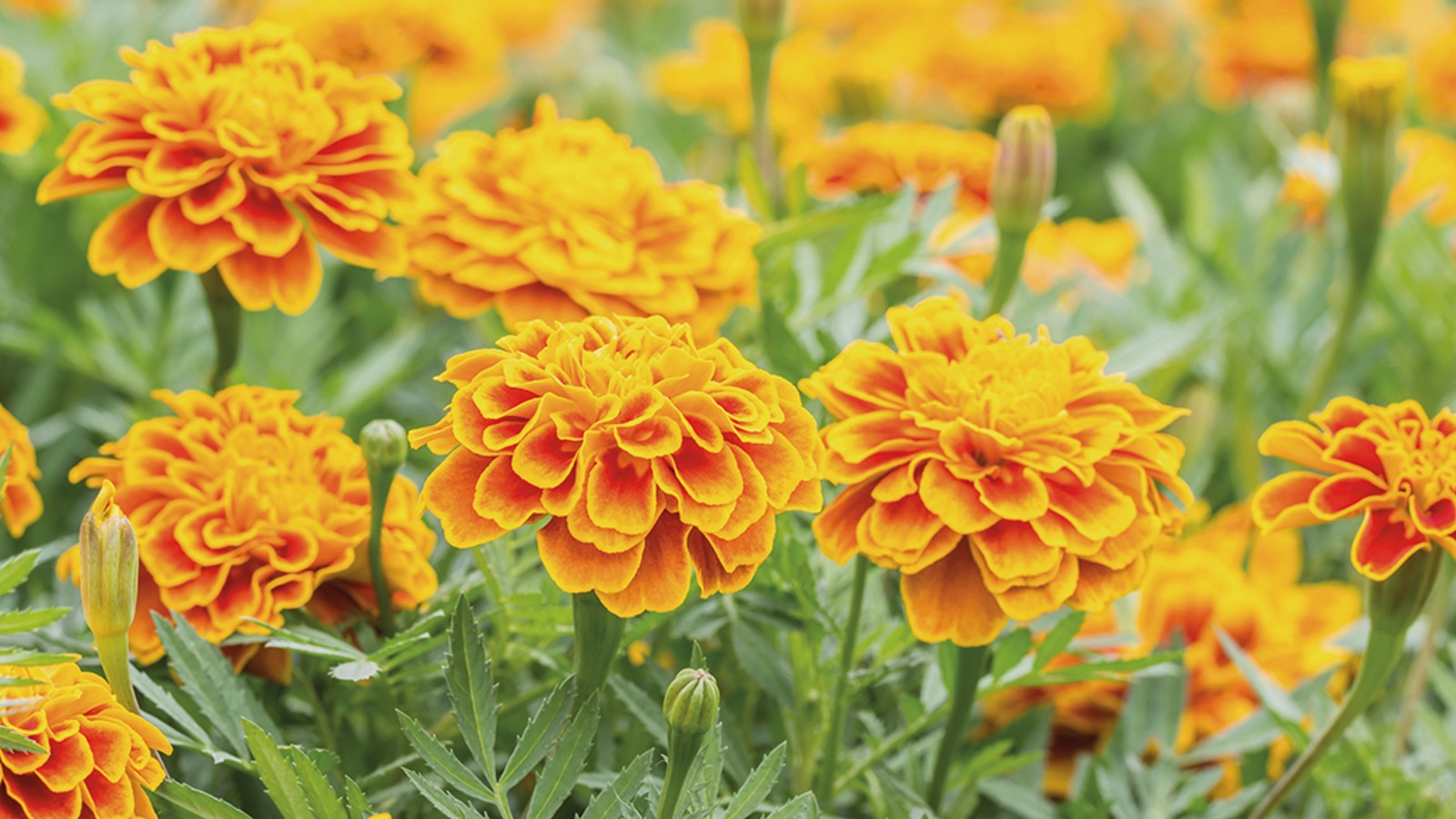
French marigolds are the strongest starting point when your main goal is to manage certain soil pests. They belong to the species Tagetes patula and are widely grown as compact annual flowers in American vegetable gardens. Some cultivars have been studied for their ability to suppress particular plant-parasitic nematodes.
Other marigolds have different growth habits and uses. African marigolds, commonly identified as Tagetes erecta, often grow taller and produce large flower heads. Signet marigolds, Tagetes tenuifolia, have small flowers and finely divided leaves that fit well along garden edges.
The word marigold alone does not identify a plant’s pest-control value. Different species and cultivars can vary in their chemistry, root growth, and effect on a target pest. A flower that looks suitable may not perform the same way as a variety used in a particular nematode study.
Source: trucoshogarjardin.com
French marigolds
A practical first choice for gardeners concerned about certain root-knot nematodes. Compact growth also makes them easy to fit between vegetable beds and along garden edges.
African marigolds
Tall plants with large blooms that work well in sunny borders. They may attract flower-visiting insects, but their size and pest-control effects vary by cultivar.
Signet marigolds
Small, bushy plants with fine foliage and edible petals in some varieties. They can add diversity to a garden, but they should not be treated as a dependable pest barrier.
Why French Marigolds Receive So Much Attention
Certain French marigold cultivars produce compounds in their roots that can affect nematodes. These tiny, wormlike animals live in soil, and some species feed on plant roots. Root-knot nematodes, for example, can cause swollen root areas called galls and leave plants weak, stunted, or less productive.
Marigolds can reduce populations of some target nematodes when gardeners grow a suitable cultivar for a suitable period. The plants must establish a healthy root system, and the target nematode must be susceptible to the treatment. This is why cultivar selection and the timing of planting matter.
The effect is not universal. Some nematodes do not respond in the same way, and a marigold variety that helps with one pest may offer little benefit against another. If you suspect a serious nematode problem, a soil or root test through a local Cooperative Extension service can help identify the cause.
Best use
Consider French marigolds as a planned cover crop or companion planting for certain nematode problems, rather than as a quick insect spray replacement.
Main limitation
The plant species, cultivar, target nematode, and length of time in the bed can all change the result.
What Pests Can Marigolds Actually Help Control?
Marigolds have the clearest practical role against certain soil-dwelling nematodes, while their effects on insects around leaves and flowers are less predictable. Gardeners often use one plant to mean several different things: a repellent, a trap crop, a beneficial-insect plant, or a soil treatment. These roles are not interchangeable.
A repellent discourages a pest from approaching or feeding. A trap crop attracts a pest toward a plant that gardeners can monitor or remove. A plant that attracts beneficial insects may help support natural predators or pollinators. Marigolds may contribute to garden diversity, but they do not automatically perform all these jobs at once.
Before planting flowers to solve a pest problem, identify the pest and where it feeds. Damage on leaves may come from caterpillars, beetles, mites, or disease. Yellowing plants may also have watering, nutrient, or root problems. The right diagnosis helps prevent wasted effort and unnecessary pesticide use.
Source: earthreminder.com
Root-knot nematodes
Some French marigold cultivars can suppress certain root-knot nematodes when grown under suitable conditions. They are among the most credible pest-management uses for marigolds.
Aphids
Marigolds do not reliably repel aphids from nearby vegetables. Check new growth and leaf undersides, and use targeted methods if colonies begin to damage plants.
Whiteflies
Claims that marigolds keep whiteflies away from tomatoes and other crops are not dependable enough to replace inspection, exclusion, or suitable control measures.
Mosquitoes
Living marigolds are not a reliable way to protect a patio or yard from mosquitoes. Removing standing water and using appropriate personal protection are more dependable measures.
Cabbage worms and beetles
Marigolds may add diversity to a planting, but they should not be expected to stop caterpillars or beetles from feeding on vegetables.
Slugs and snails
Marigolds do not form a reliable barrier against these pests. Remove hiding places near vulnerable seedlings and inspect plants in damp conditions.
Do Marigolds Repel Mosquitoes?
Marigolds contain aromatic compounds, and some compounds found in the Tagetes group have been studied for their biological activity. That does not mean a living marigold plant creates a strong protective zone around a porch or garden. The scent from a potted flower is not equivalent to a tested repellent formulation applied as directed.
For outdoor mosquito control, empty water from saucers, buckets, toys, gutters, and other containers where mosquitoes can breed. Maintain screens, use fans where practical, and choose an appropriate registered insect repellent when personal protection is needed. Do not rely on marigolds alone when mosquito bites are a concern.
What to do instead
Remove standing water at least weekly, maintain window screens, and follow product label directions for any repellent used on skin or clothing.
Can Marigolds Protect Tomatoes From Pests?
Tomatoes often share space with marigolds because both grow well in sunny garden beds. This pairing can make a garden attractive and may support broader plant diversity. However, a ring of marigolds does not guarantee protection against tomato hornworms, whiteflies, aphids, or other common tomato pests.
Inspect tomato leaves, stems, flowers, and fruit every few days during active growth. Look for caterpillars, clusters of eggs, sticky residue, curled leaves, and signs of feeding. Remove large caterpillars by hand when practical, and use row covers or a suitable targeted treatment when the pest and crop stage call for it.
Practical pairing
Grow marigolds where they receive enough light without crowding tomato roots or blocking air movement. Treat the flowers as a companion planting, not as the main defense.
How Marigolds Affect Nematodes in the Soil
The best-known pest-management effect of marigolds occurs below ground. Certain Tagetes plants produce compounds in their roots that can interfere with susceptible plant-parasitic nematodes. Depending on the nematode and planting conditions, growing a suitable marigold may lower the number of pests that remain to attack a later crop.
Nematodes are not all harmful. Many soil nematodes feed on bacteria, fungi, or other small organisms and play a role in the soil food web. The target in this case is a plant-parasitic species, so a gardener should avoid assuming that every nematode needs to be eliminated.
Root-knot nematodes are one common group of plant parasites. Their feeding can create swollen areas on roots, interfere with water and nutrient uptake, and reduce plant vigor. Symptoms can resemble other root problems, so a laboratory diagnosis is more useful than relying on aboveground symptoms alone.
Source: pngland.com
Plan the planting
Use a cultivar known to affect the target nematode, and allow enough time for the marigolds to grow before planting the next crop.
Keep the bed well maintained
Provide suitable light, moisture, and drainage so the marigolds establish a healthy root system.
Manage the whole crop rotation
Choose later crops with the pest problem in mind. Marigolds alone cannot correct every soil health issue or replace a well-planned rotation.
Should You Plant Marigolds Before Vegetables?
Planting marigolds before a susceptible vegetable crop can be useful when a nematode problem has been identified. In that situation, the marigolds may be grown as a temporary cover crop rather than simply as flowers along the edge of a bed. The purpose is to establish roots throughout the treated area before the next crop goes in.
The right duration depends on the marigold cultivar, climate, growing season, and nematode species. A short planting may not give the same effect as a longer period of vigorous growth. Check local Cooperative Extension recommendations before deciding how long to leave the bed in marigolds.
At the end of the treatment period, follow local guidance for managing the plant material and preparing the bed. Avoid moving infested soil or root debris to clean areas of the garden, and clean tools when working between affected and unaffected beds.
Best suited to
Gardeners who have reason to suspect or confirm a particular nematode problem and can devote part of a growing season to a cover crop.
Less useful for
Gardeners who want an immediate fix for visible insects feeding on leaves or flowers.
How to Plant Marigolds for Natural Pest Management
Start by choosing the pest you want to manage, then select a marigold type that fits the job. If the goal is to add color and diversity to a vegetable bed, several marigold types may suit the space. If the goal is to suppress nematodes, identify the problem first and select a cultivar with evidence of activity against the target pest.
Most garden marigolds grow best in full sun and soil that drains well. They can tolerate a range of ordinary garden soils, but waterlogged roots and heavy shade can weaken growth. In hot parts of the United States, afternoon shade may help reduce stress during extreme heat, although flowering and growth still depend on the variety.
In much of the country, gardeners plant marigolds after the risk of frost has passed. Warm-climate gardeners may have a longer growing season, while northern gardeners often grow them as warm-season annuals. Check the expected last frost date for your area and the plant label before setting seedlings outdoors.
Source: gardenerspath.com
Choose the right site
Select a sunny bed with good drainage and enough room for the mature plants. Avoid placing tall varieties where they will shade smaller vegetables.
Prepare the soil
Remove weeds and loosen compacted soil as needed. Add compost when appropriate, but avoid heavy fertilizer applications that encourage lush leaves at the expense of flowers.
Plant at the right depth
Set nursery seedlings at about the same depth they grew in their pots. For seeds, follow the packet instructions because planting depth varies with seed size.
Water carefully
Water newly planted marigolds to settle the soil around the roots. Keep the soil evenly moist while plants establish, then adjust watering to rainfall, heat, and soil drainage.
Monitor the bed
Check leaves and stems for pest activity and signs of stress. Healthy flowers can support a diverse planting, but they do not remove the need for regular inspection.
How Far Apart Should You Plant Marigolds?
Use the mature width listed on the seed packet or plant label to determine spacing. Compact French marigolds often fit closer together than tall African types, but exact distances vary by cultivar. Crowding plants can reduce airflow and make it harder to inspect leaves and stems.
For a decorative border, space plants so their mature foliage can nearly meet without becoming tightly packed. For a planned nematode-management planting, follow the spacing recommended for the selected cultivar and local pest guidance. A sparse row around a vegetable bed should not be assumed to treat all the soil within that bed.
Small borders
Choose compact cultivars and use the label’s mature-width guidance to avoid crowding.
Large beds
Plan spacing before planting so the flowers have room to grow and the vegetable crop still receives adequate light and airflow.
Can You Grow Marigolds in Containers?
Yes. Compact marigolds grow well in containers that have drainage holes and enough room for their roots. Container planting is useful for balconies, patios, and small yards where a traditional vegetable bed is not available.
Container marigolds may add color and support flower-visiting insects, but a pot of marigolds will not control nematodes throughout a separate in-ground garden. Keep the soil from drying out completely, and check containers more often during hot or windy weather.
Container tip
Use a well-drained potting mix and a container large enough for the mature cultivar. Empty excess water from saucers when it collects.
Where to Plant Marigolds in a Vegetable Garden
Place marigolds where they can grow well without interfering with the vegetables you want to protect. Garden borders, gaps between crop groups, and sunny bed corners are convenient spots for compact varieties. The best location depends on the goal: ornamental value, beneficial-insect support, or a planned soil treatment.
Companion planting works best as one part of a mixed garden strategy. Different flowers and herbs create a wider range of habitats and bloom times, while healthy vegetables and good sanitation help limit pest problems. A single flower species cannot meet every pest-management need.
Avoid planting so many marigolds that they compete with vegetables for sunlight, water, or root space. In a small raised bed, a few compact plants may be more practical than a thick border. In a larger garden, you can group flowers around paths or at the ends of beds without sacrificing productive space.
Source: cdn.mos.cms.futurecdn.net
Near tomatoes and peppers
Use compact varieties along sunny edges, leaving enough room for the vegetables to grow and for air to move through the foliage.
Around squash and cucumbers
Place marigolds where they will not be buried under spreading vines. Inspect the vegetables directly for squash bugs, cucumber beetles, and other pests.
Near brassicas
Marigolds can add flowers to a bed of cabbage, kale, or broccoli, but insect mesh and regular checks are more dependable against caterpillars and other feeding pests.
Along garden paths
Border planting can provide color and make it easy to spot damaged flowers or leaves without crowding the main crop.
Do Marigolds Need to Be Planted Beside Every Vegetable?
No. Planting marigolds beside every vegetable is not necessary and does not guarantee better pest control. The flowers should fit the garden layout and serve a clear purpose rather than take up space simply because companion-planting advice recommends them.
If your main problem is a pest that feeds on a specific crop, target your monitoring and control efforts toward that crop. For example, inspect cabbage leaves for caterpillars and tomato stems for hornworms. Marigolds may add diversity, but direct inspection remains essential.
A simple starting plan
Plant a small group of compact marigolds near a bed edge, observe the garden through the season, and expand the planting only if it fits your goals and available space.
What to Plant With Marigolds for Better Pest Management
A garden with several kinds of plants often offers more varied food and shelter for beneficial insects than a bed with only one flower type. Marigolds can be part of that mix, especially when they bloom alongside herbs and other flowers. However, the effect depends on which insects visit, whether they prey on the pest in question, and how the garden is managed.
Sweet alyssum, dill, cilantro allowed to flower, and other small-flowered plants can attract some beneficial insects. These may include hoverflies and tiny parasitoid wasps that use nectar or pollen as food. Their presence does not guarantee that they will control a pest outbreak, but a varied planting can provide useful habitat.
Select companion plants based on local climate, available space, water needs, and the vegetables in your garden. A plant that works well in a cool coastal garden may struggle in a hot, humid region unless it receives the right care. Local Cooperative Extension resources can help you choose species suited to your area.
Source: i.pinimg.com
Sweet alyssum
Small flowers can provide nectar and pollen for certain beneficial insects. Keep plants healthy and allow them to bloom near crops where natural enemies may be useful.
Flowering dill
The small flower clusters can attract some beneficial insects. Leave a few plants to flower if you have enough space and do not need all the leaves for harvest.
Native flowering plants
Species suited to your region can support local pollinators and other insects. Choose plants that fit the garden’s light and moisture conditions.
Crop rotation
Changing where related crops grow can interrupt some pest life cycles and reduce repeated pressure on the same soil. Rotation is especially useful as part of a plan for soilborne problems.
Why More Flowers Do Not Always Mean Fewer Pests
Some insects visit flowers to feed on nectar or pollen, while others feed on leaves, roots, or fruit. A garden may attract pollinators and still have aphids, caterpillars, or beetles. The presence of flowers does not mean every visitor is beneficial.
Pest management depends on the balance between pest numbers, natural enemies, crop health, and weather. When a pest population grows quickly, flowers alone may not provide enough natural control. Regular checks let you respond before damage becomes severe.
Look for the actual pest
Inspect both the damaged plant and nearby leaves before deciding what to do. Avoid treating an insect simply because it is unfamiliar.
Protect helpful insects
Use targeted controls when needed and avoid spraying flowers while pollinators are actively visiting them. Always follow the product label.
Common Mistakes When Using Marigolds for Pest Control
The most common mistake is expecting marigolds to act like a broad-spectrum insecticide. Their effects vary by pest and plant type, and many popular companion-planting claims lack strong evidence under ordinary garden conditions. Treating the flowers as a guarantee can leave vegetables unprotected.
Another mistake is planting marigolds without identifying the problem. Wilting, yellow leaves, weak growth, and poor yields can result from drought, waterlogged soil, nutrient problems, disease, or root damage. The wrong treatment wastes time and may make the actual problem worse.
Poor placement can also reduce the value of a marigold planting. Tall flowers may shade short vegetables, crowded plants can limit airflow, and dry containers may wilt quickly during summer heat. A useful planting plan starts with the garden’s needs rather than the idea that more flowers must mean more protection.
Source: sloely.com
Mistake: relying on scent alone
A strong floral smell does not prove that a plant will repel a particular pest. Use evidence for the target species and check whether the pest remains active.
Mistake: choosing any marigold for nematodes
Nematode effects can vary by species and cultivar. Confirm the problem and select a suitable variety instead of assuming all marigolds work equally well.
Mistake: planting too late
A few small plants added after a severe infestation begins are unlikely to provide immediate control. Use timely monitoring and a direct response to the pest.
Mistake: ignoring soil and water
Marigolds need suitable growing conditions to establish. Correct poor drainage, severe dryness, and crowding before expecting the plants to contribute to a healthy garden.
Mistake: assuming all insects are harmful
Many insects visit flowers or prey on garden pests. Identify them before removing plants or applying a treatment that could harm beneficial species.
How to Troubleshoot a Marigold Planting That Is Not Helping
If pests continue to damage your vegetables, start by identifying the insect or soil pest rather than adding more marigolds. Look under leaves, examine stems and roots when appropriate, and record which plants show symptoms. Photographs and samples can help a local Extension office identify a problem.
Next, check whether the marigolds themselves are healthy. Plants that are wilted, heavily shaded, or damaged by root problems may not grow as intended. Correct the growing conditions, but remember that a healthy marigold still will not repel every pest.
Finally, choose a control method that fits the pest. Physical removal, row covers, sanitation, crop rotation, and targeted registered products can each have a role. Follow label directions whenever you use a pesticide, including products marketed as organic.
Visible leaf damage
Look for chewing insects, eggs, mites, or disease symptoms. Use a targeted response based on what you find.
Stunted plants and damaged roots
Check moisture, drainage, and root condition. Consider a nematode test if the pattern suggests a soilborne problem.
Pests returning after treatment
Review the pest’s life cycle, inspect nearby host plants, and determine whether the method reaches the pest at the stage when it is vulnerable.
Safe and Practical Ways to Improve Pest Control
The most reliable garden pest plans combine prevention, monitoring, and targeted action. Marigolds may support the plan, but the core steps are to keep plants healthy, identify pests early, and choose controls that fit the problem. This approach reduces the chance of treating harmless insects or damaging plants unnecessarily.
Start with clean planting material, suitable spacing, and soil that drains well. Remove badly infested plant material when appropriate, rotate crops where useful, and use row covers to exclude pests from vulnerable crops. Check whether a cover will interfere with pollination before leaving it in place during flowering.
If you need a pesticide, identify the pest and choose a product labeled for the crop and target. Read the full label, including protective equipment, application rates, re-entry restrictions, and pollinator precautions. Natural or organic products can still harm beneficial insects or people when misused.
Source: i.pinimg.com
Monitor on a schedule
Inspect vegetables at least weekly and more often when pest pressure is high. Check the undersides of leaves and new growth, where many pests and eggs are easy to miss.
Use physical barriers
Fine insect netting or row covers can keep some pests off crops when installed at the right time. Secure edges and account for crop pollination needs.
Support healthy growth
Water according to crop needs, avoid excess fertilizer, and provide enough space for mature plants. Healthy growth does not prevent every pest attack, but it helps crops withstand ordinary stress.
Protect pollinators
Avoid pesticide applications to flowers while bees and other pollinators are foraging. Follow all label restrictions and use nonchemical controls when practical.
When to Ask for Local Gardening Help
Contact your county Cooperative Extension office when plants show persistent unexplained decline, suspected nematode damage, or an infestation that continues despite reasonable control measures. Extension services can often direct gardeners toward local diagnostic resources and recommendations suited to the region.
Local advice is especially useful when climate changes the growing season or when the suspected pest is common in a particular state. Soil type, temperature, crop variety, and pest species can all affect whether marigolds are likely to help.
Bring useful details
Provide clear photographs, the crop and marigold varieties if known, the timing of symptoms, recent treatments, and information about watering and soil conditions.
Frequently Asked Questions
Q
Which marigolds are best for repelling pests?
French marigolds are the main type to consider for managing certain root-knot nematodes, provided you choose a suitable cultivar and use it under the right conditions. African and signet marigolds can also be useful garden flowers, but none should be expected to repel every common insect. Choose the plant based on the specific pest you want to manage.
Q
Do marigolds keep aphids away from vegetables?
Marigolds do not reliably prevent aphids from feeding on nearby vegetables. Check the undersides of leaves and tender new growth for clusters of aphids. For small infestations, removing affected growth or washing aphids off with water may help, while larger problems may require a more targeted approach.
Q
Do marigolds repel mosquitoes in the yard?
Growing marigolds in a yard does not provide dependable protection against mosquito bites. Their aromatic compounds should not be treated as equivalent to a tested personal repellent. Remove standing water, maintain screens, and use an appropriate registered repellent according to its label when protection is needed.
Q
Should I plant marigolds around tomatoes?
You can plant compact marigolds along the edges of a tomato bed if there is enough sunlight, water, and room for both plants. This can add color and diversity, but it does not guarantee protection from hornworms, aphids, whiteflies, or other tomato pests. Inspect tomato leaves and stems regularly and respond to the pest you actually find.
Q
Can marigolds kill nematodes in garden soil?
Some marigold cultivars can suppress certain plant-parasitic nematodes, including particular root-knot nematodes, when grown under suitable conditions. The result depends on the cultivar, nematode species, and length of the planting period. Marigolds do not eliminate every nematode, and a soil or root diagnosis can help determine whether this approach is appropriate.
Q
How many marigolds should I plant in a vegetable garden?
There is no universal number that guarantees pest control. Base the count on the mature size of the cultivar, the space available, and whether you are growing a decorative border or a planned nematode-management crop. Follow the plant label for spacing and avoid crowding vegetables or reducing airflow.
Q
Can I grow marigolds in pots to control pests?
Yes. Compact marigolds can grow well in containers with drainage holes and suitable potting mix. They can add flowers to a patio or balcony, but a pot of marigolds will not reliably protect an entire garden from insect pests or soilborne nematodes. Monitor nearby plants and use other controls when needed.
✦ Wrapping Up
Conclusion
Marigolds can be useful additions to a home garden, but their pest-control benefits depend on the problem. French marigolds are especially worth considering for certain nematode issues, while other marigold types can add color and support a diverse planting. Claims that these flowers repel all insects or protect an entire yard from mosquitoes go beyond what gardeners should expect.
For the best results, identify the pest before choosing a solution. Give marigolds the light, spacing, and water they need, and combine them with crop rotation, physical barriers, regular inspections, and targeted controls when necessary. A healthy garden relies on several practical measures rather than one plant doing all the work.
💡 Key Takeaway
Choose a marigold variety that suits your garden, plant it in a sunny spot with enough room, and identify the pest before expecting control. If you suspect root-knot nematodes, seek local diagnostic advice and select a suitable French marigold cultivar rather than relying on a general companion-planting claim.
I enjoy sharing simple gardening ideas, lawn care tips, and honest product reviews that help make outdoor work easier. From home gardening guides to helpful tools and lawn care advice, I write easy-to-follow content to help readers create a healthier and better-looking outdoor space without wasting time or money.