
As an Amazon Associate, I earn from qualifying purchases.
A 10–12 inch wide, food-safe fabric or plastic pot with ample drainage.
If you want juicy, clean berries from a small space, picking the right home for your plants is everything. In this guide, I’ll show you what is the best container for growing strawberries, how to set it up, and which options suit your space, budget, and climate. I’ve tested pots, grow bags, towers, and baskets over many seasons. You’ll get clear steps, real numbers, and the small tricks that actually boost yield.
:max_bytes(150000):strip_icc()/how-to-grow-strawberry-plants-in-pots-1401968-7f2e80c275e14af4a730acb9748c1a5e.png)
What makes a great strawberry container
If you ask what is the best container for growing strawberries, start with the basics. Strawberries have shallow roots, but they still need room to breathe. Aim for 8–12 inches deep and at least 10 inches wide per plant. Volume matters too. Plan for about 2–3 gallons of soil per plant for steady moisture and root health.
Drainage is non‑negotiable. Make sure the container has many holes and never leaves water standing at the bottom. Breathable sides (like fabric) help prevent soggy roots and reduce root rot. Light-colored or insulated containers keep roots cooler in summer. Choose food-safe, UV-stable materials so the container lasts and stays safe for edible crops.
Weight and placement count. Hanging baskets dry fast and suit sturdy balconies. Grow bags are light and easy to move. If you wonder what is the best container for growing strawberries in heat, go with fabric or double-walled plastic to buffer swings.

Best containers for growing strawberries: ranked and compared
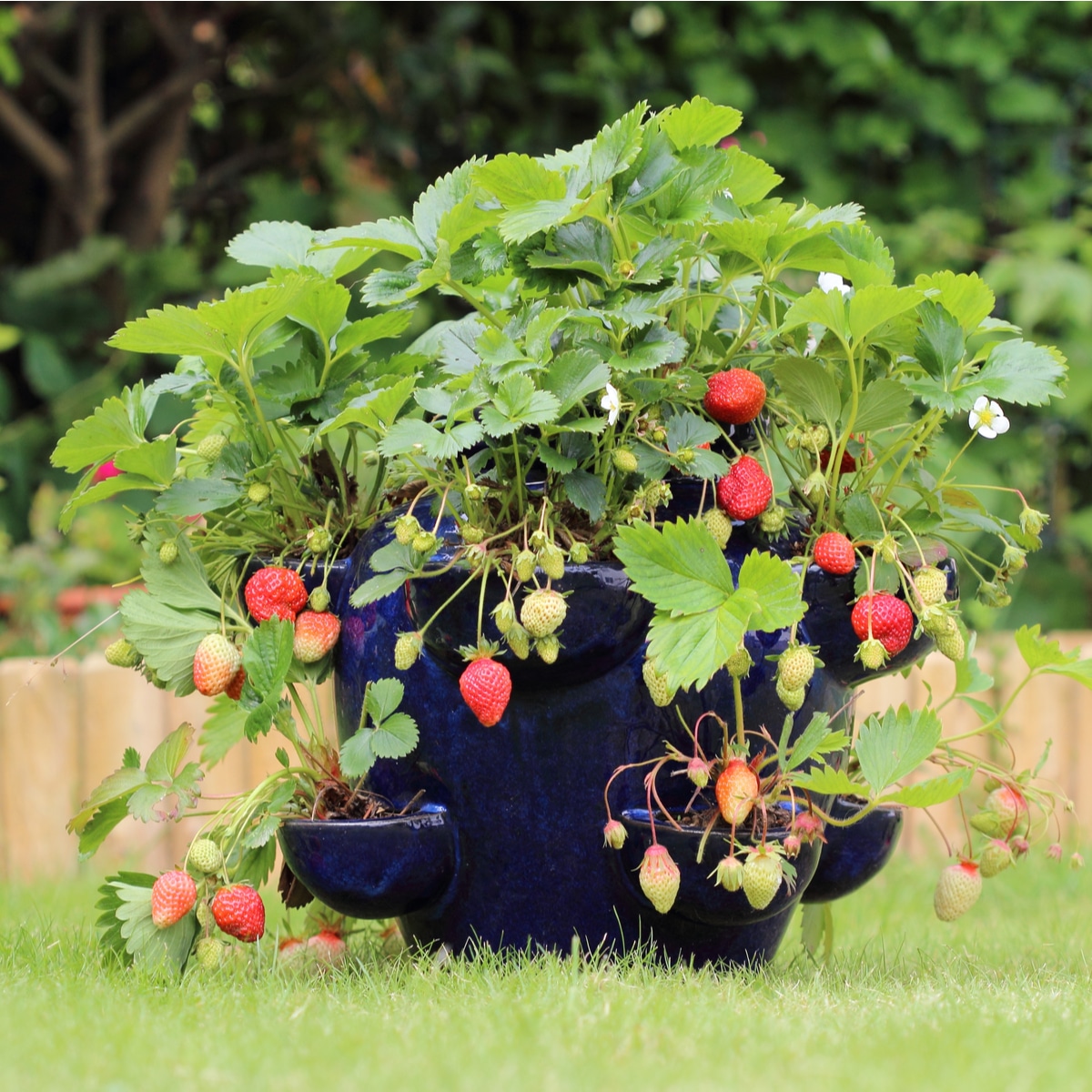
The right choice depends on space, climate, and time. Still, if you press me on what is the best container for growing strawberries, these are my top picks after many seasons on patios, balconies, and small yards.
- 5-gallon fabric grow bag (best all-around)
- Why it works: Breathes well, drains fast, and keeps roots cooler in heat.
- Size and yield: Fits 2 plants well, 3 if you water often. Expect 1–2 pints per plant in season with good care.
- Tips: Use a saucer in dry climates to slow moisture loss, but empty it after watering.
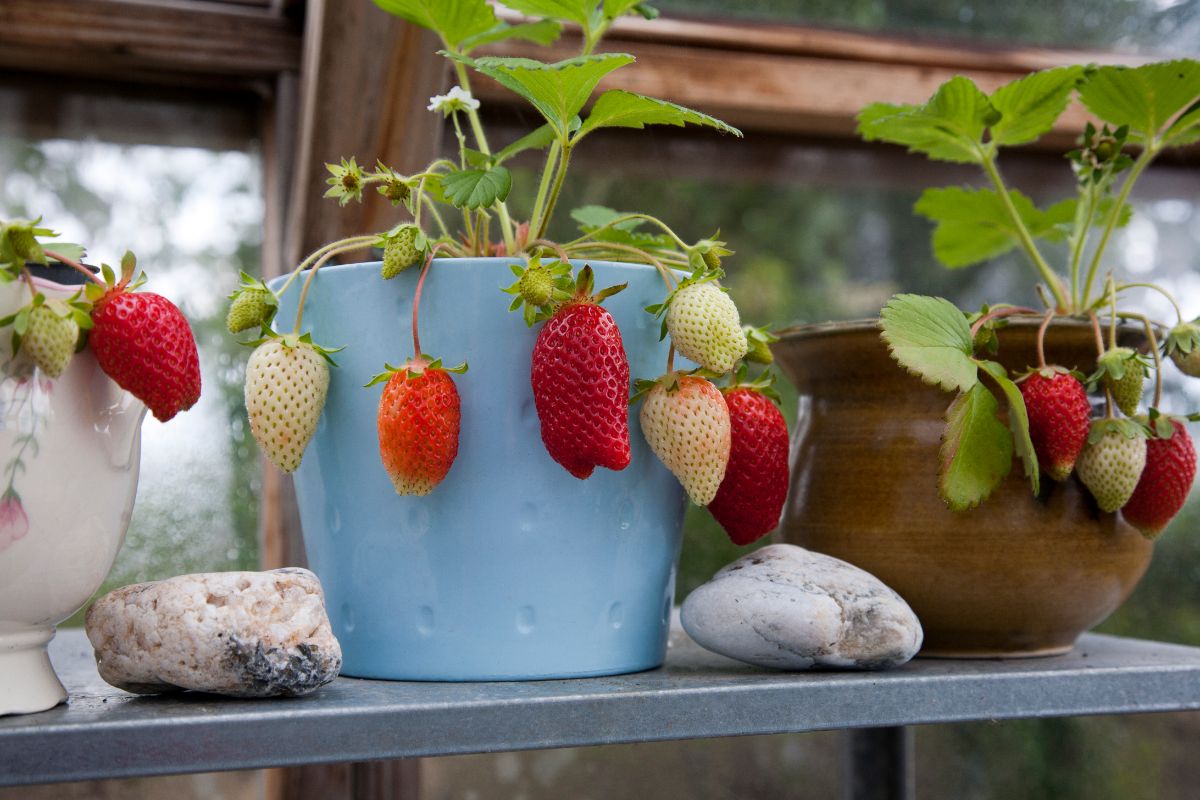
- 10–12 inch plastic pot, heavy-duty and food-safe
- Why it works: Holds moisture longer than fabric, great if you forget to water.
- Size and yield: One plant per pot. Add two if it is at least 12 inches wide and 12 inches deep.
- Tips: Drill extra drainage holes if needed. A self-watering insert can help day-neutral types.
- Rectangular window box or railing planter (8–10 inches deep)
- Why it works: Efficient for railings and fences, tidy runner control.
- Size and yield: One plant every 8–10 inches. Three to five plants in a 24–36 inch box.
- Tips: Add perlite for better drainage and mix in slow-release fertilizer.
- 12–14 inch hanging basket with a coir liner
- Why it works: Saves floor space, berries hang clean and are hard for slugs to reach.
- Size and yield: Two to three plants per basket. Water daily in summer.
- Tips: Line the coir with a thin plastic layer with a few holes to slow drying.
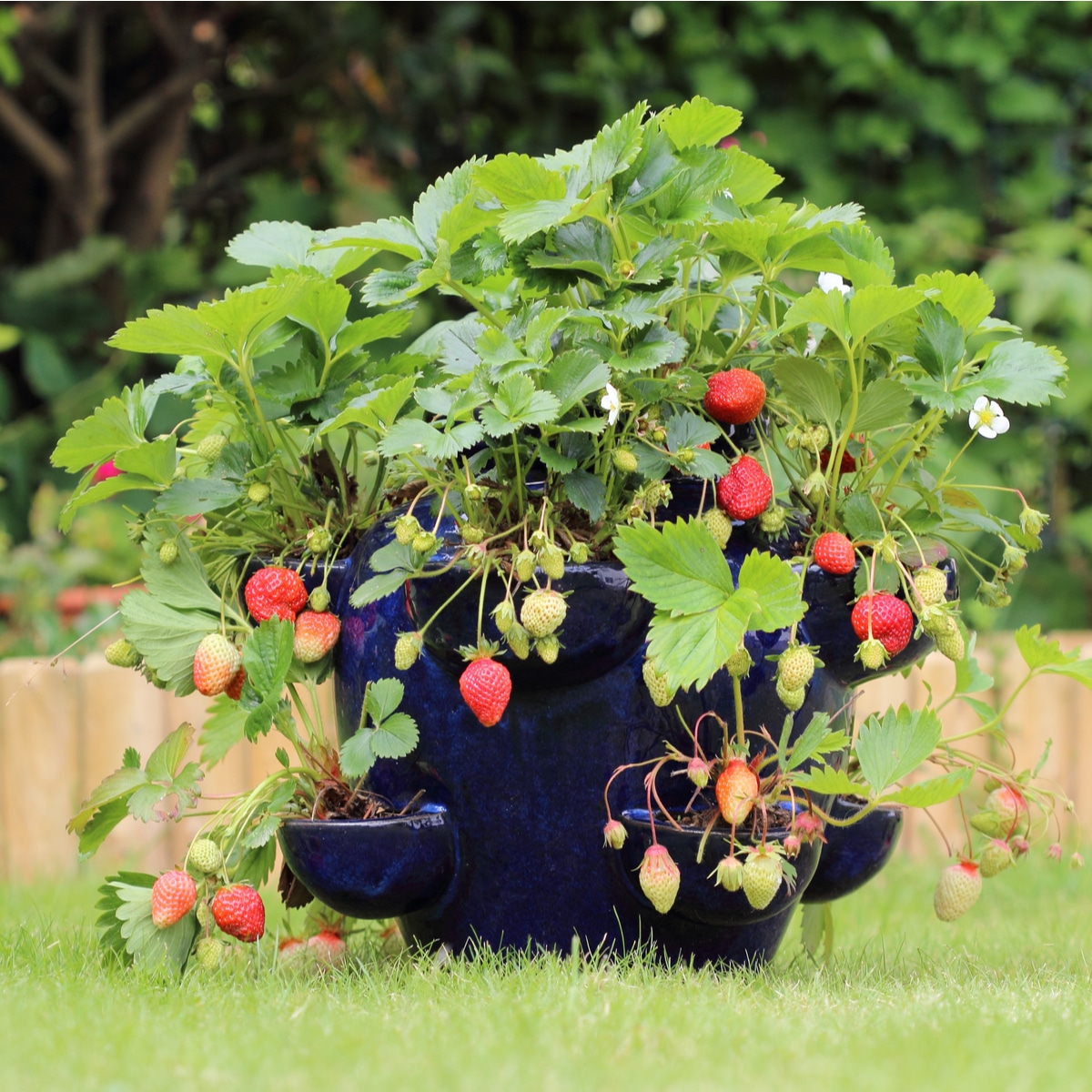
- Strawberry tower or vertical pocket planter
– Why it works: Packs many plants in little space, great for balconies.
- Size and yield: Pockets dry fast, so install drip irrigation.
- Tips: Plant day-neutral types to spread harvest. Rotate tower for even sun.
- Gutter or PVC channel planters (with drainage)
- Why it works: Low profile and great for runners. Easy to mount under eaves.
- Size and yield: Best for everbearing or day-neutral types. Depth is tight, so moisture control is key.
- Tips: Add many drain holes and a slight tilt to drain excess water.
- Wooden half-barrel or cedar box (lined)
- Why it works: Looks great and holds moisture well. Stable in wind.
- Size and yield: Space 8–10 inches between crowns. Line with food-safe plastic with holes to protect wood.
- Tips: Avoid treated lumber that is not food-safe. Cedar lasts longer without chemicals.
After testing them all, my vote for what is the best container for growing strawberries in most homes is the 5-gallon fabric grow bag. It gives a healthy root zone, is budget friendly, and makes watering simpler.
Container size, soil, drainage, and watering
To decide what is the best container for growing strawberries in your yard, match size to plant count. One strong plant needs about 2–3 gallons of mix and 10–12 inches of width. Overcrowding cuts yield and invites disease.
Use a high-quality potting mix. Blend two parts peat or coco coir, one part compost, and one part perlite. Aim for a pH near 5.5–6.5. Mix in a balanced slow-release fertilizer at planting. Feed with a liquid bloom formula every few weeks once flowers start.
Drainage is your safety net. Add many holes, elevate pots on feet, and avoid tight saucers. Water when the top inch is dry. In summer, check daily, especially in fabric or hanging setups. A drip line or self-watering base helps even moisture and reduces tip burn.

Sunlight, placement, and climate
Sun drives sugar and flavor. Give 6–8 hours of direct sun. In hot zones, morning sun with light afternoon shade keeps berries sweet without stress. If you need to ask what is the best container for growing strawberries in heat, pick fabric or double-walled plastic and lighter colors.
Wind steals moisture and breaks stems. Tuck containers near a wall or railing. On small patios, group pots to create a humid pocket. Indoors, use full-spectrum grow lights 12–14 hours a day and run a small fan for air movement. In cold winters, move containers to an unheated garage, or mulch crowns and group pots against a protected wall.
/how-to-grow-strawberry-plants-in-pots-1401968-22-de63b436e6e04d1fad3bad867311456d.jpg)
Planting, spacing, and training methods
Plant crowns with the growing point at soil level. Burying the crown rots it; planting too high dries it out. Space plants 8–10 inches apart so leaves dry fast after rain. If you ask what is the best container for growing strawberries when using towers, use fewer plants per pocket and add drip.
Choose types that fit your plan. Day-neutral varieties fruit from spring to fall with steady care. June-bearing types give one big flush, great for jam. Pinch the first blooms for two to three weeks after planting to push roots. Train or clip runners as needed. In towers, trim runners early to avoid a tangled mass.
:max_bytes(150000):strip_icc()/GettyImages-1264341715-2000-cc301bef97e54766bcd9b8884d526dbf-f7db08ab1f4c4123a2d7bbc4b5a91906.jpg)
Common mistakes and troubleshooting
Many people ask what is the best container for growing strawberries after a rough first try. The usual mistake is poor drainage. Soggy roots cause dull leaves, slow growth, and gray mold on berries. Use airy mix, many holes, and right-size pots.
Watch these red flags and fixes:
- Pale, slow plants: Not enough sun or nutrients. Add light and feed on schedule.
- Big leaves, few berries: Too much nitrogen. Switch to a bloom formula.
- Brown leaf edges or small fruit: Irregular watering. Add mulch and water in the morning.
- Chewed berries: Birds, slugs, or pill bugs. Use netting, copper tape, and tidy mulch.
- Moldy fruit: Crowding and wet leaves. Improve spacing and airflow, pick ripe fruit daily.
Budget and sustainability choices
If money is tight and you still wonder what is the best container for growing strawberries, use a clean, food-grade 5-gallon bucket. Drill many holes and add a simple drip spike. It is cheap, tough, and yields well. Fabric bags are low-cost and store flat off-season.
Choose cedar or recycled plastic for long life. Avoid old pressure-treated wood that may leach chemicals. Line wooden planters with food-safe plastic and punch holes. Reuse mix only if plants were healthy; refresh with 30–50% new compost and perlite each year.
Frequently Asked Questions of What is the best container for growing strawberries
How many strawberry plants fit in a 5-gallon container?
Two plants fit well in a 5-gallon fabric bag or bucket. Three is possible, but you must water more often and feed on schedule.
Are self-watering pots good for strawberries?
Yes, if they have a large air gap and a wicking system. Keep the reservoir clean and avoid overfilling to prevent waterlogged roots.
What soil mix should I use?
Use a light, soilless mix with compost and perlite. Avoid garden soil; it compacts and holds too much water in containers.
How deep should the container be?
Aim for 8–12 inches deep to support roots and steady moisture. Deeper pots buffer heat and reduce watering needs.
Do strawberries grow well in hanging baskets?
They do, but baskets dry fast. Choose a 12–14 inch basket, add water-holding fibers, and check moisture daily in summer.
Can I reuse last year’s potting soil?
Yes, if there was no disease. Refresh with new compost, add perlite for structure, and top up slow-release fertilizer.
Which varieties are best for containers?
Day-neutral types like Albion, Seascape, or Mara des Bois produce over a long season. They suit small spaces and steady harvest goals.
Conclusion
Picking the right pot is simple: generous volume, strong drainage, and safe materials. For most homes, a 5-gallon fabric bag or a 10–12 inch food-safe plastic pot is the sweet spot. Set it up with airy mix, steady water, and full sun, and your plants will reward you with bowls of bright, sweet berries.
Try one container this week, even if it is a single grow bag by the back door. Track what works, tweak watering, and enjoy better fruit each month. Want more tips? Subscribe for seasonal checklists, or ask a question in the comments so I can help you dial in your setup.
Last Updated on May 8, 2026 by Saad Abdullah

I enjoy sharing simple gardening ideas, lawn care tips, and honest product reviews that help make outdoor work easier. From home gardening guides to helpful tools and lawn care advice, I write easy-to-follow content to help readers create a healthier and better-looking outdoor space without wasting time or money.