As an Amazon Associate, I earn from qualifying purchases.
To kill existing lawn weeds in fall, use a selective post-emergent herbicide labeled for your grass and the weeds you have. To prevent new weeds, use a suitable pre-emergent herbicide at the right time. A soil test, proper mowing, and good lawn care can help your grass compete with weeds.
Across the United States, fall is a useful time to tackle many lawn weeds. In the Midwest and Northeast, cool nights and warm soil can help grass recover and grow strong roots. In the South, lawns may still be green and active, while parts of the West face dry weather or early frost. Your local climate, grass type, and the weeds in your yard should guide your plan.
The best treatment depends on what you want to control. Dandelions, clover, and other broadleaf weeds often need a selective post-emergent weed killer. Annual weeds that have not sprouted may be controlled with a pre-emergent product, while young winter weeds may need a different treatment. No single lawn product kills every weed without risk to every type of grass.
Before you spread or spray anything, identify the weed and read the full product label. Check the permitted grass types, application rate, temperature limits, watering instructions, and any waiting period before seeding. These details help you treat weeds without harming the lawn you want to keep.
What Should You Put on Your Lawn in Fall to Kill Weeds?
For most lawns with visible weeds, the first option to consider is a selective post-emergent herbicide labeled for the grass and weed species involved. Selective means the product is designed to control certain plants while allowing specified turfgrass types to tolerate the treatment when used as directed. This makes it more suitable for many lawns than a nonselective weed killer.
A product containing 2,4-D, dicamba, MCPP or MCPA may control certain broadleaf weeds, depending on its formulation and label. These active ingredients do not control every weed, and not every product contains the same mix. Some products also have restrictions related to heat, grass species, nearby plants, or the time between treatment and reseeding.
If your main goal is to stop new annual weeds from appearing, a pre-emergent herbicide may be appropriate. These products work by interfering with the early growth of susceptible weeds as they germinate. They generally do not kill established dandelions, mature clover, or other weeds already growing above the soil.
Some lawns need both approaches, but not always at the same time. A homeowner might treat active broadleaf weeds in early fall, then use a properly timed preventive treatment for a different group of weeds if the label and lawn plan support it. Avoid mixing products or making repeated applications unless their labels specifically permit the practice.
Source: tipsforturf.com
For existing broadleaf weeds
Choose a selective post-emergent product labeled for weeds such as dandelions, plantain, or clover and safe for your specific turfgrass.
For certain weeds before they sprout
Consider a labeled pre-emergent herbicide when its timing matches the weed’s germination period and your lawn care plans.
For a few scattered weeds
Hand-pull weeds with their roots when practical, or spot-treat them with a suitable labeled product instead of spraying the whole yard.
For a thin or bare lawn
Address the cause of poor grass growth and consider overseeding or repairing bare patches when the chosen treatment allows it.
What Is the Difference Between Pre-Emergent and Post-Emergent Weed Killer?
A pre-emergent herbicide prevents certain weeds from establishing as they germinate. It is most useful when applied before the target weed begins growing, with any required watering or soil conditions followed exactly as the label directs. It will not usually remove weeds that have already formed visible leaves.
A post-emergent herbicide targets weeds that are already growing. The weed must usually absorb the product through its leaves or other exposed tissues, so active growth and suitable weather can affect the result. A treatment may take days or longer to show its full effect, depending on the active ingredient and weed.
Pre-emergent
Use for labeled annual weeds before germination. Check reseeding restrictions because many products also affect newly planted grass seed.
Post-emergent
Use for identified, actively growing weeds. Check the label for the target species, grass tolerance, weather limits, and repeat-treatment rules.
Choose a Fall Weed Treatment Based on the Weed
Identify the weed before choosing a product. A lawn full of dandelions needs a different plan from a lawn with young annual bluegrass, crabgrass, or grassy weeds mixed into the turf. If you cannot identify a plant, take clear photos of its leaves, growth habit, and any flowers, then consult a local Cooperative Extension office or a reliable regional weed identification resource.
Broadleaf weeds have leaves that differ from the narrow blades of most turfgrasses. Grassy weeds often resemble the lawn itself, which makes them harder to spot and more difficult to control without harming the turf. Nutsedge is another common problem; its upright leaves and growth pattern differ from both broadleaf weeds and typical lawn grasses.
Fall can be a good period to control perennial broadleaf weeds because many are still growing and moving resources toward their roots. That movement can help certain systemic herbicides reach underground growing points. However, the best timing depends on the species, temperature, and label directions, and a treatment applied too late in cold weather may work poorly.
Source: artofit.org
Dandelions
A labeled selective broadleaf herbicide may control actively growing dandelions. For isolated plants, remove as much of the taproot as possible or spot-treat according to label directions.
White clover
Use a product specifically labeled for clover and your grass type. Clover can spread through creeping stems, so follow-up control and improved lawn density may be needed.
Plantain and chickweed
Check the product’s weed list before treatment. Different species and growth stages can respond differently, so avoid assuming that one broadleaf product will control them all.
Crabgrass
Most crabgrass is an annual that dies with frost. Fall treatment is often less useful than preventing its spring germination and improving thin areas of turf.
Annual bluegrass
This cool-season annual may emerge in fall and winter in many regions. Identification and prevention timing matter because it can resemble desirable turfgrass.
Nutsedge
Use a product labeled for nutsedge and your lawn species. Standard broadleaf weed killers may not control it, and poor drainage or persistent wet soil may contribute to the problem.
Why Does Weed Identification Matter So Much?
A product that controls one weed may have little effect on another. Even two weeds that look alike at a glance can respond differently to the same treatment. Correct identification helps you avoid unnecessary spraying and makes it easier to choose an effective control method.
It also helps you decide whether a fall treatment is worthwhile. For example, a patch of crabgrass that is already dying after a frost may not need herbicide, while actively growing perennial weeds may still be good candidates for treatment. When uncertain, ask your local Cooperative Extension office for help before applying a chemical.
Look at leaf shape and arrangement
Check whether the plant has broad leaves, narrow blades, creeping stems, or a distinctive upright growth pattern.
Check the season
Note whether the weed appears in cool weather, hot weather, or year after year from the same roots.
When Is the Best Time to Apply Weed Killer in Fall?
Apply a post-emergent weed killer when the target weeds are actively growing and the weather falls within the product label’s limits. Early to mid-fall often offers suitable conditions in many parts of the United States, but the calendar alone cannot tell you whether it is the right day. Local temperatures, recent rain, drought, frost, and the health of your lawn all matter.
Many systemic broadleaf herbicides work best when weeds have enough healthy leaf growth to absorb the product. Extremely cold weather, drought stress, or an approaching hard frost may reduce control. Follow the label for the required rain-free period and any temperature range, and do not spray wet foliage unless the instructions allow it.
For a pre-emergent herbicide, use the germination period of the target weed to guide timing. Some winter annual weeds begin germinating in fall, while crabgrass commonly germinates as soils warm in spring. A product intended for spring crabgrass prevention may not be the right choice for fall-germinating weeds.
Regional conditions can change the schedule. In northern states, frost may end the useful treatment window earlier than in much of the Southeast. In warmer parts of the South, warm-season grass may still be growing, and some treatments can injure it under temperature stress. In dry western areas, water restrictions and dormant turf may affect whether treatment is useful.
Source: goodgrow.uk
Check weed growth
Treat only when the target weeds are growing well enough for the selected product to work.
Check the forecast
Follow label requirements for rain, wind, temperature, and the time needed before irrigation or mowing.
Check frost risk
Avoid treatment when frost or cold conditions conflict with the label or are likely to stop active weed growth.
Check local guidance
Use regional Cooperative Extension advice to refine the timing for your grass, climate, and common weeds.
Should You Spray Weeds Before or After Mowing?
For many post-emergent products, weeds need enough leaf area to absorb the herbicide. Avoid mowing immediately before treatment if doing so would remove much of that leaf area. Follow the product label for the correct interval before and after mowing because recommendations differ by formulation.
Mowing too soon after treatment can remove treated leaves before the weed absorbs enough product. However, letting weeds grow excessively tall is not always helpful either. Use the label’s mowing instructions rather than a universal number of hours or days.
Before spraying
Keep enough healthy weed foliage for treatment and avoid mowing contrary to the label.
After spraying
Wait for the stated interval before mowing, and follow any restrictions on watering or foot traffic.
How to Apply Fall Weed Killer Without Damaging Your Lawn
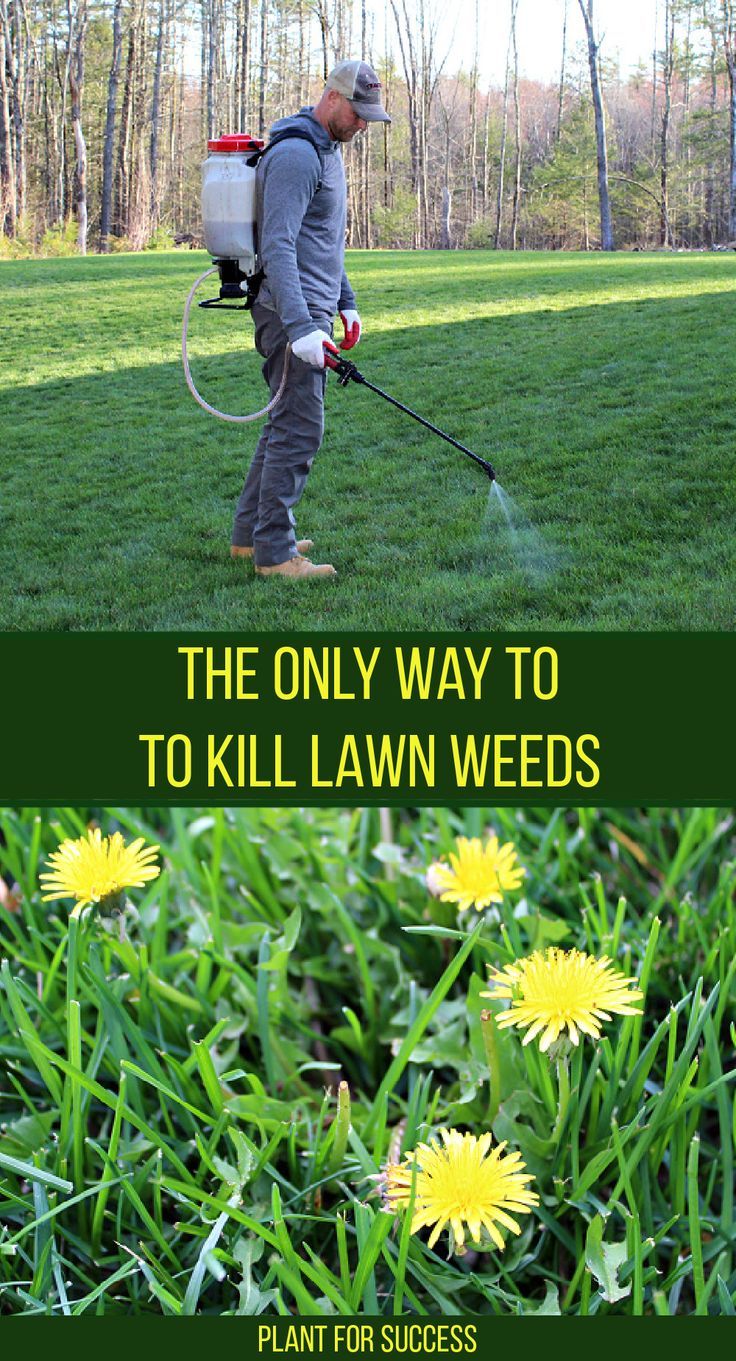
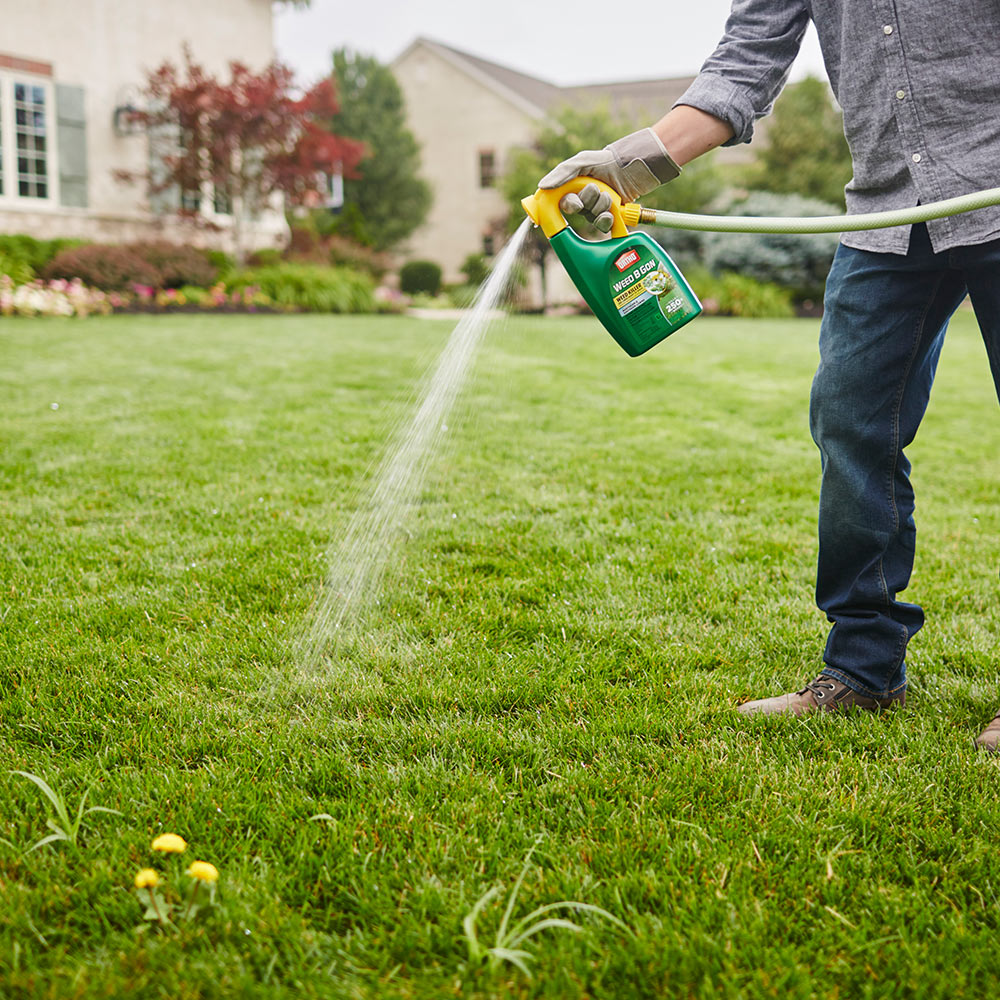
The safest approach is to treat only the weeds you have identified, use the product at its labeled rate, and protect the grass and nearby plants from unintended exposure. A higher dose does not guarantee better control. It can increase the risk of turf injury, chemical runoff, or damage to plants outside the target area.
Read the entire label before opening the container. Confirm that your grass species appears among the permitted uses, then check the target weeds, application method, protective equipment, and weather limits. If the label does not clearly permit your intended use, choose another control method or ask a qualified local professional.
Use a calibrated sprayer or spreader if the product requires one. Measure the lawn area instead of guessing, and never apply more concentrate or granules than the label allows. Avoid windy conditions that could carry spray onto vegetables, flowers, shrubs, trees, or neighboring property.
Keep children and pets away for the period specified on the label. Wear the required protective clothing and equipment, and do not let treated material enter storm drains, ponds, streams, or other water sources. Store the product in its original container and follow the label for disposal and cleanup.
Source: www.pinterest.com
Measure the treatment area
Calculate the area that actually needs treatment and use the labeled rate for that area.
Protect nearby plants
Prevent spray drift and accidental contact, especially near ornamental beds, vegetable gardens, and sensitive trees or shrubs.
Use the required protection
Wear the gloves, eye protection, clothing, or other equipment specified on the label.
Keep chemicals out of water
Follow label buffer and runoff precautions, and never clean equipment where rinse water can reach drains or waterways.
Respect reentry directions
Follow the exact instructions for when people and pets can return to the treated area.
Should You Use a Weed-and-Feed Product?
A weed-and-feed product combines a fertilizer with a weed-control ingredient. It can be useful when the lawn needs the nutrients supplied by that formula and the herbicide matches the weeds present. It is not automatically the best fall treatment for every yard.
Some lawns do not need extra nitrogen in fall, while others benefit from a suitable fertilizer plan based on grass type, soil conditions, and local recommendations. Applying fertilizer when it is unnecessary can waste money and increase the risk of nutrient runoff. A separate spot treatment and a carefully chosen fertilizer may give you better control over what goes onto the lawn.
Read both the weed-control and fertilizer directions on a combination product. Check when the lawn should be watered, how much product to apply, and whether the treatment conflicts with overseeding or other planned work.
Use it when both parts are needed
Choose weed-and-feed only if the lawn needs the fertilizer and the herbicide is appropriate for the target weeds and grass.
Skip unnecessary fertilizer
Use a soil test and local turf guidance to help decide whether additional nutrients are needed.
Should You Fertilize Your Lawn After Killing Weeds?
Fertilize in fall only when the lawn and local growing conditions call for it. Cool-season grasses such as Kentucky bluegrass, perennial ryegrass, and many fescues often grow actively during cool fall weather. They may benefit from a suitable fall nutrient plan, while warm-season grasses such as Bermuda grass, zoysia, and St. Augustine grass have different seasonal needs.
A fertilizer does not directly kill most established weeds. Its role is to supply nutrients that support grass growth when the lawn can use them. If the soil already contains enough nutrients, adding more may do little to improve the turf and can contribute to pollution when excess nutrients wash away.
A soil test is a practical starting point when you are unsure what the lawn needs. It can help assess soil pH and nutrient levels and guide amendments. Avoid adding lime, sulfur, or other soil amendments without a reason supported by testing or reliable local guidance.
If you use a weed killer and fertilizer separately, check whether their directions allow the planned sequence. Some herbicides have specific waiting periods before seeding, fertilizing, or other lawn work. Do not assume that every product can be applied on the same day.
Source: goodgrow.uk
For cool-season lawns
Consider a fall fertilizer plan suited to your grass, soil test, and local recommendations while the grass is actively growing.
For warm-season lawns
Avoid pushing late-season growth when the grass is nearing dormancy. Follow local guidance on the final suitable fertilization window.
For uncertain soil conditions
Use a soil test before applying nutrients or pH-changing amendments without a clear need.
Can Fertilizer Make Weeds Grow Faster?
Yes, nutrients can also support weeds when those weeds are actively growing. Fertilizer is not selective simply because it is spread over a lawn. The goal is to provide what the turf needs while avoiding excess nutrients and using weed control suited to the plants present.
A thick, healthy lawn can make it harder for many weeds to establish, but fertilizer alone will not fix poor drainage, heavy shade, compacted soil, or the wrong grass for a site. Address the cause of thin turf instead of relying on repeated feeding.
Avoid overapplication
Follow the nutrient rate and seasonal guidance for your lawn rather than adding extra fertilizer to speed recovery.
Improve lawn conditions
Correct the underlying cause of bare or weak areas so desirable grass can compete more effectively.
Can You Apply Weed Killer Before Overseeding in Fall?
Yes, some weed-control products can be used before overseeding, but many herbicides restrict how soon you may plant grass seed. The exact waiting period depends on the active ingredient, product formulation, application rate, and sometimes the type of seed or turfgrass. Check the label before you schedule either task.
This is a key planning step for homeowners who want to kill weeds and fill thin spots in the same fall season. A pre-emergent herbicide can prevent the target weed seeds from sprouting, but it may also interfere with the grass seed you are trying to establish. Applying it before checking the seeding restriction can waste a whole planting window.
Some post-emergent products also require a waiting period before seeding. Others may be permitted in particular circumstances. Do not rely on a general rule from another product or a neighbor’s lawn; the label for your exact product controls the permitted use.
If overseeding is your priority, consider whether hand-pulling or carefully targeted treatment can address isolated weeds while preserving the seeding schedule. For widespread weeds, you may need to choose between immediate chemical control and the best window for establishing new grass. Regional Cooperative Extension guidance can help you make that decision.
Source: lawnvibe.com
Read seeding restrictions first
Confirm the exact interval between herbicide application and grass seeding before you treat the lawn.
Check the seed type
Choose a grass suited to your region, sunlight, soil, and intended use rather than using one seed mix everywhere.
Prepare the soil
Correct compaction and other soil problems where practical, then follow the seed supplier’s directions for planting depth and moisture.
Keep new seed moist
Follow the establishment plan for the selected grass, keeping the seedbed from drying out without creating standing water.
What If You Already Applied a Pre-Emergent?
Do not assume new grass seed will germinate normally after a pre-emergent application. Find the product name and active ingredient, then read the label’s reseeding interval. If the instructions are unclear, contact the manufacturer or a local Cooperative Extension office before buying or spreading seed.
If the label prohibits seeding during the current window, focus on mowing, suitable spot treatment where permitted, and planning the next establishment period. Avoid applying additional chemicals in an attempt to cancel the first treatment; that can create more risk without solving the problem.
Keep the product label
Record the application date, product name, and rate so you can check the correct seeding interval.
Do not guess the waiting period
Use the product-specific directions rather than a general number of days taken from a different herbicide.
Natural and Nonchemical Ways to Control Fall Lawn Weeds
You can control many small lawn weed patches without applying herbicide. Hand-pulling, careful digging, mowing at the right height, and repairing bare soil can all help. These methods work best when matched to the weed and the size of the problem.
For broadleaf weeds with deep roots, remove as much of the root as possible when the soil is moist enough to loosen. A narrow weeding tool can help lift dandelions and plantain without tearing up a large patch of grass. Check the area later because fragments of roots or missed growing points may allow some weeds to return.
Do not use household vinegar, salt, bleach, or boiling water as a blanket lawn treatment. These methods can damage desirable grass, injure soil organisms, or leave salts and other residues where they are not wanted. Products sold for specific weed-control uses should still be assessed for their labeled purpose, risks, and limitations.
Corn gluten meal is sometimes promoted as a natural pre-emergent weed control. Results can vary, and it should not be treated as a reliable substitute for proven weed identification, good lawn care, and a properly selected labeled treatment. Follow the product directions and do not expect it to kill established weeds.
Source: in.pinterest.com
Pull isolated weeds
Remove weeds by hand or with a weeding tool, aiming to remove the root or growing point and limit soil disturbance.
Mow at a suitable height
Keep grass within the recommended mowing range for its species. Cutting too short can weaken the lawn and expose soil to new weeds.
Repair bare patches
Use suitable seed or sod when conditions allow, and follow the seeding restrictions of any product already applied.
Improve soil and drainage
Address compaction, excess moisture, shade, or poor soil conditions when they are contributing to weak turf.
Does Pulling Weeds Work Better After Rain?
Moist soil often makes hand-pulling easier because roots can come out with less force. Avoid working when the soil is saturated, since walking and digging can compact or damage it. If the soil is dry and hard, a little water beforehand may help, provided the area can drain properly.
After removing weeds, fill large holes with suitable soil and restore the grass where needed. Check the patch again in the following weeks because new seedlings or missed roots may appear. Early follow-up is often easier than waiting until a small patch spreads.
Choose workable soil
Pull when the soil is moist but not waterlogged.
Check the area again
Look for regrowth and new seedlings, then remove them before they spread.
Common Fall Weed-Control Mistakes to Avoid
The most common mistake is choosing a weed killer before identifying the weed and the lawn grass. A treatment can be effective against one plant yet injure a different grass species or leave the target weed untouched. Read the full label and confirm the intended use before applying anything.
Another mistake is spraying simply because the calendar says fall. Weeds must be at a suitable growth stage, and conditions must fit the product instructions. Cold weather, drought stress, excessive heat, wind, and rain can affect both performance and the risk of damage.
Avoid applying more product than directed, mixing products without permission, or repeating treatment too soon. If the first application fails, determine whether the weed was identified correctly, the weather was suitable, and enough time has passed for the product to work. Follow label limits for repeat applications and seasonal totals.
Do not ignore the effect of treatment on later lawn work. Herbicide restrictions may affect overseeding, sod installation, watering, mowing, or other applications. Plan the order of tasks before you begin rather than discovering the restriction after treatment.
Source: storage.googleapis.com
Using a nonselective weed killer across the lawn
A nonselective herbicide can kill or severely injure desirable grass. Use it only for a specifically permitted purpose, such as labeled spot treatment or renovation.
Treating drought-stressed weeds
Stressed plants may absorb or respond to herbicide differently. Wait until conditions are suitable under the label.
Spraying in the wind
Drift can injure nearby plants and expose areas that were not meant to be treated.
Ignoring label restrictions
Application rates, temperature limits, watering rules, protective equipment, and reseeding intervals are product-specific.
Expecting one application to solve every problem
Some weeds require a permitted follow-up treatment or a different control method. Check the label and reassess the cause of failure before acting.
What Should You Do If the Weeds Do Not Die?
First, allow the full response period listed on the product label. Some weeds show symptoms quickly, while others take longer to decline. Pulling, mowing, or spraying again too soon may interfere with control or exceed the permitted application rate.
Next, check the plant identification, active ingredient, application rate, weather, and product expiration or storage conditions where relevant. A product may have little effect if it does not target that species or if conditions were outside its permitted range. If the weed remains healthy, consult the label or a local turf specialist before changing products.
When a weed repeatedly returns, look for a reason beyond the chemical treatment. Deep roots, creeping stems, seed production, bare soil, poor drainage, and a lawn that is poorly suited to the site can all contribute. A lasting plan often combines targeted control with changes that help desirable grass fill the space.
Wait the correct amount of time
Use the label’s response and retreatment guidance instead of spraying again immediately.
Recheck the weed
Confirm that the product targets the species and that the grass type is permitted.
Change the control method if needed
Use hand removal, a different labeled treatment, or a lawn repair plan when the original approach is unsuitable.
A Simple Fall Lawn Weed-Control Plan
A simple plan starts with inspection, not product application. Walk the lawn and mark the main weed patches, bare areas, and spots where grass looks thin or stressed. Note your grass species if known, the amount of sun each area receives, and whether the soil stays wet or dries quickly.
Choose the treatment only after you identify the weeds and check the label. If broadleaf weeds are actively growing, a suitable selective post-emergent product may be appropriate. If you need to prevent a particular annual weed, check whether its germination timing and the product’s instructions fit your plan.
After treatment, monitor the lawn and avoid unnecessary applications. Follow watering and mowing directions, keep people and pets away as instructed, and record the product and date. If you plan to overseed, verify the waiting period before spreading seed.
Use the remaining fall season to improve conditions that favor grass. Mow at the right height, manage leaves so they do not smother the turf, correct drainage issues where feasible, and seed suitable bare areas when the timing and herbicide restrictions allow. These steps help reduce the open space where weeds can gain a foothold.
Source: in.pinterest.com
Step 1: Inspect
Identify the main weeds, grass type, thin spots, and likely causes of poor turf growth.
Step 2: Select
Choose a control method that targets the weeds and is labeled for your grass and the current conditions.
Step 3: Apply carefully
Measure the area, use the labeled rate, protect nearby plants, and follow all safety directions.
Step 4: Monitor
Allow the treatment time to work, then check for remaining weeds and follow the label before retreating.
Step 5: Strengthen the lawn
Use suitable mowing, soil care, watering, and seeding practices to reduce bare ground and support healthy turf.
How Can You Tell Whether the Plan Is Working?
A successful treatment should produce the expected signs of decline in the target weeds within the period stated on the label. Depending on the product and species, leaves may wilt, discolor, stop growing, or gradually die back. The grass should remain within the normal response expected for that product and turf type.
The wider goal is fewer active weeds and more healthy grass, not a perfectly weed-free lawn after one application. Check the same patches over time and note any new weeds or bare soil. If weeds keep returning in one area, address the site conditions as well as the plants themselves.
Track treated patches
Take a photo before treatment and compare it later to assess changes in the target weeds.
Look for new growth
Separate surviving weeds from new seedlings so you can choose the next step accurately.
Frequently Asked Questions
Q
What is the best thing to put on your lawn in fall to kill weeds?
For existing weeds, use a selective post-emergent herbicide labeled for the weed species and your turfgrass. For weeds that have not yet sprouted, a suitable pre-emergent herbicide may help prevent germination. The right choice depends on the weeds, grass type, weather, and whether you plan to overseed.
Q
Is fall a good time to kill dandelions?
Fall can be a useful time to treat actively growing dandelions in many US regions. A suitable labeled selective herbicide may help control the plant, including its roots, when conditions support uptake. Follow the product’s temperature, application, and repeat-treatment directions.
Q
Should I use pre-emergent or post-emergent weed killer in fall?
Use post-emergent weed killer for weeds that are already growing. Use pre-emergent herbicide to prevent specified weeds from establishing as they germinate. Identify the weed first because fall-germinating annuals and established perennial weeds need different approaches.
Q
Can I put weed killer and fertilizer on my lawn at the same time?
You can use a labeled weed-and-feed product when both its weed-control ingredient and fertilizer fit your lawn’s needs. If using separate products, check whether their labels permit the planned timing and sequence. Do not add fertilizer automatically if the soil and grass do not need it.
Q
How long after weed killer can I seed my lawn?
The waiting period varies by herbicide and product formulation. Some treatments restrict seeding for a period stated on the label, while others have different instructions. Check the exact product label before overseeding, and do not assume that a waiting period for one active ingredient applies to another.
Q
Will fall weed killer kill crabgrass?
A fall treatment is often unnecessary for mature crabgrass because this annual weed commonly dies after frost. The more useful long-term approach is usually to prevent spring germination with a suitable, correctly timed treatment and improve thin lawn areas. Confirm the weed’s identity and follow the label for any control product.
Q
Can I use vinegar to kill weeds in my lawn?
Household vinegar is not a dependable blanket lawn treatment because it can burn desirable grass along with weeds. Stronger vinegar products can also pose serious eye and skin hazards. Avoid using household chemicals as improvised lawn herbicides, and choose hand removal or a product labeled for the intended use.
✦ Wrapping Up
Conclusion
The best thing to put on your lawn in fall depends on which weeds you want to control. A suitable selective post-emergent herbicide can help with existing broadleaf weeds, while a correctly timed pre-emergent product may prevent certain weeds from sprouting. Neither approach replaces correct weed identification, label checks, and care suited to your grass type.
Fall is also a chance to make the lawn less inviting to weeds. Mow at the right height, correct poor growing conditions, use fertilizer only when needed, and repair bare spots when the timing and herbicide restrictions allow. These steps can help your grass compete and reduce future weed problems.
💡 Key Takeaway
Before buying a fall weed killer, identify the weeds and your grass type, decide whether you need to kill existing plants or prevent new ones, and check the full product label for application, weather, safety, and reseeding restrictions.
I enjoy sharing simple gardening ideas, lawn care tips, and honest product reviews that help make outdoor work easier. From home gardening guides to helpful tools and lawn care advice, I write easy-to-follow content to help readers create a healthier and better-looking outdoor space without wasting time or money.