As an Amazon Associate, I earn from qualifying purchases.
Plant tulip bulbs in fall, when the soil has cooled to about 55°F or lower. In much of the United States, this means September through November, although warmer Southern states may need to wait until late fall or early winter. Plant bulbs before the ground freezes so they can develop roots before spring.
From New England yards to sunny California gardens, tulips bring a welcome burst of color after winter. The trick is to plant them at the right time. Unlike many summer flowers, tulips need a cool period before they can bloom well in spring. Fall planting gives the bulbs time to grow roots while the soil is still workable.
The best planting date depends on where you live, how quickly autumn temperatures fall, and whether your garden soil drains well. A gardener in Minnesota may plant tulips weeks before someone in Georgia or Texas. Instead of following one date for the whole country, watch the weather and check your soil temperature. These simple steps help you choose a planting window that fits your local climate.
This guide explains when to plant tulips across different US regions, how deep to set the bulbs, and what to do if you miss the usual fall window. It also covers container planting, warm-winter climates, common mistakes, and ways to help tulips return for another spring.
The best time to plant tulips is in fall, once the soil has cooled but before it freezes. This gives the bulbs enough time to grow roots before winter settles in. For many US gardeners, the planting season runs from September through November, but the right month varies by region.
Soil temperature offers a better guide than a calendar alone. Aim for soil around 55°F or cooler at the depth where you plan to plant the bulbs. A few cool days may not be enough if the ground warms up again, so check the trend in local weather and soil conditions.
Tulip bulbs need time to establish roots, but they generally should not sprout much top growth before winter. Cool soil slows shoot growth while allowing roots to develop. Planting too early in warm soil can encourage premature growth and may increase the risk of disease or poor performance.
Source: thegardeningcook.com
Early fall
Often suits colder northern areas where the soil cools quickly and the ground may freeze early.
Mid to late fall
Often works well across much of the Midwest, Mid-Atlantic, and Pacific Northwest once soil temperatures fall.
Late fall to early winter
May suit warmer parts of the South, where autumn soil stays warm longer. Plant before the ground freezes or becomes too wet to work.
Why Tulips Need Fall Planting
Tulips are spring-flowering bulbs that use winter cold as part of their normal growth cycle. The cold period helps prepare the flower inside the bulb for spring growth. Planting in fall also allows roots to form before the plant begins to send up leaves and flowers.
Think of fall as the preparation stage and spring as the show. The bulb holds stored energy, while its new roots help it take up water and nutrients. When spring temperatures rise, the plant can direct that energy toward leaves and blooms.
Root growth
Cool fall soil supports root development before the main spring growth period.
Winter chilling
Many tulips need a sustained period of cold to flower well, although exact needs vary by variety.
Spring bloom
Established roots and the bulb’s stored energy support the next season’s growth.
Should You Plant Tulips by Calendar Date or Soil Temperature?
Use both, but give more weight to soil temperature and local conditions. A calendar provides a useful starting point, while soil temperature shows whether the ground is cool enough for planting. A warm October can delay planting in one area, while an early cold spell may move the schedule forward in another.
If you do not have a soil thermometer, use local extension guidance and the pattern of autumn weather. Do not wait so long that the soil freezes solid or becomes too wet to dig. The goal is to plant during cool weather while the ground remains workable.
Check the soil
Measure the temperature at roughly 4 to 6 inches deep, or at the depth relevant to your planting plan.
Watch the forecast
Look for a sustained cooling trend rather than one chilly night.
When to Plant Tulips in Different US Regions
Your region’s climate is one of the biggest factors in choosing a tulip planting date. The northern states usually cool down earlier than the South, while high-elevation gardens can have different conditions from nearby lowland areas. Use these regional windows as starting points, then adjust them to your local soil temperature and frost pattern.
The dates below are general guidance, not strict deadlines. Even within one state, planting conditions can differ between a shaded yard, a sunny raised bed, and a low spot that stays wet after rain.
Source: plantnative.org
Northeast and New England
September through October is often the main planting window. Colder inland locations may need earlier planting than coastal areas.
Midwest
September through October is common, with timing adjusted for local frost dates and how quickly the soil cools.
Mid-Atlantic
October through November often works well, although colder inland locations may need to plant sooner.
Southeast
November into December may be suitable in cooler areas, but warm winters can make tulips less dependable as returning perennials.
South Central states
Late fall is often a better starting point than early fall. Local winter temperatures and the amount of winter chilling available matter.
Mountain West
September through October may work in many locations, but altitude and early freezes can shorten the planting season.
Pacific Northwest
October through November is often suitable when the soil is cool and drains well. Wet winter soil makes drainage especially important.
California and the Southwest
Cooler inland and higher-elevation areas may support fall planting, while low-desert areas with mild winters can struggle to provide enough natural chilling.
When to Plant Tulips in Cold Climates
Gardeners in states such as Minnesota, North Dakota, Maine, and Vermont should plan around early soil cooling and the risk of frozen ground. September or early October may be the practical window in many locations. If you wait until late fall, the soil may become too hard to dig before the bulbs have a chance to root.
Choose a day when the soil is cool but not frozen or saturated. If an early freeze is forecast, planting a little sooner is usually more useful than waiting for a perfect date. Once the bulbs are in the ground, a layer of loose mulch can help reduce rapid temperature swings after the soil cools.
Plan ahead
Buy bulbs early enough to plant before the ground freezes.
Avoid frozen soil
Do not try to force bulbs into frozen ground or dig in soil that is too wet.
When to Plant Tulips in Warm Climates
In places such as southern Texas, coastal Southern California, and low-elevation Arizona, the ground may stay warm well into fall. Wait until the soil has cooled as much as local conditions allow, and seek advice from a nearby university extension service if winter temperatures rarely become cold.
Tulips often need a longer period of cold than warm-winter regions naturally provide. Some gardeners in mild climates buy pre-chilled bulbs and plant them according to the supplier’s instructions. Even with chilling, tulips may flower less strongly or fail to return reliably in the following year.
For a warm climate, treat tulips as a seasonal experiment rather than a guaranteed long-term perennial display. Plant them in a spot with good drainage and modest winter warmth, and avoid storing bulbs in a household refrigerator where ripening fruit may release ethylene gas that can damage flower development.
Check chilling needs
Choose varieties with guidance that fits your climate and follow any supplier instructions for pre-chilled bulbs.
Keep bulbs cool and dry before planting
Store them in a ventilated place away from heat, moisture, and ripening fruit.
How to Choose Healthy Tulip Bulbs
Choose firm, healthy bulbs before you worry about planting dates. A good bulb feels solid for its size and has a dry outer skin. Avoid bulbs that feel soft, look moldy, smell rotten, or have large damaged areas.
A larger bulb often has more stored energy than a small bulb of the same variety, which can support a stronger flower. Size is not the only factor, though. The variety, growing conditions, and health of the bulb also affect flowering.
Buy bulbs from a reliable nursery or garden supplier, and check the package for the variety name, expected height, bloom time, planting depth, and any chilling instructions. This helps you match the bulbs to your garden and plan a longer spring display.
Source: i.pinimg.com
Firm texture
Select bulbs that feel solid rather than spongy or soft.
No signs of rot
Skip bulbs with wet spots, a foul smell, or extensive mold.
Clear variety information
Check the label for flower color, mature height, bloom time, and planting needs.
Which Tulip Varieties Should You Plant?
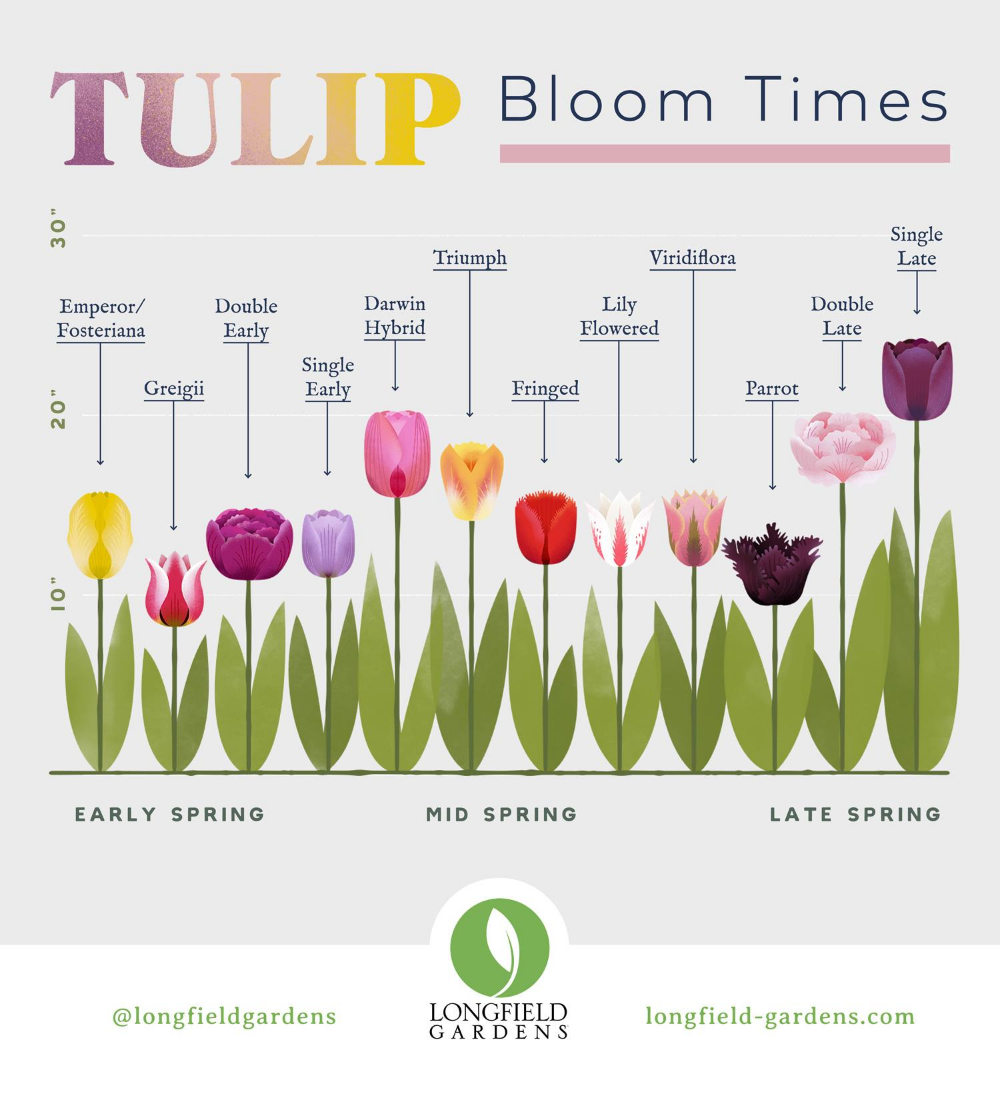
Choose tulips based on your climate, garden style, and how long you want the flowers to last. Early, midseason, and late varieties can extend the display when planted in suitable conditions. Different heights also create depth in a flower bed.
Darwin hybrid tulips are often grown for their large flowers and strong stems. Species tulips and some botanical types may naturalize more readily in suitable sites, while many large hybrid tulips are less reliable in returning year after year. Check the variety description rather than assuming every tulip behaves the same way.
For a bold spring display
Consider large-flowered varieties suited to your climate and garden exposure.
For a more natural look
Look into suitable species tulips or varieties known to return in favorable conditions.
For a longer bloom period
Combine early-, midseason-, and late-flowering types.
How to Plant Tulip Bulbs Correctly
Plant tulip bulbs in a sunny or mostly sunny location with soil that drains well. A site with at least six hours of sun during the growing season is a useful target for many garden tulips. In warm climates, some afternoon shade may help, but it cannot replace the cold period many varieties need.
Prepare the bed before opening the bulb bag. Remove weeds, loosen compacted soil, and improve drainage where needed. If your soil holds water after rain, consider a raised bed or another location instead of placing bulbs in a soggy hole.
Source: i.pinimg.com
Step 1: Choose the site
Select a sunny spot that does not remain waterlogged through fall and winter.
Step 2: Prepare the soil
Loosen the soil and remove weeds, large stones, and plant debris that may obstruct planting.
Step 3: Set the depth
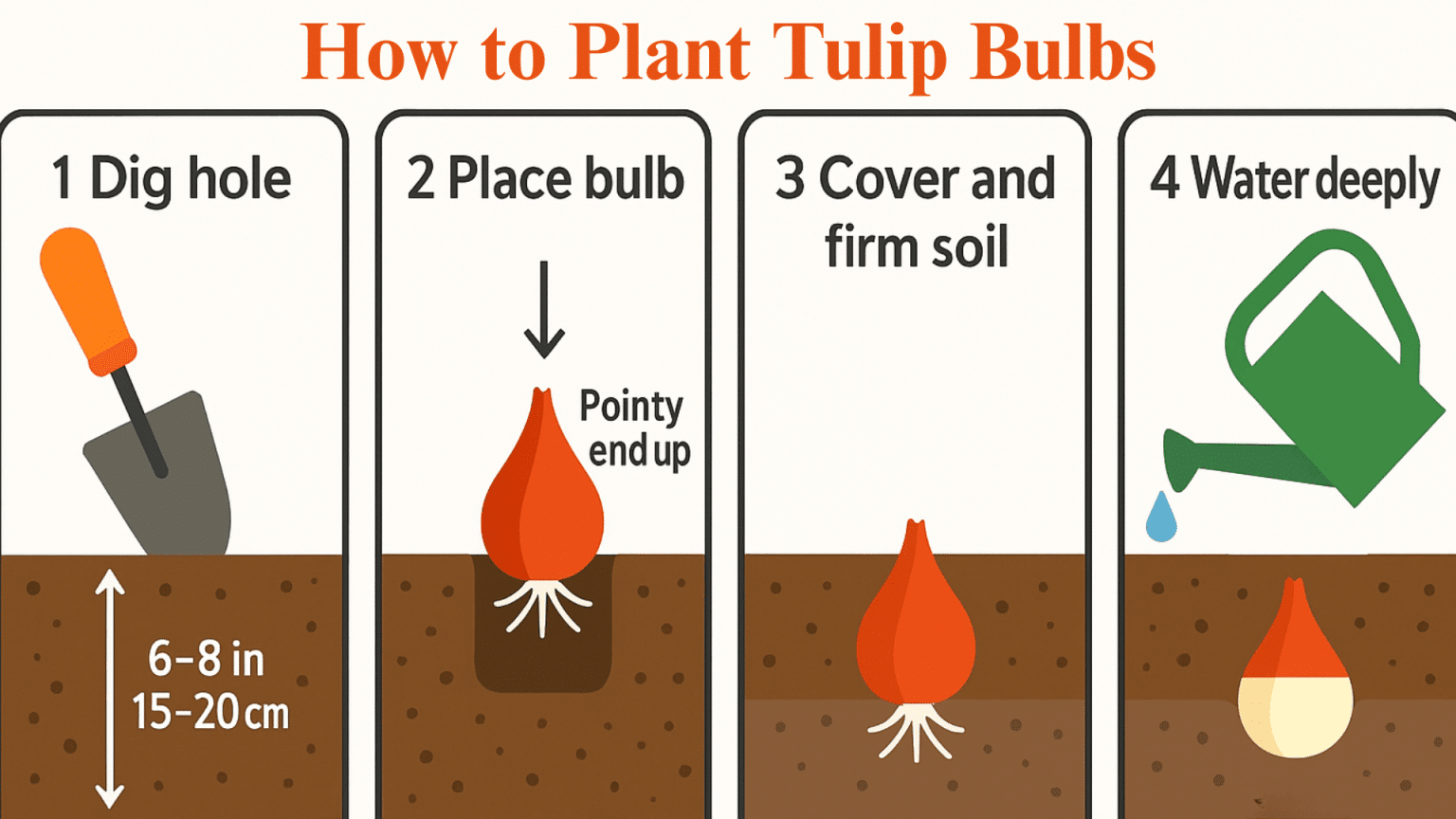
Plant most tulips about 6 to 8 inches deep, measured from the base of the bulb to the soil surface, unless the package gives different directions.
Step 4: Space the bulbs
Leave roughly 4 to 6 inches between bulbs for a garden display, or follow the variety and design instructions for tighter planting.
Step 5: Position each bulb
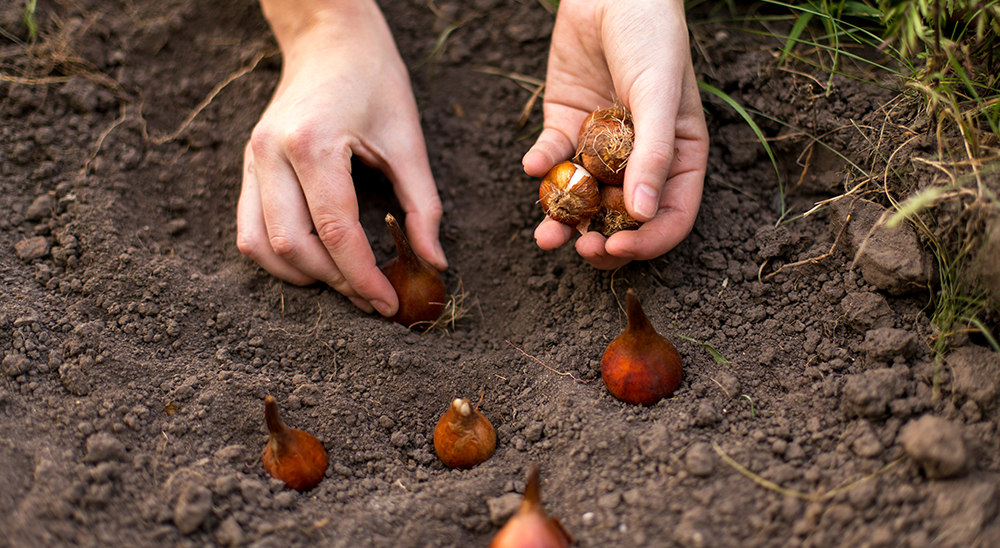
Place the pointed end upward and the flatter root end downward. If the orientation is unclear, plant the bulb on its side rather than leaving it exposed.
Step 6: Cover and water
Refill the hole with soil, firm it gently, and water enough to settle the soil if the ground is dry.
How Deep Should You Plant Tulips?
For many standard tulips, a planting depth of 6 to 8 inches works well. Measure from the bottom of the bulb to the finished soil surface, not from the top of the bulb. Deeper planting helps protect bulbs from temperature swings and may reduce disturbance from some animals.
The right depth can change with bulb size, soil type, and the variety’s instructions. In heavy clay, waterlogged soil is a bigger concern than adding extra depth. Loosen the bed and improve drainage rather than digging a deep hole that collects water.
Standard garden tulips
About 6 to 8 inches deep is a common guideline, unless the bulb label says otherwise.
Small species tulips
Some smaller bulbs need less depth, so use the supplier’s instructions.
Container tulips
Use a pot deep enough for the recommended bulb depth and allow room for roots and drainage.
How Much Water Do Newly Planted Tulips Need?
Water newly planted bulbs if the soil is dry so the ground settles around them and root growth can begin. You do not need to keep the bed constantly wet. Once autumn rains begin, check the soil before adding more water.
Tulips are vulnerable to rot in soggy conditions. If water pools on the surface or the bed stays saturated, improve drainage or move future plantings to a better location. A dry spell may call for occasional watering, but repeated watering in wet weather can do more harm than good.
Dry soil
Water after planting to moisten the root zone.
Wet soil
Hold off on watering until excess moisture drains away.
Can You Plant Tulips in Pots?
Yes, tulips grow in containers when the pot has drainage holes, enough depth, and a suitable winter environment. Container planting is useful for patios, balconies, and small yards. It also lets you move the display into view when the flowers open.
Choose a sturdy pot that is deep enough for the recommended bulb depth and has open drainage holes. Fill it with a free-draining potting mix rather than dense garden soil, which can compact in a container. Plant the bulbs close enough to create a full display without pressing them against one another.
Container bulbs are more exposed to cold and rapid temperature changes than bulbs planted in the ground. In areas with harsh winters, protect the pot from repeated freeze-thaw cycles while keeping the soil cold. Do not bring it into a warm living room for the entire winter, because excessive warmth can disrupt the normal growth cycle.
Source: i.ytimg.com
Use a pot with drainage
Choose a container with several open holes so excess water can escape.
Use suitable potting mix
Select a mix that drains well and does not stay soggy after watering.
Provide winter chill
Keep the pot in an appropriate cold environment for the variety, protecting it from severe temperature swings.
Check moisture
Water when needed, but do not let the container sit in a tray full of water.
When to Plant Tulips in Containers
Plant container tulips during the same general fall window as garden tulips, when the soil or potting mix has cooled. In many northern areas, this means early to mid-fall. In milder regions, later fall may be more suitable.
After planting, keep the pot outdoors in a protected location where it receives the needed cold period. If winters are very cold, an unheated garage or sheltered space may help protect the pot, but it must stay cold enough for the bulbs’ requirements. Avoid warm indoor storage.
Before planting
Confirm the pot has drainage and enough depth for the bulbs.
After planting
Keep the pot cool and check it from time to time for excessive dryness or waterlogging.
What If You Miss the Fall Planting Window?
If you miss the ideal fall window, plant the bulbs as soon as possible while the ground remains workable. Late planting is not always a lost cause, but the results are less predictable. The bulbs may have less time to form roots before spring growth begins.
Check the soil before planting. If it is frozen solid, waterlogged, or too hard to dig without damaging the bulbs, wait for a suitable period rather than forcing the job. Once the soil becomes workable again, plant the bulbs promptly and keep the bed from drying out excessively.
Do not expect spring planting to produce the same results as proper fall planting. Tulip bulbs planted in spring may grow leaves without flowering because they have not received the needed cold treatment or have not had enough time to establish. A bulb that misses its normal cycle may recover later, but a spring flower is not guaranteed.
Source: creativehomedesignideas.com
Late fall
Plant promptly if the soil is cool and workable, even if the preferred window is nearly over.
Winter thaw
If the ground has thawed and drains well, planting may still be possible.
Spring
Planting can be attempted, but flowering may be weak or absent that season.
Warm-winter locations
Consider bulbs sold as pre-chilled when suitable for your climate and follow the supplier’s timing instructions.
Should You Store Unplanted Tulip Bulbs Until Next Fall?
If planting is no longer practical, storing bulbs may be an option, but storage does not guarantee that they will remain in good condition until the next season. Keep them in a cool, dry, ventilated place away from direct sunlight and ripening fruit. Inspect them from time to time and discard any bulbs that become soft or rotten.
Tulip bulbs are living plant parts, and their condition can decline during long storage. For the best chance of flowering, purchase healthy bulbs and plant them during the appropriate season. Follow any storage guidance provided by the supplier, especially if the bulbs have already been chilled.
Keep them dry
Avoid sealed, damp containers that trap moisture and encourage mold.
Avoid heat
Store bulbs in a cool, shaded, ventilated place that suits the supplier’s instructions.
Inspect before planting
Discard bulbs with extensive rot, softness, or severe damage.
How to Help Tulips Bloom Again Next Year
Tulips can return for several years, but repeat blooming depends on variety, winter climate, soil drainage, and care after flowering. Many large-flowered hybrid tulips perform best as a one- or two-season display in some gardens. Species tulips and certain perennializing varieties may return more reliably when their needs are met.
After the flowers fade, remove the spent flower head if you do not want the plant to make seeds. Leave the green leaves in place until they turn yellow and die back naturally. Those leaves gather sunlight and help replenish the bulb’s energy for the next growing cycle.
Do not braid or tie the leaves into tight bundles, and avoid cutting them while they are still green. If you want to improve the odds of repeat flowering, give tulips suitable sun during growth, good drainage, and the right winter conditions. Avoid excessive fertilizer, which does not make up for poor light or inadequate chilling.
Source: plantpropagation.com
Let foliage die back
Keep green leaves intact until they turn yellow or brown naturally.
Remove faded flowers
Snip off the flower head after bloom if seed production is not desired.
Avoid soggy soil
Good drainage helps protect bulbs from rot during dormancy.
Choose suitable varieties
Look for tulips described as perennializing or well suited to your region, while recognizing that results depend on local conditions.
Should You Fertilize Tulips When Planting?
Healthy soil and correct planting conditions matter more than heavy feeding. If a soil test shows a nutrient shortage, use a suitable amendment according to the test results. Avoid placing concentrated fertilizer directly against the bulb because it can damage plant tissue.
A balanced bulb fertilizer may be useful when the product label and soil conditions support its use, but extra fertilizer cannot replace the cold period, sunlight, or drainage that tulips need. In many established beds, correcting soil structure and watering practices is the more useful first step.
Test when needed
Use a soil test if you suspect a nutrient problem instead of guessing at the cause.
Follow the label
Apply fertilizer at the stated rate and keep it from direct contact with bulbs.
Why Tulips May Not Come Back
Tulips may fail to return because the bulbs rotted, animals ate them, the winter was too warm, or the foliage was removed before it finished feeding the bulb. Poor light and crowded planting can also reduce flowering over time. In some cases, the variety is simply less suited to repeat blooming in the local climate.
If tulips produce leaves but no flowers, review their growing conditions before adding fertilizer. Check whether the bulbs received enough winter chill, whether the foliage was allowed to die back, and whether the site receives adequate spring sunlight. If the bulbs have disappeared entirely, inspect for signs of animal disturbance or decay.
Leaves but no flowers
Possible causes include insufficient chilling, weak bulbs, premature foliage removal, or poor growing conditions.
Bulbs rot
Improve drainage and avoid repeated watering when the soil is already wet.
Bulbs disappear
Check for animal activity and consider appropriate local bulb-protection methods.
Common Tulip Planting Mistakes to Avoid
Most tulip planting problems begin with poor timing, wet soil, or incorrect expectations about winter chilling. The bulbs are fairly simple to plant, but they still need conditions that match their natural growth cycle. A few checks before planting can prevent many avoidable problems.
Focus first on soil temperature, drainage, and bulb health. Once those basics are right, planting depth, spacing, and after-bloom care become easier to manage.
Source: i.pinimg.com
Planting while the soil is too warm
Wait until the ground cools to reduce the chance of premature shoot growth and unfavorable conditions for root establishment.
Planting in soggy ground
Choose a well-drained bed or raised area because excess water can cause bulb rot.
Planting too shallow
Use the depth on the bulb label. Many standard tulips need about 6 to 8 inches of soil above the bulb’s base.
Cutting leaves too early
Allow green foliage to yellow naturally so the bulb can replenish its stored energy.
Expecting every tulip to return
Repeat flowering varies by variety and climate, particularly where winters are mild.
Using one date for every location
Adjust planting time to local soil temperature, freeze dates, rainfall, and growing conditions.
A Simple Checklist Before You Plant
Before planting, confirm that the bulbs are healthy, the soil is cool, and the site drains well. Make sure you have enough time to plant before the ground freezes. If the bulbs need special chilling or have variety-specific directions, follow those instructions rather than a general calendar.
Bulbs
Firm, healthy, and suitable for the local climate.
Timing
Cool soil and enough time for roots to develop before the ground freezes.
Location
A sunny or mostly sunny site with good drainage.
Planting method
Correct depth, sensible spacing, and the pointed end facing upward when possible.
Aftercare
Appropriate watering and protection from severe conditions where needed.
Frequently Asked Questions
Q
Can I plant tulips in October?
Yes. October is a common month for planting tulips across much of the United States, especially in the Midwest, Northeast, and many Mid-Atlantic locations. The best timing depends on local soil temperature and how soon the ground freezes. Plant when the soil is cool and workable rather than relying on the date alone.
Q
Can I plant tulip bulbs in November?
Yes, if the soil is cool, drains well, and remains workable. November may be a suitable planting month in parts of the Mid-Atlantic, Pacific Northwest, and South. In colder regions, the ground may freeze too early, so plant sooner when local conditions call for it.
Q
What happens if I plant tulips in spring?
Spring-planted tulips may grow leaves without producing flowers that season. They often miss the natural cold period or have too little time to establish roots before growth begins. If you already have bulbs, plant them when the soil is workable, but treat flowering as uncertain and follow any chilling instructions supplied with the bulbs.
Q
How many weeks before winter should I plant tulips?
Try to plant when the soil has cooled but before it freezes, allowing several weeks for root growth if local conditions permit. There is no single number of weeks that works for every climate because soil temperature, bulb type, and the timing of winter differ. In colder areas, an earlier fall planting window is often necessary.
Q
Do tulips need full sun?
Many garden tulips bloom best in full sun, often defined as about six or more hours of direct sunlight during the growing season. Some can grow in partial shade, but flowering may be weaker and the soil may stay wet longer. In warm regions, some afternoon shade can help, although it does not replace the cold period many tulips need.
Q
Can tulips grow in warm states such as Texas or Florida?
Tulips can sometimes be grown in warmer parts of the South, but results depend on the local winter climate and variety. Many tulips need sustained cold to flower well, and mild winters may not provide enough chilling. Pre-chilled bulbs may help where recommended, but they do not guarantee repeat blooms. Check guidance from a local university extension service for your area.
Q
Should I soak tulip bulbs before planting?
No routine soaking is needed for healthy tulip bulbs. Plant firm, dry bulbs directly into suitable soil and water the bed if the ground is dry. Soaking bulbs can add unnecessary moisture and may increase the risk of rot if the bulbs remain wet.
Q
How long does it take tulips to bloom after planting?
Tulips usually bloom the following spring rather than soon after fall planting. The exact bloom date depends on variety, winter chilling, local weather, and spring temperatures. Early-, midseason-, and late-flowering varieties can open at different times, even in the same garden.
✦ Wrapping Up
Conclusion
The best time to plant tulips is in fall, after the soil cools and before the ground freezes. In much of the United States, that means planting sometime between September and November, with warmer areas often planting later. Use soil temperature and local weather to refine the timing instead of following a fixed date for every garden.
Choose firm bulbs, plant them at the recommended depth, and place them in soil that drains well. Give them a suitable winter chilling period, water only as needed, and leave the foliage intact after flowering until it dies back naturally. These steps support healthy spring blooms and give suitable varieties a better chance of returning.
💡 Key Takeaway
Check your local soil temperature and upcoming weather, choose a well-drained planting site, and plant tulip bulbs once the soil has cooled to about 55°F or lower while remaining workable. If you garden in a warm-winter area, check variety-specific chilling needs before buying bulbs.
I enjoy sharing simple gardening ideas, lawn care tips, and honest product reviews that help make outdoor work easier. From home gardening guides to helpful tools and lawn care advice, I write easy-to-follow content to help readers create a healthier and better-looking outdoor space without wasting time or money.