As an Amazon Associate, I earn from qualifying purchases.
The best days for planting above ground crops are days when local weather, soil temperature, frost risk, and crop needs support healthy growth. Some gardeners also use a lunar planting calendar, which favors certain moon phases for above-ground vegetables, but scientific evidence has not established that these dates improve harvests. In the United States, your local frost dates and growing conditions are the most useful starting points.
From a backyard garden in Georgia to a raised bed in Minnesota or a patio garden in California, planting dates can vary by weeks. Lettuce, peas, beans, tomatoes, cucumbers, and squash all grow above the soil, yet they do not share the same temperature needs. A warm spring day may suit tomatoes in the South while the same date is still too cold for them in the Northeast.
A good planting plan starts with your area’s expected last spring frost, the temperature of your soil, and the needs of each crop. You can then use a moon calendar if you enjoy traditional gardening practices. This approach keeps the garden grounded in practical growing conditions without treating a particular weekday or moon phase as a guarantee of success.
What Are the Best Days for Planting Above Ground Crops?
The best planting days are those that match the crop’s temperature needs and give seeds or young plants a reasonable chance to establish. For many cool-season vegetables, this may be early spring. For heat-loving vegetables, the right time often comes after the last spring frost, once the soil has warmed.
The phrase above-ground crops usually refers to vegetables whose edible parts grow above the soil. Examples include lettuce leaves, pea pods, green beans, tomatoes, peppers, cucumbers, and squash. Gardeners sometimes use the phrase when discussing lunar planting calendars, where above-ground crops are assigned particular days based on moon phases.
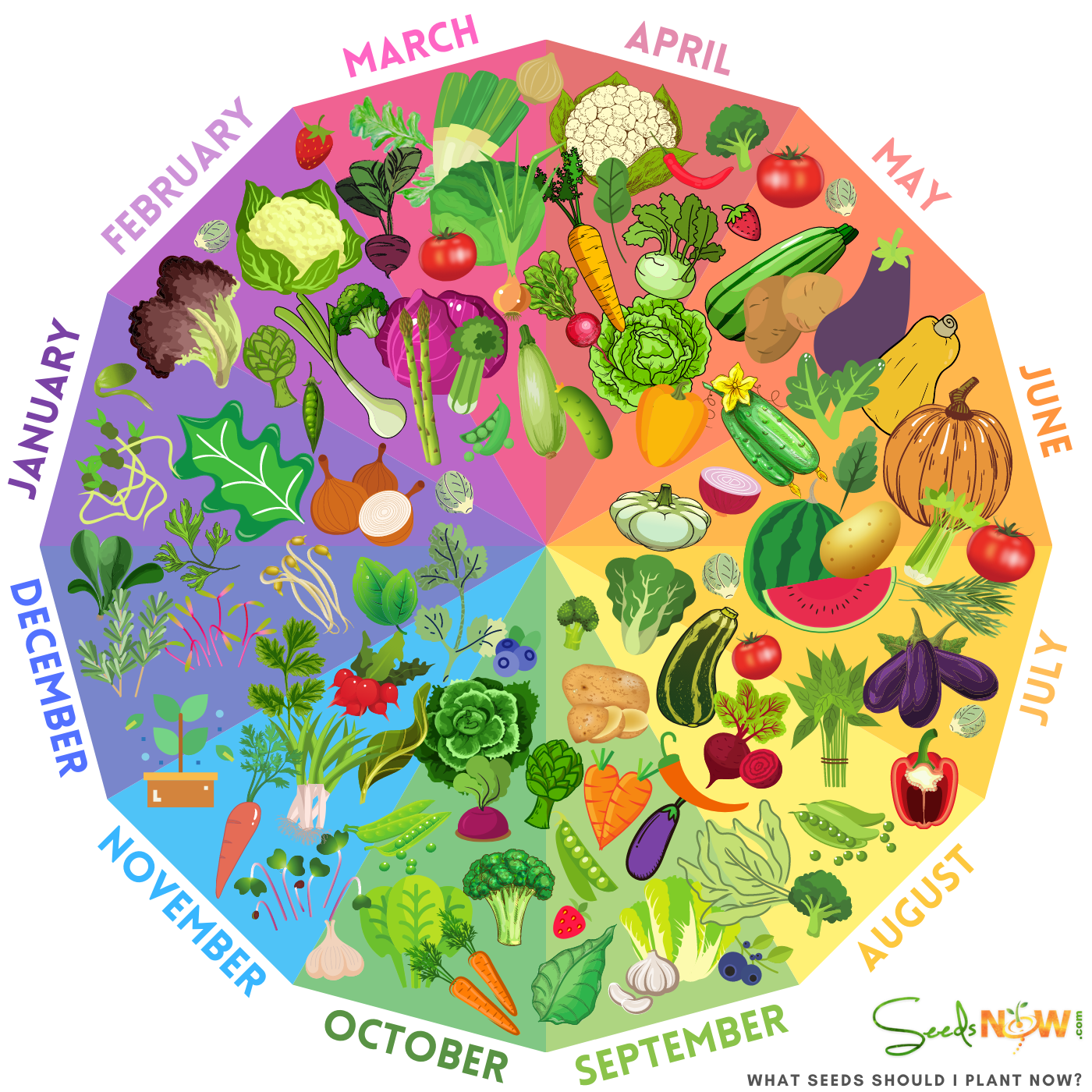
There is no single date that works across the United States. A gardener in Florida may plant certain vegetables months before a gardener in Wisconsin. Even within one state, elevation, coastal weather, shade, and local frost patterns can change the ideal planting window.
Source: unit.existenzgruendung-iq.de
Best practical planting day
Choose a day when the soil is workable, the weather forecast suits the crop, and frost or heat is unlikely to cause immediate damage.
Best day according to lunar tradition
Many lunar calendars recommend planting above-ground crops during the waxing moon, especially between the new moon and full moon. Treat this as a gardening tradition rather than a proven biological requirement.
Best day for your garden
Use local extension-service planting calendars and crop-specific instructions to narrow the date to your region.
What Counts as an Above-Ground Crop?
Above-ground crops include vegetables grown mainly for their leaves, stems, flowers, fruits, or pods. Lettuce, kale, spinach, peas, beans, tomatoes, peppers, cucumbers, and summer squash are common examples. Some plants have both edible above-ground and below-ground parts, so the category is a useful gardening shortcut rather than a strict botanical group.
Leaf crops
Lettuce, spinach, kale, and other leafy greens generally prefer cool growing conditions.
Pod crops
Peas often prefer cool weather, while most common garden beans need warmer soil.
Fruit crops
Tomatoes, peppers, cucumbers, and squash generally need warmer conditions than early spring greens.
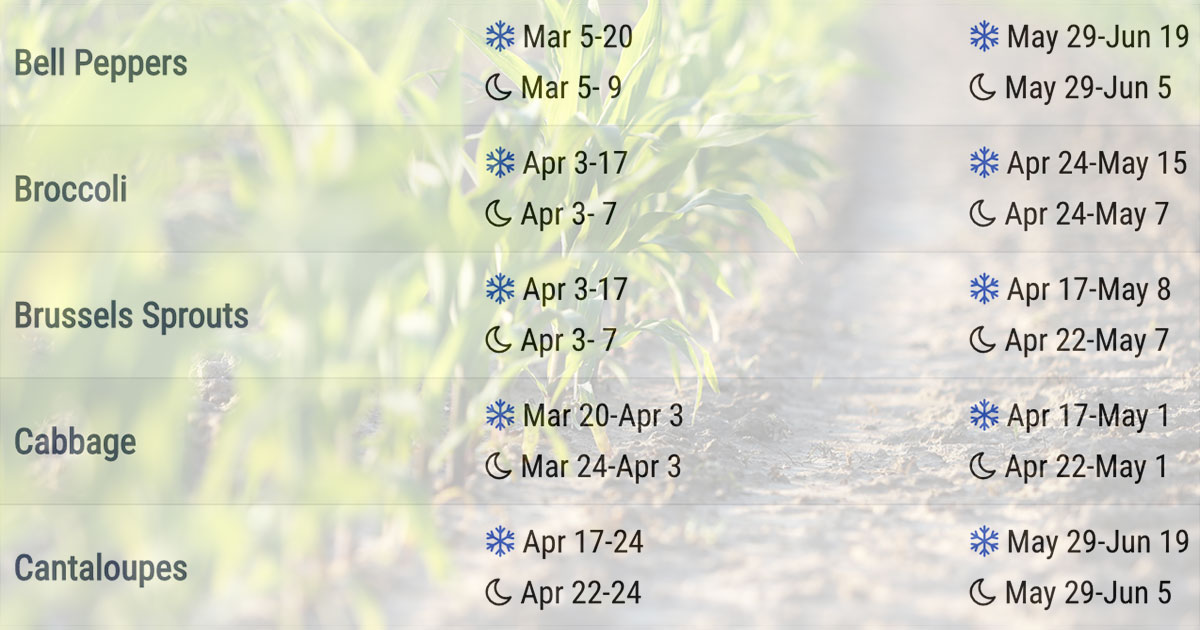
How Moon Phases Affect Traditional Planting Calendars
Lunar gardening uses the moon’s phases to suggest when to sow, transplant, prune, or harvest crops. In one common system, the period from the new moon to the full moon is associated with above-ground growth. The period from the full moon toward the new moon is often associated with root crops and other garden tasks.
Supporters of lunar gardening suggest that changes in moonlight or lunar gravity may influence moisture movement, seed germination, or plant growth. Plants do respond to light and environmental conditions, but these observations do not establish that planting on a particular lunar date produces a better harvest. Research has not provided strong, consistent evidence that moon-phase planting outperforms sound crop management.
A lunar calendar can still be useful as a planning aid. It can remind you to sow seeds, check seedlings, or prepare beds at regular intervals. The important distinction is that the calendar helps organize garden work; it should not override a frost warning, cold soil, drought, or a crop’s normal planting window.
Source: mayanifarms.com
New moon to first quarter
Some lunar systems favor leafy crops during the early waxing phase. If your soil and weather are ready, this can be a convenient time to sow lettuce or other suitable greens.
First quarter to full moon
Traditional calendars may recommend this part of the waxing phase for crops grown for stems, leaves, flowers, fruits, or pods.
Full moon to last quarter
Many lunar calendars associate the waning phase with root crops, bed preparation, or maintenance tasks.
Last quarter to new moon
Some traditions reserve this period for weeding, pruning, compost work, and other garden tasks rather than sowing.
Should You Follow the Waxing Moon for Above-Ground Crops?
You can follow the waxing moon if you enjoy the tradition, but do not delay a suitable planting window just to reach a preferred phase. If your lettuce bed is ready and a period of mild weather is expected, sowing on a practical date is generally more defensible than waiting several days for a lunar event.
You can also compare results in your own garden. Sow the same variety in similar soil and conditions on two suitable dates, record germination and plant growth, and repeat the comparison over more than one planting. Differences in temperature, rain, seed age, and light can affect the results, so one small trial cannot prove that the moon caused a change.
Use the moon as a secondary guide
Let a lunar calendar help organize work after the main planting conditions are met.
Keep useful records
Record sowing dates, weather, soil conditions, germination, and harvests before drawing conclusions.
How to Find the Best Planting Dates in Your US Region
Start with your local growing season rather than a national date. The United States spans many climate patterns, from warm areas with mild winters to places where spring frost can continue late into the year. A useful planting calendar accounts for these regional differences and separates cool-season crops from warm-season crops.
Your expected last spring frost is a helpful reference for spring planting, but it is not a guarantee that frost will not occur again. A forecast can change, and cold air may settle in low spots or exposed gardens. Tender crops may need protection even when the average last-frost date has passed.
For fall crops, work backward from your area’s typical first fall frost. Estimate how many days the crop needs to mature, then add extra time for slower growth in cool weather. A crop planted too late may produce small leaves or immature fruit before cold conditions stop growth.
Source: plantideas.darienicerink.com
Use a local cooperative extension guide
Land-grant university extension services often publish planting calendars suited to nearby counties or regions. These guides can be more useful than a general national chart.
Check the USDA plant hardiness map
The USDA map describes average annual extreme minimum winter temperatures. It is useful for perennial plant survival, but it does not by itself determine annual vegetable sowing dates.
Review the short-term forecast
Check for frost, unusually cold nights, heat waves, heavy rain, and strong winds before planting.
Check seed packets
Use the variety’s days to maturity, recommended sowing depth, spacing, and temperature instructions to plan the planting window.
Planting in Northern States
Gardeners in states such as Minnesota, Wisconsin, Michigan, and Maine often face a shorter warm growing season. Cool-season vegetables may go into the garden as soon as the soil can be worked and conditions suit the crop, while tomatoes, peppers, cucumbers, and beans generally need warmer conditions and careful frost protection.
Starting selected warm-season crops indoors can help make use of a short season. However, seedlings need suitable light, water, and gradual outdoor acclimation before transplanting.
Early planting options
Consider peas, spinach, lettuce, and other cool-season crops when local guidance and soil conditions permit.
Later planting options
Wait for warmer soil and safer night temperatures before planting tender crops outdoors.
Planting in Southern States
Many areas of the South have longer growing seasons, but the best planting time can arrive earlier in spring and again in late summer or fall. In warm parts of Texas, Georgia, Alabama, and the Carolinas, summer heat can make some cool-season vegetables difficult to grow during the hottest months.
A long season does not mean every crop should be planted early. Tomatoes and peppers can suffer in cold conditions, while lettuce and spinach may struggle in high heat. Local planting calendars help identify the cooler windows that suit each crop.
Plan around heat
Choose varieties and sowing windows that avoid the harshest part of summer when practical.
Use a second growing window
In suitable areas, late-summer or fall planting can provide favorable conditions for cool-season vegetables.
Planting in Western and Coastal Regions
California, the Pacific Northwest, and the inland West include very different growing conditions. Coastal areas may have mild temperatures but cool soil, while inland valleys and high-elevation areas may experience summer heat or late spring frost.
Use local weather records, extension advice, and the microclimate of your garden. A south-facing raised bed may warm sooner than a shaded in-ground plot, but it may also dry out more quickly.
Account for local microclimates
Note the effects of shade, wind, slopes, nearby buildings, and reflected heat.
Check regional water needs
Dry inland areas may need a reliable irrigation plan before new seedlings are planted.
Best Planting Windows for Common Above-Ground Vegetables
The best planting window depends on whether a vegetable grows well in cool, mild, or warm conditions. Cool-season crops can often tolerate light frost better than tender warm-season crops, although tolerance varies by plant age, variety, and weather conditions.
Direct sowing means placing seeds in the garden where they will grow. Transplanting means moving a seedling grown elsewhere into the bed. Some vegetables, such as peas and beans, are commonly direct-sown, while tomatoes and peppers are often transplanted after indoor starting or purchase from a nursery.
Use the table below as a broad guide, not as a fixed national calendar. Follow the seed packet and local extension recommendations for exact dates, especially where spring frost, summer heat, or a short growing season affects crop performance.
Source: storage.googleapis.com
Cool-season crops
Lettuce, spinach, and peas usually perform best in cool conditions and may be planted before warm-season vegetables.
Warm-season crops
Beans, cucumbers, squash, tomatoes, and peppers generally need warmer soil or frost-free conditions.
Successive planting
Sowing small amounts of fast-growing crops at intervals can extend harvests instead of producing everything at once.
Cool-Season Above-Ground Crops
Lettuce, spinach, peas, and many leafy greens can be planted in early spring when local conditions allow. Some can also be planted in late summer for a fall harvest. Their growth may slow in cold weather, and prolonged heat can cause leafy crops to bolt, which means they send up a flower stalk and often develop a stronger or more bitter taste.
Prepare a fine, moist seedbed and avoid sowing when the ground is saturated. Seeds need contact with moist soil, but standing water and compacted soil can limit oxygen around developing roots.
Lettuce
Sow in cool weather and consider partial afternoon shade when temperatures rise.
Spinach
Choose a cool planting window and keep the seedbed evenly moist during germination.
Peas
Direct-sow when soil is workable and suitable for the variety; provide support for climbing types.
Warm-Season Above-Ground Crops
Tomatoes, peppers, cucumbers, summer squash, and common beans generally need warmer conditions than early spring greens. Planting them in cold soil can slow germination or establishment, and a late frost can damage or kill tender plants.
Warm-season crops also differ from one another. Tomatoes and peppers are often transplanted, while beans, cucumbers, and squash are commonly direct-sown after conditions warm. Follow the specific instructions for the variety you grow.
Tomatoes
Transplant after frost danger has passed and conditions are warm enough for steady growth. Harden indoor-grown seedlings before moving them outdoors.
Peppers
Wait for consistently warm conditions. Peppers often grow slowly when nights and soil remain cool.
Cucumbers
Direct-sow or transplant carefully into warm soil after frost risk has passed. Avoid disturbing roots when moving seedlings.
Beans
Sow when the soil has warmed sufficiently for the type you grow. Cold, wet soil can lead to poor emergence or seed decay.
Summer squash
Plant in a warm, sunny spot with enough space for the variety’s growth habit.
How to Choose a Planting Day Step by Step
A simple routine can help you select a good day without getting lost in conflicting calendars. Start with the crop, then check your region, soil, and forecast. Use lunar dates only after those practical checks are complete.
This method works for small raised beds, community garden plots, and larger home vegetable gardens. It also helps explain why a recommended planting date can change from one year to the next.
Source: fity.club
Step 1: Identify the crop
Decide whether you are planting a cool-season vegetable or a tender warm-season vegetable. Read the packet for direct-sowing or transplanting instructions.
Step 2: Find your local planting window
Check a nearby cooperative extension calendar and your expected frost dates. For fall crops, work backward from the first typical fall frost.
Step 3: Check soil conditions
The soil should be workable, not waterlogged or packed into hard clumps. Check crop-specific soil temperature guidance when available.
Step 4: Review the weather
Look at nighttime lows, frost warnings, heat, wind, and heavy rain. Delay planting or prepare protection if conditions are unsuitable.
Step 5: Prepare the bed
Remove weeds, loosen compacted areas where needed, and mix in mature compost if the soil needs organic matter. Avoid working wet soil because it can compact easily.
Step 6: Sow or transplant correctly
Follow the recommended depth and spacing. Water gently after planting and label the variety and date.
Step 7: Record the result
Note germination, weather, and early growth. These records can help you adjust the next planting rather than relying on memory alone.
How to Tell Whether the Soil Is Ready
Soil readiness depends on both moisture and temperature. If a handful of garden soil forms a sticky lump and smears easily, it may be too wet to work. If it crumbles when gently pressed, it may be closer to a workable condition, although soil texture affects this simple test.
Soil temperature matters because seeds of different crops germinate best within different temperature ranges. A soil thermometer can help you check the seed zone, but the correct target depends on the crop. A warm afternoon does not necessarily mean the soil has warmed enough after a cold spell.
Avoid saturated soil
Wait until excess water drains and the soil can be handled without smearing or compacting.
Use crop-specific temperature advice
Compare the measured soil temperature with the seed packet or extension guidance for the vegetable.
What to Do If the Weather Changes After Planting
If a cold snap is forecast after planting tender seedlings, cover them with suitable frost cloth or another garden cover supported so it does not crush the plants. Secure the cover against wind and remove or vent it when temperatures rise to prevent overheating. A light cover does not protect every crop under every frost condition.
Heavy rain can wash seeds out of place or leave the soil saturated. Once the bed is safe to enter, check for exposed seeds, erosion, or standing water. Re-sow only where needed, and improve drainage if the problem happens repeatedly.
Unexpected frost
Protect vulnerable plants before temperatures fall, and use local frost guidance to judge the risk.
Heavy rain
Check for runoff and waterlogging after the rain has passed. Do not walk on saturated beds.
Unexpected heat
Water as needed, protect vulnerable seedlings from harsh afternoon sun, and avoid letting small containers dry out.
How Frost Dates, Soil Temperature, and Daylight Affect Planting
A planting calendar is most useful when you understand what controls plant growth. Frost can injure tender leaves and growing tips, cold soil can delay germination, and excessive heat can stress crops that prefer mild weather. Day length also affects some vegetables, especially when they flower or form edible parts in response to seasonal light patterns.
The average last spring frost is a planning reference based on past weather, not a promise about the coming season. Local forecasts are useful for immediate decisions, while longer-term climate records help define the usual planting window. Both are more relevant to crop survival than a fixed date that applies to the whole country.
Soil temperature is particularly useful for direct-sown crops. Seeds may remain inactive or rot in cold, wet soil, depending on the crop and conditions. Warm-season vegetables generally establish better when soil temperatures reach their recommended range and the risk of frost has passed.
Source: everythingbackyard.net
Frost risk
Tender crops need protection from freezing conditions. Cold tolerance varies by crop, plant age, and the length and severity of exposure.
Soil warmth
Check the seed packet for a suitable soil temperature rather than assuming the air temperature tells the whole story.
Daylight
Some crops respond to day length as well as temperature, which can affect flowering, bolting, and harvest timing.
Moisture
Seeds need adequate moisture to germinate, but waterlogged soil can limit oxygen and encourage seed decay.
Why a Warm Day Can Still Be Too Early
A sunny afternoon can make a garden feel ready even when nights remain cold. Soil often warms more slowly than the air, especially after a period of rain or cool weather. Tender crops planted too early may sit still, become stressed, or suffer damage when cold weather returns.
If you want an early start, use crop-appropriate methods such as indoor seed starting, row covers, or a suitable protected growing space. These methods can extend the season, but they do not remove every weather risk.
Check several conditions
Look at nighttime temperatures, soil warmth, frost risk, and the crop’s preferred range before planting.
Avoid rushing
A short delay can be better than losing seedlings to cold, especially when warm weather has not settled.
Common Mistakes When Choosing Planting Days
The most common mistake is treating one calendar as a rule for every crop and location. A date that works for a leafy green in a mild coastal area may be unsuitable for a tomato in a cold inland garden. Good timing comes from matching the crop to its growing conditions.
Another mistake is assuming a lunar calendar guarantees better germination or a larger harvest. Moon phases can be part of a personal garden routine, but seed quality, soil preparation, temperature, water, light, spacing, and pest control have clear practical roles in crop establishment.
Source: plantideas.arasbar.com
Following dates without checking the forecast
A calendar cannot predict every cold snap, heat wave, or heavy storm. Review local conditions before sowing or transplanting.
The USDA hardiness zone describes winter minimum temperatures for perennial plant survival. It is not a complete schedule for annual vegetables.
Planting every vegetable at once
Cool-season and warm-season crops have different needs. Separate them into suitable planting windows.
Working wet soil
Digging or tilling saturated soil can damage its structure and create compacted clumps that make seedling growth harder.
Sowing too deeply
Seeds planted deeper than recommended may struggle to emerge. Follow the depth listed for the crop and variety.
Ignoring spacing
Crowded plants compete for light, water, and nutrients and may have more disease problems when airflow is poor.
Assuming a planting date guarantees harvest
Actual harvest timing changes with variety, weather, water, pests, and plant health. Use days to maturity as an estimate rather than a promise.
A Simple Example of Better Timing
Imagine a gardener in Ohio who wants to grow lettuce and tomatoes. The lettuce can often be sown during a cool spring window, while tomatoes usually need warmer conditions and protection from frost. Planting both on the same early spring date because a moon calendar marks it as favorable ignores the different needs of the two crops.
A better plan is to sow the lettuce when the soil is workable and the forecast suits it, then transplant the tomatoes when local conditions are appropriate. If the gardener also follows lunar gardening, the moon phase can help choose between several suitable dates rather than dictate an unsuitable one.
The practical lesson
Choose the right growing window first. Use a preferred calendar date only when it fits that window.
Planning a Vegetable Garden for Spring and Fall
Spring and fall can both be productive seasons for above-ground vegetables, but they favor different crops in different regions. Spring planting often begins with cool-season greens and peas, followed by warm-season crops when the weather settles. Fall planting often works in reverse, with gardeners returning to crops that thrive as temperatures cool.
For a fall garden, count backward from the expected first frost and allow time for the crop to mature. The days to maturity listed on a seed packet are estimates, and conditions can slow growth as daylight shortens and temperatures drop. Choose fast-maturing varieties when the remaining growing season is short.
In mild parts of the South and West, gardeners may have extended fall and winter windows for selected vegetables. In colder regions, frost protection or season extension may help, but crop choice and timing still matter.
Source: shuncy.com
Spring garden
Start with cool-season crops when conditions allow, then plant tender warm-season vegetables after the relevant temperature and frost checks.
Summer garden
Maintain steady watering, mulch where appropriate, and watch for heat stress. Consider succession planting for suitable fast-growing crops.
Fall garden
Work backward from the expected first frost and use varieties that can mature within the available window.
Mild-winter garden
Use local regional calendars to select crops that can grow through cooler weather without assuming that every vegetable tolerates winter conditions.
How to Calculate a Fall Planting Date
To estimate a fall planting date, start with the expected first frost and subtract the crop’s listed days to maturity. Then add a buffer for slower growth, local weather, and the time a seed needs to germinate. This is a planning estimate, not a guarantee that the crop will finish before frost.
For example, suppose a hypothetical lettuce variety lists 45 days to maturity and your local plan allows 60 days before conditions are expected to become unsuitable. That leaves roughly 15 days of scheduling flexibility. The calculation should still account for whether the variety is intended for direct sowing or transplanting and whether the listed maturity period is measured from sowing or transplanting.
Check the maturity reference
Read whether days to maturity are counted from direct sowing, emergence, or transplanting.
Allow a buffer
Shorter days and cool weather can slow growth, so avoid planning right up to the expected frost date.
Choose a suitable variety
Fast-maturing varieties may be more practical when the fall growing window is short.
Frequently Asked Questions
Q
What is the best moon phase for planting above-ground crops?
Many lunar gardening calendars recommend planting above-ground crops during the waxing moon, from the new moon toward the full moon. This is a traditional scheduling practice, not a scientifically established requirement for good vegetable growth. Local planting conditions should take priority.
Q
Are certain weekdays better for planting vegetables?
There is no strong scientific basis for saying that a particular weekday universally produces better vegetable growth. Choose a day when the soil, weather, and crop are ready, and use a convenient schedule to keep up with watering and garden care.
Q
Can I plant above-ground vegetables before the last frost?
Some cool-season crops, including many varieties of peas, spinach, and lettuce, can tolerate cool conditions and may be planted before the average last frost when local guidance supports it. Tender crops such as tomatoes, peppers, cucumbers, and beans are more vulnerable to cold. Check the crop’s temperature needs and the forecast before planting.
Q
Does the USDA growing zone tell me when to plant vegetables?
Not by itself. The USDA plant hardiness zone is based on average annual extreme minimum winter temperatures and is mainly used to assess perennial plant survival. For annual vegetable planting, local frost dates, soil temperature, crop instructions, and regional extension calendars provide more useful timing information.
Q
What are the easiest above-ground vegetables to plant for beginners?
Leaf lettuce, some varieties of spinach, peas, bush beans, and summer squash can be approachable choices when planted in their preferred season. The easiest option depends on your climate, available sunlight, and space. Follow the seed packet, water consistently, and start with a few crops rather than planting everything at once.
Q
Should I plant seeds or transplant seedlings on the best day?
It depends on the crop. Peas and beans are commonly direct-sown, while tomatoes and peppers are often transplanted. Cucumbers and squash can be direct-sown or transplanted with care. Use the recommended method for your variety and avoid disturbing the roots of sensitive seedlings.
Q
Can I use a lunar planting calendar for fall vegetables?
Yes, if you enjoy using one to organize your garden work. First calculate the available growing window before the expected first frost and select suitable crops. A preferred moon phase should not cause you to miss the practical planting window.
✦ Wrapping Up
Conclusion
The best days for planting above ground crops are the days when local conditions suit the vegetable you want to grow. Cool-season crops such as lettuce, spinach, and peas often have different planting windows from warm-season crops such as tomatoes, peppers, cucumbers, and beans. Frost risk, soil temperature, moisture, and the time remaining in the growing season all help determine whether a date is suitable.
Moon-phase gardening offers a traditional way to plan sowing and other garden tasks, and the waxing moon is often favored for above-ground crops. However, evidence has not established that following lunar dates consistently improves vegetable growth or harvests. Use a lunar calendar as an optional guide after checking crop needs and regional conditions.
💡 Key Takeaway
Before planting, identify the crop, check your local cooperative extension planting calendar, review the frost forecast, and confirm that the soil is suitable. Pick the first practical day that meets those conditions. If you also follow lunar gardening, use the moon phase to choose among suitable dates rather than letting it override weather or crop requirements.
I enjoy sharing simple gardening ideas, lawn care tips, and honest product reviews that help make outdoor work easier. From home gardening guides to helpful tools and lawn care advice, I write easy-to-follow content to help readers create a healthier and better-looking outdoor space without wasting time or money.