As an Amazon Associate, I earn from qualifying purchases.
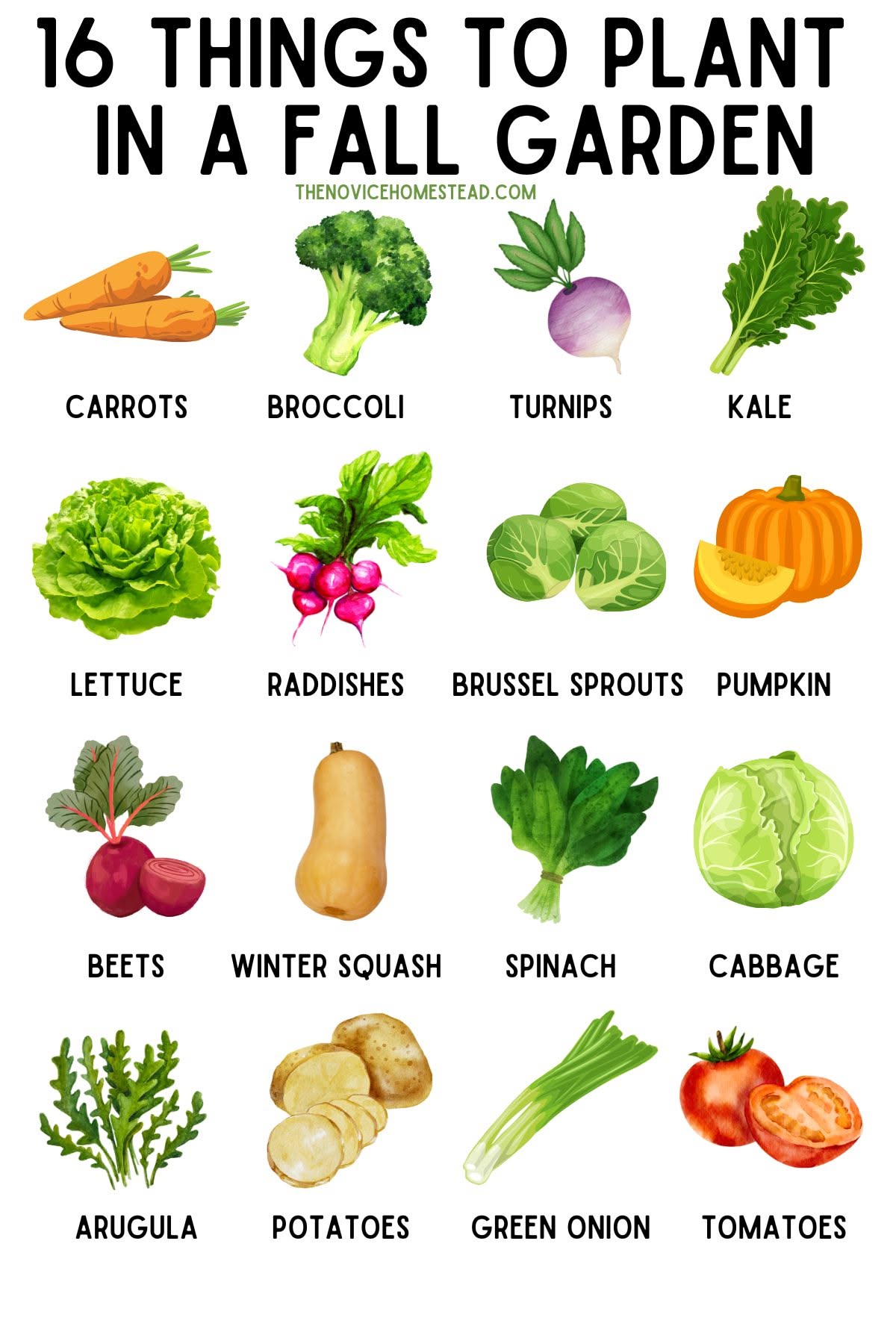
Plant cool-season vegetables such as lettuce, spinach, kale, radishes, carrots, turnips, beets, broccoli, and peas in your fall vegetable garden. Choose crops that fit your local climate, count backward from your first expected fall frost, and sow fast-growing crops early enough to mature before cold weather.
Across the United States, fall can be one of the best times to grow fresh vegetables. Summer heat begins to fade, the soil often stays warm enough for seeds to sprout, and many leafy greens develop tender leaves in cooler weather. A backyard bed in Ohio, a raised planter in North Carolina, and a small garden in Texas may all support fall crops, but the right planting dates will differ.
The key is to match each crop to your local growing season. Some vegetables, such as radishes and leaf lettuce, grow quickly and suit a short fall season. Others, including broccoli and cabbage, need more time and often do better when started indoors or planted as healthy young transplants.
This guide explains what to plant, when to plant it, and how to care for your crops as temperatures drop. You will also learn how to use your first frost date, prepare summer beds, protect young plants, and choose vegetables that can keep producing into late fall or, in mild regions, winter.
The best fall vegetables are crops that tolerate cool nights and shorter days. Many belong to the leafy green, root vegetable, or cabbage family groups. Some can handle a light frost, while others need protection when temperatures approach freezing.
Your choices should reflect three things: how much time remains before frost, how cold your area gets, and how much space you have. If fall arrives early where you live, focus on quick crops such as radishes and baby lettuce. If your winters are mild, you can grow a wider range of greens and root crops for a longer period.
Source: homesteadandchill.com
Lettuce
Leaf lettuce and many loose-leaf types grow quickly in cool weather. Sow seeds in shallow rows or containers, and harvest outer leaves as plants grow. Provide afternoon shade when planting during lingering summer heat.
Spinach
Spinach grows best in cool weather and can provide repeated harvests of tender leaves. Sow it early enough to establish before daylight and temperatures decline too much. Protect young plants from severe cold in exposed beds.
Kale
Kale is a hardy leafy crop that can keep producing after many tender vegetables stop. Plant seedlings or sow seeds according to your local frost schedule. Harvest the lower leaves first and leave the growing center intact.
Radishes
Radishes are among the quickest vegetables for fall planting. Many varieties mature in about three to five weeks, although the exact time depends on the variety and growing conditions. Sow small batches every week or two for a steady supply.
Carrots
Carrots need loose soil and steady moisture to form straight roots. Direct-sow them because their long taproots do not transplant well. Choose a variety that can mature within your remaining growing season.
Beets
Beets provide both edible roots and tender greens. Each seed cluster may produce more than one seedling, so thin crowded plants as they grow. Use the greens in salads or cooked dishes while the roots continue to develop.
Turnips
Turnips grow well in cool weather and can offer edible greens and roots. Sow them directly into prepared soil, keep the seedbed moist, and thin seedlings to the spacing recommended for the variety.
Broccoli
Broccoli is a good fall crop when planted early enough to mature in cool weather. In many regions, young transplants provide a useful head start. Check the variety’s maturity time and leave enough room for full-sized plants.
Cabbage
Cabbage can produce firm heads in cool weather, but it needs more space and time than quick greens. Choose early-maturing varieties if your fall season is short. Monitor leaves for caterpillars and other pests.
Peas
Peas prefer cool growing conditions and can work well in early fall where enough frost-free time remains. Provide a trellis for climbing varieties. Hot soil can reduce germination, so wait for more suitable conditions if late summer remains very warm.
Swiss Chard
Swiss chard tolerates cool weather and offers colorful stems with edible leaves. It is useful in raised beds and containers because leaves can be harvested over time. Protect plants during hard freezes if you want to extend the harvest.
Arugula
Arugula grows quickly and develops a peppery flavor that suits salads and sandwiches. Sow it in small batches to avoid having too much mature at once. Warm weather can make leaves more pungent and encourage plants to flower.
Quick-Growing Crops for a Short Fall Season
If frost is only a few weeks away, choose vegetables with short maturity times. Radishes, baby lettuce, arugula, mustard greens, and some turnip varieties can provide a harvest sooner than large cabbage heads or mature broccoli.
Read seed packets carefully because days to maturity may be counted from direct sowing or from transplanting, depending on the crop. Use the information on the packet as a guide rather than a guarantee. Cool soil, cloudy weather, and low light can slow growth.
Best for quick results
Radishes, baby leaf lettuce, arugula, and mustard greens are useful choices when the available growing window is short.
Best for repeated harvests
Leaf lettuce, kale, Swiss chard, and mustard greens can provide multiple pickings when you harvest carefully and leave healthy growing points.
Crops That Need an Earlier Start
Broccoli, cabbage, cauliflower, and many Brussels sprouts varieties need a longer growing period. In colder parts of the United States, start these crops indoors during summer or buy sturdy transplants from a local nursery.
Brussels sprouts usually need a particularly long season, so they are more suitable for gardeners who can start early and have enough cool weather ahead. Cauliflower can also be demanding because temperature swings may affect head formation. Choose varieties suited to your area instead of relying on a general fall planting date.
Use transplants when time is short
Healthy young broccoli and cabbage plants can save several weeks compared with sowing seeds directly in the garden.
Check the remaining season
Avoid planting a slow-maturing crop if your expected frost date arrives before the variety can reasonably finish.
When to Plant Your Fall Vegetable Garden
The best planting date depends on your local climate and each crop’s time to maturity. Fall planting often begins in midsummer, even when the weather still feels like summer. This gives plants time to grow before daylight decreases and frost becomes more likely.
Find the average first fall frost date for your area, then count backward by the crop’s days to maturity. Add extra time for germination and slower growth as days get shorter. The first expected frost is a planning tool, not a promise that freezing weather will arrive on that exact date.
Gardeners in northern states may need to sow some fall crops in July or early August. Many Midwestern and mid-Atlantic gardens also benefit from midsummer sowing for crops that need a longer season. In much of the South, planting may continue into September or later, while mild parts of the Southwest and Gulf Coast can often grow cool-season vegetables well into winter.
Source: theprairiehomestead.com
Step 1: Find your local frost date
Use a local university extension office, state climatology resource, or trusted regional gardening guide. Consider both the average date and the chance of an earlier cold snap.
Step 2: Check days to maturity
Look for the number of days listed on the seed packet or plant label. Confirm whether the count begins at sowing or transplanting.
Step 3: Count backward
Subtract the maturity period from your expected frost date, then allow extra time for germination and slower fall growth. Plant earlier if the crop needs time to reach full size.
Step 4: Adjust for local weather
Hot soil can hinder some cool-season seeds, while cold soil slows germination. Use temporary shade or keep the seedbed moist during late-summer heat.
Example of Counting Backward From Frost
Suppose your area’s average first frost date is October 20 and a radish variety needs 30 days to mature. Counting back 30 days gives a rough target of September 20. Add a small buffer for slow germination or poor growing conditions, and plan to sow earlier if you want a more reliable harvest.
Now consider a broccoli variety that needs 65 days from transplanting to harvest. Counting backward from October 20 gives an approximate transplant date in mid-August, before allowing for weather delays. This is a planning example, not a recommendation for every location or variety.
Do not rely on the frost date alone
Some vegetables can survive light frost, while others suffer damage well before freezing temperatures. Crop tolerance and the severity of the cold both matter.
Account for shorter days
Plants may grow more slowly in fall because they receive less daylight. Allow extra time beyond the packet’s estimate when planning late crops.
A General Fall Planting Guide by Region
Regional planting windows can help you narrow your choices, but local frost dates and weather patterns should guide the final decision. Elevation, distance from the coast, urban heat, and garden exposure can all affect conditions within the same state.
Northern United States
Plant many quick greens and root crops in midsummer or early summer’s later weeks, depending on the region. Prioritize crops that can mature before early frost, and use covers when needed.
Midwestern and Mid-Atlantic states
Use late summer for many greens, radishes, turnips, and selected brassica transplants. Match planting dates to local frost estimates rather than state borders alone.
Southern United States
Hot weather may delay planting until temperatures ease. Many areas can grow lettuce, spinach, carrots, peas, and brassicas later into fall than northern gardens.
Southwest and Pacific Coast
Conditions vary widely with elevation, rainfall, and coastal influence. Some mild areas can maintain cool-season crops into winter, while inland or high-elevation sites need earlier planting.
How to Prepare Garden Beds for Fall Planting
Prepare the bed before sowing so seeds have good contact with soil and young roots can spread. Summer crops may leave behind compacted soil, weeds, and dry patches, so take a little time to reset the growing area.
Remove spent plants and any diseased material. Healthy plant debris can go into a suitable compost pile, but plants with serious disease or heavy pest infestations should be handled according to local disposal guidance. Avoid leaving infected leaves in the bed where the same problem could return.
Loosen compacted soil without turning it deeply unless the bed needs substantial repair. Work in mature compost when the soil needs organic matter, but avoid adding large amounts of fertilizer without a clear need. Excess nutrients can harm plants or wash into waterways.
Source: contentgrid.homedepot-static.com
Clear the bed
Remove weeds, old plant ties, diseased foliage, and leftover roots that interfere with planting. Keep healthy soil in place rather than stripping the bed bare.
Check soil moisture
Soil should be workable, not dusty or waterlogged. If it is very dry, water lightly before preparing the seedbed.
Add mature compost when needed
Spread a modest layer of finished compost and mix it into the upper soil if appropriate. Use a soil test to guide pH adjustments and fertilizer decisions.
Make a fine seedbed
Break up large clods near the surface so small seeds can make good contact with moist soil. Firm the surface lightly after sowing.
Label rows and varieties
Mark planting dates and crop names. This helps you track germination, maturity, and which varieties perform best in your garden.
Can You Plant Fall Vegetables in Raised Beds?
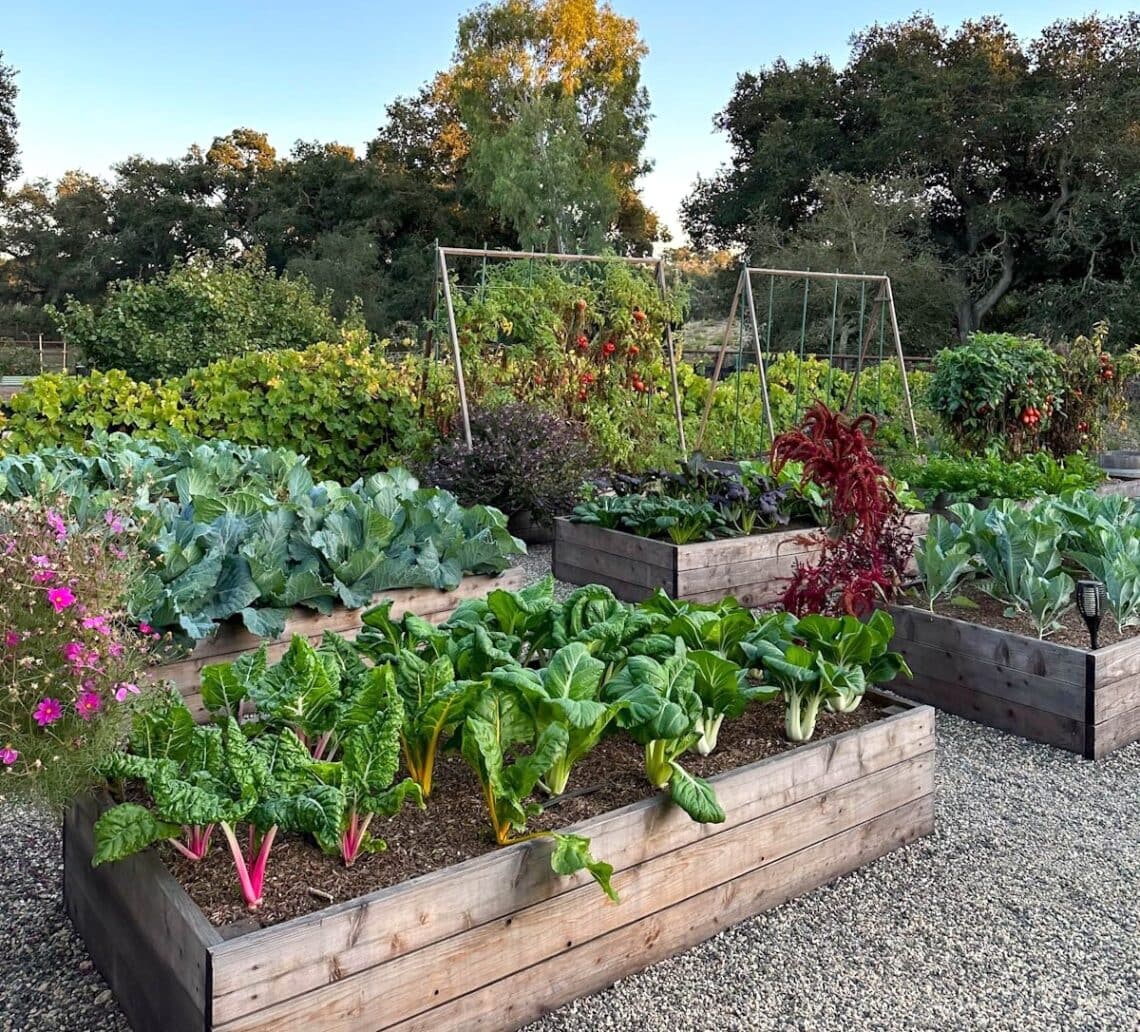
Yes. Raised beds can make fall gardening easier because they are often simple to weed, cover, and manage. Their soil may warm and drain faster than the surrounding ground, which can help in cool weather but also means they may dry out more quickly.
Check moisture more often during warm, dry spells. A bed that dries out between waterings can cause patchy germination, misshapen roots, and tough leafy growth. Use mulch once seedlings are established, keeping it away from tender stems.
Use the space wisely
Place taller crops where they will not shade small greens, and leave enough space for mature leaves to spread. Follow variety-specific spacing rather than crowding plants to fit more into the bed.
Plan for cover support
Simple hoops or a low frame can support row cover over a raised bed. Secure the edges so wind cannot lift the fabric.
Direct-Sow Seeds or Plant Transplants?
Direct-sow vegetables whose roots dislike disturbance or whose seeds sprout quickly in garden soil. Carrots, radishes, turnips, spinach, peas, and many lettuce varieties are commonly planted this way. Sow each crop at the depth and spacing listed on the packet.
Use transplants for crops that benefit from an early start or take longer to mature. Broccoli, cabbage, and some other brassicas are often easier to grow from young plants when the fall window is short. Select sturdy, healthy transplants that are not badly wilted, root-bound, or damaged by pests.
Neither method is best for every vegetable. Direct sowing avoids transplant shock, but tiny seeds may need extra care in hot, dry soil. Transplants save time, but they need careful watering and gradual adjustment to outdoor conditions.
Source: thegardenglove.com
Direct-sow
Choose this method for carrots, radishes, turnips, peas, and most spinach and lettuce crops. Keep the top layer of soil moist until seedlings emerge.
Use transplants
Choose healthy young broccoli and cabbage plants when a direct-sown crop would have too little time to mature. Water them after planting and protect them from harsh afternoon heat.
Harden off indoor-grown plants
Gradually expose seedlings to outdoor light, wind, and temperature changes over several days before planting. Avoid moving tender seedlings straight from a sheltered room into intense sun.
How to Sow Small Seeds in Late Summer
Small seeds can struggle when the soil surface is hot and dry. Water the prepared bed before sowing, plant seeds at the recommended depth, and cover them gently. A thin layer of suitable material may help keep the surface moist, but do not bury small seeds too deeply.
Check the bed daily during hot weather. Water with a gentle spray so seeds are not washed out of their rows. Remove temporary shade once seedlings are established and can tolerate the available light.
Watch for emergence
If seedlings fail to appear within the expected germination period, check moisture, planting depth, soil temperature, and signs of seed loss before sowing again.
Thin crowded seedlings
Once true leaves appear, remove extra seedlings to give the remaining plants enough space. Crowding can lead to small roots and poor airflow.
Build a Fall Garden Plan for Your Space
A useful fall garden plan combines fast crops, longer-season vegetables, and repeat sowings. This spreads out the harvest instead of leaving you with a large batch of vegetables all at once. It also lets you make better use of open space after summer tomatoes, beans, or squash finish producing.
Start with the crops you most want to eat, then check whether each one fits your remaining season. A small garden does not need every vegetable on a long planting list. Four or five well-timed crops can provide a useful harvest with less work than a crowded bed full of plants that cannot mature.
Source: planningagarden.com
For a small container garden
Grow leaf lettuce, spinach, arugula, radishes, or Swiss chard in containers with drainage holes. Choose pots deep enough for the crop, use a suitable potting mix, and check moisture often.
For a raised bed
Combine rows or blocks of lettuce, spinach, radishes, turnips, and a few broccoli transplants if the season allows. Leave room for plants to reach mature size and for easy harvest access.
For a larger backyard garden
Use separate rows for carrots, beets, peas, leafy greens, and brassicas. Stagger sowing dates for quick crops and reserve a protected area for vegetables that need more time.
A Sample Four-Week Planting Plan
The following is a flexible example for a gardener who has enough frost-free time left for several cool-season crops. It is not a fixed calendar for every U.S. climate. Shift the schedule according to your local frost date, soil temperature, and seed packet instructions.
Week 1
Prepare the bed and sow carrots, radishes, and turnips if their maturity times fit the remaining season. Plant suitable broccoli or cabbage transplants where enough time remains.
Week 2
Sow a small second batch of radishes and leaf lettuce. Check the first sowings for moisture and emerging seedlings.
Week 3
Sow spinach, arugula, or mustard greens if local temperatures and the remaining season suit them. Thin crowded seedlings and remove weeds.
Week 4
Review germination and growth. Add mulch around established plants, prepare covers for cold nights, and avoid sowing slow crops that cannot mature before severe cold.
Use Succession Planting for a Longer Harvest
Succession planting means sowing a crop in small batches at intervals instead of planting everything on one day. It works especially well for radishes, leaf lettuce, arugula, and other quick greens. If a crop matures in a short period, repeated sowing can provide fresh leaves or roots over several weeks.
As fall progresses, lengthen the interval between sowings or stop when the remaining daylight and temperature no longer support reliable growth. A later sowing may survive without reaching harvest size, so use the crop’s maturity period and your frost outlook to decide when to stop.
Start with small batches
Sow only as much as your household can use, then repeat after one or two weeks if conditions remain suitable.
Reuse open spaces
When a quick crop is harvested, remove its remaining roots and debris, then plant another suitable crop if enough growing time remains.
Watering, Feeding, and Caring for Fall Vegetables
Fall vegetables need steady care while roots and leaves establish. Warm late-summer weather can dry out the soil even when the air begins to feel cooler. After planting, keep the seedbed evenly moist, then adjust watering as plants grow and rainfall changes.
Water deeply enough to reach the root zone rather than wetting only the soil surface. Containers and raised beds may need more frequent checks than in-ground beds. Water in the morning when practical, and avoid keeping foliage wet for long periods when fungal disease is a concern.
Most vegetables benefit from soil that has good structure and enough available nutrients, but more fertilizer is not always better. Excess nitrogen can encourage leafy growth at the expense of roots or heads in some crops. Base fertilizer choices on a soil test, crop needs, and label directions.
Source: lettucegrowsomething.com
Water during germination
Do not allow newly sown seed rows to dry out. Use a fine spray or gentle watering method to avoid washing seeds away.
Mulch after seedlings establish
Apply a light layer of clean organic mulch to help conserve moisture and reduce weeds. Keep mulch from pressing against plant stems.
Feed according to need
Use soil-test results and crop requirements to guide fertilizer use. Follow the product label and avoid applying nutrients before heavy rain.
Keep weeds under control
Remove weeds while they are small so they do not compete with young vegetables for water, nutrients, and light.
What If Seeds Do Not Sprout?
Poor germination often results from dry soil, excessive heat, planting too deeply, old seed, or soil that stays saturated. Check the conditions before assuming the seed packet was faulty. Some crops also need more time than others, so compare your results with the expected germination period.
If the seedbed is dry, water gently and maintain even moisture. If it is waterlogged, improve drainage and wait until the soil becomes workable. If the soil is too hot for the crop, wait for cooler conditions or use temporary shade where suitable.
Check planting depth
Small seeds generally need shallow planting. Follow the packet instructions instead of burying every crop at the same depth.
Check for pests
Birds, insects, and other garden pests may eat seeds or young seedlings. Look for disturbed soil and damaged stems before replanting.
Protect Fall Vegetables From Frost and Cold
Cold protection can extend the harvest, but it cannot make every vegetable winter-hardy. Light frost may improve the flavor of some hardy crops, while tender plants can suffer damage at temperatures only a little below freezing. Check each crop’s tolerance and monitor the forecast rather than assuming every fall vegetable can survive a freeze.
Lightweight row cover can reduce heat loss and protect plants from some cold conditions. Secure it over hoops or supports when possible, and keep the fabric from crushing leaves. Covers can also limit access by certain insect pests, but their effectiveness depends on the material, fit, and weather.
For a cold night, water dry soil earlier in the day if the garden needs it, because moist soil can store more heat than very dry soil. Do not leave plants waterlogged. Remove or ventilate covers when conditions warm to avoid overheating and excess humidity.
Source: i.pinimg.com
Hardy crops
Kale, spinach, and some other cool-season crops can tolerate frost better than tender vegetables. Their actual tolerance depends on variety, plant maturity, acclimation, and how low the temperature falls.
Moderately frost-sensitive crops
Lettuce, peas, and many root crops may tolerate cool weather but can suffer damage during harder freezes. Harvest mature crops before severe cold if storage or protection is uncertain.
Tender crops
Warm-season vegetables such as tomatoes, peppers, and cucumbers are generally poor choices for a new fall planting in regions with regular frost. Harvest remaining mature fruit before cold weather ends production.
Can You Grow Fall Vegetables Through Winter?
In mild parts of the southern United States and some coastal areas, cool-season vegetables can continue growing through much of winter. In colder regions, winter harvest usually requires a suitable cold-hardy crop, well-timed planting, and protection such as a low tunnel or cold frame. Even with protection, growth slows sharply when daylight and temperatures fall.
Planting date is especially important for winter harvests. Plants need enough time to reach a useful size before the coldest period, because covers can protect established crops more effectively than tiny seedlings that have barely begun to grow. Use local extension guidance for crops and varieties proven in your climate.
For mild winter areas
Consider spinach, kale, chard, lettuce, carrots, and other crops suited to local winter temperatures. Sow early enough to establish before the coolest months.
For cold winter areas
Choose hardy crops and use season-extension structures only when they fit your climate and growing space. Plan the harvest around actual crop tolerance rather than assuming a cover will prevent all freeze damage.
Common Fall Vegetable Gardening Mistakes
Many fall garden problems begin with timing. A crop may grow well at first but fail to mature before a hard freeze because it was planted too late. Other problems come from summer heat, poor watering, crowded seedlings, or a mismatch between the crop and the local climate.
A small change in planning can prevent much of this trouble. Check maturity dates before buying seeds, keep notes on actual harvest dates, and grow crops that suit your remaining season. Treat each fall as a chance to improve the next planting plan.
Planting too late
Slow crops may not mature before frost. Count backward from your expected frost date and allow extra time for shorter days and cooler weather.
Sowing in hot, dry soil
Cool-season seeds may germinate poorly under high soil temperatures or dry conditions. Maintain moisture and use temporary shade when appropriate.
Ignoring mature plant size
Crowded crops compete for light, water, and nutrients. Thin seedlings and follow spacing instructions to support healthy roots and leaves.
Using too much fertilizer
Excess nutrients can cause unbalanced growth and may contribute to runoff. Test the soil and use fertilizer only when needed.
Leaving diseased plants in the bed
Infected debris may carry pests or disease into the next growing season. Remove affected material and handle it according to local guidance.
Expecting every crop to survive frost
Frost tolerance varies by crop and variety. Harvest tender vegetables before severe cold and prepare suitable protection for hardy crops.
How to Tell Whether Your Fall Garden Is on Track
Healthy seedlings emerge within the expected time, develop firm stems, and produce leaves with normal color for the crop. Established plants should show steady growth without repeated wilting, widespread yellowing, or extensive insect damage. Root crops may look slow above ground, so check a sample root carefully if you need to assess progress.
If growth stalls, start with the simplest checks. Feel the soil, inspect the undersides of leaves, check whether plants are crowded, and review recent temperature changes. Correct one clear problem at a time so you can tell whether the change helps.
Yellow leaves
Possible causes include excess water, poor drainage, nutrient problems, or natural aging of older leaves. Check soil moisture and the pattern of yellowing before adding fertilizer.
Small or misshapen roots
Crowding, compacted soil, uneven moisture, and unsuitable soil texture can affect root shape. Thin seedlings and improve soil structure before the next sowing.
Plants that flower too soon
Heat, long days, plant stress, and crop variety can contribute to early flowering in some greens. Choose bolt-resistant varieties when available and sow at a more suitable time.
Frequently Asked Questions
Q
What are the easiest vegetables to grow in a fall garden?
Radishes, leaf lettuce, arugula, mustard greens, and some turnip varieties are useful choices for beginners because they grow relatively quickly in suitable cool weather. Kale and Swiss chard are also good options for repeated leaf harvests. Your local climate, planting date, and seed variety still determine how well each crop performs.
Q
When should I start planting my fall vegetable garden?
Many fall gardens begin in midsummer, but the exact date depends on your location and the crops you plan to grow. Find your average first fall frost date, check each crop’s days to maturity, and count backward with extra time for slower growth. In warm southern areas, planting can often continue later than in northern states.
Q
Can I plant tomatoes in a fall vegetable garden?
You can grow tomatoes into fall where the climate stays warm long enough, especially if healthy plants are already producing. Starting new tomato plants late in the season is risky in areas with early frost because tomatoes need warmth and time to set and ripen fruit. In colder regions, focus on cool-season crops instead.
Q
Which fall vegetables can survive frost?
Kale, spinach, and several other hardy leafy greens can tolerate some frost once established. Carrots, turnips, and certain other root crops may also withstand cool conditions, depending on variety and temperature. A light frost is not the same as a hard freeze, so use crop-specific guidance and protect or harvest vegetables before severe cold.
Q
Can I plant fall vegetables in containers?
Yes. Leaf lettuce, spinach, arugula, radishes, and Swiss chard can grow well in containers with drainage holes and a suitable potting mix. Use a container with enough depth for the selected crop, keep the growing medium evenly moist, and place the pot where plants receive the light they need. Containers can cool and dry out faster than garden soil, so check them often during changing weather.
Q
What should I plant if the first frost is only a month away?
Choose fast-growing crops that can mature within the time available, such as radishes, baby lettuce, arugula, or some mustard greens. Check the days to maturity on the seed packet and allow time for germination. If the remaining season is too short for a full harvest, grow baby leaves or protect suitable established plants rather than starting slow crops.
Q
Should I fertilize my fall vegetable garden?
Use a soil test and the needs of your chosen crops to decide whether fertilizer is needed. Mature compost can help improve soil structure and add organic matter, but it does not replace every nutrient requirement. Avoid applying excessive fertilizer, follow label directions, and do not spread nutrients before heavy rain.
✦ Wrapping Up
Conclusion
The best vegetables for a fall garden are those that match your local weather and the time left before severe cold. Lettuce, spinach, kale, radishes, carrots, turnips, beets, peas, broccoli, and cabbage are useful choices when planted at the right time. Quick crops are especially helpful when the growing season is short, while hardy greens can keep producing as temperatures fall.
Start by checking your local frost date, then plan backward from the maturity time of each crop. Prepare the soil, keep new seedbeds moist, thin crowded seedlings, and protect suitable plants when frost threatens. A simple planting plan with a few well-chosen vegetables can provide fresh harvests long after summer crops begin to fade.
💡 Key Takeaway
Check your local first frost date today, choose three to five cool-season vegetables that can mature in time, and prepare a small bed or container for your first sowing. Record planting dates so you can refine your fall garden plan next season.
I enjoy sharing simple gardening ideas, lawn care tips, and honest product reviews that help make outdoor work easier. From home gardening guides to helpful tools and lawn care advice, I write easy-to-follow content to help readers create a healthier and better-looking outdoor space without wasting time or money.