As an Amazon Associate, I earn from qualifying purchases.
Plant pansies in fall in most parts of the United States for cool-season color, or plant them in early spring as soon as the soil can be worked. In warm southern regions, fall is often the better choice, while northern gardeners usually get the best results from spring planting or early fall planting before the ground freezes.
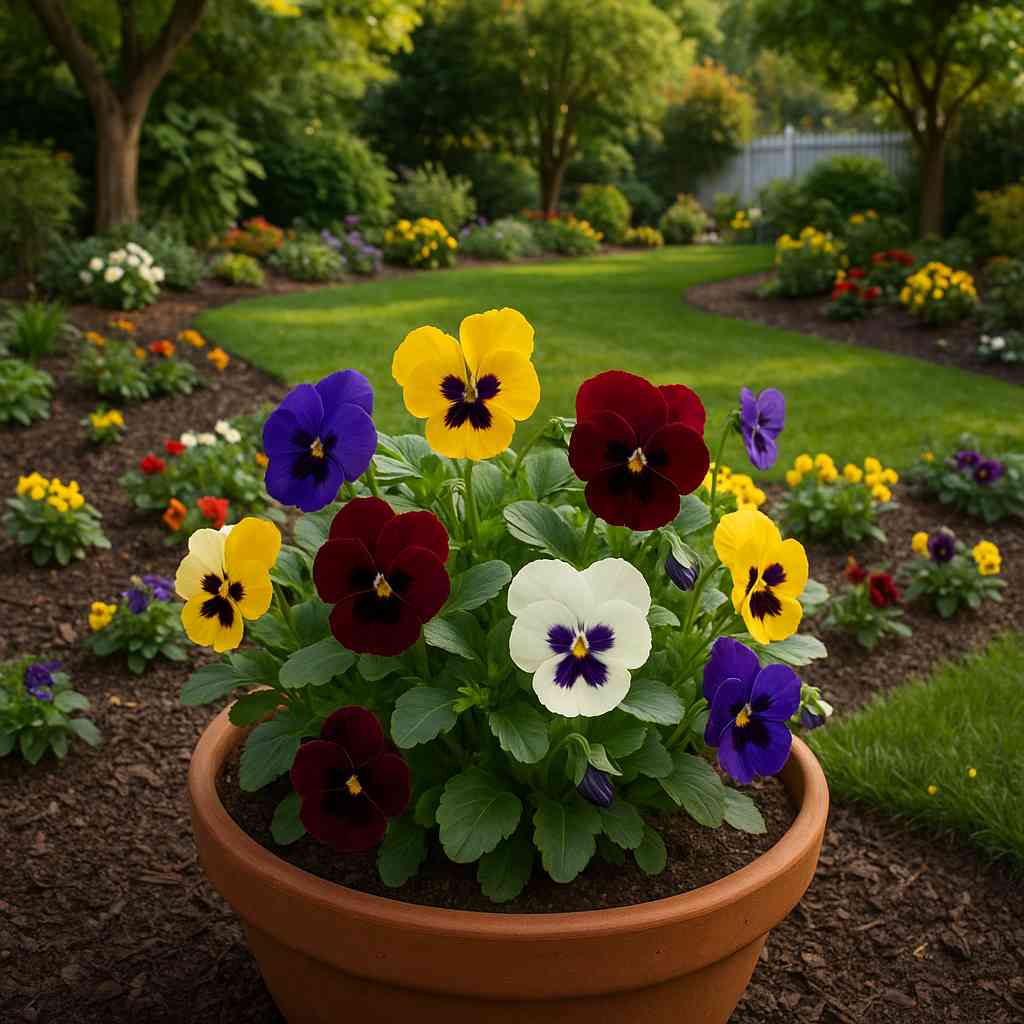
Across the United States, pansies bring bright color to garden beds, porch pots, window boxes, and borders when many other flowers have stopped blooming. In northern states, they can brighten a spring garden after winter snow melts. In warmer states such as Georgia, Texas, and Florida, they often thrive through fall and winter when summer heat fades.
The best planting date depends on your USDA hardiness zone, local temperatures, and whether you want flowers in fall, winter, or spring. Pansies prefer cool weather, so planting them during mild conditions gives their roots time to grow before severe heat or hard freezes arrive. A little planning can help these cheerful flowers provide color for months rather than weeks.
This guide explains when to plant pansies by region, how to choose between fall and spring planting, and how to start them from seeds or nursery transplants. It also covers soil preparation, watering, frost protection, and common timing mistakes so you can choose a planting window that fits your local climate.
The best time to plant pansies is during a cool stretch in fall or spring. For much of the United States, fall planting produces strong roots and colorful blooms during mild autumn weather. In colder northern areas, spring planting is often the safer choice when fall arrives too late for plants to establish before winter.
Pansies are cool-season flowers, which means they prefer moderate temperatures rather than the heat of midsummer. They can tolerate light frost once established, and some varieties survive winter in suitable conditions. However, prolonged deep freezes, exposed winds, waterlogged soil, and sudden temperature changes can damage plants.
For fall planting, aim to get transplants into the ground roughly six to eight weeks before the soil is likely to freeze. This is a practical planning guide rather than a fixed rule. Soil warmth, the size of the plants, local weather, and the length of the remaining growing season all affect how quickly roots establish.
For spring planting, wait until the soil is workable and avoid planting into frozen or waterlogged ground. Established pansies can handle cool weather, so you usually do not need to wait until the risk of every light frost has passed. Check the forecast, especially if a severe freeze is expected shortly after planting.
Source: landscapeunite.com
Best for fall color
Plant nursery transplants in early to mid-fall while the soil is still warm enough for root growth and the air has begun to cool.
Best for spring color
Plant in early spring once the soil can be worked and conditions are suitable for root growth.
Best for mild-winter regions
Use fall planting to take advantage of cooler weather, but avoid exposing young plants to the worst late-summer heat.
How Temperature Affects Planting Time
Pansies generally perform best in cool weather, with daytime temperatures around 45 to 65 degrees Fahrenheit often supporting good growth and flowering. They may continue to bloom outside that range, but performance changes with the variety, moisture, sunlight, and how quickly temperatures rise.
When temperatures remain hot, pansies may wilt, stretch, or stop producing flowers. Warm nights can also make it harder for plants to recover from daytime heat. Planting during a mild spell helps roots settle in before the weather becomes stressful.
Cool days and nights
These conditions usually support healthy growth and a steady display of flowers.
Hot weather
High heat can reduce flowering and shorten the useful life of pansies, particularly in exposed beds and containers.
Freezing weather
Established pansies can tolerate some frost, but hard freezes and frozen soil can injure plants or prevent new roots from developing.
Fall or Spring: Which Season Should You Choose?
Choose fall when your area has a long, mild autumn and a winter that pansies can withstand. The plants can grow roots during the cool months and often produce flowers through fall and into winter or spring. This is especially useful in much of the South and in other regions with mild winters.
Choose spring when your area has severe winters, a short fall growing season, or a history of deep soil freezing. Spring planting lets you enjoy pansies before summer heat arrives. In some northern areas, you can also plant in early fall for a short autumn display, provided enough time remains before the ground freezes.
Choose fall
Best when autumn temperatures cool gradually and the soil remains workable for several weeks.
Choose spring
Best when winter is severe or autumn arrives too quickly for young plants to establish.
When to Plant Pansies by USDA Hardiness Zone
Your USDA hardiness zone provides a useful starting point for pansy planting, but it does not give an exact planting date. The zones describe average annual extreme minimum winter temperatures, not the first fall frost, last spring frost, summer heat, or the date your soil freezes.
Use the zone ranges below as broad planning guidance for the United States. Then adjust the timing to match your local forecast, elevation, garden exposure, and the usual length of your cool season. A sheltered garden in a city may support pansies longer than an exposed rural garden in the same zone.
The suggested windows refer mainly to nursery-grown plants. Seed-starting dates differ because pansies need time to germinate and develop before they can be planted outdoors.
Source: i.pinimg.com
Zones 3 and 4
Plant in spring after the soil becomes workable, or in early fall while several weeks remain before the ground freezes. Spring is often the more reliable choice in areas with long, severe winters.
Zones 5 and 6
Try spring planting after the soil thaws, or plant in early fall about six to eight weeks before a likely ground freeze. Timing varies with local winter severity.
Zone 7
Early to mid-fall is often ideal for a long cool-season display. Spring planting can also work before temperatures rise.
Zones 8 and 9
Fall planting is often best after intense summer heat begins to ease. In many locations, pansies can flower through winter and into spring.
Zone 10
Plant in fall or early winter when weather cools. In very warm locations, choose a cooler microclimate and plan for the possibility of reduced flowering during warm spells.
Pansy Planting Calendar by Zone
The following calendar gives broad seasonal windows rather than exact dates. Local climate can shift these windows by several weeks, especially in mountainous areas, coastal regions, and places with unusually warm or cold autumns.
For example, a gardener in a cold part of Zone 5 may plant in spring and avoid late fall entirely, while a gardener in a milder part of the same zone may have time for a fall display. Use your usual frost dates and current weather to make the final decision.
Zones 3–4
Spring: after soil thaw and workable conditions. Fall: late summer to early fall, only if sufficient establishment time remains.
Zones 5–6
Spring: early to mid-spring, depending on soil conditions. Fall: early to mid-fall, before a likely hard freeze.
Zone 7
Fall: early to mid-fall. Spring: late winter to early spring in suitable local conditions.
Zones 8–9
Fall: mid-fall after heat eases. Spring: late winter or early spring before sustained warmth.
Zone 10
Fall to early winter, during the coolest part of the local growing season.
How to Use Frost Dates Without Guessing
For fall planting, estimate when your garden soil usually freezes or when severe winter weather normally begins. Count backward about six to eight weeks to identify a useful starting window. This gives young plants a chance to grow roots before winter conditions slow them down.
For spring planting, use the expected last hard freeze as a guide, but remember that pansies can tolerate light frost. If the soil has thawed and drains well, planting before the last light frost may be reasonable. Delay planting when a severe freeze, icy wind, or prolonged period of saturated soil is expected.
Check the forecast
Look for several days of suitable conditions rather than relying on a calendar date alone.
Check the soil
Soil should be workable and reasonably moist, not frozen or waterlogged.
Watch local patterns
Your yard may cool faster than a nearby city weather station, especially in low spots or exposed areas.
When to Plant Pansies in Different US Regions
Regional climate can matter as much as the hardiness zone when you decide when to plant pansies. The Pacific Northwest, the humid Southeast, the desert Southwest, and the northern Plains have different patterns of heat, rain, frost, and winter cold.
Think about the weather your garden actually experiences. A region with mild winters may offer a long flowering season, while an area with scorching summers may have only a short window in spring and fall. Choosing the right season can help avoid the most stressful conditions.
Source: homesteadgardener.com
Northeast and northern Midwest
Plant in spring after the soil becomes workable. Early fall planting may also work if roots can establish before a hard freeze. Avoid leaving newly planted pansies exposed to severe winter weather without checking the cultivar’s cold tolerance.
Mid-Atlantic and upper South
Fall is often a good choice once summer heat fades. Plants may flower during mild winter spells and continue into spring.
Southeast and Gulf Coast
Plant in fall after temperatures cool. In many locations, pansies are used for winter color, but unusually warm weather can reduce flower production.
Texas and the Southwest
In hot inland areas, wait until autumn temperatures drop. In high desert locations, account for large day-to-night temperature swings and winter freezes.
Pacific Coast
Fall and spring can both work, depending on local rainfall, summer heat, and winter temperatures. Provide drainage where winter rain is frequent.
Mountain and northern Plains regions
Spring is often reliable because winter can arrive early. If planting in fall, allow enough time for roots to establish before frozen ground prevents further growth.
When to Plant Pansies in Florida
In much of Florida, fall is the preferred season for pansies. Plant after the hottest weather begins to ease, often during autumn, but use local temperatures rather than a fixed statewide date. North Florida can experience freezes that are uncommon in South Florida, so cold protection needs differ.
In South Florida, mild winters can support long flowering periods, but warm spells can still stress pansies. Choose a site with morning sun and some protection from intense afternoon heat. Containers can make it easier to move plants into a cooler or more sheltered location when conditions change.
North Florida
Plant in fall when temperatures cool, and monitor forecasts for freezes.
Central Florida
Use the cooler part of fall and winter for the main display.
South Florida
Choose a cooler planting spot and avoid setting out pansies during lingering heat.
When to Plant Pansies in Texas and Georgia
In much of Texas, fall planting gives pansies a chance to grow after the heat of summer fades. Northern and western parts of the state may experience hard freezes, while southern coastal areas often have milder winters. In colder areas, choose a protected site and be prepared for sudden temperature drops.
In Georgia, fall is usually a useful season for pansies because temperatures often become mild enough for steady growth. Plant after the worst summer heat has passed, and give the roots time to establish before winter. In the mountains of north Georgia, colder conditions can shift the planting window earlier than in the warmer southern part of the state.
Texas
Wait for cooler autumn weather, and account for local differences between northern, western, central, and coastal areas.
Georgia
Aim for fall planting during a mild stretch, with earlier timing in colder mountain areas.
When to Start Pansy Seeds Indoors
Start pansy seeds indoors well before you want to plant outdoors because seedlings develop slowly compared with many warm-season annuals. Depending on the variety and growing conditions, it can take roughly 10 to 16 weeks from sowing to flowering-size plants. Seed packets may provide a more specific schedule for the cultivar you choose.
For spring flowers, many gardeners start seeds indoors during winter, often about 10 to 14 weeks before their intended outdoor planting date. For fall flowers, seed starting may need to begin in late spring or early summer, with the exact timing adjusted for local heat and the seed packet instructions.
Pansy seeds often germinate best in cool conditions and darkness. Cover them with the depth of mix recommended on the packet, or use a thin layer of seed-starting medium if the instructions call for it. Keep the medium evenly moist, not soaked, and maintain the recommended germination temperature.
Once seedlings emerge, provide bright light and good airflow. If the plants become tall and weak, they may not be receiving enough light. Harden them off gradually before planting outdoors so they can adjust to direct sun, wind, and changing temperatures.
Source: embracegardening.com
For spring planting
Count backward about 10 to 14 weeks from the planned outdoor planting date, then confirm the schedule on the seed packet.
For fall planting
Start seeds in late spring or early summer as needed to produce established seedlings before the cool-season planting window.
For easier results
Buy nursery-grown transplants if you do not have enough time, space, or suitable conditions to raise seedlings.
How to Grow Strong Pansy Seedlings
Use clean seed trays and a fresh seed-starting mix that drains well. Sow the seeds according to the packet, then label each tray with the variety and date. Gentle watering helps keep seeds in place and reduces the risk of washing them into clumps.
After germination, give seedlings steady light and avoid keeping the mix constantly wet. Water when the surface begins to dry, while ensuring the roots do not sit in standing water. Once seedlings have several true leaves, move them into individual cells or small pots if they need more room.
Before transplanting, harden the seedlings over about seven to ten days. Start with a sheltered outdoor location for a short period, then gradually increase exposure to sun and wind. Bring them into shelter when conditions are too harsh, and avoid transplanting during extreme heat or severe cold.
Use the right growing medium
Choose a fine, well-drained seed-starting mix rather than heavy garden soil.
Provide enough light
Give seedlings bright light after they emerge to help them develop sturdy stems.
Harden off gradually
Let seedlings adjust to outdoor conditions before placing them in their permanent location.
When to Plant Pansies in Pots and Containers
Plant pansies in containers during the same cool-season windows used for garden beds, but pay closer attention to temperature and moisture. Pots warm up and cool down faster than the ground, so their roots experience larger swings. Fall is often ideal in mild-winter regions, while early spring works well in colder areas.
Choose a container with drainage holes and fill it with a quality potting mix. Do not use garden soil alone because it can become compacted in a pot and may drain poorly. A container that is wide enough for the plants to spread gives roots room and creates a fuller display.
Space pansies according to the mature size of the variety and the look you want. For a quick, full display, nursery transplants can be placed closer together than they would be in a permanent garden bed, but crowded plants may dry unevenly and have less airflow. Follow plant labels when available, and leave enough room for foliage to expand.
Place containers where the plants receive sun during cool weather, with some afternoon shade if the climate is warm. Check the potting mix often because small containers can dry out quickly on breezy days. Water when the upper layer begins to dry, allowing excess water to drain freely.
Source: i.pinimg.com
Use a container with drainage
Drainage holes reduce the chance of waterlogged roots, which can damage pansies even when the weather is cool.
Choose the right potting mix
A loose mix made for containers supports root growth and drains more reliably than heavy garden soil.
Watch moisture closely
Check containers more often during wind, bright sun, or dry weather because pots lose moisture faster than garden beds.
Can You Plant Pansies in Window Boxes?
Yes, window boxes are well suited to pansies because their compact growth and colorful flowers create a neat display. Plant them in fall or spring according to your local climate, and make sure the box has working drainage holes. A box attached to a sunny wall may warm more quickly than a ground-level bed, so watch for heat stress in warm regions.
Use a balanced arrangement of colors and leave enough space for foliage to spread. Water slowly until excess moisture drains from the bottom. During cold weather, remember that roots in exposed boxes can freeze more quickly than roots in the ground, especially when temperatures remain below freezing for extended periods.
Choose a sheltered position
Protection from harsh wind can reduce drying and cold damage.
Insulate exposed containers when needed
Move pots to shelter or use suitable protection during severe cold, while keeping drainage clear.
How to Plant Pansies Outdoors
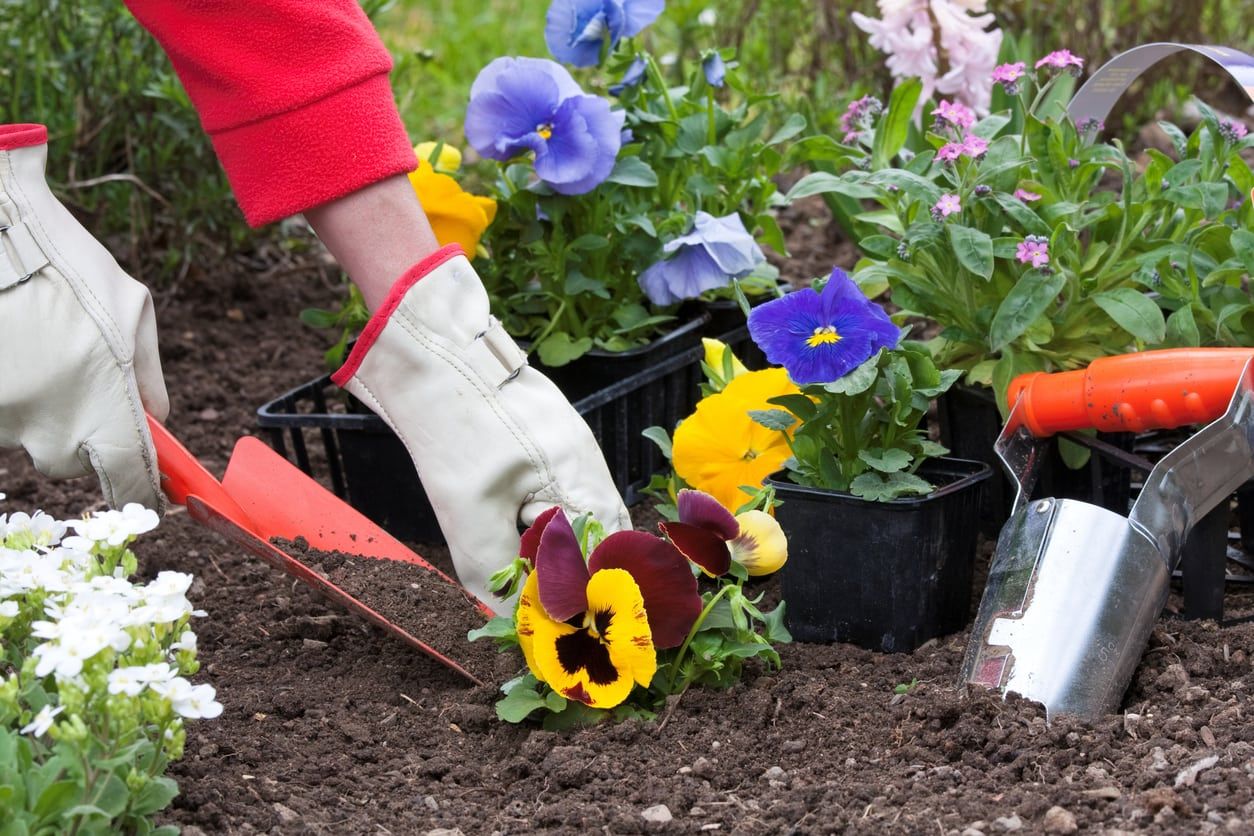
Plant pansies outdoors when the weather is cool and the soil is workable. Before planting, choose a site that drains well and receives enough light. Good soil preparation and careful watering help roots establish, which matters whether you are planting in fall or spring.
Pansies grow in many garden soils if drainage is adequate. If your soil is heavy clay, work in suitable organic matter across the bed rather than creating a small pocket of loose material around each plant. For containers, use potting mix instead of garden soil.
Set each plant at about the same depth it grew in its nursery pot. Avoid burying the crown, where the stems meet the roots, because excess moisture around this area can encourage rot. Firm the soil gently around the root ball, then water thoroughly.
Source: gardensall.com
Step 1: Choose the site
Select a sunny or partly sunny spot with well-drained soil. In warm climates, afternoon shade may help extend flowering.
Step 2: Prepare the soil
Remove weeds and loosen the soil. Add mature compost when useful to improve soil structure, but avoid excessive fertilizer.
Step 3: Space the plants
Follow the plant label for spacing. Many pansies are spaced about six to ten inches apart, depending on the variety and desired coverage.
Step 4: Set the root ball
Place the plant so the top of its root ball sits level with the surrounding soil.
Step 5: Water well
Water at the base to settle the soil around the roots without leaving the bed saturated.
Step 6: Monitor establishment
Check plants over the next several days and keep the soil evenly moist while new roots develop.
How to Tell Whether Newly Planted Pansies Are Establishing
Healthy pansies should remain firm and gradually produce fresh leaves after transplanting. Some temporary drooping can occur after planting, especially in wind or direct sun, but plants should recover as their roots adjust. New growth is a useful sign that the planting conditions are suitable.
If plants remain wilted despite moist soil, check for poor drainage, root damage, or intense afternoon heat. If the soil is dry several inches below the surface, water deeply. If it is soggy, pause watering and improve drainage before adding more moisture.
Signs of success
Firm leaves, fresh growth, and gradual development of new buds suggest the plants are settling in.
Signs of stress
Persistent wilting, yellowing leaves, soft stems, or darkened roots may point to heat, drought, excess water, or disease.
How to Care for Pansies After Planting
Pansies need steady moisture, suitable light, and occasional feeding to maintain a healthy display. They are not usually difficult to grow, but their shallow roots can dry out quickly in small containers or windy locations. Check the soil rather than watering on a rigid schedule.
Water deeply enough to moisten the root zone, then allow excess water to drain. Garden beds may need less frequent watering than pots, especially during cool weather. Avoid leaving the soil constantly wet because poor drainage can lead to root problems.
Pansies generally flower well in full sun during cool weather, but they may benefit from afternoon shade where spring temperatures rise quickly. In warm climates, morning sun can provide light without exposing plants to the strongest afternoon heat. If flowering slows as the weather warms, shade and consistent moisture may help for a while, but sustained heat will eventually shorten the display.
Feed according to the soil condition and the instructions on the fertilizer label. Too much nitrogen can encourage leafy growth at the expense of flowers. A balanced fertilizer used at an appropriate rate is generally more useful than frequent heavy feeding.
Source: simplegardenlife.com
Water when needed
Check the soil regularly and water when the upper layer begins to dry, adjusting for rainfall and container size.
Remove faded flowers
Deadhead spent blooms to improve the plant’s appearance and reduce energy spent on seed production.
Watch for pests
Inspect new growth for aphids and check for slugs or snails in damp, sheltered spots.
Avoid excessive fertilizer
Follow label directions and avoid repeated high-nitrogen feeding that can produce leaves without many flowers.
Do Pansies Survive Frost and Snow?
Many pansies tolerate light frost and may recover after brief cold spells. Some varieties can survive snow or freezing weather, particularly when plants are established and the soil drains well. Cold tolerance is not the same for every cultivar, and severe or prolonged freezes can still cause damage.
If a hard freeze is forecast soon after planting, cover garden pansies with suitable frost cloth before temperatures fall and remove or open the cover when conditions improve. Avoid placing heavy materials directly on delicate flowers. For containers, move pots to a sheltered spot when practical, because exposed roots are more vulnerable to rapid temperature changes.
Snow can provide some insulation, but it does not guarantee survival. Frozen, waterlogged soil can harm roots, and repeated freeze-thaw cycles can stress plants. Use cultivar guidance and local conditions when deciding whether to protect plants or replace them after winter.
Light frost
Established plants often tolerate it, although flowers may temporarily droop or show damage.
Severe freeze
Use suitable protection where practical, especially for newly planted pansies and containers.
Wet winter soil
Improve drainage because cold, saturated soil can be more damaging than a brief light frost.
Why Pansies May Stop Flowering
The most common reason pansies stop flowering is that temperatures have moved outside their preferred range. Heat can cause plants to slow down, even when leaves still look green. Poor light, dry soil, waterlogged roots, or excessive nitrogen can also reduce flower production.
Start by checking the temperature and moisture, then inspect the plants for fresh growth and pests. Remove spent blooms and correct watering problems before adding fertilizer. If summer heat is becoming intense, replacing tired pansies with flowers suited to warm weather may be more practical than trying to keep them blooming.
Too much heat
Move containers to a cooler location or provide afternoon shade, while recognizing that prolonged heat may end the flowering season.
Too little light
Choose a brighter location if plants are healthy but produce few buds.
Watering problems
Correct dry soil or poor drainage before assuming the plants need fertilizer.
Excess nitrogen
Reduce unnecessary feeding if the plants produce abundant leaves but few flowers.
Common Pansy Planting Mistakes to Avoid
Most pansy planting problems begin with poor timing, unsuitable drainage, or watering mistakes. Choosing the right season is the first step, but the plants also need conditions that let roots grow without constant stress. A few simple checks can prevent many common problems.
Avoid planting just because a store has pansies available. Nursery displays may appear weeks before your local weather is suitable, and a sale date does not indicate the best planting window. Match the plants to your local climate instead.
Source: i0.wp.com
Planting during extreme heat
Young roots can struggle in hot soil and dry air. Wait for a cooler stretch, especially in southern and southwestern states.
Planting too late in fall
Plants need time to establish roots before the ground freezes. If winter is close, consider waiting until spring instead.
Overwatering
Constantly wet soil can reduce oxygen around the roots and encourage rot. Water according to soil moisture and drainage.
Burying the crown
Set plants at their original growing depth to help keep the crown from staying wet.
Ignoring container exposure
Pots in strong sun, wind, or exposed winter locations can experience more severe temperature and moisture swings than plants in the ground.
Using too much fertilizer
Excess nutrients, especially nitrogen, may encourage foliage at the expense of flowers.
What to Do If You Miss the Ideal Planting Window
If you miss the fall window in a cold region, spring planting is usually the simplest alternative. Keep the plants in suitable conditions until the soil becomes workable, and avoid leaving nursery pots exposed to severe cold or prolonged waterlogging. A protected but cool location may help short-term, provided the plants still receive adequate light.
If spring is already warming up, choose a spot with morning sun and afternoon shade, and water carefully. The flowering period may be shorter than it would have been during a cooler season. In regions with hot summers, it may be better to wait until fall than to plant into conditions that are likely to stress the plants immediately.
Cold weather is approaching
Delay planting if the ground is frozen or the remaining establishment period is too short.
Warm weather has arrived
Use a cooler, partly shaded location or wait for the next suitable cool season.
Plants are already in pots
Keep the root ball evenly moist and provide light and shelter while you wait for suitable outdoor conditions.
Frequently Asked Questions
Q
Can I plant pansies in October?
Yes, October can be a good month to plant pansies in many parts of the United States, especially in regions with mild autumn weather. In warmer areas, the cooler conditions may be ideal for establishing plants before winter. In colder northern areas, October may be too late if the ground will freeze soon, so check your local forecast and usual soil-freeze timing.
Q
Do pansies come back every year?
Pansies are usually grown as cool-season annuals or short-lived plants, even though some can survive more than one season in favorable conditions. Winter survival depends on the cultivar, temperature, drainage, and protection. Some plants may reseed, but seedlings may not look like the original varieties and may not return reliably.
Q
How cold is too cold for pansies?
Many established pansies tolerate light frost and brief cold spells, but their ability to survive hard freezes varies. Prolonged temperatures well below freezing, frozen soil, harsh wind, and poor drainage can cause damage. Check the variety’s cold tolerance and protect newly planted pansies when a severe freeze is expected.
Q
Can I plant pansies in full sun?
Yes. Pansies often grow and flower well in full sun during cool weather. In warm regions or during spring warming, afternoon shade can reduce heat stress and extend flowering. The best location provides enough light without exposing plants to prolonged extreme heat.
Q
How long do pansies take to grow from seed?
Pansies may take roughly 10 to 16 weeks from sowing to reach flowering size, although the timing depends on the variety, temperature, light, and care. Start seeds well before the desired outdoor planting date and follow the packet instructions for germination and transplanting. Nursery-grown plants are a practical alternative when the season is already underway.
Q
Can pansies grow through winter?
Pansies can grow and flower through winter in many mild-winter regions, including parts of the southern United States. In colder regions, they may survive some winter conditions but often stop growing during prolonged freezes. A sheltered site, well-drained soil, and suitable cold tolerance improve the chances of survival.
Q
Should I plant pansies before or after the first frost?
You can often plant pansies before the first light frost because they tolerate cool weather and can handle some frost once established. For fall planting, the more useful deadline is the time remaining before the soil freezes or severe winter weather begins. Plant early enough for roots to establish, and avoid planting into frozen or waterlogged ground.
✦ Wrapping Up
Conclusion
The best time to plant pansies depends on where you live and when your weather turns cool. In much of the United States, fall planting gives pansies a long season of color, particularly in regions with mild winters. In colder northern areas, spring planting is often more dependable, although early fall can work when plants have enough time to establish.
Use your USDA hardiness zone as a starting point, then check local weather, soil conditions, and the time remaining before freezing weather. Plant in well-drained soil, water consistently, and protect young plants from extreme conditions. These simple steps help pansies settle in and produce a fuller display of flowers.
💡 Key Takeaway
Check your USDA hardiness zone and local forecast today. If your region is cooling into fall, plant pansies while the soil remains workable and allow about six to eight weeks for root establishment before the ground freezes. If winter is already near or the soil is frozen, plan for early spring instead.
I enjoy sharing simple gardening ideas, lawn care tips, and honest product reviews that help make outdoor work easier. From home gardening guides to helpful tools and lawn care advice, I write easy-to-follow content to help readers create a healthier and better-looking outdoor space without wasting time or money.