As an Amazon Associate, I earn from qualifying purchases.
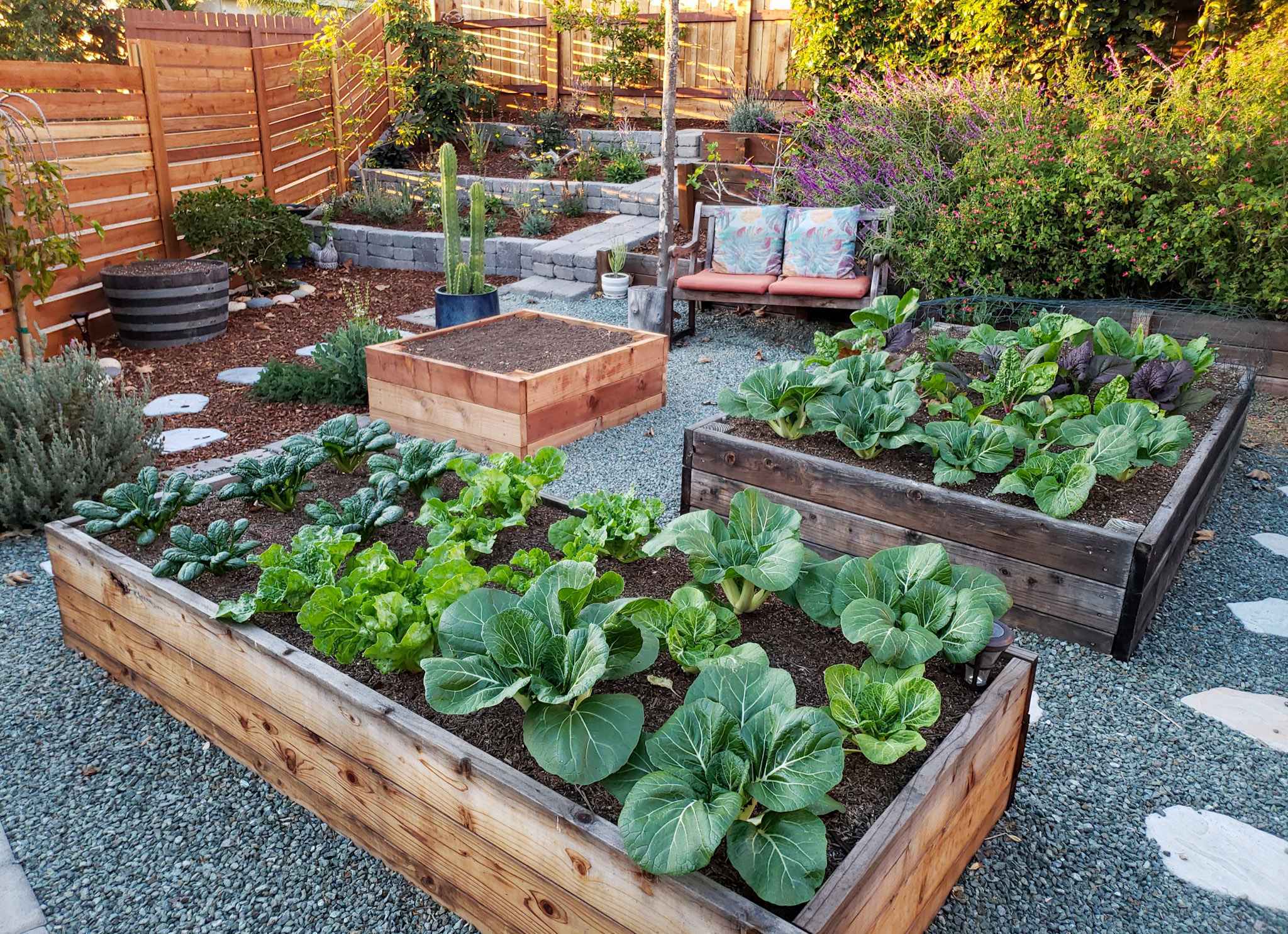
Untreated cedar or redwood is one of the best choices for most raised garden beds because it resists decay and is easy to work with. Galvanized steel is a strong alternative for a modern, low-maintenance bed, while stone and brick suit permanent gardens.
Across the United States, raised garden beds help gardeners grow tomatoes, peppers, lettuce, herbs, and other crops in yards with poor soil or limited space. A bed in a small suburban backyard may face different demands from one on a sunny Texas patio or in a rainy Pacific Northwest garden. The right material should suit the local climate, the crops you plan to grow, and the time you want to spend on upkeep.
The best material is not always the cheapest or the one that lasts the longest. Wood is easy to cut and repair, metal makes a neat and sturdy frame, and stone can form a lasting garden feature. Each option has trade-offs in cost, heat, weight, food-growing suitability, and ease of assembly.
This guide compares the main materials by their practical strengths and limits. It also explains which wood treatments to avoid, how to assess metal beds, and what to consider before building a bed over soil, grass, or a hard patio. The goal is to help you choose a frame that fits your garden without spending more than you need.
What Makes a Material Best for a Raised Garden Bed?
The best raised bed material should hold soil in place, tolerate moisture, and remain stable as the soil gets wet and heavy. It should also suit the crops you want to grow and the space where the bed will sit. For most home vegetable gardens, untreated rot-resistant wood offers a useful balance of cost, ease of building, and durability.
A raised bed is more than a decorative border. Its sides hold back soil, water, and plant roots, so the frame must handle outward pressure. Taller beds and long beds may need stronger boards, corner posts, braces, or a design that limits bowing.
Before buying materials, decide how long you want the bed to last, how much you can spend, and whether you may move it later. A small herb bed beside the kitchen needs a different level of investment from a permanent vegetable plot built for years of use.
Source: diy-ideas.oss-accelerate.aliyuncs.com
Durability
Choose a material that can withstand repeated wetting, drying, sunlight, and contact with soil. Rot-resistant wood and corrosion-resistant metal are common options.
Growing safety
Use materials with known ingredients and avoid surfaces that may release unwanted chemicals into the growing area. This is especially important for beds used to grow edible crops.
Cost and upkeep
Compare the full cost of the frame, fasteners, assembly, repairs, and eventual replacement rather than looking at the initial price alone.
Climate and placement
Rain, humidity, freeze-thaw cycles, strong sun, and ground contact can affect how well a material performs. Match the choice to your local conditions.
Does the Frame Material Affect Plant Growth?
The frame affects plant growth mainly through drainage, heat transfer, available root space, and possible contact with unwanted substances. The material itself does not make vegetables grow well if the bed has compacted soil, poor drainage, or too little sunlight.
Dark metal can become hot in direct summer sun, especially in exposed gardens. Wood and stone also warm up, but their surface behavior differs with color, thickness, and moisture. In hot regions, pay attention to where the bed sits, keep plants watered as needed, and use mulch to help limit moisture loss.
Focus on the root zone
Use a suitable soil blend, provide drainage, and leave enough depth for the crops you plan to grow.
Watch summer heat
In hot climates, consider light-colored materials, afternoon shade where appropriate, and a reliable watering plan.
1. Untreated Cedar: Best All-Around Wood Choice
Untreated cedar is one of the strongest all-around choices for a home raised garden bed. It is naturally resistant to decay, relatively easy to cut, and widely used for outdoor projects. These traits make it a practical option for gardeners who want a natural look without relying on a chemical wood treatment to protect the frame.
Cedar is available in many lumberyards and home improvement stores across the United States. You can build a simple rectangular bed with basic tools, screws, and corner supports. If a board eventually splits or rots, you can often replace that section without rebuilding the entire bed.
The main drawback is cost. Cedar often costs more than common construction lumber, and its price varies by region, board size, grade, and supply. Thin boards may also warp or bow under the pressure of wet soil, so choose dimensions that suit the bed height and span.
Source: cdn.diygarden.co.uk
Best for
Home vegetable gardens, herb beds, and gardeners who want a natural frame that is easy to repair.
Main strengths
Natural decay resistance, simple construction, a warm appearance, and easy replacement of damaged boards.
Main drawbacks
Higher upfront cost than many common untreated woods, plus gradual weathering and eventual decay.
How Long Does Cedar Last?
Cedar service life depends on the species, lumber grade, thickness, climate, drainage, and amount of soil contact. There is no single lifespan that applies to every cedar bed. A frame kept out of standing water may last much longer than one that stays wet through a humid summer or rainy winter.
Inspect the boards at the start and end of each growing season. Look for soft spots, splitting, loose screws, and sides that bow outward. Replace damaged sections before the frame fails under the weight of wet soil.
Build for drainage
Place the bed where water can drain away instead of collecting around the base.
Use suitable fasteners
Choose outdoor-rated screws that are compatible with the wood and local conditions.
Is Cedar Safe for Growing Vegetables?
Untreated cedar is commonly used for edible garden beds because its natural wood does not require a preservative treatment. Still, the word cedar covers several species, and the source of the lumber matters. Confirm that the wood has not been treated, painted with an unknown coating, or contaminated during storage.
Check the label
Buy untreated lumber and keep the receipt or product details if you need to verify what was used.
2. Redwood: A Durable Premium Option
Redwood is another good wood choice for raised beds, especially where it is readily available. Some redwood species and grades offer strong natural resistance to decay, and the wood has a rich color that suits ornamental and edible gardens. It can be a useful alternative to cedar when local supply and pricing make sense.
Redwood is often easier to source in parts of the western United States than in other regions. Shipping and regional demand can make it expensive elsewhere. Compare the actual grade and dimensions rather than assuming every redwood board will outlast every cedar board.
As with cedar, untreated redwood is a practical option for vegetable beds when the lumber has a known source. It still needs sound construction, good drainage, and periodic inspection. No natural wood is immune to weather, insects, or decay.
Source: watchgardening.com
Best for
Gardeners who want a natural, attractive frame and can source suitable lumber at a reasonable price.
Main strengths
Natural decay resistance in suitable grades, easy cutting, and a distinctive appearance.
Main drawbacks
Price and availability vary widely, and the frame will still age with exposure to moisture and sunlight.
Cedar vs. Redwood
Cedar and redwood are both good options, so the better buy is often the one with the right grade, thickness, and local price. Cedar may be easier to find in many parts of the country, while redwood can be a practical local choice in western markets. Neither species automatically wins under every climate or construction method.
Ask the lumber supplier whether the boards are untreated and suitable for outdoor use. If one species costs far more than the other, weigh the added expense against the expected service life and the ease of replacing a board later.
Choose cedar
When you want a widely used, naturally decay-resistant wood and can find suitable boards at a fair price.
Choose redwood
When the desired grade is locally available and its cost compares well with cedar.
3. Untreated Pine and Other Budget Woods
Untreated pine and other common construction woods can work well when the budget is tight. They are easy to find, simple to cut, and suitable for basic raised bed designs. The trade-off is that many common woods decay faster than naturally durable cedar or redwood when exposed to wet soil.
Pine may suit a small starter bed or a gardener who expects to replace the frame after several growing seasons. Its actual life depends on the species, thickness, local weather, and how often the wood stays damp. A dry climate may be kinder to a wooden frame than a rainy or humid one.
Avoid assuming that a low-cost board is a bargain if it needs early replacement. For a fair comparison, estimate the amount of lumber, fasteners, supports, and future repair work. A slightly more expensive frame may offer better value if it stays sound for longer.
Source: gardenary-data.s3.amazonaws.com
Best for
Temporary beds, starter gardens, and projects where low initial cost matters most.
Main strengths
Low purchase cost, broad availability, and straightforward construction.
Main drawbacks
Potentially shorter service life, more frequent repairs, and greater sensitivity to prolonged moisture.
Can You Use Pressure-Treated Wood?
Pressure-treated wood is made to resist insects and decay, but treatment chemicals differ by product and intended use. Modern residential pressure-treated lumber often uses preservatives that differ from older treatments, and a label alone should not be treated as proof that every use is appropriate.
For an edible garden, check the product label and current manufacturer guidance before using treated lumber. If the treatment is unknown, the wood is reclaimed, or the label does not clearly support the intended use, choose untreated lumber instead. Never burn treated scraps or use them as mulch or compost.
Avoid unknown reclaimed lumber
Old fence boards, railroad ties, industrial timbers, and painted demolition wood may contain preservatives or coatings that are not suitable for a food garden.
Do not rely on appearance
Color, age, and smell cannot reliably identify the chemicals used to treat a board.
4. Galvanized Steel: Best for a Modern, Low-Maintenance Bed
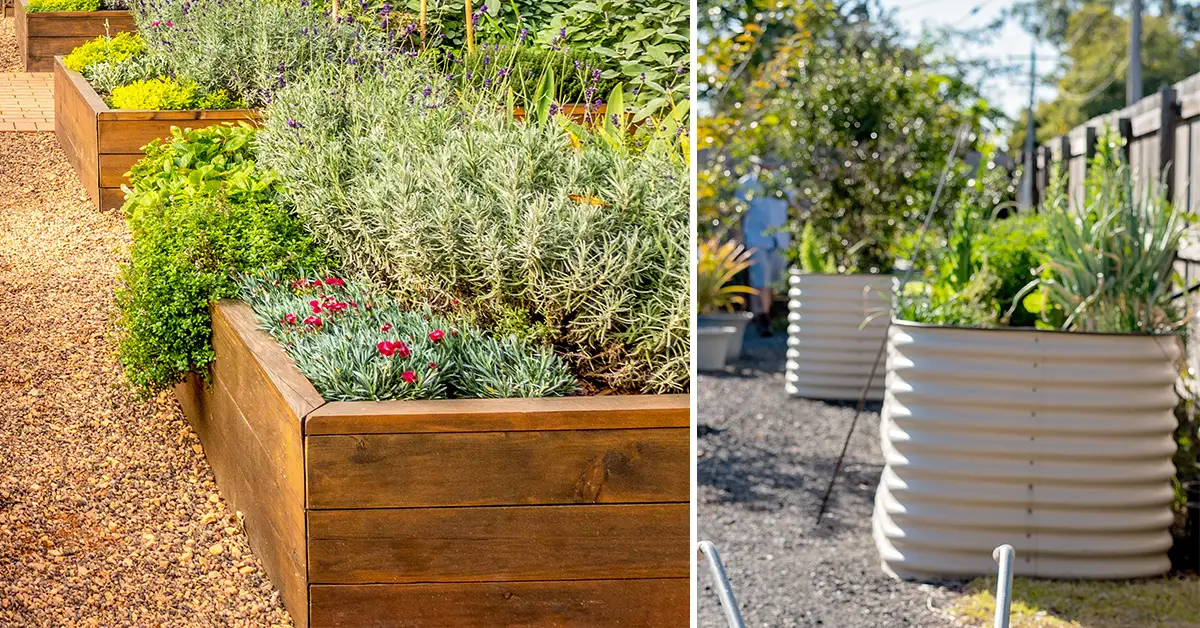
Galvanized steel is a strong choice for gardeners who prefer a neat, modern frame and want to avoid wood rot. The steel has a zinc coating that helps protect it from corrosion. Many ready-made metal beds are designed for quick assembly and have no wood boards that need replacing.
Metal beds come in many shapes and sizes, from shallow troughs to tall rectangular planters. The quality of the steel, coating, seams, fasteners, and support design affects how well the bed holds up. Thin panels can flex under wet soil, so check the construction details before choosing a tall or wide model.
Heat is a practical concern in hot, sunny areas. Metal can warm quickly, and a dark surface exposed to afternoon sun may become hot to the touch. This does not mean every metal bed overheats plant roots, but it does mean that bed placement, watering, soil depth, and local summer conditions deserve attention.
Source: images.trex.com
Best for
Gardeners who want a clean look, fast assembly, and a frame that does not rot like wood.
Main strengths
Low routine maintenance, a slim profile, and a wide range of ready-made shapes.
Main drawbacks
Possible surface heating, corrosion if the coating fails, and bending in poorly supported panels.
Are Galvanized Steel Beds Safe for Vegetables?
Galvanized steel has a zinc coating, and its suitability depends on the product, condition, and intended use. Choose a bed sold for gardening, review the maker’s material information, and avoid panels with unknown industrial coatings or a history of chemical contamination. Do not assume that every sheet of corrugated metal is equivalent to a purpose-made garden bed.
If you already own metal panels, find out what they were used for before placing them around food crops. Industrial salvage, roofing scraps from an unknown source, and painted metal with flaking coatings are poor choices when the history is uncertain.
Check product details
Look for clear material specifications, intended outdoor use, assembly instructions, and guidance from the manufacturer.
Inspect the coating
Do not use badly corroded, flaking, or chemically contaminated panels around edible crops.
How to Reduce Heat Stress in Metal Beds
Set the bed where plants receive the sun they need without exposing the frame to unnecessary reflected heat. In very hot regions, a location with morning sun and some protection from harsh late-afternoon sun may help crops that struggle in peak summer heat. Use mulch and check soil moisture regularly, since warm, windy conditions can dry a raised bed faster than expected.
Use a suitable bed color
A lighter exterior may absorb less solar energy than a very dark one, although color alone does not determine root-zone temperature.
Water based on soil conditions
Check the soil before watering instead of following a fixed schedule that may not suit the weather or crop.
5. Composite Lumber: A Low-Rot Alternative
Composite lumber is made from a blend of materials, often including recycled plastic and wood fibers, although formulas vary. It can appeal to gardeners who want a uniform appearance and less concern about rot. Unlike natural boards, composite products may not need the same kind of decay-related replacement.
Not all composite products are intended for contact with edible garden soil. Some are designed for decking, fencing, or other outdoor uses, and their additives or product specifications may not address use around food crops. Read the technical information and confirm that the maker supports the intended application before building a vegetable bed.
Composite boards can cost more than common lumber and may expand, contract, or bend as temperatures change. They also differ in stiffness and fastening needs. A product designed for horizontal decking may not be suitable for retaining a deep bank of wet soil.
Source: i.pinimg.com
Best for
Gardeners who value a uniform finish and low rot-related upkeep and can verify the product is suitable for the planned use.
Main strengths
Consistent appearance, resistance to many forms of decay, and limited need for surface maintenance.
Main drawbacks
Higher initial cost for some products, possible heat-related movement, and uncertainty about suitability if specifications are unclear.
Is Recycled Plastic Lumber Better Than Wood?
Recycled plastic lumber and wood-plastic composites can reduce the need for some forms of wood replacement, but they are not automatically the best environmental or gardening choice. The answer depends on the product’s ingredients, expected service life, manufacturing, transport, and ability to be repaired or recycled at the end of use.
If the frame will hold deep, wet soil, choose a product designed for that structural load. Ask the manufacturer whether the boards need specific supports and whether they are approved for direct contact with garden soil used for edible plants.
Confirm the intended use
Use technical specifications rather than general claims about recycled content to judge suitability.
6. Stone and Brick: Best for Permanent Garden Beds
Stone and brick are good choices for gardeners who want a lasting, solid garden border. They do not rot like wood, and they can complement a patio, walkway, or formal landscape. Stone beds can also suit sloped yards when their design accounts for the ground and the pressure of the soil.
The main trade-off is the work involved. Stone is heavy, and brick or masonry beds may need a stable base and careful construction. Taller walls that retain large amounts of soil can create structural risks if built without suitable support, so a decorative low border should not be treated as a retaining wall for a steep slope.
Mortar, coatings, reclaimed masonry, and the history of salvaged materials matter when planning an edible garden. Use clean materials with a known source, and avoid pieces with peeling paint or unknown industrial contamination. For large or tall masonry beds, seek qualified advice on the base, drainage, and wall design.
Source: i.pinimg.com
Best for
Permanent gardens, ornamental vegetable plots, and landscapes where a solid frame is worth the added labor.
Main strengths
Long service life, resistance to rot, and a broad range of colors and styles.
Main drawbacks
Heavy materials, more demanding installation, possible masonry repairs, and limited ease of relocation.
Should You Use Concrete Blocks?
Concrete blocks can form a practical raised bed when the blocks are sound and suitable for the intended use. They are durable, modular, and often easy to arrange into a simple rectangular shape. Their weight makes them less convenient to move once the bed is filled.
Check the block type and any coatings or sealants before using it for an edible garden. Do not use blocks contaminated by unknown chemicals or industrial processes. For tall beds or beds built on uneven ground, consider the wall design and drainage before adding soil.
Use a stable base
Prepare level, well-drained ground and make sure the blocks sit securely before filling the bed.
Keep the design appropriate
Use low, simple borders for basic garden beds and seek qualified advice for walls that retain substantial soil loads.
7. Comparing Raised Garden Bed Materials
A side-by-side comparison makes the choice easier because each material solves a different problem. Cedar and redwood offer a natural look and straightforward repairs, while galvanized steel provides a slim, modern frame. Composite lumber, stone, brick, and concrete blocks can also work when their specifications, cost, and installation needs match the project.
The table below gives a general comparison rather than a guaranteed lifespan or price list. Actual costs depend on local lumber prices, product thickness, bed dimensions, shipping, fasteners, labor, and whether you build the frame yourself. Always check the specific product before buying.
Source: vegegardens.com
Material Comparison Table
Use this table to narrow your options based on common home-garden needs. A higher rating for durability does not mean a material is always the safest, cheapest, or easiest choice.
Untreated cedar
Cost: moderate to high. Durability: good when well built and drained. Upkeep: low to moderate. Best fit: most home vegetable gardens.
Untreated redwood
Cost: moderate to high, with strong regional variation. Durability: good in suitable grades. Upkeep: low to moderate. Best fit: gardeners with access to suitable local lumber.
Untreated pine
Cost: low. Durability: often lower in wet soil. Upkeep: moderate to high over time. Best fit: temporary beds and low-budget projects.
Galvanized steel
Cost: varies by panel thickness and design. Durability: good when the coating and structure remain sound. Upkeep: usually low. Best fit: compact, modern, easy-to-assemble beds.
Composite lumber
Cost: moderate to high. Durability: product-dependent and often resistant to rot. Upkeep: generally low. Best fit: gardeners who verify suitability and load capacity.
Stone or brick
Cost: often high once labor and the base are included. Durability: high when properly built. Upkeep: low to moderate. Best fit: permanent landscapes.
Concrete blocks
Cost: often moderate, depending on the layout and base. Durability: high when sound and well placed. Upkeep: low to moderate. Best fit: simple, permanent beds.
Which Material Offers the Best Value?
The best value depends on the purchase price and the years of service you get from the frame. A low-cost pine bed may be the least expensive way to start gardening, while cedar may offer a better balance for someone who wants a durable wood frame. Stone may cost more at first but suit a garden that will stay in the same place for many years.
For a simple comparison, divide the estimated total frame cost by the number of years you expect it to serve. This is only a planning estimate, not a guarantee, and it does not include labor, repairs, soil, or the value of your time.
Hypothetical example
If one frame costs $120 and lasts an estimated 6 years, its frame cost averages $20 per year. If another costs $210 and lasts an estimated 12 years, its frame cost averages $17.50 per year. These figures are illustrative, not measured lifespans or market prices.
8. How to Choose the Right Material for Your Climate
Your local weather can change how well a raised bed performs. Moisture can speed wood decay, intense sun can warm metal, and repeated freezing and thawing can affect masonry on poorly prepared ground. Choose a frame based on the conditions it will face, not only on how it looks in a product photo.
Source: homesteadandchill.com
Hot, dry regions
In places such as Arizona and parts of Texas, consider sun exposure, soil moisture, and the heat absorbed by dark surfaces. Mulch and suitable irrigation may matter more to plant health than the frame material alone.
Humid and rainy regions
In parts of the Southeast and Pacific Northwest, drainage and moisture control deserve extra attention. Naturally durable wood, suitable metal, and masonry are all possible choices when properly installed.
Cold regions
In areas with freezing winters, use a sturdy frame and consider how water drains and freezes around the base. Check whether a masonry design needs a prepared foundation for the local conditions.
Small patios and balconies
Consider total weight, drainage, available floor space, and the load limits of the structure. A filled raised bed can be much heavier than its empty frame.
Raised Beds on Concrete or Pavers
A raised bed on concrete or pavers needs a plan for drainage because water cannot soak into the ground beneath it. Use a design that allows excess water to escape without damaging the surface or creating a nuisance for nearby areas. The bed must also provide enough soil depth for the crops you want to grow.
Before installing a heavy stone bed or filling a large planter on a balcony or rooftop, check the load limits of the supporting structure. Do not assume a deck or balcony can safely hold the weight of wet soil, water, stone, and the frame.
Plan the water route
Make sure drainage will not pool against a building or run into a neighbor’s property.
Check structural limits
Seek qualified guidance when the load capacity of a deck, balcony, or rooftop is uncertain.
9. How to Build a Raised Bed That Lasts
A good material can still fail early if the frame is poorly built or water stays trapped around it. A basic rectangular bed is often the easiest design for beginners because it needs fewer cuts and joints than a complex shape. Start with a suitable site and a plan for the finished size before purchasing lumber or panels.
Step 1: Pick the site
Choose a level or suitably prepared area with enough sunlight for your crops and good access for watering and harvesting.
Step 2: Set the dimensions
Make the bed narrow enough to reach the center from the sides without stepping on the soil. Choose a height that fits your crops, available soil, and budget.
Step 3: Prepare the base
Remove unwanted weeds, check drainage, and level the site as needed. If the bed sits over lawn, decide how to manage the grass and whether roots can reach the native soil.
Step 4: Assemble the frame
Use compatible outdoor fasteners, sound corners, and supports suited to the material. Tall or long sides may need extra reinforcement to prevent bowing.
Step 5: Add suitable soil
Use a growing mix that drains well and suits your crops. Avoid filling the bed with dense subsoil alone, which can restrict root growth and drainage.
Step 6: Water and inspect
Water the soil, look for leaks or pooling, and check that the frame stays straight. Add soil if it settles, and keep an eye on the sides during the first few weeks.
How Deep Should a Raised Garden Bed Be?
The right depth depends on the crops, the soil below the bed, and whether roots can grow into the ground. Many leafy greens and herbs can grow in a shallower soil layer than deep-rooted crops such as carrots or some larger vegetables. If the bed sits on concrete, all of the needed root space must be supplied above the surface.
A deeper bed uses more soil and puts greater pressure on its sides. Before choosing a tall design, make sure the boards, panels, corners, and supports are suitable for the load. The frame material and the height should be planned together.
Provide enough depth for the full root system and confirm that the surface can handle the filled bed’s weight.
Do You Need a Liner?
A liner is not required for every raised bed. A liner may help separate soil from a particular surface, but it can also trap water if the design does not allow drainage. Do not line the bottom of an ordinary soil-based bed with an impermeable sheet unless the design specifically accounts for water removal.
If you want to protect the inside of a wooden frame, choose a product intended for the job and follow its use instructions. Keep in mind that a liner does not make unsuitable treated or contaminated lumber safe.
Protect drainage
Leave a clear path for excess water to escape, especially when the bed sits on concrete or paving.
Do not hide a material problem
Use known, suitable building materials rather than relying on a liner to isolate unknown chemical treatments.
10. Common Mistakes When Choosing Raised Bed Materials
Many raised bed problems come from a mismatch between the material and the site. A low-cost frame may be fine for a small seasonal bed but a poor choice for a tall structure filled with wet soil. A durable material can also create trouble if the bed blocks drainage or sits on a surface that cannot support its weight.
Buying lumber without checking treatment
Confirm that wood is untreated or that its documented intended use supports your project. Avoid salvaged wood with an unknown history around edible crops.
Choosing thin panels for a tall bed
Wet soil exerts outward pressure. Use suitable panel thickness, corner supports, and reinforcement for the height and length of the frame.
Ignoring drainage
Water trapped around wood can speed decay, while poor drainage inside the bed can harm roots. Plan how water enters and leaves the growing area.
Assuming all metal beds are the same
Steel thickness, coating, fasteners, and support design vary. Check the specifications rather than relying on a product’s appearance.
Using questionable reclaimed materials
Avoid railway ties, industrial timbers, painted boards, and other salvage with unknown treatments or contamination.
Overspending on the frame
Put enough money into a safe, sound structure, but do not neglect good soil, drainage, sunlight, and watering to pay for a decorative material.
Signs That a Raised Bed Needs Repair
Inspect the frame if a wooden board feels soft, a corner pulls apart, a metal panel develops a hole, or a long side bows outward. These changes can mean the structure is losing its ability to hold the soil safely. Stop adding soil and relieve pressure if the frame is close to failure.
Replace damaged parts with compatible materials and fasteners. For stone or masonry walls that lean, crack, or shift, assess the cause before rebuilding. A tall wall that holds substantial soil may need qualified structural advice.
Wood
Look for decay, deep cracks, loose joints, and fasteners that no longer hold.
Metal
Check for corrosion, sharp edges, failed joints, and panels that bulge under pressure.
Stone or brick
Look for leaning walls, loose units, widening cracks, and water collecting at the base.
11. Which Raised Bed Material Should You Choose?
For most home vegetable gardens, untreated cedar is a sensible starting point because it balances decay resistance, ease of construction, and a natural appearance. Redwood can be just as attractive when suitable lumber is easy to source. Galvanized steel is worth considering if you want quick assembly and low routine maintenance.
Choose composite lumber only when the maker clearly supports the intended use and the product can handle the soil load. Pick stone, brick, or concrete blocks for a permanent garden where the weight and installation work are acceptable. Untreated pine can work for a budget or temporary bed when you are comfortable with the possibility of earlier replacement.
Best overall for many home gardeners
Untreated cedar offers a practical balance of durability, repairability, and ease of building.
Best natural alternative
Untreated redwood is a good option when the price, grade, and local supply make sense.
Best for a modern, low-maintenance look
A purpose-made galvanized steel bed can suit gardeners who value simple assembly and a slim frame.
Best for a permanent landscape
Stone or brick can provide a lasting border when installed on a suitable base.
Best for a tight initial budget
Untreated pine can keep the first build affordable, provided you plan for inspection and possible replacement.
A Simple Buying Checklist
Before placing an order, check the material, dimensions, construction, and intended use. This short review can prevent a costly mismatch between the frame and your site.
Confirm the material
Check the wood species, metal coating, composite ingredients, or masonry source where relevant.
Measure the site
Allow room to reach the plants, move a wheelbarrow, and water without stepping on the growing soil.
Review structural support
Look for strong corners, suitable fasteners, and reinforcement for long or tall sides.
Calculate the full cost
Include the frame, fasteners, supports, delivery, soil, and likely maintenance.
Plan for future changes
Choose a movable frame if you may redesign the yard, or a permanent one if the layout is unlikely to change.
12. Reader Question Gap Map and Evidence Limits
The most useful next questions follow naturally from choosing a raised bed material: whether it is suitable for edible crops, how it handles local weather, how long it may last, and how much support it needs. These are inferred reader needs based on the decisions involved in building a raised bed, not verified search-volume findings.
No live competitor-page audit, Search Console data, or product-specific laboratory testing is claimed here. The guide provides a practical comparison of common material properties, but it does not establish a measured service life, universal food-safety certification, or a definitive environmental ranking for every product.
Is treated wood suitable for vegetables?
Reader stage: before purchase. Basis: inferred next need. Competitor coverage: not checked in a live page audit. Benefit: encourages a check of the exact treatment and intended use before construction.
Will a metal bed get too hot?
Reader stage: material selection and setup. Basis: inferred next need. Competitor coverage: not checked in a live page audit. Benefit: connects climate, color, placement, and watering rather than treating heat as a universal problem.
Which material costs less over time?
Reader stage: budgeting. Basis: inferred next need. Competitor coverage: not checked in a live page audit. Benefit: provides a simple annualized-cost calculation while making the lifespan assumptions clear.
Can a raised bed sit on concrete or a balcony?
Reader stage: site planning. Basis: inferred next need. Competitor coverage: not checked in a live page audit. Benefit: highlights drainage, root depth, and structural load before the bed is filled.
How can you tell when a frame needs repair?
Reader stage: after installation. Basis: inferred next need. Competitor coverage: not checked in a live page audit. Benefit: gives practical warning signs that can help prevent sudden frame failure.
Frequently Asked Questions
Q
What is the safest material for raised garden beds for vegetables?
Untreated cedar or redwood is a common practical choice because the wood does not need a preservative treatment to resist decay. Purpose-made galvanized steel beds may also be suitable when the product has clear material specifications and is intended for garden use. No material should be assumed safe if its source, coating, or chemical treatment is unknown.
Q
Is cedar better than pressure-treated wood for raised beds?
Untreated cedar is a straightforward option for edible gardens because it avoids the need to assess a preservative treatment. Pressure-treated wood products vary, so check the exact product label and manufacturer guidance before use. If you cannot confirm the treatment or its suitability for the intended application, choose untreated lumber.
Q
Do metal raised garden beds rust?
Galvanized steel has a zinc coating that helps slow corrosion, but it is not immune to rust. The coating, cut edges, fasteners, soil conditions, and exposure to moisture affect how the bed ages. Inspect the frame periodically and replace badly corroded or structurally damaged parts.
Q
Can I use recycled wood for a raised garden bed?
You can reuse wood when its source and treatment are known and it remains sound. Avoid railroad ties, industrial timbers, painted demolition wood, and old boards with unknown preservatives. If the history is uncertain, use known untreated lumber for a bed that will grow food.
Q
What is the cheapest material for raised garden beds?
Untreated pine or other common construction lumber is often among the lowest-cost options for a simple DIY frame. Prices vary by location, size, grade, and season, and less durable wood may need earlier replacement. Compare the complete project cost and expected service life instead of the price of one board.
Q
Should I line my raised garden bed with plastic?
Not in every case. A plastic liner can restrict drainage if it traps water, and it does not make chemically treated or contaminated lumber suitable for food growing. If a liner is needed to protect a surface or a frame, choose a product intended for that use and plan a clear drainage route.
Q
How thick should the wood be for a raised garden bed?
The needed thickness depends on the wood, bed height, board length, support spacing, and soil load. Taller and longer sides usually need stronger boards or added supports to resist bowing. Follow the design guidance for the chosen material and reinforce the frame before filling it with wet soil.
✦ Wrapping Up
Conclusion
For many home gardeners, untreated cedar is the best all-around material for raised garden beds. It is easy to work with, has natural resistance to decay, and suits a wide range of vegetable and herb gardens. Redwood is another strong natural option when it is readily available, while galvanized steel works well for gardeners who prefer a modern frame with little routine upkeep.
Stone, brick, and concrete blocks suit permanent gardens, and composite lumber may work when the exact product is designed for the task. Untreated pine keeps costs down, although it may need replacement sooner. The best choice depends on your budget, local climate, growing plans, and the structure’s size.
A sound frame is only one part of a productive raised bed. Plan for good drainage, suitable soil, enough root space, and safe materials with a known source. A simple bed built well can grow healthy crops without the cost or upkeep of an elaborate design.
💡 Key Takeaway
Before buying materials, measure the site, set your budget, and choose a frame that suits your climate and crops. For a reliable starting point, compare untreated cedar with a purpose-made galvanized steel bed, then confirm the dimensions, supports, drainage plan, and material specifications.
I enjoy sharing simple gardening ideas, lawn care tips, and honest product reviews that help make outdoor work easier. From home gardening guides to helpful tools and lawn care advice, I write easy-to-follow content to help readers create a healthier and better-looking outdoor space without wasting time or money.