As an Amazon Associate, I earn from qualifying purchases.
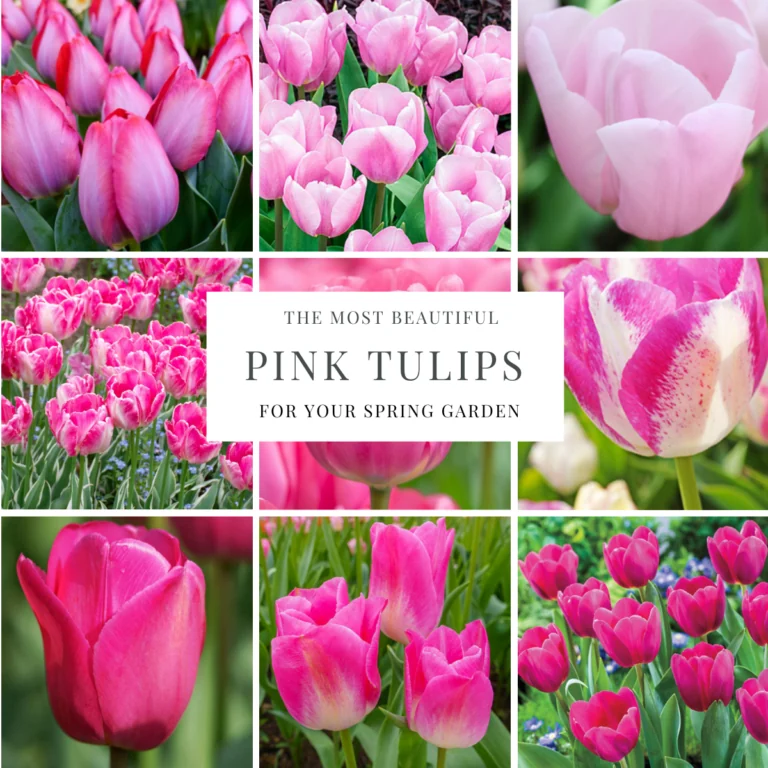
Pink tulip varieties come in many shades, shapes, and sizes. Popular choices include Angelique, Pink impression, Apricot Beauty, Foxtrot, Barcelona, Pink Diamond, and Queensland. Some have simple cup-shaped flowers, while others have full, peony-like blooms or pretty fringed petals.
In American gardens, pink tulips bring fresh color to spring beds, front yards, porch containers, and flower borders. They look lovely beside white daffodils, purple hyacinths, and early spring perennials. Whether you garden in a small suburban yard or have a large flower bed, there is a pink tulip to suit your space.
The best variety depends on the look you want. Soft pink flowers create a calm, gentle display, while bright rose and magenta blooms add bold color. Flower shape and bloom time matter, too. By choosing early-, mid-, and late-season types, you can enjoy pink flowers for more of the spring season.
Before choosing bulbs, check your local climate and planting time. Tulips usually need a period of winter cold to flower well. This makes them easier to grow as spring bulbs in many colder parts of the United States, while gardeners in warmer areas may need pre-chilled bulbs or other spring flower choices.
Pink tulips are not all alike. Some have pale blush petals, while others show deep rose, salmon, coral, or raspberry tones. Their flower shapes range from classic cups to ruffled, fringed, and pointed forms.
The following varieties offer a useful mix of colors, shapes, and bloom periods. Exact height and flowering dates can vary with the bulb stock, weather, and growing conditions, so use the supplier’s label when planning your garden.
Source: hopeandhedges.com
1. Angelique
Angelique is one of the best-known double late pink tulips. Its many soft pink petals form a rounded flower that looks a little like a small peony. The color may show pale blush, rose, and creamy tones as the flower opens. It works well in borders and cut-flower gardens.
2. Pink Impression
Pink Impression is a Darwin Hybrid tulip with large, rich pink flowers. Its strong stems make it useful for garden beds and spring arrangements. Choose it when you want a bold pink display rather than a delicate pastel look.
3. Apricot Beauty
Apricot Beauty is an early single tulip with warm peach-pink petals. Its soft color blends well with cream, pale yellow, and white spring flowers. It is a good choice for gardeners who want pink color near the start of tulip season.
4. Pink Diamond
Pink Diamond is a single late tulip with a classic cup-shaped flower. Its clear pink color makes a strong display in groups. It suits simple flower borders and can also be used as a cut flower.
5. Foxtrot
Foxtrot is a double early tulip with layered pink and white petals. Its rounded blooms bring a full, soft look to spring beds. Plant it near paths or containers where the flower shape can be seen up close.
6. Barcelona
Barcelona is a Triumph tulip known for its strong pink flowers. It offers a bright, clean color that stands out in a mixed spring bed. Its classic flower form also makes it a useful choice for cutting.
7. Queensland
Queensland is a double fringed late tulip. Its pink petals have delicate, cut-looking edges that add texture to a flower display. It is a good choice when you want something more detailed than a standard tulip.
8. Pink Star
Pink Star is a double late tulip with a full flower head. It brings a soft, rounded look to late spring beds and large containers. Check the supplier’s description for the exact shade and mature height.
9. Salmon Van Eijk
Salmon Van Eijk is a Darwin Hybrid type with warm salmon-pink flowers. The color can look especially rich beside purple or deep blue spring blooms. Its tall growth makes it useful for the back or middle of a flower border.
10. Dynasty
Dynasty is a Triumph tulip with pink and white coloring. The lighter petal edges or areas create a gentle two-tone effect. It works well in mixed beds where plain pink flowers might look too uniform.
11. Foxtrot Pink
Foxtrot is often sold as a soft pink double tulip. Its many petals give it a full appearance, making it attractive in pots and small garden groups. Confirm the named variety on the package because similar double pink tulips may be sold under different labels.
12. Spryng Break
Spryng Break is a Triumph tulip with pink flowers that fit well into midseason spring displays. Its simple flower form balances more elaborate double and fringed varieties. It can add a neat, upright line to a flower border.
13. Spryng Tide
Spryng Tide is another Triumph type with pink coloring. It is useful for gardeners who want a traditional tulip shape and a mid- to late-spring display. Pair it with white tulips for a fresh, clear color scheme.
14. Pink Jimmy
Pink Jimmy is a midseason Triumph tulip. Its pink flowers are suited to grouped planting in beds and borders. Plant several bulbs together for a stronger color effect than a single scattered flower.
15. Cripion Love
Cripion Love is a double late type with pink and white coloring. Its full flower shape creates a soft, layered look. It is worth considering for cottage-style beds and mixed spring containers.
16. Fancy Frills
Fancy Frills has pink and white flowers with fringed petal edges. The unusual edges catch the light and add texture to a tulip bed. Use it as a feature variety among simpler single tulips.
17. Brest
Brest is a fringed double tulip with deep pink and white coloring. Its dense petals and textured edges give it a dramatic look. It suits gardeners who enjoy unusual flower forms.
18. Renown
Renown is a single late pink tulip. Its straightforward flower shape makes it easy to combine with double, lily-flowered, and fringed types. It can help carry a pink color theme into the later part of spring.
19. Sunset Tropical
Sunset Tropical is a double late tulip with pink tones. Its layered flower head adds volume to a late spring display. It works especially well when planted in a small group rather than mixed randomly with many other colors.
20. Rosy Delight
Rosy Delight is a pink Darwin Hybrid selection. It offers a strong garden presence and a traditional tulip form. It is worth comparing with Pink Impression if you want tall plants with large pink flowers.
Which Pink Tulips Have the Softest Colors?
For a gentle pastel display, start with Angelique, Apricot Beauty, and Foxtrot. Their soft pink, peach, and pale tones work well with white flowers and fresh green leaves. They are also useful in small gardens because their lighter colors help a planting feel open and calm.
Best for pastel gardens
Angelique and Apricot Beauty offer gentle colors that blend well with cream and white flowers.
Best for bold pink color
Pink Impression and Barcelona provide stronger pink tones that stand out from a distance.
Which Varieties Have Unusual Petals?
Choose Queensland, Fancy Frills, or Brest if petal texture matters most. Fringed tulips have fine cuts along their edges, while double tulips have extra layers of petals. These features make the flowers look fuller or more detailed than a standard cup-shaped tulip.
Fringed look
Queensland, Fancy Frills, and Brest add textured petal edges.
Peony-like look
Angelique, Foxtrot, and Pink Star have fuller flowers with many petals.
How to Choose the Right Pink Tulip for Your Garden
Choose pink tulips by flower shape, bloom time, mature height, and the space where you plan to grow them. A variety that looks lovely in a large border may be too tall for a shallow pot. Likewise, a very full flower may need more shelter from strong wind than a simple single tulip.
Think about the whole garden before buying bulbs. A mix of heights and flowering periods can create a longer display, while a single variety planted in a group gives a clean and unified look.
Source: epicgardening.com
For a classic spring border
Choose Triumph or Darwin Hybrid types such as Barcelona and Pink Impression. Their familiar flower shapes are easy to combine with other spring plants.
For a cottage garden
Choose Angelique, Foxtrot, or Cripion Love. Their layered petals create a relaxed, full look.
For a formal display
Plant one variety in repeated groups. Pink Impression or Barcelona can create a clear line of color along a path or fence.
For containers
Look for varieties with a suitable mature height and sturdy stems. Double types can look beautiful in pots, but make sure the container drains freely.
For cut flowers
Select healthy bulbs and varieties with stems long enough for your vase. Pink Impression and Barcelona are useful starting points, but check the supplier’s cut-flower details.
Compare Flower Shapes Before You Buy
A tulip’s flower group tells you more than its color. Single tulips have the familiar cup shape, double tulips have extra petals, and fringed tulips have fine edges that look almost like lace. Lily-flowered tulips have narrow, pointed petals that curve outward near the tips.
The shape changes the feel of the planting. Single tulips look neat and simple, while double flowers create a softer, fuller display. Fringed and parrot forms are useful when you want the flowers to stand out as individual features.
Single tulips
A simple cup shape that works well in large groups and formal beds.
Double tulips
Extra petals create a rounded flower that may resemble a peony.
Fringed tulips
Fine petal edges add texture and detail.
Lily-flowered tulips
Pointed petals give the flower a slim, elegant shape.
Pink Tulip Bloom Times: Early, Midseason, and Late
Pink tulips do not all bloom at once. Early types open near the start of spring, midseason varieties follow, and late types bring color toward the end of the tulip display. The exact dates depend on local weather, planting depth, soil temperature, and the cultivar.
A useful way to plan is to combine varieties from different flowering groups. This can spread the display over several weeks, although no planting plan can guarantee exact flowering dates.
Source: dreamstime.com
Early season
Apricot Beauty and Foxtrot are useful choices for an early display. Their flowers can bring pink tones to the garden before many late tulips open.
Midseason
Barcelona, Pink Jimmy, Pink Impression, and Spryng Break can provide color during the middle part of the season.
Late season
Angelique, Pink Diamond, Queensland, Pink Star, and Sunset Tropical can help extend the display.
A Simple Pink Tulip Planting Plan
For a longer spring show, plant early, midseason, and late varieties in separate clusters or in repeated groups through the same border. Place taller varieties toward the back and shorter ones near the front. This keeps the flowers visible as each group opens.
For example, a bed might begin with Apricot Beauty, continue with Pink Impression and Barcelona, and finish with Angelique and Queensland. This is a planning example, not a promise of fixed bloom dates.
Small bed
Choose two varieties with different bloom periods and plant each in a compact group.
Large border
Use three flowering periods and repeat each color in more than one spot.
Container display
Use one main variety for a tidy look or combine bulbs with similar height and flowering time.
How to Plant Pink Tulip Bulbs
Plant tulip bulbs in fall so they can develop roots before spring growth begins. In much of the United States, this means planting after the soil has cooled but before the ground freezes. The exact month varies by region and local weather.
Choose firm bulbs with no soft spots, mold, or signs of rot. Larger, healthy bulbs generally have more stored energy for flowering than small or damaged ones. Buy named varieties from a supplier that identifies the flower group and expected bloom period.
Source: coventrycyclecentre.co.uk
1. Choose a sunny site
Select a spot with full sun for the best flower growth. A little light shade may be tolerated, but deep shade can lead to weak stems and fewer flowers.
2. Check the soil
Use soil that drains well. Tulip bulbs can rot when they sit in wet ground for long periods. Improve heavy soil with suitable organic matter and consider a raised bed if drainage remains poor.
3. Plant at the right depth
Follow the depth on the bulb package. Many garden tulips are planted about 6 to 8 inches deep, measured from the soil surface to the base of the bulb, but bulb size and local conditions can affect the recommendation.
4. Set the bulbs correctly
Place each bulb with its pointed end facing upward. If the top and bottom are hard to tell apart, plant the bulb on its side; the shoot can usually find its way upward.
5. Space the bulbs
Use the spacing listed by the supplier. For a fuller display, gardeners often plant bulbs in groups rather than in a straight line. Do not crowd bulbs so tightly that they compete for space.
6. Water after planting
Water once after planting if the soil is dry. After that, natural fall and winter moisture may be enough, depending on rainfall and soil drainage.
When Should You Plant Tulips in Different US Regions?
In northern states, bulbs are often planted in early to mid-fall before the ground freezes. In many central areas, planting can continue later into fall. Southern gardeners may need to wait until the soil cools and may need pre-chilled bulbs if winters do not provide enough cold.
Warm-winter areas such as parts of the Gulf Coast and southern Florida can be difficult for traditional tulips. Chilling bulbs according to a trusted supplier’s instructions may improve the chance of flowering, but results can still vary. Tulips may be better treated as a short-lived seasonal display in these climates.
Cold northern climates
Plant in fall while the soil is workable and before hard ground freezes.
Central climates
Plant after the weather cools, using local bulb-supplier guidance.
Warm southern climates
Check chilling needs and local growing advice before buying bulbs.
Growing Pink Tulips in Pots
Pink tulips grow well in containers when the pot is deep enough and has open drainage holes. Use a free-draining potting mix and place the bulbs close enough for a full display without pressing them against one another. Keep the pot in a cool location during the rooting period, following the needs of the selected variety.
Container soil can dry or freeze faster than garden soil. Check moisture during dry spells, but do not leave the pot standing in a tray of water. In very cold areas, protect the container from repeated freeze-thaw cycles.
Choose a suitable pot
Use a sturdy container with drainage holes and enough depth for the bulb size.
Use fresh potting mix
Avoid dense garden soil that may hold too much water in a container.
Group bulbs by height
Choose varieties with similar stem heights so the display looks balanced.
How to Care for Pink Tulips After They Bloom
After pink tulips flower, remove the faded flower heads but leave the green leaves in place. The leaves collect energy that may help the bulb grow and flower again. Cutting the leaves too early can weaken the bulb.
Wait until the foliage turns yellow and begins to die back before removing it. This may take several weeks after flowering. Keep the bed reasonably free of weeds while the leaves are still green.
Source: pinterest.com.au
Remove faded flowers
Cut off the flower head after the petals fade to limit seed production. Avoid cutting the leaves.
Leave green foliage
Allow the leaves to yellow naturally before trimming them away.
Avoid excess water
Do not keep the soil wet after flowering. Bulbs need good drainage during dormancy.
Mark the planting area
Use a small plant marker so you do not dig into the bulbs while they are dormant.
Will Pink Tulips Bloom Again Next Year?
Some tulips return for more than one year, but many modern garden varieties flower best in their first season. Darwin Hybrids and certain species tulips may be more likely to return under suitable conditions, while many double and highly bred varieties are less dependable as repeat bloomers.
Climate, drainage, summer moisture, and leaf care all affect repeat flowering. In areas with warm, wet summers, bulbs may decline even when they were healthy during the first spring. If a strong display matters most, many gardeners plant fresh bulbs each fall.
For repeat growth
Choose varieties known for better perennial performance and provide excellent drainage.
For a dependable display
Treat many ornamental tulips as seasonal bulbs and replace them when flowering declines.
Common Problems When Growing Pink Tulips
Most tulip problems come from poor drainage, unsuitable winter temperatures, damaged bulbs, or growing conditions that do not match the variety. Check the planting site and bulb condition before adding fertilizer or changing your care routine.
A healthy bulb needs a cool rooting period, enough light for strong growth, and soil that does not stay wet. When one of these needs is missing, flowering may be weak or may not happen at all.
Source: colorblends.com
Bulbs fail to flower
Possible causes include poor bulb quality, insufficient winter chilling, shallow planting, or bulbs that have lost energy after repeated seasons. Check the variety’s climate needs and planting instructions.
Leaves grow but flowers do not
The bulb may be too small or weak to produce a flower. Warm winters and poor growing conditions can also affect flowering.
Bulbs rot in the ground
Wet, poorly drained soil is a common cause. Improve drainage or move bulbs to a raised bed or another suitable site.
Stems bend or fall over
Strong wind, heavy rain, shade, or large double flowers may contribute. Choose a sheltered site and avoid excessive shade.
Flowers fade too quickly
Warm spring weather can shorten the display. Planting varieties with different flowering periods can reduce the effect of a short bloom window.
Are Tulips Safe Around Pets?
Tulips contain compounds that can be harmful to cats, dogs, and other pets if eaten. The bulb has a particularly high concentration. Keep bulbs, discarded plant parts, and freshly dug material away from curious animals.
If a pet chews or eats a tulip, contact a veterinarian or an animal poison service for advice. Do not wait for symptoms if you know a bulb has been swallowed.
Store bulbs safely
Keep unopened bulb packs out of reach of pets.
Clear garden waste
Remove discarded bulbs and plant parts after planting or pruning.
Seek prompt advice
Contact a veterinarian if a pet eats any part of a tulip.
Pink Tulip Garden Design Ideas
Pink tulips are easy to use in many garden styles. Their color can feel soft and calm beside white flowers or bright and lively when mixed with purple, red, or orange blooms. Repeating a few varieties often looks more balanced than planting many unrelated types in one small space.
Think about how the garden will look from the house, porch, or main path. A group of pink tulips near an entry can add a clear spring focal point, while a longer row can create a colorful edge along a walkway.
Source: dreamstime.com
Pink and white spring bed
Combine Angelique or Foxtrot with white tulips and white daffodils for a light, calm display.
Pink and purple border
Pair Pink Impression with purple hyacinths or grape hyacinths for a stronger contrast.
Cottage-style planting
Mix double pink tulips with forget-me-nots and other spring flowers that have similar light and moisture needs.
Modern front-yard display
Plant one type of pink tulip in repeated blocks beside a path or low evergreen shrubs.
Container color
Use a single pink variety in a large pot, then add white or purple spring flowers around the edge if there is enough room.
How Many Pink Tulip Bulbs Should You Plant?
The number depends on the area, bulb spacing, and the look you want. A small group can create a clear focal point, while a larger group gives a fuller block of color. Follow the spacing on the bulb label rather than using a fixed number for every garden.
For a simple planning example, measure the planting bed and divide its usable area by the space needed for each bulb. If a bed is 4 feet wide and 3 feet deep, its total area is 12 square feet. The final bulb count will depend on the recommended spacing and whether you want a loose or dense display.
Loose planting
Use wider spacing for a natural look and to give each flower more room.
Dense planting
Use closer spacing within the supplier’s limits for a fuller seasonal display.
Layered planting
Place different varieties in groups, keeping their heights and bloom periods in mind.
Frequently Asked Questions
Q
What is the prettiest pink tulip variety?
Beauty depends on the look you prefer. Angelique is a popular choice for soft, peony-like flowers, while Pink Impression offers a stronger pink color and large blooms. Queensland is a good option if you like fringed petals.
Q
Are pink tulips perennials?
Tulips are botanically perennial bulbs, but many modern garden varieties do not flower reliably year after year. Darwin Hybrids and some species tulips may return more dependably under suitable conditions. Many gardeners replace ornamental tulip bulbs each fall for a fuller display.
Q
Do pink tulips need full sun?
Most pink tulips grow best in full sun. A site with at least several hours of direct light helps produce strong stems and flowers. Light shade may be tolerated, but deep shade can reduce flowering.
Q
When should I plant pink tulip bulbs?
Plant pink tulip bulbs in fall after the soil cools but before it freezes. The right month depends on your region. Gardeners in warm-winter areas should check chilling needs and local bulb-supplier advice before planting.
Q
Can pink tulips grow in warm climates?
They can be grown in some warm areas, but flowering may be less reliable because many tulips need a long cold period. Pre-chilled bulbs may help when used as directed, but they do not guarantee success. Choose a supplier that provides guidance for your climate.
Q
How long do pink tulips bloom?
An individual tulip flower often lasts around one to two weeks, but warm weather can shorten that time. Planting early-, mid-, and late-season varieties can extend the overall display across more of spring.
Q
Can I grow pink tulips indoors?
Yes. Tulip bulbs can be grown in containers indoors after receiving the required cold treatment. Use bulbs sold for forcing and follow the supplier’s instructions for chilling, potting, and moving the container into a bright, cool room.
✦ Wrapping Up
Conclusion
Pink tulip varieties offer a wide range of colors and flower shapes for spring gardens. Angelique and Foxtrot bring soft, full blooms, Pink Impression and Barcelona add bold color, and Queensland and Fancy Frills offer unusual petal edges. The best choice depends on your garden style, local climate, and the flowering period you want.
For a longer display, combine early-, midseason, and late tulips. Plant healthy bulbs in fall, give them plenty of sun, and make sure the soil drains well. After flowering, leave the green leaves in place until they turn yellow so the bulbs can store energy.
💡 Key Takeaway
Choose two or three pink tulip varieties with different bloom times, check their climate and chilling needs, and plant the bulbs in a sunny, well-drained bed in fall.
I enjoy sharing simple gardening ideas, lawn care tips, and honest product reviews that help make outdoor work easier. From home gardening guides to helpful tools and lawn care advice, I write easy-to-follow content to help readers create a healthier and better-looking outdoor space without wasting time or money.