
As an Amazon Associate, I earn from qualifying purchases.
The best seed starting trays combine good drainage, enough root space, sturdy construction, and easy transplanting.
Spring can get busy in the United States. You may be planning a backyard vegetable garden, growing herbs on a sunny windowsill, or starting flowers before the last frost. Yet tiny seeds need more than a little soil and water to grow well. Weak trays can bend, poor drainage can drown roots, and crowded cells can slow young plants. The Best Seed Starting Trays for Stronger Seedlings can help you start your garden with less mess and better control. I compare five options here, from reusable silicone cells to large kits with humidity domes. The goal is simple: help you choose a tray that fits your space, budget, and planting plans.
Page Contents
Toggle🏆 Top 3 Products

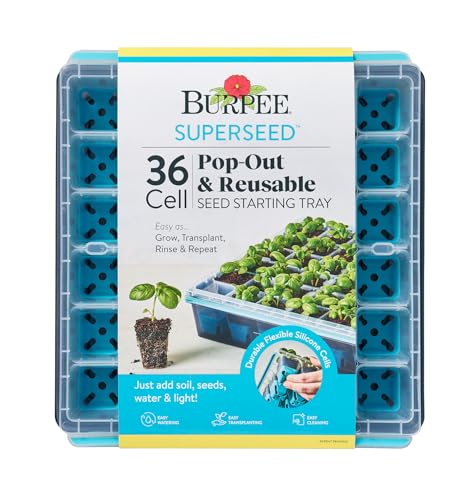
Burpee SuperSeed 36-Cell Reusable Seed Starting Tray
Its flexible silicone cells help release seedlings with less pulling, making transplant day easier.

Patigrow 60-Cell Self-Watering Seed Starter Tray
Its self-watering design, humidity dome, and included grow light offer a convenient indoor starting setup.

Mr. Pen Seed Starter Tray Kits, 400 Cells
The large cell count suits gardeners who want to start many vegetables and flowers at once.
Burpee SuperSeed 36-Cell Reusable Seed Tray
The Burpee SuperSeed 36-cell tray is a strong choice for home gardeners who want to grow healthy seedlings without a struggle at transplant time. Its flexible silicone cells help release young plants with less force than stiff cells may need. That matters when roots are still small and stems are easy to damage. The tray holds 36 seedlings, so it suits a modest vegetable garden, a flower bed, or a small indoor herb setup.
I like the idea behind this tray because transplanting can be one of the hardest parts of starting seeds. A plant may look strong above the soil but still have tender roots below it. Flexible cells can make removal easier when the mix is moist and the root ball is ready. You still need to provide good light, careful watering, and enough room for each plant, but this tray helps make one key task less stressful.
✅ Pros
- ✔Flexible silicone cells help seedlings come out with less pulling.
- ✔Reusable construction can reduce the need to buy new trays each season.
- ✔The 36-cell layout suits small and medium home gardens.
- ✔Individual cells help keep seedlings separate during early growth.
- ✔Useful for many vegetable, herb, and flower seeds.
- ✔Can make transplanting easier for beginners.
- ✔A practical option for indoor seed starting before spring planting.
⚠️ Cons
- ✖The 36-cell capacity may be too small for large gardens.
- ✖A reusable tray needs cleaning between growing seasons.
- ✖Flexible cells may need careful handling when full of wet growing mix.
- ✖You may need a separate light, humidity cover, or bottom tray if these are not included.
My Recommendation
I would choose the Burpee SuperSeed for gardeners who value easy transplanting more than a very high cell count. It is a good fit for starting tomatoes, peppers, herbs, and flowers in small batches. The flexible cells are its main appeal. They can help reduce root disturbance when you move seedlings into larger pots or outdoor beds. Check the product listing for the current package contents and care directions before buying. For the best results, fill each cell with a fine seed-starting mix, keep the mix moist but not soaked, and provide bright light as soon as seedlings emerge.
| Best For | Why |
|---|---|
| Home vegetable gardeners | Thirty-six cells give you room to start a useful batch of vegetables without taking over a shelf. |
| Gardeners who dislike root damage | Flexible cells can make it easier to release seedlings during transplanting. |
| Reusable garden supplies | The tray is designed for repeated use with proper cleaning and careful storage. |
Patigrow 60-Cell Self-Watering Tray With Light
The Patigrow 60-cell seed starter kit brings several indoor growing tools together. Its listed features include 60 cells, a self-watering setup, a grow light, and a humidity dome about 4.07 inches high. That combination may appeal to people who want to start seeds in a spare room, kitchen, or apartment. It can also help gardeners who lack a sunny window or want a more organized place to grow young plants.
A self-watering tray can help keep the growing mix evenly moist, but it does not remove the need to check your seedlings. Too much water can still cause trouble, especially before seeds sprout. The dome can hold moisture during germination, while the grow light can support growth after the seedlings emerge. I would use the light according to the maker’s instructions and remove or vent the dome as plants grow so they get fresh air and do not stay too damp.
✅ Pros
- ✔Sixty cells provide room for a wide range of garden seeds.
- ✔The self-watering design may reduce the need for frequent top watering.
- ✔The included grow light can help in rooms with limited natural light.
- ✔The humidity dome can help maintain moisture during germination.
- ✔Combines several seed-starting items in one kit.
- ✔Useful for apartments, small homes, and indoor growing shelves.
- ✔Can help keep early seed growth in one organized area.
⚠️ Cons
- ✖The light may not provide enough coverage for every seedling once plants grow larger.
- ✖The water supply still needs regular checks to prevent overly wet growing mix.
- ✖The dome can trap too much moisture if left closed for too long.
- ✖The setup needs access to a safe power outlet if the light uses a plug.
- ✖More parts can mean more cleaning and storage work.
My Recommendation
The Patigrow kit is worth considering if you want a compact indoor seed-starting system rather than a tray alone. Its mix of cells, water support, dome, and light may suit new gardeners who are building their first setup. I would pay close attention to light height, coverage, and watering. Seedlings need bright light after emergence, and a small included light may need to stay close to the plants to limit stretching. Check the current listing for power details, tray dimensions, and exactly what comes in the box.
| Best For | Why |
|---|---|
| Indoor beginners | The kit combines several basic seed-starting parts in one package. |
| Apartment gardeners | A 60-cell tray can fit a small indoor growing project without needing a full greenhouse. |
| Busy home gardeners | The self-watering feature may reduce routine watering work when used and checked correctly. |
Mr. Pen Seed Starter Kits With 400 Cells
The Mr. Pen seed starter kit is designed for gardeners who want to raise many plants at once. The listed package includes 10 trays with a total of 400 cells, plus bases and vented humidity domes. That high capacity can help when you want to start several tomato varieties, a large batch of peppers, annual flowers, or herbs for a backyard garden. Multiple trays also make it easier to separate plant types and sowing dates.
A large kit can save space and time when you plan your planting before you begin. You can label each tray, track which seeds sprout first, and move groups of plants as they grow. Still, hundreds of cells need room, light, water, and attention. I would not fill every cell unless you have enough growing space and a plan for moving the seedlings into larger pots or outdoor beds.
✅ Pros
- ✔The package offers 400 cells across 10 trays.
- ✔Vented humidity domes help manage moisture during germination.
- ✔Bases can help catch drainage water and reduce mess.
- ✔Separate trays make it easier to group seeds by crop or planting date.
- ✔Useful for large vegetable gardens and flower beds.
- ✔Can support batch planting for several varieties.
- ✔The many cells offer room to start extra plants as backups.
⚠️ Cons
- ✖The full set can take up a lot of shelf or table space.
- ✖A high cell count may encourage gardeners to sow more seeds than they can care for.
- ✖Small cells can dry out quickly in warm rooms or under strong lights.
- ✖Plastic trays and domes need gentle handling to avoid cracks or bends.
- ✖The large number of seedlings can require extra pots, soil, labels, and lights.
My Recommendation
I would recommend the Mr. Pen kit to serious home gardeners who start many plants each season. It makes the most sense for people with a garden plan, enough indoor light, and room to grow. The 400-cell capacity is useful, but the number alone does not make seedlings stronger. Strong growth still depends on clean trays, suitable seed-starting mix, steady moisture, bright light, and timely transplanting. If you only need a few herbs or tomatoes, a smaller kit may be easier to manage.
| Best For | Why |
|---|---|
| Large backyard gardens | The 400 cells give you space to start many vegetables and flowers in one season. |
| Gardeners growing many varieties | Separate trays can help you group and label crops by type or sowing date. |
| Planned batch planting | The multi-tray setup can support repeat sowings and backup seedlings. |
Gardzen 30-Pack Six-Cell Seed Starter Trays
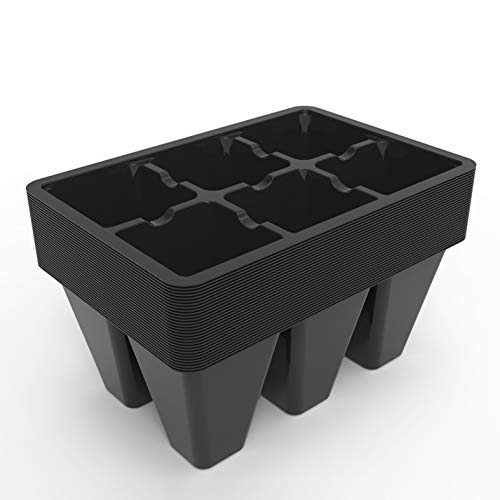
The Gardzen six-cell trays offer a simple way to start small groups of seeds. The listed pack contains 30 trays, each with six cells, for a total of 180 planting spaces. Each tray measures about 5.4 by 3.7 inches and has drainage holes. The small format can suit gardeners who want to keep crop types separate or start a few plants at a time without managing one large tray.
These trays may work well for a home garden where you want separate groups of tomatoes, peppers, herbs, or flowers. The drainage holes help excess water escape, which is useful when you water from the top. Since the cells are small, you should keep an eye on moisture and root growth. Seedlings may need to move into larger pots before they are ready for the garden, especially if cold weather delays outdoor planting.
✅ Pros
- ✔Thirty trays provide 180 cells in total.
- ✔Six-cell groups make it easy to separate crops and varieties.
- ✔Drainage holes help excess water leave each cell.
- ✔Compact tray size suits narrow shelves and small work areas.
- ✔Useful for starting a mix of vegetables, herbs, and flowers.
- ✔Separate trays can be moved in small batches.
- ✔A practical format for sowing seeds at different times.
⚠️ Cons
- ✖The six-cell trays may need extra support when filled with wet mix.
- ✖Small cells can limit root space for seedlings that grow quickly.
- ✖The package may not include domes, bases, or lights.
- ✖Many individual trays can become hard to organize without clear labels.
- ✖You need to check the exact plastic thickness and care details in the current listing.
My Recommendation
The Gardzen six-cell trays are a useful choice for gardeners who value small batches and simple grouping. They are especially handy when you want to start several types of seeds without filling a large tray. I would pair them with a stable bottom tray, a quality seed-starting mix, and a bright grow light if natural light is weak. Use the drainage holes as intended, and never let the cells sit in standing water for long periods. If you grow large numbers of plants, make sure you have enough room to set out all 30 trays.
| Best For | Why |
|---|---|
| Small-space gardeners | The compact trays can fit on narrow shelves or small work surfaces. |
| Mixed seed varieties | Six cells per tray make it easy to keep different crops in separate groups. |
| Gardeners who sow in stages | Individual trays can be started and moved at different times. |
SOLIGT Thick Plastic Seed Starter Trays, 144 Cells

The SOLIGT seed starter set is listed as a three-set package with thick plastic trays, five-inch humidity domes, and 144 cells in total. Its larger domes can give young seedlings some cover while seeds sprout. The thicker plastic design may also appeal to gardeners who want trays that feel more solid during routine handling. This set can suit a home gardener who needs a moderate number of planting spaces and wants a covered setup.
Humidity domes can help hold moisture around seeds, but they work best during the right stage of growth. Once most seeds sprout, remove the cover or open it more to let air move around the plants. Too much trapped moisture can encourage mold and seedling disease. I would also check that the trays have open drainage holes and that the base can catch runoff before placing them on a shelf or table.
✅ Pros
- ✔The set provides 144 cells across three sets.
- ✔Thick plastic construction may offer better support than very thin trays.
- ✔Five-inch humidity domes can help maintain moisture during germination.
- ✔A moderate cell count suits many home vegetable gardens.
- ✔Separate sets make it easier to group different crops.
- ✔Covered trays can help keep seed-starting mix from drying too fast.
- ✔Useful for starting flower, herb, and vegetable seeds indoors.
⚠️ Cons
- ✖The domes need venting or removal after seeds emerge.
- ✖Covered trays can trap too much moisture if left closed.
- ✖The set may take more storage space than a small open tray.
- ✖You may need to add grow lights if the room does not get enough bright light.
- ✖Thicker plastic does not remove the need for careful cleaning and storage.
My Recommendation
I would consider the SOLIGT set if you want a covered seed-starting system with enough cells for a medium-sized garden. The three-set format can help you sort crops, and the listed thick plastic may offer a more stable feel during use. Its main value is the combination of trays and humidity domes. Still, a dome cannot replace good light or careful watering. Check the current listing for the included bases, cell layout, drainage details, and package count before you place an order.
| Best For | Why |
|---|---|
| Home gardeners starting many crops | The 144 cells provide room for several vegetable, herb, and flower varieties. |
| Gardeners who want humidity covers | The five-inch domes can help hold moisture during the early germination stage. |
| People who prefer sturdier trays | The listed thick plastic construction may be more supportive during regular handling. |
Final Verdict: Which Should You Buy?
The Burpee SuperSeed 36-cell tray is my top pick for gardeners who want easier transplanting and a reusable design. The Patigrow kit suits indoor growers who want a self-watering setup with a light, while the Mr. Pen kit is better for large planting plans. The Gardzen and SOLIGT options offer useful layouts for gardeners who prefer small groups or covered trays.
The Best Seed Starting Trays for Stronger Seedlings should match your space, crop list, and watering habits. Choose a tray with good drainage, use a quality seed-starting mix, and give young plants enough light. These simple steps can help you raise sturdy seedlings for a healthier garden.
FAQs Of Best Seed Starting Trays for Stronger Seedlings
Q What makes the Best Seed Starting Trays for Stronger Seedlings?
Q Are reusable seed starting trays better than disposable ones?
Q Do seed starting trays need drainage holes?
Q Should I use a humidity dome for every seed?
Q How do I grow strong seedlings in seed starting trays?

I enjoy sharing simple gardening ideas, lawn care tips, and honest product reviews that help make outdoor work easier. From home gardening guides to helpful tools and lawn care advice, I write easy-to-follow content to help readers create a healthier and better-looking outdoor space without wasting time or money.