As an Amazon Associate, I earn from qualifying purchases.
Caring for your yard in the fall means cleaning up leaves, mowing at the right height, feeding the lawn when needed, protecting trees and shrubs, and preparing your outdoor space for winter. The best tasks depend on your local climate, grass type, and first expected freeze.
Across the United States, fall brings a welcome break from summer heat, but it also signals a change in yard care. Homeowners in New England may see frost and falling leaves in early autumn, while people in Georgia or Texas may still deal with warm days well into November. Your yard needs a plan that fits your local weather rather than a fixed calendar date.
The goal is to help your lawn, trees, shrubs, and garden beds enter winter in good shape. You do not need to complete every outdoor chore in one weekend. A few well-timed jobs, such as removing thick leaf piles, keeping grass at a suitable height, and watering new plants during dry spells, can make a real difference.
This guide explains how to care for your yard during fall, which jobs deserve the most attention, and which common cleanup habits can cause harm. You will also learn how to adjust your routine for warm-season and cool-season lawns, prepare tools for cold weather, and decide what can safely wait until spring.
Walk through your yard before you begin major cleanup. Look at the lawn, planting beds, trees, shrubs, walkways, fences, and drainage areas. This first check helps you find the jobs that matter most and avoid spending time on work your yard does not need.
Look for standing water, bare patches, compacted soil, damaged branches, weeds, and plants that have outgrown their spaces. Check low spots after rain, too. Water that stays in one place may point to a drainage problem that leaf removal alone will not solve.
Next, consider your local frost dates and recent weather patterns. A homeowner in Minnesota may need to finish outdoor watering and winter preparation well before someone in coastal California. Local extension services can help you match lawn and garden tasks to regional conditions.
Source: shrubhub.com
Check the lawn
Look for thin grass, bare soil, moss, weeds, and places where foot traffic has worn down the turf. These signs can guide your decisions about aeration, overseeding, or soil improvement.
Inspect trees and shrubs
Look for broken limbs, rubbing branches, damaged bark, and signs of disease. Arrange qualified help for large limbs near buildings, roads, or power lines.
Review drainage
Clear leaves from ground-level drains and note areas that stay soggy. Do not direct runoff toward a neighbor’s property or a building foundation.
Make a short task list
Put urgent safety and drainage jobs first, followed by lawn care, planting bed cleanup, and equipment storage. This makes a large yard feel easier to manage.
Choose Tasks Based on Your Region
Fall yard care is not the same across the country. Cool-season grasses such as Kentucky bluegrass, perennial ryegrass, and tall fescue often grow well during cooler fall weather. Warm-season grasses such as Bermuda grass, St. Augustine grass, and zoysia slow as temperatures drop and may enter dormancy after cold weather arrives.
In northern states, focus on finishing lawn repairs, clearing heavy leaves, and preparing irrigation before hard freezes. In much of the Southeast, fall may still offer time for mowing, watering, and other work while grass remains active. In the Southwest, dry weather and limited rainfall may make irrigation management a greater concern.
If you are unsure when to perform a task, use your state university’s Cooperative Extension guidance. Local soil, climate, and grass recommendations are more useful than a schedule designed for a different region.
Cool northern climates
Watch for early freezes, remove heavy leaf cover, and complete suitable lawn repairs while temperatures still support growth.
Warm southern climates
Continue mowing and watering as needed while warm-season grass remains active, then reduce inputs as growth slows.
Dry western climates
Check soil moisture before watering and follow local rules for irrigation, drought response, and water conservation.
2. Remove Leaves Without Harming Your Lawn
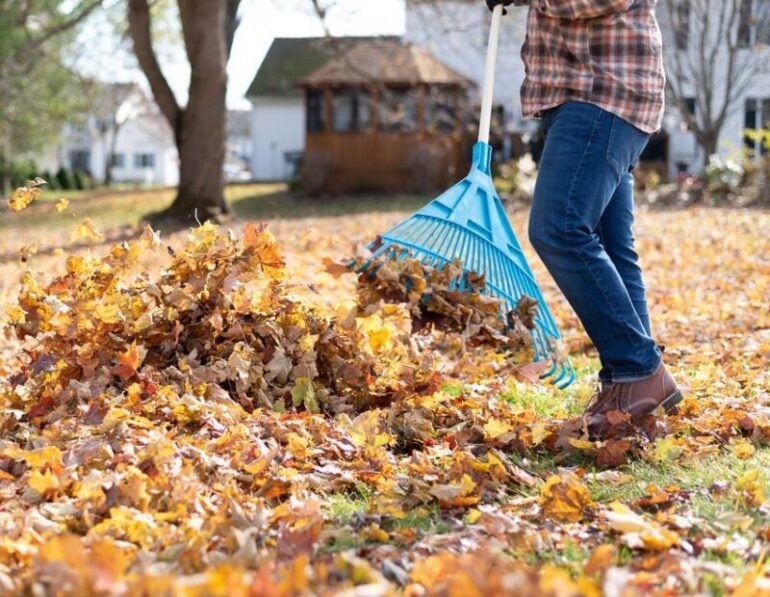
Manage fallen leaves before they form a thick, wet mat over your grass. A deep layer can block sunlight, hold moisture against the lawn, and leave grass weak or yellow. Leaves can also cover paths and steps, making them slippery after rain.
You do not have to rake every leaf from every part of your property. If the leaf layer is light and dry, mowing it into small pieces may work well. The pieces can settle among the grass blades and break down, returning organic matter to the soil.
When leaves are too thick to chop finely, collect them with a rake, leaf blower, or mower with a suitable collection bag. Move healthy leaves to a compost pile or use them as a loose mulch in suitable garden beds. Keep leaves away from storm drains, roadways, and water features where they may block flow or add unwanted nutrients.
Source: farmcitystate.com
Mow light leaf cover
Use a mower to chop a thin layer into small pieces. Stop when leaves remain in clumps or cover much of the grass after mowing.
Rake heavy piles
Remove thick accumulations from lawns, walkways, and areas where water needs to flow freely.
Compost healthy leaves
Mix leaves with suitable green material, such as fresh plant trimmings, to help balance the pile and support decomposition.
Keep problem leaves separate
Dispose of leaves with serious disease or pest problems according to local guidance. Do not assume every diseased leaf is suitable for a home compost pile.
What Is the Best Way to Handle Wet Leaves?
Wet leaves tend to stick together, making them harder to rake or chop. Wait for a drier period when possible, especially if your lawn is soft enough to rut under mower tires. Working on saturated ground can compact the soil and damage grass crowns.
For small yards, a rake may be all you need. On larger properties, a leaf blower or mower with a mulching setting can save time. Wear eye protection when using powered equipment, and avoid blowing leaves into roads, neighboring yards, or storm drains.
If you have a wooded section of your yard, you may leave some leaves under trees or in designated habitat areas. Keep the lawn itself clear enough for light and air to reach the grass.
For small lawns
Use a flexible rake and gather leaves in manageable piles to reduce strain and keep debris under control.
For larger lawns
Use a mulching mower or leaf vacuum that suits the amount of debris and the size of the property.
For wildlife areas
Leave a limited layer of leaves under suitable trees and shrubs where it will not block drains, smother plants, or create a safety hazard.
3. Keep Mowing Until Grass Growth Slows
Continue mowing as long as your grass is actively growing. Grass may grow more slowly as nights cool, but stopping too early can leave long blades that bend under leaves, trap moisture, and make the lawn look untidy. At the same time, mowing too short can weaken the plants before winter.
Follow the recommended mowing height for your grass type. Many cool-season lawns do well at roughly 2.5 to 4 inches during active growth, but the ideal height varies by species and local conditions. Warm-season lawns often need a different height, so check a regional lawn guide before making a major adjustment.
Avoid cutting off more than about one-third of the grass blade in a single mowing. If the lawn has become too tall, lower the height gradually over several mowings instead of cutting it down sharply in one pass. Sharp mower blades also help create clean cuts rather than torn tips.
Source: themowersguide.com
Adjust the mowing schedule
Mow less often as growth slows, but keep checking the lawn rather than stopping on a fixed date.
Keep a suitable height
Use the correct height for your grass species and avoid scalping the lawn before winter.
Remove clumps
Spread or collect heavy grass clippings that form thick piles after mowing. Fine clippings can usually remain on the lawn.
Clean the mower deck
Remove packed grass and leaf debris after use, following the manufacturer’s instructions and safe shutdown steps.
Should You Give Your Lawn One Last Short Cut?
A very short final cut is not a universal fall lawn care rule. Cutting grass too low can reduce its ability to capture light and recover from stress. Leaving grass excessively tall can also create problems if it mats under snow or wet leaves.
The better approach is to maintain the recommended height until growth nearly stops. If your lawn is still growing after a mild fall, keep mowing when needed. If growth has ended and the lawn is at a suitable height, there may be no reason for another cut.
Never mow frozen grass or drive heavy equipment over a frozen or waterlogged lawn when it may break or rut. Wait for conditions that allow safe work and protect the turf.
Good sign
Grass remains upright, the lawn is not covered in thick clippings, and the blades are close to their recommended height.
Warning sign
Grass has been scalped, mower tracks sink into soft soil, or wet leaves are pressed into the turf.
4. Fertilize, Aerate, and Overseed When Conditions Fit
Fall can be a useful time to repair a lawn, but the right treatment depends on grass type, soil conditions, and how much growing time remains. Cool-season grasses often benefit from suitable fall feeding and overseeding because their roots and shoots can keep growing in cool weather. Warm-season grasses usually need a different plan as they approach dormancy.
Before applying fertilizer, consider whether your lawn needs it. A soil test can help show soil pH and nutrient levels, reducing the risk of applying nutrients that are not needed. Follow the product label and local fertilizer rules, especially near lakes, streams, storm drains, and other waterways.
Aeration may help when soil is compacted and water has trouble soaking in. Core aeration removes small plugs of soil and can improve the movement of air, water, and nutrients into the root zone. It is not necessary every fall for every lawn, and it should be timed for a period when the grass can recover.
Source: frontierlandscaping.com
Test the soil
Use a soil test when nutrient needs or pH are uncertain. Follow the test results rather than applying fertilizer by habit.
Aerate compacted soil
Consider core aeration where foot traffic, heavy equipment, or repeated use has made the soil dense.
Overseed thin cool-season lawns
Choose grass seed suited to your climate, sunlight, soil, and existing lawn, and allow enough time for germination and establishment before freezing conditions.
Follow local fertilizer rules
Apply the labeled amount and keep fertilizer off hard surfaces so rain cannot carry it into drains or waterways.
When Should You Aerate Your Lawn?
Aerate when the soil is slightly moist, not bone-dry or saturated. The soil should allow the machine to pull cores without leaving deep ruts. For cool-season grass, this often means early to mid-fall, while the lawn is still actively growing.
Warm-season lawns should generally be aerated during their active growing season, when they have time to recover. In many regions, that means spring or summer rather than late fall. Local guidance can help you avoid aerating when the grass is close to dormancy.
If your lawn drains well and has little foot traffic, routine aeration may not be needed. If puddles form, water runs off quickly, or the soil feels hard underfoot, investigate compaction and drainage before choosing a treatment.
Core aeration
Removes small plugs of soil and is often useful for compacted turf.
Spike aeration
Pushes holes into the ground without removing soil and may not relieve severe compaction as effectively.
After aeration
Leave soil cores to break down naturally unless local conditions or a specific lawn treatment call for another approach.
Should You Seed Bare Spots in Fall?
Fall seeding can work well for many cool-season lawns, but timing matters. Seed needs contact with the soil, suitable moisture, and enough warmth to germinate and develop before hard freezes or other harsh conditions arrive.
Prepare the bare area by removing loose debris and lightly loosening the soil surface. Spread an appropriate seed mix at the labeled rate, then press it into contact with the soil. Keep the surface evenly moist during germination without washing seed away or leaving the area waterlogged.
Do not assume the same approach will work for every warm-season lawn. Some warm-season grasses are established from plugs, sprigs, or sod, and late-season repairs may be better delayed until the next active growth period.
Match the seed
Choose a grass species or blend that fits your region, sun exposure, and existing turf.
Protect new seedlings
Limit heavy foot traffic until young grass has established enough to tolerate normal use.
Avoid late seeding without a plan
If freezing weather is near, ask a local extension office whether dormant seeding or spring repair is appropriate for your area.
5. Water Trees, Shrubs, and Garden Beds
Do not stop watering every plant just because summer has ended. Newly planted trees and shrubs need regular attention while their roots establish, and established plants may still need water during a dry fall. The amount depends on rainfall, soil type, plant species, and temperature.
Check soil moisture before watering. Push a finger or small hand tool into the soil near the root zone, taking care not to damage roots. If the soil is dry several inches below the surface, a slow, deep watering may be more useful than a brief spray that wets only the top layer.
Water early enough for excess moisture to drain before the ground freezes. Avoid keeping soil constantly wet, especially around plants that prefer well-drained conditions. In dry climates, follow local watering rules and adjust irrigation based on actual soil moisture and rainfall.
Source: lifeandwork.blog
Prioritize new plantings
Check recently planted trees, shrubs, and perennials more often than well-established plants, especially during dry and windy weather.
Water slowly
Apply water near the root zone so it can soak into the soil instead of running off the surface.
Check before watering
Rainfall, shade, clay soil, and low spots can all change how quickly soil dries.
Prepare irrigation for freezing weather
Drain hoses and exposed equipment, and follow the irrigation system manufacturer’s winterization instructions when freezes are expected.
How Much Water Do Plants Need Before Winter?
There is no single amount that works for every yard. Sandy soil drains quickly, while clay soil may hold water much longer. A small shrub in a container also dries faster than a large established tree growing in the ground.
During a dry fall, water trees and shrubs deeply enough to moisten the root zone. Check the soil again before repeating the task. Do not rely on the appearance of the surface alone because the top inch can be dry while the soil below remains wet.
Evergreens can lose water through their leaves or needles during winter, so dry soil before a freeze can be a concern. Water them when the soil is dry and temperatures allow water to soak in. Avoid watering frozen ground or creating ice on walkways.
New trees and shrubs
Monitor root-zone moisture closely during the first growing seasons after planting.
Established plants
Water when rainfall is insufficient and the soil has dried to a depth suited to the plant.
Container plants
Check containers more often because small volumes of potting mix can dry or freeze faster than garden soil.
6. Prepare Trees, Shrubs, and Perennials for Winter
Healthy trees and shrubs usually need less intervention than homeowners expect. Focus on correcting clear problems, watering during dry periods, and protecting roots rather than making major cuts or applying several treatments at once. Fall is also a good time to check whether branches are rubbing against buildings or blocking paths.
Avoid heavy pruning of shrubs and trees unless there is a safety concern or a clear reason to act. Some flowering shrubs form next year’s buds on old wood, so cutting them back in fall can remove future blooms. Remove dead, broken, or hazardous branches when it is safe to do so, and hire a qualified arborist for large or high limbs.
Many perennials benefit from a light cleanup, but not all stems need to be cut to the ground. Healthy seed heads can feed birds, and standing stems may provide shelter for beneficial insects. Plants with disease problems may need more thorough cleanup, while frost-sensitive species may need protection based on your climate.
Source: dependablelawn.ca
Check tree health
Look for broken limbs, damaged trunks, and signs of decline. Seek an arborist’s advice for serious structural concerns.
Use mulch around roots
Spread a suitable organic mulch over the root zone, keeping it away from direct contact with trunks and shrub stems.
Protect vulnerable plants
Use plant covers or other suitable protection when a forecast freeze threatens tender plants, following species-specific advice.
Keep healthy habitat
Leave selected healthy seed heads and stems when they do not create a disease, access, or safety problem.
How to Mulch Trees and Shrubs Correctly
Mulch helps reduce moisture loss, moderate soil temperature, and limit competition from weeds. A layer of about 2 to 3 inches is often suitable for many landscape beds, but the best depth depends on the material and site conditions. Do not pile mulch against tree trunks or bury the crowns of plants that need good airflow.
Spread mulch across the root zone where practical, rather than creating a tall mound around the trunk. Keep the trunk flare visible, especially on trees. If old mulch is already deep, remove or redistribute excess material before adding more.
Wood chips, shredded bark, and chopped leaves can all be useful in suitable settings. Choose clean materials and avoid placing thick, compacted layers against plant stems. Mulch is a root-zone aid, not a substitute for watering or correcting poor drainage.
Keep mulch loose
A loose layer allows water and air to reach the soil more readily than a dense, matted layer.
Leave space around trunks
Keep mulch several inches away from the trunk and avoid volcano-shaped piles.
Inspect the root flare
The base of a tree should widen naturally where the trunk meets the roots; do not cover this area with soil or mulch.
7. Clean Garden Beds and Manage Weeds
Fall cleanup can lower the amount of plant debris and weed seed left in your yard, but a completely bare garden is not always the best goal. Remove dead or diseased material when needed, pull weeds before they produce more seed, and keep paths and drains clear. Leave healthy material that offers wildlife value when it does not interfere with plant health.
Vegetable gardens deserve particular attention after harvest. Remove spent annual crops, collect fallen fruit, and inspect stems and leaves for signs of disease or insect damage. If a plant had a serious disease, follow local guidance for disposal rather than placing it in an ordinary home compost pile.
You can improve many garden beds by adding finished compost and protecting bare soil with a suitable mulch or cover crop. Avoid digging wet clay soil, which can damage its structure. If you plan to sow a cover crop, choose one suited to your region and planting window.
Source: www.pinterest.com
Pull weeds before they seed
Remove weeds while the soil is workable and before mature seed heads spread more plants around the yard.
Remove diseased crops
Collect plants with serious disease symptoms and follow local disposal recommendations.
Add finished compost
Use mature compost to add organic matter where appropriate, following soil test results and the needs of the plants.
Protect bare soil
Use a suitable mulch or cover crop to reduce erosion and limit soil exposure through winter.
Should You Cut Back All Perennials in Fall?
No. Some perennials benefit from fall cleanup, especially when foliage is diseased or the plant is prone to pest problems. Others can remain standing through winter without harming the garden.
Plants with attractive seed heads can add winter interest and offer food for birds. Hollow or sturdy stems may provide shelter for insects, depending on the species and local conditions. You can also leave selected healthy stems in one section of the garden while tidying paths and high-traffic areas.
If you are unsure which plants to cut back, identify the species first and check its care needs. A small amount of planned cleanup is often better than cutting every plant down simply because the season has changed.
Cut back when health requires it
Remove foliage with serious disease or pest issues according to suitable local guidance.
Leave useful seed heads
Keep selected healthy stems where they provide winter interest, food, or shelter.
Mark dormant plants
Use simple plant markers where dormant perennials may be hard to see during spring planting.
8. Protect Soil and Improve Drainage
Healthy soil supports strong roots, so fall is a useful time to spot and address soil problems. Look for compacted paths, bare slopes, exposed roots, and areas where rainwater washes soil away. These signs may call for different solutions, from reducing foot traffic to adding organic matter or improving drainage.
Adding compost can improve the structure of many garden soils over time, but it will not fix every drainage problem. Heavy clay may drain slowly because of its structure and site conditions, while compacted soil can make water movement even worse. Avoid adding a small amount of sand to clay in the hope of making it drain well; this can produce an undesirable soil mixture.
Protect bare soil through winter where practical. A suitable mulch can reduce erosion, while a cover crop may protect larger vegetable beds and improve soil management. Choose an approach that fits your climate, bed size, and next planting date.
Reduce compaction
Keep heavy equipment and repeated foot traffic off soft ground, especially after rain.
Use compost wisely
Add mature compost based on soil conditions and plant needs rather than using large amounts without a clear reason.
Control runoff
Keep drains clear and use suitable planting or erosion-control methods where water carries soil downhill.
Protect exposed ground
Use mulch, groundcover, or a suitable cover crop to reduce soil loss and limit bare patches.
What if Water Pools in Your Yard?
Start by observing where the water collects and how long it remains after rain. A shallow puddle that disappears quickly may not be a major concern, while repeated standing water near a foundation, on a steep slope, or around tree roots deserves closer attention.
Clear blocked surface drains and downspouts, then check whether the ground slopes toward the building. Do not dig blindly near buried utility lines or make changes that send water onto neighboring land. Contact the relevant utility locating service before digging, and seek qualified drainage advice if the cause is unclear.
If the problem comes from compacted soil, core aeration may help a lawn under suitable conditions. If the issue comes from a high water table, poor grading, or a drainage system problem, aeration alone will not solve it.
Check downspouts
Make sure runoff can move away from the foundation without eroding soil or flooding another area.
Watch repeated puddles
Record where water remains after several rain events to help identify a recurring drainage issue.
Get help for persistent problems
Use a qualified drainage or landscape professional when standing water threatens buildings, slopes, or plant health.
9. Prepare Lawn and Garden Equipment for Winter
Before cold weather arrives, clean, inspect, and store the tools you will not use through winter. Grass, soil, and moisture left on equipment can contribute to corrosion and make the next season’s work harder. A short cleanup now can also reveal worn parts before you need them again.
Disconnect power sources before cleaning or servicing equipment. Follow the owner’s manual for blade removal, lubrication, fuel handling, battery storage, and maintenance. Never reach beneath a mower deck or handle sharp blades while the machine can start unexpectedly.
Fuel-powered equipment may need specific winter storage steps, while battery-powered tools require care that suits their battery chemistry and manufacturer instructions. Store batteries in a dry location within the recommended temperature range, and keep them away from heat, moisture, and metal objects that could cause a short circuit.
Clean tools
Remove soil, grass, and sap from hand tools, then dry metal surfaces before storage.
Inspect cutting edges
Check mower blades, pruners, and saws for damage or dullness. Arrange sharpening or replacement when needed.
Store batteries correctly
Follow the manufacturer’s instructions for charge level, temperature, and long-term storage.
Prepare fuel-powered tools
Use the exact fuel and storage procedure recommended in the equipment manual. Keep fuel away from flames and ignition sources.
How to Winterize Hoses and Irrigation Systems
Water left in hoses, spray nozzles, and exposed pipes can freeze and cause damage. Disconnect garden hoses from outdoor faucets, drain them fully, and store them where they will not be exposed to harsh weather or vehicle damage.
For an automatic irrigation system, follow its manufacturer instructions and any local requirements. Some systems need professional blowout service, while others use a different winterization method. Compressed air can damage irrigation components or cause serious injury if used incorrectly, so do not attempt a blowout without the proper equipment and procedure.
Protect outdoor faucets and exposed plumbing according to the building’s design and local climate. If you are unsure how the plumbing is arranged, contact a qualified plumber rather than guessing which valve to close.
Disconnect and drain hoses
Remove hoses from outdoor faucets, empty them, and store them after the water has drained.
Check sprinkler instructions
Use the irrigation manufacturer’s specified winterization method or hire a qualified irrigation service.
Protect exposed plumbing
Use suitable frost protection based on the system and the expected local temperatures.
10. Use This Fall Yard Care Checklist
A simple checklist helps you focus on work that protects your yard instead of trying to complete every possible task. Start with safety, leaf management, and water needs, then move on to lawn repair and plant care when the timing is right. Some jobs need repeating throughout the season, while others depend on local weather.
The table below gives a practical starting point for a typical U.S. home landscape. It is not a fixed calendar for every state, because the right timing changes with grass species, planting dates, rainfall, and the arrival of freezing weather.
Use the checklist as a guide and cross off only the tasks that apply to your property. If a lawn treatment is not needed, skipping it is often better than applying it simply because fall has arrived.
Begin with safety
Remove hazards from paths, inspect trees, and clear blocked drains before routine yard work.
Work with the weather
Choose dry conditions for leaf cleanup and suitable soil moisture for mowing, aeration, and planting.
Finish before freezing
Prepare exposed water equipment and complete climate-sensitive jobs before hard freezes make them difficult.
A Practical Seasonal Task Table
Use this table to organize fall work. The timing is approximate and should be adjusted to your local conditions and plant needs.
Early fall
Inspect the yard, manage weeds, begin leaf cleanup, check soil moisture, and identify lawn repair needs.
Mid-fall
Continue mowing while grass grows, carry out suitable cool-season lawn seeding, aerate compacted turf when conditions fit, and plant suitable trees or shrubs with enough time for root establishment.
Late fall
Remove thick leaf piles, water during dry periods when soil is not frozen, finish needed cleanup, and prepare hoses and irrigation equipment for freezing weather.
After the growing season
Clean and store tools, review recurring drainage or soil issues, and make a short plan for repairs that are better completed in spring.
Which Jobs Should Come First?
If time is limited, start with tasks that prevent damage. Remove leaves that smother grass or block drains, address broken branches that pose a hazard, and check water needs for newly planted trees and shrubs. These jobs matter more than cosmetic trimming or a perfectly tidy garden bed.
Next, complete lawn work that needs active growth, such as suitable overseeding or aeration. After that, focus on general cleanup, mulching, and equipment storage. If the ground is frozen, waterlogged, or unsafe to work on, postpone the job rather than damaging the yard.
Priority 1: Prevent immediate problems
Clear hazards and blocked drains, remove heavy leaf mats, and check vulnerable plants during dry weather.
Mow, seed, aerate, or fertilize only when the grass type and local growing conditions support the task.
Priority 3: Prepare for winter
Protect suitable plants, store tools, and drain exposed water equipment before freezing weather.
11. Avoid Common Fall Yard Care Mistakes
Many fall yard problems come from doing too much, doing it at the wrong time, or applying the same method to every plant. The safest routine starts with what the yard actually needs. A treatment that helps one lawn or garden may offer little benefit to another.
Avoid heavy cleanup when the soil is saturated, excessive pruning without knowing the plant, and fertilizer applications that ignore soil test results or local rules. Be cautious with pesticides and weed killers, too. Always identify the target problem, read the label, and follow all application and protective-equipment instructions.
Remember that fall is a transition rather than a deadline. A job can be worthwhile in one region and poorly timed in another. When uncertain, seek advice from a local Cooperative Extension office, a qualified arborist, or another relevant professional.
Mistake: Raking every leaf from every area
Correction: Remove heavy leaf mats from grass and drains while leaving suitable amounts of healthy leaves in designated natural areas.
Mistake: Cutting the lawn too short
Correction: Maintain the recommended mowing height for the grass species and avoid removing more than about one-third of the blade at once.
Mistake: Fertilizing by habit
Correction: Base nutrient applications on grass needs, soil conditions, product directions, and local restrictions.
Mistake: Pruning every shrub in fall
Correction: Identify the plant first because some shrubs carry next year’s flower buds on existing wood.
Mistake: Stopping all watering
Correction: Check root-zone moisture during dry periods, especially around new plantings and evergreens.
Mistake: Working on saturated soil
Correction: Wait for better conditions to reduce compaction, ruts, and damage to the lawn.
When Should You Call a Professional?
Get qualified help when a yard problem involves significant risk, specialized equipment, or a cause you cannot identify. Large tree limbs near power lines, major drainage failures, and damaged irrigation plumbing are not good places to guess. The cost of a proper assessment may prevent a more serious problem.
For routine questions about grass varieties, soil tests, planting dates, or local pest problems, a university Cooperative Extension service can be a useful source. For major tree work, look for a qualified arborist with appropriate credentials and insurance. For electrical or plumbing hazards, use a licensed professional where required.
Tree hazards
Seek an arborist when large branches are cracked, a tree leans suddenly, or work involves climbing or cutting near power lines.
Persistent drainage problems
Consult a qualified professional when standing water threatens structures or continues despite basic maintenance.
Irrigation and plumbing
Get professional service when winterizing requires unfamiliar valves, compressed air, or work on exposed plumbing.
Frequently Asked Questions
Q
When should I start caring for my yard in the fall?
Start when summer heat begins to ease and your local weather allows safe outdoor work. In cooler parts of the United States, this may be early fall. In warmer regions, useful yard care can continue much later.
Begin with an inspection, leaf management, and checks for plant moisture. Schedule lawn seeding, aeration, and fertilizer based on grass type and the time remaining before dormancy or freezing weather.
Q
Should I leave fallen leaves on my lawn over winter?
Do not leave a thick layer of whole leaves on the lawn. Heavy leaf cover can block light and hold moisture against the grass. Rake the leaves or chop them into fine pieces with a mower when the layer is light enough.
Healthy leaves can be composted or used as mulch in suitable planting beds. Some leaves can also remain in natural areas under trees where they will not smother plants or block drainage.
Q
Is fall a good time to fertilize a lawn?
Fall can be a useful time to fertilize cool-season lawns because they may continue growing in cooler weather. Warm-season grasses have different needs and may not benefit from late-season feeding in the same way.
Use grass-specific local guidance, consider a soil test, and follow the fertilizer label and local rules. Avoid applying fertilizer before heavy rain or where runoff could carry nutrients into waterways.
Q
Should I cut all my plants back before winter?
No. Remove dead or diseased plant material when needed, but many healthy perennials can remain standing through winter. Their seed heads may feed birds, and their stems may provide shelter for beneficial insects.
Some shrubs also carry next year’s flower buds on existing branches, so heavy fall pruning can reduce spring blooms. Identify the plant and check its care needs before cutting it back.
Q
Do I need to water my yard in the fall?
Yes, when soil moisture is low and plants still need water. Newly planted trees and shrubs often need closer monitoring, and established evergreens may also need water during dry fall periods.
Check the soil before watering, apply water slowly near the root zone, and avoid watering frozen or waterlogged ground. Follow local water restrictions and adjust your routine to rainfall and soil type.
Q
Can I plant trees and shrubs in the fall?
Fall planting can work well in many U.S. regions because cooler air may reduce stress while soil remains warm enough for root growth. However, the suitable planting window depends on plant species, local climate, and how soon the ground freezes.
Choose plants suited to your region, water them after planting, and monitor soil moisture through dry periods. In places with very short autumns or harsh early freezes, spring may be a better option for some plants.
Q
What should I do to my yard before the first hard freeze?
Remove thick leaf piles, check newly planted trees and shrubs for dry soil, and complete lawn work that requires active growth. Drain and store garden hoses, prepare irrigation equipment according to its instructions, and protect tender plants when appropriate.
You do not need to strip every garden bed bare. Focus on plant health, safe access, drainage, and protecting equipment that could be damaged by freezing water.
✦ Wrapping Up
Conclusion
Caring for your yard in the fall is about helping grass, trees, shrubs, and garden beds handle the shift from active growth to winter rest. Start by checking your property, removing heavy leaf cover, and keeping drains and walkways clear. Then adjust mowing, watering, lawn repair, and plant care to the needs of your yard and the weather in your region.
You do not need to complete every possible task to prepare your yard well. A healthy lawn may need only routine mowing and leaf management, while a compacted or thin lawn may benefit from carefully timed aeration or seeding. Newly planted trees, dry soil, and exposed irrigation equipment may need more attention before freezing weather arrives.
The best fall routine is steady and practical. Use local planting and lawn guidance when timing matters, avoid treatments your yard does not need, and leave healthy habitat where it is suitable. By focusing on the jobs that prevent damage and support plant health, you can make spring cleanup easier and give your outdoor space a stronger start next growing season.
💡 Key Takeaway
This week, walk through your yard and make a short list of needed jobs. Remove heavy leaf piles, check soil moisture around new trees and shrubs, mow only while grass is growing, and identify any lawn repairs that suit your local fall conditions. Before freezing weather, drain hoses, prepare irrigation equipment, and store tools safely.
I enjoy sharing simple gardening ideas, lawn care tips, and honest product reviews that help make outdoor work easier. From home gardening guides to helpful tools and lawn care advice, I write easy-to-follow content to help readers create a healthier and better-looking outdoor space without wasting time or money.